The brain helped us build AI. Now AI is explaining the brain.
40 min
Listen through the publisher, then discuss the episode here or arrange an in-person Roundtable. Your city determines where to meet.
Roundtables are designed for groups of four, with a shared subject and room for everyone to speak. Come for discussion, with no dating expectation.
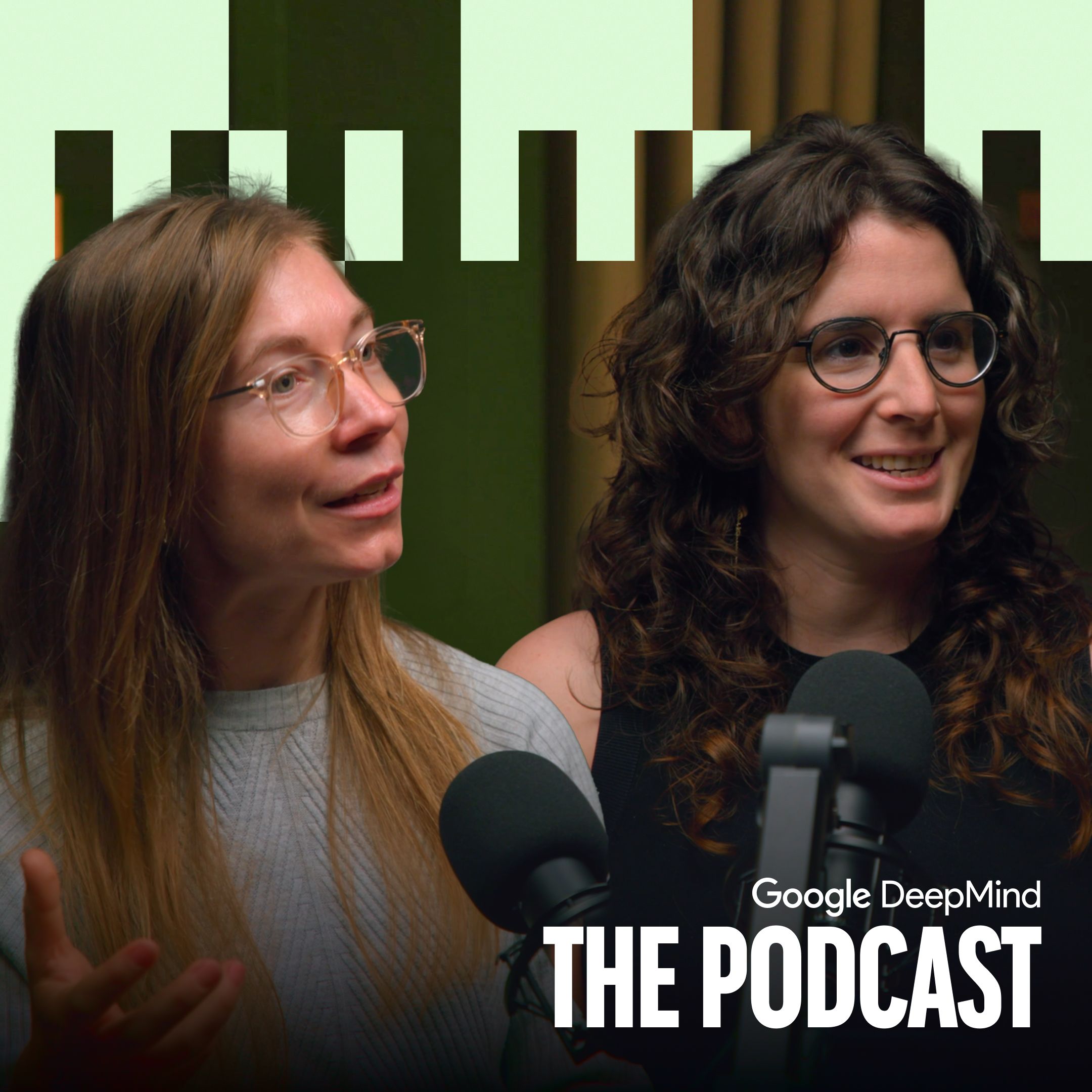
The human brain remains one of the greatest unsolved mysteries in science. We have roughly 86 billion neurons firing in a way that somehow produces intelligence, and yet the brain is still largely a black box. In the early days of AI, researchers looked to the brain for clues about how to build smarter machines. But today, that relationship has been flipped on its head. Join Professor Hannah Fry and neuroscience researchers Maria Eckstein and Kim Stachenfeld to see how scientists are using AI to better understand the human mind. Please leave us a review on Spotify or Apple Podcasts if you enjoyed this episode. We always want to hear from our audience whether that's in the form of feedback, new idea or a guest recommendation! Hosted by Simplecast, an AdsWizz company. See https://pcm.adswizz.com for information about our collection and use of personal data for advertising.
Episode information is provided by the publisher. Listening takes place on the publisher’s service.
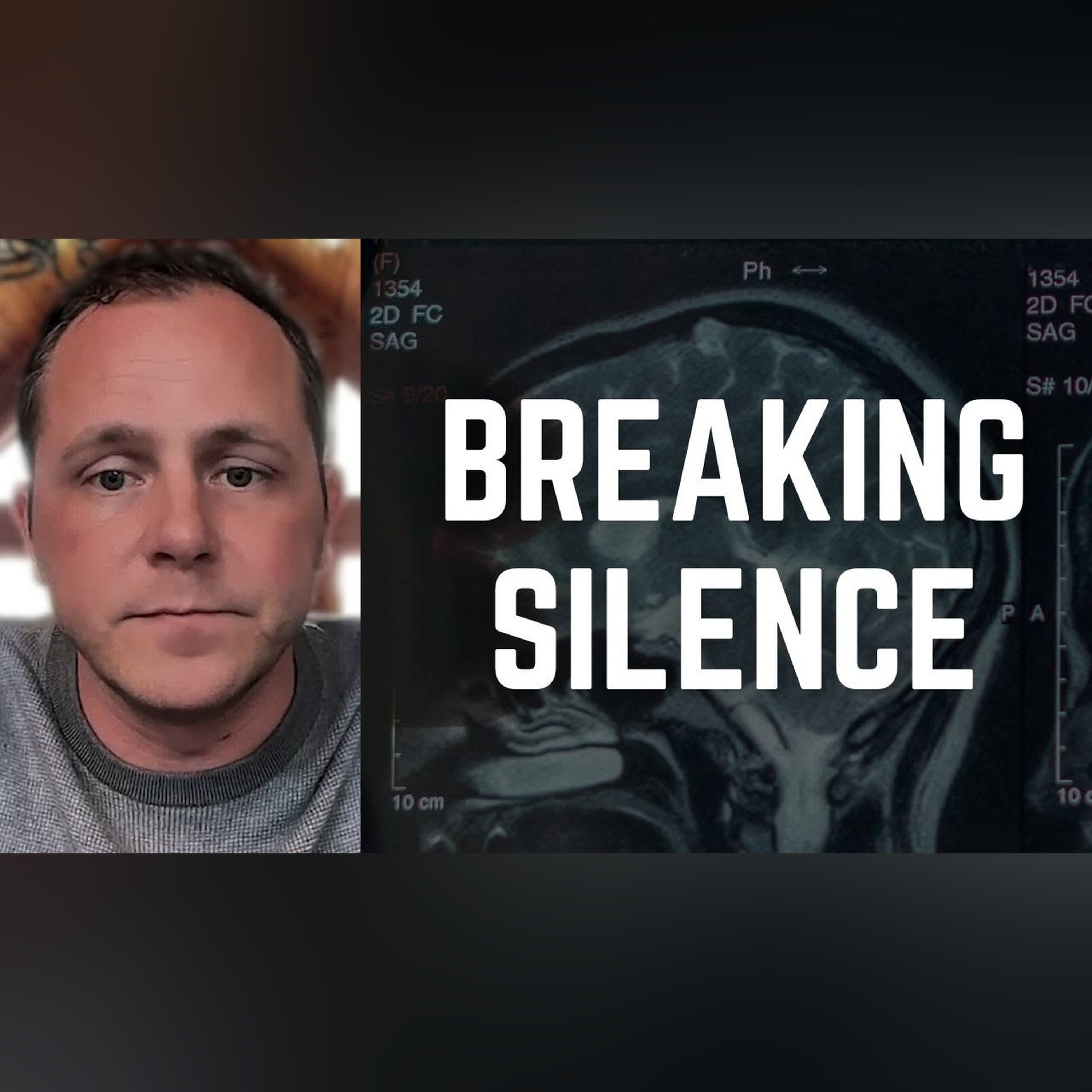
In this video, I finally open up about my diagnosis with Temporal Lobe Epilepsy and possible Mesial Temporal Sclerosis, conditions that have disrupted my life behind the scenes. This revelation comes after years of battling symptoms in secrecy, from memory loss to severe neurological episodes. My decision to come forward is driven by a desire to illuminate the challenges of living with a brain disease, the struggles of maintaining a façade of normalcy, and the personal acceptance of a life-altering reality. Uploaded 06-04-24 Why share this now? Because knowledge is power, but shared knowledge is empowerment. By documenting my journey, I aim to demystify these conditions, provide solace to those silently suffering, and initiate a conversation on the importance of mental and neurological health. This video is just the beginning. I promise to document my experiences, the good days and the bad, in hopes that my journey can offer understanding, hope, and support to those facing similar batt
When Apple Pay launched in the U.S., only about 3% of merchants accepted contactless payments. A decade later, Jennifer Bailey has helped expand it to 75 markets and more than 11,000 bank and network partners. Jennifer joins a16z General Partner Alex Rampell to tell the story of building Apple Pay, from solving the chicken-and-egg problem of banks, merchants, and consumers to designing payments around security and privacy without Apple seeing individual transactions. They also discuss the expansion from payments into transit, tickets, car and hotel keys, and digital IDs, plus why customer experience, patience, and timing have shaped Jennifer’s approach to building new products inside Apple. Resources: Follow Jennifer Bailey on LinkedIn:https://www.linkedin.com/in/jbaileyz Bailey: Follow Alex Rampell on X:https://x.com/arampell Stay Updated: Find a16z on YouTube: YouTube (https://www.youtube.com/@a16z) Find a16z on X (https://x.com/a16z) Find a16z onLinkedIn (https://www.linkedin.com/co
A family gathering at an old house in Utah was filled with memories of a beloved grandfather who had helped build the home and spent much of his life there. He had also passed away in that very house, and although he was gone, his family still felt a strong connection to him. As everyone sat together in the living room, sharing stories and laughing about some of his familiar habits, something unusual began happening. And the timing was so remarkable that everyone stopped to watch. It wasn't frightening. In fact, the family couldn't help wondering whether their loved one was somehow joining in the conversation. It wasn't the first time someone had experienced something unusual in the house, either. Could Grandpa John still be looking after the home he helped build—and occasionally reminding his family that he was never very far away? #RealGhostStoriesOnline #TrueGhostStories #GrandpasGhost #SignsFromBeyond #AfterDeathCommunication #FamilyGhostStories #SpiritVisitations #ParanormalEncoun
What would make someone with plenty of money risk their reputation, career, and freedom to steal something they don't even need? Is it greed, poor judgment, or something happening inside the brain that most of us don't understand? In this episode of Off the Couch Psychology Podcast, Dr. Jerry Cunningham explores kleptomania, a psychological disorder that can leave people struggling with powerful urges to steal, even when they know the consequences could be devastating. You'll discover what separates kleptomania from ordinary shoplifting, how emotional tension and temporary relief can create a difficult cycle, and what psychological treatments may help people regain control. We'll also revisit the famous shoplifting case involving actress Winona Ryder and examine what her story can teach us about the dangers of making assumptions about someone's mental health. Whether you're curious about human behavior, concerned about someone you love, or struggling with impulses yourself, this episod
#JimRohnMotivation #JimRohn #JimRohnSpeech In this Jim Rohn Motivation video, you'll learn the life-changing power of daily review and accountability—how examining your day transforms motion into meaningful progress and helps you become the person you truly aim to be. Key Topics From This Motivational Video: Why activity alone doesn’t equal achievement How daily reflection turns mistakes into momentum The power of tracking habits over hours Closing the gap between intention and action How self-accountability builds lasting confidence Jim Rohn reminds us that effort without reflection is just motion without direction. In this powerful motivational video, he explains how five to ten minutes of intentional review can unlock insights, expose patterns, and redirect your life. Accountability isn't punishment—it's alignment. When you track what matters and act on what you learn, each day becomes a building block for a better future. This Jim Rohn Motivational Video Is Perfect For: Anyone feel
A fake job interview helped open the door to a reported $6.3 billion theft from Binance. The FBI attributed the heist to North Korea, which has used cryptocurrency theft to raise revenue and evade sanctions. This week, former federal prosecutor Maya Song joins Frank Cilluffo to explain why tracing stolen cryptocurrency is easier than getting it back, what prosecutors need to turn an attribution into a criminal case, and how companies and law enforcement can work together to limit the damage after a breach. Main Topics The fake recruiting scheme the led to $6.3B loss The theft and fraudulent IT work funding North Korea Tracing, freezing, and recovering stolen cryptocurrency Public attribution and the evidence needed for an indictment When companies should contact law enforcement How indictments and asset seizures can disrupt future operations Key Quotes "Law enforcement generally, when it comes to the cybercrime threat, they have at the federal level taken an attitude of deter, disrupt,
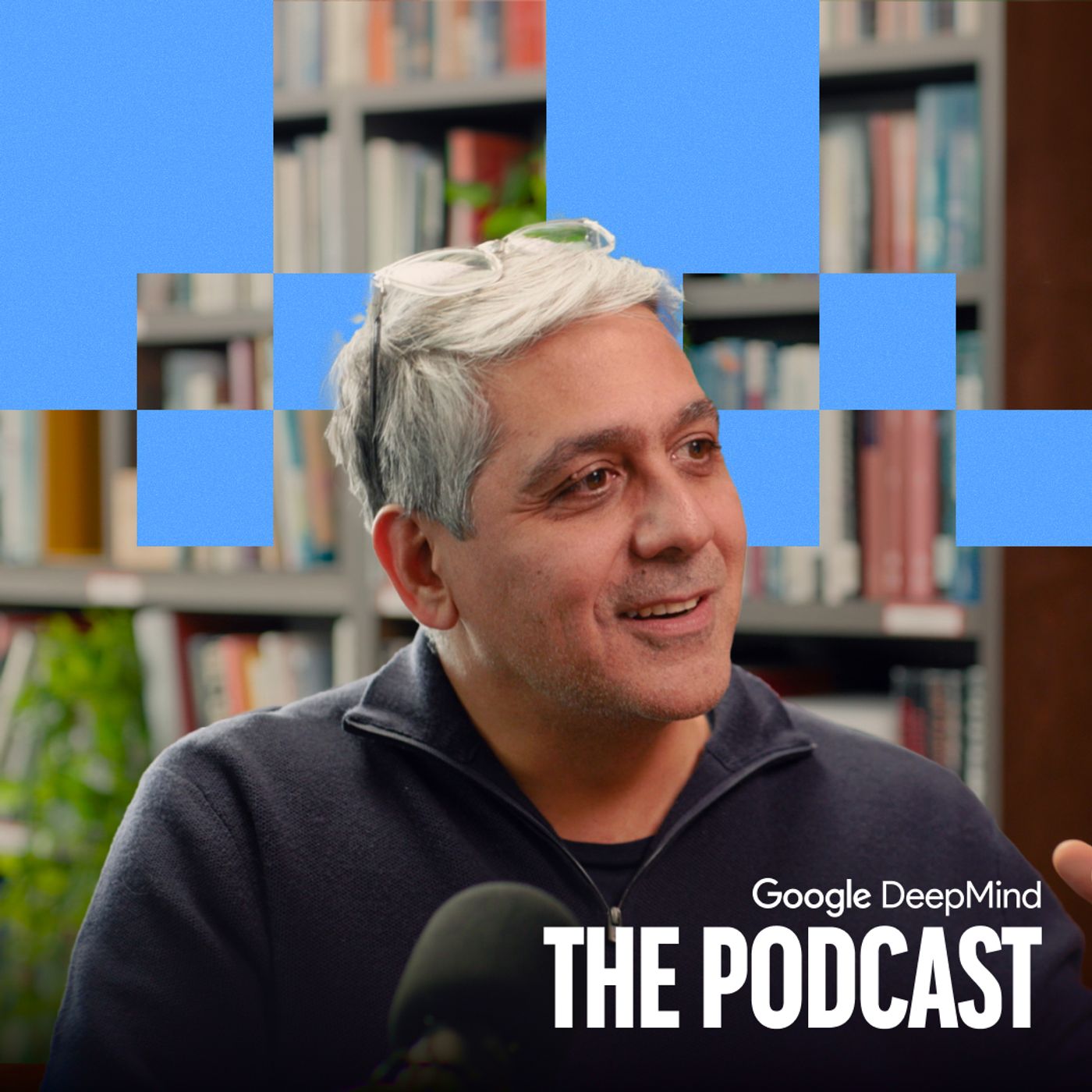
Seven years after their last conversation at Google DeepMind’s London office, Professor Hannah Fry reunites with Koray Kavukcuoglu, SVP of Google DeepMind and Chief AI Architect at Google. Back then, DeepMind was focused on specialized breakthroughs like AlphaGo and AlphaFold; today, Koray is leading the charge toward general-purpose intelligence with Gemini. In this episode, they discuss why real-world products are essential to building AGI, how Gemini’s architecture continuously evolves, and the topic on everyone's mind: recursive self-improvement. Please leave us a review on Spotify or Apple Podcasts if you enjoyed this episode. We always want to hear from our audience whether that's in the form of feedback, new idea or a guest recommendation! Hosted by Simplecast, an AdsWizz company. See https://pcm.adswizz.com for information about our collection and use of personal data for advertising.
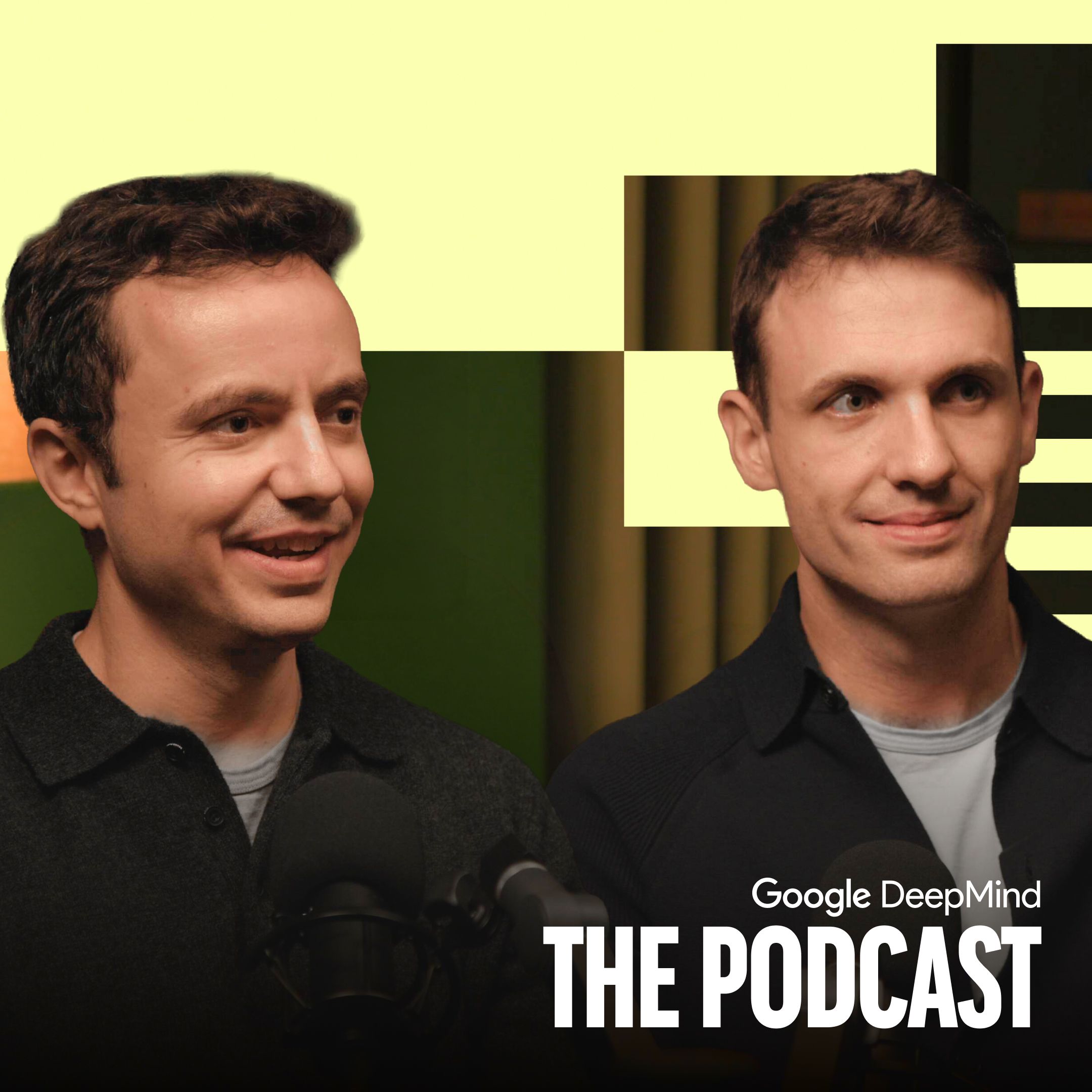
Learn more about AlphaGenome 2: https://deepmind.google/blog/alphagenome-2-deciphering-how-cells-read-dna-to-better-understand-disease/ Please leave us a review on Spotify or Apple Podcasts if you enjoyed this episode. We always want to hear from our audience whether that's in the form of feedback, new idea or a guest recommendation! Hosted by Simplecast, an AdsWizz company. See pcm.adswizz.com (https://pcm.adswizz.com/) for information about our collection and use of personal data for advertising.
Reporting on court cases should protect personal privacy when details add little public value.
Share your view, then see how readers voted. No sign-in required. This poll is shared across stories.
Do you agree or disagree?
Common Quandary
A Common Quandary to discuss
Another conversation to explore, separate from this news story.
The best garden plot has been abandoned for months. Who gets to take it?
Garden plots have a three-year waiting list. One member's plot has gone untended for months and messages go unanswered, but other gardeners know they recently faced serious health problems.
How long should a shared resource remain reserved out of compassion?