The Kennedy Curse, Part 26 - Eunice & Sarge Shriver: Standing up to you in-laws is hard.
58 min
Listen through the publisher, then discuss the episode here or arrange an in-person Roundtable. Your city determines where to meet.
Roundtables are designed for groups of four, with a shared subject and room for everyone to speak. Come for discussion, with no dating expectation.
Let's talk about the boldest Kennedy sibling: Eunice. She and her husband, Sarge Shriver, embodied the Kennedy family's dedication to service. But often, the rest of the family wasn't so sure about it all. Check out our YouTube channel, Fixate Today: Grey Matters Sources (there's a lot):
Episode information is provided by the publisher. Listening takes place on the publisher’s service.
In This Hour: -- When moving to a new state be sure to check the laws on suppressors and short barreled rifles. -- Everyone wants a small gun for carry, but those are harder to shoot well, and they really kick! -- How much ammo should your personal protection handgun carry? Gun Talk 11.22.26 Hour 3
November 21, 2026 On November 22, 1963, President John F. Kennedy and First Lady Jacqueline Kennedy were visiting Texas, They hoped to heal a rift in the Democratic Party, as the white supremacists who made up the base of the party’s southern wing loathed the Kennedy administration for its support for Black rights, That base was furious about the administration’s backing of James Meredith, the first Black American to enroll at the University of Mississippi, By going to Dallas, Kennedy hoped to mend some fences in the state Democratic Party, The President's motorcade began with high spirits, Lady Bird Johnson thought, when she heard three shots, that it “must be firecrackers or some sort of celebration,” The Secret Service, knowing what had happened, rushed the motorcade to a hospital, When Vice President Johnson and Lady Bird were told that the President was dead, officials rushed LBJ away, In the confusion - in addition to the murder, it wasn't clear how extensive the plot was against
Having been jailed for 10 years and six months, disgraced entertainer Russell Brand remains very much in the headlines. Since his conviction, six more women have come forward with allegations of misconduct. Meanwhile, Brand's voice and image continue to be broadcast around the world, and not just in the form of news stories and documentaries. Brand's X account remains open, and his popular YouTube channel recently uploaded a pre-recorded episode of his Sunday Service programme that also featured a post-sentencing letter penned by Brand and read aloud by his wife, Laura Gallacher. In addition, the UK government is under pressure to change laws related to the age of sexual consent in the wake of Brand’s imprisonment. Fionnán Sheahan is joined by Daily Mail feature writer Fred Kelly and Irish Independent features journalist Kirsty Blake Knox to look at the impact that the jailing of Russell Brand has had on the disgraced comedian’s brand. Hosted on Acast.
Join NCI University today to master human behavior and influence: Uploaded 05-11-21 This is a dive to discover the possibilities, not the case itself. Sirhan Sirhan, in full Sirhan Bishara Sirhan, (born March 19, 1944, Jerusalem), Palestinian-born Jordanian citizen who was convicted (1969) of fatally shooting U.S. Sen. Robert F. Kennedy on June 5, 1968. He received the death penalty, but the sentence was later commuted to life. Sirhan, a Christian Palestinian, was born in Jerusalem. In 1948 Jordan took control of East Jerusalem and what is now the West Bank, and the following year it granted citizenship to people living in those areas. It is believed that this is how Sirhan became a Jordanian citizen. In the 1950s, he and his family moved to the United States and eventually settled in Pasadena, California. There he attended Pasadena City College and later held odd jobs, notably working at a horse stable and later at a health food store. During this time, Sirhan became vocal in his oppo
John dismissed the 1941 article about AA from behind the desk of his own law firm. It was about other people, not him. Years later, after six and a half years living under an assumed name, a man he thought was a cop brought him to an AA club. ☀️ Sober Sunrise App ☀️ Sober Sunrise Episode Archive Hundreds of AA speaker tapes and recovery stories: Sober Sunrise Merch Sober Sunrise Newsletter John tells his story as a former professional boxer, Marine, and lawyer whose public standing disappeared behind his drinking. After years away from home, he returned to the same courtroom where he'd once practiced law and heard that he wasn't fit to care for his son even briefly. His first days around AA took him from Portland, Maine to Dallas in a panel truck, sitting on an orange crate. There, degrees and courtroom experience didn't exempt him from washing dishes, setting up tables, and learning from people he'd once dismissed. He remembers sponsors challenging his plans to get even with old enemi
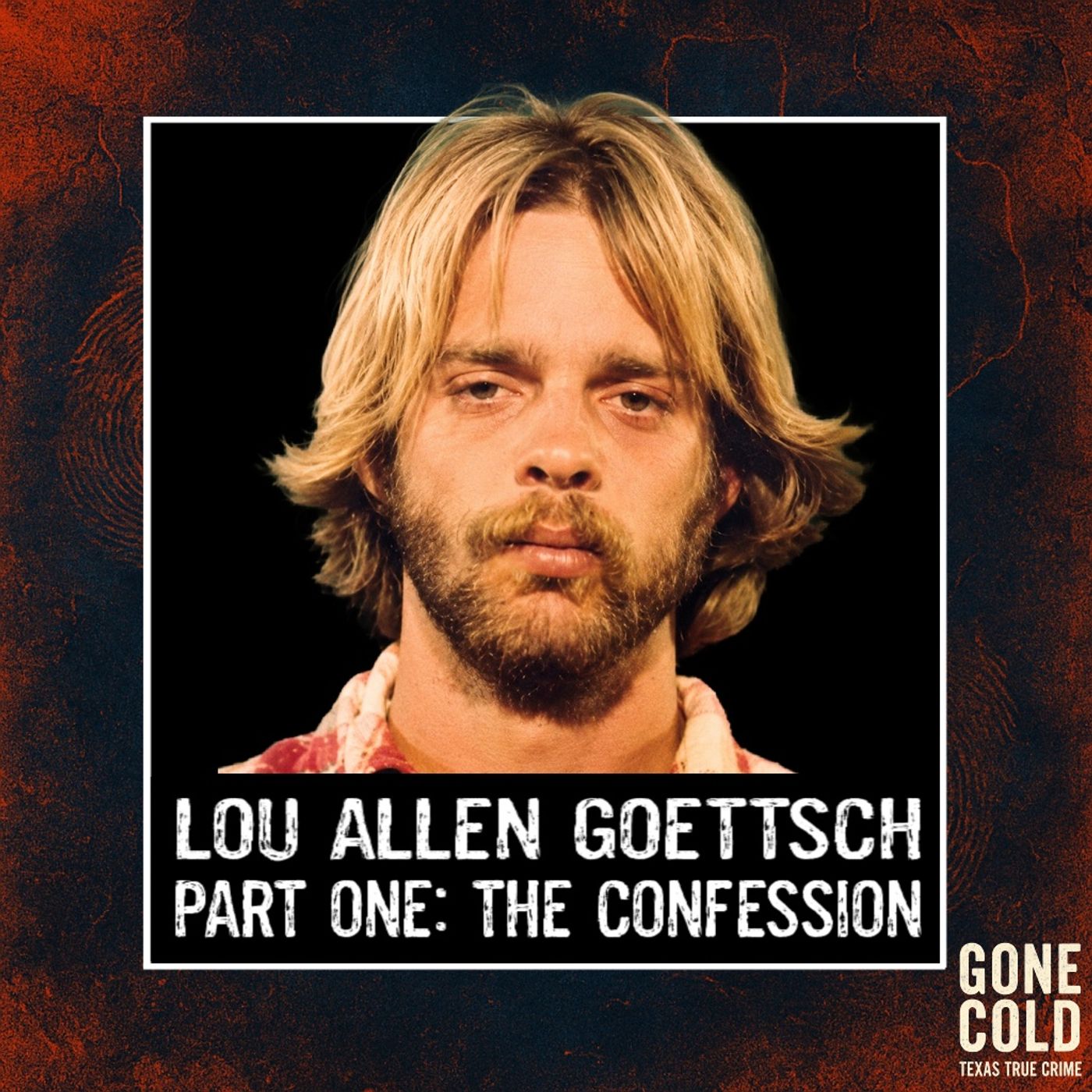
On March 31st, 1981, twenty-one-year-old Lou Allen Goettsch had it made. A couple days earlier, he received a decent sized settlement check for a work injury he’d sustained earlier in the year, opened up a checking account, and put a deposit and first month’s rent on a new apartment. Then, he vanished into thin air. Since the disappearance wasn’t reported for two months, Abilene, Texas Police had a hard time figuring out where to start searching for the young man. In fact, there were absolutely no clues that cut them a break in that department. That year, two other young adults disappeared from Abilene, further complicating and taking resources away from one another. Twelve years after he disappeared, a man confessed to Lou’s murder. Part one of two. If you have any information about the disappearance of Lou Allen Goettsch, please contact Abilene Crime Stoppers at 800-868-8477. You can support Gone Cold: Texas True Crime and listen to the show ad-free at patreon.com/gonecoldpodcast Fin
On today's episode, we are talking about the eighth Kennedy child, and youngest daughter, Jean Kennedy Smith. She married Stephen Smith, who became the ideal Kennedy son-in-law, often leaving Jean wondering if he married her or her family. Check out our YouTube channel, Fixate Today: Grey Matters Sources (there's a lot):
On today's episode, we take a bit of a side-quest to the Hamptons to talk about Big Edie and Little Edie Beale, aunt and cousin of Jackie Kennedy. Was Grey Gardens a curse for the ladies or was the whole ordeal an embarrassment for the Kennedys? Check out our YouTube channel, Fixate Today: Grey Matters (https://www.youtube.com/@FixateToday) Sources (there's a lot):
Officials should explain how public consultation changed their final decision.
Share your view, then see how readers voted. No sign-in required. This poll is shared across stories.
Do you agree or disagree?
Common Quandary
A Common Quandary to discuss
Another conversation to explore, separate from this news story.
Your family connection could get your child into their dream school. Do you use it?
A university argues that considering family ties builds loyalty and encourages donations that fund scholarships. Critics say the preference preserves inherited advantage and takes places from stronger applicants.
Can benefits to the whole institution justify an unequal admissions advantage?