Listen through the publisher, then discuss the episode here or arrange an in-person Roundtable. Your city determines where to meet.
Roundtables are designed for groups of four, with a shared subject and room for everyone to speak. Come for discussion, with no dating expectation.
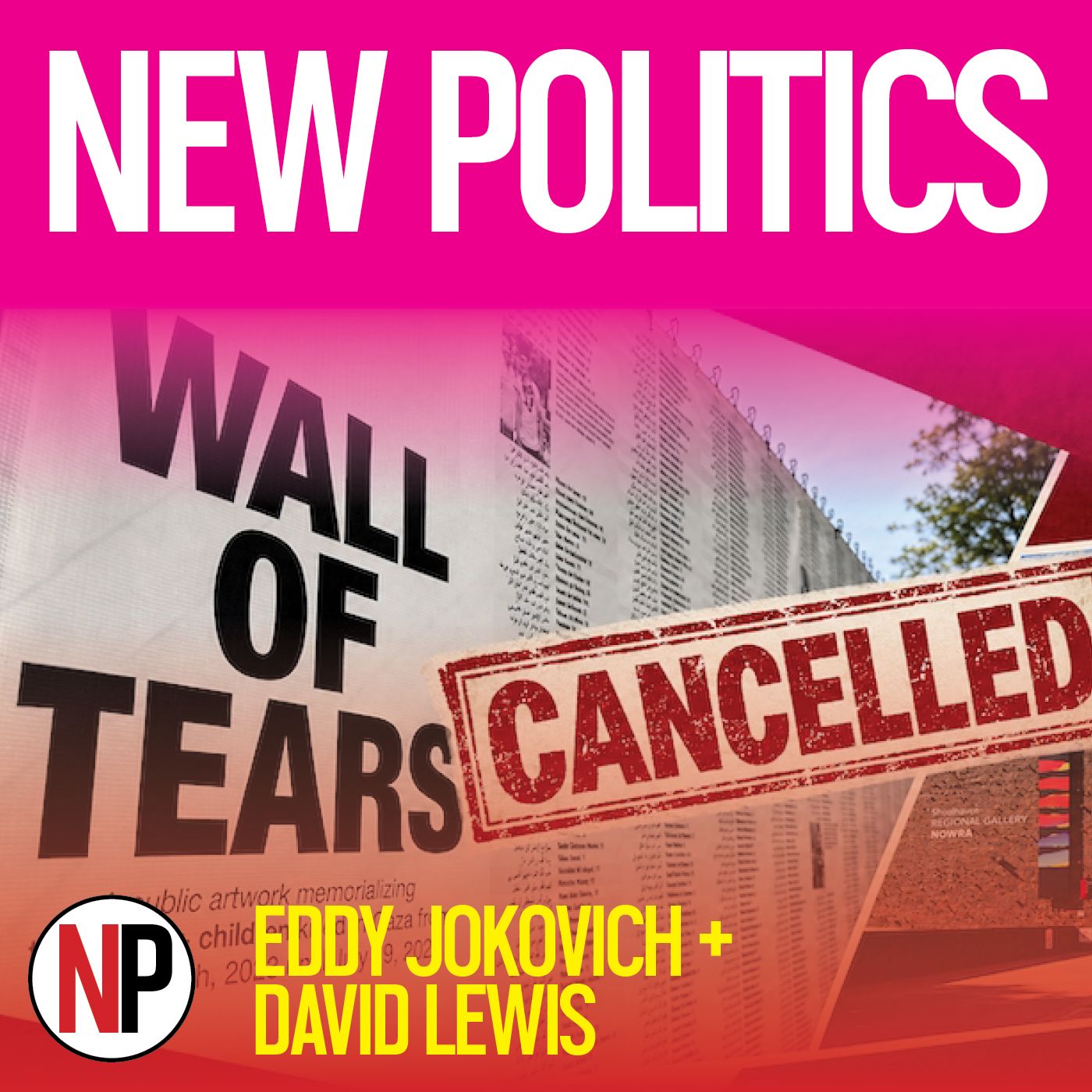
Is combating antisemitism becoming a justification for restricting dissent in Australia? In this episode, we examine Jillian Segal’s proposals, government overreach and the implications for free speech, protest rights, arts funding and ABC independence. The cancellation of the Wall of Tears exhibition by Shoalhaven City Council brings Palestinian remembrance into focus, raising questions about whose grief public institutions accommodate. We also explore the essential distinction between antisemitism and criticism of Israel’s genocide in Gaza – and why the Albanese government must protect Jewish Australians, Palestinian expression and democratic freedoms together. #AusPol #Palestine Support New Politics:
Episode information is provided by the publisher. Listening takes place on the publisher’s service.
For review: 1. Iraq has reached a compromise with the powerful Iran-backed militia Kataeb Hezbollah, three senior security officials said, after Prime Minister Ali al-Zaidi readied security forces to move against the group. Reflecting the gravity of the situation, Iraqi Shiite political sources said Esmail Qaani, commander of Iran’s elite Revolutionary Guards’ Quds Force, arrived in Baghdad late on Monday to help defuse tensions with Kataeb Hezbollah, Tehran’s most powerful militia ally in Iraq. 2. Lebanese President Joseph Aoun launched a lengthy rebuke of Iran in an Independence Day address, arguing that the Islamic Republic does not have the right to interfere in Lebanon’s internal affairs, as it long has via support for its local terror proxy, Hezbollah. 3. Yemen’s Houthis launched strikes on the Saudi capital Riyadh on Saturday, after vowing reprisals for a “special operation” by the Saudi-led coalition fighting them. The coalition later said it had “intercepted and destroyed” thr
In a candid conversation, US Sen. Raphael Warnock (D-GA) explains why voters haven’t necessarily fallen in love with the Democratic brand, why the party must center people over politics, and how the path to power runs through the South. This show was edited by Kasia Broussalian, fact checked by Sarah Schweppe, mixed by Shannon Mahoney, video edited by Christopher Snyder, and hosted by Astead Herndon. Photo caption: US Sen. Raphael Warnock (D-GA) reacts while taking the stage to speak during the What's Next summit at Mission Ballroom on November 13, 2026 in Denver, Colorado. Photo by Mark Makela/Getty Images. You can also watch this episode on youtube.com/vox (http://youtube.com/vox). Listen to Today, Explained ad-free by becoming a Vox Member: vox.com/members (http://vox.com/members). New Vox members get $20 off their membership right now.
Runaway government spending, rising costs, and a new wave of legal battles over constitutional rights. With Democrats preparing to take control of Congress and several state governments, Republicans are confronting a very different political landscape. John Solomon and Amanda Head welcome Montana Senator-elect Kurt Alme, who says Washington must get serious about reining in spending, lowering inflation, and making everyday life affordable again. Already preparing for his arrival in the Senate, Alme discusses his priorities for protecting Montana's way of life, keeping taxes low, creating good-paying jobs, and working across party lines when possible. He also addresses the challenges Republicans face in the minority, the remaining lame-duck session, and concerns about efforts to expand the Supreme Court and eliminate the filibuster. Then, Southeastern Legal Foundation President Kimberly Hermann joins the show with a warning about potential policy reversals in states where Democrats have
It was the longest COP on record - and it ended with no deal. Minister for Climate Change and Energy Chris Bowen was president of negotiations - so is he responsible for the result? And what does this failure say about the world’s ability to work together on climate change, and other major issues, in the future? Back in Canberra it’s finally the last sitting week of 2026. Controversial bills, last minute concessions, and plenty of political horse trading will be underway - including around Digital Duty of Care, a Gas Reservation Scheme, trusts and tax, and any cost-of-living measures the government can squeeze in. So who’s getting what they want and who’s walking away empty-handed? Patricia Karvelas and Jacob Greber break it all down on Politics Now. Read PK's latest analysis here (https://www.abc.net.au/news/2026-11-23/election-victorian-labor-election-defeat-albanese-stays-away/107414442). Listen to our sister podcast, ABC Business Daily, unpack if we're already in a recession in tod
One week after the U.S. midterm elections, join Valérie Beaudoin, one of Canada's most respected commentators on U.S. politics, for a discussion on how Canadian policymakers and officials are digesting the results in Washington. From the new balance of power in Congress to the potential implications for Canada-U.S. relations, trade economic growth, and cross-border policy priorities, we'll explore what the election outcome could mean for Canada in the months ahead. Recorded on November 10, 2026. -- Optique canadienne sur les élections américaines de mi-mandat – Valérie Beaudoin Pour une version avec des sous-titres français, veuillez consulter Une semaine après les élections de mi-mandat aux États-Unis, Valérie Beaudoin, l’une des commentatrices de la politique américaine les plus respectées du Canada, discute des façons dont les décideurs canadiens et Ottawa ont réagi aux résultats à Washington. Du nouvel équilibre des pouvoirs au Congrès aux répercussions possibles sur les relations
November 21, 2026 On November 22, 1963, President John F. Kennedy and First Lady Jacqueline Kennedy were visiting Texas, They hoped to heal a rift in the Democratic Party, as the white supremacists who made up the base of the party’s southern wing loathed the Kennedy administration for its support for Black rights, That base was furious about the administration’s backing of James Meredith, the first Black American to enroll at the University of Mississippi, By going to Dallas, Kennedy hoped to mend some fences in the state Democratic Party, The President's motorcade began with high spirits, Lady Bird Johnson thought, when she heard three shots, that it “must be firecrackers or some sort of celebration,” The Secret Service, knowing what had happened, rushed the motorcade to a hospital, When Vice President Johnson and Lady Bird were told that the President was dead, officials rushed LBJ away, In the confusion - in addition to the murder, it wasn't clear how extensive the plot was against
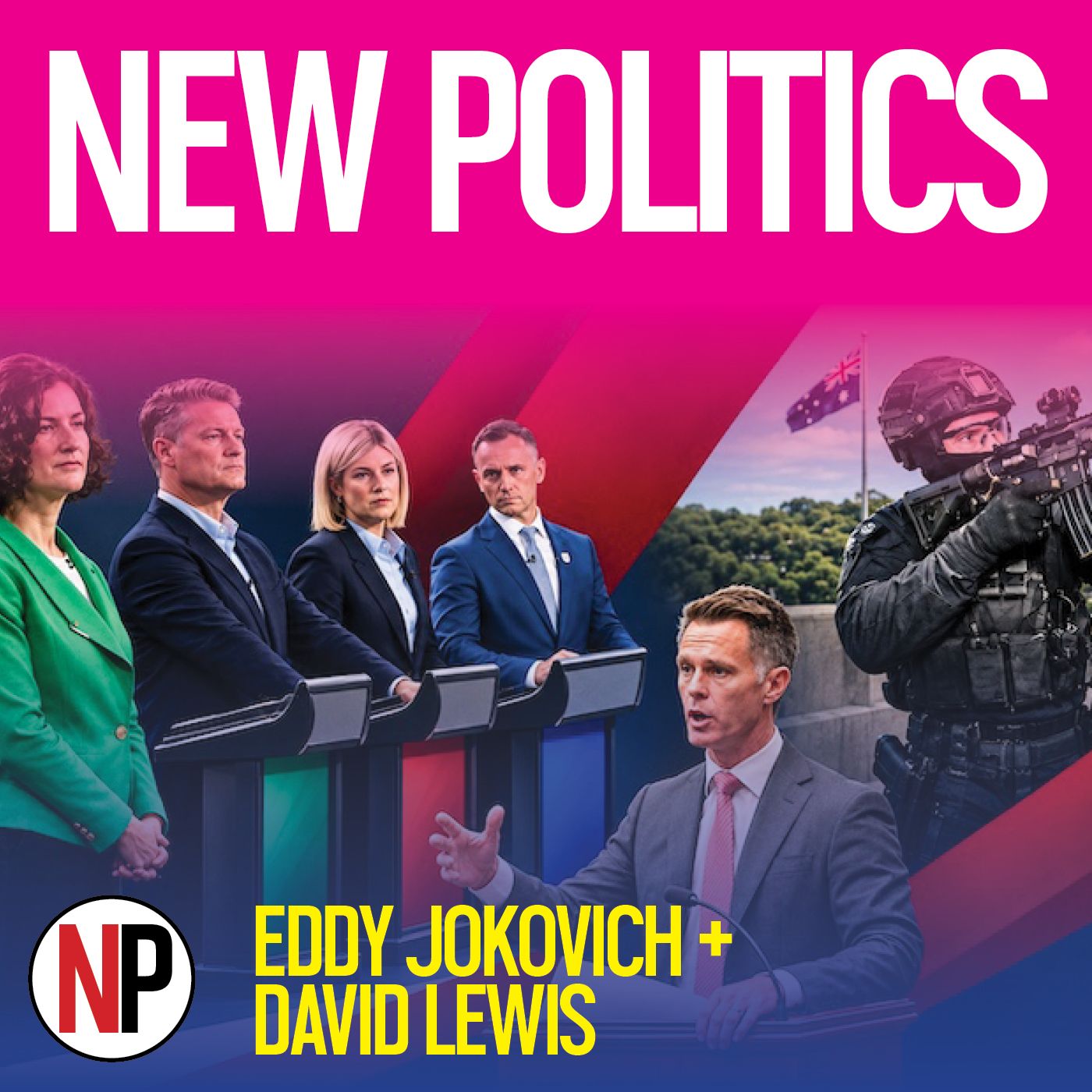
In this episode, we look at what’s putting Labor under pressure ahead of the Victorian state election and the 2027 NSW election. In NSW, why is Premier Chris Minns still pushing to let Jewish Community Security Group volunteers carry firearms at selected public events despite concerns from NSW Police, and what does his backflip on real estate underquoting mean for homebuyers? In Victoria, we examine the contest between Labor’s promise to cut elective surgery wait times and Liberal leader Jess Wilson’s pitch on youth crime, as cost-of-living pressures and a proposed ban on the phrase “globalise the intifada” compete for attention. We also look at where the Victorian Greens and One Nation could pick up seats after the four-way Sky News leaders’ debate. #AusPol Support New Politics:
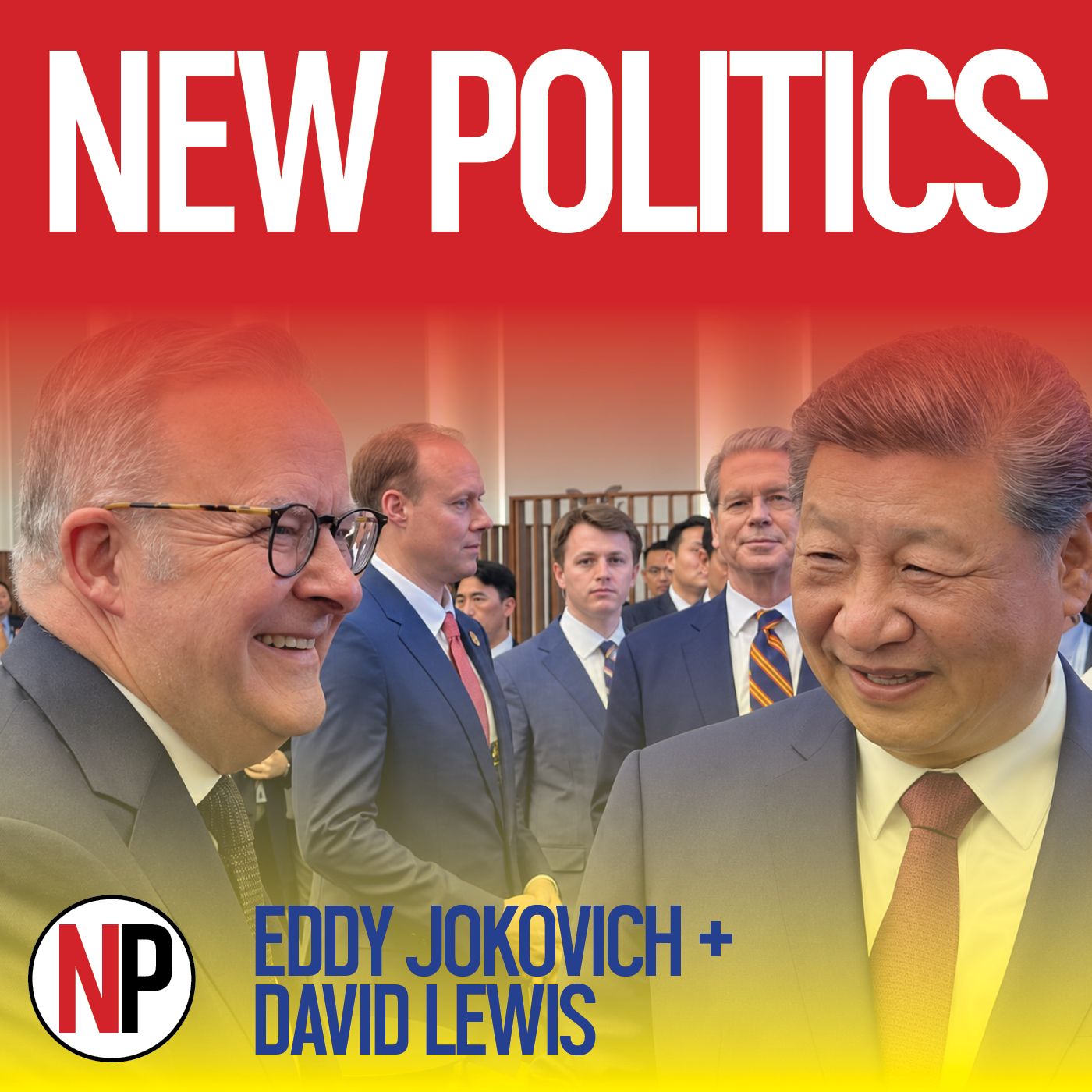
What will Australia gain from Anthony Albanese’s 11-day diplomatic tour? In this episode, we follow the prime minister from ASEAN to the Quad, APEC and talks with China’s Xi Jinping, asking what Australia might trade for a seat on the United Nations Security Council. We put Penny Wong’s claims about Australian influence to the test over Gaza, aid worker protection and Security Council veto reform. And as the US–China race for AI chips drives demand for critical minerals and data centres strain energy supplies, can Australia build a processing industry and create skilled jobs, or will it stay the world’s quarry? #AusPol Support New Politics:
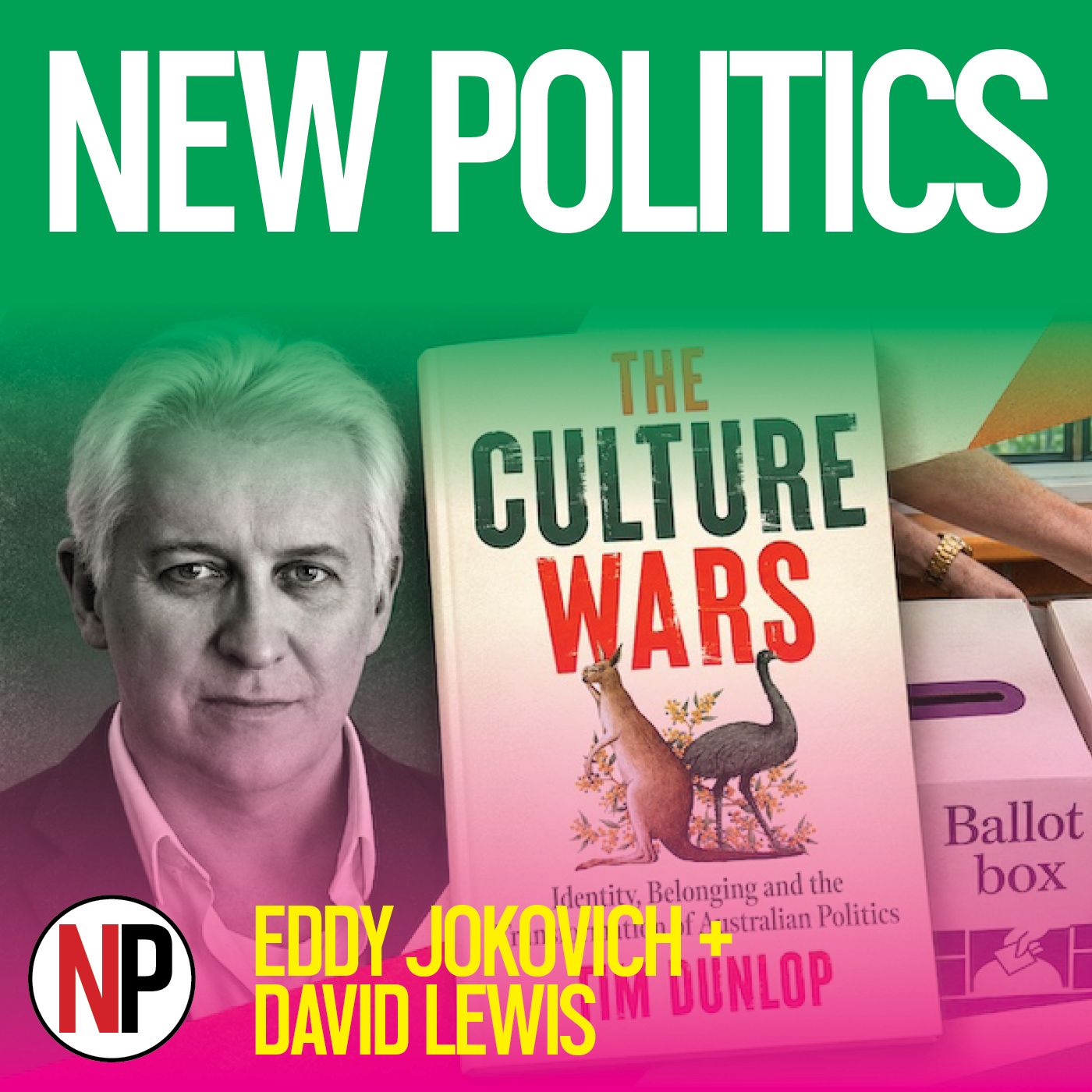
Who wins when every political argument becomes a test of ideological loyalties? In this episode, Tim Dunlop, author of The Culture Wars: Identity, Belonging and the Transformation of Australian Politics, explains how politicians and the media turn genuine debates about history and identity into electoral weapons. We trace the links between the Hawke–Keating market reforms and John Howard’s history wars, ask why culture-war politics helped Donald Trump but deepened divisions in the Liberal Party, and explore how One Nation has shaped Australia’s immigration debate. Could community independents and citizens’ assemblies give voters more say between elections? #AusPol Support New Politics:
Public projects should publish comparisons of promised and actual outcomes.
Share your view, then see how readers voted. No sign-in required. This poll is shared across stories.
Do you agree or disagree?
Common Quandary
A Common Quandary to discuss
Another conversation to explore, separate from this news story.
You paid extra for the aisle seat. Must you trade with a parent?
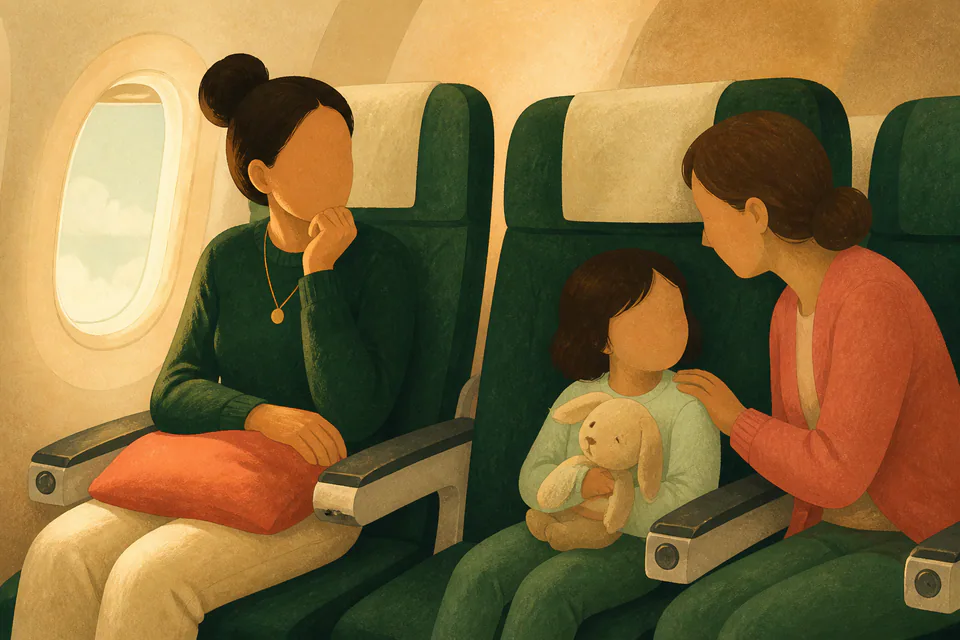
You reserved and paid extra for an aisle seat on a long flight. A parent asks you to trade for a middle seat so they can sit beside their young child after the airline separated them.
When does another person's predicament become your responsibility?