English-language podcasts

Something You Should Know

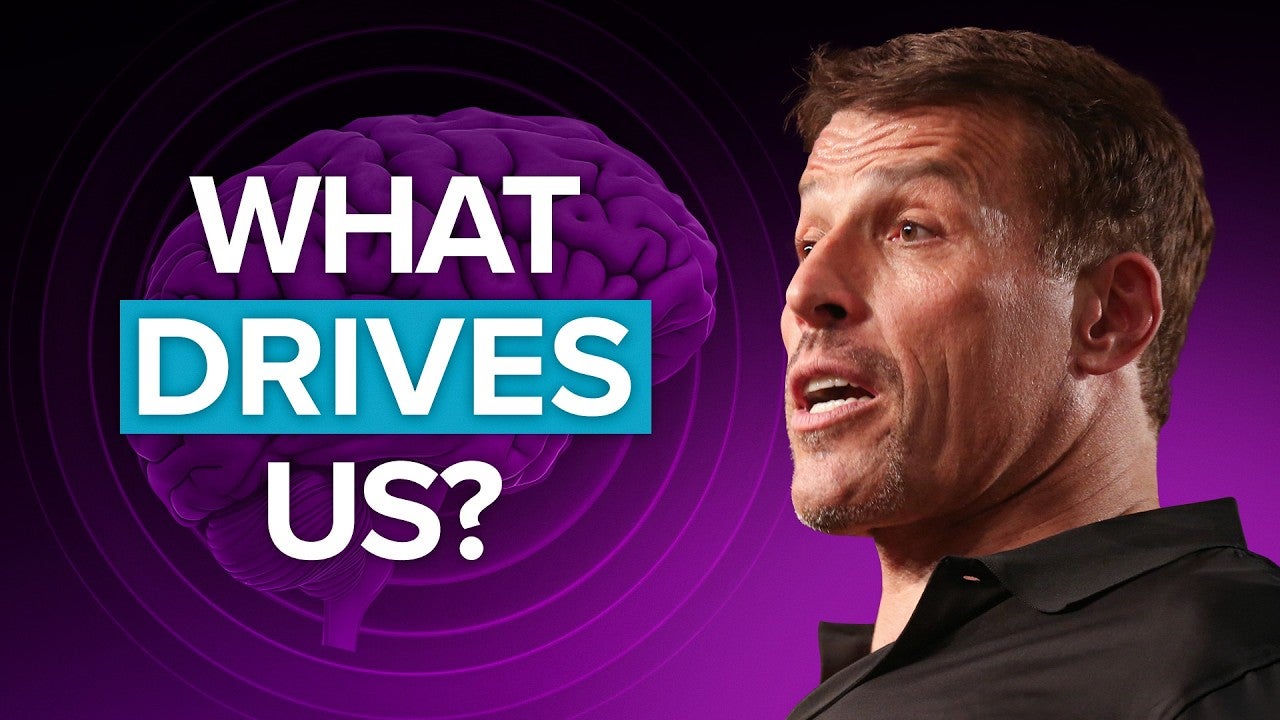
The Trouble with Controlling Everything & The Decisions That Cost More Than You Think

50 min

Listen through the publisher, then discuss the episode here or arrange an in-person Roundtable. Your city determines where to meet.

Roundtables are designed for groups of four, with a shared subject and room for everyone to speak. Come for discussion, with no dating expectation.

Ever been in an audience applauding and wondered, "Why are we still clapping?" Everyone seems ready to stop, yet the applause goes on and on. It turns out there's some fascinating science behind when applause starts, when it stops, and how the behavior of just a few people can influence an entire crowd. https://royalsociety.org/news/2013/applause-social-contagion/ We have more control over our lives than ever before. We can customize almost everything, track our health, and have practically anything delivered to our door. But has all that control actually made us happier? And what happens when we encounter the many things in life we simply can't control? Our need for certainty may be creating more anxiety and frustration than we realize. Anna Lembke, professor of psychiatry at Stanford University and medical director of the Stanford Addiction Medicine Program, joins me to explain why our obsession with control can work against us — and why learning to let go may be one of the smartest things we can do. She is the author of Radical Surrender: Letting Go in a World Addicted to Control (https://www.amazon.com/dp/B0GMVBJVKG). (https://www.amazon.com/dp/B0GMVBJVKG) What if some of the decisions you make every day are quietly costing you time and money? From the way you shop to how you spend your time, small choices can have surprisingly big consequences. And it turns out that thinking a little more like an economist can help you make much smarter decisions without making life more complicated. Daniel Altman, Harvard-trained economist, former columnist for The New York Times and The Economist, and author of The Best Decisions You'll Ever Make: An Economist's Guide to Saving Time, Making Money, and Living Well (https://link.amazon/B04SVNiqH) (https://link.amazon/B04SVNiqH), joins me to reveal some surprisingly simple ways to rethink everyday choices, avoid costly mistakes, and get more out of the time and money you already have. Here's something strange: The freezer section of your supermarket may actually use heaters to keep food frozen. Why would a freezer need heat? It sounds completely backward, but there's a clever reason for it. And once you hear the explanation, it makes perfect sense. https://www.agc.com/en/everyday/daily_commodities/rid.html PLEASE SUPPORT OUR SPONSORS AURAFRAMES: For a limited time, visit r a limited time, visit https://AuraFrames.com (https://auraframes.com/) and get up to $50 off select frames plus an additional $5 off your order with the promo code SOMETHING. Now available in Canada, too! Upgrade your whole setup for less! Listen or watch wherever you get your podcasts!

Episode information is provided by the publisher. Listening takes place on the publisher’s service.

Listen at the source ↗

Featured places to meet in Palo Alto, CA

Explore these places and arrange a conversation through ThinkMatch.

City guide for Palo Alto, CA

More from Something You Should Know

Something You Should Know

The Benefits of Things That Don’t Change & How to Maximize Your Doctor/Patient Relationship - SYSK Choice

48 min

A kiss can be wonderful. It can create an instant connection, spark romance, or make you feel closer to someone. But a kiss can also have the opposite effect — and sometimes ruin everything. So what makes kissing so powerful, and why can one kiss make such a difference? There's some fascinating science behind it. https://www.scientificamerican.com/article/why-we-kiss/ We spend an enormous amount of time worrying about what's going to change. What's next? What's coming? How do we prepare? But what if we're paying attention to the wrong things? Some of the most important forces shaping our lives never change, and understanding them may be far more valuable than trying to predict the future — something humans are notoriously bad at. Morgan Housel, partner at The Collaborative Fund and author of Same as Ever: A Guide to What Never Changes (https://amzn.to/3SwWn6u) (https://amzn.to/3SwWn6u)), joins me to explain why the things that stay the same may be the most important things to understan

Discuss this episode

Something You Should Know

What Keeps You from Feeling Joy? & What Your Smartwatch Doesn’t Know

49 min

Ever get a shopping cart at the grocery store with one wheel that wobbles, squeaks, or refuses to go where you want it to? It happens so often you have to wonder if there's a reason for it. Could those troublesome wheels actually be deliberate? The explanation may surprise you. https://www.cbsnews.com/amp/pittsburgh/news/why-are-shopping-carts-always-broken/ Joy is one of the best feelings we can experience. So why do so many of us have trouble letting ourselves fully enjoy it? Some people seem naturally joyful, while others struggle to find it — or even feel uncomfortable when things are going well. What gets in the way of joy? And can you actually learn to experience more of it? Psychologist and Stanford University lecturer Kelly McGonigal, author of Joy Is a Risk Worth Taking (https://link.amazon/B06WrZoj5), (https://link.amazon/B06WrZoj5) joins me to explain why we sometimes hold ourselves back from feeling joy, why it matters more than we realize, and how to bring more of it into

Discuss this episode

Something You Should Know

SYSK TRENDING - The Curious Glitches in Human Evolution

23 min

The human body is an amazing thing. Millions of years of evolution have given us remarkable abilities, but they've also left us with some pretty strange flaws. Why do we have body parts we don't really need? Why are our backs so prone to problems? And why does something as essential as the human body have so many things that can go wrong? It turns out evolution isn't about creating perfection. It's about making things work well enough to survive — and sometimes the results are downright bizarre. Biology professor Nathan Lents, author of Human Error: A Panorama of Our Glitches from Pointless Bones to Broken Genes (https://amzn.to/2zo2u67), (https://amzn.to/2zo2u67)joins me for a fascinating tour of the human body and its evolutionary history. Listen as he reveals the surprising mistakes, awkward compromises, and peculiar leftovers evolution has handed down to us — and why understanding these imperfections can tell us so much about what it means to be human. PLEASE SUPPORT OUR SPONSORS A

Discuss this episode

Community Poll

Public spending should prioritize people with the greatest unmet needs.

Share your view, then see how readers voted. No sign-in required. This poll is shared across stories.

Do you agree or disagree?

Choose one answer

Common Quandary

A Common Quandary to discuss

Another conversation to explore, separate from this news story.

You lecture everyone about climate change—then get invited on a dream flight. Do you go?

A close friend living overseas invites you to an important celebration. Flying is affordable but carbon-intensive. Your individual decision will not determine whether the flight operates, yet it conflicts with commitments you publicly encourage others to make.

When is a small personal contribution to a large harm morally significant?

Explore this quandary