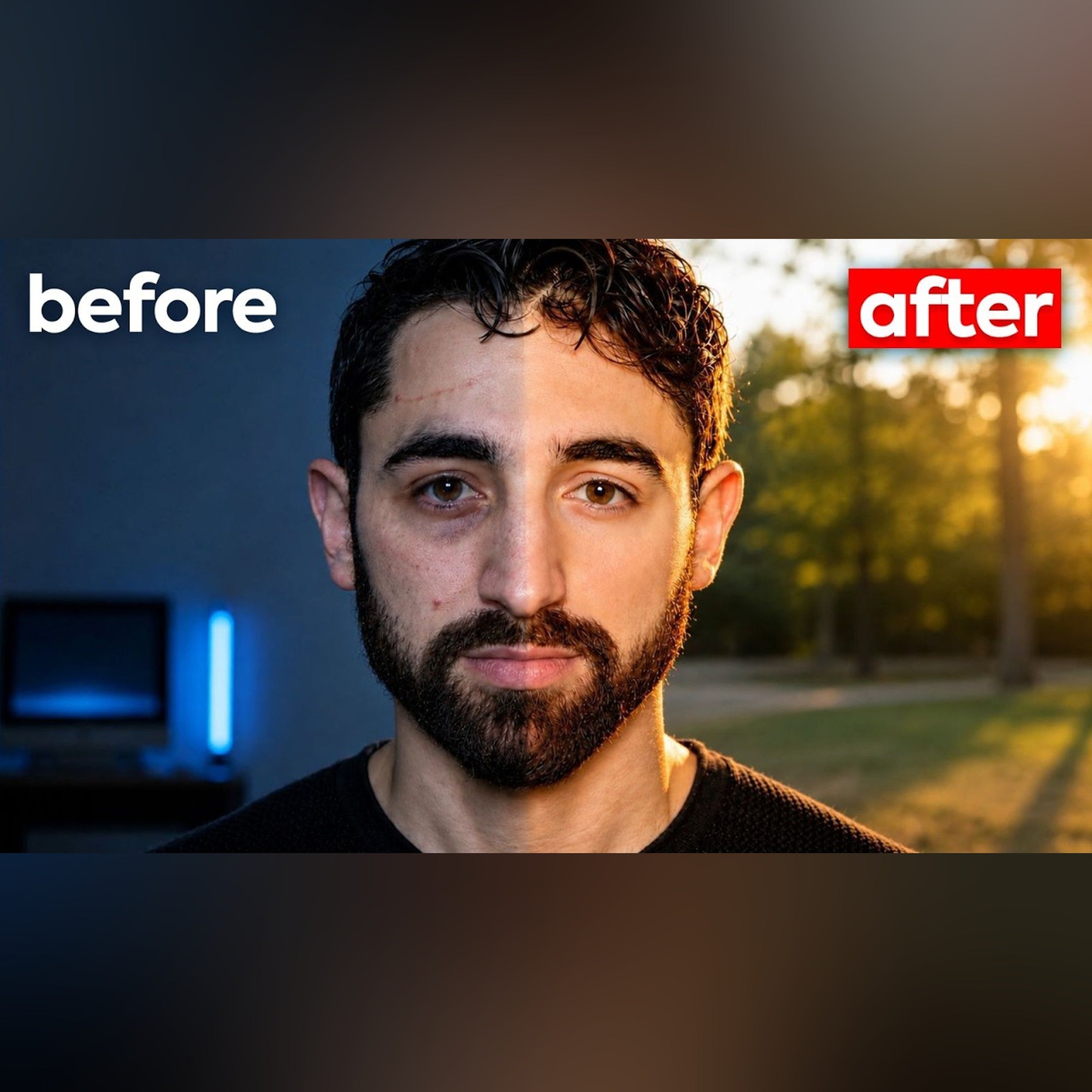
In this video We discuss Keto Hair Loss. A lot of people when starting the Ketogenic Diet experience sudden Hair Loss. Have no fear, Keto Hair Loss is common. I'll explain what causes this Keto Hair Loss when starting the Keto Diet as well as what you can do to help your Keto Hair Loss. Read more about this topic on my blog: https://bozmd.com/ketosis-and-skin-why-fibroblasts-increase-collagen-production/ --------------------- Thanks for checking out the Dr Boz Channel. See LINKS below resources and recommendations Tune in Tuesday nights, 6PM Eastern/5PM Central to watch me Live! We improve health - One ketone at a time. --------------------- FREE STUFF eBook: 50 Keto Fat-Facts: http://on.bozmd.com/50fat DrBozRatio SPREADSHEET http://on.bozmd.com/DBR DOCUMENTARY Play List: https://on.bozmd.com/AT 5 Toxic Traditions https://bozmd.com/toxic/ --------------------- Dr Boz’s ONLINE Courses: Consistently Keto: http://on.bozmd.com/CK BRAINS: https://bozmd.com/Brains_t2r/ Dr BOZ FAVORITES: http
Viewers like you help make PBS (Thank you ) . Support your local PBS Member Station here: https://to.pbs.org/DonateSPACE Uploaded 21-02-18 What exactly will happen when the sun dies? You can further support us on Patreon at https://www.patreon.com/pbsspacetime Get your own Space Time tshirt at http://bit.ly/1QlzoBi Tweet at us! @pbsspacetime Facebook: facebook.com/pbsspacetime Email us! pbsspacetime [at] gmail [dot] com Comment on Reddit: http://www.reddit.com/r/pbsspacetime Help translate our videos! Previous Episode: What is Energy? https://www.youtube.com/watch?v=PUn2izowBkw&t=25s (https://www.youtube.com/watch?t=25s&v=PUn2izowBkw) Like living things, stars have a life cycle. They’re born inside of a cloud of gas and dust, they live their lives fusing hydrogen into helium in their cores, shining bright and stable for as long as that hydrogen lasts. Then they die, each going out in its own beautiful way. How a star dies depends on its mass. The bigger they are, the shorter their liv
The real story about “de-extinction”... The Tasmanian tiger was declared extinct in 1982. But now… scientists are trying to bring it BACK. And it’s not alone! You might’ve seen news about dire wolves, woolly mammoths, passenger pigeons… dodo birds… dinosaurs?? “De-extinction” has become a huge and urgent scientific debate. But when I took a deep dive into what’s really going on here, I realized we're getting this conversation very, very wrong. We're on the cusp of a huge genetic breakthrough… and yet the most "huge if true" thing happening here isn’t bringing back extinct animals. It's what this means for all the animals alive today! And very few people seem to know about it… Chapters: 00:19 Can we bring back extinct animals? 01:22 Can we bring back a mammoth? 02:24 Is Jurassic Park possible? 05:44 Are Dire Wolves brought back from the dead? 6:26 What is de-extinction? 09:04 How do we save cute little animals? 11:08 Is the Tasmanian tiger coming back? 12:50 When is it ok to bring back
Does your relationship feel like home, or does it feel like standing on the edge of something you might lose? In Part 3 of our Relationship Anxiety series, clinical hypnotherapist and former paramedic Martin Hewlett guides you through the process of teaching your nervous system that love doesn't have to hurt to be real. We explore the physical manifestations of anxiety—the tight chest, the 2:00 AM racing mind, and the "stomach drop" when a text takes too long—and provide the tools to "turn down the alarm" of your internal survival response. If you are ready to stop "cherry-picking" evidence of disaster and start building a foundation of trust, this session is for you. In This Episode, We Cover: The Science of Safety: Understanding how your nervous system confuses love with danger. Guided Visualization: A journey into your own "safe room" where you are already enough. Rewiring the Brain: Moving from worst-case disaster reels to the reality of small, daily kindnesses. Breaking the Cycle:
This holiday season, inspire the next generation of thinkers with KiwiCo! In this week's episode, David is joined by Jacob Haqq-Misra (https://www.haqqmisra.net), Senior Research Investigator and Co-Founder of Blue Marble Space (https://www.bluemarblespace.org). Check out Jacob's UAP software at https://mcdonald.bluemarblespace.org (https://mcdonald.bluemarblespace.org/) To support this podcast and our research lab, head to https://coolworldslab.com/support REFERENCES - Haqq-Misra et al. (2022): “Detectability of Chlorofluorocarbons in the Atmospheres of Habitable M-dwarf Planets” - Kopparapu et al. (2021): “Nitrogen Dioxide Pollution as a Signature of Extraterrestrial Technology” - Haqq-Misra et al. (2022): “Disruption of a Planetary Nitrogen Cycle as Evidence of Extraterrestrial Agriculture” - Loeb & Turner (2012): “Detection Technique for Artificially-Illuminated Objects in the Outer Solar System and Beyond” - Crawford & Schulze-Makuch (2024): “Is the apparent absence of extraterres
Text me what you thought of the show (https://www.buzzsprout.com/1959372/fan_mail/new) Can working night shifts affect your fertility, ovulation or IVF success? After speaking with numerous women trying to fall pregnant while working shifts, including those undergoing expensive IVF treatment, I wanted to explore what the research actually tells us. In this episode of A Healthy Shift, we discuss how night shifts, disrupted sleep and circadian misalignment may affect reproductive health. We cover: Why the fertile window is so short. Shift work, reproductive hormones and menstrual irregularities. What research says about night shifts, fertility and IVF outcomes. The roles of sleep, stress, nutrition, weight and exercise. Practical steps for women trying to conceive while working shifts. Research links shift work with menstrual irregularities, but evidence that night shifts directly cause infertility or reduce IVF success remains uncertain. If you're trying to get pregnant while working ni
Microplastics in my Heart Letter: https://staycuriousmetabolism.substack.com/p/microplastics-in-my-heart-its-worse?r=40ekz2 Stanford Fiber RCT, Letter https://staycuriousmetabolism.substack.com/p/fiber-is-good-for-you-is-lazy-science?r=40ekz2 Microbiome Reset, Letter https://staycuriousmetabolism.substack.com/p/how-im-rebuilding-my-microbiomeafter?r=40ekz2 Description: Microplastics are everywhere—in our food, water, and inside our bodies—and avoiding them completely is nearly impossible. In this conversation, I sit down with Dr. Matthew Dunn PhD, a molecular biologist working at the intersection of biotechnology and human health, to unpack what the science actually says about microplastics and how they may be linked to cardiovascular disease, reproductive health issues, and gut inflammation We break down the landmark human data, the animal and cellular studies that help explain possible mechanisms, and dissect the state of the data. We also explore a potential inside-out solution: usi
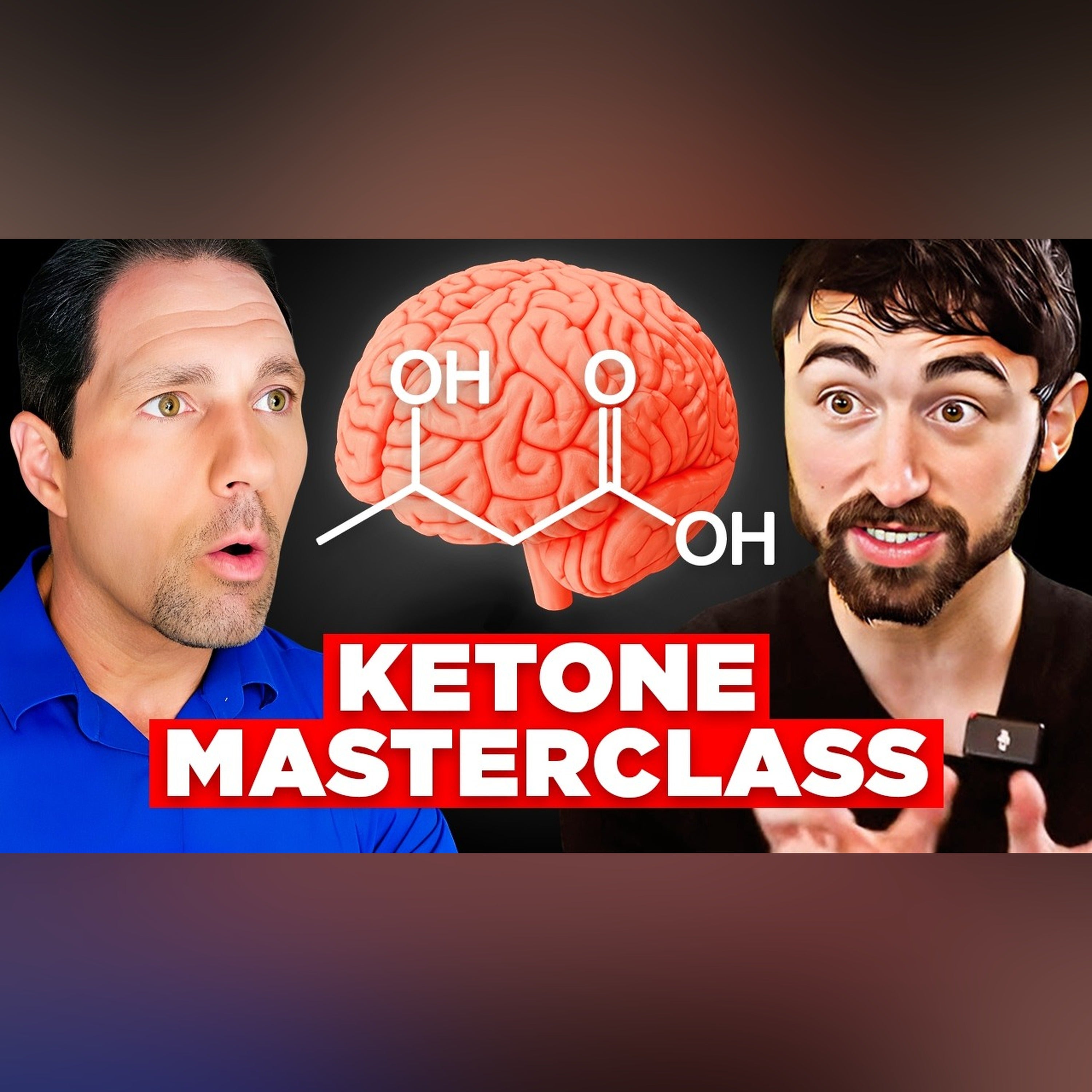
In this conversation, I sit down with Professor Dom D’Agostino, one of the world’s leading experts on metabolic therapies, ketosis, and exogenous ketones. We dive deep into the science of ketone esters, MCT oils, and 1,3-butanediol, breaking down how these compounds affect the brain, liver, and mitochondria. If you’ve ever wondered what ketone supplements actually do, this interview cuts through hype with hard data, clinical context, and self-experimentation. Mitochondrial Migration (Adapt) Video: https://youtu.be/R9x5Y57HuoA 0:00 – Ketones Can Rescue the Brain from Hypoglycemia 2:00 – The Self-Experiment That Changed Dom’s Career 5:00 – Ketones as a Lifeline in Severe Hypoglycemia 8:15 – Ketone Esters Explained: Forms, Effects, and Risks 16:10 – What Are MCTs and How They Boost Ketones 18:00 – The Story of MCT Oil and Alzheimer’s Disease 27:40 – Polyunsaturated Fats (PUFAs) and Ketone Production 33:00 – Ketone Salts: Benefits, Risks, and Misconceptions 36:00 – The Hidden Dangers of 1,
For extra nuances and all the references, please see the newsletter: https://staycuriousmetabolism.substack.com/p/how-i-hacked-my-girlfriends-brainwith?r=40ekz2&utm_campaign=post&utm_medium=web&triedRedirect=true (https://staycuriousmetabolism.substack.com/p/how-i-hacked-my-girlfriends-brainwith?r=40ekz2&triedRedirect=true) Can light influence attraction, hormones, and even reproductive biology? In this video, we explore surprising research on light exposure, testosterone, estrogen, fertility signals, and behavioral changes observed in both animal models and human studies. From hormone cascades triggered through the skin to seasonal changes in reproductive biology, this is a fascinating look at how deeply light may shape human physiology. Along the way, I also test whether increasing my own sunlight exposure changes my testosterone levels and reveal how my girlfriend hacked my brain! For more nuance, mechanisms, protocols, and limitations behind these findings, check out the full deep
Clubs should reject lucrative sponsors whose activities conflict with their stated values.
Share your view, then see how readers voted. No sign-in required. This poll is shared across stories.
Do you agree or disagree?
Common Quandary
A Common Quandary to discuss
Another conversation to explore, separate from this news story.
Your grandfather brought home an ancient artifact. A museum wants it back. Do you surrender it?
In your grandfather's attic you discover a beautiful ancient object he brought home while working overseas decades ago. Your family treasures it and his papers suggest the rules were murky. A museum from that country says it belongs to their collection and asks for its return.
Can a family inherit clear ownership of something acquired through unclear power?