November 21, 2026; 12pm: In almost every presidency, there comes a time when the president turns their attention overseas – usually after some sort of political defeat. President Trump’s attention is definitely overseas, but for personal reasons. Ruth Ben-Ghiat points out the red flags of Trump cozying up to notorious Strongmen; Democrats have never held this much power before and it’s not just in Congress, it’s at the state level too. State Rep.-elect Allie Phillips (D-TN) and State Senator-elect Robyn Vining (D-WI) explain how they will set their most important agenda items into action; MS NOW’s Rachel Maddow continues her discussion with Jacob Soboroff about her brand new book “The Department of Fate,” Stephen Miller’s rise, and much more. Hosted by Simplecast, an AdsWizz company.
This week on The Necessary Conversation, it's Chad, Haley, and Mary Lou. Bob is still recovering but sent in a video message about Trump calling Putin his friend that we watch together. 🇷🇺 Trump held the first-ever three-way talks with Putin and Xi, called it a "12 out of 10," and produced nothing. Then at a press conference he called Putin his friend — and when asked if Putin is a friend to America, the president of the United States said, "I can't speak to America." That same day, Trump's friend Putin launched massive strikes into Ukraine, hit Poland with two missiles — an act of war against a NATO ally — then struck near a Ukrainian restaurant and drone-bombed the first responders, killing a 7-year-old child and a 20-year-old paramedic. We watch Bob's video and ask Mary Lou: is Russia our friend? 🇨🇳 The House Foreign Affairs Committee revealed Trump's Commerce Department approved nearly 880,000 advanced AI chips for Chinese military-linked companies including Alibaba, Tencent, a
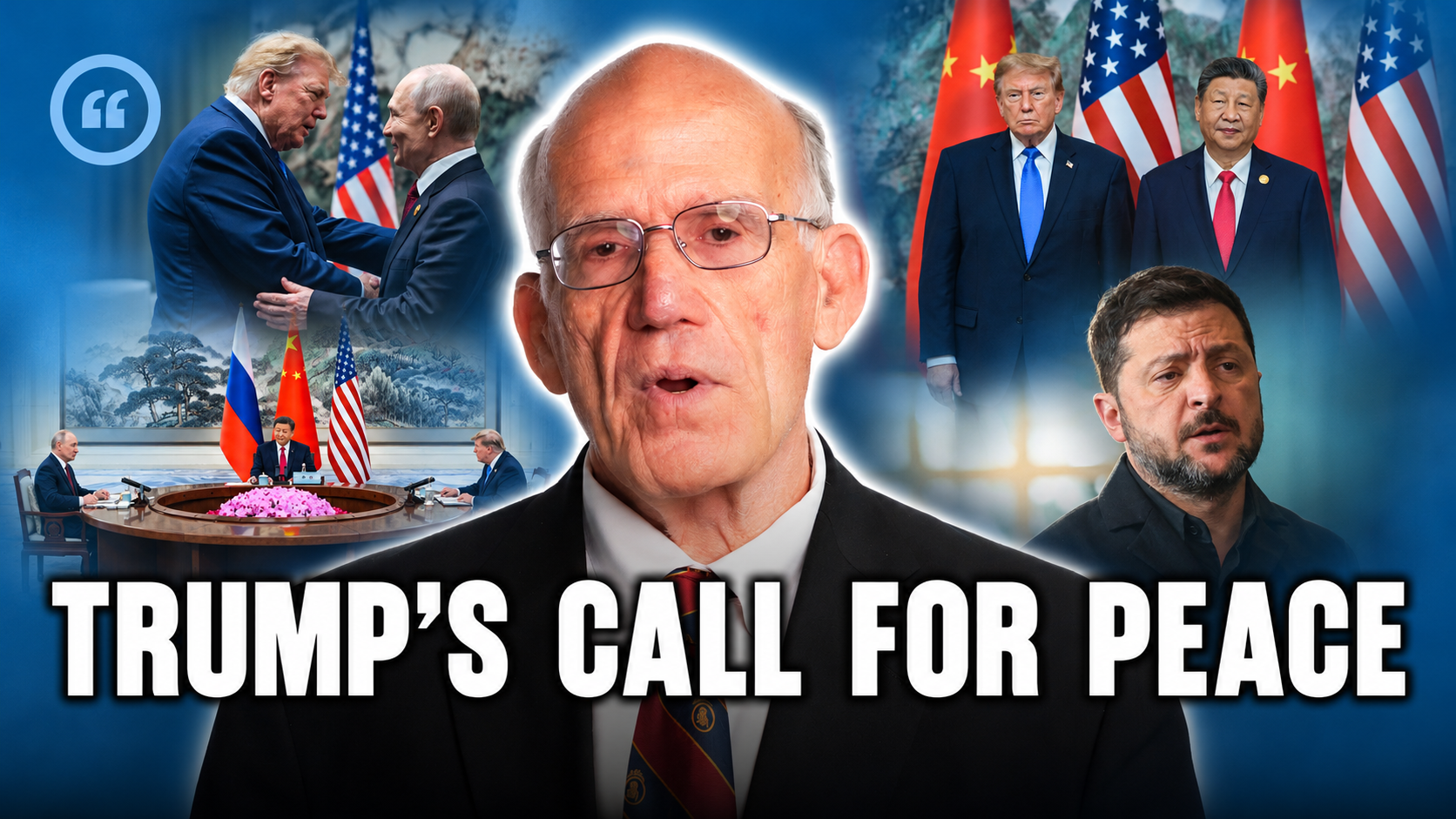
President Donald Trump's first ever trilateral summit with Vladimir Putin and Xi Jinping raises questions about the future of the war in Ukraine and whether a peace agreement could finally be within reach. Victor Davis Hanson and Sami Winc examine the summit on today’s edition of “Victor Davis Hanson: In His Own Words,” discussing Russia's declining influence, potential territorial concessions in Ukraine, and Europe's frustration over Trump's peace negotiations. Hanson criticizes Hillary Clinton's attacks on Trump's diplomacy; he also argues that European leaders have weakened their influence by neglecting defense spending and relying on American military protection. They discuss Elon Musk's shifting political allegiances, and Hanson warns that distancing himself from MAGA may not protect him from Democrat investigations. They also discuss the potential economic benefits of artificial intelligence and the challenges facing Hakeem Jeffries as Democrats prepare to take control of the Hou
November 21, 2026; 7am: Yesterday, President Trump held a press conference recapping his trip to Asia, where he met with Chinese President Xi Jinping and Russian President Vladimir Putin, whom he described as “friends.” On Friday, Trump insisted Putin wants to end his war with Ukraine, but hours earlier Russia fired hundreds of missiles and drones into Ukraine, with two missiles and a suspected drone crashing into neighboring Poland. MS NOW Chief White House reporter Paula Reid and Jon Finer, former principal deputy national security advisor in the Biden administration, join “The Weekend” to discuss. For more, follow us on social media Bluesky: @theweekendmsnow.bsky.social Instagram: @theweekendmsnow TikTok: @theweekendmsnow Hosted by Simplecast, an AdsWizz company.
Father Greg Boyle, founder of Homeboy Industries—the largest gang intervention organization in the world—and the priest who baptized both of Jon’s children, joins Offline to talk about his version of a politics of love, the lethal absence of hope that drives people to do terrible things, and what he means when he describes Donald Trump and Stephen Miller as unwell. Hate listening to ads? Include the podcast name, episode title, and air date. Please allow 48 hours for delivery.
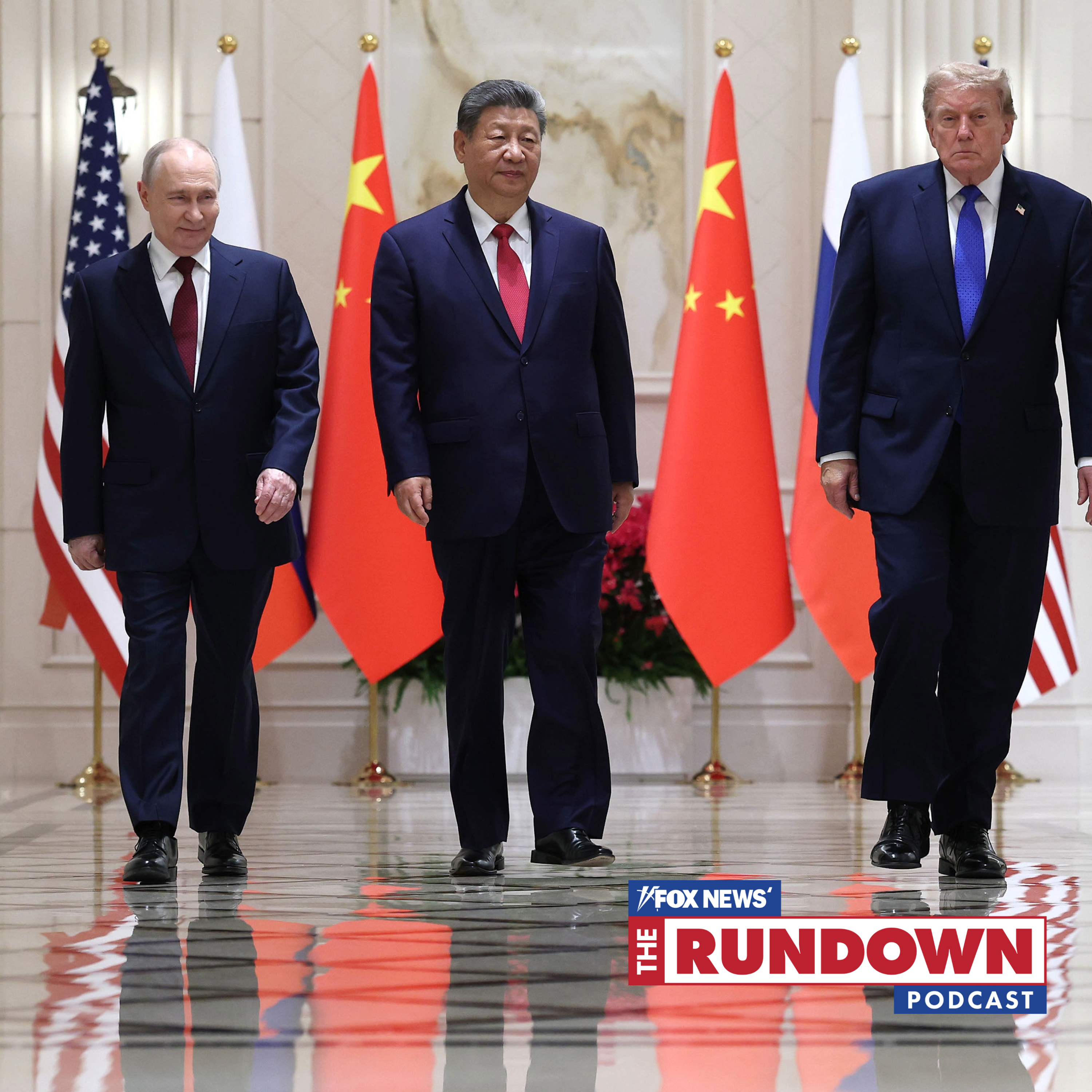
Following President Trump’s trip to Asia and a first-ever trilateral meeting with the leaders of China and Russia, foreign policy experts are weighing what was accomplished on the world stage. Former national security advisor to Vice President Dick Cheney and Heritage Foundation senior research fellow Stephen Yates joins The Rundown to analyze the summit’s outcomes on Taiwan, Ukraine, Iran, and strategic arms talks. Yates also explains how new rare-earth agreements with U.S. allies and export controls on AI chips balance Trump’s warmer rhetoric toward Beijing. Later, widespread tech outages across major platforms and government systems raise urgent questions about whether U.S. digital infrastructure is prepared for the artificial intelligence era. Former Cybersecurity and Infrastructure Security Agency (CISA) director Bridget Bean breaks down how rapid software patching can trigger cascading system failures, the growing cyber threats posed by China and Iran, and how organizations can d
The industry is operating on flawed assumptions. Most days, our technological landscape feels unshakeably miraculous. You can save hundreds of thousands of documents in organized folders and send messages to a friend on the other side of the world in mere seconds; the internet crams all recorded knowledge into your pocket; personal agents sit at your beck and call to schedule doctor appointments or retrieve any information you might need; and AI software can crunch more data in one minute than you could in a lifetime. We’ve made it. Except this week things felt precarious. Black Friday Deal! Steepest discount we've ever done. Suspension of the Rules. A “software Beirut”? Apps and emails and agencies going down? Advisories to stockpile supplies? On this week’s Suspension of the Rules, Isaac, Kmele, and guest host Audrey Moorehead break down AI-related fears and how they’re thinking about the past week’s news. You can watch here. (https://youtu.be/WE5W7gWozQs?si=lC7wGwKSxi2IPy4p) The Gre
Over the past week, a slew of outages across industries, service providers, and government agencies have heightened concerns about vulnerabilities in U.S. technology systems and the threat of artificial intelligence-driven cyberattacks. Black Friday Deal! Steepest discount we've ever done. Suspension of the Rules. A “software Beirut”? Apps and emails and agencies going down? Advisories to stockpile supplies? On this week’s Suspension of the Rules, Isaac, Kmele, and guest host Audrey Moorehead break down AI-related fears and how they’re thinking about the past week’s news. You can watch here. (https://youtu.be/WE5W7gWozQs?si=lC7wGwKSxi2IPy4p) The Great Salt Lake debate. In early 2023, a group of scientists reported that the Great Salt Lake would suffer ecological collapse within five years if its water level continued its rate of decline. It would be a catastrophe of epic proportions, devastating the local environment and economy while potentially exposing millions of people to “toxic d
Why does it seem like everything is breaking at once? This week on Suspension of the Rules, Isaac and Kmele are joined by Tangle Editor Audrey Moorhead, who’s filling in for Ari Weitzman while he’s on paternity leave. They start with a week of outages across Microsoft, the FAA, major banks, Apple and even the National Security Agency, asking whether it all adds up to something bigger or whether recency bias is playing a role. Kmele tees off on a viral post warning of a “software Beirut,” while Isaac brings in data on the history of major outages and updates his skepticism about Anthropic’s Project Glasswing and AI cyber threats. Each host places themselves on a scale from one to prepper, and they react to JD Vance’s comments about preparing for the worst. Finally, Audrey explains how reading Vance’s new memoir about his conversion to Catholicism has changed how she sees the vice president, and Isaac names Sen. Mike Rounds (R-SD) good guy of the week. As always, we end with some grievan
People selling health products should provide evidence for their claimed benefits.
Share your view, then see how readers voted. No sign-in required. This poll is shared across stories.
Do you agree or disagree?
Common Quandary
A Common Quandary to discuss
Another conversation to explore, separate from this news story.
Software says a student cheated with AI. Is that enough to fail the paper?
A teacher suspects several essays were written with AI. Detection software marks one student's work as highly likely to be generated, but the software is known to make mistakes and the student denies using it.
How should responsibility be assigned when evidence is powerful but unreliable?