Listen through the publisher, then discuss the episode here or arrange an in-person Roundtable. Your city determines where to meet.
Roundtables are designed for groups of four, with a shared subject and room for everyone to speak. Come for discussion, with no dating expectation.
In part two of our deep dive into bonds, we explore just how 'safe' they really are, the different types available, and why they might deserve a place in your investment portfolio. From government gilts and corporate bonds to the risks and rewards of bond investing, we break down what you need to know. Plus, we look at how to actually invest in bonds, and whether buying individual bonds or investing through a bond fund is the better option.
Episode information is provided by the publisher. Listening takes place on the publisher’s service.
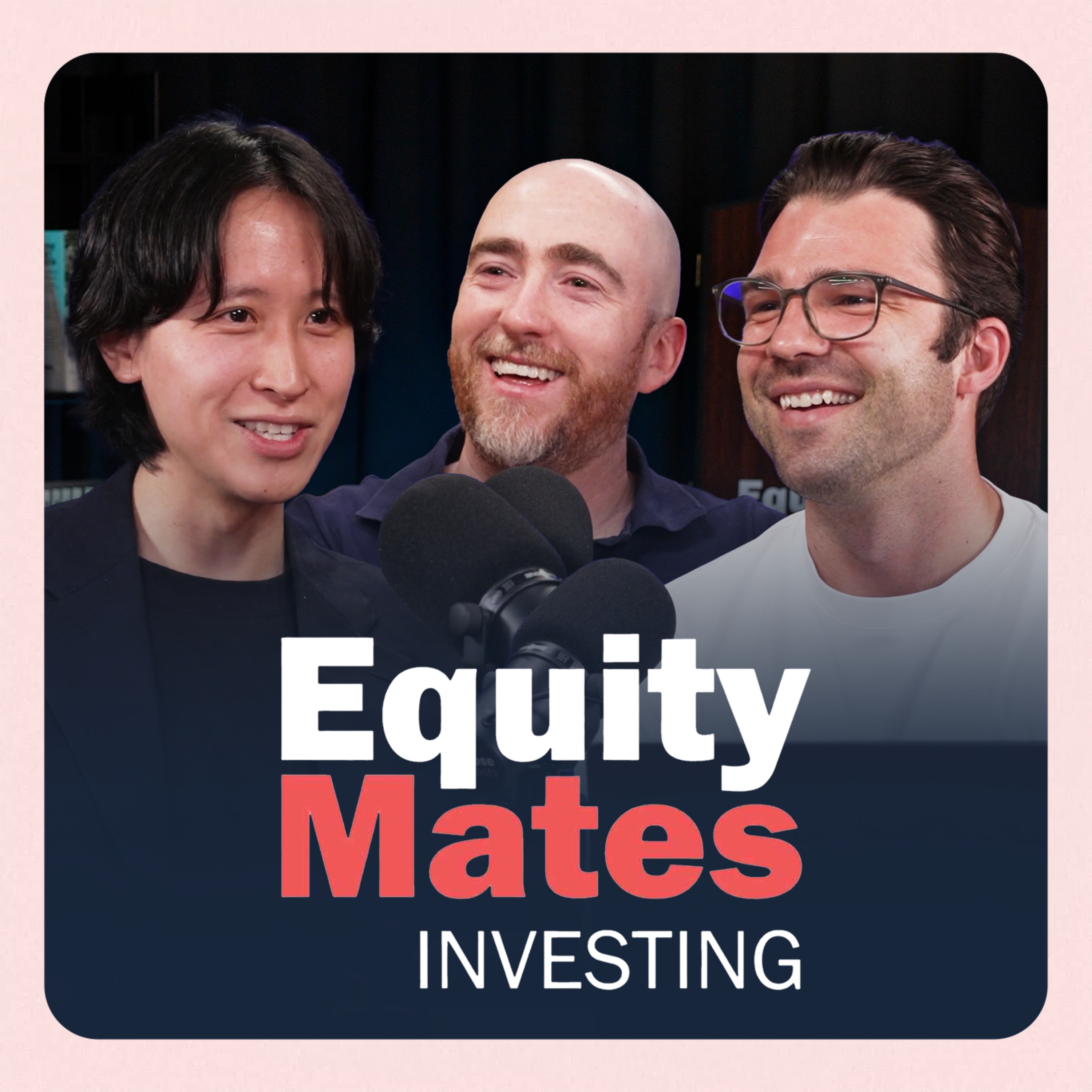
Ever put off investing because you feel like you need to know everything first? Same. Elliott thought investing meant picking individual companies and understanding the whole share market. Ana bought ten ETFs (bundles of investments you buy in one go) because choosing just one felt too risky. Both were trying not to get it wrong, and playing it safe made things messier for both of them. So how much do you actually need to know before you start? In this episode, Ana Kresina and Elliott O'Callaghan look back at their first investments and what confused them along the way. From a $10 crypto gift to ten ETFs that held a lot of the same companies, they talk about the gap between reading about investing and actually doing it. In this episode we'll chat about: Why Ana bought ten ETFs to feel safer, then found out she owned a lot of the same companies several times over. What a $10 Ethereum gift taught Elliott about watching his money go up and down. How Elliott went from thinking investing wa
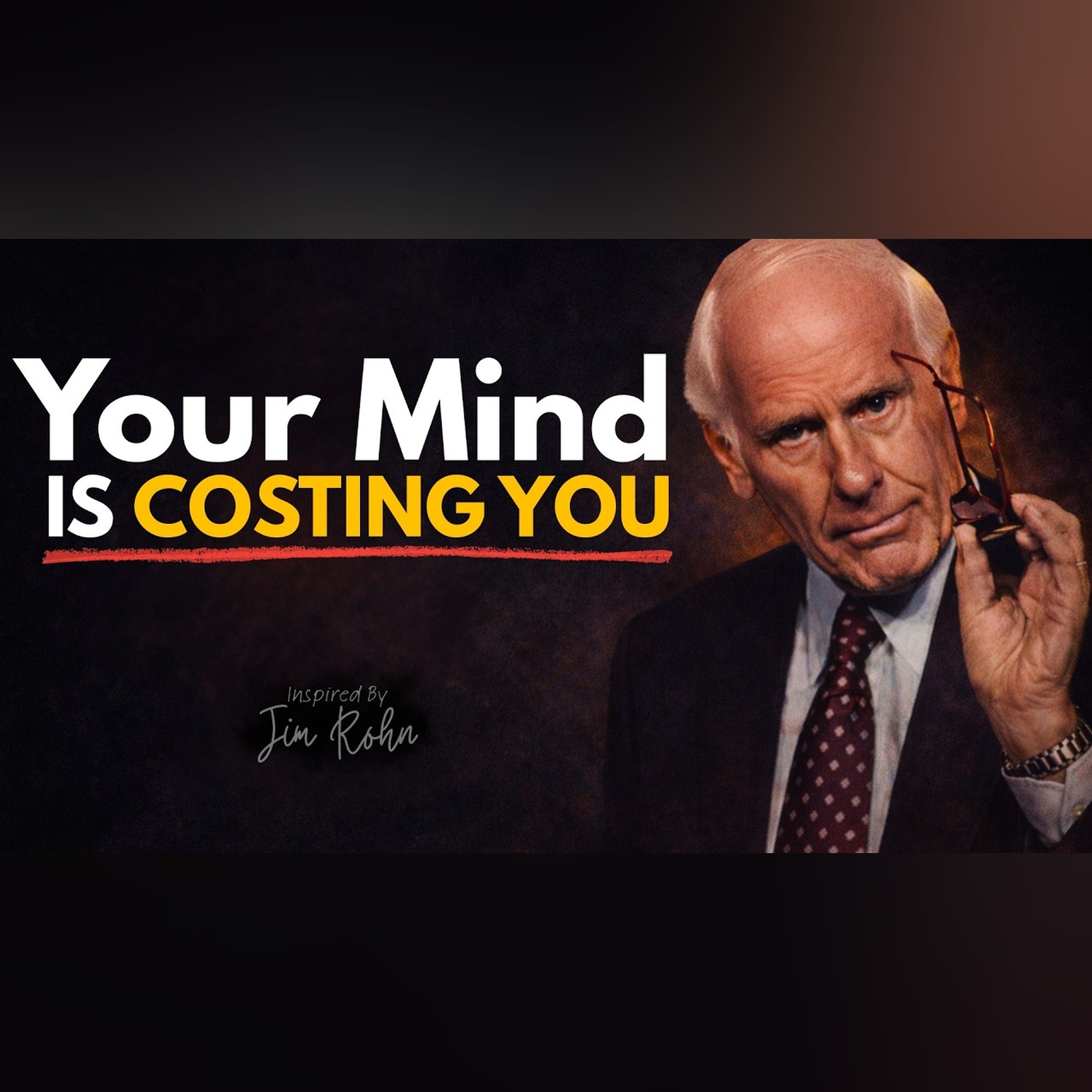
The smarter you are, the more dangerous a certain kind of thinking becomes. It sounds like wisdom: "I need to understand it better before I move. I need to study it more. I need to get my mind right first." But it isn't wisdom. It's a trap with a very sophisticated disguise. Uploaded 27-04-26 This seminar is about the hidden cost of intelligence — how the very ability that should be your greatest asset quietly becomes your biggest liability when it's used to postpone action, perfect plans that never launch, and score points on a scoreboard the marketplace doesn't use. What This Seminar Covers: The Intelligence Trap — Why smart people sit in the same spot five years later, not because they didn't work hard mentally, but because all the mental work never turned into physical movement. The Illusion of the Plan — Why a plan is just a guess, why compelling plans become emotional attachments, and why the real world ignores every framework you've ever made. The territory has to teach you what
Your internet isn't in space. It's in the ocean. But that might change, and here's why. Elon Musk tweeted that Starlink satellite internet service is now available in Ukraine. What does that really mean? Why is it important? And if it’s a big new thing that the internet is in space then… where was it before? In this video, I dive deep into how your internet gets to you right now, why Elon Musk wants to put it in space, and why it all matters. We’re in the middle of the Internet Space Race. It’s not just Elon with Starlink and SpaceX, it's also Jeff Bezos with Project Kuiper… oh and don’t forget Richard Branson with OneWeb. Why do all these billionaires want to put your internet in space? So much so that they’re willing to put millions of dollars on the line, weather geomagnetic storms, and launch thousands of satellites into orbit, all in an attempt to change the way millions of people get their (your!) internet. But this is more than just a fight between billionaires. It’s a fight for
AI has dominated the headlines, but the bigger story might be happening in hardware. Bryce and Ren sat down in New York with Andrew Kang, CEO of RoboStrategy, who argues robot intelligence is now where AI was in 2022. With physical work making up roughly half the world's labour, they unpack why specialised robots will arrive before humanoids in your home, how the US and China really compare, and what it means to invest in a theme that is still mostly privately held. In this episode: 00:00:00 Are Robots The Next Trillion-Dollar Investment Opportunity? 00:02:48 Inside The Robotics Revolution At Figure AI 00:04:19 Why Robotics Is Where AI Was In 2022 00:07:51 How Big Could The Robotics Industry Become? 00:09:42 Where Robots Are Already Being Used Today 00:11:37 Why Specialised Robots Could Win First 00:14:22 Who Is Winning The Robotics Race: US Or China? 00:16:54 Why Robots Could Cost Just $2 An Hour 00:19:31 How Andrew Picks The Next Robotics Winners 00:24:33 The Company Powering America
The Nasdaq 100 surged 6.9% and the S&P 500 gained 4.7% on Monday after Nvidia reinstated Jensen Huang as its CEO. Nvidia shares surged 31.5% after the company's board reinstated its ousted chief, stating that authorities in the US government confirmed that Huang did not impose threats to national security, signaling that the company would not be liable to threats. Concerns of sanctions against the company were rising amid reports that Worldspeed, whose executive Alice Huang was allegedly a Chinese intelligence agent, brokered deals of embargoed Nvidia chips to Chinese clients. Micron surged 19% and Marvell soared 18.4%, while Applied Materials climbed 14.6% and Lam Research jumped 14.4%. This triggered a rebound in the tech stocks amid Nvidia's risks, higher interest rates by the Fed, lower data center development due to a Democratic-run Congress, and a record IPO from Anthropic drying liquidity for tech investors. CrowdStrike sank 8.9% after agreeing to acquire Zscaler. SPI up 115 - G
What would make someone with plenty of money risk their reputation, career, and freedom to steal something they don't even need? Is it greed, poor judgment, or something happening inside the brain that most of us don't understand? In this episode of Off the Couch Psychology Podcast, Dr. Jerry Cunningham explores kleptomania, a psychological disorder that can leave people struggling with powerful urges to steal, even when they know the consequences could be devastating. You'll discover what separates kleptomania from ordinary shoplifting, how emotional tension and temporary relief can create a difficult cycle, and what psychological treatments may help people regain control. We'll also revisit the famous shoplifting case involving actress Winona Ryder and examine what her story can teach us about the dangers of making assumptions about someone's mental health. Whether you're curious about human behavior, concerned about someone you love, or struggling with impulses yourself, this episod
What exactly is a bond, and how can it make you money? In this episode of Bank of Dad, we're breaking down bonds in plain English, from who you're actually lending your money to and how bonds differ from shares, to how interest payments work and what happens when a bond reaches the end of its term. We'll also explore why bond prices rise and fall, how interest rates affect them, and what people really mean when they talk about bond yields. Whether you're completely new to investing or just want to get your head around bonds, we've got you covered! Warning - not for kids!
The Budget is here, but what does it actually mean for YOUR money? In this episode of Bank of Dad, we break down the changes to minimum wage, ISAs, tax and parental pay, plus the new schemes designed to help first-time buyers get on the property ladder We cut through the jargon, explain what's changing and help you work out which announcements could make a difference to your finances!
Travel providers should disclose meaningful environmental impacts alongside prices.
Share your view, then see how readers voted. No sign-in required. This poll is shared across stories.
Do you agree or disagree?
Common Quandary
A Common Quandary to discuss
Another conversation to explore, separate from this news story.
The best garden plot has been abandoned for months. Who gets to take it?
Garden plots have a three-year waiting list. One member's plot has gone untended for months and messages go unanswered, but other gardeners know they recently faced serious health problems.
How long should a shared resource remain reserved out of compassion?