Understanding Plantar Fasciitis - Ask a Nutritionist
11 min
Listen through the publisher, then discuss the episode here or arrange an in-person Roundtable. Your city determines where to meet.
Roundtables are designed for groups of four, with a shared subject and room for everyone to speak. Come for discussion, with no dating expectation.
Does your heel hurt when you take your first steps in the morning? You might be experiencing plantar fasciitis, a common cause of heel pain. Registered dietitian Amy Crum explains what causes plantar fasciitis, its most recognizable symptoms, and how nutrition may support connective tissue health and recovery. Learn why balanced blood sugar, adequate protein, vitamin C, and omega-3-rich foods matter for overall tissue health, plus practical ways to reduce added sugar and build nutrient-dense meals. Discover how nutrition can complement stretching, strengthening, and supportive footwear as part of a well-rounded approach to managing plantar fasciitis.
Episode information is provided by the publisher. Listening takes place on the publisher’s service.
In this video I explain Where does Glucose Come From? More specifically I talk about Glycogen and explain how Glycogen is stored Glucose. A lot of people think that you can’t have Glycogen or more specifically Muscle Glycogen on a Keto Diet but I’m here to explain why that may not be true. So where does Glucose Come from? Watch and find out! Don’t forget to Share and Like if you enjoy this video! This is a clip from my Weekly Live Recordings, Watch Full Video Here: https://bit.ly/2Ip5YrO ********************************************* Thanks for checking out the Dr Boz Channel. Documentary American Traddiction Playlist: https://on.bozmd.com/AT Tune in Tuesday nights, 6PM Eastern/5PM Central to watch me Live! We improve health - One ketone at a time. Dr Boz’s ONLINE Course Consistently Keto: https://bozmd.com/shop Dr BOZ FAVORITES: http://on.bozmd.com/fav WAYS TO SUPPORT THIS CHANNEL: Share the Dr Boz content with people you love. Everyone wins when you share. Buy Dr Boz Products. Dr Boz
Why do we have a tendency to hold on to the past? Why do we continue to let the most painful experiences in our lives not only influence, but control our future? And what would life look like if we were able to let go of the past, shed the stories that we carry with us and move forward in a way that is untethered to the pain? Uploaded 15-10-19 Welcome to the Tony Robbins Podcast. In this episode of the real breakthrough series, we’re diving into a particularly sensitive subject – letting go of past trauma. Some of you may have endured unspeakable trauma in your lives. But as horrific as these experiences were, you may continue to hold on to them, fervently at times. Because letting go can be terrifying. But holding on has profound consequences of its own. We continue to give the pain power. We keep cords of energy tied to the people that hurt us. We even let these terrible experiences become part of our identity. In this episode, you’re going to hear from JoLynn – a woman who endured t
The Five Pillars of Financial Freedom | Jim Rohn Motivation True financial freedom isn’t just about money—it’s about building the habits, mindset, and principles that create lasting wealth. In this powerful Jim Rohn motivational video, you’ll discover the five essential pillars of financial success that can help you create security, opportunity, and independence. Uploaded 05-10-25 Jim Rohn explains that wealth is not something you chase—it’s something you attract by becoming a disciplined, responsible, and growth-minded individual. These five pillars will show you how to manage your money wisely, invest in yourself, and build a financial foundation that supports the life you want. In this video, you’ll learn: The five pillars of financial freedom and how to apply them. Why discipline is more important than income when building wealth. How to create multiple streams of income for financial security. Why financial freedom starts with self-education and personal growth. Practical steps to
Does your relationship feel like home, or does it feel like standing on the edge of something you might lose? In Part 3 of our Relationship Anxiety series, clinical hypnotherapist and former paramedic Martin Hewlett guides you through the process of teaching your nervous system that love doesn't have to hurt to be real. We explore the physical manifestations of anxiety—the tight chest, the 2:00 AM racing mind, and the "stomach drop" when a text takes too long—and provide the tools to "turn down the alarm" of your internal survival response. If you are ready to stop "cherry-picking" evidence of disaster and start building a foundation of trust, this session is for you. In This Episode, We Cover: The Science of Safety: Understanding how your nervous system confuses love with danger. Guided Visualization: A journey into your own "safe room" where you are already enough. Rewiring the Brain: Moving from worst-case disaster reels to the reality of small, daily kindnesses. Breaking the Cycle:
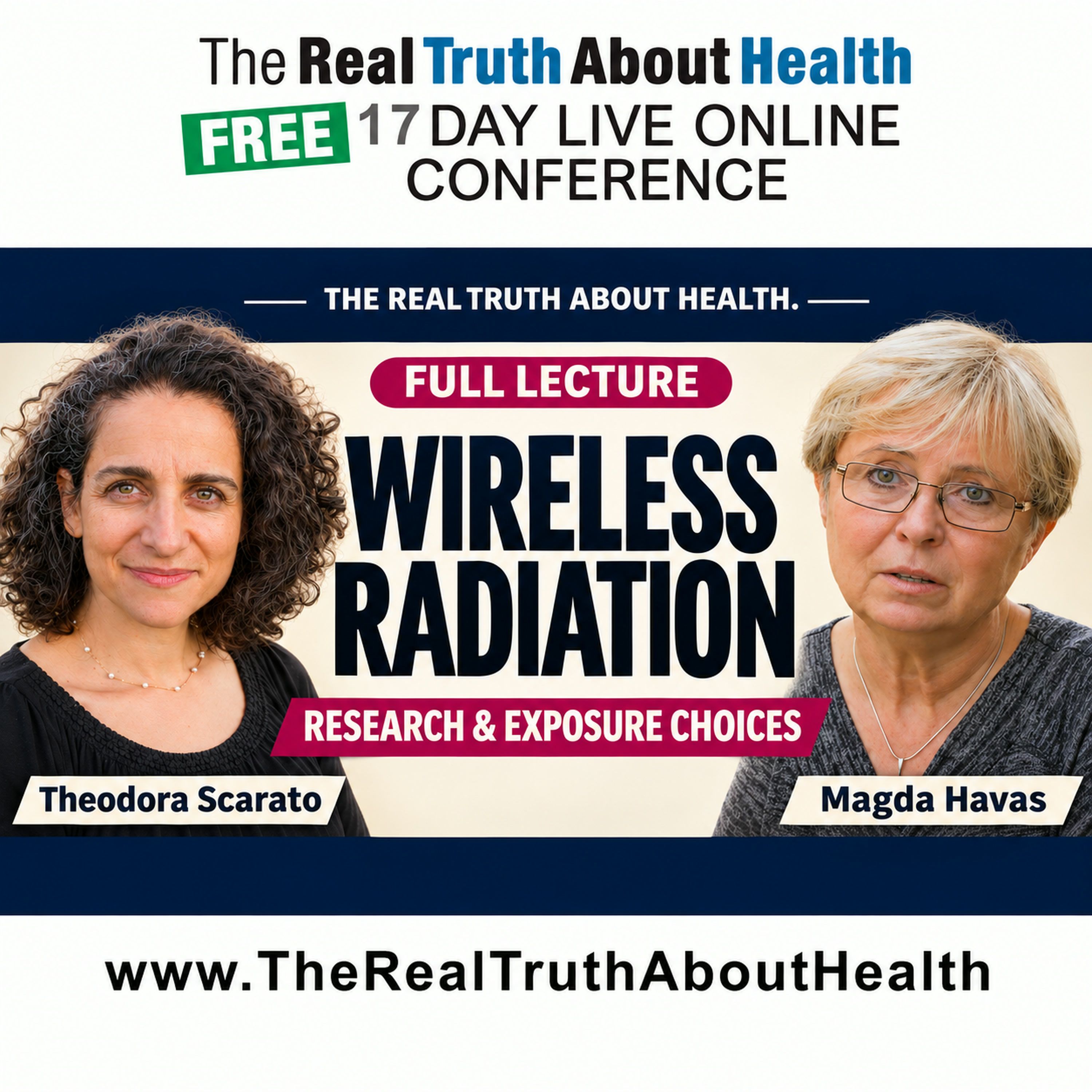
Wireless Radiation: What the Research Says—and How to Reduce Exposure if You Choose Theodora Scarato, MSW, and Magda Havas, PhD, examine what research says about wireless radiation and potential health effects. Learn about everyday exposure sources, scientific concerns, and practical steps people can choose to reduce EMF exposure at home, work, and school. #WirelessRadiation #EMF #PublicHealth
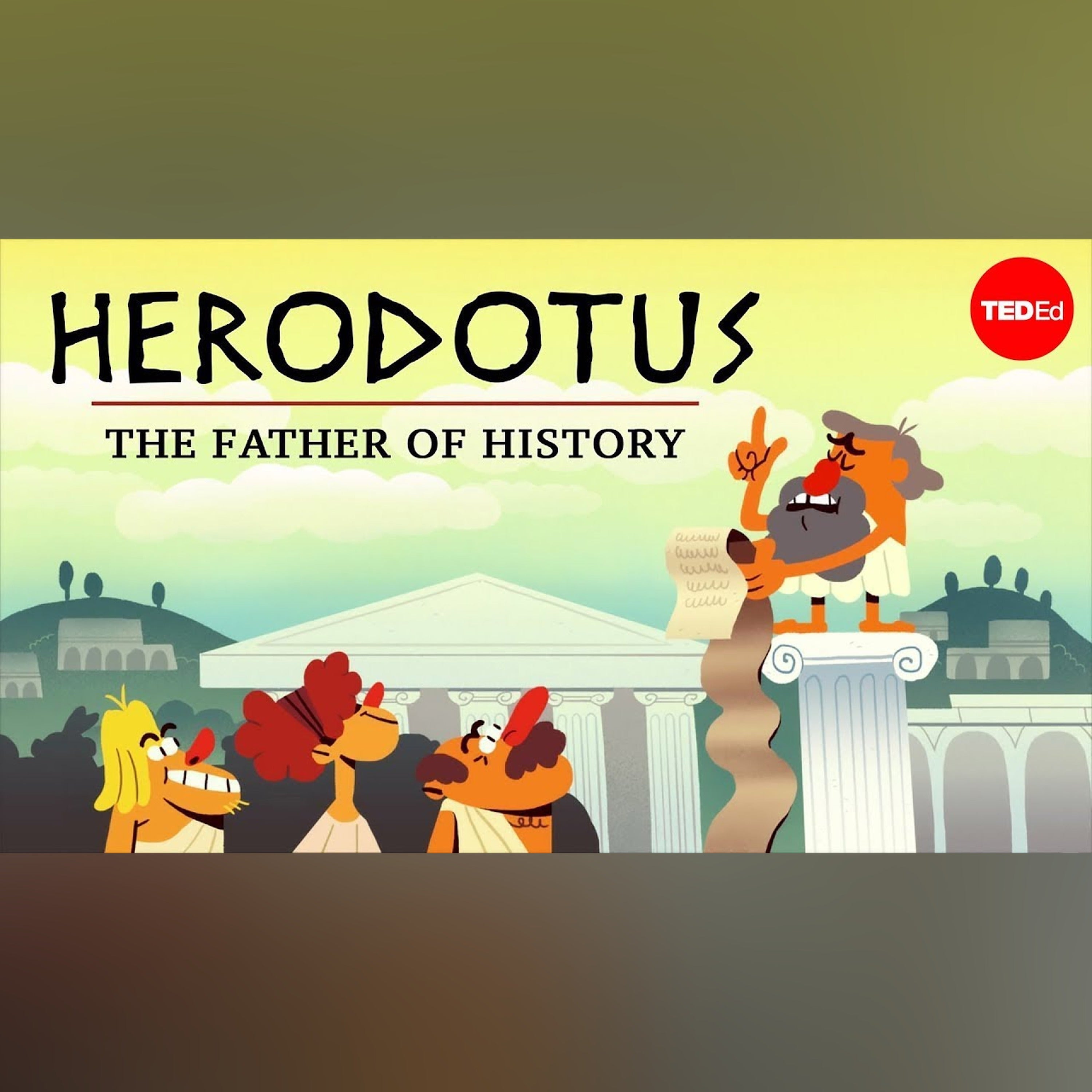
Uploaded 11-12-17 View full lesson: https://ed.ted.com/lessons/why-is-herodotus-called-the-father-of-history-mark-robinson 2,500 years ago, the writing of history as we know it didn’t exist. The past was recorded as a list of events, with little explanation for their causes beyond accepting things as the will of the gods. Herodotus wanted a deeper understanding, so he took a new approach: looking at events from both sides to understand the reasons for them. Mark Robinson explains how “history” came into being. Lesson by Mark Robinson, directed by Remus and Kiki Thank you so much to our patrons for your support! Without you this video would not be possible! Daniel Day, Nick Johnson, Bruno Pinho, Javier Aldavaz, Rodrigo Carballo, Marc Veale, Boytsov Ilya, Bozhidar Karaargirov, Darren Toh, ilya bondarik, maxi kobi einy, Runarm , Misaki Sato, Peter Koebel, Levi Cook, Alex Kongkeo, Craig Sheldon, Andrew Bosco, Catherine Sverko, Nik Maier, Robert Sukosd, Mark Morris, Tamás Drávai, Adi V, Pet
Could your teenager's eating habits be affecting their mood, energy, and ability to focus? Licensed nutritionist Kara Carper and registered dietitian Brandy Buro explore the connection between nutrition and teen mental health, including how skipped meals, blood sugar fluctuations, sugary drinks, and caffeine may influence how teens feel throughout the day. Learn practical ways to build balanced breakfasts, pack satisfying snacks, and prepare easy family meals that support growing bodies and brains. Plus, discover how to encourage healthier food choices without creating stress, guilt, or conflict around eating.
Could what you eat be affecting your eczema, psoriasis, or chronically dry, itchy skin? Registered dietitians Melanie Beasley and Britni Vincent explore the connection between nutrition, inflammation, gut health, and your skin's protective barrier. Learn how protein, healthy fats, omega-3s, and fiber-rich foods support skin health, why certain foods may trigger symptoms for some people, and how to build balanced, nutrient-dense meals without an overly complicated eating plan. Plus, discover practical ways to identify potential triggers and nourish your skin from the inside out.
Could low vitamin B12 be contributing to your fatigue, brain fog, or tingling in your hands and feet? Registered dietitian Britni Vincent explains why vitamin B12 is essential for energy metabolism, red blood cell production, and nervous system health. Learn the common signs and causes of B12 deficiency, which foods provide this important nutrient, and who may be at greater risk of low levels. Plus, discover when B12 testing and supplements may be helpful, how different supplement forms compare, and why taking extra B12 doesn't necessarily boost energy if your levels are already adequate.
Communities losing a major industry deserve transition support before jobs disappear.
Share your view, then see how readers voted. No sign-in required. This poll is shared across stories.
Do you agree or disagree?
Common Quandary
A Common Quandary to discuss
Another conversation to explore, separate from this news story.
Five friends join the person ahead of you after a forty-minute wait. Do you object?
You wait forty minutes for a popular event. Just before the doors open, five friends join the person directly ahead of you, who says they have been holding everyone's place from the beginning.
What unwritten agreement does joining a line create?