USA - merica’s Entrepreneurial Visionaries Reshaping Historical Progress — Part One - ARTHUR-HERMAN-FOUNDERS-FIRE
38 min
Listen through the publisher, then discuss the episode here or arrange an in-person Roundtable. Your city determines where to meet.
Roundtables are designed for groups of four, with a shared subject and room for everyone to speak. Come for discussion, with no dating expectation.
1945 UNION PACIFIC merica’s Entrepreneurial Visionaries Reshaping Historical Progress — Part One Arthur Herman, author of Founders’ Fire: From 1776 to Right Now, discusses how iconic American figures, including Thomas Edison, Henry Ford, John D. Rockefeller, George Washington, and Abraham Lincoln, drove national transformation through vision, courage, and risk-taking. He emphasizes the Patent Act’s role in protecting intellectual property, enabling pioneers to build strong economic foundations from 1776 forward. (1)
Episode information is provided by the publisher. Listening takes place on the publisher’s service.
This episode is brought to you by Sarmaya Partners. Learn more about Sarmaya’s LENS ETF, their full data and comparison, including performance here: https://sarmayaetf.com/ In this episode of Other People's Money, Max Wiethe sits down with Muddy Waters Capital founder Carson Block to discuss his firm's explosive new short thesis on Nvidia. Block breaks down the alarming connections between a former Nvidia executive and a former SMCI executive recently implicated in a major chip smuggling scandal. The conversation dives deep into the national security implications of dual-use technology and how the ongoing geopolitical tug-of-war between the US and China is reshaping the semiconductor sector. Tune in to hear why Block believes this scandal goes far beyond CEO indiscretions and could trigger a massive regulatory reckoning for Silicon Valley's biggest players. Follow Muddy Waters on X: https://x.com/muddywatersre Follow Max on X: https://x.com/maxwiethe Follow Other People’s Money on: App
Merriam-Webster's Word of the Day for November 22, 2026 is: copacetic • \koh-puh-SET-ik\ • adjective Copacetic (less commonly spelled copasetic or copesetic) describes things that are very satisfactory. // Worry not: I assure you that everything’s copacetic. See the entry > (https://www.merriam-webster.com/dictionary/copacetic) Examples: “We will be blessed with a second lunar eclipse on this night, but it won’t quite be total: at maximum, a little more than 90 percent of the moon will fall into Earth’s shadow. The event will start at 10:35 P.M. EDT, and the maximum eclipse will occur just after midnight. It won’t be as cool as the March eclipse, but the timing will be a lot more copacetic.” — Phil Plait, Scientific American, 9 Jan. 2026 Did you know? Copacetic (with many variant spellings) is probably better known for competing theories of its origin than for any record of unconscious everyday use in American English. The first written occurrence of the word thus far detected (as copa
Imagine if every big change in our lives came with a whole community stepping up beside us… In this episode, I sit down with Dr Arne Rubinstein, former GP and emergency doctor, founder of the Rites of Passage Institute, and a man who's spent more than 30 years walking young people across the threshold into adulthood. Arne's work began around a fire at his very first men's gathering, listening to a hundred men wrestle with the same handful of wounds. Then in the Emergency Dpt, he kept meeting teenagers who'd pushed it one step too far... kids trying to become adults with nobody there to hold them. He came to believe every young person will go through a rite of passage either way. The question is whether we leave them to create their own, or gather around and help. We talk about why our culture is so good at turning away from the big moments - from first periods to menopause to death - and what opens up when we turn towards them. We explore: Separation, transformation and integration, an
Adam Grant is one of the most sought after organisational psychologists in the world. He has provided expert advice to many of the world’s greatest business leaders, including Bill Gates and Sheryl Sandberg, equipping them with the mental tools to find motivation and meaning, rethink assumptions, and achieve greatness in their business and personal lives. In January 2024 Grant came to the Intelligence Squared stage for a rare, exclusive London event where he shared his revolutionary framework for how we can all exceed the expectations and aspirations we have set for ourselves. Drawing on his new book Hidden Potential he explained that despite living in a world that tends to admire people who start out with innate talent, there is clear scientific evidence that we can all bridge the biology gap and improve ourselves dramatically. In conversation with economist and FT columnist Tim Harford, Grant wove together groundbreaking evidence, surprising insights, and vivid story telling to take
On 4th March 2023, UN member states agreed a historic treaty that had been over fifteen years in the making. The High Seas Treaty is the first ever treaty to protect the world’s oceans outside national boundaries. The aim is to meet the 30 by 30 biodiversity target, protecting 30% of the world’s oceans by the year 2030. Also known as the open sea or international waters, the high seas begin at the limit of countries’ exclusive economic zones. That means up to 370km, or 200 nautical miles, from the coastline. They account for 64% of the world’s oceans, and have been referred to as the last true wilderness, given how much mystery still lies within. Why is protecting the oceans so important? What measures are expected to come from the treaty? In under 3 minutes, we answer your questions! To listen to the last episodes, you can click here: How to make the most out of a rental property? (https://originals.bababam.com/do-you-really-know/202303090400-how-make-most-out-rental-property) What is
A wave of major technology outages is raising troubling questions about America's cybersecurity, aging infrastructure, and readiness for a new era of artificial intelligence. Are these isolated technical failures, or warning signs of a much larger national security problem? John Solomon and Amanda Head welcome Ohio Congressman and former Army Ranger Warren Davidson, who discusses recent disruptions involving the FAA, Microsoft, and other critical systems. Davidson calls for greater transparency from government agencies and technology companies, questions whether America's infrastructure is adequately protected against emerging cyber threats, and examines how artificial intelligence could be used both to strengthen defenses and exploit vulnerabilities. The conversation also turns to immigration and national security, with Davidson raising concerns about individuals who entered the country illegally, potential gaps in government screening systems, and the surveillance powers used to moni
Sandpaper Scandal Resurfaces Again Jeremy Zakis reviews the 2018 cricket scandal in which Australian players secretly used sandpaper to alter the ball. The controversy has resurfaced after a former teammate published a book accusing current captain Pat Cummins of involvement, sparking intense debate despite official support for Cummins. (3)
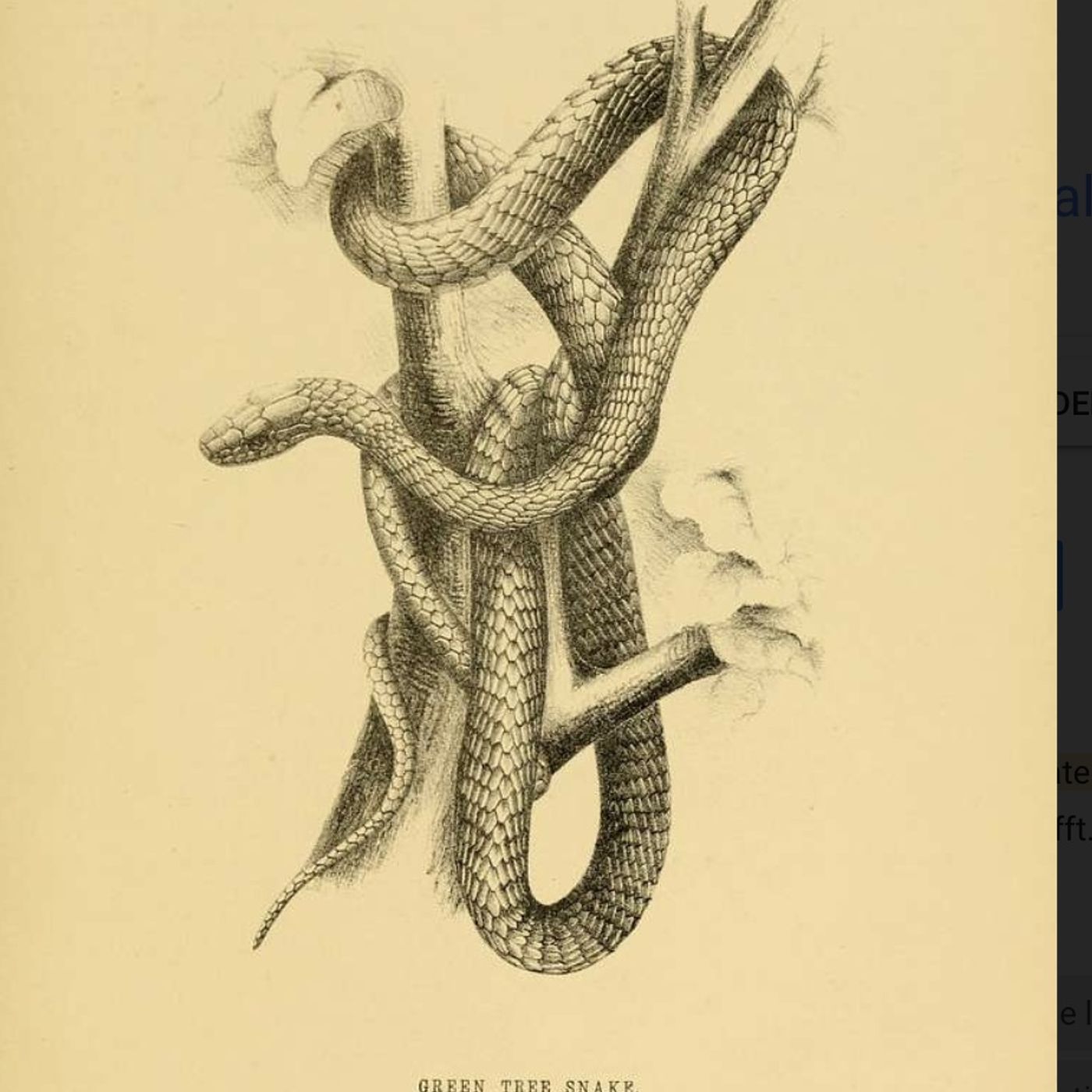
Floods Wash Snakes Downtown Jeremy Zakis explains the official warnings issued in Melbourne after floodwaters washed venomous snakes into the central business district. Snake catchers face surging demand and charge costly call-out fees, while unseasonable storms have disrupted local wildlife, leaving kangaroos hyperactive and erratic on the roads. (2)
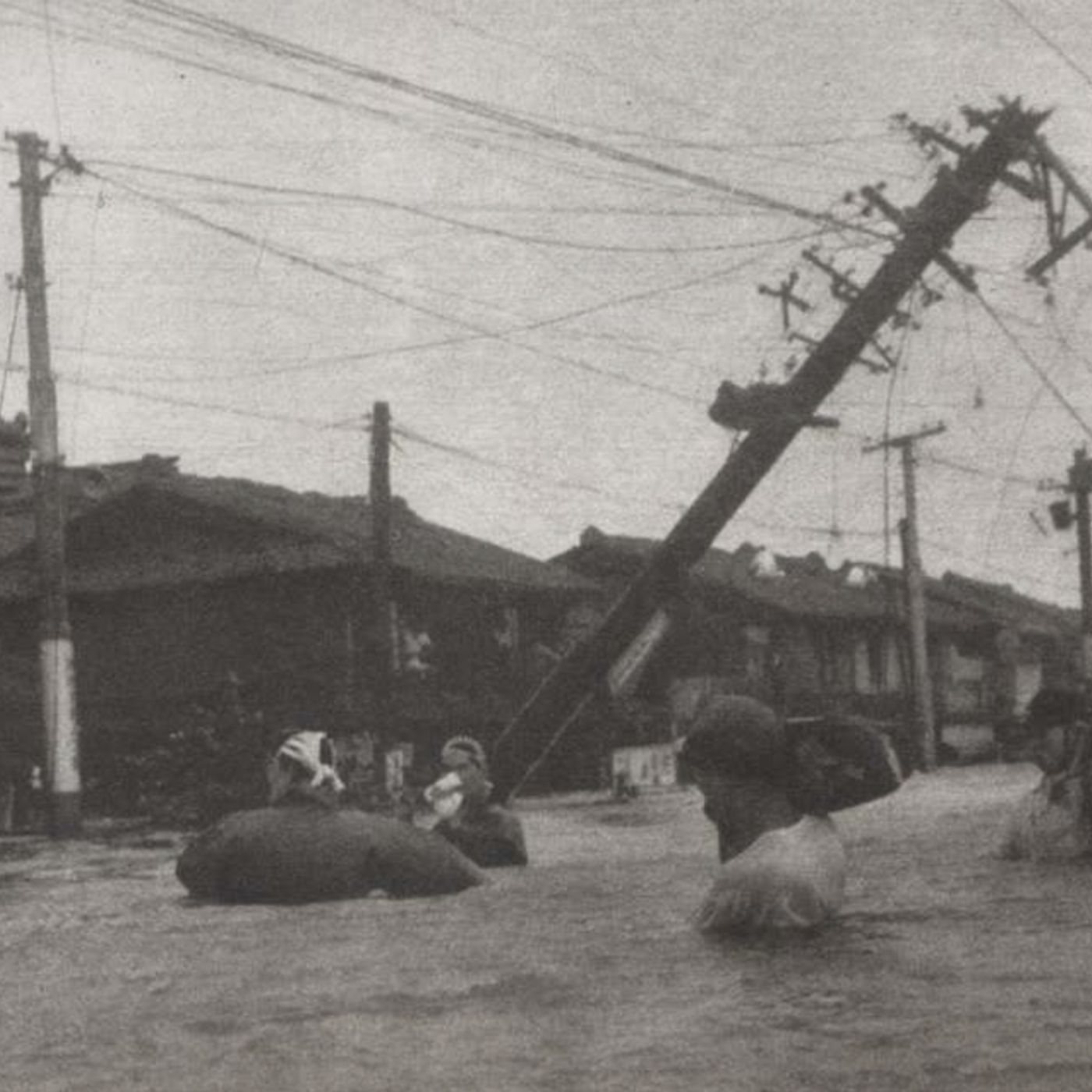
1950 Super El Niño Spring Storms Jeremy Zakis discusses extreme spring weather across Australia, driven by a super El Niño and elevated ocean temperatures. Heavy rain, microbursts, and severe winds in South Australia toppled massive power lines and spawned funnel clouds, while Sydney faces hot, chaotic, (1)
Publicly supported activities should offer reduced prices to people who cannot afford admission.
Share your view, then see how readers voted. No sign-in required. This poll is shared across stories.
Do you agree or disagree?
Common Quandary
A Common Quandary to discuss
Another conversation to explore, separate from this news story.
You scratched a borrowed heirloom and repaired it perfectly. Do you confess?
You borrow a family heirloom for an event and accidentally leave a small scratch. A careful repair makes it almost invisible, and its owner happily accepts it back without noticing anything.
What is confession for when the harm has already been repaired?