Listen through the publisher, then discuss the episode here or arrange an in-person Roundtable. Your city determines where to meet.
Roundtables are designed for groups of four, with a shared subject and room for everyone to speak. Come for discussion, with no dating expectation.
“But be of good cheer, for I have overcome the world.” What if good cheer isn't a personality trait? What if it is something we learn to practice? As we come to the end of this season, we return to where we've been all along: belonging to become. We become through relationship. We become through presence. We become as we are known, as we tell the truth, as we practice repair, and as we allow ourselves to be formed in community. Join Curt and Pepper as they explore what it means to become people of belonging, becoming, and good cheer. They’ll consider how Jesus overcomes the world not through violence or empire, but through vulnerability, wounds, forgiveness, community, and the sending of his people into the world as outposts of Eden. * * * * * * * * * * Stay connected:
Episode information is provided by the publisher. Listening takes place on the publisher’s service.
What helps us move beyond loneliness and separation to experience a deeper sense of belonging—with ourselves, with each other, and with the living world? In Part 2 of Medicine for the Lonely Heart, Tara Brach continues exploring how we can awaken our hearts to the love and connection that are always possible. While our deepest longing is to feel close to others, familiar habits of judgment, wanting, and fear can keep us from truly seeing those around us. When we become caught in our own needs and expectations, we lose touch with the humanity and goodness of others. Yet through mindful presence and loving-kindness, we can begin to look beyond these patterns, recognize the tenderness and vulnerability we share, and rediscover the possibility of genuine soul-connection. Through personal stories, reflections, and guided heart practices, Tara invites us to see others with fresh eyes, appreciate their goodness, and express our care. As we extend this loving attention beyond our familiar rela
Ever meet someone new and spend the entire conversation trying to think of something interesting to say? The harder you try to be charming, the easier it is to miss the very thing that creates connection: what the other person is telling you. In this Social Intelligence Briefing from The Art of Charm, AJ Harbinger and Johnny Dzubak explain how to be more charming and charismatic by asking better questions, practicing active listening, and shifting your attention away from trying to impress people. Using a relatable conversation at a party, they reveal why common small-talk questions often lead nowhere, how to move beyond surface-level facts, and why genuine curiosity makes you someone people enjoy talking to. You'll also discover research on self-disclosure, follow-up questions, and meaningful conversations—and learn a simple technique you can practice immediately. What you'll learn: How to be charming naturally: Why trying to impress people can prevent you from building genuine connec
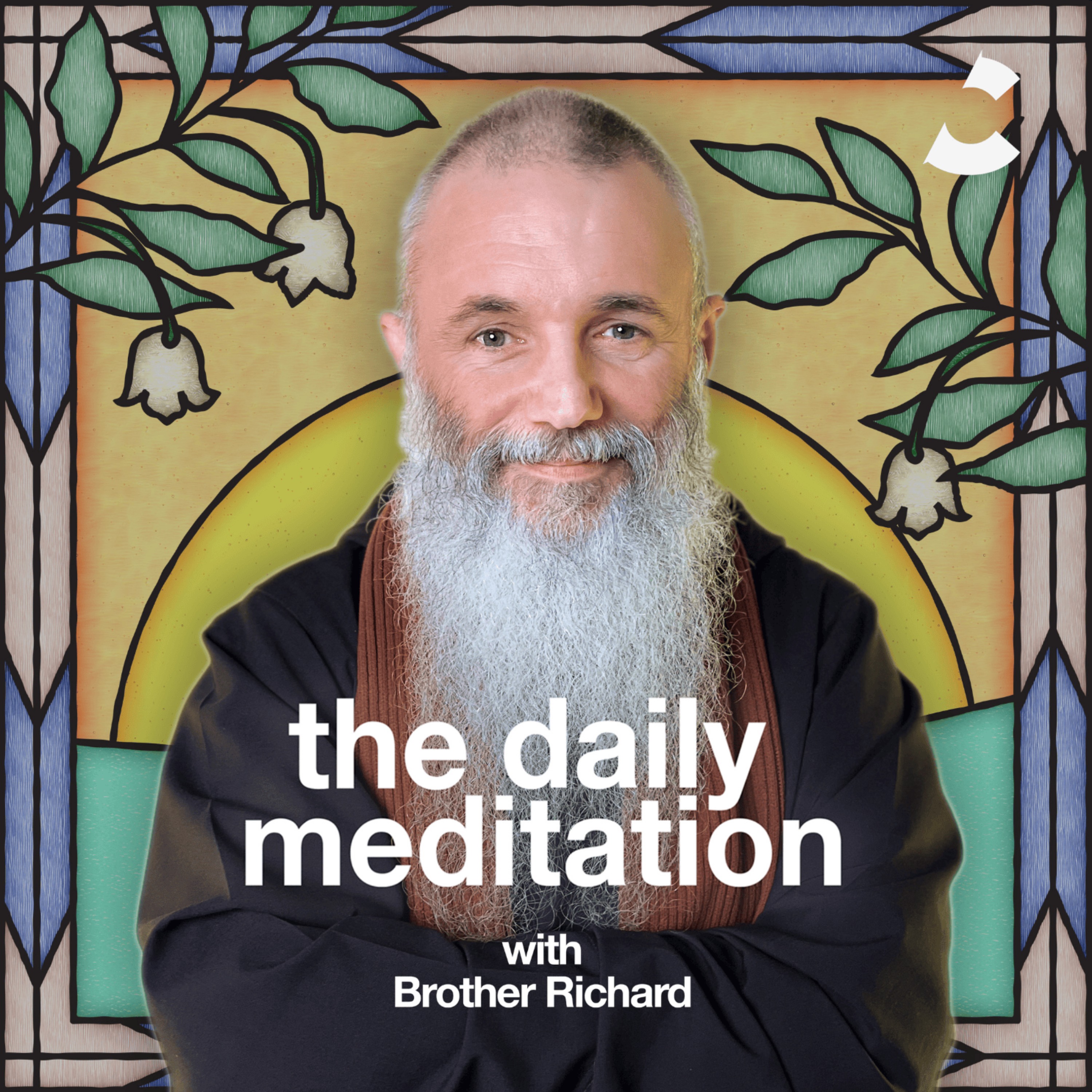
In this meditation, I explore how something as ordinary as drinking a cup of coffee can become a contemplative practice. As a Capuchin Franciscan, I can even claim a particular connection with coffee through Blessed Mark of Aviano, whose story became associated with the cappuccino. You can practise this meditation with coffee, tea or another warm drink, either holding a real cup or simply visualising the experience. We begin by feeling the warmth and weight of the cup in our hands. We notice its texture, the steam, the fragrance and the anticipation of taking a drink. As we take each sip, we pay attention to sensations that usually pass unnoticed: the cup against the lips, the warmth of the liquid, its movement through the mouth and throat, and the memories or stories awakened by taste and smell. By attending closely to an ordinary action, we begin to see how rich even the simplest moment can be. Towards the end of the meditation, we reflect with gratitude on everything that has allowe
Plus: what to do when physical symptoms make you more anxious, why toughing it out through pain can backfire, and how to come back into your body safely after trauma. We all know the advice to "get out of your head and into your body." Fewer of us know how to do it, especially when our thoughts are loud, busy, and far more interesting than our breathing. Meditation teacher devon hase (http://devonandnicohase.com/) answers questions from the 10% with Dan Harris community on what embodiment actually means, why it's worth the effort, and how to practice it when it feels impossible. devon hase teaches at the Insight Meditation Society and Spirit Rock Meditation Center, and she is the co-author, with her partner Nico, of How Not to Be a Hot Mess. She was the Teacher of the Month for October 2026 for DanHarris.com (http://danharris.com/). You can find more guided meditations from devon in the 10% with Dan Harris app (http://app.danharris.com/). In this conversation, devon hase shares: Why th
Get the 200+ Page Optimal Living Daily Workbook (PDF) - Free. Want to turn today's episode into an actionable plan? Episode 4232: Chris Guillebeau shares a candid, funny account of his lack of qualifications, from a short-lived dishwashing job to failing his way through statistics and shrink-wrapping pallets. He argues that formal credentials matter far less than people think, and that anyone who builds a good life without them should treat that work with gratitude and diligence. It is an encouraging take on personal development for anyone who has ever felt like an imposter. Read along with the original article(s) here: https://chrisguillebeau.com/qualifications/ Quotes to ponder: "First, forget about what you're actually qualified to do. It's irrelevant and no one cares." "Fourth, when you do find something that works for you, you should be very grateful, every day." "Regardless of your actual qualifications, there's one thing that no one can give you and no one can take away: the wil
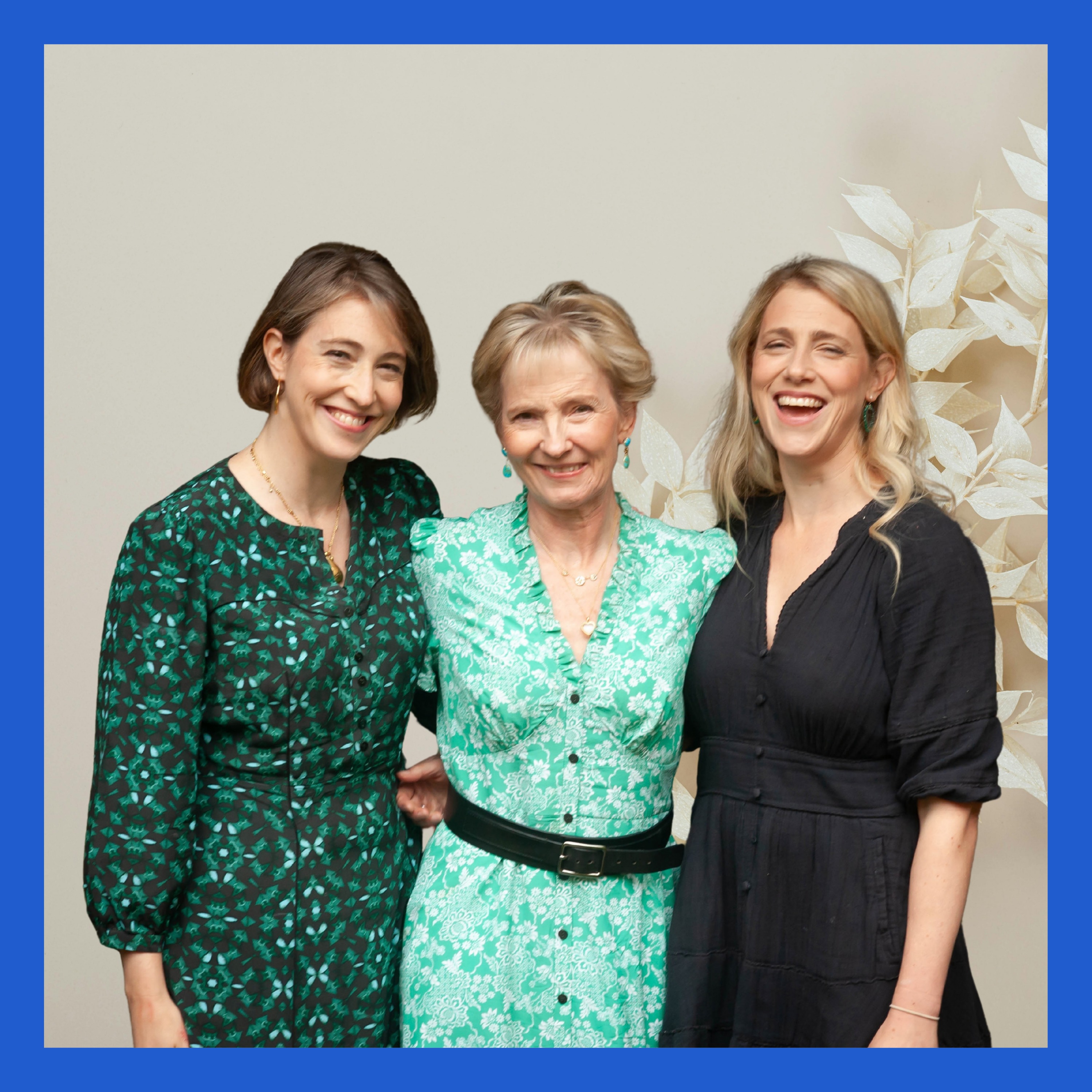
Can therapy change family dynamics for the worse? Psychotherapist Julia Samuel explores what happens when an adult child's growth creates tension at home. This week's listener is a parent whose adult daughter has been in therapy for several years. While they've seen her grow in confidence and become happier, they've also noticed a change in how she relates to the family. Her increasing use of therapeutic language has left them feeling judged, patronised and afraid of saying the wrong thing. Psychotherapist Julia Samuel and her daughters Sophie and Emily explore how therapy can affect family dynamics and why personal growth can sometimes create unexpected tensions in our closest relationships. The listener misses the humour and ease they once shared with their daughter, but worries that speaking up could damage their relationship. Julia shares her own experience of bringing therapy into family life, while Emily reflects on how attending therapy as a young adult affected her relationship
Jesus says something we might prefer not to hear: “In this world you will have trouble.” What if some of our struggle comes from expecting life to be something Jesus never said it would be? Join Curt and Pepper as they explore what it means to name what is true, and why doing so is part of becoming wise. They’ll talk about suffering, grief, longing, resilience, and the people who help us remain present when life is hard—and consider how belonging to others helps us become people who can tell the truth about trouble without allowing it to become the whole story. * * * * * * * * * * Stay connected:
We all want peace. But what if we have misunderstood what peace actually is? Peace isn't simply the absence of conflict or the feeling that everything is going our way. It is in its essence our capacity to remain present—to ourselves, to one another, and to God—even when life is difficult. Join Curt and Pepper as they explore the embodied nature of peace, including the window of tolerance, attachment, rupture and repair, and the ways our brains and bodies learn to regulate in relationship. They’ll consider how peace becomes something we increasingly participate in—and something we can become for others. * * * * * * * * * * Stay connected:
Canceling a digital subscription should be as easy as starting one.
Share your view, then see how readers voted. No sign-in required. This poll is shared across stories.
Do you agree or disagree?
Common Quandary
A Common Quandary to discuss
Another conversation to explore, separate from this news story.
Your partner checks your location whenever you reply slowly. Is that caring or creepy?
A couple shares live phone locations for convenience and safety. One partner begins checking the map whenever a message goes unanswered, even though they have never agreed on when checking is appropriate.
Does granting access also grant permission to monitor?