Listen through the publisher, then discuss the episode here or arrange an in-person Roundtable. Your city determines where to meet.
Roundtables are designed for groups of four, with a shared subject and room for everyone to speak. Come for discussion, with no dating expectation.
We all want peace. But what if we have misunderstood what peace actually is? Peace isn't simply the absence of conflict or the feeling that everything is going our way. It is in its essence our capacity to remain present—to ourselves, to one another, and to God—even when life is difficult. Join Curt and Pepper as they explore the embodied nature of peace, including the window of tolerance, attachment, rupture and repair, and the ways our brains and bodies learn to regulate in relationship. They’ll consider how peace becomes something we increasingly participate in—and something we can become for others. * * * * * * * * * * Stay connected:
Episode information is provided by the publisher. Listening takes place on the publisher’s service.
In this meditation, I invite you to reflect on the changing light of autumn as we move towards the darker days of winter. As the daylight hours grow shorter, we can sometimes feel that we are losing something. Yet the contemplative life invites us to receive each season as it is, discovering beauty and sacredness in the present moment. Beginning with the breath, we explore the difference between the changing light around us and the unchanging light of divine presence within. From the gentle light of morning to the lamps that illuminate our evenings, every expression of light becomes an invitation to awareness. As we breathe, we allow ourselves to be filled with divine light, offering compassion, peace and prayer to those in need. Chapters: 00:00 – Introduction: Autumn light 01:10 – Entering meditation with intention 01:58 – Relaxing the body and following the breath 02:48 – Returning to the present moment 03:12 – Becoming aware of the light within 03:40 – The gift of divine light 04:10
So many of us have learned to be strong by pushing through difficult things, ignoring our needs, and holding everything together, even when we're struggling inside. And while these strategies may have helped us through difficult times, they can also leave us feeling disconnected from ourselves. But our authentic inner strength feels very different. It's rooted in our ability to stay connected to ourselves, trust our inner knowing, and make choices that reflect our deepest values and needs. And it can help us feel more empowered to shape our lives in ways that feel meaningful and aligned. The beautiful thing is that this strength is already within us, even if we learned to disconnect from it somewhere along the way. In this episode of Somatic Healing Meditations (https://helloinnerlight.com/podcast), I'll guide you on a soothing journey inward to reconnect with the depth and breadth of the true strength you carry within. Together, we'll explore some of the beautiful and powerful qualiti
Happy Regular Guy Friday! We fooled them again and somehow made it through another week! This week, we're hauling furniture, dodging birthday cakes, revisiting old memories, and asking one very important question: Why can't we just make things fun? We talk birthdays and why sometimes a vanilla cake and a fork beat a celebrity-filled bash. We talk moving, downsizing, and how getting rid of years of accumulated stuff can make life feel a whole lot lighter. We talk anxiety, the need for control, and how music, laughter, and the right attitude can turn an overwhelming job into a good time. We revisit Blue Collar versus Blue Blood, old family stories, and why the memories we hold onto aren't always the whole story. We talk letting go of old resentments, appreciating the intentions behind difficult decisions, and helping our parents navigate life's later chapters with dignity and love. Plus, Hulk Hogan, Corey Feldman karaoke, Mercedes Moné's big moment with Team USA women's wrestling, and wh
Fear has a way of quietly taking control of your life. It convinces you to stay where you are, avoid difficult conversations, delay decisions, tolerate situations you know aren’t good for you, and settle for a life that is far smaller than the one you are capable of living. In this episode of The Strong Life Project, we explore how fear impacts your thinking, your relationships, your career, your leadership, and ultimately your ability to live a meaningful life. Fear doesn’t always look like panic. Sometimes it looks like procrastination, overthinking, making excuses, people pleasing, avoiding conflict, or constantly waiting for the perfect moment. The problem is that every time you allow fear to make a decision for you, you reinforce the belief that you are incapable of handling what comes next. Over time, this creates a pattern of avoidance that undermines confidence, resilience, emotional strength, and personal growth. Learning to manage fear doesn’t mean becoming fearless. It means
Can therapy change family dynamics for the worse? Psychotherapist Julia Samuel explores what happens when an adult child's growth creates tension at home. This week's listener is a parent whose adult daughter has been in therapy for several years. While they've seen her grow in confidence and become happier, they've also noticed a change in how she relates to the family. Her increasing use of therapeutic language has left them feeling judged, patronised and afraid of saying the wrong thing. Psychotherapist Julia Samuel and her daughters Sophie and Emily explore how therapy can affect family dynamics and why personal growth can sometimes create unexpected tensions in our closest relationships. The listener misses the humour and ease they once shared with their daughter, but worries that speaking up could damage their relationship. Julia shares her own experience of bringing therapy into family life, while Emily reflects on how attending therapy as a young adult affected her relationship
A kiss can be wonderful. It can create an instant connection, spark romance, or make you feel closer to someone. But a kiss can also have the opposite effect — and sometimes ruin everything. So what makes kissing so powerful, and why can one kiss make such a difference? There's some fascinating science behind it. https://www.scientificamerican.com/article/why-we-kiss/ We spend an enormous amount of time worrying about what's going to change. What's next? What's coming? How do we prepare? But what if we're paying attention to the wrong things? Some of the most important forces shaping our lives never change, and understanding them may be far more valuable than trying to predict the future — something humans are notoriously bad at. Morgan Housel, partner at The Collaborative Fund and author of Same as Ever: A Guide to What Never Changes (https://amzn.to/3SwWn6u) (https://amzn.to/3SwWn6u)), joins me to explain why the things that stay the same may be the most important things to understan
“But be of good cheer, for I have overcome the world.” What if good cheer isn't a personality trait? What if it is something we learn to practice? As we come to the end of this season, we return to where we've been all along: belonging to become. We become through relationship. We become through presence. We become as we are known, as we tell the truth, as we practice repair, and as we allow ourselves to be formed in community. Join Curt and Pepper as they explore what it means to become people of belonging, becoming, and good cheer. They’ll consider how Jesus overcomes the world not through violence or empire, but through vulnerability, wounds, forgiveness, community, and the sending of his people into the world as outposts of Eden. * * * * * * * * * * Stay connected:
Jesus says something we might prefer not to hear: “In this world you will have trouble.” What if some of our struggle comes from expecting life to be something Jesus never said it would be? Join Curt and Pepper as they explore what it means to name what is true, and why doing so is part of becoming wise. They’ll talk about suffering, grief, longing, resilience, and the people who help us remain present when life is hard—and consider how belonging to others helps us become people who can tell the truth about trouble without allowing it to become the whole story. * * * * * * * * * * Stay connected:
Organizations should help affected people recover after a personal-data breach.
Share your view, then see how readers voted. No sign-in required. This poll is shared across stories.
Do you agree or disagree?
Common Quandary
A Common Quandary to discuss
Another conversation to explore, separate from this news story.
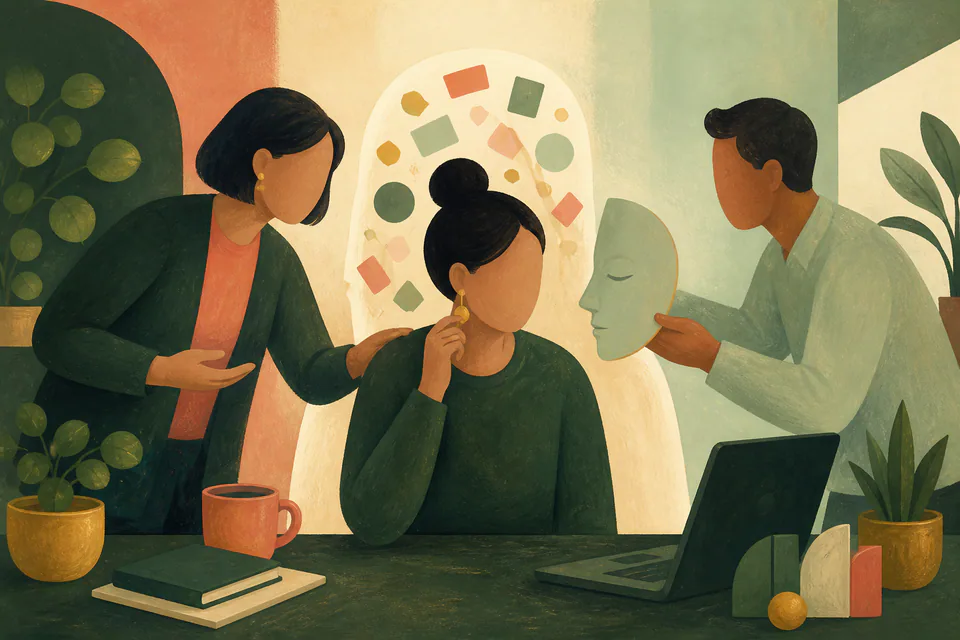
Your boss offers lessons to make you sound “more professional.” Do you take them?
Clients sometimes ask an employee to repeat themselves during calls. Their manager offers company-paid speech coaching framed as clearer communication, but the employee experiences the request as pressure to hide part of their identity.
When does improving communication become demanding conformity?