Listen through the publisher, then discuss the episode here or arrange an in-person Roundtable. Your city determines where to meet.
Roundtables are designed for groups of four, with a shared subject and room for everyone to speak. Come for discussion, with no dating expectation.
Sometimes all you need to identify a bird is a single feather. Because collecting bird feathers is prohibited in the U.S. to protect birds from poachers, start by taking a photo with a common object for scale. Then you can use online resources like the iNaturalist app or Featherbase website to help you solve the mystery. Keep your prime suspect in mind when you’re back where you found the feather and you might get to see the bird itself — feathers and all. More info and transcript at BirdNote.org (https://www.birdnote.org/podcasts/birdnote-daily/what-if-you-only-have-feather). Want more BirdNote? BirdNote is a nonprofit. Hosted by Simplecast, an AdsWizz company.
Episode information is provided by the publisher. Listening takes place on the publisher’s service.
Take control of these 5 things and you'll have ultimate success in your future. Tony Robbins helps you master these core things so you can break through limitations and achieve extraordinary results. Uploaded 02-03-25 Watch more videos like this These 3 Questions Will Change How You Do EVERYTHING!: https://youtu.be/43RL-kSEEyQ How To Shift Your Fear of Not Being Enough: https://youtu.be/QOLzURdopV4 Crucial Daily Habits for (Almost) LIMITLESS Energy: https://youtu.be/N00EDWWiIUA The ONLY 3 Paths to Mastery - Achieve ANYTHING You Want: https://youtu.be/9u7cU3X5HKU Follow Tony Robbins: Facebook: https://www.facebook.com/TonyRobbins Instagram: https://instagram.com/tonyrobbins/ TikTok: https://www.tiktok.com/@UC-12kRMQjK1LiQKRrT2zXcQ Twitter: https://twitter.com/tonyrobbins LinkedIn: https://www.linkedin.com/in/officialtonyrobbins Website: https://www.tonyrobbins.com/ Tony Robbins is a #1 New York Times best-selling author, entrepreneur, philanthropist, and the nation's #1 Life and Busines
After re-purposing CAPTCHA so each human-typed response helps digitize books, Luis von Ahn wondered how else to use small contributions by many on the Internet for greater good. In this talk, he shares how his ambitious new project, Duolingo, will help millions learn a new language while translating the Web quickly and accurately -- all for free. (Filmed at TEDxCMU.) Uploaded 08-08-13 Talk by Luis von Ahn.
In today's brief: Lake Erie, 1957: a newly released Air Force report says two boys saw a humming, bell-shaped craft near the Enrico Fermi Atomic Plant. Skinwalker Ranch: owner Brandon Fugal calls the new files landmark and recalls a daylight saucer over the mesa. Warship footage: a 20-second 2020 infrared clip shows a light crossing a US Navy ship in the Middle East, with no Pentagon assessment. Martha's Vineyard, 1957: a spiked, nickel-coloured object that the Air Force put down to a radar-reflector balloon. Loch Ness: reported sightings jump to 15 this year, up from six in 2025. The Book of Miracles: a 16th-century manuscript of comets, blood rain and multiple suns heads to auction at Christie's. Quick hits: a 1952 file blames the saucer wave on temperature inversions; more Pentagon UFO files are on the way. Every story and source: https://believepod.com/ufo-paranormal-news-22-november-2026/ New episodes every morning. Keep your eyes on the sky. Sources: FOX 2 Detroit: https://www.fo
You went back. Maybe not to the same person, but to the idea of them. You rehearsed the conversation again in your mind. You thought of better words, sharper examples, a clearer way to say the thing you'd already said. You kept trying to win an argument that was already over, with a person who had already walked away. Uploaded 13-10-26 That hunger to be understood is one of the most natural things in the world. And it is also one of the quietest thieves of a person's peace that I know of. You explain yourself to one person, feel relief for a day, and then someone else shakes their head, and you're back building the case for your own life all over again. Here is the truth: it is not another person's job to understand you. It is your job to understand yourself. And once you've done that interior work, the opinions of people who don't understand you go from feeling like a verdict to feeling like weather. This seminar unpacks the single mechanic behind why you keep over-explaining your lif
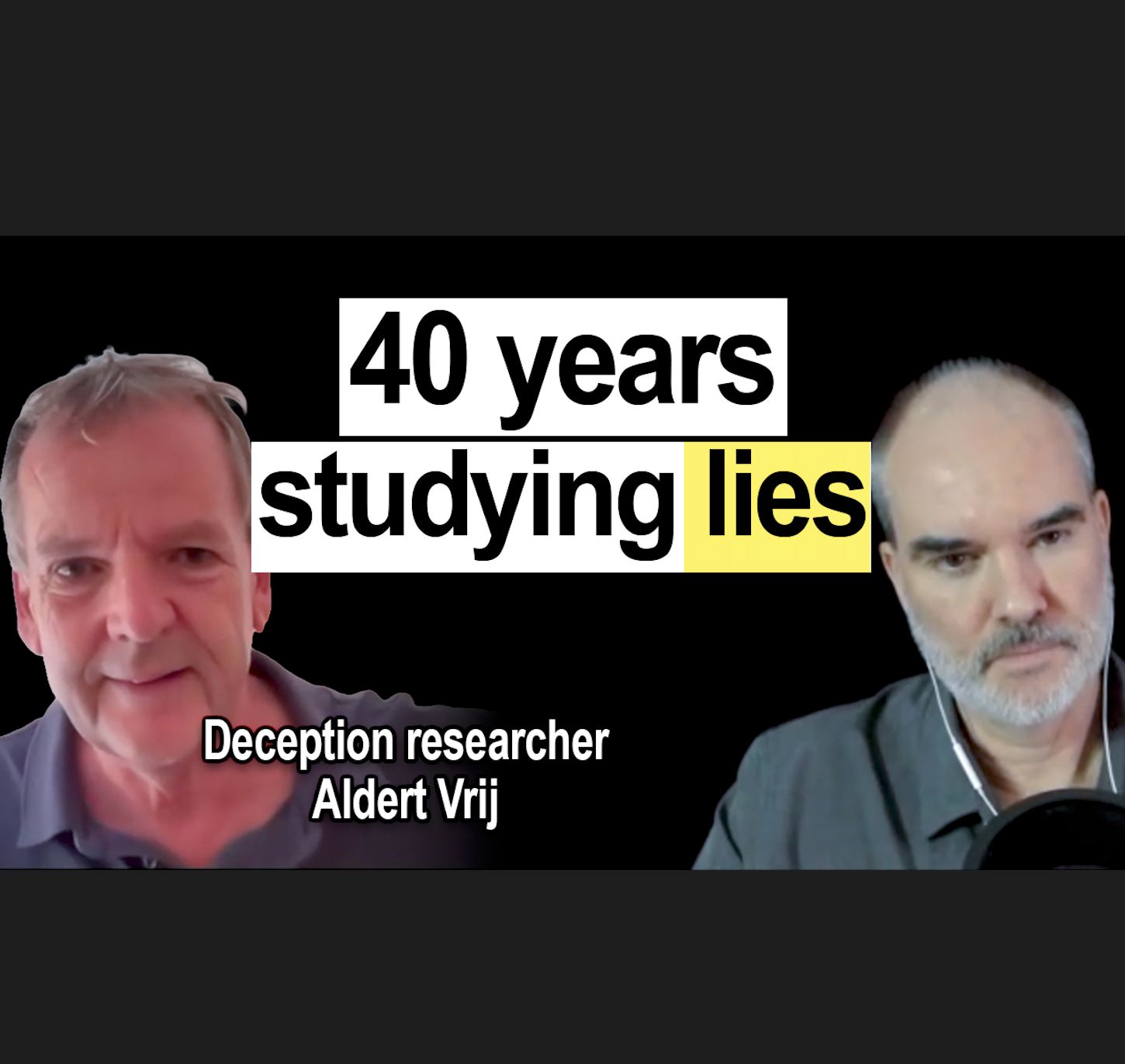
What actually works when it comes to detecting lies, and why are so many popular ideas about reading people and nonverbal behavior at odds with the scientific research? I talk with Aldert Vrij, one of the world's leading deception-detection researchers, who has spent almost four decades studying these topics. We discuss why what people say is far more revealing than their body language; why the perceived “sexiness” of reading nonverbal behavior has contributed to widespread myths and misconceptions; whether vocal behaviors like pitch, volume, and hesitation contain meaningful clues; and whether there's value in analyzing minor word choices and turns of phrase, as is done in so-called “statement analysis.” We discuss Paul Ekman's legacy as a source of faulty ideas about deception, micro-expression-based deception detection training, and the strategies that popular “body language experts” use to appear scientifically credible while simultaneously promoting ideas that conflict with the sc
Did you know your mouth is a nonstop biological water park?! Every single day, your body makes enough saliva to fill up to four whole water bottles! But spit isn't just warm water—it's a magical biological potion packed with incredible superpowers. Join Mira and Finn as they explore the wild world of saliva! Discover how a microscopic machine called amylase starts digesting your favorite foods the exact millisecond you take a bite. Find out how spit turns sharp, crunchy chips into soft, squishy balls to protect your throat! Plus, did you know saliva actually builds invisible armor for your teeth by filling in holes with special minerals like calcium and phosphate? It even works as a magical liquid key to unlock flavors—without saliva, chocolate and pizza would taste like absolute cardboard! From amazing spit factories hiding inside your cheeks to real-life birds that build entire nests out of spit, get ready for a mind-blowing biological adventure! Tune in to find out why your mouth is
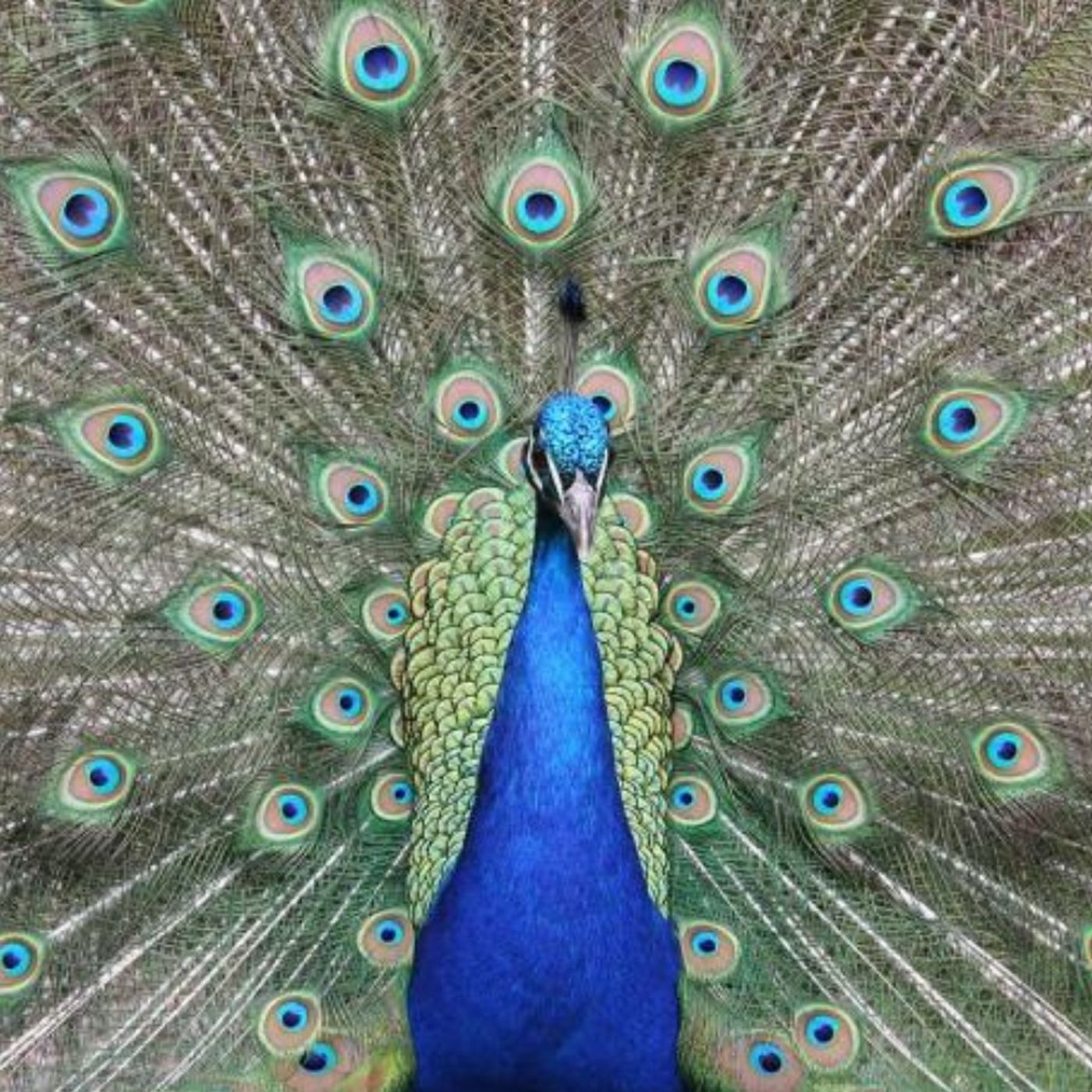
When a male Indian Peafowl unfurls its magnificently-colored tail and shakes it, it creates an ultra low frequency sound that we humans can’t hear. But it seems to get the special attention of female birds, called peahens. More info and transcript at BirdNote.org (https://www.birdnote.org/podcasts/birdnote-daily/peacocks-tail-more-meets-eye). Want more BirdNote? BirdNote is a nonprofit. Hosted by Simplecast, an AdsWizz company.
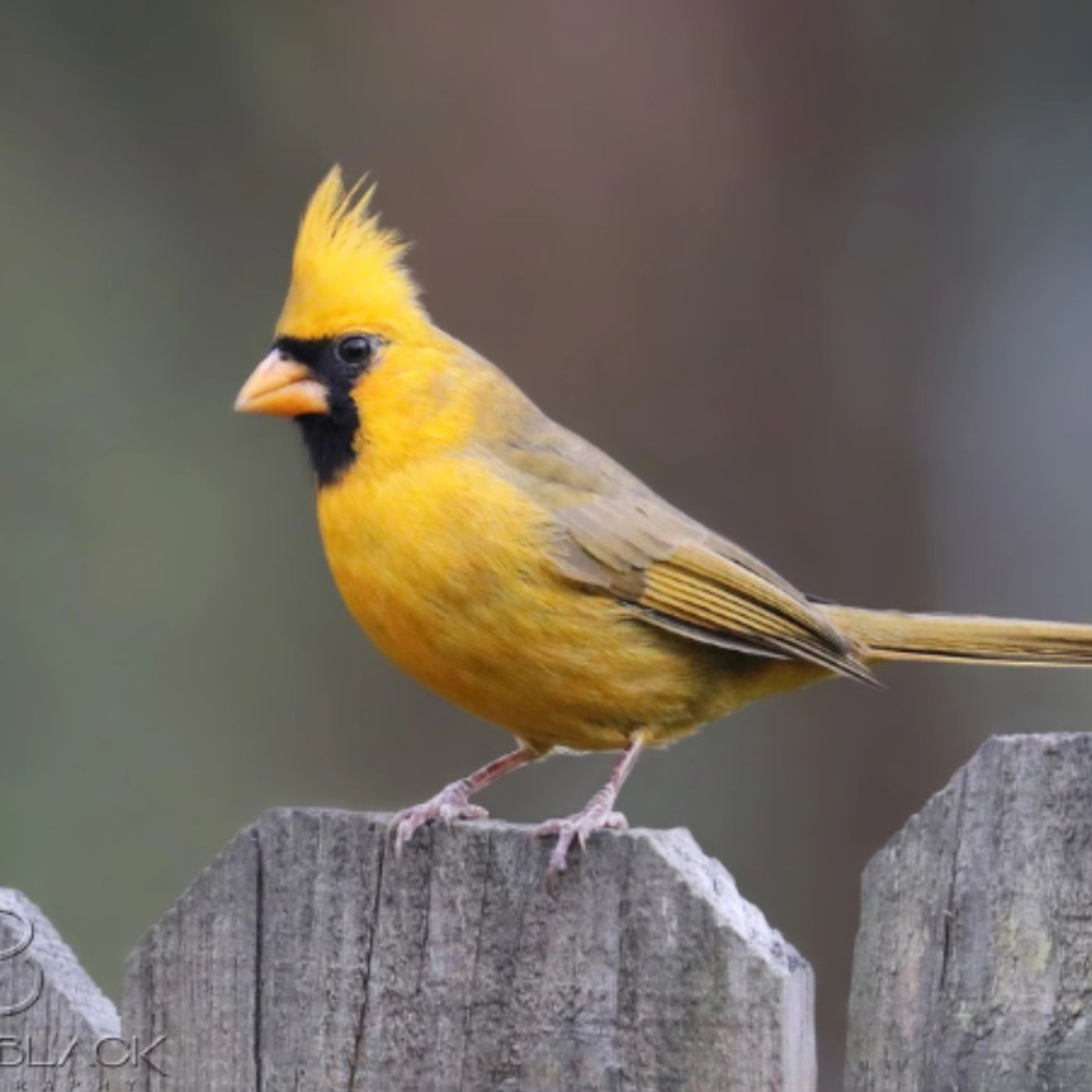
Northern Cardinals are known for their iconic red feathers, yet that scarlet hue is actually derived from yellow pigments in their food. Most cardinals’ bodies transform those yellow pigments into their signature shade of red, but some lack this ability — resulting in a bright yellow bird. House Finches, Red-bellied Woodpeckers, and other notably red species can also develop an unexpectedly golden complexion. So keep an eye out for all the shades of variation in well-known birds. More info and transcript at BirdNote.org (https://www.birdnote.org/podcasts/birdnote-daily/bright-yellow-northern-cardinals). Want more BirdNote? BirdNote is a nonprofit. Hosted by Simplecast, an AdsWizz company.
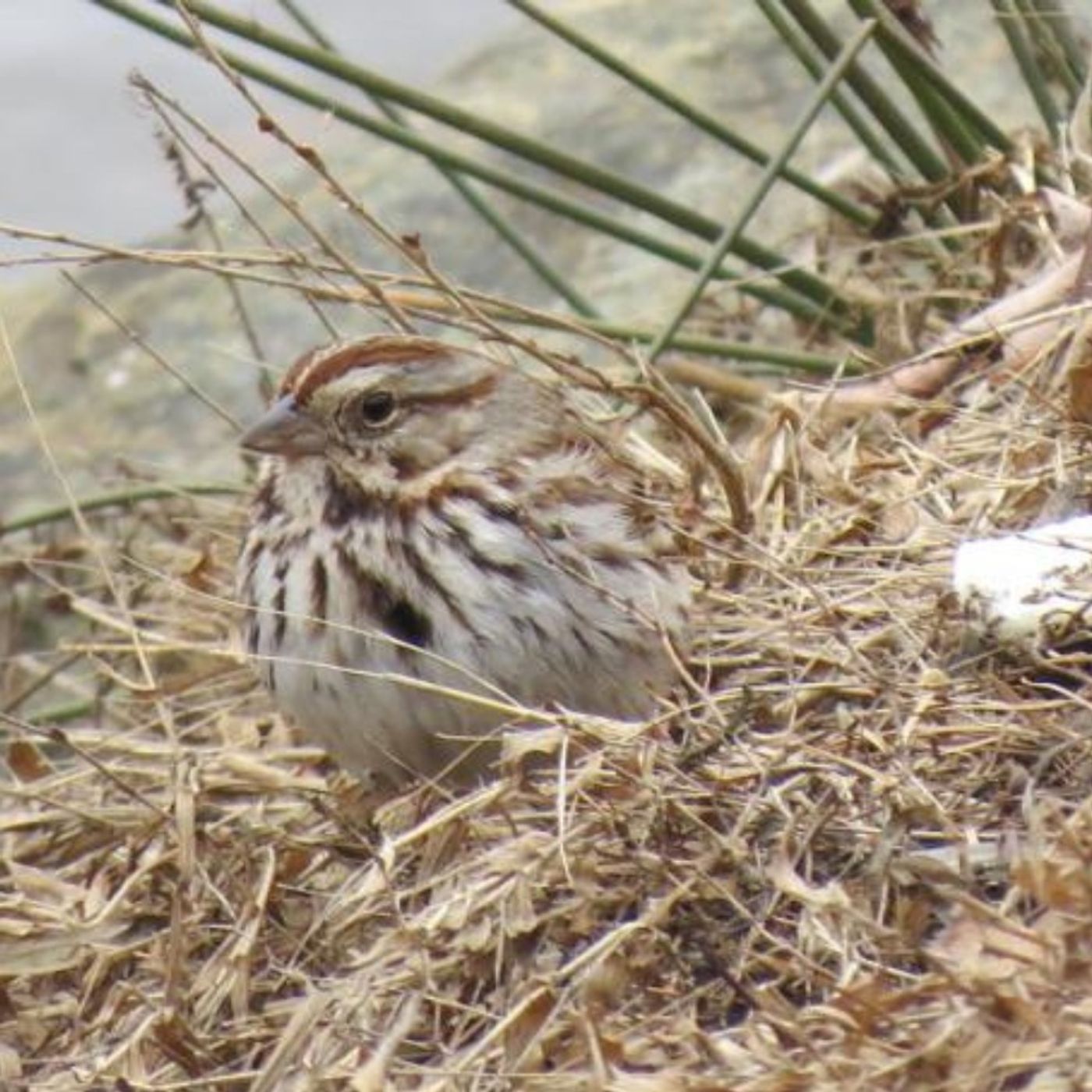
To help backyard birds through the winter, do less. Leave the leaves or rake them under plantings. The tasty insects and spiders underneath will be food for the towhee and this Song Sparrow. Don’t deadhead. Pine Siskins and goldfinches love to snack on dead flowerheads. Make an insect hotel out of natural objects, flower pots, or other “found” items to create hidey holes for insects. They will become food for wrens and other birds. More info and transcript at BirdNote.org (https://www.birdnote.org/podcasts/birdnote-daily/leave-leaves). Want more BirdNote? BirdNote is a nonprofit. Hosted by Simplecast, an AdsWizz company.
Public health information should explain uncertainty even when simpler messages are easier to communicate.
Share your view, then see how readers voted. No sign-in required. This poll is shared across stories.
Do you agree or disagree?
Common Quandary
A Common Quandary to discuss
Another conversation to explore, separate from this news story.
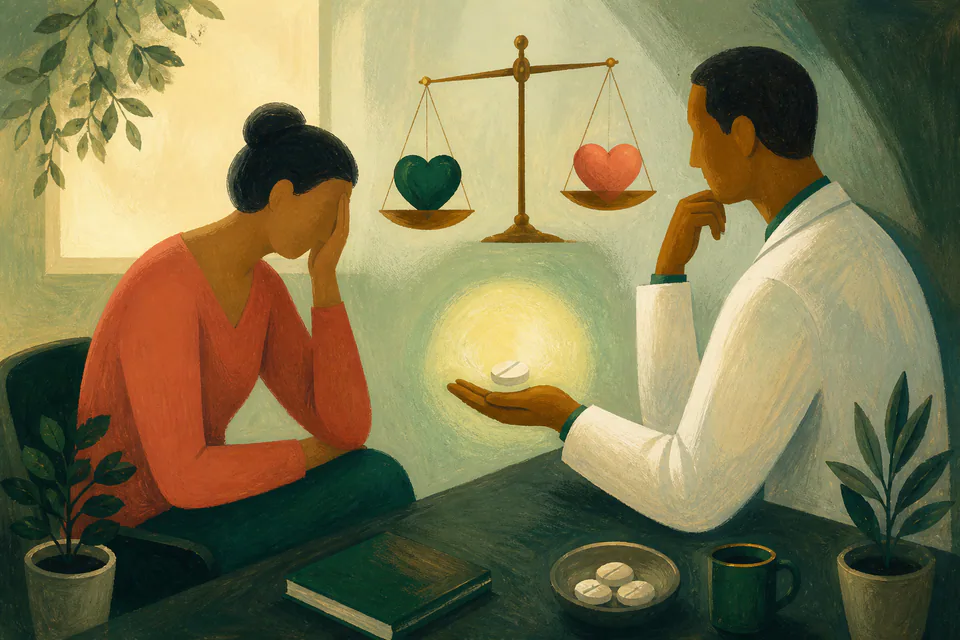
Would you want a doctor to give you a fake pill if the lie might make you feel better?
A patient has persistent symptoms that have not responded to standard treatments. A harmless placebo may help, but its effect could weaken if the clinician fully explains that it contains no active medicine.
Can a beneficial deception respect the person it helps?