English-language podcasts

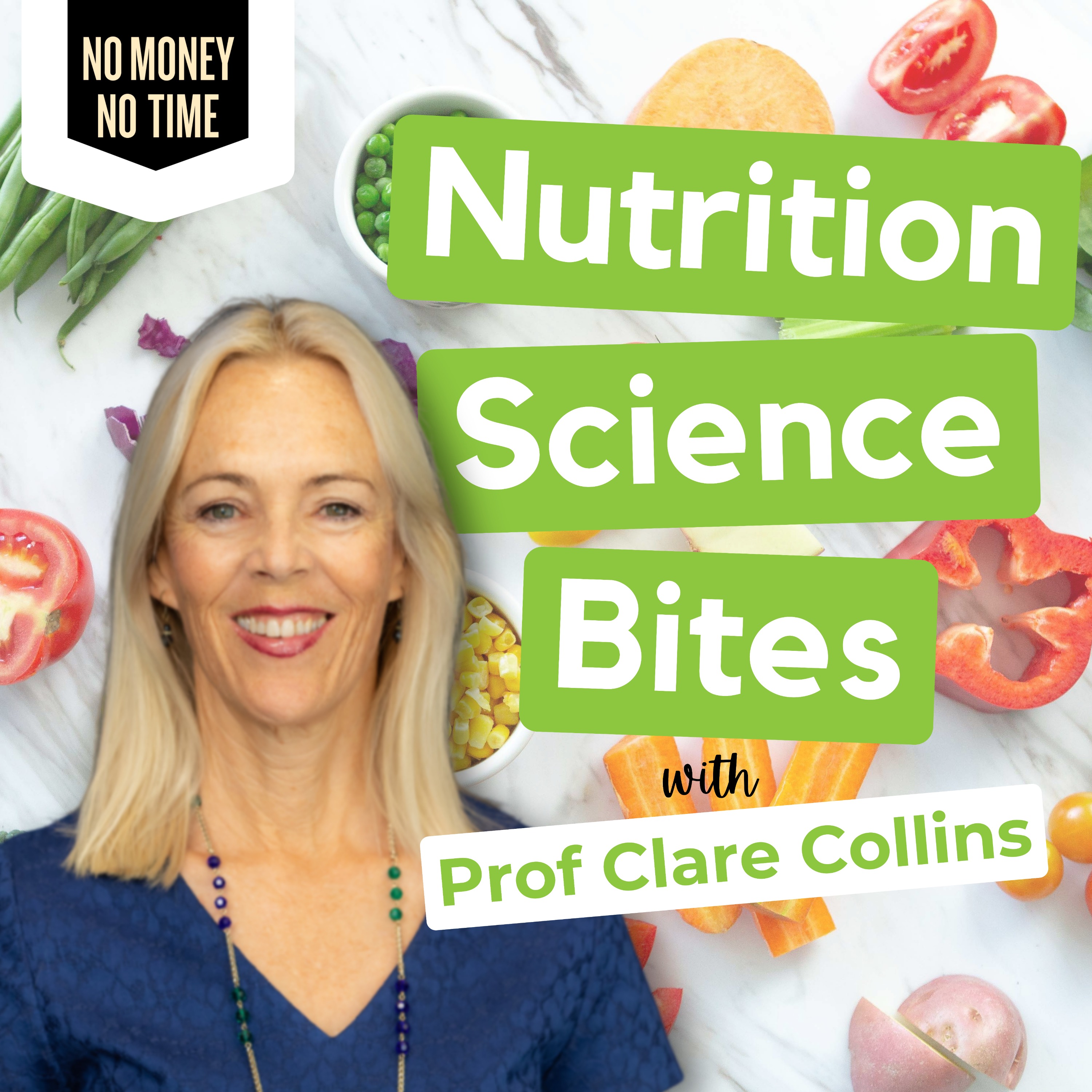
Nutrition Science Bites with Professor Clare Collins AO

What is 'diet stacking' and how does it affect gut health? ...with Dietitian Sarah Melton
31 min

Listen through the publisher, then discuss the episode here or arrange an in-person Roundtable. Your city determines where to meet.

Roundtables are designed for groups of four, with a shared subject and room for everyone to speak. Come for discussion, with no dating expectation.

Professor Clare Collins speaks with Melbourne dietitian and gut-health researcher Sarah Melton about diet stacking, which is the phenomena of combining multiple dietary strategies at the same time, often without a clear plan. Diet stacking can severely limit food choice,, increase stress and reduce the number of foods a person feels confident to eat. They discuss how 'stacked diets' risk not being nutritional adequate, how restrictions can affect nutrition, health and wellbeing, and why diagnosis and professional guidance are important - before removing foods from your usual intake. Key Topics Diet stacking is an increasing phenomenon that clinicians are seeing Gut conditions can include identifiable diseases, like coeliac disease and inflammatory bowel disease, and disorders of gut-brain interaction, like irritable bowel syndrome. The more diets that are stacked, the more food groups excluded and the greater the risk for poor nutrition, health and wellbeing Some diet combinations may be appropriate under supervision, such as gluten-free eating for celiac disease alongside a short-term low FODMAP trial for IBS. Food intolerance testing is limited; elimination should generally be short-term, structured, supervised, and followed by re-challenge where appropriate. Seek medical assessment before sequentially removing foods otherwise this can lead to some investigation test results being inaccurate. No Money No Time Resources Want a more Personalised Food, Nutrient Assessment Report? Keywords: #diet stacking, #guthealth, #gastrointestinalconditions, #dietitian, #FODMAP, #coeliacdisease, #foodrestriction, #nutrition, #IBS, #IBD Hosted on Acast.

Episode information is provided by the publisher. Listening takes place on the publisher’s service.

Listen at the source ↗

Featured places to meet in Palo Alto, CA

Explore these places and arrange a conversation through ThinkMatch.

City guide for Palo Alto, CA

More from Nutrition Science Bites with Professor Clare Collins AO

Nutrition Science Bites with Professor Clare Collins AO

Should dogs be allowed in cafes? ...with Dr Anne Quain

34 min

Professor Clare Collins asks veterinarian and animal-welfare researcher Dr Anne Quain from the University of Sydney whether dogs should be allowed in cafes? They bring together animal welfare, dog behavior, and food-safety rules. They cover what the Food Standards Australia and New Zealand (FSANZ) regulations are and food hygiene related to animals. The discussion also includes how to make shared spaces safer and more comfortable for everyone, plus how to interact with unfamiliar dogs and assistance dogs. They also cover why cafe snacks can be dangerous for dogs. Veterinary Related Resources Assistance Doges Australia Public Access Rights of an Assistance Dogs https://www.assistancedogs.org.au/about-us/public-access-rights/ (https://www.linkedin.com/safety/go/?isSdui=true&mt=bdfWtchrKtkpr_FnOJhlcgNF4bU_7N32nOMhGulCn85dSBgbnGQYoIMdlPBWJVYXYTC7lMfsZCnJcw09eNkPimfTn2V8yBGtjpSdKX-HVMB5RmUzNOhLPGyeYJjM49vffzBoFpbr8w5fJVgjPuOhuSajrN_HEeXq3nTpFVkvUvMrR84RpnFKI7oKRnJdwFXBP89Wz-kpMk37nudlc0xHBZ

Discuss this episode

Nutrition Science Bites with Professor Clare Collins AO

What is a histamine-food sensitivity? ..with Dr Caroline Tuck

30 min

In this episode Prof Clare Collins talks with Dr Caroline Tuck from Swinburne University of Technology about the science related to histamine intolerance and how it relates to food. They discuss what it is, potential causes, symptoms, and management strategies for this condition. They cover how diet, the microbiome, and specific cells called mast cells all contribute to histamine intolerance, as well as discussing practical nutrition strategies to help those affected to manage this condition. Key topics What is histamine and histidine Foods containing preformed histamine Symptoms of histamine intolerance The microbiome's role in histamine production Mast cells and their impact on histamine levels Strategies for managing histamine intolerance The importance of personalized dietary approaches Potential medications and supplements for stabilization The prevalence of histamine intolerance in the population Caroline's Salmon Poke Bowl: https://nomoneynotime.com.au/healthy-easy-recipes/carol

Discuss this episode

Nutrition Science Bites with Professor Clare Collins AO

What is Metabolic-Bariatric Surgery? .. and what does diet have to do with it? ...with Dr Cathy Harbury

28 min

In this episode, Dr Cathy Harbury from Shine Dietetics shares insights on bariatric - metabolic surgery, including patient considerations, nutritional impacts, and long-term management strategies. Tailored for anyone considering or undergoing weight loss surgery, this conversation highlights the importance of personalized care and ongoing nutrition support. Key topics Patient decision-making process for surgery Types of bariatric and metabolic surgeries Nutrition risks and management post-surgery Impact of medications like GLP-1 on treatment options The role of dietitians in patient care and education The importance of long-term follow-up and support No Money No Time Resources Want a more Personalised Food, Nutrient Assessment Report? Cathy's High Protein Dahl https://nomoneynotime.com.au/healthy-easy-recipes/cathys-high-protein-dahl Shine Dietetics https://shinedietetics.com.au/ Keywords: #bariatricsurgery, #metabolicsurgery, #nutrition, #weightloss #dietetics, #health, #patientsuppor

Discuss this episode

Community Poll

Long-term environmental commitments should require public review before a new government abandons them.

Share your view, then see how readers voted. No sign-in required. This poll is shared across stories.

Do you agree or disagree?

Choose one answer

Common Quandary

A Common Quandary to discuss

Another conversation to explore, separate from this news story.

Software says a student cheated with AI. Is that enough to fail the paper?

A teacher suspects several essays were written with AI. Detection software marks one student's work as highly likely to be generated, but the software is known to make mistakes and the student denies using it.

How should responsibility be assigned when evidence is powerful but unreliable?

Explore this quandary