English-language podcasts

TED-Ed

What is “normal” and what is “different”? - Yana Buhrer Tavanier

8 min

Listen through the publisher, then discuss the episode here or arrange an in-person Roundtable. Your city determines where to meet.

Roundtables are designed for groups of four, with a shared subject and room for everyone to speak. Come for discussion, with no dating expectation.

Discover where our perception of what is normal comes from, and how it impacts the decisions we make. Uploaded 08-02-22 -- The word “normal” is often used as a synonym for "typical," "expected," or even "correct." By that logic, most people should fit the description of normal. But time and time again, so-called normal descriptions of our bodies, minds, and perceptions have turned out to match almost no one. So what does normal actually mean— and should we be relying on it so much? Yana Buhrer Tavanier investigates. Lesson by Yana Buhrer Tavanier, directed by Eoin Duffy. Support Our Non-Profit Mission ---------------------------------------------- Support us on Patreon: http://bit.ly/TEDEdPatreon Check out our merch: http://bit.ly/TEDEDShop ---------------------------------------------- Connect With Us ---------------------------------------------- Sign up for our newsletter: http://bit.ly/TEDEdNewsletter Find us on Twitter: http://bit.ly/TEDEdTwitter Peep us on Instagram: http://bit.ly/TEDEdInstagram ---------------------------------------------- Keep Learning ---------------------------------------------- View full lesson: https://ed.ted.com/lessons/what-is-normal-and-what-is-different-yana-buhrer-tavanier Dig deeper with additional resources: https://ed.ted.com/lessons/what-is-normal-and-what-is-different-yana-buhrer-tavanier#digdeeper (https://ed.ted.com/lessons/what-is-normal-and-what-is-different-yana-buhrer-tavanier) Animator's website: https://eoinduffy.me (https://eoinduffy.me/) ---------------------------------------------- Thank you so much to our patrons for your support! Without you this video would not be possible! Vanessa Graulich, Vandana Gunwani, LvL042, Abdulmohsin Almadi, Andrew Brodski, AJ Lyon, Anandha Krishnan, Geoffrey Bultitude, Mi Mi, Thomas Rothert, Christopher McVay, Carlo Solaroli, Javier Aldavaz, Ivan Yeung, Brian Elieson, Grayson Garbarino, Oge O, Weronika Falkowska, Stefano Esposito, Nevin Spoljaric, Yvonne Feijoo, Sid Chanpuriya, Arjay Arcinue Dineros, Anoom Yasmin, Anoop Varghese, David Yastremski, Noah Webb, B, Erica Guerrero, Roberto Chena, Oliver Koo, Luke Pisano, Andrea Gordon, Aleksandar Donev, Nicole Klau Ibarra, Milo Vermeulen, Ryan Weiler, Jesse Lira, Ezekiel Raui, Zongpu Kou, Cameron Chakraverty, Petr Vacek, Rhys Patterson, Dennis, Olivia Fu, Katrina Adams, Regina Post, Mary Collins, Kari Teffeau and clumsybunnie.

Episode information is provided by the publisher. Listening takes place on the publisher’s service.

Listen at the source ↗

Featured places to meet in Palo Alto, CA

Explore these places and arrange a conversation through ThinkMatch.

City guide for Palo Alto, CA

More from TED-Ed

TED-Ed

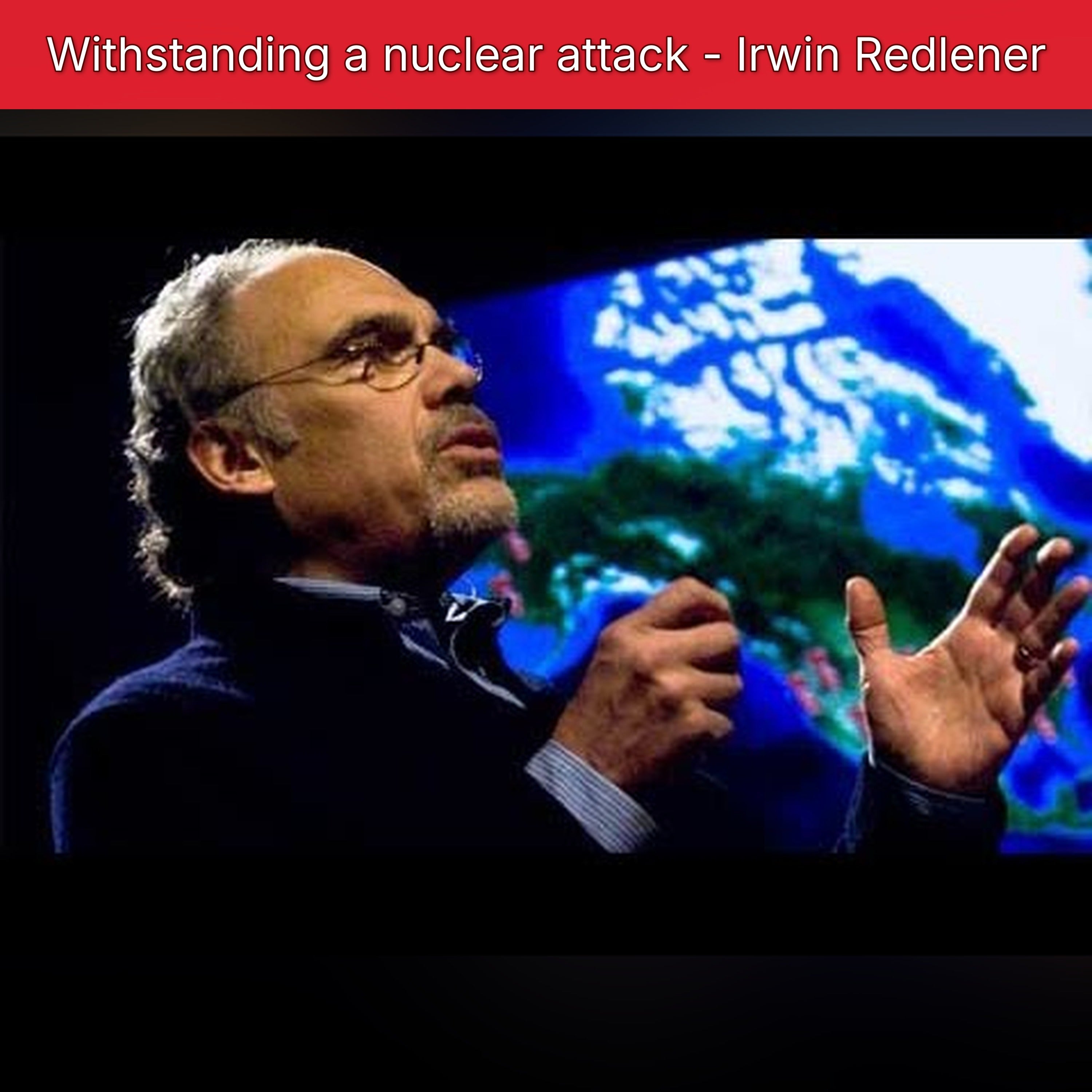
Withstanding a nuclear attack - Irwin Redlener

33 min

View full lesson: http://ed.ted.com/lessons/surviving-a-nuclear-attack-irwin-redlener The face of nuclear terror has changed since the Cold War, but disaster-medicine expert Irwin Redlener reminds us the threat is still real. He looks at some of history's farcical countermeasures and offers practical advice on how to survive an attack. Talk by Irwin Redlener.

Discuss this episode

TED-Ed

The true reason polio poses such a threat

10 min

Explore what makes polio so dangerous, what is causing the 21st century resurgence of cases, and how we can eradicate the disease. -- In 1952, polio was everywhere: killing or paralyzing roughly half a million people annually. Yet just 10 years later, paralytic polio cases in the US dropped by 96% and we were on track to get rid of polio for good. But in recent years, the virus started striking back. So, what’s behind these recent spikes? Explore the dangers of poliovirus and the possibility of eradicating this deadly disease. Directed by Anton Bogaty. This video made possible in collaboration with Gates Ventures Learn more about how TED-Ed partnerships work: https://bit.ly/TEDEdPartner A special thanks to Ananda Bandyopadhyay, Amber Zeddies, and Kathleen O'Reilly who provided information and insights for the development of this video. Support Our Non-Profit Mission ---------------------------------------------- Support us on Patreon: http://bit.ly/TEDEdPatreon Check out our merch: htt

Discuss this episode

TED-Ed

How to fool a GPS - Todd Humphreys

21 min

Todd Humphreys forecasts the near-future of geolocation when millimeter-accurate GPS "dots" will enable you to find pin-point locations, index-search your physical possessions ... or to track people without their knowledge. And the response to the sinister side of this technology may have unintended consequences of its own. (Filmed at TEDxAustin.) Uploaded 26-06-13 Talk by Todd Humphreys.

Discuss this episode

Community Poll

People should be able to challenge automated decisions that affect their opportunities.

Share your view, then see how readers voted. No sign-in required. This poll is shared across stories.

Do you agree or disagree?

Choose one answer

Common Quandary

A Common Quandary to discuss

Another conversation to explore, separate from this news story.

You wear an expensive outfit once and return it spotless. Clever or dishonest?

You buy an expensive outfit for a single event, keep it spotless, and return it the next day. The store's generous policy allows returns without asking whether an item was worn.

Does exploiting a policy differ from breaking a rule?

Explore this quandary