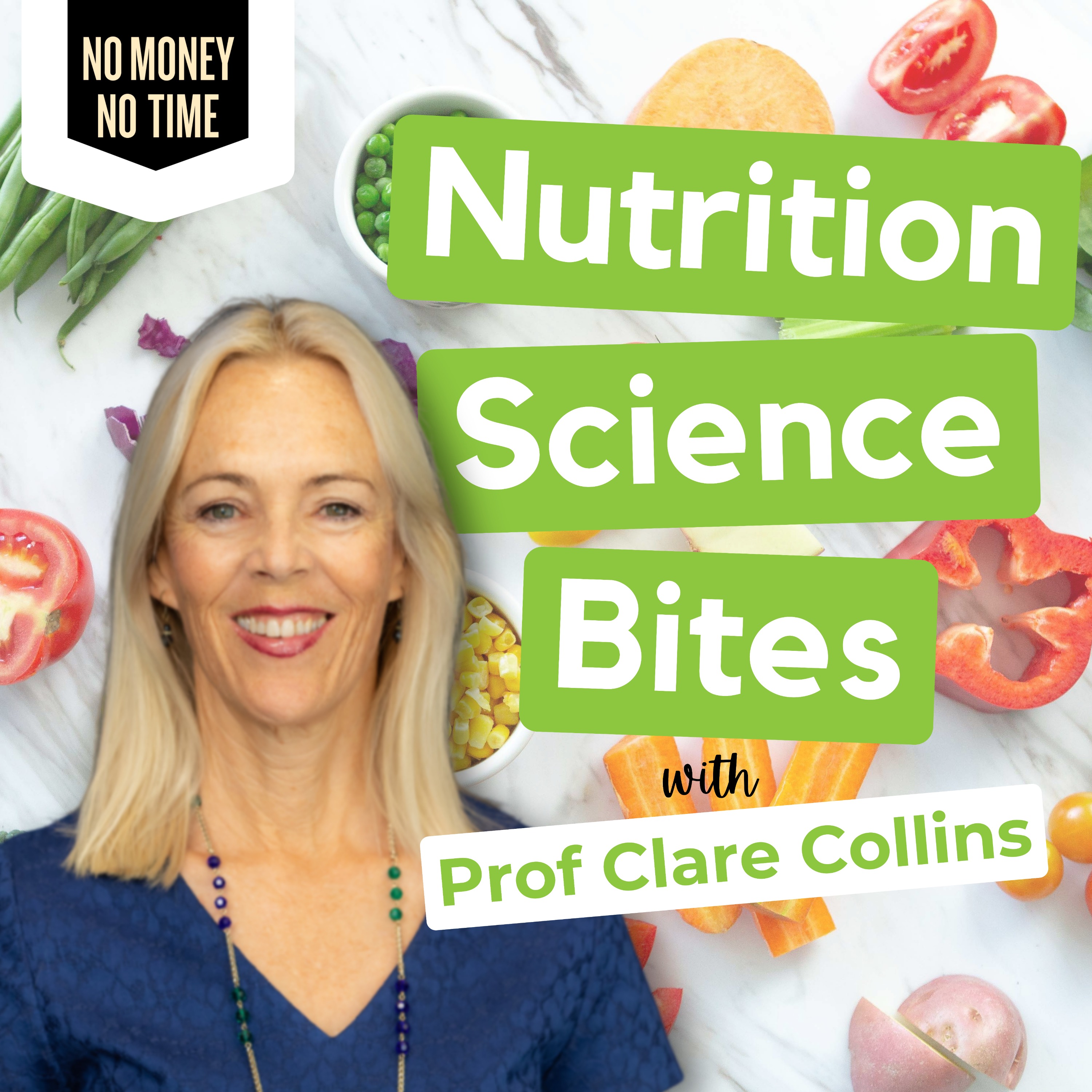
Professor Clare Collins speaks with Melbourne dietitian and gut-health researcher Sarah Melton about diet stacking, which is the phenomena of combining multiple dietary strategies at the same time, often without a clear plan. Diet stacking can severely limit food choice,, increase stress and reduce the number of foods a person feels confident to eat. They discuss how 'stacked diets' risk not being nutritional adequate, how restrictions can affect nutrition, health and wellbeing, and why diagnosis and professional guidance are important - before removing foods from your usual intake. Key Topics Diet stacking is an increasing phenomenon that clinicians are seeing Gut conditions can include identifiable diseases, like coeliac disease and inflammatory bowel disease, and disorders of gut-brain interaction, like irritable bowel syndrome. The more diets that are stacked, the more food groups excluded and the greater the risk for poor nutrition, health and wellbeing Some diet combinations may
Hosts: Kathleen Romanowski – University of California Davis Hospital, Shriners Hospital Sacramento Laura Johnson – Grady Memorial Hospital Victoria Miles – Louisiana State University Health Science Center, University Medical Center New Orleans Learning Objectives: Describe the current burn surgery workforce shortage and identify structural barriers to recruitment, including limited exposure to burn care during surgical training, inconsistent training pathways, and misconceptions about the scope of burn surgery practice. Evaluate the factors influencing trainees' decisions to pursue burn surgery, including the operative environment, multidisciplinary and longitudinal nature of burn care, on-call responsibilities, and perceived lifestyle limitations, using findings from published workforce and trainee surveys. Discuss the challenges of burn surgeon retention and career sustainability, including burnout, emotional demands, workload, mentorship, and the importance of developing sustainable
Text me what you thought of the show (https://www.buzzsprout.com/1959372/fan_mail/new) Can working night shifts affect your fertility, ovulation or IVF success? After speaking with numerous women trying to fall pregnant while working shifts, including those undergoing expensive IVF treatment, I wanted to explore what the research actually tells us. In this episode of A Healthy Shift, we discuss how night shifts, disrupted sleep and circadian misalignment may affect reproductive health. We cover: Why the fertile window is so short. Shift work, reproductive hormones and menstrual irregularities. What research says about night shifts, fertility and IVF outcomes. The roles of sleep, stress, nutrition, weight and exercise. Practical steps for women trying to conceive while working shifts. Research links shift work with menstrual irregularities, but evidence that night shifts directly cause infertility or reduce IVF success remains uncertain. If you're trying to get pregnant while working ni
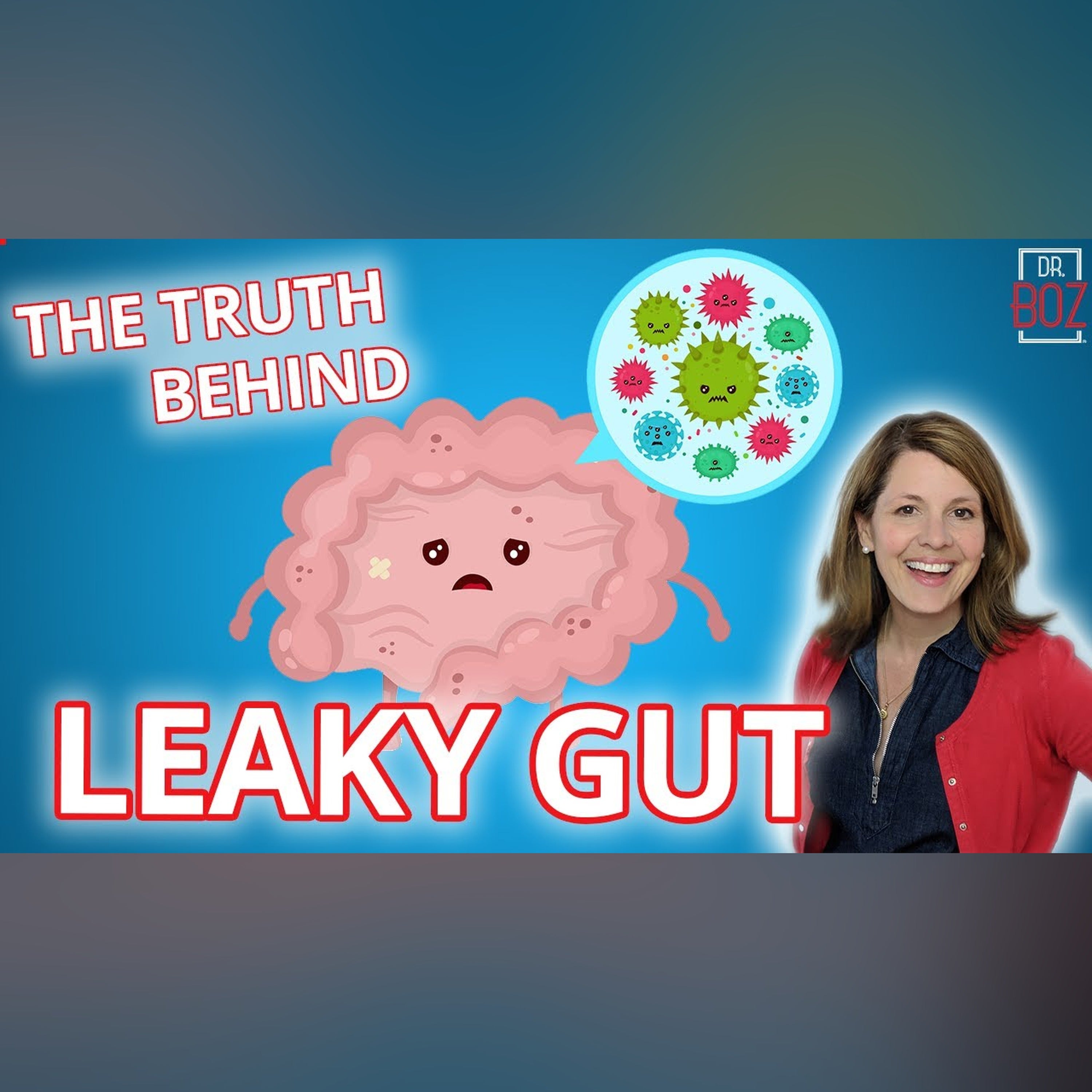
0:00 what does "leaky" gut mean? 2:55 Intestinal barrier 4:20 Attempts to help 5:30 What really worked? 7:31 Cell lining of the gut 8:40 Tight Junctions 9:10 Phase 1 intestinal permeability 10:02 Phase 2 11:51 Phase 3 13:46 Phase 4 What’s “Leaky Gut”? A term someone just made up? When a gut leaks, which way does it leak? Does it let things in? Or let things out? Or both? Patients suffer from leaky gut or intestinal permeability disease because of long-standing inflammation. A very dangerous phenomenon! Decades of effort to try to reverse leaking and ulcer formation in ulcerative colitis and other diseases have failed. The Paleolithic Ketogenic Diet (PKD) reverses the damage and actually heals the leaking intestinal lining. Here is the link to my blog article: https://bozmd.com/leaky-gut-treatment/ --------------------- The Workbook: https://bozmd.com/product/ketocontinuum-consistently-keto-diet-for-life-paperback-edition/ --------------------- Thanks for checking out the Dr. Boz Channe
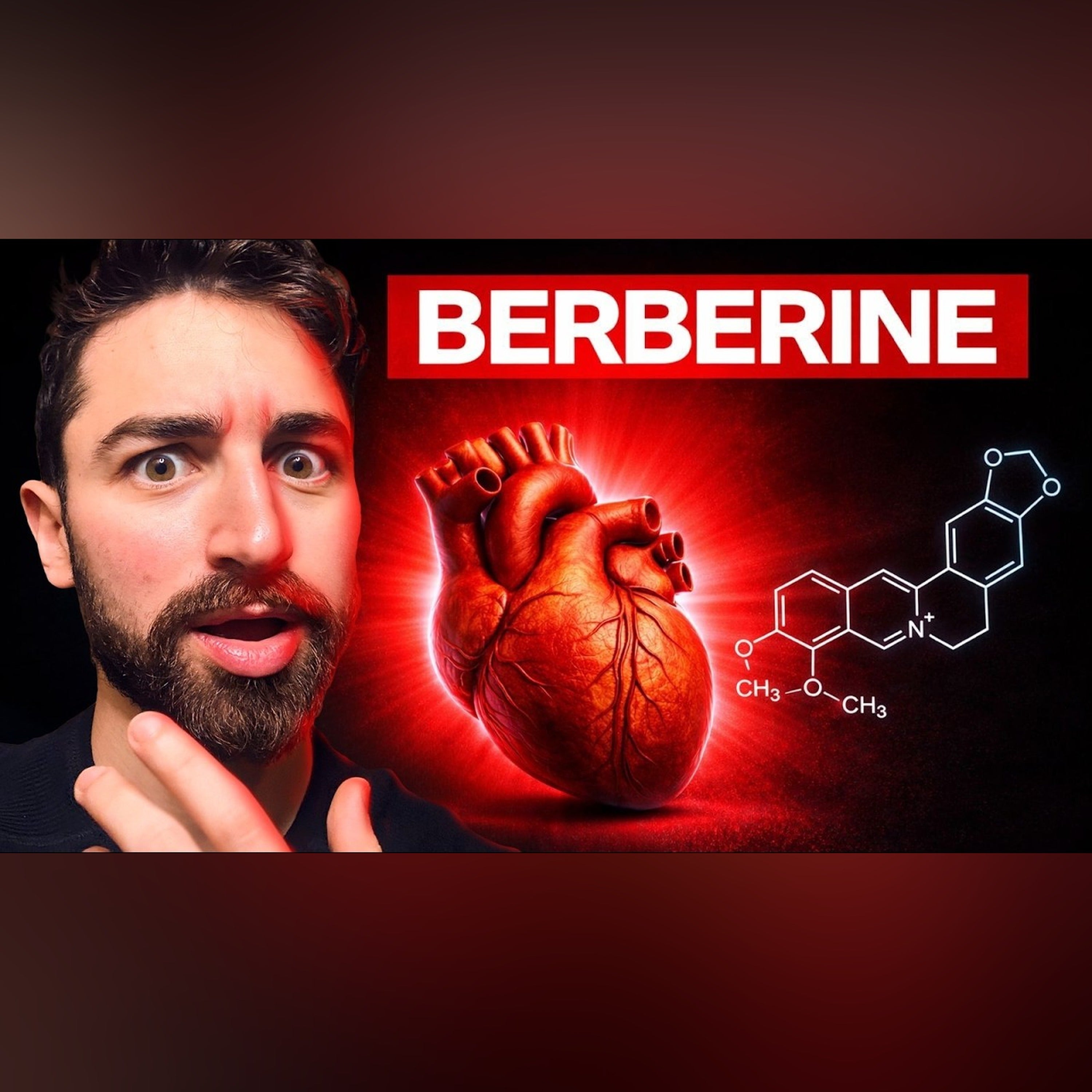
For extra nuances, all the references and early access to data like these, see the best-selling science letter: https://staycuriousmetabolism.substack.com/p/how-berberine-lowers-cholesterol?r=40ekz2 In this video, we unpack the stunning mechanism behind berberine, the yellow plant alkaloid that increases LDL receptors not by starving the liver of cholesterol, but by stabilizing the blueprint that cells use to builds them. It’s a twist in human biochemistry that reshaped how I think about cholesterol manipulation — and it might reshape how you do too. Then I’ll take you inside my own high-stakes N=1 experiment Hundred Health Link: https://www.hundred.com/STAYCURIOUS Discount Code: STAYCURIOUS50 knocks $50 off membership As a scientific advisor at Hundred Health, I candidly hold a small equity stake in the company. I’ve chosen to partner with Hundred Health because I genuinely believe it has the potential to be a disruptive force for good in personalized healthcare. It’s a tool unlike an
Dan Sheridan was drinking 18 cans of Stella a day, with ten pints as well, when alcoholism had taken over his life. Diagnosed with cirrhosis of the liver at just 40, he was told that if he carried on drinking, he might have only two years to live. His response was to walk straight to Sainsbury’s and buy another 36 cans. This is a powerful story of alcohol addiction, liver failure, a near-death experience, organ transplantation and the difference between simply stopping drinking and finding recovery. For years, Dan hid behind “Big Dan”, the funny, larger-than-life character who could make everyone laugh and seemed to be the life and soul of the party. Behind that persona was a man struggling with loneliness, low self-esteem and a deep sense that he never fitted in. Alcohol offered escape and, at first, a way to feel accepted. Over time, it became something he needed just to stop the shakes. In 2019, Dan was diagnosed with cirrhosis. Despite being warned that continued drinking could kil
The TGA says 8 out of 12 medical scribe products being used by doctors in Australia may be affecting diagnostic and clinical decisions. These products must now go through the registration process as medical devices. Despite data showing younger people are drinking less, rates of hospitalisation for alcohol related liver diseases in that cohort are still higher than they were before the pandemic. A comparison of twenty-one different anti-depressant medications showed they were more effective than placebo in adults with major depressive disorder. But some medications were found to be slightly more beneficial than others. How does that affect prescribing? References TGA - Digital Scribe review outcomes (https://www.tga.gov.au/resources/publication/corporate-reports/digital-scribe-review-outcomes) Alcohol-related liver disease epidemiology in Victoria (https://fare.org.au/alcohol-related-liver-disease-epidemiology-in-victoria/) ABC News: Severe alcohol-related liver disease common in young
Using NHS data, researchers compared full and partial knee replacements done with and without robotics to see if the outcomes were better for patients in the period following the procedures. A new study compares a less invasive method, called intrauterine insemination (IUI) as a first line treatment, against IVF alone. A white paper from the International Menopause Society seeks to clarify the understanding and impacts of musculoskeletal pain, migraine and pelvic pain during mid-life. References Daily weight-loss tablet Wegovy cleared by TGA for use in Australia (https://www.abc.net.au/news/2026-11-03/weight-loss-tablet-cleared-for-use-in-australia/107343340) New Medicare health check for 3-year-old children (https://www.health.gov.au/ministers/the-hon-mark-butler-mp/media/new-medicare-health-check-for-3-year-old-children?language=en) Australian Journal of General Practice: A guide to the 3-year-old health check for general practice (https://www1.racgp.org.au/ajgp/2026/september/a-guid
Expanding universities should help pay for the pressures they create on surrounding neighborhoods.
Share your view, then see how readers voted. No sign-in required. This poll is shared across stories.
Do you agree or disagree?
Common Quandary
A Common Quandary to discuss
Another conversation to explore, separate from this news story.
You are vegetarian, but the leftover steak is headed for the trash. Do you eat it?
A vegetarian avoids buying meat because of animal welfare concerns. At work events, untouched meat is routinely thrown away, and eating it would neither increase demand nor cause another animal to be harmed.
Should a moral practice be judged by its consequences or its consistency?