English-language podcasts

Philosophy for Kids / Philosophy's Not Boring: The Kids Philosophy Podcast

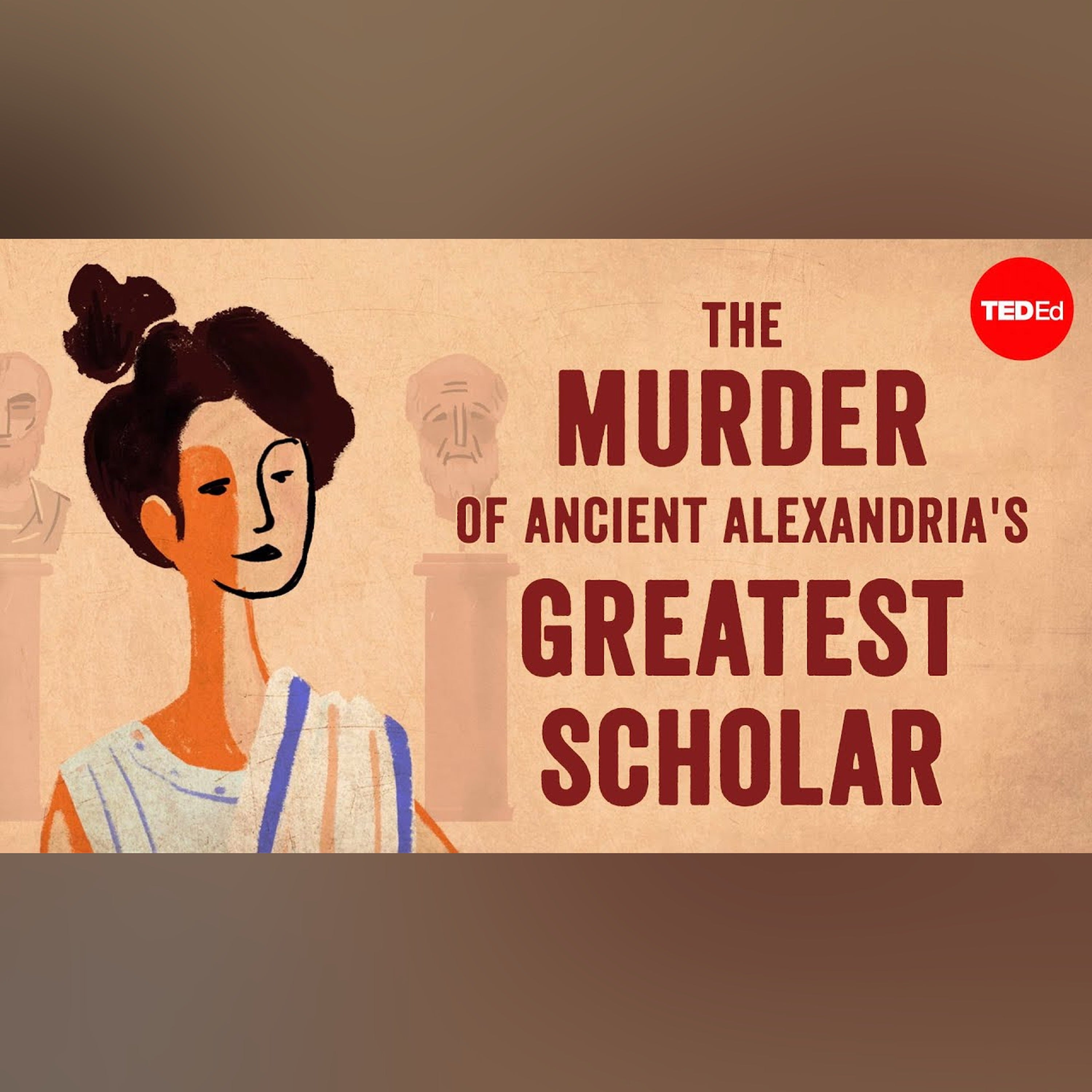
Who was Hypatia of Alexandria?

11 min

Listen through the publisher, then discuss the episode here or arrange an in-person Roundtable. Your city determines where to meet.

Roundtables are designed for groups of four, with a shared subject and room for everyone to speak. Come for discussion, with no dating expectation.

Have you ever wondered what it would take to be the most respected teacher in an entire ancient city? Meet Hypatia of Alexandria! Born over 1,600 years ago in Roman Egypt, Hypatia learned maths and astronomy from her father Theon, then outshone him to become the city's leading teacher, lecturing in public in a philosopher's cloak. Students travelled from all over the Mediterranean to hear her teach that studying maths and the stars lifts your mind toward the truth. She even helped one of them, Synesius, design an astrolabe, a star-mapping instrument, and he loved her so much he called her his mother, his sister and his teacher. Join Mira and Finn on Philosophy's Not Boring as they explore the life of one of history's greatest thinkers, and why the world still remembers her today.

Episode information is provided by the publisher. Listening takes place on the publisher’s service.

Listen at the source ↗

Featured places to meet in Palo Alto, CA

Explore these places and arrange a conversation through ThinkMatch.

City guide for Palo Alto, CA

More from Philosophy for Kids / Philosophy's Not Boring: The Kids Philosophy Podcast

Philosophy for Kids / Philosophy's Not Boring: The Kids Philosophy Podcast

Why did humans create art?

13 min

Have you ever grabbed a box of crayons to draw a giant purple dragon wearing sunglasses? A dragon doesn't even exist, but you still wanted to bring it to life! But why? Why are humans the only creatures on Earth that make art just to share an idea? Other animals do things that look like art—like a clever bowerbird building a colorful, shiny stage or a peacock fanning its feathers—but they only do it to impress a mate! In this colorful episode, Mira and Finn dive into the amazing mystery of human creativity! We'll travel back 40,000 years to dark caves in Indonesia where ancient humans blew red paint over their hands to leave a permanent mark on the walls. What were they trying to say? We'll also meet famous philosophers to crack the code! Did you know ancient Greek thinker Aristotle believed we love to copy the world to safely practice our big emotions? Or that twentieth-century philosopher Susanne Langer thought art was a magical language of feeling? Join us to discover how every dood

Discuss this episode

Philosophy for Kids / Philosophy's Not Boring: The Kids Philosophy Podcast

What is a social animal?

10 min

Have you ever noticed how quiet grown-ups are on a crowded bus or train? It's like everyone has an invisible forcefield around them! People just stare at their shoes, read a book, or scroll on their phones in total silence. But why do we ignore each other? In 2014, scientists Nicholas Epley and Juliana Schroeder at the University of Chicago decided to find out! They set up an amazing experiment on a morning commuter train. They asked one group of tired people to sit in quiet solitude, and another group to actually strike up a conversation with a total stranger! The results were shocking. Even though people predicted that talking to a stranger would be super awkward and annoying, the group who said "hello" ended up having a much happier trip! It turns out, humans are naturally built to connect. Ancient Greek philosophers like Aristotle called us "social animals," and the Stoics believed we are all part of one big human family. Join Mira and Finn as they explore why a simple, safe "hello

Discuss this episode

Philosophy for Kids / Philosophy's Not Boring: The Kids Philosophy Podcast

Who was Janusz Korczak?

11 min

Have you ever been told to do something just "because I said so"? It can feel super unfair! But did you know that just by being a kid, you have actual, real-life rights? In this thought-provoking episode of Philosophy is Not Boring, Mira and Finn dive into the incredible true story of Janusz Korczak! He was a brilliant doctor in Poland who strongly believed children are "people of today," not just adults-in-training. Imagine living in a place where kids actually get to make the rules! Dr. Korczak ran a famous orphanage where children had their very own court of law, and they could even put grown-ups (including Dr. Korczak himself!) on trial for being unfair! He completely changed how the world treats kids. His groundbreaking ideas even inspired the United Nations to create the Convention on the Rights of the Child—a giant global rulebook that says every kid has the right to be safe, to be heard, and even the right to play! Tune in to discover mind-bending facts about this hero of child

Discuss this episode

Community Poll

Public projects should publish comparisons of promised and actual outcomes.

Share your view, then see how readers voted. No sign-in required. This poll is shared across stories.

Do you agree or disagree?

Choose one answer

Common Quandary

A Common Quandary to discuss

Another conversation to explore, separate from this news story.

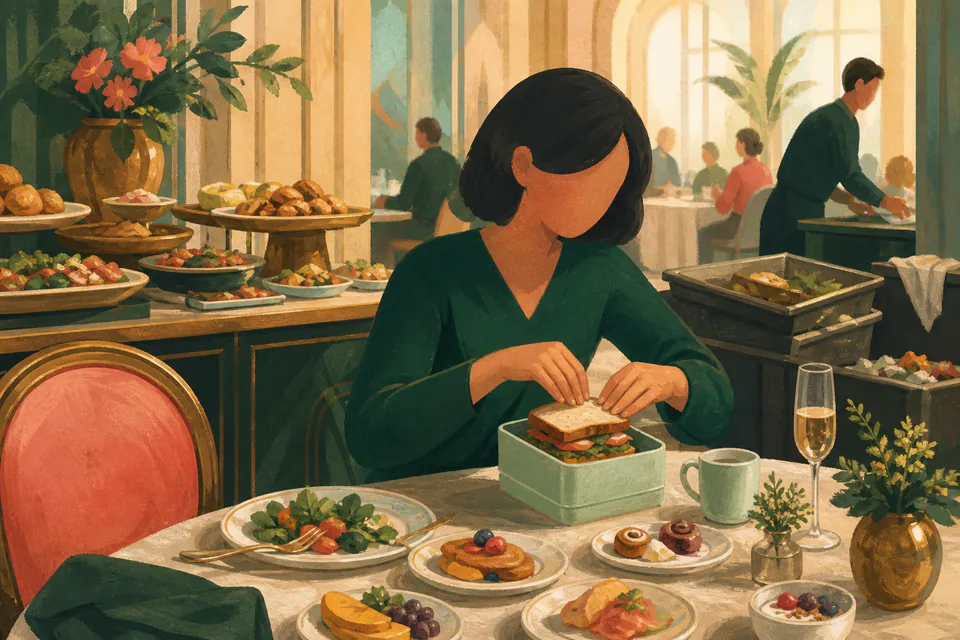
The buffet is unlimited while you are inside. Can one sandwich leave in your pocket?

An expensive hotel brunch advertises unlimited food but forbids takeout. You are full, yet quietly assembling a sandwich for later would cost the hotel almost nothing. Several trays will likely be discarded after service.

Does preventing waste justify ignoring the boundary of a bargain?

Explore this quandary