“Why Did I Just Do That?” – The Parts Behind Our Biggest Reactions

Listen through the publisher, then discuss the episode here or arrange an in-person Roundtable. Your city determines where to meet.
Roundtables are designed for groups of four, with a shared subject and room for everyone to speak. Come for discussion, with no dating expectation.
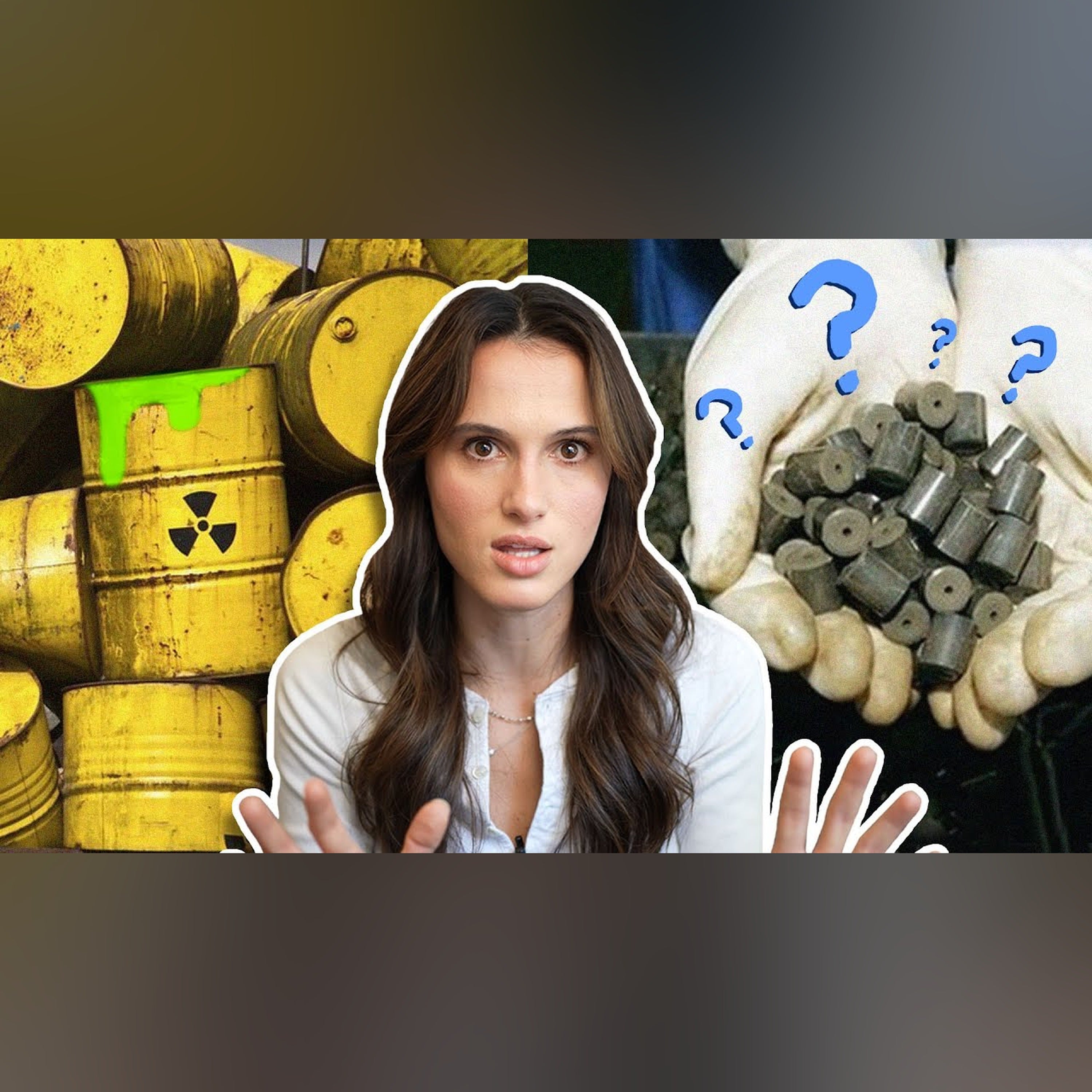
If you don’t learn to care for these parts, then your nervous system will protect them on your behalf. You’ll learn about trauma feedback loops, how to identify them, how to actually help your younger parts, and more. Discover how resolving past trauma can unburden your parts, break unhealthy patterns, and help you to feel more like yourself. Episode Highlights: • [00:00] Introduction • [01:23] Examples of when you may react out of character • [03:12] Why you cannot reason with your younger parts • [08:20] What happens internally when your experience is hijacked • [13:13] An example of a big reaction coming from a younger part • [21:18] Understanding the trauma feedback loop • [25:53] Becoming a competent protector • [33:00] Showing your parts the present is different • [36:26] Question 1 - How do I access adult self when I’m really triggered? • [42:55] Question 2 - How do I stop reacting and start responding? • [48:21] Question 3 - Can I know my parts if I don’t remember my childhood? NOW ENROLLING — Join Sarah’s 16-Week Program: Ready for tools to heal every area of your life? Join before the doors close on November 18: Download Sarah’s FREE Workbook: Not sure where to get started with somatic healing? Sarah created a FREE trauma-informed workbook called "How to Gain Control Over How You Feel" to help you step toward a life filled with more freedom, ease, and empowerment. Click the link below to download: Connect with Sarah on: Submit a Question: Quotes: “There is no one that is going to activate your younger parts in your nervous system like a romantic partner… because they’re the ones that remind your system of your childhood the most.” — Sarah Baldwin [0:20:44] “If you are activated in a younger part, it has much less to do with the person in front of you and much more to do with the original wound.” — Sarah Baldwin [0:24:20] “Healing is hard enough; we’re not supposed to have to do it by ourselves, and when we have the support, and the tools, and the interventions, and the modalities in the right order, magic happens. Because your system knows how to heal, it just needs to be shown the way.” — Sarah Baldwin [0:52:08]
Episode information is provided by the publisher. Listening takes place on the publisher’s service.
Listen at the source ↗