English-language podcasts

Boring History For Sleep | Gentle Storytelling And Ambient Sounds (Official)

Why Every Home Had a Phonebook (And Now None Do) | Boring History For Sleep
344 min

Listen through the publisher, then discuss the episode here or arrange an in-person Roundtable. Your city determines where to meet.

Roundtables are designed for groups of four, with a shared subject and room for everyone to speak. Come for discussion, with no dating expectation.

There was a time when finding someone's phone number meant opening a rather enormous book, running your finger down a column of tiny print, and hoping there weren't twelve people with the same name. For generations, the telephone directory was an essential household item. Then, almost without anyone noticing, it disappeared from most of our lives. Tonight, we're exploring the surprisingly fascinating history of the phonebook, from the earliest telephone directories of the nineteenth century to the enormous Yellow Pages that became a familiar sight in homes and businesses worldwide. Discover how telephone companies collected and organized information before computers, why residential listings were printed on white pages, how the Yellow Pages became an advertising powerhouse, and what happened when internet search engines and smartphones made printed directories increasingly unnecessary. Beyond the technology, this story offers a nostalgic glimpse into everyday life before the digital age, when handwritten address books, landline telephones, and directory assistance kept communities connected. It's a little piece of social history that many of us lived through without realizing how quickly it was changing. So get comfortable, put today's responsibilities aside, and enjoy a gentle journey through the evolution of human communication. Sections of Today's Content: Intro/Unwind Routine: 00:00:00 Main Story: 00:01:07 What Babe Ruth Did and Left Behind: 01:09:09 The Early Days Of The British Isles: 02:05:01 Kings Henry VIII and His Wives: A Gentle Story: 02:58:31 A History Look At Queen Victoria's Peaceful Reign: 04:14:23 Rise and Fall of the British Empire: 05:09:36 Historical Research & Sources Historical reference materials for this topic include public-domain telephone directories, telecommunications archives, period advertisements, historical newspapers, and educational collections available through the Library of Congress, Smithsonian Institution, Internet Archive, and AT&T historical archives. The storytelling explores the documented evolution of telephone directories, print advertising, landline communication, and the transition into the digital information age. If you enjoy nostalgic history, forgotten household objects, everyday inventions, and discovering why familiar traditions disappeared, explore our growing collection of original historical stories. If our podcast has become part of your evening routine, leaving a 5 ⭐ review on Spotify is a wonderful way to help others discover our little community and keep these stories coming. The Brotatoe Sleep Club For those who would love a little extra company at bedtime, our subscription includes: 0 ads 1–2 exclusive episodes every week Bonus historical content More cozy extras along the way Join here: If you'd ever like to buy me a coffee or leave a donation, your generosity helps support the continued creation of our stories. Thank you for spending another evening with us. And if you remember having a phonebook tucked away in a kitchen drawer, we'd love to hear about it in the comments. Copyright © 2026 HistoryAndSleepOfficial. All rights reserved.

Episode information is provided by the publisher. Listening takes place on the publisher’s service.

Listen at the source ↗

Featured places to meet in Palo Alto, CA

Explore these places and arrange a conversation through ThinkMatch.

City guide for Palo Alto, CA

More from Boring History For Sleep | Gentle Storytelling And Ambient Sounds (Official)

Boring History For Sleep | Gentle Storytelling And Ambient Sounds (Official)

The First Programmer: The Story of Ada Lovelace | Boring History For Sleep

354 min

Nearly a century before the arrival of modern computers, a Victorian mathematician imagined a machine capable of doing far more than solving equations. Her name was Ada Lovelace, and her extraordinary imagination helped lay the intellectual foundations for computer programming as we know it today. Settle in for a relaxing historical journey through the life and legacy of Ada Lovelace, often regarded as the world's first computer programmer. We'll explore her unusual childhood as the daughter of Lord Byron, her mathematical education, her friendship with Charles Babbage, and the remarkable ideas behind his proposed Analytical Engine. Discover how Ada's famous notes of 1843 contained an algorithm designed to calculate Bernoulli numbers, why she believed machines could eventually work with music and symbols, and how her vision extended beyond the technological possibilities of Victorian England. We'll also examine the historical debate surrounding her contributions, separating popular mis

Discuss this episode

Boring History For Sleep | Gentle Storytelling And Ambient Sounds (Official)

The ENTIRE History of Thanksgiving Around the World | History For Sleep

337 min

Take a moment to settle in, loosen your shoulders, and allow the responsibilities of the day to fade into the background. Dim the lights, find a comfortable position, and take a few slow, gentle breaths. There's nothing else you need to accomplish tonight. Simply enjoy a peaceful journey through history, allowing your mind to wander and sleep to arrive naturally.Long before Thanksgiving became an American holiday, cultures around the world gathered to express gratitude, celebrate successful harvests, and share meals with their communities. Tonight, we're exploring the entire history of Thanksgiving and harvest celebrations around the world, discovering how these meaningful traditions developed across centuries and civilizations.From ancient Egyptian harvest festivals and European agricultural traditions to the American Thanksgiving gathering of 1621, we'll uncover the origins of giving thanks. We'll also explore Canadian Thanksgiving, Korea's Chuseok, Germany's Erntedankfest, and other

Discuss this episode

Boring History For Sleep | Gentle Storytelling And Ambient Sounds (Official)

How Roman Aqueducts Actually Worked (No Pumps, No Power) | Boring History For Sleep

337 min

Imagine living in ancient Rome, where fresh water traveled for miles across mountains, valleys, and countryside before arriving at public fountains, bathhouses, and busy city streets. No electric pumps, no modern machinery, and no complicated power systems. Just gravity, remarkable engineering, and an extraordinary understanding of how water moves. In tonight's relaxing history sleep story, we'll discover how Roman aqueducts actually worked, exploring the clever construction methods, underground channels, gentle slopes, and engineering techniques that allowed ancient civilizations to transport enormous quantities of water without electricity. From the famous aqueducts of Rome to the impressive Pont du Gard in southern France, we'll uncover how Roman engineers surveyed the land, built water channels, crossed valleys, and maintained these incredible structures for generations. We'll also explore how water was distributed throughout Roman cities and why reliable supplies transformed publi

Discuss this episode

Community Poll

Cross-party cooperation is worthwhile even when it disappoints committed party supporters.

Share your view, then see how readers voted. No sign-in required. This poll is shared across stories.

Do you agree or disagree?

Choose one answer

Common Quandary

A Common Quandary to discuss

Another conversation to explore, separate from this news story.

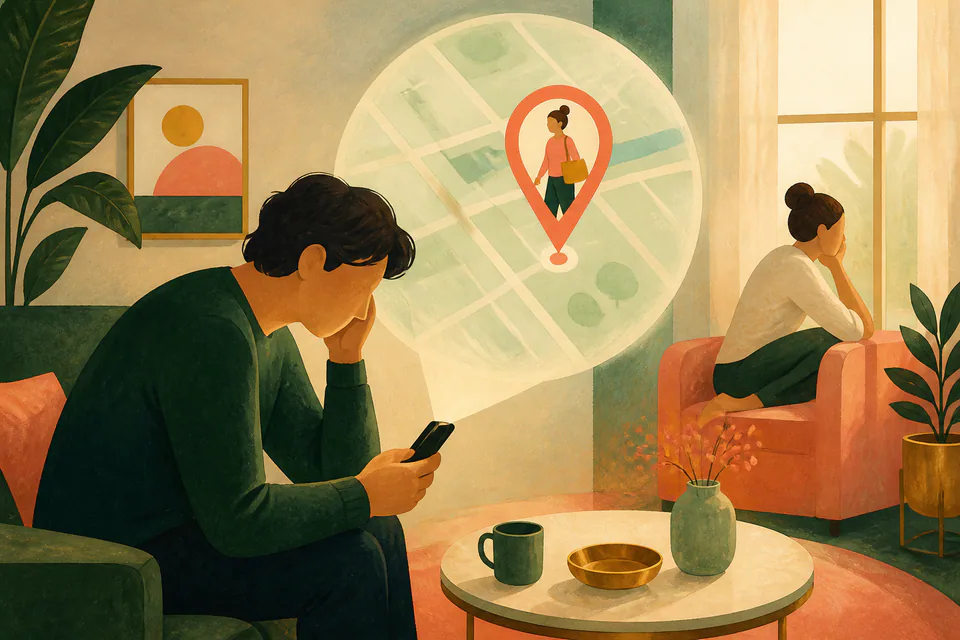
Your partner checks your location whenever you reply slowly. Is that caring or creepy?

A couple shares live phone locations for convenience and safety. One partner begins checking the map whenever a message goes unanswered, even though they have never agreed on when checking is appropriate.

Does granting access also grant permission to monitor?

Explore this quandary