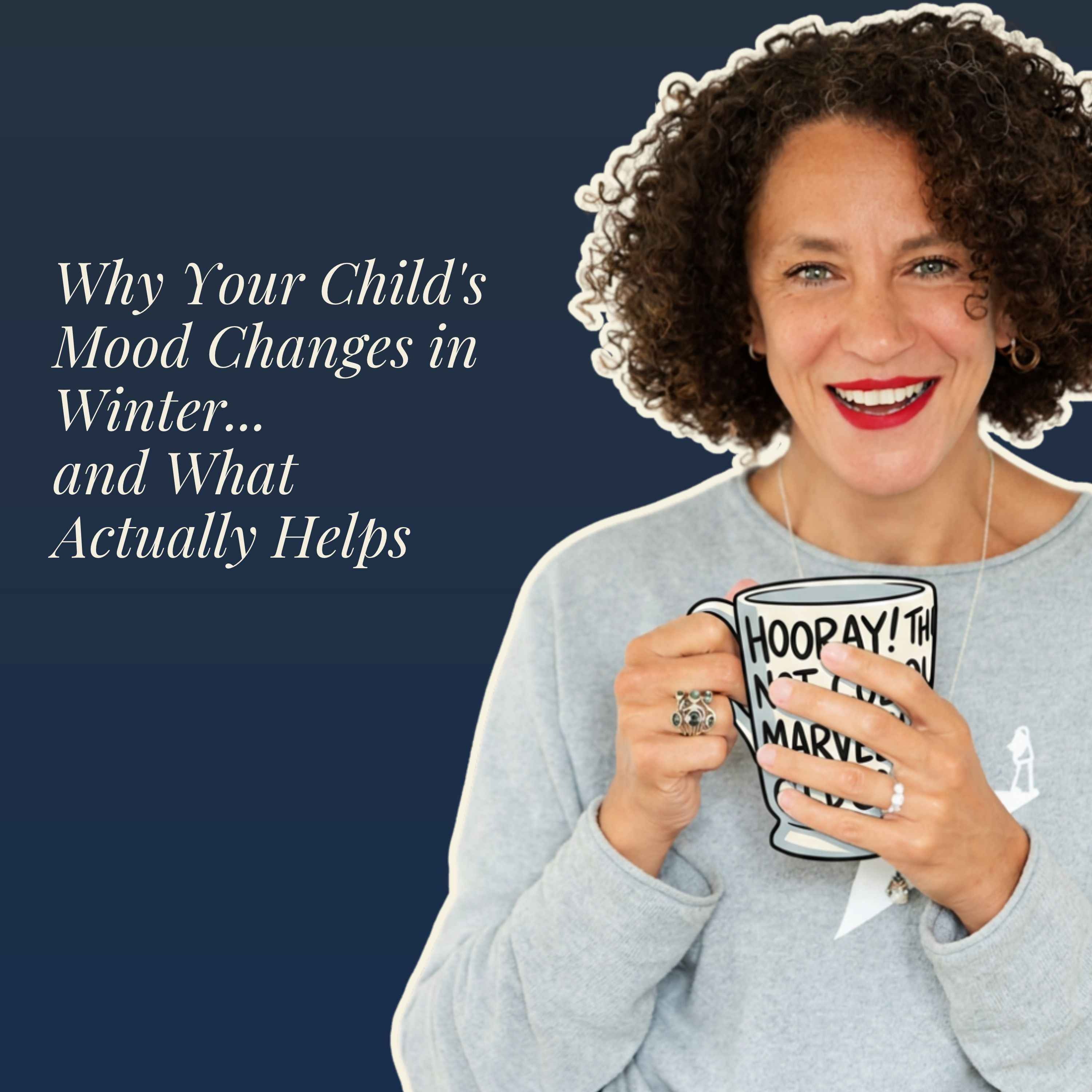
Why Your Child's Mood Changes in Winter... and What Actually Helps
22 min
Listen through the publisher, then discuss the episode here or arrange an in-person Roundtable. Your city determines where to meet.
Roundtables are designed for groups of four, with a shared subject and room for everyone to speak. Come for discussion, with no dating expectation.
Has your child suddenly become more emotional, more withdrawn, or just not themselves since the clocks went back? Is homework taking longer? Are morning more of a struggle? If so, today’s episode is meant for you. Last time, I spoke about the November Wobble - that very real shift that many children experience when the days get shorter, and activities that naturally refill their emotional bucket begin to disappear. Today, I break down the science in simple terms, exploring how reduced daylight affects sleep, mood, motivation, concentration, emotional regulation and resilience. What looks like laziness or a bad attitude is often biology rather than behaviour. I will share five practical strategies you can start using now to help your child understand what fills and empties their emotional bucket. Whether you’re parenting a toddler, primary‑school child, teenager, or neurodivergent child, this episode will help you understand what’s really happening, and give you simple, realistic ways to help your child thrive through the darker months. Highlights from this episode: 01:11 - Daylight regulates everything 06:33 - Do the same, but different 11:48 - Routine is the anchor 15:59 - The most underrated thing you can do… Brands and advertisers, email [email protected] Hosted on Acast.
Episode information is provided by the publisher. Listening takes place on the publisher’s service.
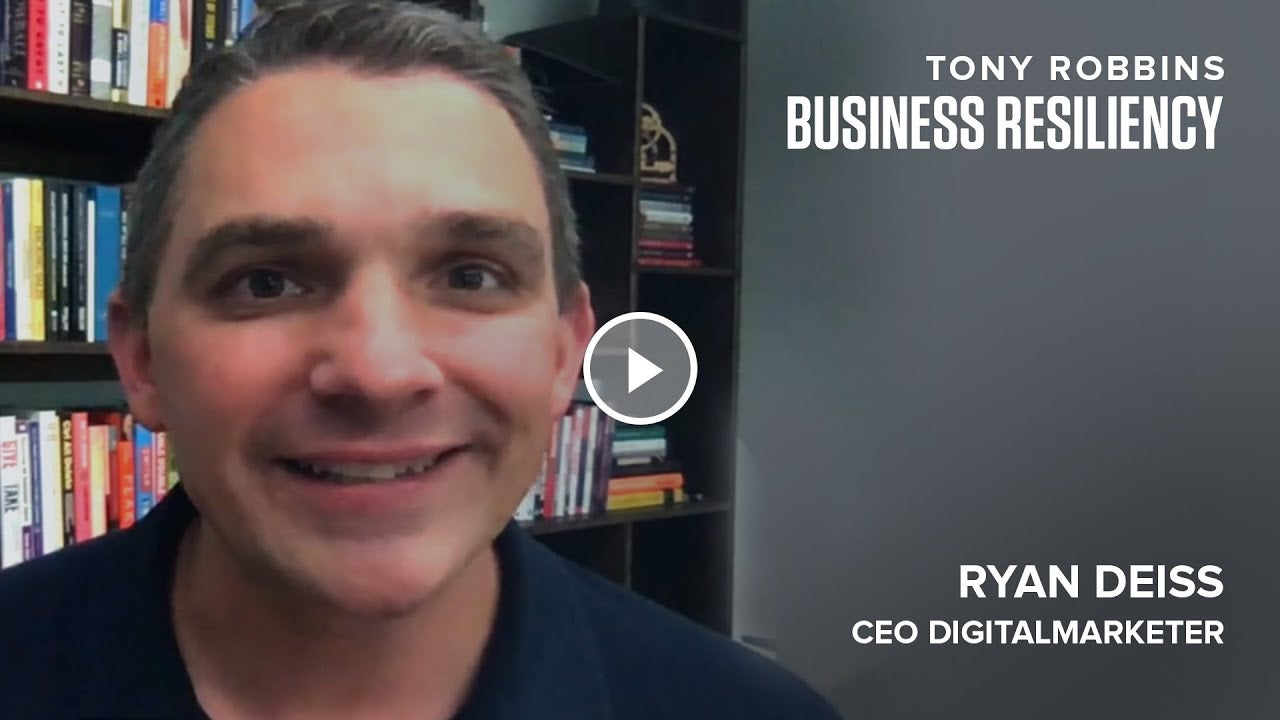
What will you do when the going gets tough? How will you react to economic winter, changes in the market and other events beyond your control? Will you shrink back in fear and adopt an attitude of scarcity – or will you power forward and learn how to take advantage of the moment? Uploaded 28-04-20 In this video, Ryan Deiss, CEO of Digital Marketer, best-selling author and expert investor, shares what you can do to not only continue to grow your business, but to grow as a human being as well. There are ways to make the most of hard times as a business leader, marketer, parent and friend. It’s all about turning your obstacles into opportunities. How can you do that? You must shift your focus. Instead of focusing on the negative, find the possibilities. You can head to https://www.tonyrobbins.com/career-business/where-focus-goes-energy-flows to learn how to get focused in this new environment. Tough economic times put most people in a mindset of scarcity and fear. They pull back. Business
# Wake Up. Show Up. Win the Day. | Jim Rohn Powerful Daily Discipline Motivation for Success Uploaded 15-09-26 You do not need a perfect day to make progress—you need the discipline to show up for it. In this powerful motivational video inspired by Jim Rohn, you’ll discover how daily discipline can change the way you approach your goals, your work, and your future. Waking up is easy. Showing up consistently is harder. The people who create meaningful results are willing to keep doing the important work even when they are tired, distracted, or simply not in the mood. Jim Rohn teaches that success is built through simple disciplines repeated every day. When you start your morning with purpose, focus on your priorities, keep your commitments, and finish the day knowing you moved forward, you begin creating momentum that can change your life. If you're ready to stop waiting for motivation and start showing up for yourself every single day — this message is for you. --- ### What You’ll Lear
Instant Access to the NCI Masterclass: https://nci.university/opt-in-page-808244 Uploaded 26-11-25 IN TIME FOR THE HOLIDAYS: Grab your copy of Chase’s new book, Tongue: A Cognitive Hazard https://a.co/d/5J14Grw You’ve carried more than just your own experiences into this life. Our behaviors, fears, and impulses often come from people we never met. Understanding this crazy inheritance changes how we see “US” forever. Ancient memories, childhood patterns, and generational instincts all shape us. Recognizing these influences helps us break cycles and reclaim our lives. Every one of us is shaped by stories older than our own. Genetic memory is a protective mechanim. Once you see the invisible forces that guide you, you start choosing/acting differently. Deep down, you’re more powerful than the ghosts that run your show. Snatch your copy of Chase’s new book, Tongue: A Cognitive Hazard https://a.co/d/5J14Grw
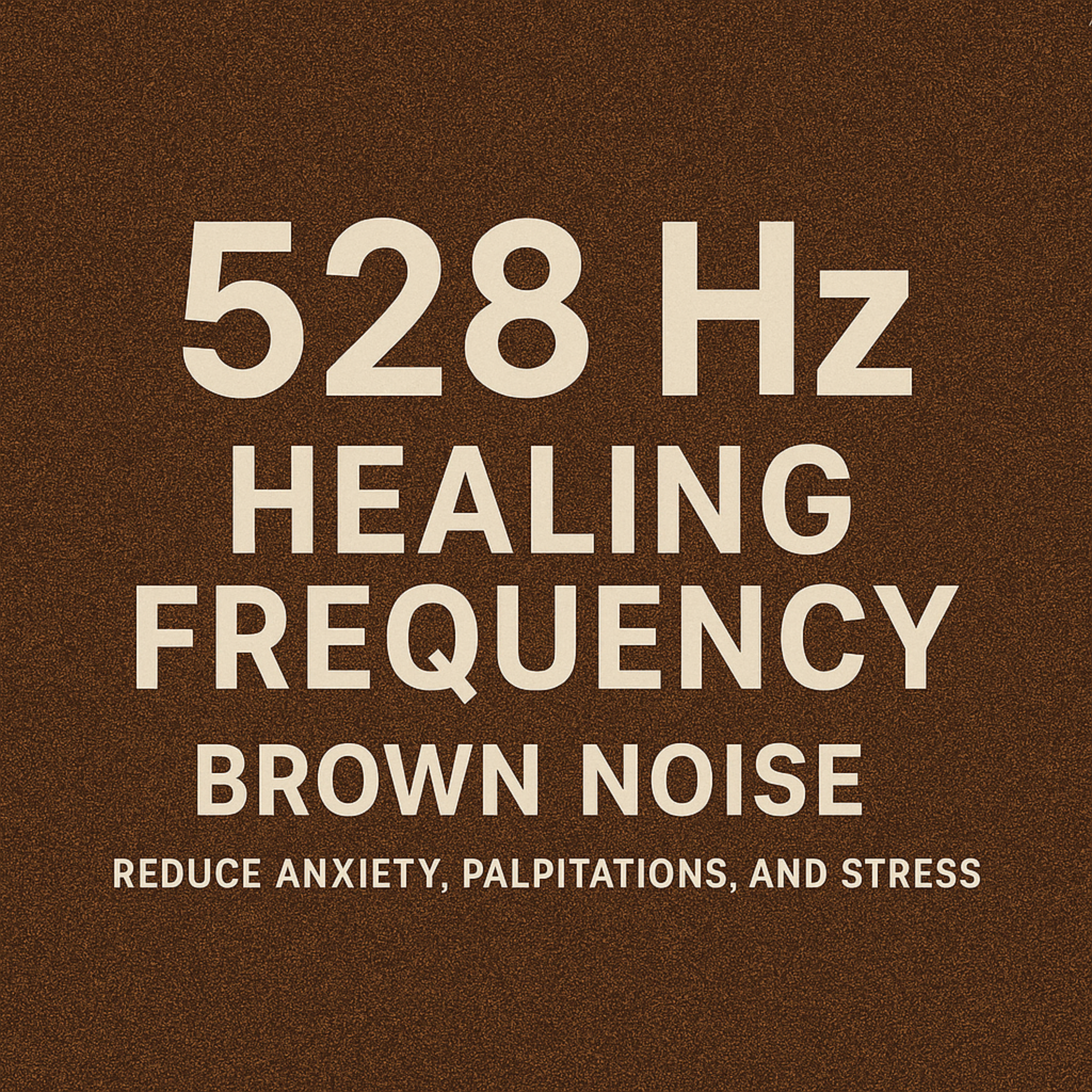
Big News! Clicking Here (https://meditationsounds.supercast.com/) Email List (https://bit.ly/3T010m4) Calm Your Nervous System Naturally — 528 Hz Healing Frequency + Brown Noise | Reduce Anxiety, Palpitations, and Stress is designed to help your body and mind settle into a deep state of relaxation. The 528 Hz frequency is often associated with emotional balance and inner harmony, while brown noise provides a grounding, low-frequency sound that helps calm the nervous system. Together, they create a soothing soundscape that may help ease anxiety, reduce stress, and support relaxation during rest, sleep, meditation, or quiet focus. This audio is ideal for unwinding after a long day, calming racing thoughts, or creating a peaceful background for deep rest. Simply listen, breathe slowly, and allow your body to relax. #528Hz #BrownNoise #HealingFrequencies #ReduceAnxiety #StressRelief #CalmMind #NervousSystem #DeepRelaxation #SleepSounds #SoundTherapy 528 hz healing frequency brown noise, re
Explore how pulling an all-nighter can impact your cognitive function, and find out what happens to your brain when you don't sleep. -- You’re just one history final away from a relaxing spring break. But you still have so much to study! You decide to follow in the footsteps of many students before you, and pull an all-nighter. So, what happens to your brain when you stay up all night? And does cramming like this actually help you prepare for a test? Anna Rothschild explores how a sleepless night impacts your cognitive function. Lesson by Anna Rothschild, directed by Biljana Labović. Animation by Noam Sussman & Ali Kellner, Homework Studio. This video made possible in collaboration with the Bezos Family Foundation Learn more about how TED-Ed partnerships work: https://bit.ly/TEDEdPartner A special thanks to Dr. Mathias Basner, Andrew Fuligni, Adriana Galván, and UCLA Center for the Developing Adolescent who provided information and insights for the development of this video. Support Ou
THE SEARCH FOR THE ULTIMATE RED LIGHT THERAPY IS OVER! After decades of exploring wellness technologies, Michael Jaco sits down with Rob Rene, founder of Exodus Strong, to explore the Red Light+ Total Body Reset system, the science behind red and near-infrared light, and why this technology has become such an important part of their wellness conversation. Rob's remarkable personal journey—including surviving five near-death experiences—inspired his mission to develop practical wellness tools that people can incorporate into their everyday lives. Discover the full-body Red Light+ Mat, designed for convenient 20-minute sessions, and the portable Red Light+ Wand, created for targeted use on areas such as the knees, shoulders, hands, and lower back. Michael and Rob discuss the technology, personal experiences, and how red light therapy may support a daily wellness routine. BLACK FRIDAY–CYBER MONDAY LISTENER EXCLUSIVE! This is your opportunity to explore Exodus Strong's special holiday offe
"I know something is wrong with my child... but every time I try to talk to them, they shut down." If you've ever had that thought, this episode is for you. As parents, it's so painful to watch our child struggle, yet every question we ask seems to push them further away. The harder we try to get them to open up, the quieter they become. In today’s episode, I explain why children go silent, what that silence might actually mean, and why the answer isn't usually finding the perfect question, but building a safe space for difficult conversations. I will talk through how to create the conditions that help children and teenagers open up naturally, and share the five things I use with families every day. I'll also break down how these approaches differ for younger children, older children, teenagers, and neurodivergent children, including those with ADHD, autism and alexithymia. If you're worried about a child who seems withdrawn, anxious, angry, secretive or simply unwilling to talk, this
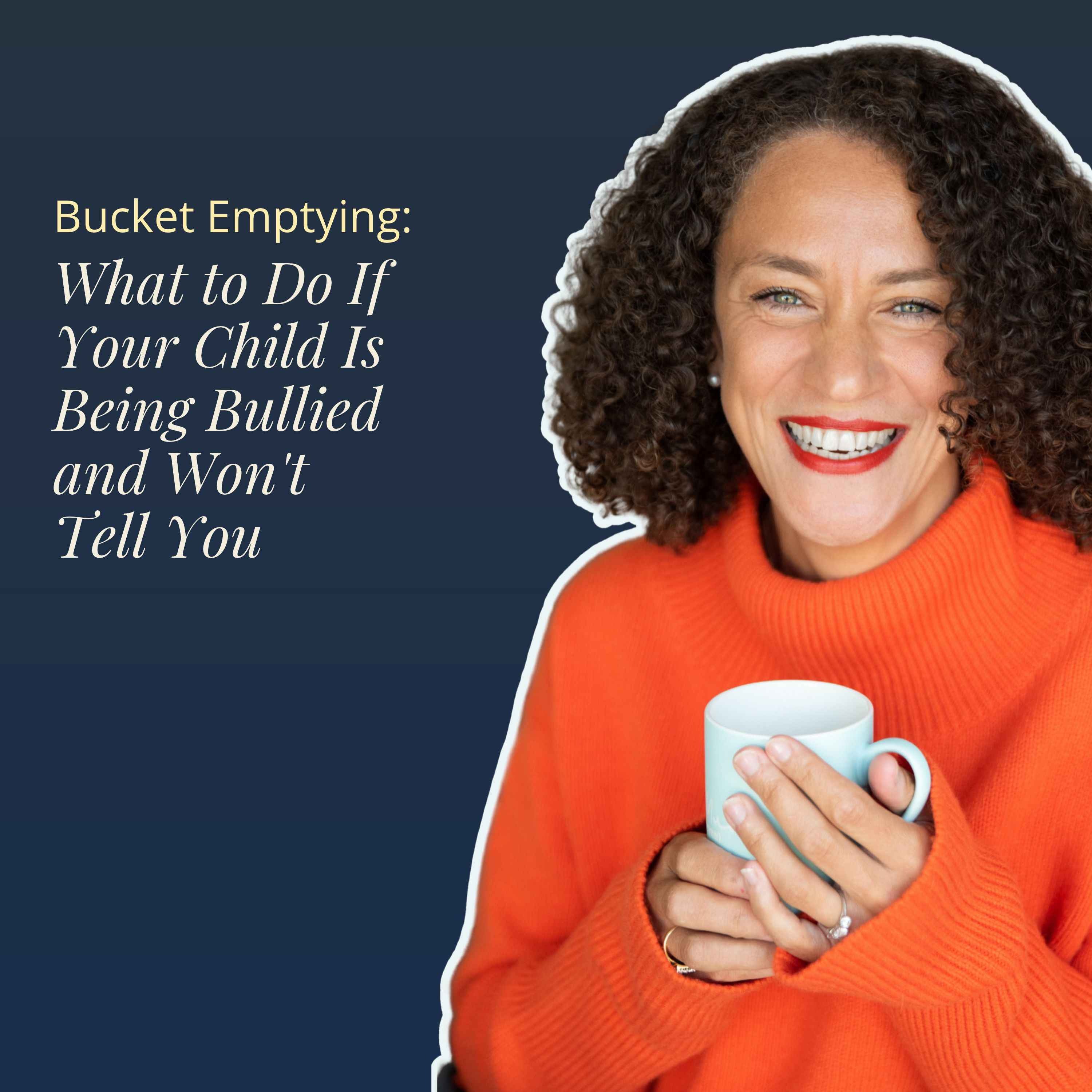
It's Anti‑Bullying Week, and I want to help you navigate one of the toughest parenting challenges there is: the moment you suspect your child is being bullied. In today’s bucket-emptying episode, I explain why the word "bullying" can sometimes make it harder for us to respond effectively. As parents, we often feel like we’re always getting it wrong: dismissing something that needs attention or escalating something that needs a different kind of response. So I am going to help you understand the difference between a one‑off friendship conflict, unkind behaviour, social exclusion, and true bullying, so you can respond in the best way for your child. I'll also walk you through five practical things that help children feel safe enough to open up, empower them to understand what's happening, and really help them to advocate for themselves. If you're worried about bullying, friendship problems, school anxiety, playground conflict, social exclusion, or a child who insists they're "fine" when
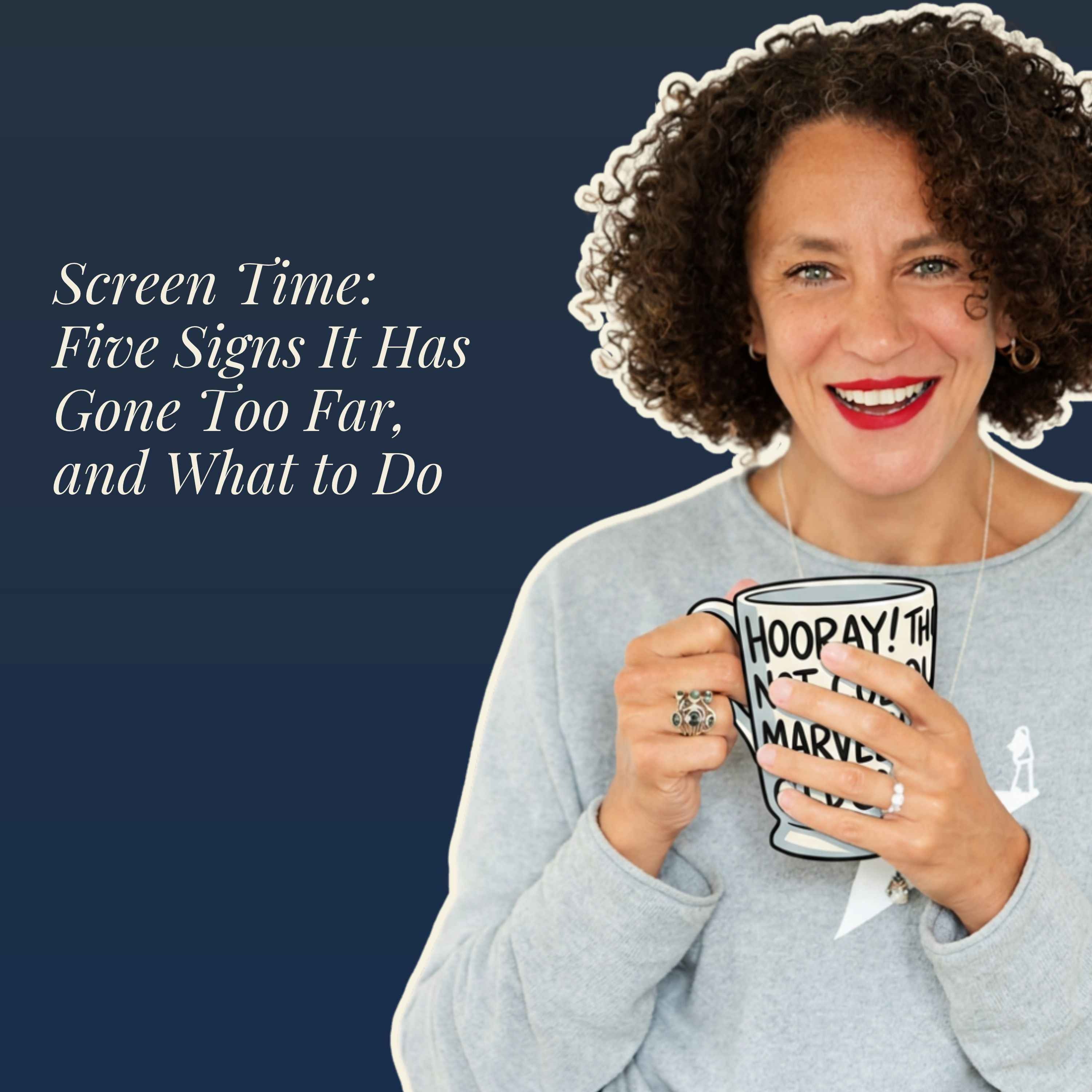
Does your child have a meltdown when you take their phone away? I know there’s a huge amount of confusion around screen time, smartphones, social media, gaming, and how this impacts our children's mental health. So in this episode, I cut through the headlines and focus on two things: what the research actually tells us, and what parents can realistically do about it. I will explain how smartphones, social media and gaming platforms are designed to capture attention, why children's developing brains are particularly vulnerable to the pull of dopamine‑driven technology, and the five signs that screen use may have gone from enjoyable to problematic. Most importantly, I share practical strategies for different scenarios, so whether you’re just starting to think about smart phones, or your teenager is already glued to their screens, I will give you something you can use right away. Highlights from this episode: 01:55 - The anxious generation 07:45 - The five signs every parent needs to know
Preventing medical errors requires changing systems as well as holding individuals accountable.
Share your view, then see how readers voted. No sign-in required. This poll is shared across stories.
Do you agree or disagree?
Common Quandary
A Common Quandary to discuss
Another conversation to explore, separate from this news story.
A stranger is sitting at your usual café table. Can you ask them to move?
You visit the same café every Saturday and always write at one particular table. Today a first-time customer is sitting there while several other tables remain open. The staff recognize you but there is no reservation policy.