You Can Google It: Debunking RFK Jr.'s Health Misinformation
56 min
Listen through the publisher, then discuss the episode here or arrange an in-person Roundtable. Your city determines where to meet.
Roundtables are designed for groups of four, with a shared subject and room for everyone to speak. Come for discussion, with no dating expectation.
Dr. Kaveh Hoda is joined by Benedicte Callan, independent researcher and consultant on health and bioscience policy, to unpack the damage RFK Jr. has done as HHS Secretary — and how to walk it back. Benedicte volunteers with Defend Public Health, the group behind the weekly "Whopper of the Week" series, which has catalogued over 59 of RFK Jr.'s falsehoods since his confirmation. Together, they dig into: The autism research whopper Rigged vaccine studies The asymmetry problem AI as "medical tyranny" cure RSV's "lab leak" origin story Environmental rollbacks under MAHA Hosted on Acast.
Episode information is provided by the publisher. Listening takes place on the publisher’s service.
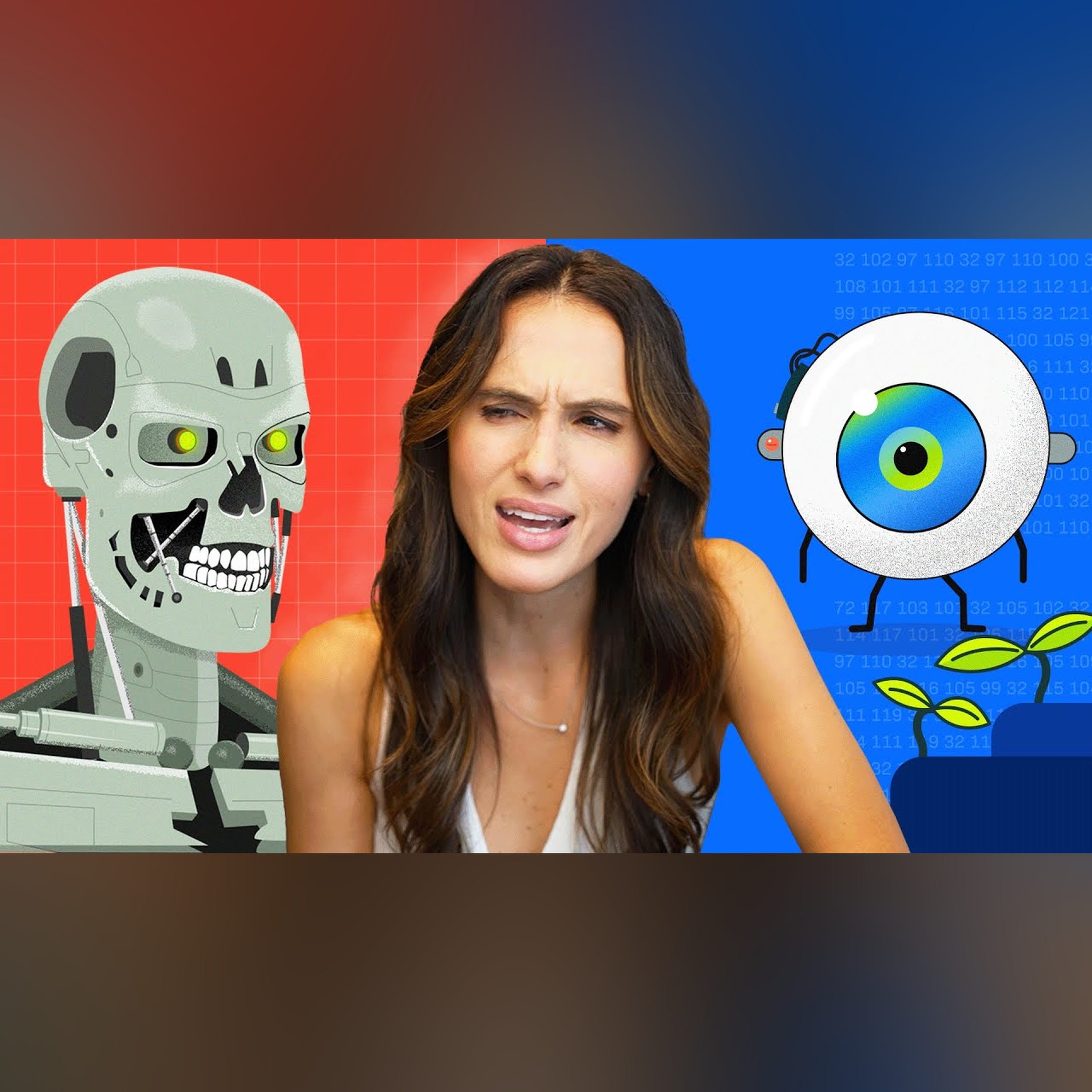
AI is here. Now what? Everyone’s talking about artificial intelligence and machine learning. There are lots of names thrown around - OpenAI’s ChatGPT and DALLE-2, Google’s Bard, Meta’s LLaMa 2, Midjourney, AlphaFold… Right now, we’re in this weird moment where lots of smart people agree we’re on the cusp of a truly world-changing technology. But some seem to be saying it's going to lead to human extinction while others are saying it’s “more profound than fire.” But it all feels so VAGUE. I want to know: How specifically would AI kill me? Or totally transform my life for the better? In this video, that’s what I’m going to try to learn. We dive into what the most extreme bad and good AI futures actually look like, so that you and I can get ready. And more importantly, so we can make sure that we get our real future RIGHT. Chapters: 00:00 Why is AI so confusing? 1:13 What is AI? 2:37 Why is everyone talking about AI now? 5:12 Why is AI dangerous? 6:22 How would AI kill me? 8:08 Should we
In Brought to You By: How Corporations Warped the Truth, Conned the Public, and Broke Democracy (https://bookshop.org/a/12343/9781639736331), Amy Westervelt exposes the plot hidden within the familiar story of science denial. Over the last century, Big Industry has built a vast apparatus of think tanks, lobbyists, sponsored university labs, and obliging news networks to con the public and fool decision-makers, poisoning the informational ecosystem and warping the nature of truth along the way. With her signature wit and incisiveness, Westervelt introduces the masterminds of corporate misinformation: Herb Schmertz, the public relations pioneer who made Mobil “the thinking man's oil company;” Richard Edelman, the PR guy who helped the dairy industry vilify oat milk; David Petraeus, the disgraced spy chief using counter-insurgency tactics to discredit climate science; and many more. She shows how these company men have worked to usher in an era of unprecedented corporate control. Only by
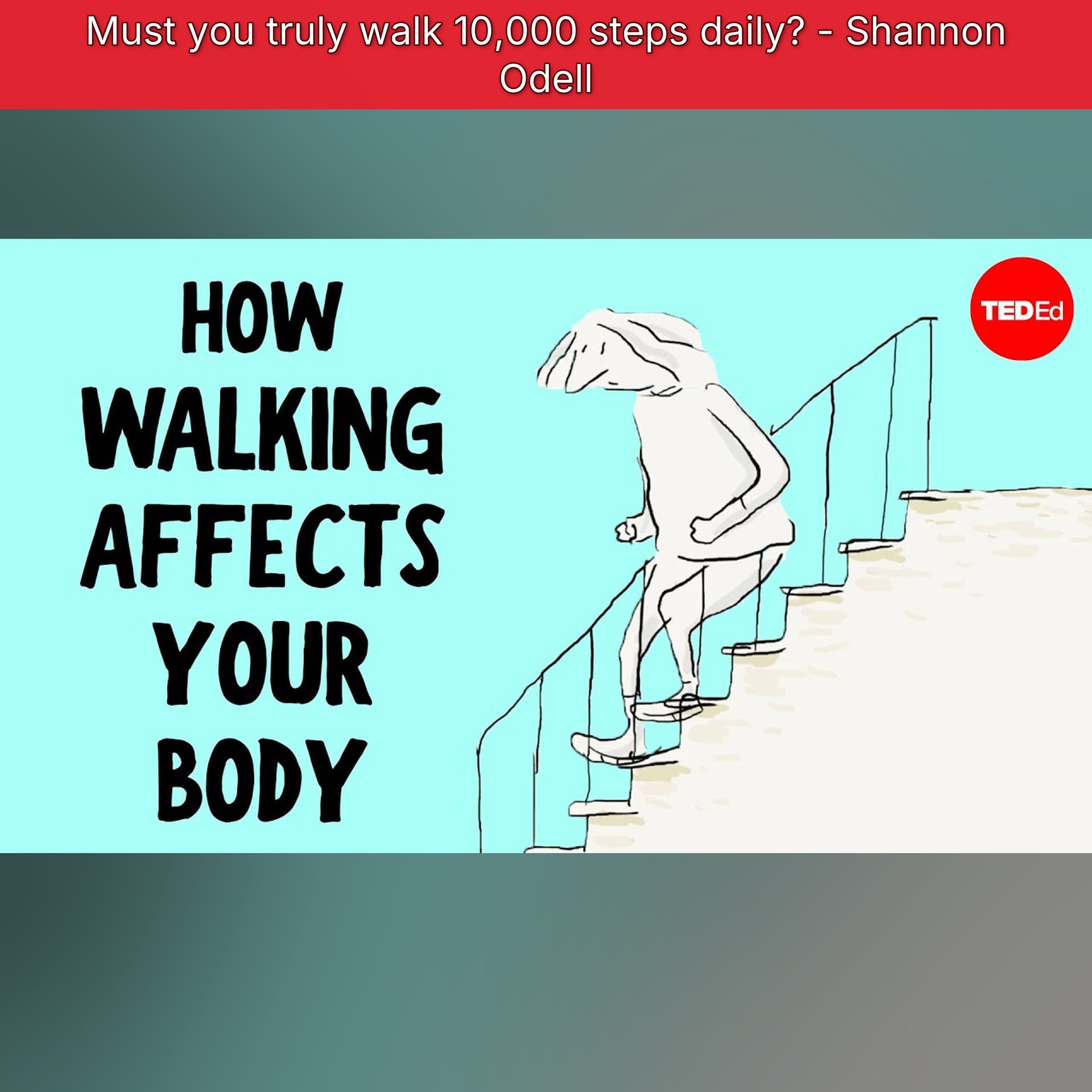
Discover the benefits of walking, and how this simple exercise can positively impact the health of your body and brain. -- For years, Jean Béliveau walked from country to country, with the goal of circumnavigating the globe on foot. While few people have the time or desire to walk such extreme lengths, research shows that adding even a modest amount of walking to your daily routine can dramatically improve your health. So, what exactly happens to your body when you increase your step count? Shannon Odell investigates. Lesson by Shannon Odell, directed by Avi Ofer. This video made possible in collaboration with Speed & Scale Learn more about how TED-Ed partnerships work: https://bit.ly/TEDEdPartner A special thanks to James Sallis and Lawrence Frank who provided information and insights for the development of this video. Support Our Non-Profit Mission ---------------------------------------------- Support us on Patreon: http://bit.ly/TEDEdPatreon Check out our merch: http://bit.ly/TEDED
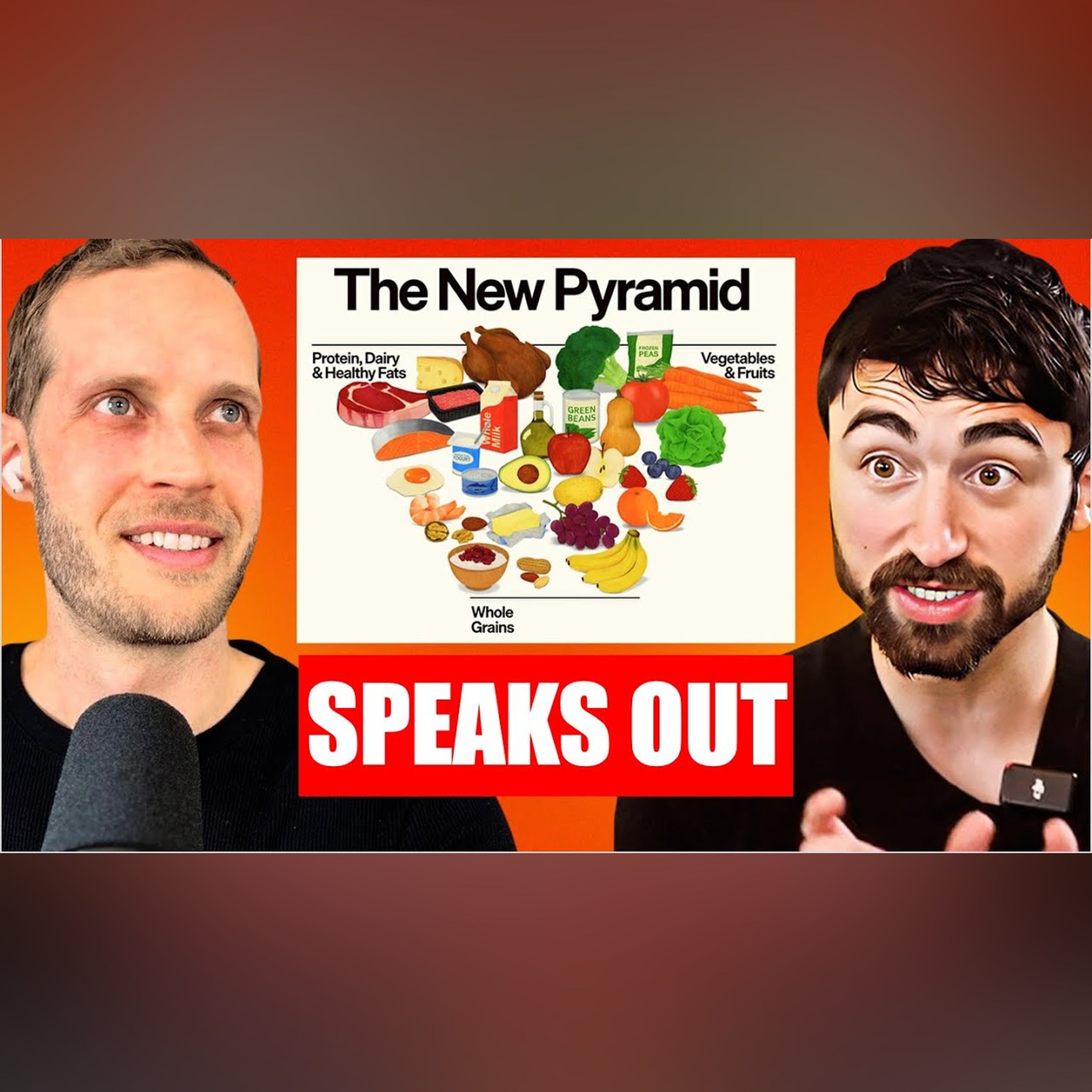
For a written digest on the guidelines, see the StayCurious Metabolism Letter: https://staycuriousmetabolism.substack.com/p/the-new-dietary-guidelines-actually?r=40ekz2 The 2025–2030 Dietary Guidelines are being marketed as a major reset with a simple message: put “real food” back at the center of the American diet. And in a lot of ways, they do represent progress. But when you actually read what’s written, some of the most important details raise real questions. For example, the document still states that saturated fat should not exceed 10% of total daily calories. To separate signal from spin, I’m joined by Dr. Ty Beal PhD, who worked on the evidence review side of the Guidelines process, to explain what the scientific background documents actually say, what happens after scientists submit reviews, and why the final public-facing document can end up with compromises, inconsistencies, or imprecise terminology. If you want a clear, good-faith breakdown—what’s genuinely better, what sti
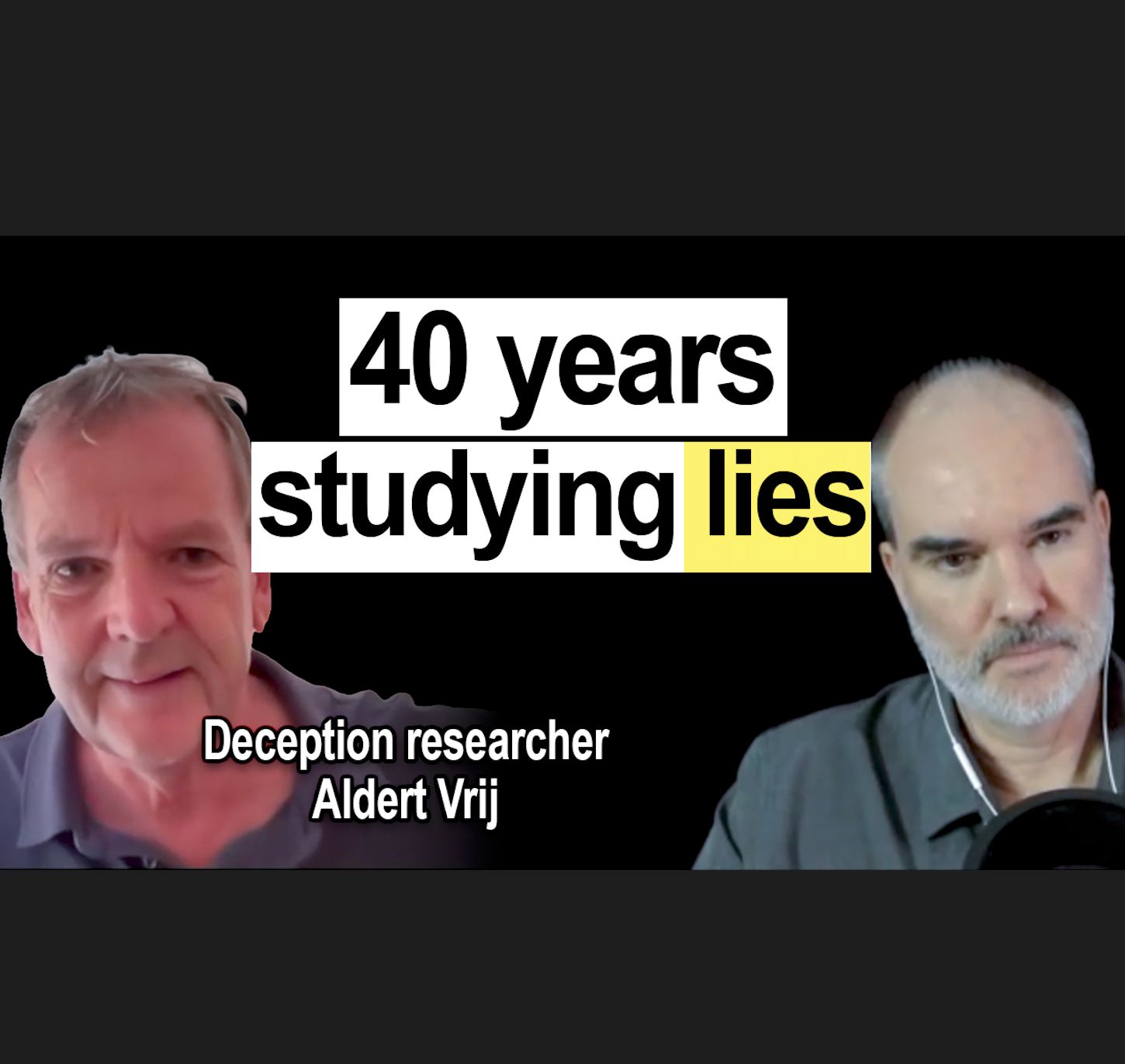
What actually works when it comes to detecting lies, and why are so many popular ideas about reading people and nonverbal behavior at odds with the scientific research? I talk with Aldert Vrij, one of the world's leading deception-detection researchers, who has spent almost four decades studying these topics. We discuss why what people say is far more revealing than their body language; why the perceived “sexiness” of reading nonverbal behavior has contributed to widespread myths and misconceptions; whether vocal behaviors like pitch, volume, and hesitation contain meaningful clues; and whether there's value in analyzing minor word choices and turns of phrase, as is done in so-called “statement analysis.” We discuss Paul Ekman's legacy as a source of faulty ideas about deception, micro-expression-based deception detection training, and the strategies that popular “body language experts” use to appear scientifically credible while simultaneously promoting ideas that conflict with the sc
Run Your Agency on Autopilot – White Label CRM, Funnels, and Automations in One Platform for Success. Claim 2-week free trail now www.gohighlevel.com/protrial?fp_ref=fg (https://www.gohighlevel.com/protrial?fp_ref=fg) How does OpenAI just keep winning? Here's OpenAI's secret behind Deep Research...Spreading awareness about the works of some of the leading educators in the AI revolution. Core Ideas: Metamodernism: Narratives and emergence view of reality - Reduce suffering - Increase prosperity - Increase understanding mantra: Seek knowledge. DISCLAIMER: This is a community-driven show.
RFK Jr. has spent his time as Health Secretary overseeing sweeping changes to America's public health infrastructure — firing vaccine advisors, cutting childhood vaccine recommendations, gutting NIH research grants, and quietly funding a questionable trial in Guinea-Bissau. Now that Democrats have won both the House and the Senate, the leash may finally be tightening. Host Dr. Kaveh Hoda brings together virologist Dr. Angie Rasmussen, ER physician and addiction medicine specialist Taylor Nichols, and UCSF vaccine law professor Dorit Reiss for a deep dive into Kennedy's record, the legal mechanics of impeachment, the corruption angles Congress might pursue, and what it will realistically take to undo the damage. Plus: why measles is back, how the Guinea-Bissau hepatitis B trial fits Kennedy's broader agenda, and what the next 6–12 months could look like for public health in America. Hosted on Acast.
Dr. Kaveh Hoda is joined by comedian Butch Escobar and Dr. Jason Rosenbaum for the latest entry in their ongoing series on films that broke men's brains. The trio digs into Martin Scorsese's The Wolf of Wall Street (2013) — a movie that proposes to be a cautionary tale about Jordan Belfort's reign of fraud, drugs, and excess, but may have accidentally created a hero for every hustle-bro in a boiler room. They debate whether the film works as satire or celebration, why Belfort's victims are almost entirely absent from the story, and how the movie compares to better-constructed cautionary tales like Goodfellas and The Big Short. Butch draws on his own experience working in a boiler room and his past struggles with substance use, offering a raw and personal lens on the drug culture the film glamorizes. Jason breaks down why the movie's structure undercuts its stated intentions, and Kaveh — a physician who admits he reluctantly enjoyed the film — walks through the real history of Quaaludes
Cities should actively seek views from residents who do not attend public meetings.
Share your view, then see how readers voted. No sign-in required. This poll is shared across stories.
Do you agree or disagree?
Common Quandary
A Common Quandary to discuss
Another conversation to explore, separate from this news story.
Your friend spent five years writing a terrible novel. What do you say?
A close friend asks for your candid opinion of a novel they have spent five years writing. You find it confusing and unlikely to be published, but writing it has given them purpose during a difficult period.
Is kindness sometimes a reason to withhold an honest judgment?