English-language podcasts

Seen with Pandora Morris

“You’re the Opposite of Crazy”: What Living With DID Is Really Like | Sally Maslansky
41 min

Listen through the publisher, then discuss the episode here or arrange an in-person Roundtable. Your city determines where to meet.

Roundtables are designed for groups of four, with a shared subject and room for everyone to speak. Come for discussion, with no dating expectation.

What is dissociative identity disorder, and what does it actually feel like to live with? On this episode of Seen, I sit down with psychotherapist Sally Maslansky, author of the memoir A Brilliant Adaptation. Sally was 37 when she was diagnosed with DID, which was still called multiple personality disorder back then. We also discussed the difference between everyday dissociation and DID, why so many therapists still tell clients they cannot work with them if they dissociate in session, what Sally found when she finally looked at the DID conversation on TikTok and Instagram, and the day she drove past the house she grew up in and felt nothing but joy. In this episode, you'll learn: - What dissociative identity disorder is, and how it differs from the dissociation most of us experience - Why amnesia and losing time are often the clearest signs, not separate identities living separate lives - What disorganised attachment is, and why Sally calls DID a brilliant adaptation rather than a disorder - What helped Sally most in therapy, and where to start if you think you might have DID About Sally Maslansky: Sally Maslansky is a licensed marriage and family therapist (LMFT) based in North Carolina and the author of A Brilliant Adaptation: How Dissociative Identity Disorder and the Power of the Therapeutic Bond Saved Me (New Harbinger, 2026). She was diagnosed at 37 with what was then called multiple personality disorder, and she worked with Dr Siegel for ten years. She went on to train as a therapist and works with adults and adoptive families. She has presented with Dr Siegel on dissociation, including at the Psychotherapy Networker Symposium, and she writes the Substack Making Sense. Connect with Sally Maslansky:https://sallymaslansky.com/ https:// (https://makingsensewithsallymaslansky.substack.com/)bsky.app/profile/sallymaslansky.bsky.social (https://bsky.app/profile/sallymaslansky.bsky.social) Join Sally’s community:https://makingsensewithsallymaslansky.substack.com/ Timestamps: Who Sally Maslansky Is, And What DID Means (00:00) What Are The Signs Of Dissociative Identity Disorder? (06:09) Can You Fully Recover From DID? (09:18) Why She Wrote A Brilliant Adaptation (14:09) Why So Many Therapists Get Dissociation Wrong (17:38) Everyday Dissociation And DID: What Is The Difference? (25:54) DID On TikTok: Self-Diagnosis And Social Media (31:24) Why Trauma Does Not Have To Be A Lifetime Prison (34:17) Implicit Memory: Why The Past Can Feel Like Now (38:54) What To Do If You Think You Might Have DID (40:53) Join the community: Never miss an episode of SEEN! Listen to the podcast anytime, anywhere. Spotify: https://open.spotify.com/show/1Ku2D90pNwBLM17HvLxlB1?si=fbcad6ff3bb24bfa Apple Podcasts:https://podcasts.apple.com/gb/podcast/seen-with-pandora-morris/id1649515453 Connect with Pandora Morris Website: https://www.seenwithpandoramorris.com/ Instagram: https://www.instagram.com/seenwithpandora/ ABOUT SEEN

Episode information is provided by the publisher. Listening takes place on the publisher’s service.

Listen at the source ↗

Featured places to meet in Palo Alto, CA

Explore these places and arrange a conversation through ThinkMatch.

City guide for Palo Alto, CA

More from Seen with Pandora Morris

Seen with Pandora Morris

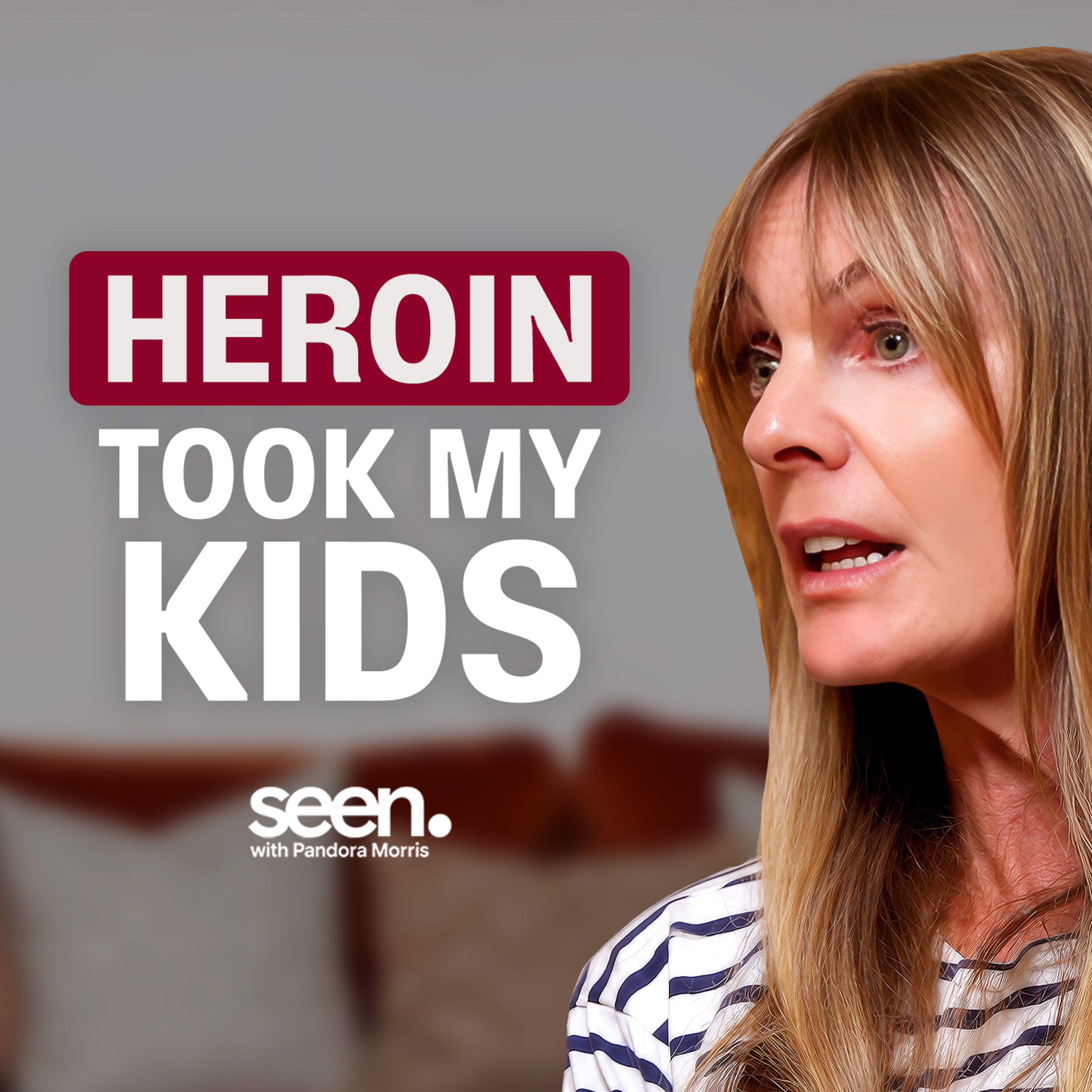
Why Can’t You Just Stop? A Former Heroin Addict’s Honest Answer | Sarah Hiscox

53 min

Why does addiction so often begin with the feeling that you’re never enough? And what does it take to stop when you’ve tried, and failed, every single day? On this episode of Seen, I’m joined by author Sarah Hiscox, whose memoir The Beginning and End of Everything tells the story of her bulimia, heroin addiction and recovery. I devoured it, and I identified with so much of what she wrote. Sarah takes me back to a childhood where she never felt enough, from telling classmates that Björn Borg was her dad to being given sleeping pills at eight. We talk about how bulimia began, why it carries so much shame, and how heroin replaced it almost overnight. She is honest about pregnancy, relapse, rehab that didn’t stick, being separated from her children, and the many rock bottoms that came before recovery finally took hold. Then we get to the part I needed to hear: the voice telling you you’re not good enough isn’t the truth, and you don’t have to lose everything before you ask for help. In thi

Discuss this episode

Seen with Pandora Morris

Why Understanding Your OCD Isn't Enough (3 Things That Actually Help) | Pandora Morris

9 min

Why doesn't understanding your OCD make it go away? On this episode of Seen, I'm on my own to talk about OCD and self-awareness, and why knowing exactly what you're doing doesn't stop you doing it. I've had years of treatment for my eating disorder and OCD, and I've interviewed many psychologists and therapists on this podcast. I'm not a therapist, but I've learned the hard way that understanding a problem is not the same as changing it. I share what happened when I went into inpatient treatment for anorexia in South Africa at 24 and my OCD was left untreated, the NHS OCD unit I signed up for that closed when COVID hit, and the point where I was exercising eight or nine hours a day, locked in what felt like an OCD jail, while people told me how much insight I had. Then I go through the three things that actually help. In this episode, you'll learn: - How to spot when insight has become a hiding place - What to ask a therapist, from which type of therapy they practise (CBT, EMDR, DBT, I

Discuss this episode

Seen with Pandora Morris

Everyday Dissociation vs DID: What’s the Difference? | Seen Session: Sally Maslansky

9 min

What’s the difference between everyday dissociation and DID, and can you heal from trauma without ever confronting the person who caused it? In this Seen Session, I’m joined again by therapist Sally Maslansky, author of A Brilliant Adaptation, for some quick true or false questions on dissociation, what helps us feel safe after trauma, and how to let go of coping mechanisms that no longer serve us, without hating the part of you that needed them. Sally also shares her favourite piece of parenting advice, and the words that remind her it’s never too late. Join the community: Never miss an episode of SEEN! Listen to the podcast anytime, anywhere. Spotify: https://open.spotify.com/show/1Ku2D90pNwBLM17HvLxlB1?si=fbcad6ff3bb24bfa Apple Podcasts:https://podcasts.apple.com/gb/podcast/seen-with-pandora-morris/id1649515453 Connect with Pandora Morris Website: https://www.seenwithpandoramorris.com/ Instagram: https://www.instagram.com/seenwithpandora/ ABOUT SEEN

Discuss this episode

Community Poll

People should be able to challenge automated decisions that affect their opportunities.

Share your view, then see how readers voted. No sign-in required. This poll is shared across stories.

Do you agree or disagree?

Choose one answer

Common Quandary

A Common Quandary to discuss

Another conversation to explore, separate from this news story.

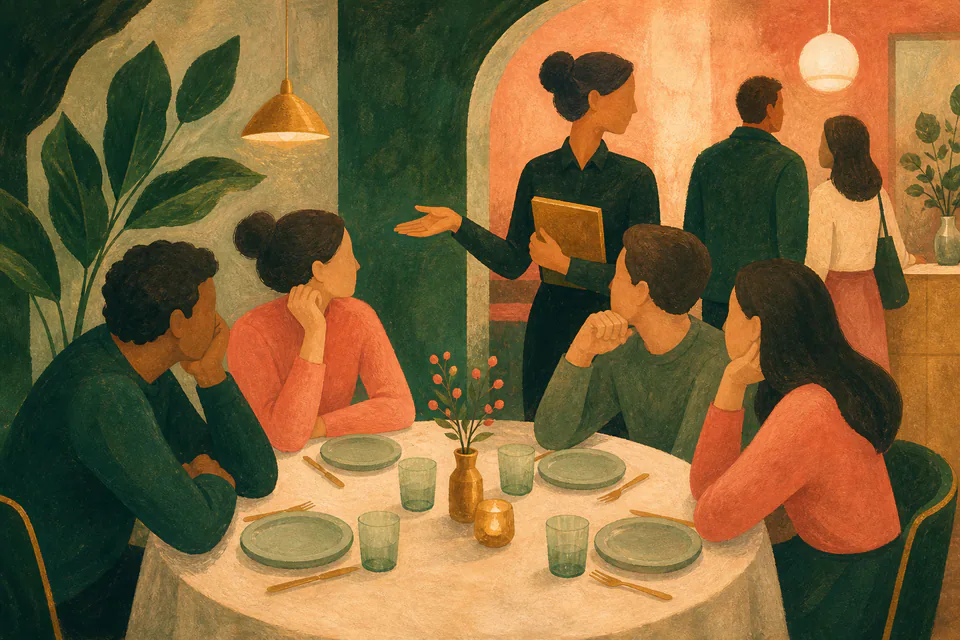
Your friend is forty minutes late. Can the restaurant give away their chair?

A busy restaurant seats your group only after everyone arrives. One friend is forty minutes late and keeps texting that they are almost there. A couple waiting nearby could use the empty place, and the server asks your group to order without them.

How long should one person's delay control everyone else's evening?

Explore this quandary