Your vaccine questions, answered with Kizzmekia Corbett and Kelwalin Dhanasarnsombut
20 min
Listen through the publisher, then discuss the episode here or arrange an in-person Roundtable. Your city determines where to meet.
Roundtables are designed for groups of four, with a shared subject and room for everyone to speak. Come for discussion, with no dating expectation.
Shoshana shares two talks that address where vaccines come from, how they work, and why some people have become mistrustful of these treatments. First up: immunologist Kizzmekia Corbett answers your questions about how vaccines are developed. Then, researcher Kelwalin Dhanasarnsombut breaks down the science behind vaccines. Talks featured Your vaccine questions deserve real answers | Kizzmekia Corbett How do vaccines work? | Kelwalin Dhanasarnsombut Hosted on Acast.
Episode information is provided by the publisher. Listening takes place on the publisher’s service.
Today, Mel is taking 58 years of hard-earned life lessons and is packing them into under an hour, to save you some of the time, frustration, and worry it took her to learn them the hard way. In this episode, Mel is fielding real questions from listeners around the world. From making friends and bouncing back from rejection to feeling stuck in life and wondering if it's all going to work out, Mel is sharing the advice she wishes she'd known sooner. And she's not holding back. You'll hear Mel get personal about her own setbacks, and what she's learned about starting over, going after what you want, and trusting yourself when life doesn't go according to plan. You'll learn: -How to stop worrying about the future when nothing feels certain -How to make big life decisions, including whether or not to have kids -How to make new friends as an adult -What to do when you get rejected from your dream job -What to do when a friend ghosts you -How to stop procrastinating and finally follow through
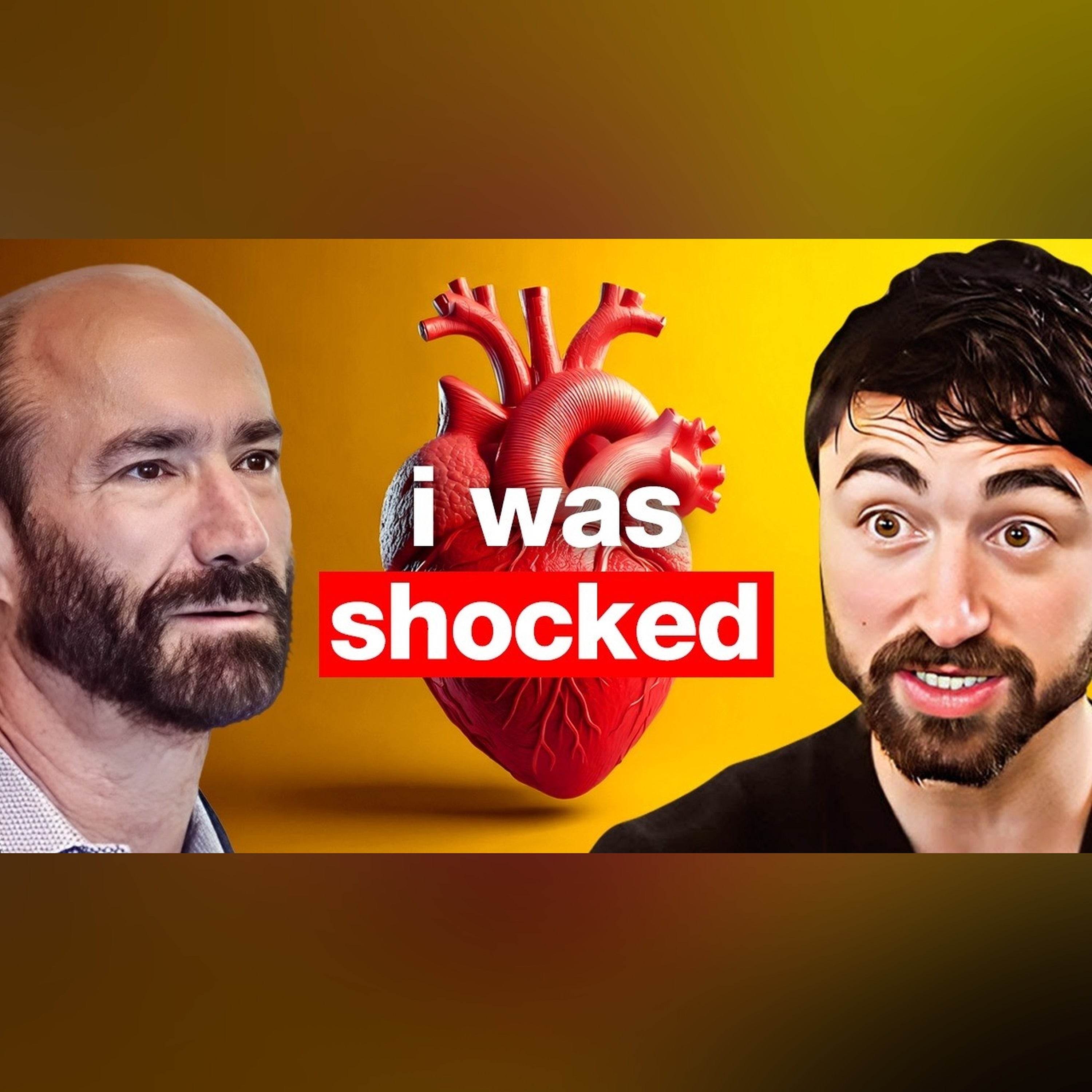
For written details on this paper, see the StayCurious Metabolism Newsletter: https://staycuriousmetabolism.substack.com/p/the-art-of-a-heartbeat-one-of-the?r=40ekz2 Snyder Interview 1: https://youtu.be/mCrc4gfbK2o Snyder Interview 2: https://youtu.be/kMpGkg4zMOU Snyder Interview 3: This one! Snyder Interview 4: Coming Soon… Leptin Resistance Letter: https://staycuriousmetabolism.substack.com/p/obesitys-secret-letters-the-hidden?r=40ekz2 Gift Guide: https://staycuriousmetabolism.substack.com/p/saint-dr-nicks-holiday-gift-guide?r=40ekz2 This conversation with Stanford’s Professor Michael Snyder breaks down one of the most important exercise studies ever published — a deep, molecular look at what really happens inside your body when you work out. We explore how thousands of molecules shift in real time, why inflammation during exercise is actually a good thing, how omega-3 signaling, mitochondrial remodeling, nitric oxide pathways, and metabolic flexibility all come together in a coordin
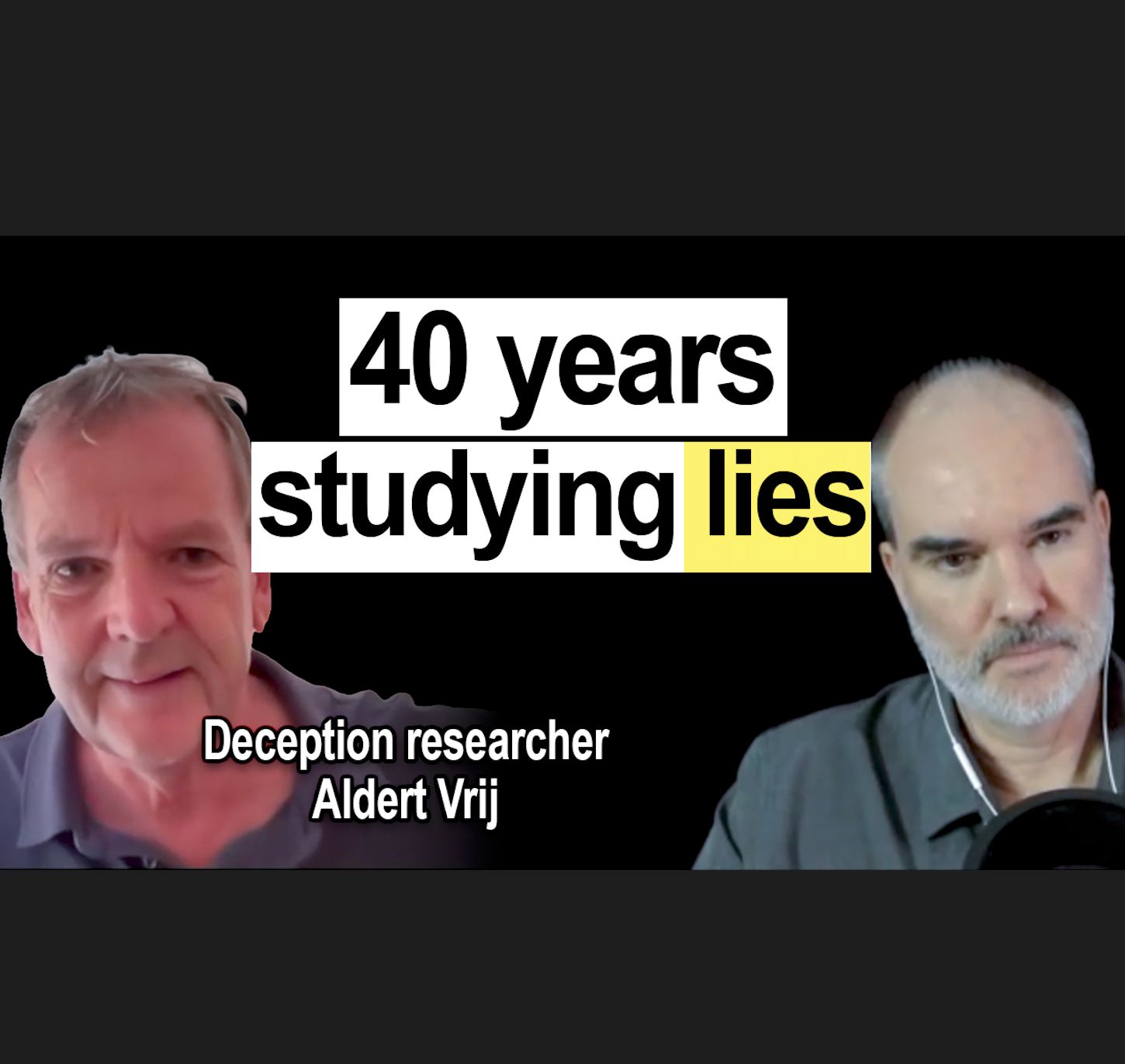
What actually works when it comes to detecting lies, and why are so many popular ideas about reading people and nonverbal behavior at odds with the scientific research? I talk with Aldert Vrij, one of the world's leading deception-detection researchers, who has spent almost four decades studying these topics. We discuss why what people say is far more revealing than their body language; why the perceived “sexiness” of reading nonverbal behavior has contributed to widespread myths and misconceptions; whether vocal behaviors like pitch, volume, and hesitation contain meaningful clues; and whether there's value in analyzing minor word choices and turns of phrase, as is done in so-called “statement analysis.” We discuss Paul Ekman's legacy as a source of faulty ideas about deception, micro-expression-based deception detection training, and the strategies that popular “body language experts” use to appear scientifically credible while simultaneously promoting ideas that conflict with the sc
A kiss can be wonderful. It can create an instant connection, spark romance, or make you feel closer to someone. But a kiss can also have the opposite effect — and sometimes ruin everything. So what makes kissing so powerful, and why can one kiss make such a difference? There's some fascinating science behind it. https://www.scientificamerican.com/article/why-we-kiss/ We spend an enormous amount of time worrying about what's going to change. What's next? What's coming? How do we prepare? But what if we're paying attention to the wrong things? Some of the most important forces shaping our lives never change, and understanding them may be far more valuable than trying to predict the future — something humans are notoriously bad at. Morgan Housel, partner at The Collaborative Fund and author of Same as Ever: A Guide to What Never Changes (https://amzn.to/3SwWn6u) (https://amzn.to/3SwWn6u)), joins me to explain why the things that stay the same may be the most important things to understan
If your partner is withdrawing, getting grumpier, feeling depressed or refusing to talk about what’s really going on, relationship expert Professor Denise Turner is here to help. She explains what’s going on with midlife men right now & how to help without sacrificing your own health and happiness. Denise tells Lorraine & Trish how to talk to a man who won’t - or can’t - express his emotions, the external & social factors that may be contributing to his behaviour & the red flags that indicate it’s time to get professional help. Plus the two questions to ask yourself when working out what to do if you feel your relationship is in trouble. Also in this episode: an update on Margo the elderly podcat & Lorraine discovers why she’s been tripping over so often (& it’s not to do with her big Crocs!) If you or a partner are struggling, please speak to your GP or contact Samaritans on 116 123 (free, 24/7). New episodes of Postcards from Midlife are released weekly. Join our Facebook Group to sh
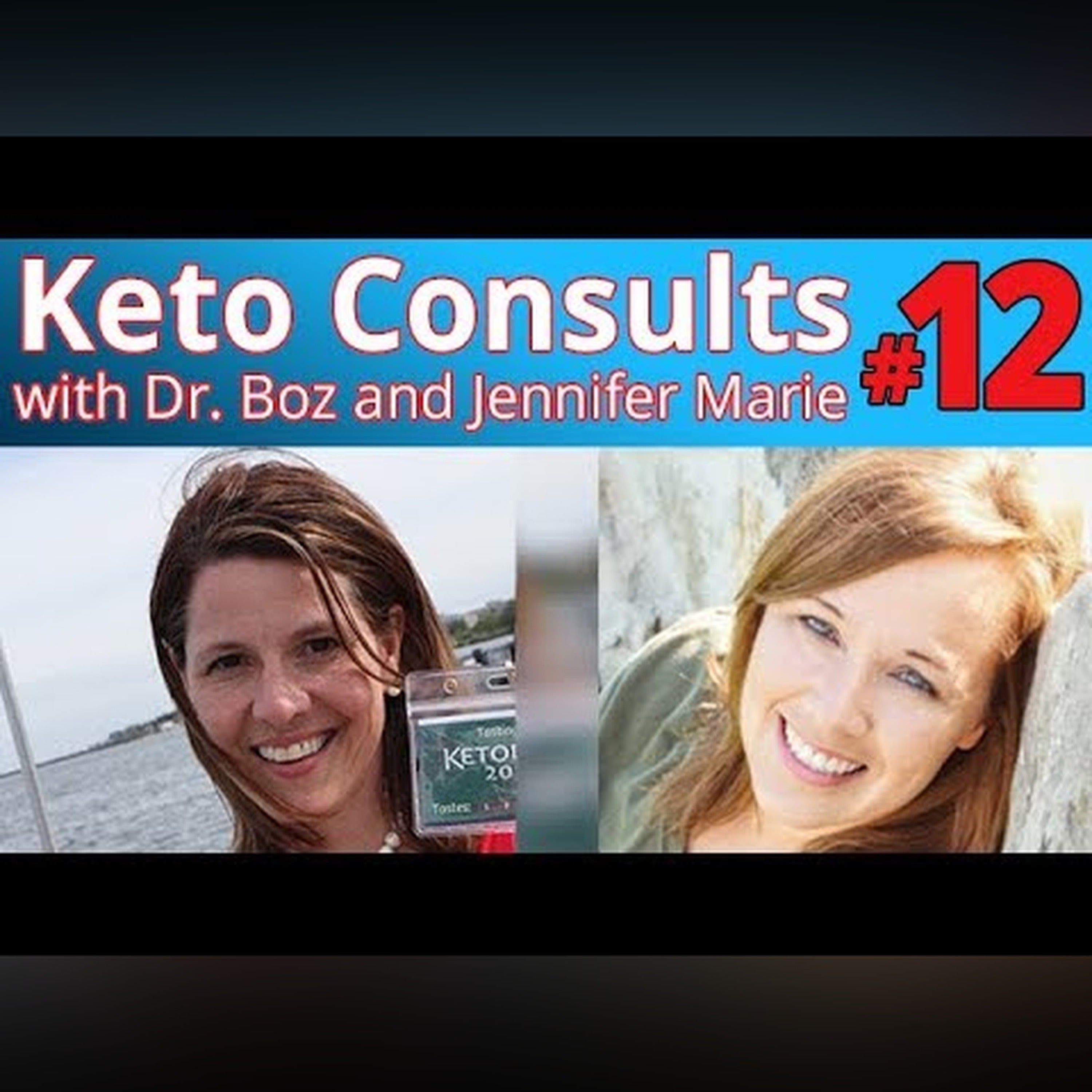
Keto Consult #12, This week Jennifer and I talk about my experience at the Metabolic Health Center 2019. I was able to hear some really interesting lectures about Keto for Cancer and Keto for Mental Health. The talk about Keto for Cancer and Keto for Mental Health has come such a long way in the past 2 years and continues to evolve. We also discuss the Effects of Marijuana on the Brain and Hyperbaric Oxygen Chambers and the benefits of Hyperbaric Oxygen Therapy. Finally we get an update from Jennifer and discuss her personal Keto Journey. Thanks for tuning into my channel. To learn more about Keto and Cancer, read my blog here: https://bozmd.com/m-d-anderson-on-the-keto-diet-and-cancer/ BOOK-LINK - ANYWAY YOU CAN. AUDIBLE: https://adbl.co/2SLLfS1 PAPERBACK= (Affilate link) https://amzn.to/2Cq1IVC The two most common questions I get ... 1) "Doc, what BLOOD METER do you recommend?" ANSWER: FORACARE: http://bit.ly/2QKGmKG For years my diabetics told me this system was great. I tried sever
The stress you may feel being otherized or stereotyped can take a significant toll on your health and well-being. In this thoughtful conversation, social psychologist Valerie Purdie-Greenaway reveals the true source of this anxiety (hint: it isn't the individual) and shares strategies on building resilient systems of support for ourselves and others -- so that we can build a more inclusive, empathic and just world. (This conversation, hosted by TED curator Cloe Shasha Brooks, is part of TED's "How to Deal with Difficult Feelings" series.) Hosted on Acast.
In crowds, at meetings, get-togethers with friends, everyday interactions: social anxiety can show up as an unwelcome guest at any time. But why? Psychologist Fallon Goodman digs into the source of social anxiety, setting the record straight about this common condition with practical solutions to help you feel the most authentically "you" while out and about. After the talk, mental health specialist Dr. Jessi Gold joins Shoshana in a sweeping conversation on social media’s impact on social anxiety and how we can best support ourselves and others. Hosted on Acast.
Countless poets and writers have tried to put words to the experience of a panic attack— a sensation so overwhelming, many people mistake it for a heart attack, stroke, or other life-threatening crisis. Studies suggest that almost a third of us will experience at least one panic attack in our lives. So what exactly is a panic attack, and can we prevent them? Cindy J. Aaronson investigates. [Directed by Aim Creative Studios, narrated by Bethany Cutmore-Scott, music by André Aires]. Hosted on Acast.
Companies should explain underlying business problems when reporting financial results.
Share your view, then see how readers voted. No sign-in required. This poll is shared across stories.
Do you agree or disagree?
Common Quandary
A Common Quandary to discuss
Another conversation to explore, separate from this news story.
You find a family secret after a relative dies. Does the truth come out?
Sorting through a deceased relative's papers, you discover evidence of a serious betrayal that would change how the family remembers them. Revealing it could answer old questions—and cause fresh pain.