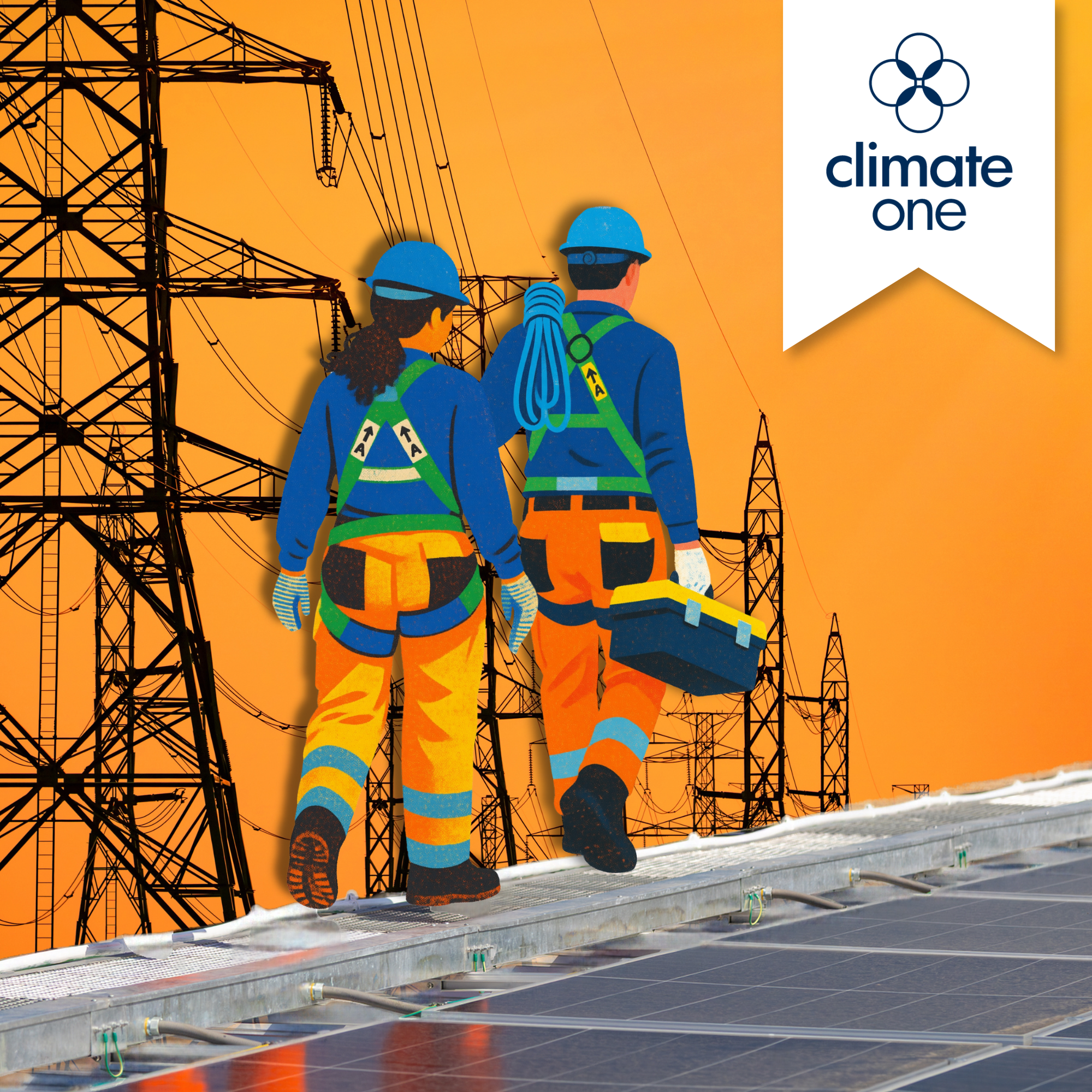
The Trump administration has spent much of the past two years pulling federal support from clean energy. It cut wind and solar tax credits, slowed permitting on public lands and canceled major transmission corridors. But not everything is on the chopping block. Geothermal leases are being auctioned across the West, federal agencies are approving and fast-tracking some transmission lines, and advanced nuclear and critical minerals projects have strong backing in Washington. So which clean energy projects still have federal support, and what does that say about where the energy transition is headed? Guests: Caroline Spears (https://www.climateone.org/people/caroline-spears), Executive Director, Climate Cabinet Jonathan Thompson (https://www.climateone.org/people/jonathan-thompson), Journalist and author; Editor, the Land Desk Jonathan Tan (https://www.climateone.org/people/jonathan-tan), CEO, Coreshell Technologies For show notes, transcripts, and related links, visit our episode page. (
World leaders are gathered in Antalya, Turkey, for COP 31, the annual UN climate conference, which takes place against the backdrop of a global energy crisis that’s accelerating the need to move away from fossil fuels. This year’s summit is billed as set on turning past promises into action, while pushing countries to swiftly electrify their economies. Yet one of the biggest questions remains unresolved: can countries agree on how to move away from fossil fuels? And are other processes, like the Fossil Fuel Treaty and Santa Marta conference, a different way forward? Guests: Nathaniel Stinnett, (https://www.climateone.org/people/nathaniel-stinnett) Founder & Executive Director, Environmental Voter Project Jennifer Morgan (https://www.climateone.org/people/jennifer-morgan), Senior Fellow, The Climate Policy Lab, Fletcher School, Tufts University Christiana Figueres (https://www.climateone.org/guests/by_authored_date?title=christian), Global Climate Leader; Co-Host, Outrage + Optimism Tze
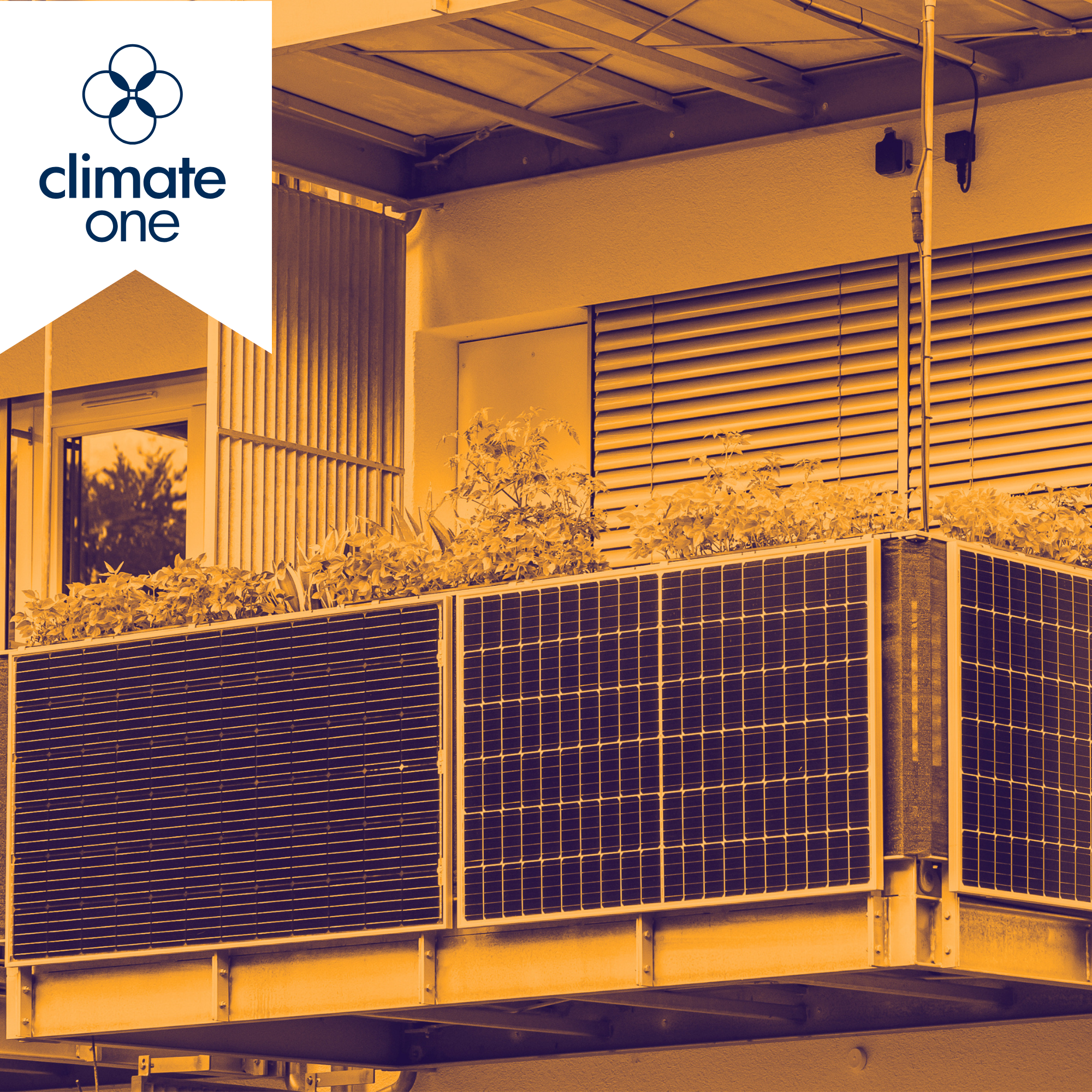
Common climate wisdom used to be that buying solar panels was one of the smartest long-term investments an individual could make – pay once up front for decades of carbon-free electricity. But it turns out layers of red tape make that process slower – and much more expensive – than it needs to be. And with federal rollback of longstanding tax credits and stiff competition from China, the U.S. solar industry is facing new headwinds. Still, the future could be bright: More states are looking at allowing plug-in or balcony solar. Energy affordability nonprofits like Permit Power are helping state governments reduce red tape and costs for home solar. And solar developers see new potential in the millions of acres of commercial rooftops. Plus, researchers continue to work on new ways to maximize the power a solar cell can produce. This week we take a look at what the next era of solar power might look like. Guests: Bernadette del Chiaro (https://www.climateone.org/people/bernadette-del-chia