COP31: Enough with the Blah Blah Blah
Listen through the publisher, then discuss the episode here or arrange an in-person Roundtable. Your city determines where to meet.
Roundtables are designed for groups of four, with a shared subject and room for everyone to speak. Come for discussion, with no dating expectation.
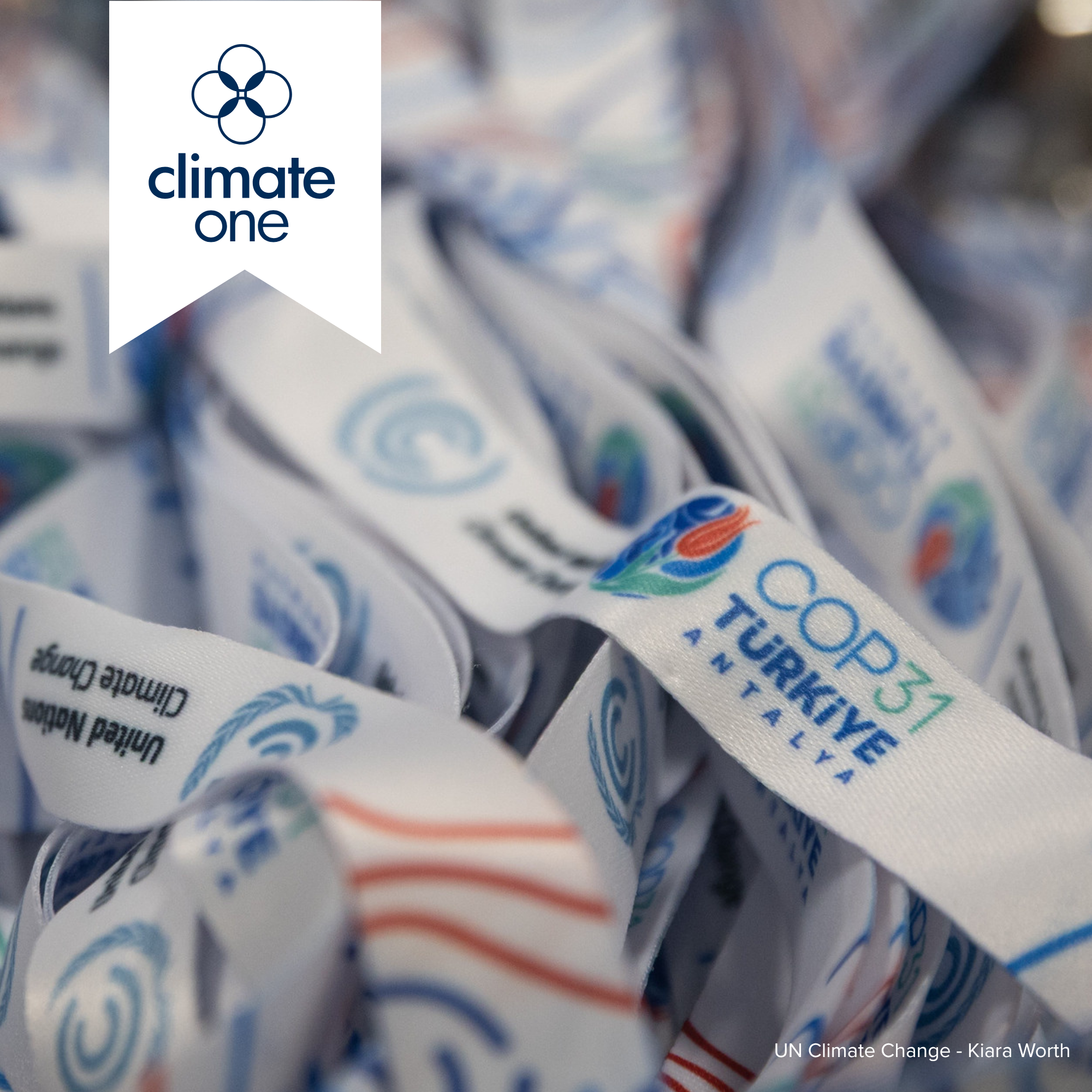
World leaders are gathered in Antalya, Turkey, for COP 31, the annual UN climate conference, which takes place against the backdrop of a global energy crisis that’s accelerating the need to move away from fossil fuels. This year’s summit is billed as set on turning past promises into action, while pushing countries to swiftly electrify their economies. Yet one of the biggest questions remains unresolved: can countries agree on how to move away from fossil fuels? And are other processes, like the Fossil Fuel Treaty and Santa Marta conference, a different way forward? Guests: Nathaniel Stinnett, (https://www.climateone.org/people/nathaniel-stinnett) Founder & Executive Director, Environmental Voter Project Jennifer Morgan (https://www.climateone.org/people/jennifer-morgan), Senior Fellow, The Climate Policy Lab, Fletcher School, Tufts University Christiana Figueres (https://www.climateone.org/guests/by_authored_date?title=christian), Global Climate Leader; Co-Host, Outrage + Optimism Tzeporah Berman (https://www.climateone.org/people/tzeporah-berman), Founder & Chair, Fossil Fuel Non-Proliferation Treaty For show notes and related links, visit ClimateOne.org (https://www.climateone.org/audio/cop31-enough-blah-blah-blah). *** 00:00 Introduction 01:32 Nathaniel Stinnett on how climate fared in the midterm elections 02:58 Nathaniel Stinnett on climate voter turnout 05:07 Nathaniel Stinnett on how climate-minded politicians should move forward 09:39 Jennifer Morgan on what this year’s COP is meant to accomplish 13:52 Jennifer Morgan on what it means to make climate part of foreign policy 22:29 Jennifer Morgan on the role of civil society in negotiations 26:30 Christiana Figueres on the intended purpose of the COP 36:36 Christiana Figueres on how the courts contribute to climate progress 40:15 Christiana Figueres on “stubborn optimism” 45:25 Tzeporah Berman on how the Santa Marta conference came to be 47:27 Tzeporah Berman on how Santa Marta is distinct from the COP process 55:29 Tzeporah Berman on unexpected countries leading on the clean energy transition Climate One will present the 2026 Stephen H. Tickets are available athttps://climateone.org/events.climateone.org/events (http://climateone.org/events). (https://climateone.org/events.) The survey closes Nov. 30. Join Climate One on February 23rd at 6 pm for an evening with Amory Lovins on Disruptive Energy Futures. For five decades, Lovins has led energy research, strategy, and public discourse. He has received MacArthur and Ashoka Fellowships, 12 honorary doctorates, and too many other honors and prizes to mention here. Tickets are available athttps://climateone.org/events.climateone.org/events (http://climateone.org/events). (https://climateone.org/events.) Support Climate One by going ad-free! Sign up today. Ad sales by Multitude. Contact them for ad inquiries at multitude.productions/ads.
Episode information is provided by the publisher. Listening takes place on the publisher’s service.
Listen at the source ↗