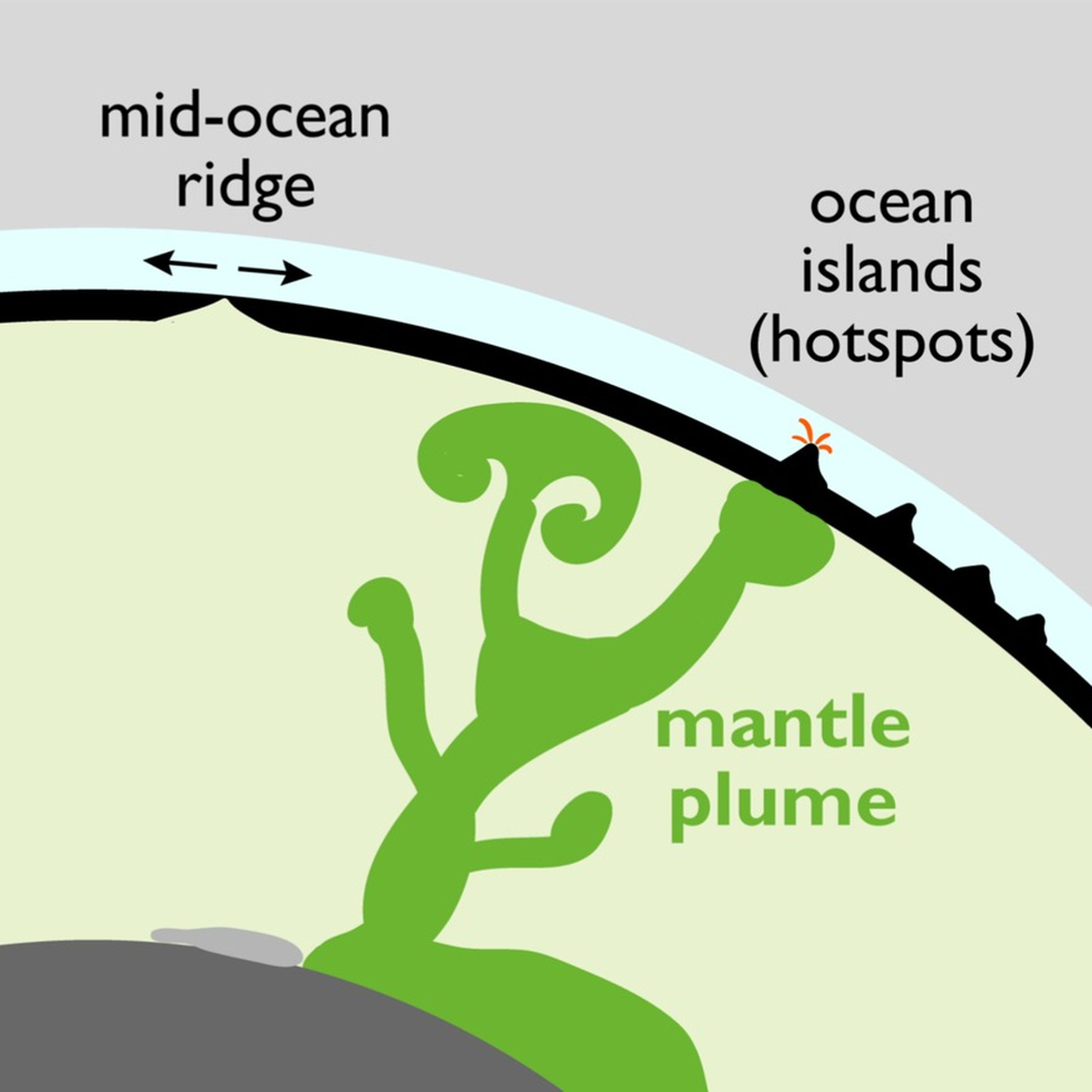
Which parts of Earth's mantle held water from the start, and how has that changed? Rita Parai explains how noble gases, which travel with water, help answer this. Her modeling shows that the deep mantle feeding plumes such as Hawaii and Iceland started out much drier than the shallow mantle beneath mid-ocean ridges, which may be why it has resisted mixing for four and a half billion years. Today the plume source is the wetter of the two, so most of its water must have come from the surface. Parai is Associate Professor of Earth, Environmental, and Planetary Sciences at Washington University in St. Louis. For figures, photos and a transcript, go to geologybites.com/rita-parai.
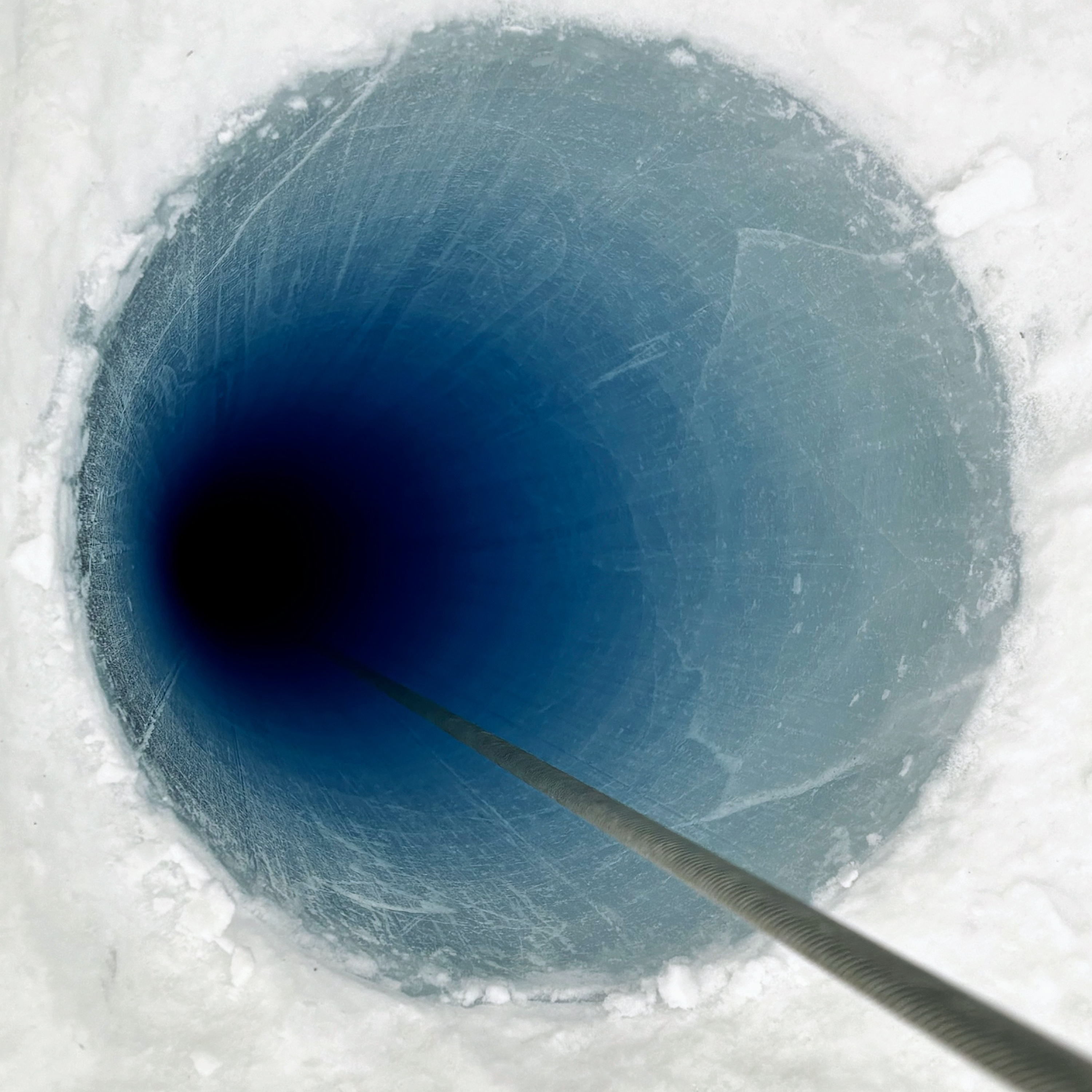
Tiny bubbles of air trapped in Antarctic ice are samples of the ancient atmosphere itself, one of the few direct records of how greenhouse gases and climate have changed together. Until recently, the oldest ice known was 2.7 million years old. Now researchers in the Allan Hills, where ice from the interior stalls against the mountains and fierce winds strip away its surface, have found ice about 6 million years old. Ed Brook explains how such old ice survives, how it can be dated with no layers to count, and how noble gases in its bubbles take the temperature of the entire ocean. And he describes a puzzle: over three million years in which the ocean cooled and the ice ages deepened, carbon dioxide fell only modestly. What does that say about how sensitive the climate is to greenhouse gases? Brook directs COLDEX, the US center set up to find and study the oldest ice, and is University Distinguished Professor of Earth, Ocean, and Atmospheric Sciences at Oregon State University.For photos