English-language podcasts

Geology Bites: An Earth and Planetary Science Podcast

Ed Brook on the Oldest Antarctic Ice
29 min

Listen through the publisher, then discuss the episode here or arrange an in-person Roundtable. Your city determines where to meet.

Roundtables are designed for groups of four, with a shared subject and room for everyone to speak. Come for discussion, with no dating expectation.

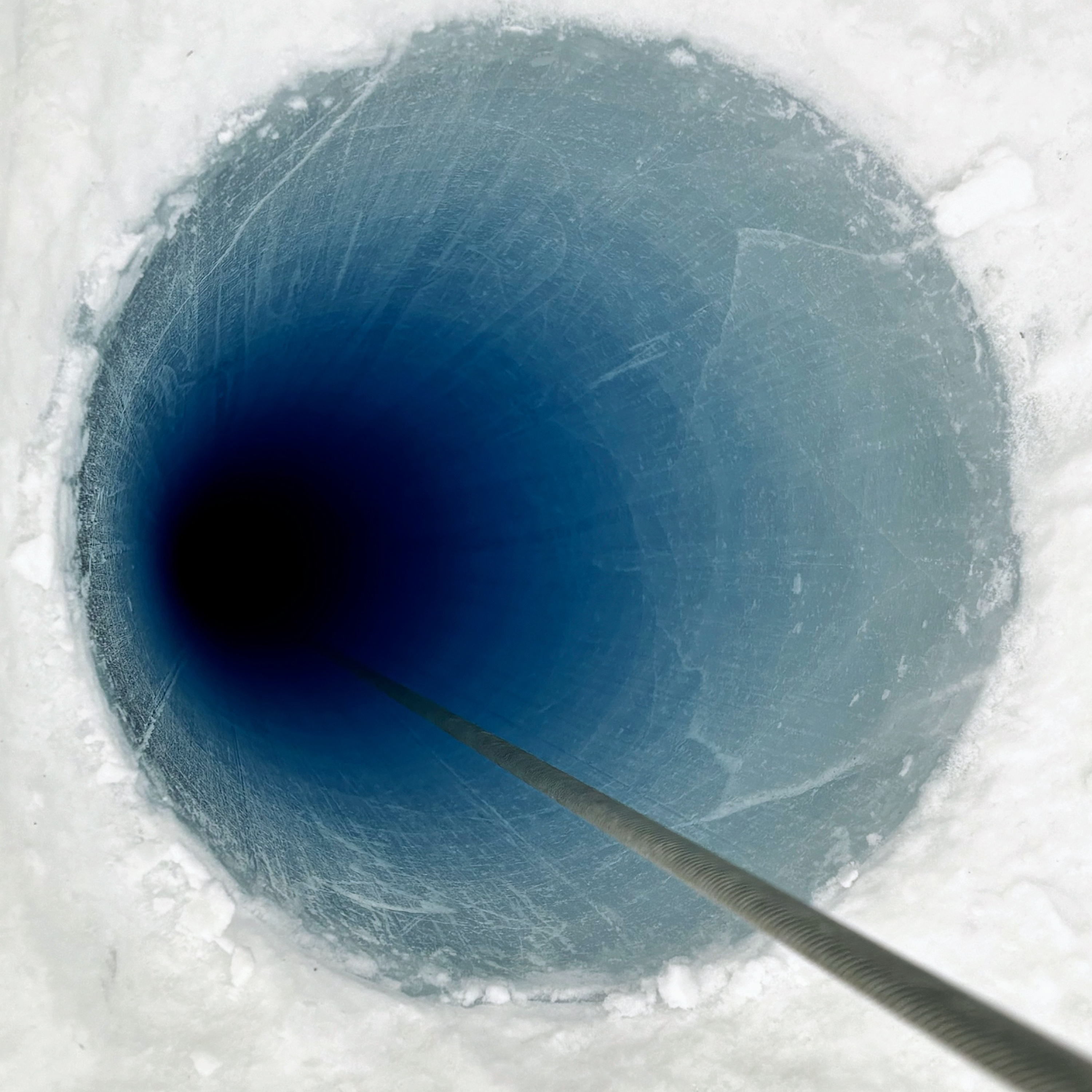
Tiny bubbles of air trapped in Antarctic ice are samples of the ancient atmosphere itself, one of the few direct records of how greenhouse gases and climate have changed together. Until recently, the oldest ice known was 2.7 million years old. Now researchers in the Allan Hills, where ice from the interior stalls against the mountains and fierce winds strip away its surface, have found ice about 6 million years old. Ed Brook explains how such old ice survives, how it can be dated with no layers to count, and how noble gases in its bubbles take the temperature of the entire ocean. And he describes a puzzle: over three million years in which the ocean cooled and the ice ages deepened, carbon dioxide fell only modestly. What does that say about how sensitive the climate is to greenhouse gases? Brook directs COLDEX, the US center set up to find and study the oldest ice, and is University Distinguished Professor of Earth, Ocean, and Atmospheric Sciences at Oregon State University.For photos and figures illustrating this episode, visit geologybites.com.

Episode information is provided by the publisher. Listening takes place on the publisher’s service.

Listen at the source ↗

Featured places to meet in Palo Alto, CA

Explore these places and arrange a conversation through ThinkMatch.

City guide for Palo Alto, CA

More from Geology Bites: An Earth and Planetary Science Podcast

Geology Bites: An Earth and Planetary Science Podcast

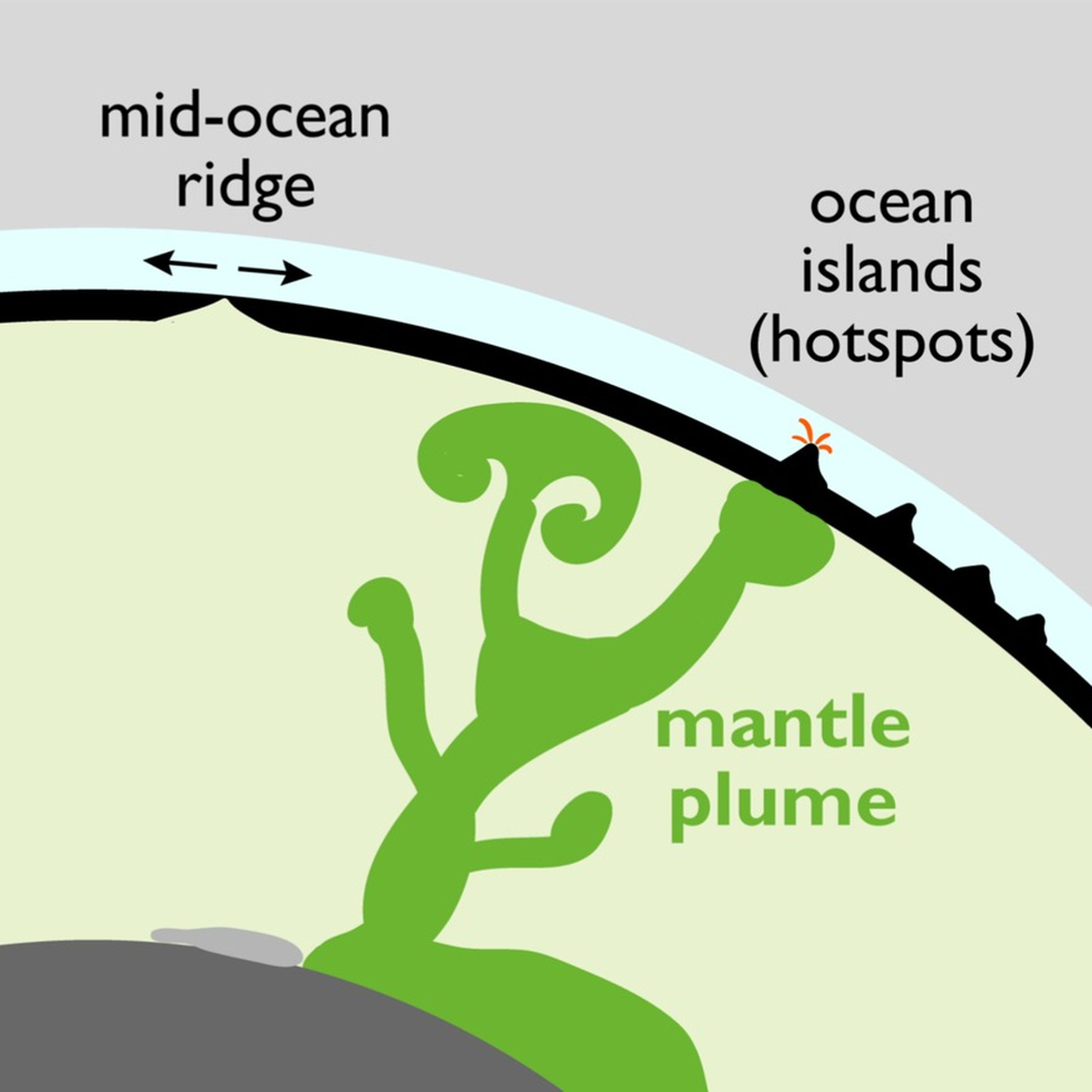
Water in the Mantle with Rita Parai

30 min

Which parts of Earth's mantle held water from the start, and how has that changed? Rita Parai explains how noble gases, which travel with water, help answer this. Her modeling shows that the deep mantle feeding plumes such as Hawaii and Iceland started out much drier than the shallow mantle beneath mid-ocean ridges, which may be why it has resisted mixing for four and a half billion years. Today the plume source is the wetter of the two, so most of its water must have come from the surface. Parai is Associate Professor of Earth, Environmental, and Planetary Sciences at Washington University in St. Louis. For figures, photos and a transcript, go to geologybites.com/rita-parai.

Discuss this episode

Community Poll

Employees should usually have a say in whether their work requires office attendance.

Share your view, then see how readers voted. No sign-in required. This poll is shared across stories.

Do you agree or disagree?

Choose one answer

Common Quandary

A Common Quandary to discuss

Another conversation to explore, separate from this news story.

Someone you love asks, “Do you think I’ll be okay?” What if you do not?

A relative with a poor prognosis asks whether you think they will recover. They seem to need reassurance, but you believe the odds are very low and do not want to spend the remaining time pretending.

Can preserving hope justify saying more than you believe?

Explore this quandary