Thanks to Preply for sponsoring this English lesson! Do you find it easy to understand me when I speak English, but have trouble understanding other native English speakers? This is something that many of you have mentioned to me over the years, so in this English lesson, I'll explain 11 reasons why this might be happening and give you some tips to help you improve your English listening skills. In this lesson, I'll talk about clear pronunciation, good audio quality, the challenges of listening to conversations, familiarity with someone's voice, the importance of pauses and repetition, and several other reasons why you might find my English lessons easier to understand. I'll also give you some practical suggestions to challenge yourself as an English learner. These include watching videos at a faster speed, listening to podcasts with multiple guests, watching reality TV, listening to English without looking at the screen, and finding someone to have English conversations with. As much
Do you believe in good luck and bad luck? Have you ever knocked on wood, crossed your fingers, or worried about Friday the 13th? In this English lesson, I'll help you learn words and phrases about superstitions! We'll talk about common superstitions in Canada and other English-speaking countries, including black cats, breaking mirrors, walking under ladders, four-leaf clovers, lucky numbers, and much more! You'll also learn useful English expressions like: break a leg, beginner's luck, bad things come in threes, and knock on wood. Along the way, I'll explain what these superstitions mean, why some people believe in them, and how to use the vocabulary in everyday English conversations. This lesson is also a fun way to learn a little about Canadian culture and the traditions and beliefs that are common in North America. So, whether you're superstitious or not, I hope you'll enjoy this English lesson. Maybe it will even bring you some good luck! Thanks for watching this English lesson abo
Welcome to this English lesson! Today I'm doing something a little different. Instead of teaching you new English words and phrases, I'm going to ask you three questions about your English learning. Here are the three questions: What tips or tricks do you use to learn English? What is the hardest thing you've ever had to do while learning English? What do you do to stay motivated to learn English? As someone who is learning French, I know that learning another language isn't always easy! I'd love to hear about your experiences, challenges, and successes. I hope you'll answer one, two, or all three questions in the comments below so we can all learn from each other! Thanks for watching! Have a great day!
In this English lesson, you'll learn about typical Canadian Halloween candy! Join me as I talk about some of the most popular candies and chocolate bars that kids receive when they go trick-or-treating in Canada. We'll look at treats like Smarties, Kit Kat, Coffee Crisp, Reese's Peanut Butter Cups, Skittles, Rockets, and many more! I'll explain what each candy is, what it tastes like, and whether or not I like it. You'll also learn some useful English words to describe candy, including chewy, crunchy, sour, sweet, sticky, and chocolate-covered. You'll even discover a few interesting differences between Canadian and American candy! I hope you enjoy this fun English vocabulary lesson, and I hope it helps you learn a few new English words and phrases while discovering a little bit more about Canadian culture. Have a great day, and thanks for watching!
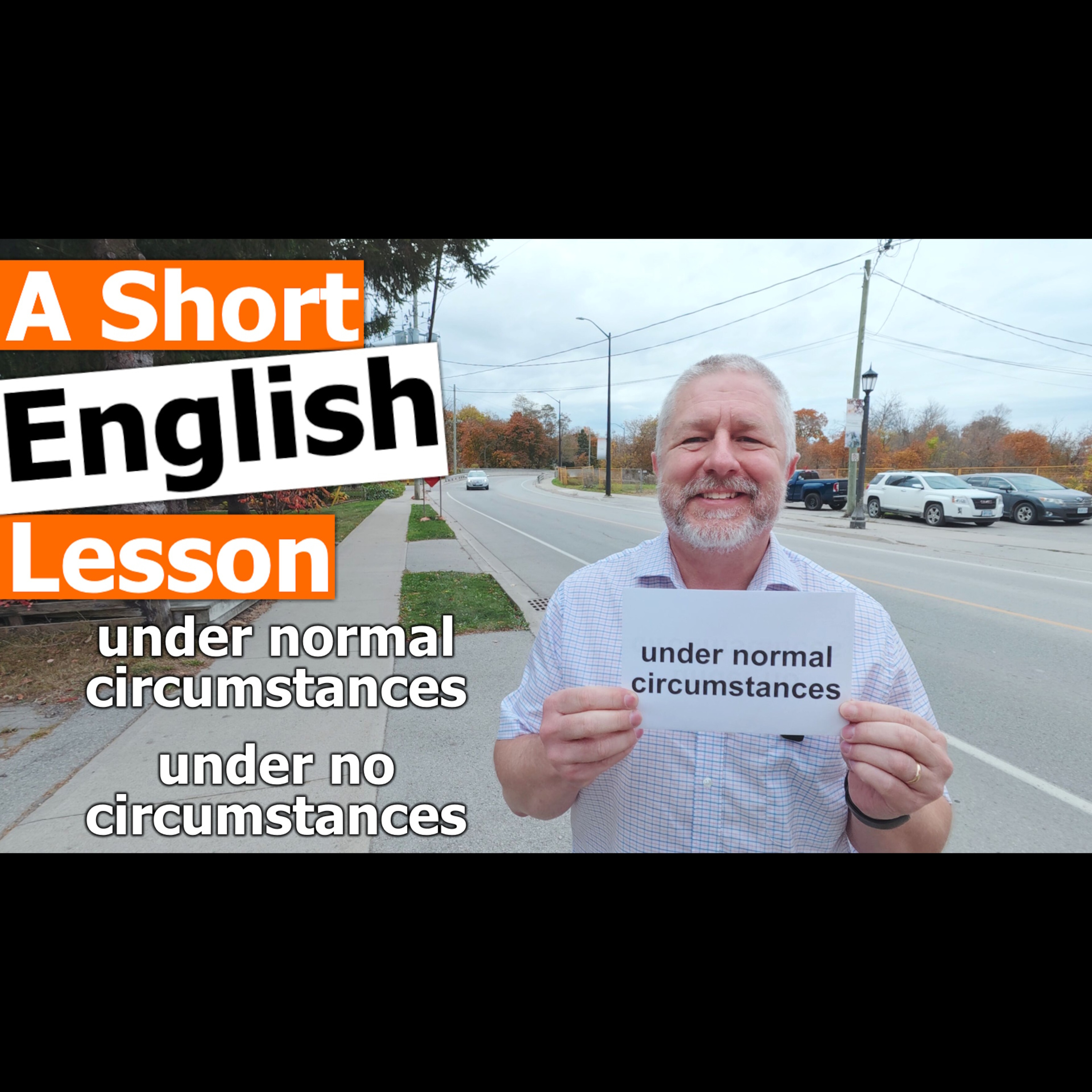
In this English lesson, I wanted to help you learn the English phrase "under normal circumstances." It's a pretty big word. We would call this a mouth a mouthful. Under normal circumstances. This simply means when things are normal, or when things are the way they normally are on that day. So here's a great example sentence: "Under normal circumstances, I'd be wearing a jacket today." In fact, under normal circumstances, on November 3rd. I would probably be wearing a winter coat. So under normal circumstances, the weather is much, much colder. I don't know what's happening here in Ontario, Canada. It has been super warm lately, and it just seems to keep on going. I'm appreciating it, but at the same time, I'm hoping that we don't have a sudden freeze. Like I hope we don't go from 20 degrees Celsius down to like minus 5 degrees Celsius within a day or two, but. Under normal circumstances, I would be wearing a jacket, maybe a winter coat, maybe even gloves. And then the other phrase I wa
In this English lesson, I'll talk about seven mistakes you might be making when using subtitles to learn English, and I'll give you some tips on how to use them effectively. Subtitles can be a great tool for English learners, but if you use them all the time, you might be improving your reading skills more than your listening skills. In this lesson, I'll explain why I think you should avoid mixing English audio with subtitles in your own language, why you shouldn't always have subtitles turned on, and why understanding written English isn't the same as understanding spoken English. I'll also talk about the importance of watching videos more than once, pausing and rewinding to learn new words and phrases, and using subtitles and transcripts for more than just reading along. Finally, I'll explain why spoken English sometimes sounds quite different from the words you see on the screen. At the end of the lesson, I'll share a simple technique you can use to practice listening to English wit