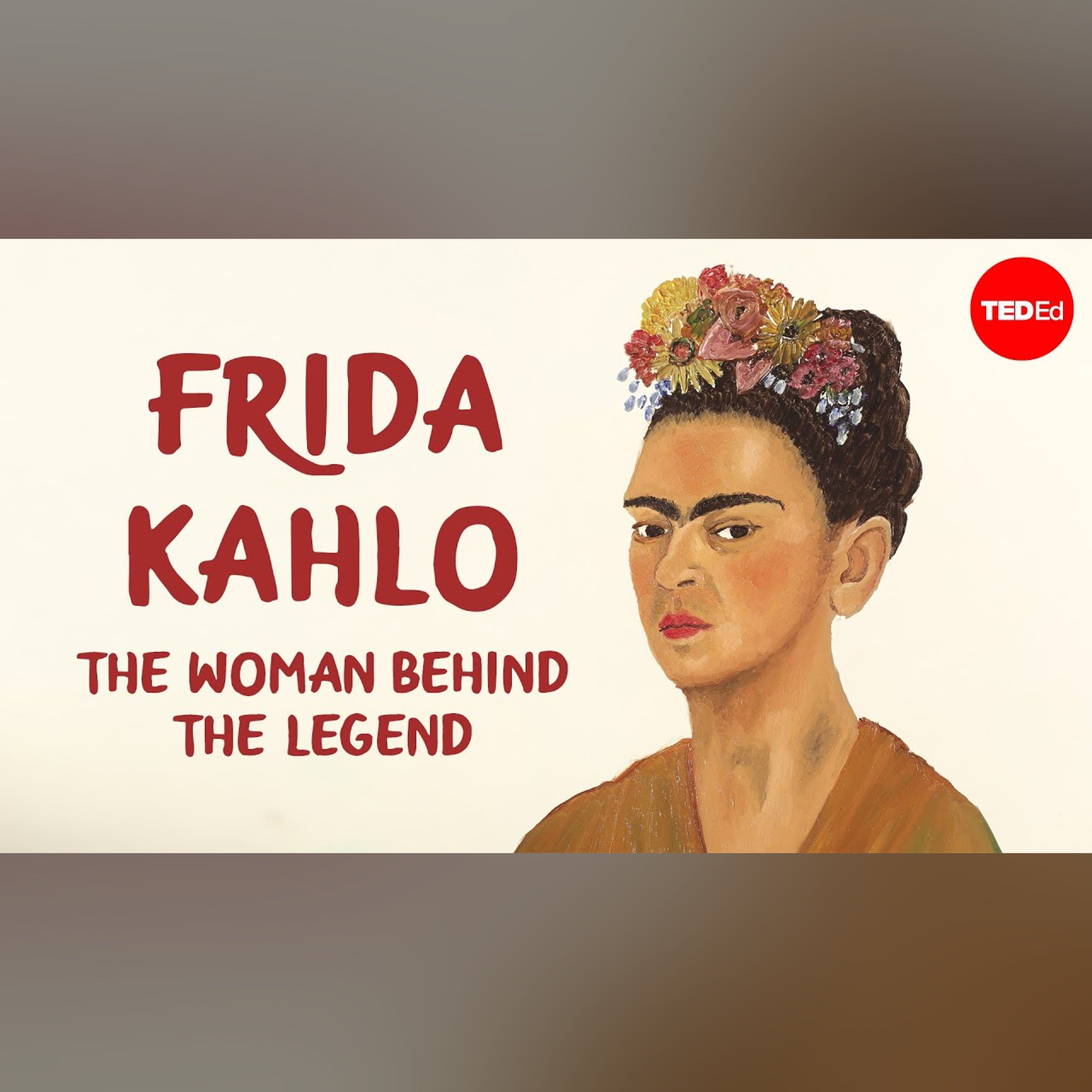
Learn about the life and art of Mexican surrealist painter Frida Kahlo, who explored disability, relationships and Mexican culture in her work. Uploaded 28-03-19 -- In 1925, Frida Kahlo was on her way home from school in Mexico City when the bus she was riding collided with a streetcar. She suffered near-fatal injuries and her disability became a major theme in her paintings. Over the course of her life, she would establish herself as the creator and muse behind extraordinary pieces of art. Iseult Gillespie dives into the life and work of Frida Kahlo. Lesson by Iseult Gillespie, directed by Ivana Bošnjak and Thomas Johnson. Sign up for our newsletter: http://bit.ly/TEDEdNewsletter Support us on Patreon: http://bit.ly/TEDEdPatreon Find us on Twitter: http://bit.ly/TEDEdTwitter Peep us on Instagram: http://bit.ly/TEDEdInstagram View full lesson: https://ed.ted.com/lessons/frida-kahlo-the-woman-behind-the-legend-iseult-gillespie Thank you so much to our patrons for your support! Without y
Sign up for our newsletter and never miss an animation: http://bit.ly/TEDEdNewsletter In the first of a new TED-Ed series designed to catalyze curiosity, TED Curator Chris Anderson shares his boyhood obsession with quirky questions that seem to have no answers. (Introducing the series "Questions no one knows the answers to") "Questions No One Knows the Answers to" was animated by Andrew Park (http://www.cognitivemedia.co.uk) (http://www.cognitivemedia.co.uk)/)
Explore how two main types of emergency contraception work to prevent pregnancy by disrupting or delaying ovulation. -- In a 2021 study, researchers asked over 500 participants to explain how the morning-after pill worked. Despite these pills’ widespread use, 60% answered incorrectly. Emergency contraceptives are often misunderstood— even the phrase “the morning-after pill” is a misnomer. So, how do they work? Alison Edelman explores how two main types of emergency contraception disrupt or delay ovulation. Lesson by Alison Edelman, directed by Magali García. Support Our Non-Profit Mission ---------------------------------------------- Support us on Patreon: http://bit.ly/TEDEdPatreon Check out our merch: http://bit.ly/TEDEDShop ---------------------------------------------- Connect With Us ---------------------------------------------- Sign up for our newsletter: http://bit.ly/TEDEdNewsletter Find us on Twitter: http://bit.ly/TEDEdTwitter Peep us on Instagram: http://bit.ly/TEDEdInstag
View full lesson: http://ed.ted.com/lessons/carl-honore-praises-slowness Uploaded 26-07-13 Journalist Carl Honoré believes the Western world's emphasis on speed erodes health, productivity and quality of life. But there's a backlash brewing, as everyday people start putting the brakes on their all-too-modern lives. Honoré is best known for his advocacy of the Slow Movement. His book "In Praise of Slowness" dissects our speed-obsessed society and celebrates those who have gotten in touch with their "inner tortoise." Talk by Carl Honore.
View full lesson: http://ed.ted.com/lessons/what-is-leukemia-danilo-allegra-and-dania-puggioni Uploaded 30-04-15 Stem cells found in the bone marrow are crucial for our health because they are needed to become new blood cells that sustain and protect our bodies. But when the transformation goes wrong, harmful mutations can cause the cells to start replicating without control -- a type of cancer known as leukemia. Danilo Allegra and Dania Puggioni explain how this happens and how certain treatments provide hope for those suffering from the disease. Lesson by Danilo Allegra and Dania Puggioni, animation by Zedem Media.
Calling them "our bodies' own repair kits," Susan Solomon advocates research using lab-grown stem cells. By growing individual pluripotent stem cell lines, her team creates testbeds that could accelerate research into curing diseases -- and perhaps lead to individualized treatment, targeted not just to a particular disease but a particular person. Talk by Susan Solomon.
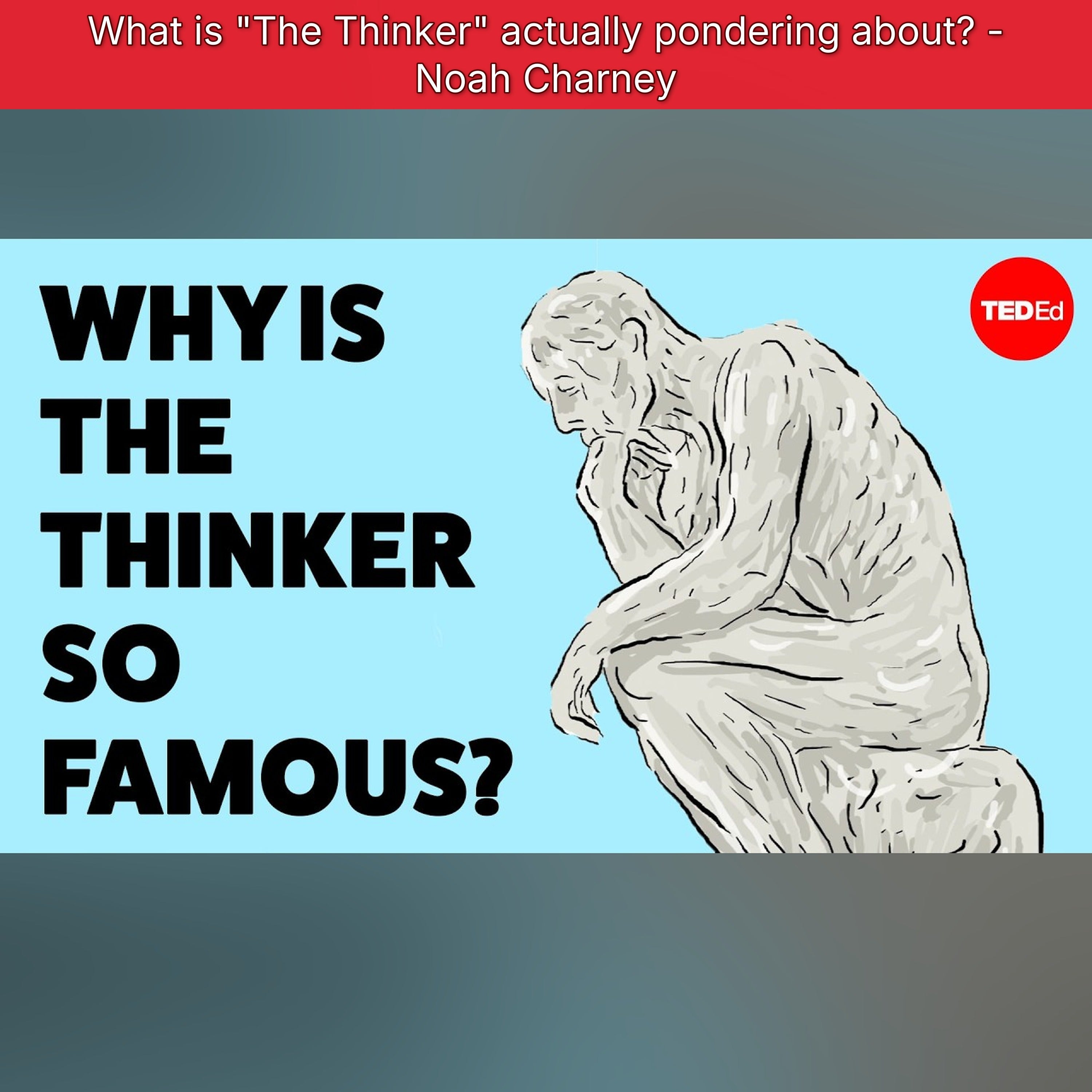
Get to know Auguste Rodin’s infamous sculpture “The Thinker,” and find out who was the inspiration for this masterpiece. -- Contrary to popular belief, "The Thinker" sculpture isn’t just a universal symbol of eternal contemplation. French sculptor Auguste Rodin intended it to represent a specific person— and fit into a much larger piece featuring the fiery pits of Hell. So, who was "The Thinker," and what was he actually thinking? Noah Charney digs into the secrets of this infamous work of art. Lesson by Noah Charney, directed by Avi Ofer. Support Our Non-Profit Mission ---------------------------------------------- Support us on Patreon: http://bit.ly/TEDEdPatreon Check out our merch: http://bit.ly/TEDEDShop ---------------------------------------------- Connect With Us ---------------------------------------------- Sign up for our newsletter: http://bit.ly/TEDEdNewsletter Find us on Twitter: http://bit.ly/TEDEdTwitter Peep us on Instagram: http://bit.ly/TEDEdInstagram ---------------
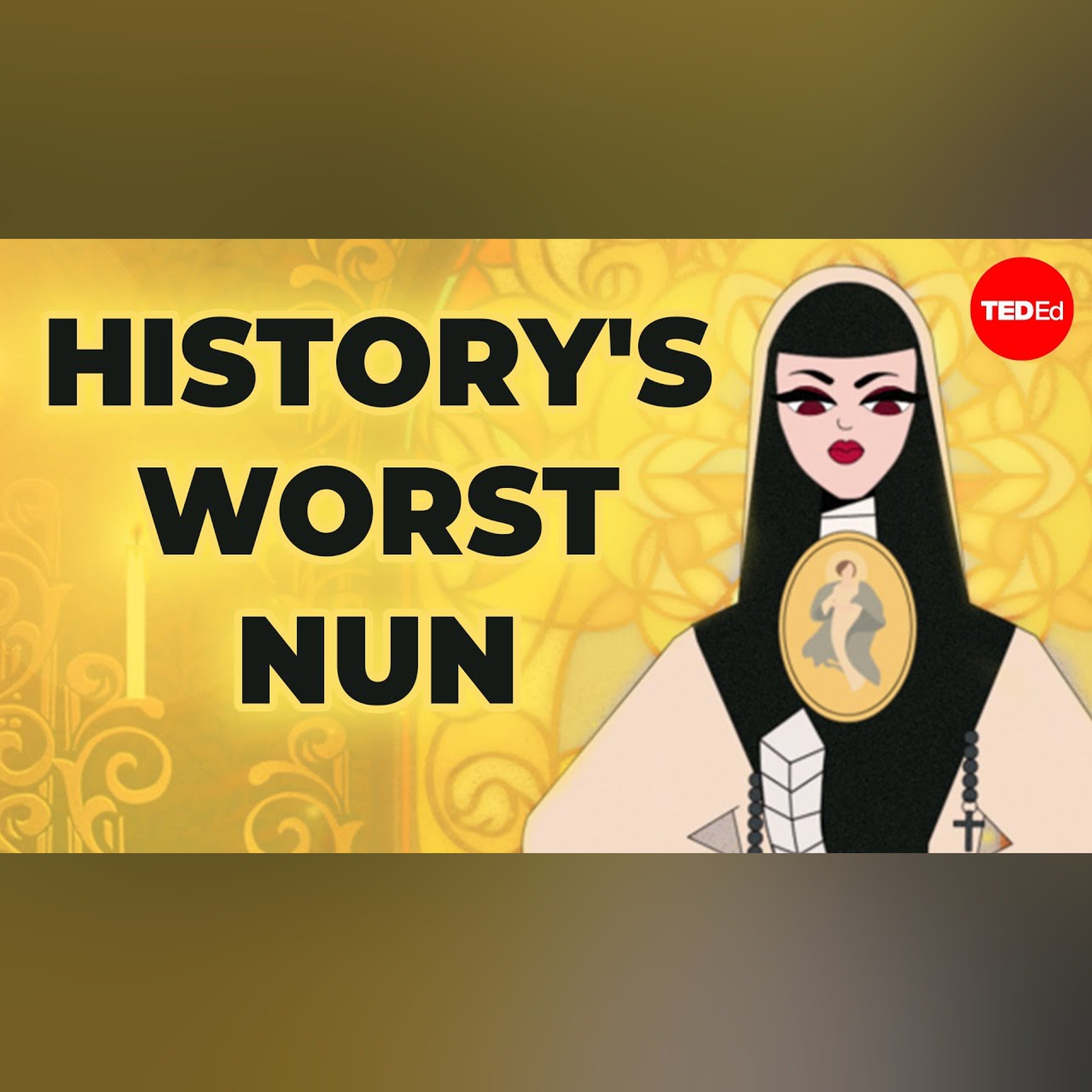
Get to know the life of Mexican nun, poet and scholar, Sor Juana Inés de la Cruz, who was censored by the Church for her critical writings. Uploaded 21-11-19 -- Juana Ramírez de Asbaje sat before a panel of prestigious theologians, jurists, and mathematicians. They had been invited to test Juana’s knowledge with the most difficult questions they could muster. But she successfully answered every challenge, from complicated equations to philosophical queries. Who was this impressive woman? Theresa Yugar details the life of the Mexican poet and scholar. Lesson by Theresa Yugar, directed by Wow-How Studio. Animator's website: https://www.wow-how.com (https://www.wow-how.com/) Sign up for our newsletter: http://bit.ly/TEDEdNewsletter Support us on Patreon: http://bit.ly/TEDEdPatreon Find us on Twitter: http://bit.ly/TEDEdTwitter Peep us on Instagram: http://bit.ly/TEDEdInstagram View full lesson: https://ed.ted.com/lessons/history-s-worst-nun-theresa-a-yugar Thank you so much to our patrons
View full lesson: http://ed.ted.com/lessons/let-s-talk-about-dying-peter-saul We can't control if we'll die, but we can "occupy death," in the words of Dr. Peter Saul. He calls on us to make clear our preferences for end of life care -- and suggests two questions for starting the conversation. (Filmed at TEDxNewy.) Talk by Peter Saul.
Uploaded 10-04-18 View full lesson: https://ed.ted.com/lessons/the-cambodian-myth-of-lightning-thunder-and-rain-prumsodum-ok "Moni Mekhala Ream Eyso" is the most sacred dance drama in Cambodia. It is performed every year in the buong suong ceremony, and explains the origins of lightning, thunder and rain according to the Khmer people. Prumsodun Ok tells this empowering tale that still enlightens our world today. Lesson by Prumsodun Ok, animation by Silvia Prietov. Thank you so much to our patrons for your support! Without you this video would not be possible! Michelle Stevens-Stanford, Phyllis Dubrow, Eunsun Kim, Philippe Spoden, Samantha Chow, Armando Ello, Ayala Ron, Manognya Chakrapani, Simon Holst Ravn, Doreen Reynolds-Consolati, Rakshit Kothari, Melissa Sorrells, Antony Lee, Husain Mohammad, Côme Vincent, Astia Rizki Safitri, alessandra tasso, Gerald Onyango, Katrina Harding, Ezgi Yersu, Katie Dean, Kin Lon Ma, Carsten Tobehn, Boris Langvand, Jeremy Fryd, Charlene You, Carolyn Cor
Call it "fuel without fossils": Jonathan Trent is working on a plan to grow new biofuel by farming micro-algae in floating offshore pods that eat wastewater from cities. Hear his team's bold vision for Project OMEGA (Offshore Membrane Enclosures for Growing Algae) and how it might power the future. Talk by Jonathan Trent.
View full lesson: http://ed.ted.com/lessons/how-languages-evolve-alex-gendler Uploaded 27-05-14 Over the course of human history, thousands of languages have developed from what was once a much smaller number. How did we end up with so many? And how do we keep track of them all? Alex Gendler explains how linguists group languages into language families, demonstrating how these linguistic trees give us crucial insights into the past. Lesson by Alex Gendler, animation by Igor Coric.
Trace the history and evolution of beer, from its first known existence 13,000 years ago to the modern beverage we know today. -- Today, there are over 100 distinct beer varieties, from pilsners and bocks, to porters, stouts, and IPAs. The oldest evidence of beer brewing dates back 13,000 years, but experts believe the drink developed independently across the world. So, how did ancient civilizations brew beer, and how did their methods develop into the beverage we know today? Malcolm Purinton traces the evolution of beer. Lesson Malcolm Purinton, directed by Anton Bogaty. Support Our Non-Profit Mission ---------------------------------------------- Support us on Patreon: http://bit.ly/TEDEdPatreon Check out our merch: http://bit.ly/TEDEDShop ---------------------------------------------- Connect With Us ---------------------------------------------- Sign up for our newsletter: http://bit.ly/TEDEdNewsletter Find us on Twitter: http://bit.ly/TEDEdTwitter Peep us on Instagram: http://bit.
Dig into the incredible fighting, feeding, and flying capabilities of hummingbirds. Uploaded 08-04-21 -- In just a matter of seconds, hummingbirds can perform astonishing aerial acrobatics, eat lunch in midair, pollinate a flower, even escape threats while upside-down. And they can do this all while achieving sustained hovering flight— an aerial feat no other bird can perform. How do they do it? Kristiina J. Hurme and Alejandro Rico-Guevara explore the incredible flying capabilities of hummingbirds. Lesson by Kristiina J. Hurme and Alejandro Rico-Guevara, directed by Lisa Vertudaches. Support Our Non-Profit Mission ---------------------------------------------- Support us on Patreon: http://bit.ly/TEDEdPatreon Check out our merch: http://bit.ly/TEDEDShop ---------------------------------------------- Connect With Us ---------------------------------------------- Sign up for our newsletter: http://bit.ly/TEDEdNewsletter Find us on Twitter: http://bit.ly/TEDEdTwitter Peep us on Instagram
View full lesson: http://ed.ted.com/lessons/why-neutrinos-matter-silvia-bravo-gallart Uploaded 28-04-15 Elementary particles are the smallest known building blocks in the universe—and the neutrino is one of the smallest of the small. These tiny neutrinos can tell us about the furthest reaches and most extreme environments of the universe ... but only if we can catch them. Sílvia Bravo Gallart details how the IceCube telescope in Antarctica is working to do just that. Lesson by Sílvia Bravo Gallart, animation by Steff Lee.
Just how small are atoms? And what's inside them? The answers turn out to be astounding, even for those who think they know. This fast-paced animation uses spectacular metaphors (imagine a blueberry the size of a football stadium!) to give a visceral sense of the building blocks that make our world. Lesson by Jonathan Bergmann, animation by Cognitive Media.
Why, why, why does our education system look so similar to the way it did 50 years ago? Millions of students were failing then, as they are now -- and it's because we're clinging to a business model that clearly doesn't work. Education advocate Geoffrey Canada dares the system to look at the data, think about the customers and make systematic shifts in order to help greater numbers of kids excel. Uploaded 16-08-13 Talk by Geoffrey Canada.
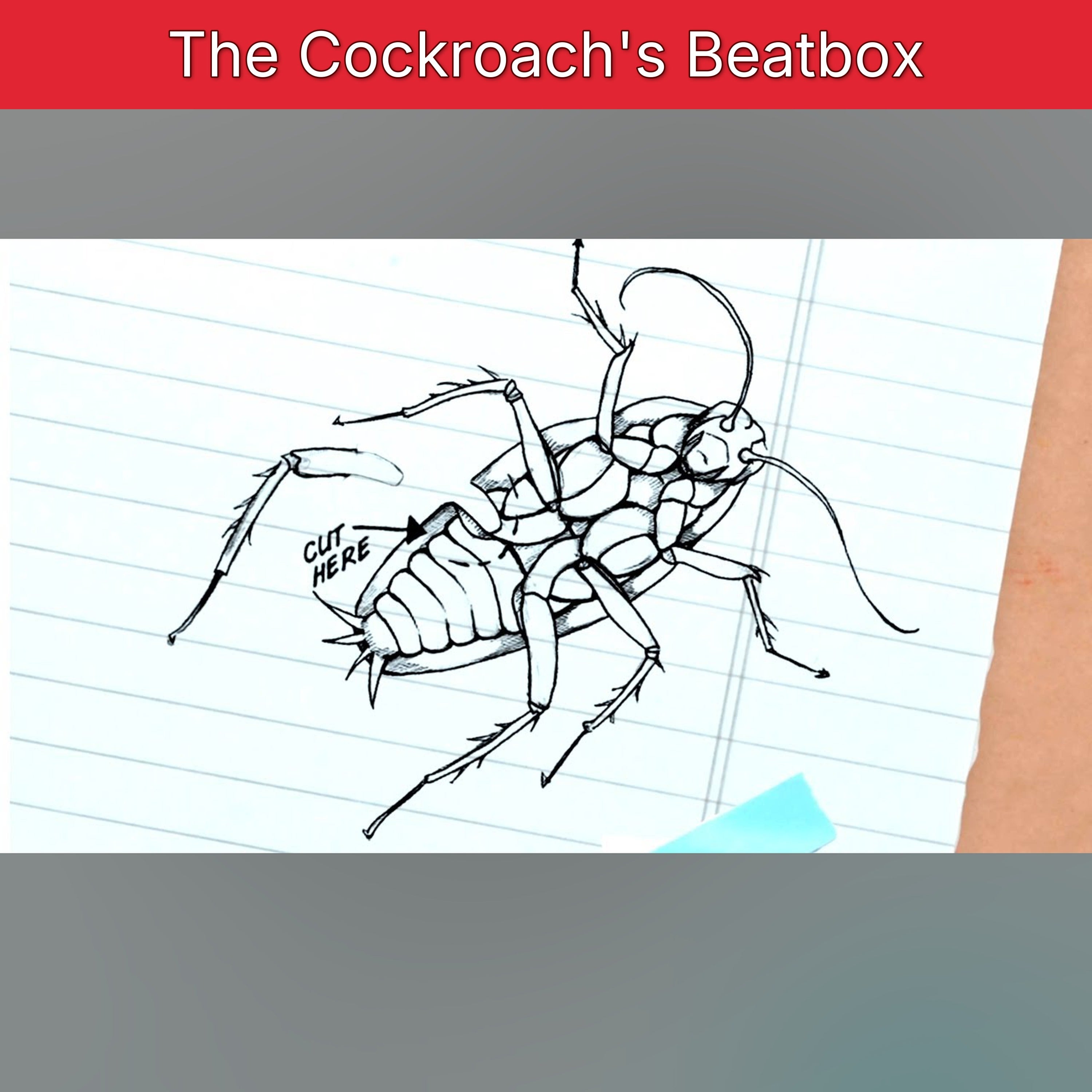
By dissecting a cockroach ... yes, live on stage ... TED Fellow and neuroscientist Greg Gage shows how brains receive and deliver electric impulses -- and how legs can respond. "The Cockroach Beatbox" was animated by the TED-Ed Animation Team (Jeremiah Dickey, Biljana Labovic, Celeste Lai, Kari Mulholland and Franz Palomares) View the full lesson: http://ed.ted.com/lessons/the-cockroach-beatbox
Get to know Jin Yong’s “Legend of the Condor Heroes,” an epic tale of adventure and war, romance, brotherhood and betrayal. -- In the 1950s, citizens flocked to newsstands to pick up the latest edition of a story set hundreds of years in the past — a multigenerational tale of adventure and war, romance and intrigue, brotherhood and betrayal. Jin Yong’s epic "Legend of the Condor Heroes" is considered one of Hong Kong’s most important works of fiction. Gladys Mac digs into this beloved sweeping saga of the steppes. Lesson by Gladys Mac, directed by Preetham Gunalan, LanLan Studios. Support Our Non-Profit Mission ---------------------------------------------- Support us on Patreon: http://bit.ly/TEDEdPatreon Check out our merch: http://bit.ly/TEDEDShop ---------------------------------------------- Connect With Us ---------------------------------------------- Sign up for our newsletter: http://bit.ly/TEDEdNewsletter Find us on Twitter: http://bit.ly/TEDEdTwitter Peep us on Instagram: ht
Download a free audiobook and support TED-Ed's nonprofit mission: https://adbl.co/2Hejwql Uploaded 12-04-18 Check out Oliver Sacks's "The Man Who Mistook His Wife for a Hat": http://bit.ly/2Hk8ShM View full lesson: https://ed.ted.com/lessons/what-causes-headaches-dan-kwartler In ancient Greece, the best-known remedy for a long-standing headache was to drill a small hole in the skull to drain supposedly infected blood. Fortunately, doctors today don’t resort to power tools to cure headaches, but we still have a lot to learn about this ancient ailment. Dan Kwartler shares what we know (and don't know) about headaches. Lesson by Dan Kwartler, animation by Sharon Colman. Thank you so much to our patrons for your support! Without you this video would not be possible. Senjo Limbu, Martin Lau, Robson Martinho, Jason Garcia, Cailin Ramsey, Seung Hoon Shin, John Saveland, Nicolle Fieldsend-Roxborough, Venkat Venkatakrishnan, Sandy Nasser, CG Nobles, Yoga Trapeze Wanderlust, Jaron Blackburn, Ale
Dig into the science and superstition behind the myth of vampires, and how it has persisted from ancient Mesopotamia to today. Uploaded 29-10-13 -- The myth of the bloodsucking vampire has stalked humans from ancient Mesopotamia to 18th-century Eastern Europe, but it has differed in the terrifying details. So, how did we arrive at the popular image we know, love and fear today? And what truly makes a vampire...a vampire? Michael Molina digs up the science and the superstition. Lesson by Michael Molina, animation by The Moving Company Animation Studio. Support Our Non-Profit Mission ---------------------------------------------- Support us on Patreon: http://bit.ly/TEDEdPatreon Check out our merch: http://bit.ly/TEDEDShop ---------------------------------------------- Connect With Us ---------------------------------------------- Sign up for our newsletter: http://bit.ly/TEDEdNewsletter Find us on Twitter: http://bit.ly/TEDEdTwitter Peep us on Instagram: http://bit.ly/TEDEdInstagram ---
An animated interpretation of Tim Seibles' poem "First Kiss" Uploaded 01-04-19 -- Watch an interview with the poet here: https://www.youtube.com/watch?v=Xiv3kKHpwk4 This animation is part of our series, "There's a Poem for That," which features animated interpretations of poems both old and new that give language to some of life's biggest feelings. Check out the full series here: http://bit.ly/TEDEdTheresAPoemForThat Poem by Tim Seibles, directed by Hannah Jacobs. Sign up for our newsletter: http://bit.ly/TEDEdNewsletter Support us on Patreon: http://bit.ly/TEDEdPatreon Find us on Twitter: http://bit.ly/TEDEdTwitter Peep us on Instagram: http://bit.ly/TEDEdInstagram #poetry
Stand by for an animated exploration of the famous Fermi Paradox. Given the vast number of planets in the universe, many much older than Earth, why haven't we yet seen obvious signs of alien life? The potential answers to this question are numerous and intriguing, alarming and hopeful.
View full lesson: http://ed.ted.com/lessons/symbiosis-a-surprising-tale-of-species-cooperation Different species often depend on one another. David Gonzales describes the remarkable relationship of the Clark's nutcracker and the whitebark pine, to illustrate the interdependency known as symbiosis. Lesson by David Gonzales, animation by Sunni Brown.