View full lesson: http://ed.ted.com/lessons/why-does-ice-float-in-water-george-zaidan-and-charles-morton Uploaded 22-10-13 Water is a special substance for several reasons, and you may have noticed an important one right in your cold drink: ice. Solid ice floats in liquid water, which isn't true for most substances. But why? George Zaidan and Charles Morton explain the science behind how how hydrogen bonds keep the ice in your glass (and the polar ice caps) afloat. Lesson by George Zaidan and Charles Morton, animation by Powerhouse Animation Studios Inc.
Uploaded 01-05-18 View full lesson: https://ed.ted.com/lessons/how-to-build-a-dark-matter-detector-jenna-saffin More than 2 kilometers below the surface of northern Ontario, suspended in 345,000 liters of ultra-pure water, there’s a perfect sphere. Scientists continuously monitor this chamber, looking for a glimmer of light in the darkness. Why? Because that light would indicate the presence of one of the universe’s greatest mysteries: dark matter. Jenna Saffin describes how this dark matter detector works. Lesson by Jenna Saffin, animation by TED-Ed. Thank you so much to our patrons for your support! Without you this video would not be possible! Jordan Tang, Christopher Jimenez, Juan, Tracey Tobkin, Sid, emily lam, Elliot Poulin, Noel Situ, Oyuntsengel Tseyen-Oidov, Latora Slydell, Sydney Evans, Victor E Karhel, Bernardo Paulo, Eysteinn Guðnason, Andrea Feliz, Natalia Rico, Josh Engel, Bárbara Nazaré, Gustavo Mendoza, Zhexi Shan, Hugo Legorreta, PnDAA, Marcel Trompeter-Petrovic, Sandr
View full lesson: http://ed.ted.com/lessons/the-cancer-gene-we-all-have-michael-windelspecht Uploaded 19-05-14 Within every cell in our body, two copies of a tumor suppressor gene called BRCA1 are tasked with regulating the speed at which cells divide. Michael Windelspecht explains how these genes can sometimes mutate, making those cells less specialized and more likely to develop into cancer. Lesson by Michael Windelspecht, animation by Zedem Media.
View full lesson: http://ed.ted.com/lessons/time-travel-and-einstein-s-special-relativity-colin-stuart Uploaded 21-10-13 Time travel is a staple of science fiction stories, but is it actually possible? It turns out nature does allow a way of bending time, an exciting possibility suggested by Albert Einstein when he discovered special relativity over one hundred years ago. Colin Stuart imagines where (or, when) this fascinating phenomenon, time dilation, may one day take us. Lesson by Colin Stuart, animation by TED-Ed.
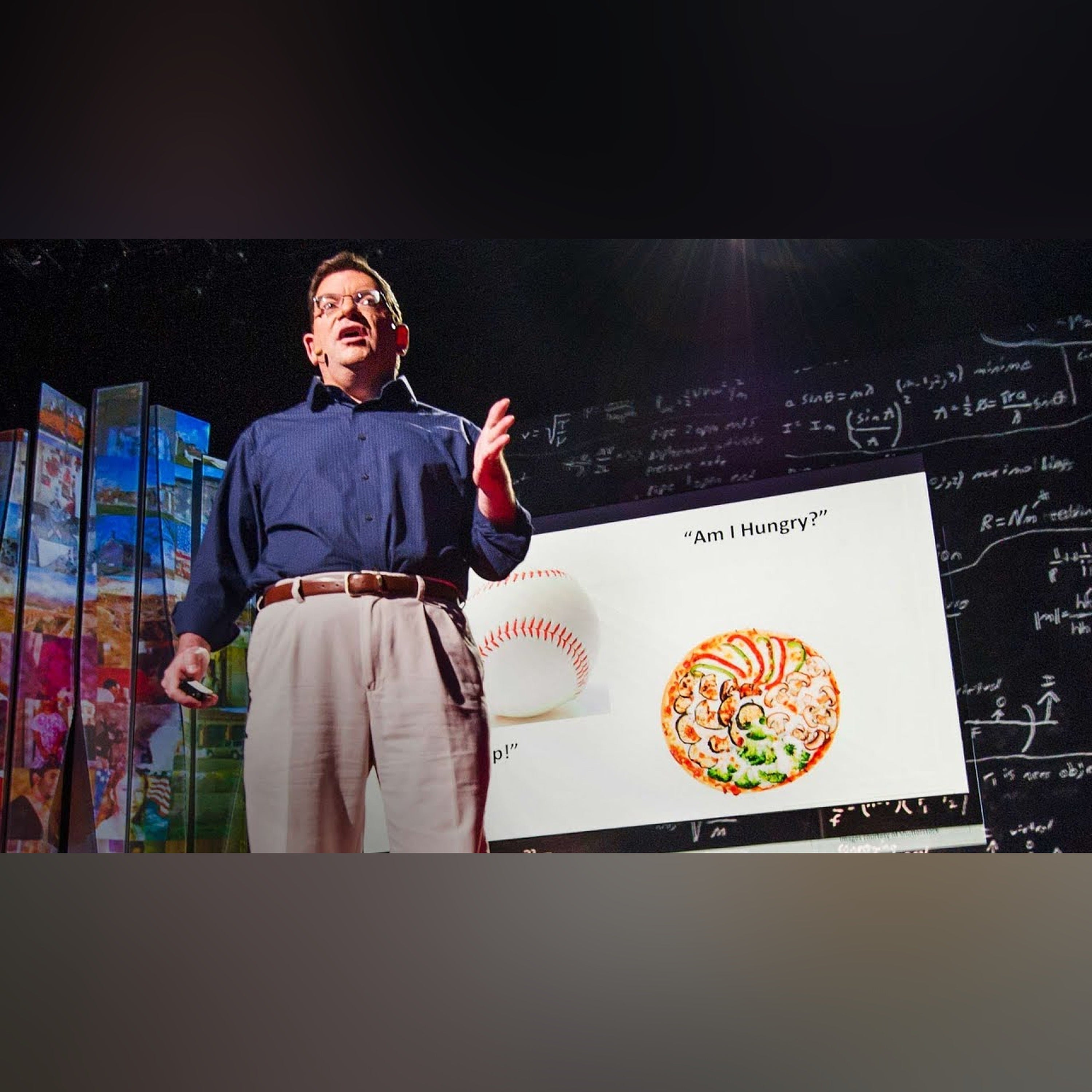
For some reason, says educator Al Vernacchio, the metaphors for talking about sex in the US all come from baseball -- scoring, getting to first base, etc. The problem is, this frames sex as a competition, with a winner and a loser. Instead, he suggests a new metaphor, one that's more about shared pleasure, discussion and agreement, fulfillment and enjoyment. Let's talk about ... pizza. Uploaded 16-08-13 Talk by Al Vernacchio.
View full lesson: http://ed.ted.com/lessons/mysteries-of-vernacular-venom-jessica-oreck-and-rachael-teel How did venom get its poisonous meaning? Jessica Oreck and Rachael Teel follow venom from something to desire to explicit reasons for avoiding a snake. Lesson by Jessica Oreck and Rachael Teel, animation by Jessica Oreck.
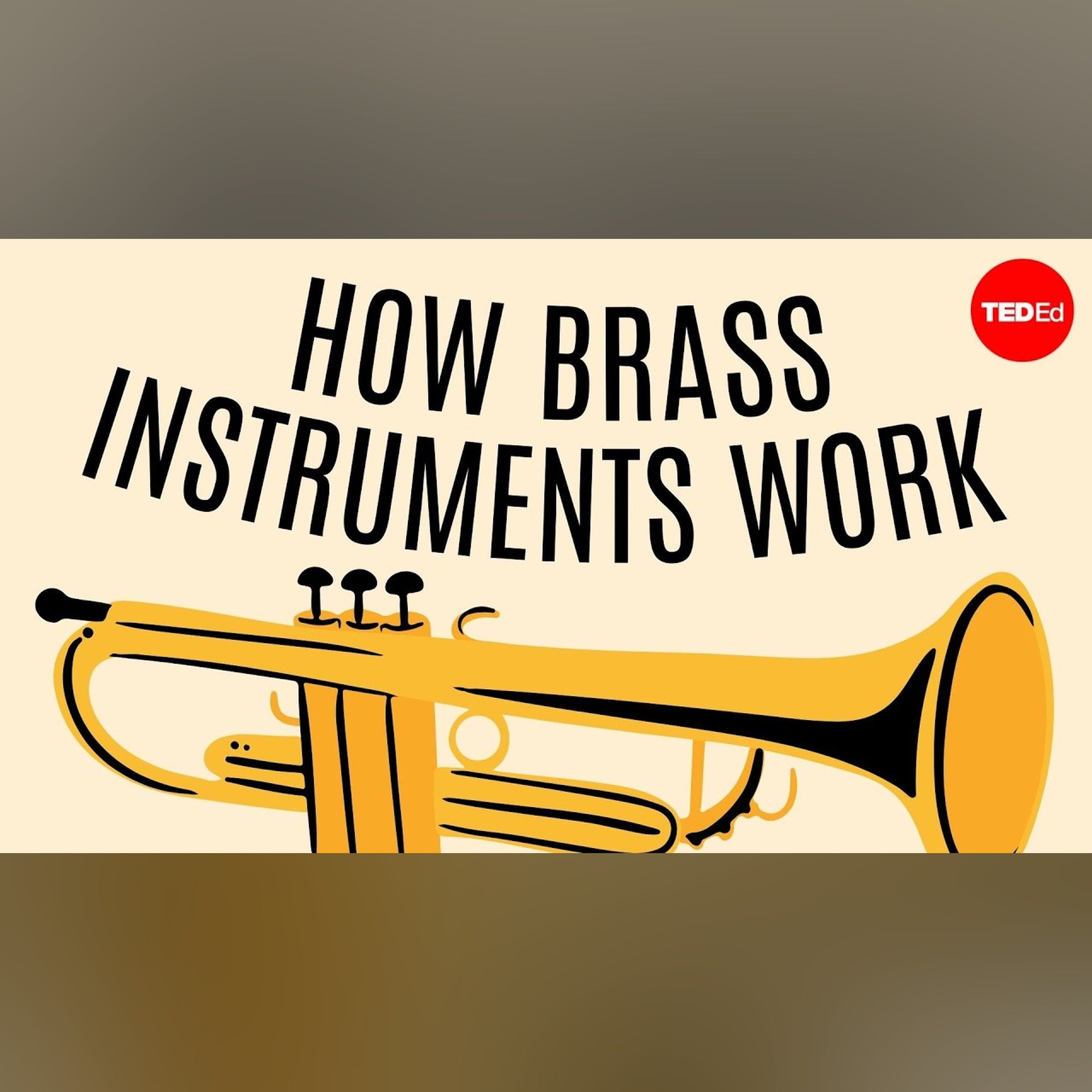
View full lesson: http://ed.ted.com/lessons/how-brass-instruments-work-al-cannon Uploaded 07-04-15 What gives the trumpet its clarion ring and the tuba its gut shaking oompah-pah? And what makes the trombone so jazzy? Al Cannon shows how these answers lie not in the brass the instruments are made of, but in the journey that air takes from the musician’s lungs to the instrument’s bell. Lesson by Al Cannon, animation by TED-Ed.
Get to know the story of how truck driver Malcom McLean invented the shipping container, and how it transformed the global economy. -- Sometimes a single unlikely idea can have massive impact across the world. Sir Harold Evans, the author of "They Made America," describes how frustration drove Malcom McLean, a small-town truck driver, to invent the shipping container. Containerization was born, and it transformed the modern global economy. Lesson by Sir Harold Evans, directed by Sunni Brown. Support Our Non-Profit Mission ---------------------------------------------- Support us on Patreon: http://bit.ly/TEDEdPatreon Check out our merch: http://bit.ly/TEDEDShop ---------------------------------------------- Connect With Us ---------------------------------------------- Sign up for our newsletter: http://bit.ly/TEDEdNewsletter Find us on Twitter: http://bit.ly/TEDEdTwitter Peep us on Instagram: http://bit.ly/TEDEdInstagram ---------------------------------------------- Keep Learning ---
Explore the possibility of plastivores— organisms that can eat and break down plastic— helping reduce the plastic waste on Earth. -- Each year humanity produces roughly 400 million tons of plastic, 80% of which is discarded as trash. Of that plastic waste, only one-tenth is recycled. 60% gets incinerated or goes into the landfills, and 30% leaks out into the environment. Fortunately, there are microbes that may be able to take a bite out of this growing problem. Tierney Thys and Christian Sardet explore the future of recycling. Lesson by Tierney Thys and Christian Sardet, directed by Elsa Esteban. Support Our Non-Profit Mission ---------------------------------------------- Support us on Patreon: http://bit.ly/TEDEdPatreon Check out our merch: http://bit.ly/TEDEDShop ---------------------------------------------- Connect With Us ---------------------------------------------- Sign up for our newsletter: http://bit.ly/TEDEdNewsletter Find us on Twitter: http://bit.ly/TEDEdTwitter Peep us
View full lesson: http://ed.ted.com/lessons/the-terrors-of-sleep-paralysis-ami-angelowicz Uploaded 25-07-13 Imagine you're fast asleep and then suddenly awake. You want to move but can't, as if someone is sitting on your chest. And you can't even scream! This is sleep paralysis, a creepy but common phenomenon caused by an overlap in REM sleep and waking stages. Ami Angelowicz describes just how pervasive (but harmless) it is and introduces a cast of characters from sleep paralysis around the world. Lesson by Ami Angelowicz, animation by Pew36 Animation Studios.
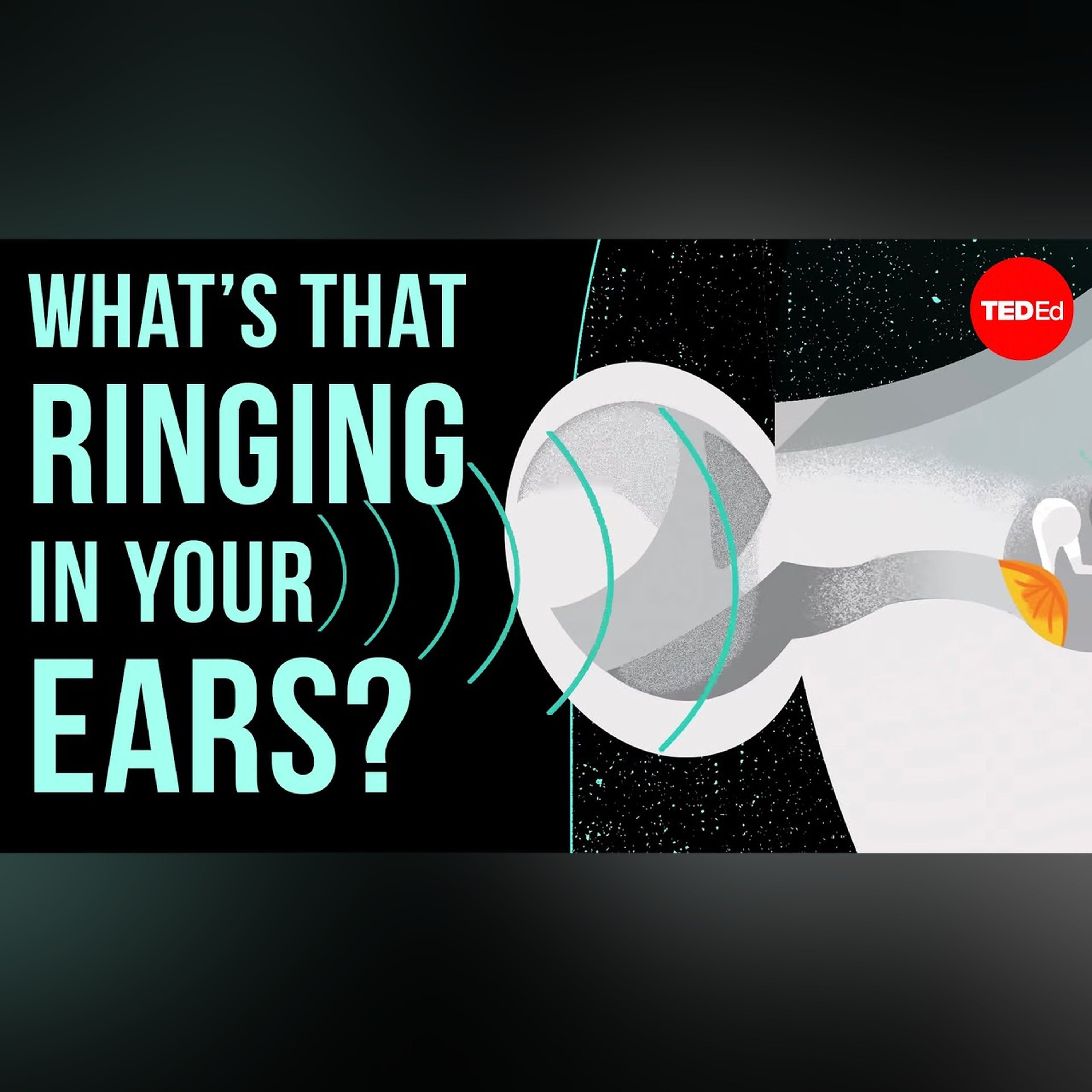
Travel into the auditory system to explore the constant ringing sensation of tinnitus, why it happens and how to treat it. Uploaded 17-08-20 -- Tinnitus has been bothering humanity since Ancient Babylon, plaguing everyone from Leonardo da Vinci to Charles Darwin. Today, roughly one in seven people worldwide experiences this auditory sensation. So what exactly is tinnitus, and where does this persistent sound come from? Marc Fagelson travels into the auditory system to explore the loss of silence. Lesson by Marc Fagelson, directed by Zedem Media. Animator's website: https://www.zedemanimations.com/ Sign up for our newsletter: http://bit.ly/TEDEdNewsletter Support us on Patreon: http://bit.ly/TEDEdPatreon Find us on Twitter: http://bit.ly/TEDEdTwitter Peep us on Instagram: http://bit.ly/TEDEdInstagram View full lesson: https://ed.ted.com/lessons/what-s-that-ringing-in-your-ears-marc-fagelson Thank you so much to our patrons for your support! Without you this video would not be possible!
Uploaded 03-05-18 View full lesson: https://ed.ted.com/lessons/what-s-the-difference-between-hibernation-and-sleep-sheena-faherty The Arctic Ground Squirrel hibernates by burrowing under the permafrost and slipping into a state of suspended animation. The female black bear can give birth while she hibernates. The fat-tailed dwarf lemur prepares to hibernate by storing its fat reserves in its tail - doubling its body weight. Why do these animals go to such extremes? Sheena Lee Faherty details why animals hibernate. Lesson by Sheena Lee Faherty, animation by Rémi Cans. Thank you so much to our patrons for your support! Without you this video would not be possible! Mayra Urbano, Kostadin Mandulov, Alex Schenkman, Sdiep Sriram, Ivan Todorović, Antero Semi, Yanuar Ashari, Mrinalini, Anthony Kudolo, Querida Owens, Hazel Lam, Manav parmar, Dwight Tevuk, Stephen A. Wilson, Siamak H, Dominik Kugelmann, Katie Winchester, David Rosario, Samuel Doerle, Be Owusu, Susan Herder, Savannah Scheelings,
Explore 3 strategies to control the flow of lava, and how scientists are using them to protect communities from future eruptions. -- In December 2023, Icelandic citizens experienced their worst nightmare: a volcanic fissure opened and began spewing lava fountains 100 meters tall. While the molten rock narrowly avoided a small town, Iceland wasn’t willing to leave anyone's fate to chance again and began preparing for future eruptions. Arianna Soldati explores 3 potential strategies to control these red-hot rivers of destruction. Lesson by Arianna Soldati, directed by Anastasiia Falileieva, Studio Plastic Bag. Support Our Non-Profit Mission ---------------------------------------------- Support us on Patreon: http://bit.ly/TEDEdPatreon Check out our merch: http://bit.ly/TEDEDShop ---------------------------------------------- Connect With Us ---------------------------------------------- Sign up for our newsletter: http://bit.ly/TEDEdNewsletter Find us on Twitter: http://bit.ly/TEDEdTwit
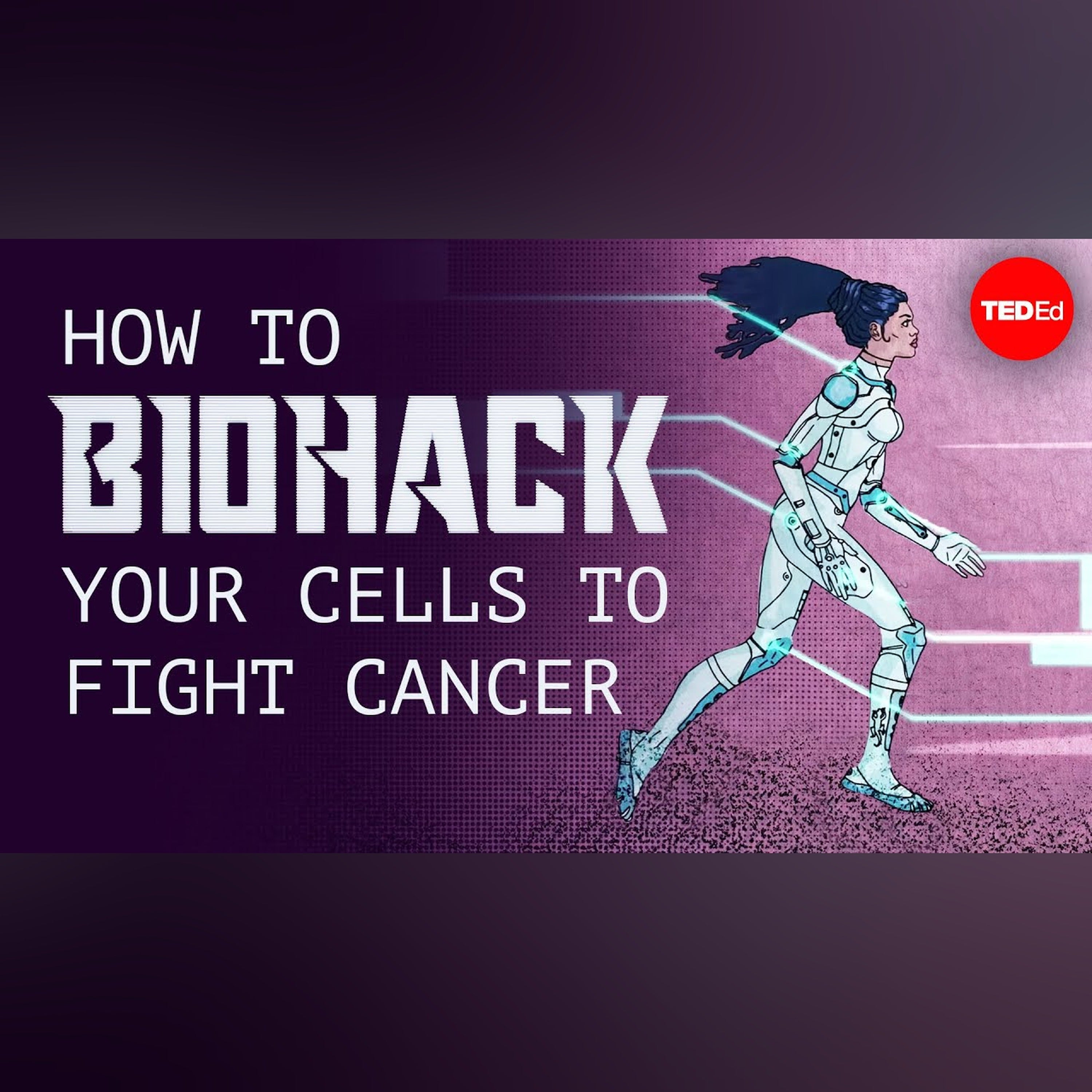
Check out the science of biohacking, where biologists go into a patient’s genetic code and reprogram their immune system to recognize and fight cancer cells. Uploaded 09-04-19 -- The human body is made up of about 30 trillion cells that carry a code which has been duplicated over and over for billions of years - with varying degrees of accuracy. So what happens when the system breaks down and the machinery turns on itself, leading to cancer? Greg Foot dives into the science of how biologists are biohacking the human body to try to fix the seemingly unfixable. Lesson by Greg Foot, directed by Pierangelo Pirak. Produced for TED-Ed by https://www.sciencemedia.studio (https://www.sciencemedia.studio/) and NIHR University College London Hospitals Biomedical Research Centre. Sign up for our newsletter: http://bit.ly/TEDEdNewsletter Support us on Patreon: http://bit.ly/TEDEdPatreon Find us on Twitter: http://bit.ly/TEDEdTwitter Peep us on Instagram: http://bit.ly/TEDEdInstagram View full less
View full lesson: http://ed.ted.com/lessons/tracking-grizzly-bears-from-space-david-laskin Grizzly bears have adapted cleverly to their diminishing habitat by developing a mostly vegetarian diet in sync with plant growing seasons. Using NASA satellites, scientists track the shifting, interrelated patterns of grizzlies and plants. David Laskin explains how this data can help protect the threatened bears. Lesson by David Laskin, animation by TED-Ed.
What can governments learn from the open-data revolution? In this stirring talk, Beth Noveck, the former deputy CTO at the White House, shares a vision of practical openness -- connecting bureaucracies to citizens, sharing data, creating a truly participatory democracy. Imagine the "writable society." Talk by Beth Noveck.
Explore the similarities and differences between how your eyes see and how a video camera “sees.” Uploaded 06-04-15 -- Your eyes don’t always capture the world exactly as a video camera would. But the eyes are remarkably efficient organs, the result of hundreds of millions of years of coevolution with our brains. Michael Mauser outlines the similarities and differences between your eye and a video camera. Lesson by Michael Mauser, animation by Nick Hilditch. Support Our Non-Profit Mission ---------------------------------------------- Support us on Patreon: http://bit.ly/TEDEdPatreon Check out our merch: http://bit.ly/TEDEDShop ---------------------------------------------- Connect With Us ---------------------------------------------- Sign up for our newsletter: http://bit.ly/TEDEdNewsletter Find us on Twitter: http://bit.ly/TEDEdTwitter Peep us on Instagram: http://bit.ly/TEDEdInstagram ---------------------------------------------- Keep Learning -------------------------------------
View full lesson: http://ed.ted.com/lessons/the-science-of-symmetry-colm-kelleher Uploaded 13-05-14 When you hear the word symmetry, you might think generally of triangles, butterflies, or even ballerinas. But defined scientifically, symmetry is "a transformation that leaves an object unchanged." Huh? Colm Kelleher unpacks this abstract term and explains how animal's distinct symmetries can tell us more about them -- and ourselves. Lesson by Colm Kelleher, animation by Andrew Foerster.
View full lesson: https://ed.ted.com/lessons/if-molecules-were-people-george-zaidan-and-charles-morton Uploaded 23-07-13 When molecules collide, chemical reactions can occur -- causing major structural changes akin to getting a new arm on your face! George Zaidan and Charles Morton playfully imagine chemical systems as busy city streets, and the colliding molecules within them as your average, limb-swapping joes. Lesson by George Zaidan and Charles Morton, animation by Neighbor.
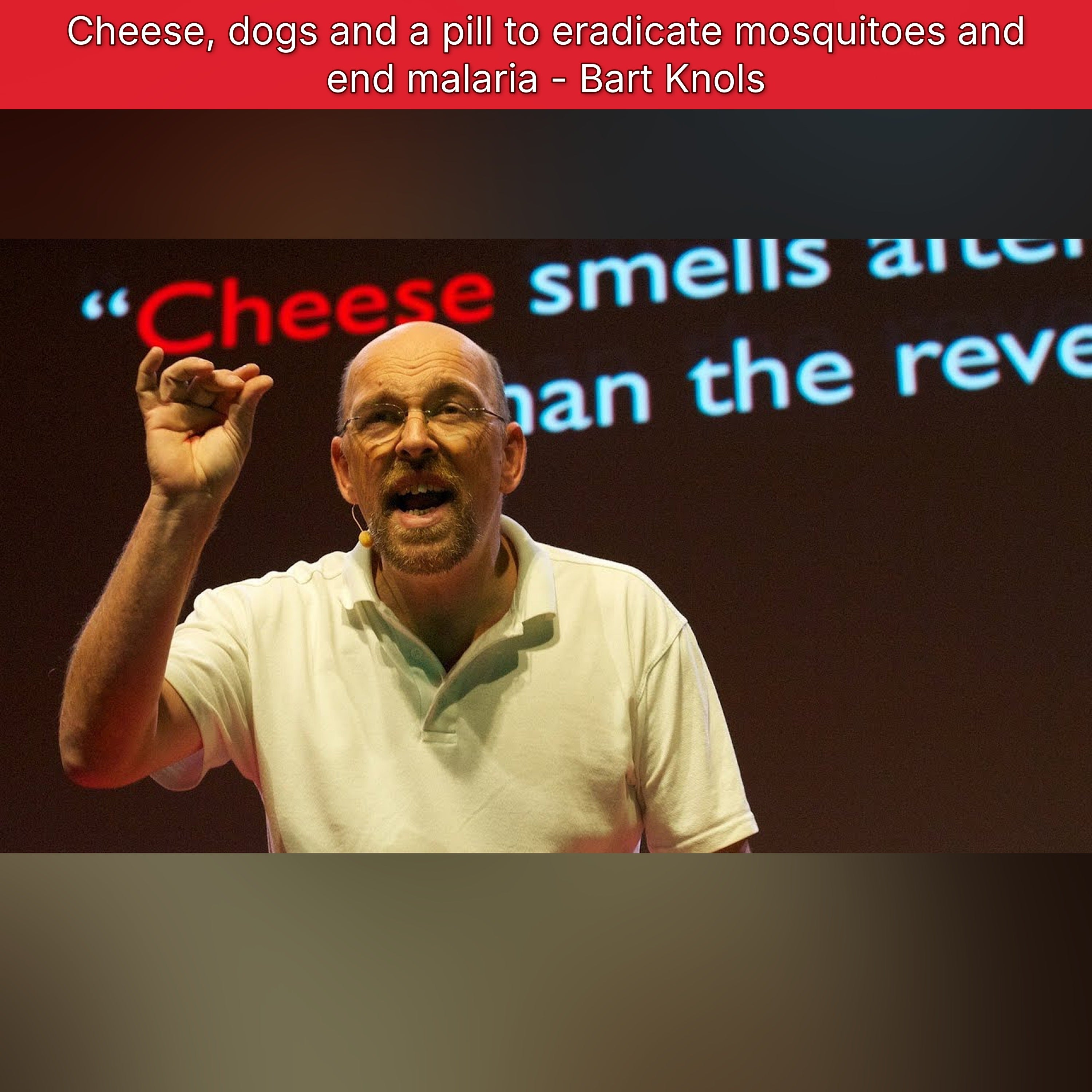
View full lesson: http://ed.ted.com/lessons/cheese-dogs-and-a-pill-to-kill-mosquitoes-and-end-malaria-bart-knols We can use a mosquito's own instincts against her. At TEDxMaastricht speaker Bart Knols demos the imaginative solutions his team is developing to fight malaria -- including limburger cheese and a deadly pill. (Filmed at TEDxMaastricht.) Talk by Bart Knols.
Get to know how a healthy marine ecosystem functions, and what creates the lethal conditions that lead to dead zones. Uploaded 18-08-20 -- For most of the year, the Gulf of Mexico is teeming with marine life, from tiny crustaceans to massive whales. But every summer, disaster strikes. Around May, animals begin to flee the area. And soon, creatures that can’t swim or can’t swim fast enough begin to suffocate and die off in massive numbers. What's going on? Kate Slabosky dives into the lethal conditions that create dead zones. Lesson by Kate Slabosky, directed by Mette Ilene Holmriis. Animator's website: http://metteilene.com/ Producer's website: https://animationworkshop.via.dk/ Sign up for our newsletter: http://bit.ly/TEDEdNewsletter Support us on Patreon: http://bit.ly/TEDEdPatreon Find us on Twitter: http://bit.ly/TEDEdTwitter Peep us on Instagram: http://bit.ly/TEDEdInstagram View full lesson: https://ed.ted.com/lessons/can-the-ocean-run-out-of-oxygen-kate-slabosky Thank you so muc
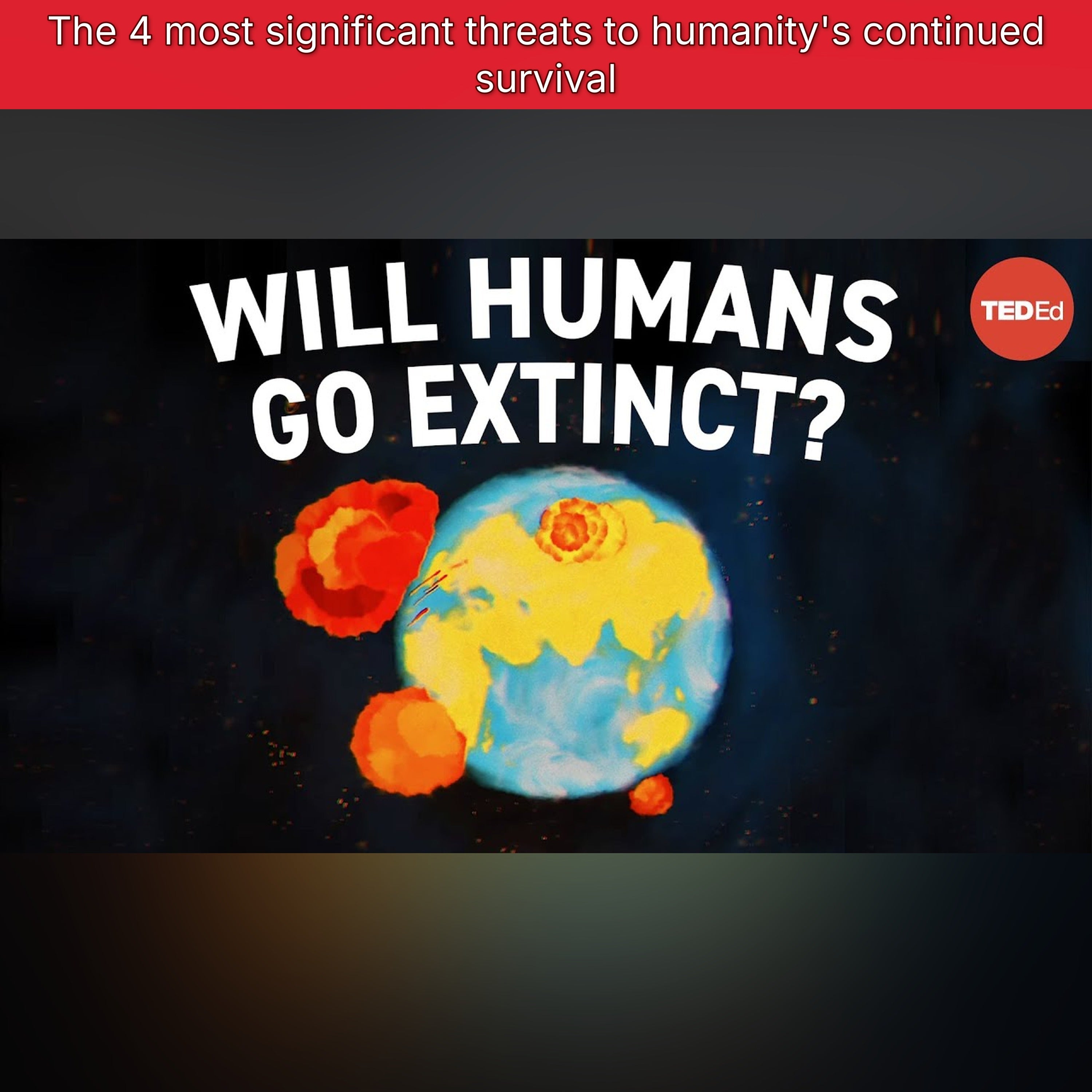
Dig into the 4 biggest existential risks that threaten the survival of humanity, and explore how we can safeguard our future. -- With the invention of the atomic bomb, humanity gained the power to destroy itself for the first time in our history. Since then, our risk of either extinction or the collapse of civilization has steadily increased. Just how likely are we to destroy ourselves? And what poses the greatest threat to our survival? Dig into four existential threats and explore how we can safeguard our future. Directed by Reza Riahi. Support Our Non-Profit Mission ---------------------------------------------- Support us on Patreon: http://bit.ly/TEDEdPatreon Check out our merch: http://bit.ly/TEDEDShop ---------------------------------------------- Connect With Us ---------------------------------------------- Sign up for our newsletter: http://bit.ly/TEDEdNewsletter Find us on Twitter: http://bit.ly/TEDEdTwitter Peep us on Instagram: http://bit.ly/TEDEdInstagram ----------------
View full lesson: http://ed.ted.com/lessons/the-science-of-macaroni-salad-what-s-in-a-molecule-josh-kurz Uploaded 16-08-13 What do macaroni salad and gasoline have in common? They are made of exactly the same stuff -- specifically, the same atoms, just rearranged. So, while we put the former in our mouths and the latter in our cars, they are really just variations on the same atomic theme. Josh Kurz breaks macaroni salad down to its smallest chemical components. Lesson and animation by Josh Kurz.
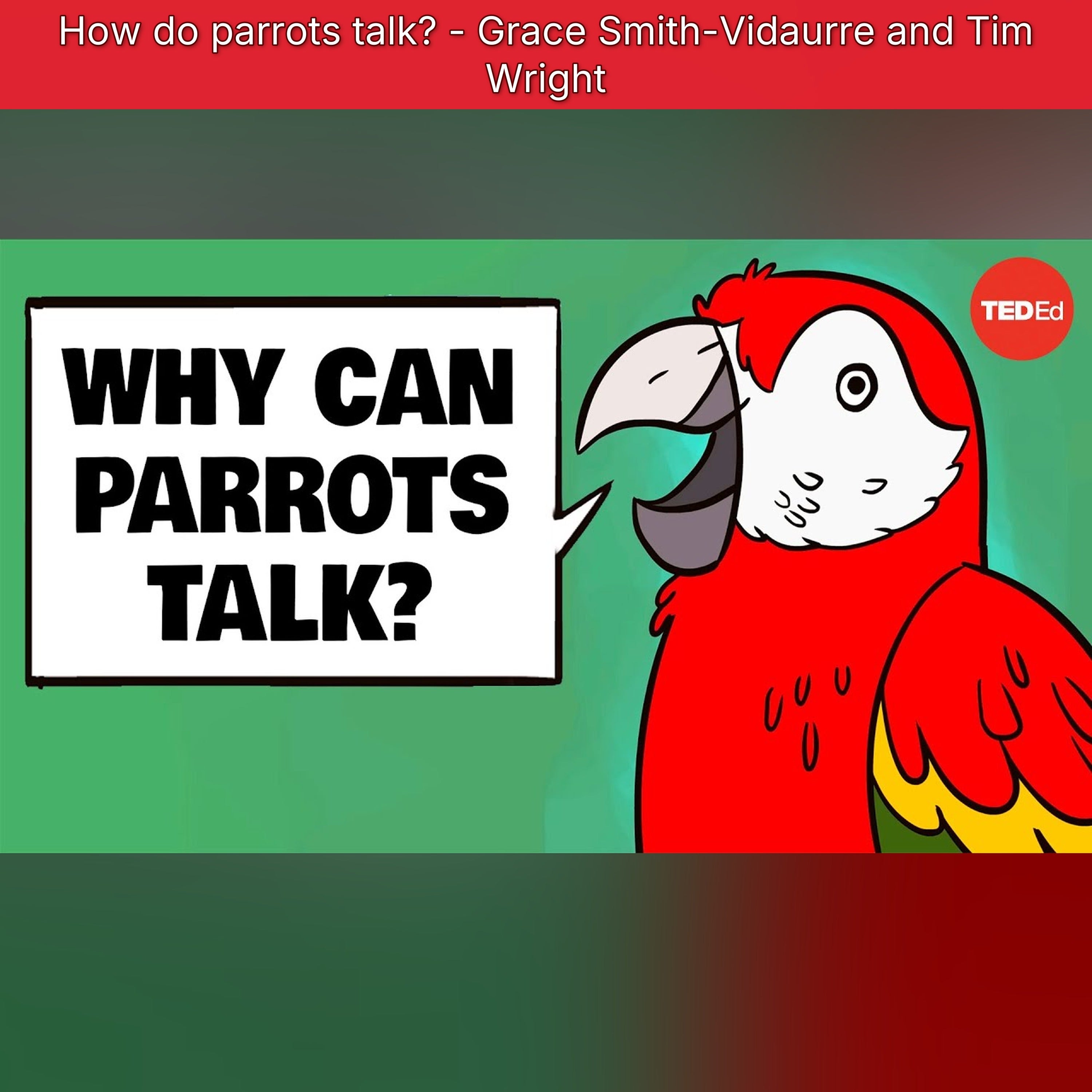
Explore the specialized anatomy that allows parrots to talk, scream, curse, and recite facts like humans. -- Whether they’re belting Beyoncé, head-banging to classic rock, or rattling off curse words at zoo-goers, parrots are constantly astounding us. They are among the only animals that produce human speech, and some parrots do it almost uncannily well. How is this possible? Grace Smith-Vidaurre and Tim Wright dig into the anatomy that allows parrots to talk, scream, curse, and recite facts. Lesson by Grace Smith-Vidaurre and Tim Wright, directed by Anton Bogaty. Support Our Non-Profit Mission ---------------------------------------------- Support us on Patreon: http://bit.ly/TEDEdPatreon Check out our merch: http://bit.ly/TEDEDShop ---------------------------------------------- Connect With Us ---------------------------------------------- Sign up for our newsletter: http://bit.ly/TEDEdNewsletter Find us on Twitter: http://bit.ly/TEDEdTwitter Peep us on Instagram: http://bit.ly/TEDEd