Explore how wind turbines convert wind into electricity, and the challenges of powering the world entirely with wind energy. Uploaded 22-04-21 -- Every 24 hours, wind generates enough kinetic energy to produce roughly 35 times more electricity than humanity uses each day. And unlike coal or oil, this resource is totally renewed each day. So how can we harness this incredible amount of energy, and is it possible to create a world powered entirely by wind? Rebecca Barthelmie and Sara Pryor dig into the science of wind turbine technology. Lesson by Rebecca J. Barthelmie and Sara C. Pryor, directed by Gavin Edwards, Movult. Support Our Non-Profit Mission ---------------------------------------------- Support us on Patreon: http://bit.ly/TEDEdPatreon Check out our merch: http://bit.ly/TEDEDShop ---------------------------------------------- Connect With Us ---------------------------------------------- Sign up for our newsletter: http://bit.ly/TEDEdNewsletter Find us on Twitter: http://bit.
Uploaded 07-05-18 View full lesson: https://ed.ted.com/lessons/what-causes-constipation-heba-shaheed Visiting the bathroom is part of the daily human experience. But occasionally, constipation, a condition that causes a backup in your digestive system, strikes. In some especially uncomfortable cases, the food you eat can take several days to exit your body. What's behind this unsettling phenomenon? Heba Shaheed takes us into the digestive system to find out. Lesson by Heba Shaheed, animation by Augenblick Studios. Thank you so much to our patrons for your support! Without you this video would not be possible! Jordan Tang, Christopher Jimenez, Juan, Tracey Tobkin, Sid, emily lam, Kathryn J Hammond, Elliot Poulin, Noel Situ, Oyuntsengel Tseyen-Oidov, Latora Slydell, Sydney Evans, Victor E Karhel, Bernardo Paulo, Eysteinn Guðnason, Andrea Feliz, Natalia Rico, Josh Engel, Bárbara Nazaré, Gustavo Mendoza, Zhexi Shan, Hugo Legorreta, PnDAA, Sandra Tersluisen, Ellen Spertus, Fabian Amels, sam
Explore what happens in your body when you don’t acclimate to higher altitudes and the dangers of altitude sickness. -- If you teleported from sea level to the top of Mount Everest, things would go bad fast. At an altitude of 8,848 meters, you would likely suffocate in minutes. However, for people that make this journey over the course of a month, it’s possible to survive at the peak for hours. So what happens in our bodies that allows us to endure this incredible altitude? Andrew Lovering investigates. Lesson by Andrew Lovering, directed by Vitalii Nebelskyi, and action creative agency. Designed by Alexandra Bolotova Animated by Volodymyr Boyko Support Our Non-Profit Mission ---------------------------------------------- Support us on Patreon: http://bit.ly/TEDEdPatreon Check out our merch: http://bit.ly/TEDEDShop ---------------------------------------------- Connect With Us ---------------------------------------------- Sign up for our newsletter: http://bit.ly/TEDEdNewsletter Find
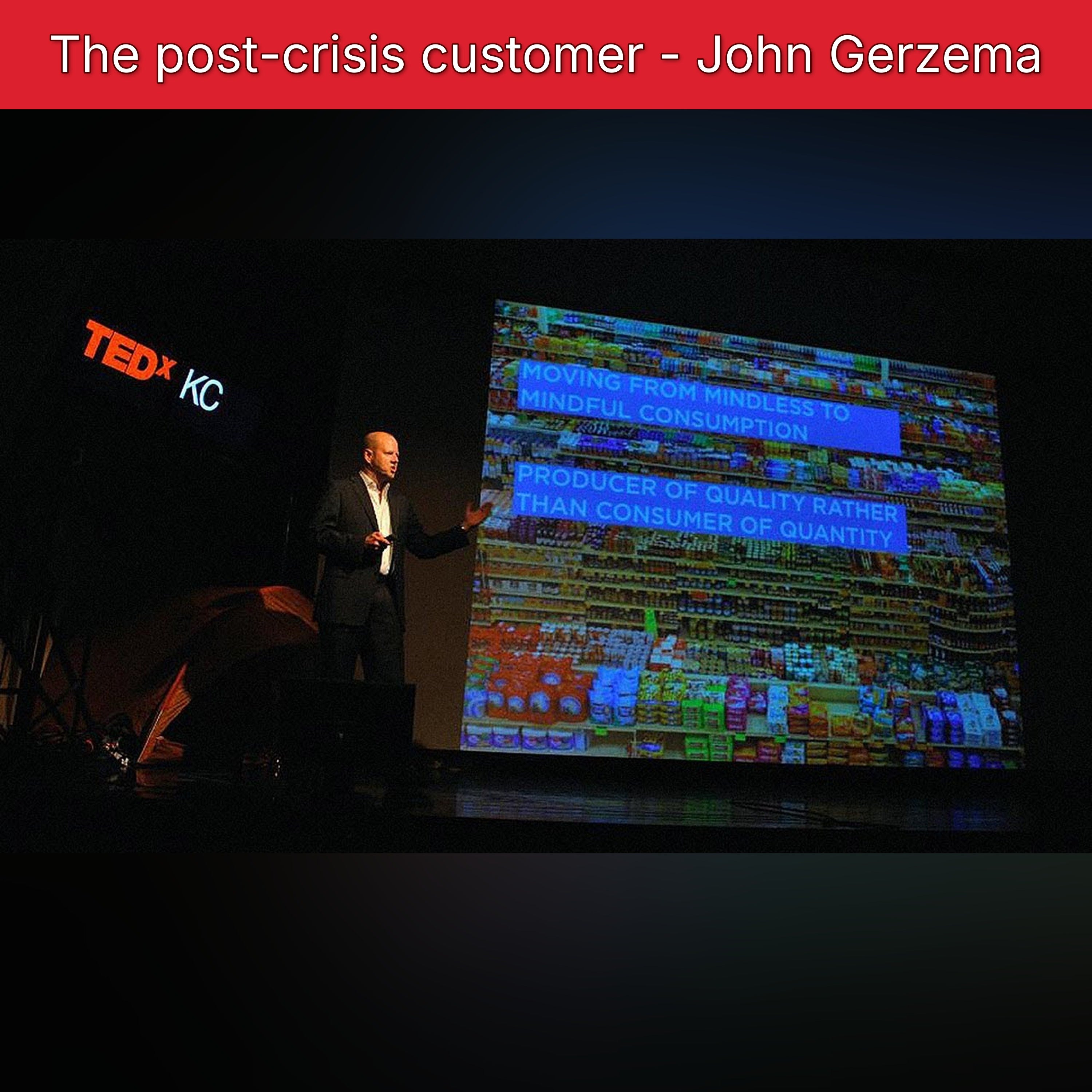
John Gerzema says there's an upside to the recent financial crisis -- the opportunity for positive change. In this talk, he identifies four major cultural shifts driving new consumer behavior and shows how businesses are evolving to connect with thoughtful spending. (Filmed at TEDxKC.) Talk by John Gerzema.
View full lesson: http://ed.ted.com/lessons/mysteries-of-vernacular-ukulele-jessica-oreck-and-rachael-teel Uploaded 18-10-13 When 19th century Portuguese travelers landed in Hawaii with a small four-stringed guitar, a member of the king's court, nicknamed Jumping Flea, or ukulele in Hawaiian, took to the instrument. Jessica Oreck and Rachael Teel explain how an affinity for the ukulele gave the instrument its name. Lesson by Jessica Oreck and Rachael Teel, animation by Jessica Oreck.
Dig into the 800 year history and architecture of the Leaning Tower of Pisa and find out what gives the tower its infamous tilt. Uploaded 03-12-19 -- In 1990, the Italian government enlisted top engineers to stabilize Pisa’s famous Leaning Tower. There’d been many attempts during its 800 year history, but computer models revealed the urgency of their situation. The tower would topple if it reached an angle of 5.44 degrees— and it was currently leaning at 5.5. What gives the tower its infamous tilt? Alex Gendler explores the monument's history. Lesson by Alex Gendler, directed by Aim Creative Studios. Animator's website: http://aimcreativestudios.com/ Sign up for our newsletter: http://bit.ly/TEDEdNewsletter Support us on Patreon: http://bit.ly/TEDEdPatreon Find us on Twitter: http://bit.ly/TEDEdTwitter Peep us on Instagram: http://bit.ly/TEDEdInstagram View full lesson: https://ed.ted.com/lessons/why-doesn-t-the-leaning-tower-of-pisa-fall-over-alex-gendler Thank you so much to our patr
Dig into the political phenomenon of modern populism, how it rises, and the impact it can have on a democratic country. Uploaded 20-08-20 -- In many democratic countries, charismatic leaders vilify political opponents, disparage institutions, and claim to be for the people. Some critics label this approach as authoritarian or fascist, while others argue that these leaders are manipulating voters. This style of politics goes by the name of populism. Takis S. Pappas explores the phenomenon and the lasting impact it can have on a country. Lesson by Takis S. Pappas, directed by Patrick Smith. Animator's website: http://blend-films.blogspot.com/ Sign up for our newsletter: http://bit.ly/TEDEdNewsletter Support us on Patreon: http://bit.ly/TEDEdPatreon Find us on Twitter: http://bit.ly/TEDEdTwitter Peep us on Instagram: http://bit.ly/TEDEdInstagram View full lesson: https://ed.ted.com/lessons/the-rise-of-modern-populism-takis-s-pappas Thank you so much to our patrons for your support! Withou
View full lesson: http://ed.ted.com/lessons/from-aaliyah-to-jay-z-captured-moments-in-hip-hop-history-jonathan-mannion Uploaded 15-05-14 Jonathan Mannion once convinced rapper DMX to climb into a pool of blood -- all in pursuit of the perfect photo. In this passionate TEDYouth talk, the photographer shares how fighting for the moments he needs to capture has helped him tell the stories of Biggie, Jay-Z, Aaliyah and other hip-hop greats. Talk by Jonathan Mannion.
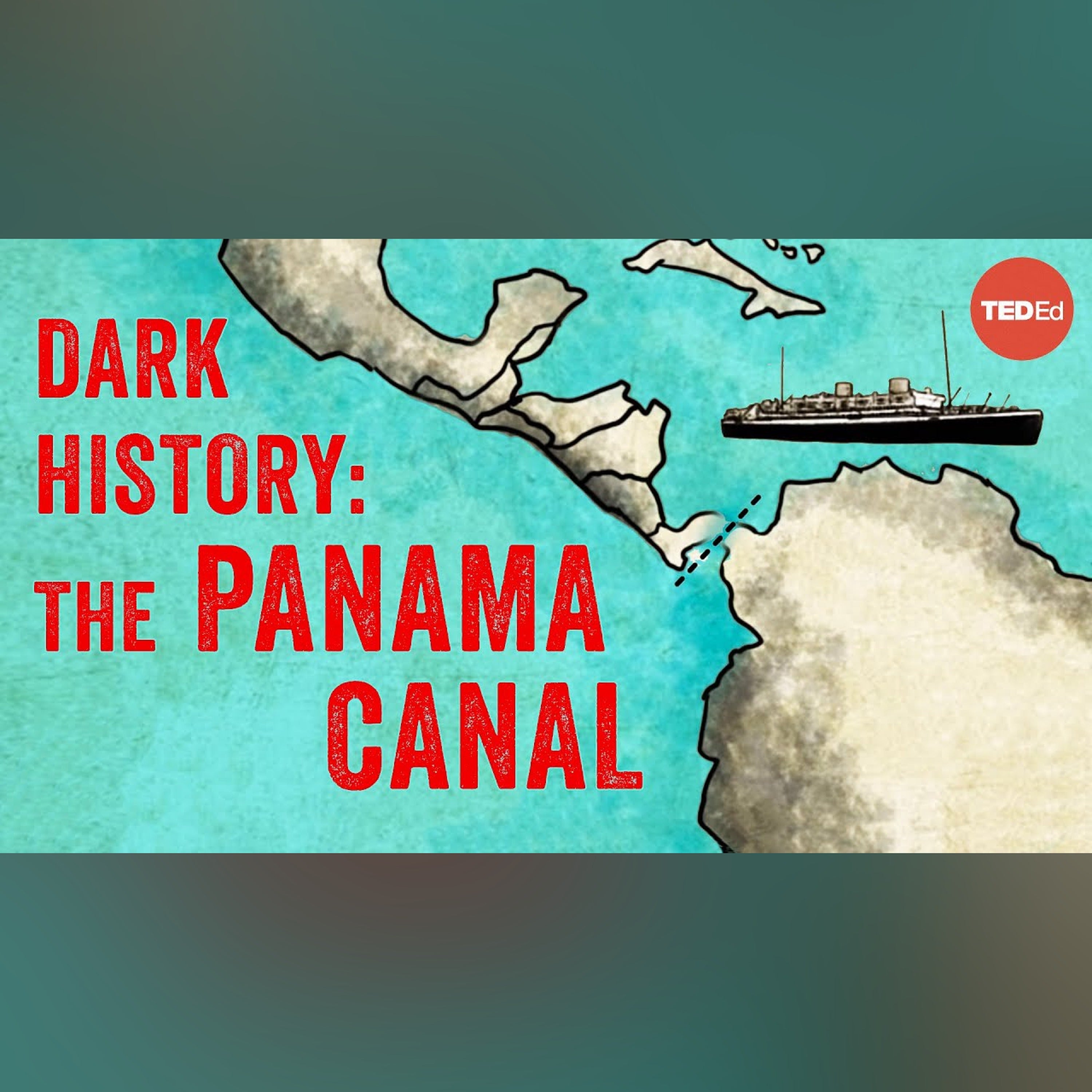
Discover what it took to build the Panama Canal, and how this colossal construction project changed the region. Uploaded 27-04-21 -- In the 19th century, the California gold rush brought thousands of settlers to America's west coast. But finding gold may have been easier than transporting it back east. The only hope for avoiding a grueling six month wagon journey was to travel the narrowest portion of the continent — the 48-kilometer Isthmus of Panama. Alex Gendler details the creation of the Panama Canal. Lesson by Alex Gendler, directed by Cabong Studios. Support Our Non-Profit Mission ---------------------------------------------- Support us on Patreon: http://bit.ly/TEDEdPatreon Check out our merch: http://bit.ly/TEDEDShop ---------------------------------------------- Connect With Us ---------------------------------------------- Sign up for our newsletter: http://bit.ly/TEDEdNewsletter Find us on Twitter: http://bit.ly/TEDEdTwitter Peep us on Instagram: http://bit.ly/TEDEdInstagr
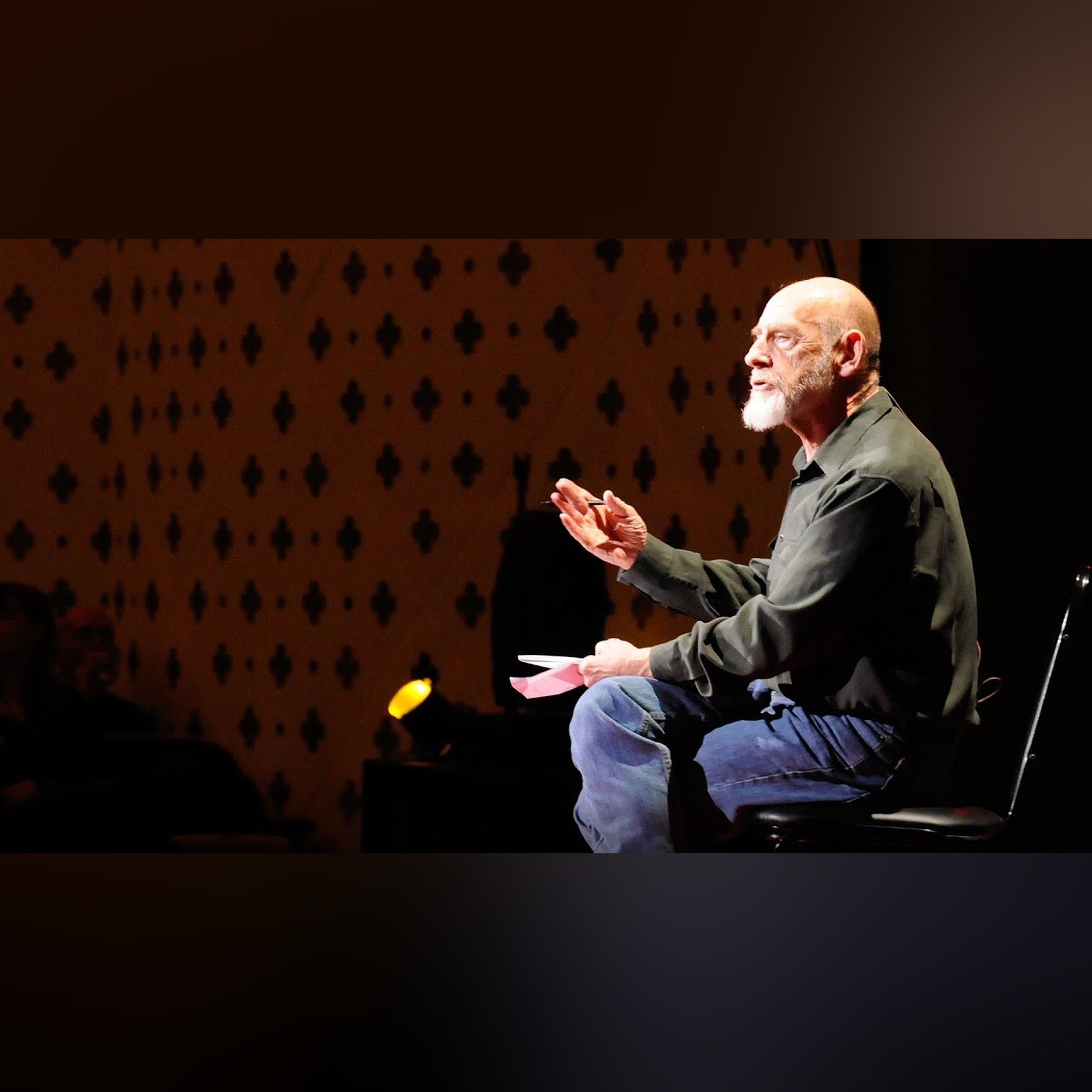
What's it like to be pals with a genius? Onstage, physicist Leonard Susskind spins a few stories about his friendship with the legendary Richard Feynman, discussing his unconventional approach to problems both serious and ... less so. (Filmed at TEDxCaltech.) Uploaded 15-08-13 Talk by Leonard Susskind.
Practice more problem-solving at https://brilliant.org/TedEd/ Solution to the bonus riddle mentioned at the end: https://brilliant.org/tededprobabilitypairs/ Uploaded 08-05-18 Mining unobtainium is hard work – the rare mineral appears in only 1% of rocks in the mine. But your friend Tricky Joe has something up his sleeve. The unobtainium detector he’s been perfecting for months is finally ready, and it returns accurate readings 90% of the time. But can it really be trusted? Alex Gendler explains the false positive paradox. Lesson by Alex Gendler, animation by Artrake Studio. Thank you so much to our patrons for supporting us on Patreon! Without you this video would not be possible! Tan YH, Brittiny Elman, Mayra Urbano, Ruth Fang, Kostadin Mandulov, Alex Schenkman, Sdiep Sriram, Ivan Todorović, Antero Semi, Yanuar Ashari, Mrinalini, Anthony Kudolo, Scott Gass, Querida Owens, Hazel Lam, Manav parmar, Dwight Tevuk, Stephen A. Wilson, Siamak H, Dominik Kugelmann, Katie Winchester, Mary Saw
Discover the shortcomings of using GDP to measure a country’s well-being, and what alternatives can be used to gauge quality of life. -- What’s the best country to live in? Is it the one with the best food? The longest life expectancy? The best weather? For the past 70 years, most governments have relied heavily on a single number: the Gross Domestic Product, or GDP. But it was never intended for its current purpose; and some argue that we are addicted to making it grow. Explore the different ways countries measure quality of life. Directed by Xenia Galchin, AIM Creative Studios. This video made possible in collaboration with World Economic Forum Learn more about how TED-Ed partnerships work: https://bit.ly/TEDEdPartners Support Our Non-Profit Mission ---------------------------------------------- Support us on Patreon: http://bit.ly/TEDEdPatreon Check out our merch: http://bit.ly/TEDEDShop ---------------------------------------------- Connect With Us ---------------------------------
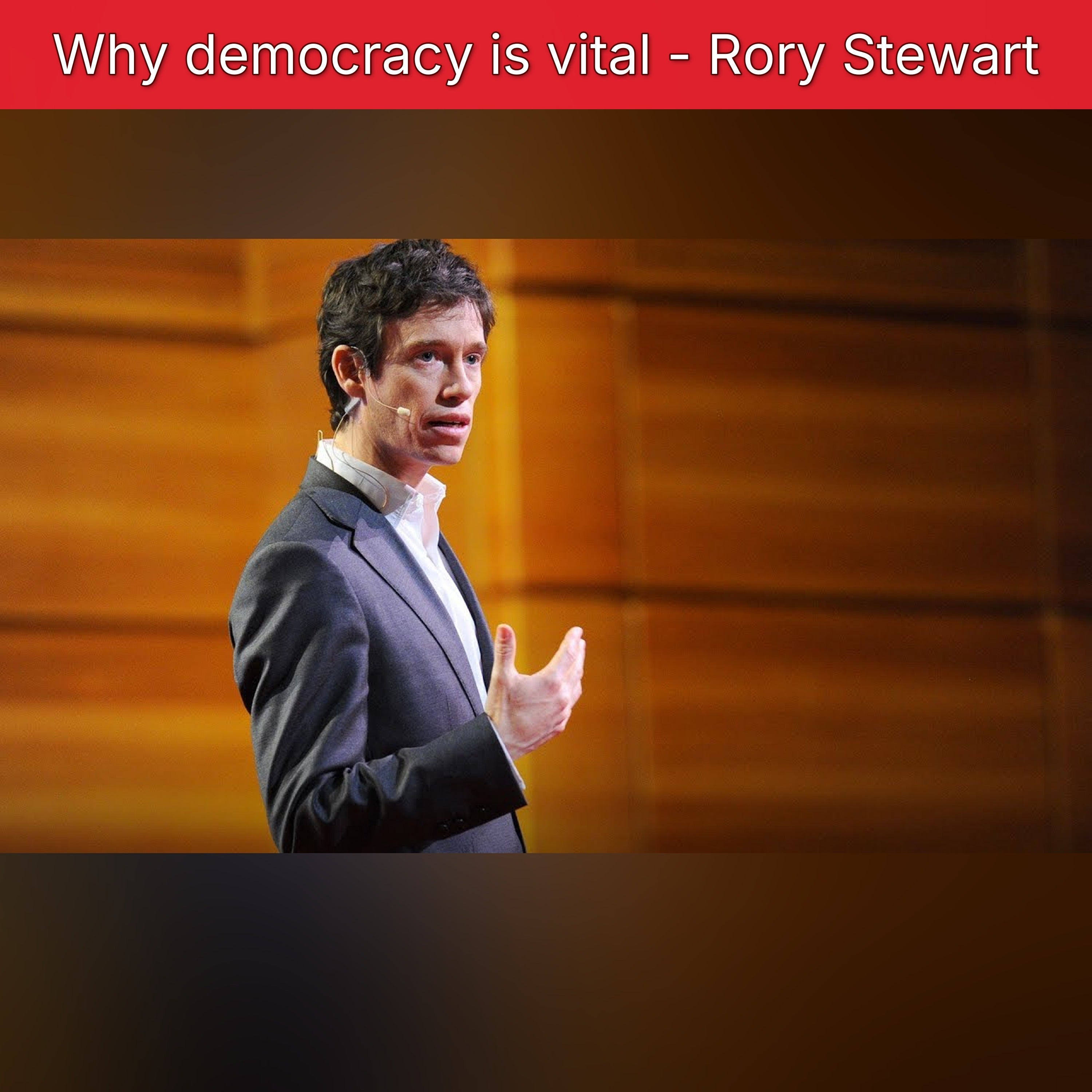
The public is losing faith in democracy, says British MP Rory Stewart. Iraq and Afghanistan's new democracies are deeply corrupt; meanwhile, 84 percent of people in Britain say politics is broken. In this important talk, Stewart sounds a call to action to rebuild democracy, starting with recognizing why democracy is important -- not as a tool, but as an ideal. Talk by Rory Stewart.
What is turbulence and why does it happen? Explore the phenomenon that has perplexed physicists for over a century. Uploaded 15-04-19 -- You’re on an airplane when you feel a sudden jolt. Outside your window nothing seems to be happening, yet the plane continues to rattle you and your fellow passengers as it passes through turbulent air in the atmosphere. What exactly is turbulence, and why does it happen? Tomás Chor dives into one of the prevailing mysteries of physics: the complex phenomenon of turbulence. Lesson by Tomás Chor, directed by Biljana Labovic. Animated by Hippolyte Cupillard, http://www.studiotabassco.com (http://www.studiotabassco.com/) 1:46 - Original footage by Think Twice: https://www.youtube.com/watch?v=d0Z8wLLPNE0&t=2s (https://www.youtube.com/watch?t=2s&v=d0Z8wLLPNE0) 2:17 - Original footage by 3Blue1Brown: https://www.youtube.com/watch?v=_UoTTq651dE 4:14 - Original footage by VERIFI: https://www.youtube.com/watch?v=1o3PpYvZVa8&t=2s (https://www.youtube.com/watch?
Discover how chemotherapy drugs use cytotoxic agents to attack cancer cells and the impact they have on your body. Uploaded 05-12-19 -- During World War I, scientists were trying to develop an antidote to the poisonous yellow cloud known as mustard gas. They discovered the gas was irrevocably damaging the bone marrow of affected soldiers. This gave the scientists an idea: cancer cells and bone marrow both replicate rapidly. Could mustard gas be used to fight cancer? Hyunsoo No details the discovery and development of chemotherapy. Lesson by Hyunsoo Joshua No, directed by Artrake Studio. Animator's website: https://www.artrake.com (https://www.artrake.com/) Sign up for our newsletter: http://bit.ly/TEDEdNewsletter Support us on Patreon: http://bit.ly/TEDEdPatreon Find us on Twitter: http://bit.ly/TEDEdTwitter Peep us on Instagram: http://bit.ly/TEDEdInstagram View full lesson: https://ed.ted.com/lessons/how-does-chemotherapy-work-hyunsoo-joshua-no Thank you so much to our patrons for yo
Explore the challenges facing amphibious fish when they leave water and the ingenious ways they survive on land. Uploaded 31-08-20 -- We think of fish as completely aquatic animals. But there are actually hundreds of fish species that are amphibious, meaning that they possess adaptations that enable them to survive on land. Once on land, however, they face suffocation, drying up, and being hunted by land predators. So why do fish make the exodus from water to land? Noah R. Bressman explores the ingenious ways these fish survive. Lesson by Noah R. Bressman, directed by Anna Benner. Animator's website: https://annabennerstudio.com/ Sound designer's website: http://www.tschernuth.com/ Sign up for our newsletter: http://bit.ly/TEDEdNewsletter Support us on Patreon: http://bit.ly/TEDEdPatreon Find us on Twitter: http://bit.ly/TEDEdTwitter Peep us on Instagram: http://bit.ly/TEDEdInstagram View full lesson: https://ed.ted.com/lessons/the-fish-that-walk-on-land-noah-r-bressman Thank you so mu
View full lesson: http://ed.ted.com/lessons/what-s-wrong-with-our-food-system-birke-baehr Uploaded 16-08-13 11-year-old Birke Baehr presents his take on a major source of our food -- far-away and less-than-picturesque industrial farms. Keeping farms out of sight promotes a rosy, unreal picture of big-box agriculture, he argues, as he outlines the case to green and localize food production. (Filmed atTEDxNextGenerationAshevillen.) Talk by Birke Baehr.
The adventure continues! Episode 4: The trio plot how they can steal the first artifact— the Node of Power. Can they take it without being discovered? Uploaded 09-12-19 -- This is episode 4 of our animated series “Think Like A Coder.” This 10-episode narrative follows a girl, Ethic, and her robot companion, Hedge, as they attempt to save the world. The two embark on a quest to collect three artifacts and must solve their way through a series of programming puzzles. Lesson by Alex Rosenthal, directed by Kozmonot Animation Studio. Supported by Endless: https://endlessnetwork.com (https://endlessnetwork.com/) A special thank you to the programmers who assisted in the development of this series: Eric Wastl, Sara Kladky, Ryan Harvey, Dan Bernier, Eden Girma, Matt Gruskin, and James Griffith. And thanks to Eric Wastl, whose puzzle from the 2015 Advent of Code inspired the challenge in this episode. http://bit.ly/AdventOfCode1 Sign up for our newsletter: http://bit.ly/TEDEdNewsletter Support
Trace the diverse and delicious history of dumplings, from their first recorded origins to their spread across the Asian continent and beyond. -- As archaeologists pored over ancient tombs in western China, they discovered some surprisingly well-preserved and familiar relics. Though hardened over 1,000 years, there sat little crescent-shaped dumplings. So who invented these plump pockets of perfection, and how did they spread across the world? Miranda Brown traces the tangled, mysterious historical web of dumplings. Lesson by Miranda Brown, directed by Léon Moh-Cah, Andi Concha. This video made possible in collaboration with Marriott Hotels Learn more about how TED-Ed partnerships work: https://bit.ly/TEDEdPartners Support Our Non-Profit Mission ---------------------------------------------- Support us on Patreon: http://bit.ly/TEDEdPatreon Check out our merch: http://bit.ly/TEDEDShop ---------------------------------------------- Connect With Us ---------------------------------------
View full lesson: http://ed.ted.com/lessons/what-causes-bad-breath-mel-rosenberg Uploaded 31-03-15 Halitosis is a curse that has plagued humanity since ancient times. But what causes it, and why is it so universally terrifying? Mel Rosenberg outlines the basics of bad breath — and what you can do when it strikes you. Lesson by Mel Rosenberg, animation by Andrew Foerster.
Explore the science of what causes total solar eclipses, and find out how civilizations throughout history reacted to them. Uploaded 22-07-13 -- How can the shadow of the tiny moon eclipse the sight of the gargantuan sun? By sheer coincidence, the disc of the sun is 400x larger than the disc of the moon, but it's 390x farther from Earth -- which means that when they align just right, the moon blocks all but the sun's glowing corona. Andy Cohen details this extraordinary celestial phenomenon (and when it will next occur). Lesson by Andy Cohen, animation by Bevan Lynch. Support Our Non-Profit Mission ---------------------------------------------- Support us on Patreon: http://bit.ly/TEDEdPatreon Check out our merch: http://bit.ly/TEDEDShop ---------------------------------------------- Connect With Us ---------------------------------------------- Sign up for our newsletter: http://bit.ly/TEDEdNewsletter Find us on Twitter: http://bit.ly/TEDEdTwitter Peep us on Instagram: http://bit.ly/T
Inspired by an abalone shell, Angela Belcher programs viruses to make elegant nanoscale structures that humans can use. Selecting for high-performing genes through directed evolution, she's produced viruses that can construct powerful new batteries, clean hydrogen fuels and record-breaking solar cells. In her talk, she shows us how it's done. (Filmed at TEDxCaltech.) Uploaded 15-08-13 Talk by Angela Belcher.
Discover the extraordinary capabilities of hagfish, the slime-producing fish that has survived on Earth for over 300 million years. -- In 2017, a truck screeched to a halt. One of its containers slid off, hit a car, and spilled its contents— thousands of kilograms of hagfish. The result of this accident was an absolute mess: the highway was coated in a thick slime that took the fire department 7 hours to clear. How did these creatures create this stupendous supply of slime? Noah R. Bressman and Douglas Fudge investigate. Lesson by Noah R. Bressman and Douglas Fudge, directed by Denys Spolitak. Support Our Non-Profit Mission ---------------------------------------------- Support us on Patreon: http://bit.ly/TEDEdPatreon Check out our merch: http://bit.ly/TEDEDShop ---------------------------------------------- Connect With Us ---------------------------------------------- Sign up for our newsletter: http://bit.ly/TEDEdNewsletter Find us on Twitter: http://bit.ly/TEDEdTwitter Peep us on
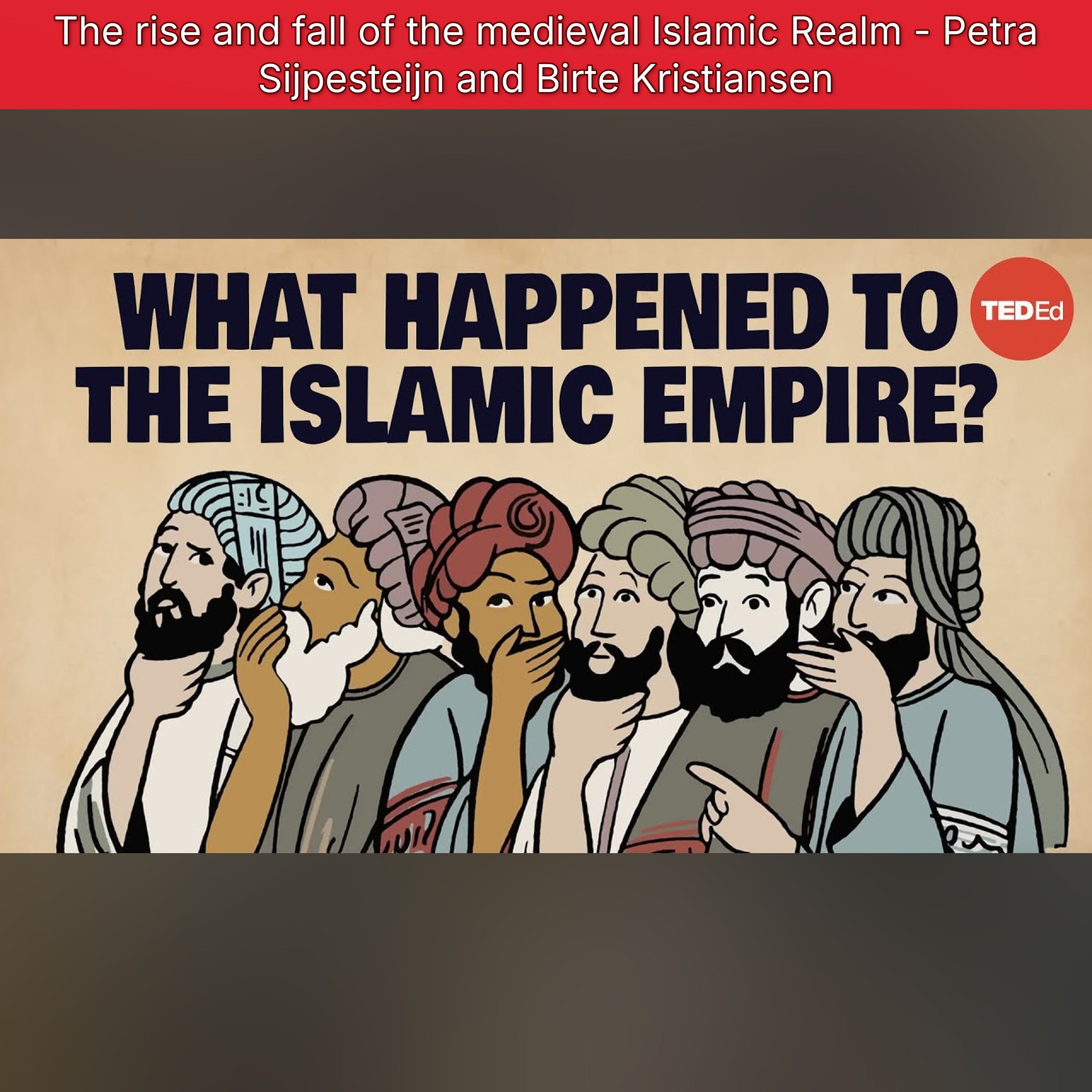
Trace the rise and fall of the Islamic Empire, from the prophet Muhammad in the 7th century to the sacking of Baghdad. -- In the 7th century CE, the prophet Muhammad united the people of the Arabian Peninsula through the formation of Islam. Over the next 30 years, caliphs conquered vast areas beyond Arabia, including their mighty neighbors the Persians and Byzantines. But an empire this vast was at risk of conflict and fracture. Petra Sijpesteijn and Birte Kristiansen detail the rise and fall of the Islamic Empire. Lesson by Petra Sijpesteijn & Birte Kristiansen, directed by Elahe Baloochi, Fardi Mahmoodi. Support Our Non-Profit Mission ---------------------------------------------- Support us on Patreon: http://bit.ly/TEDEdPatreon Check out our merch: http://bit.ly/TEDEDShop ---------------------------------------------- Connect With Us ---------------------------------------------- Sign up for our newsletter: http://bit.ly/TEDEdNewsletter Find us on Twitter: http://bit.ly/TEDEdTwitte