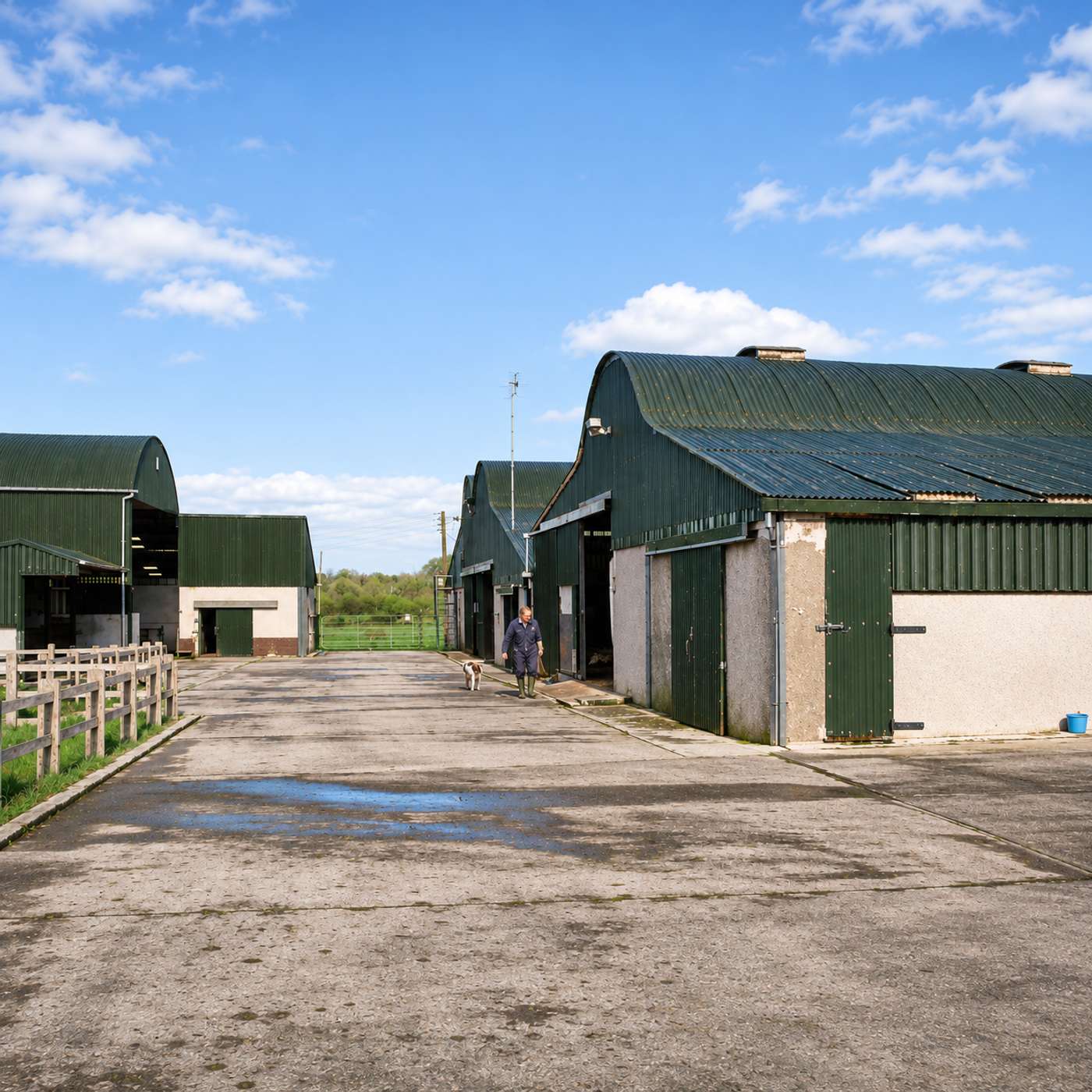
Ahead of the Teagasc National Beef Conference on 30th November at the Hodson Bay Hotel, Athlone, Seamus Nolan, Teagasc Schemes Support Unit Specialist joins Catherine Egan to discuss the conference theme ‘Profitable Beef Farming, Balanced Lifestyle’, exploring the challenges faced by farmers balancing full-time off-farm employment with running a suckler or beef enterprise. Seamus highlights effective time management, the importance of well-designed farm facilities, and practical ways to make everyday tasks easier and safer, particularly for farmers working in the evenings and during busy periods such as calving season. Seamus also outlines the opportunities available through TAMS to help farmers upgrade their facilities, plan future investments and make their farms more efficient and family-friendly. Seamus previews the conference session ‘Farming & Family Life: Finding the Right Balance’, featuring farmers and industry specialists sharing practical experiences and advice on making bee
In the final episode of the Getting Winter Ready series on the Beef Edge, Catherine Egan is joined by Jimmy Lyons, Teagasc Agricultural Sustainability Support and Advisory Programme (ASSAP) Advisor based in Teagasc Listowel, to discuss water quality, farmyard management and preparing for Nitrates Action Programme (NAP) inspections. With environmental regulations and water quality inspections becoming increasingly important, Jimmy explores the most common issues identified during farm inspections and what beef farmers can do to ensure their farms are compliant. Jimmy discusses the main pollution risks around the farmyard, how contaminated water can reach local streams and rivers, and why even small amounts of agricultural pollution can have an impact on water quality. Jimmy focuses on the importance of managing dirty water correctly, highlighting practical ways to reduce the volume of dirty water collected around the yard. With cattle housed for the winter, slurry storage is another key
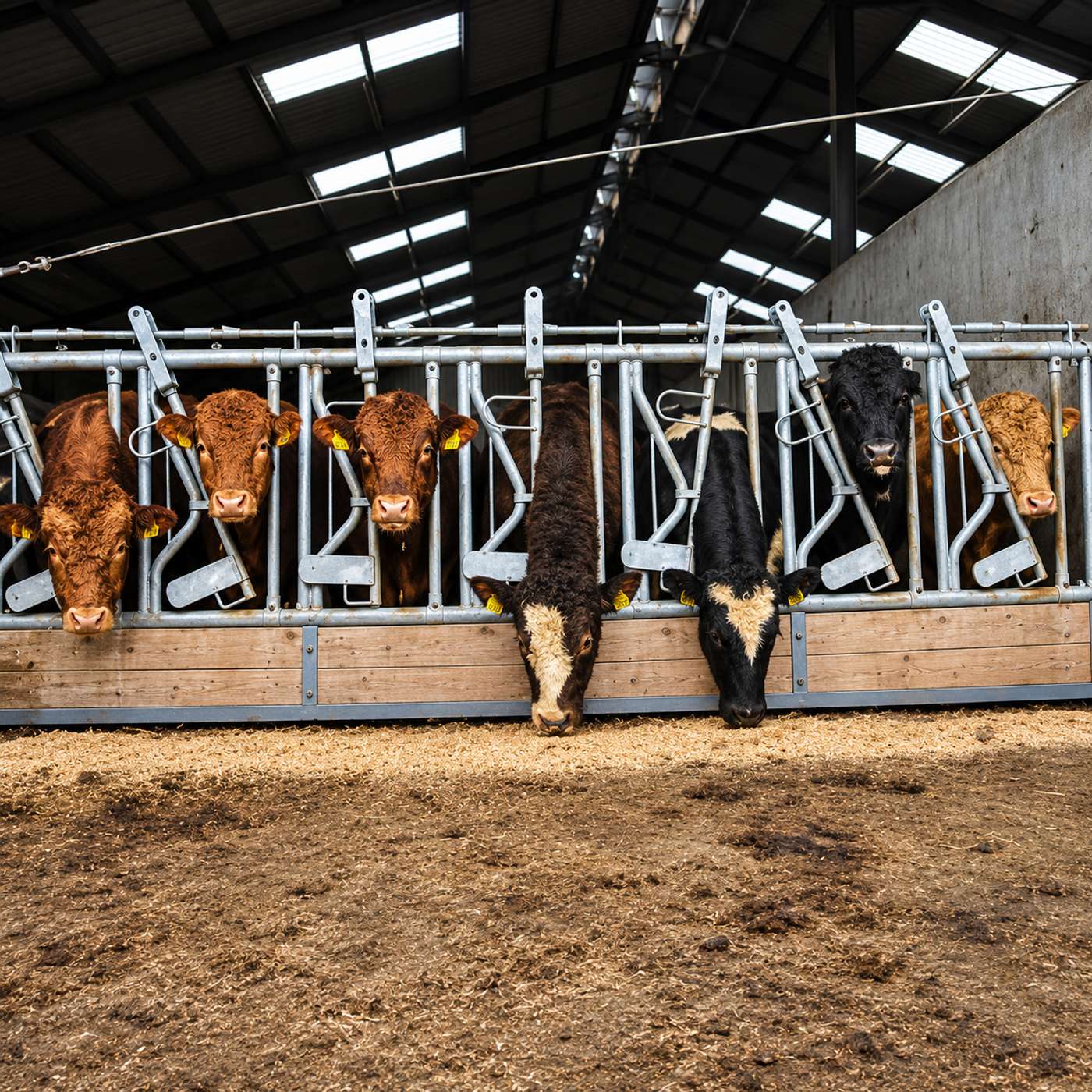
Teagasc Cattle Specialist, Niall Kerins, explores how housing conditions can influence cattle performance over the winter months, as part of the ‘Getting Winter Ready’ series on the Beef Edge. Even when nutrition and animal health are well managed, poor housing can limit liveweight gain, particularly in weanlings. Niall discusses the importance of appropriate stocking rates and space allowances for different types and weights of cattle, and why farmers should regularly reassess space requirements as animals grow throughout the winter. He also examines the importance of adequate feed-barrier space, highlighting how competition at feeding time can affect feed intake and performance, particularly among younger and more timid animals. Niall discusses how farmers can assess ventilation, carry out a simple smoke test and identify potential problems without creating harmful draughts, especially in areas housing young calves and freshly calved cows. The importance of clean, accessible water su