FEBRUARY 1954 Sabotage Threatens American Artificial Intelligence — Part Two David Shedd argues that Beijing’s sophisticated espionage campaign against Nvidia amounts to strategic sabotage intended to dismantle America’s lead in artificial intelligence. Meanwhile, Wall Street remains deeply vulnerable because corporate leadership repeatedly suppressed early warnings from intelligence officials about Chinese operations targeting microchips. (2)
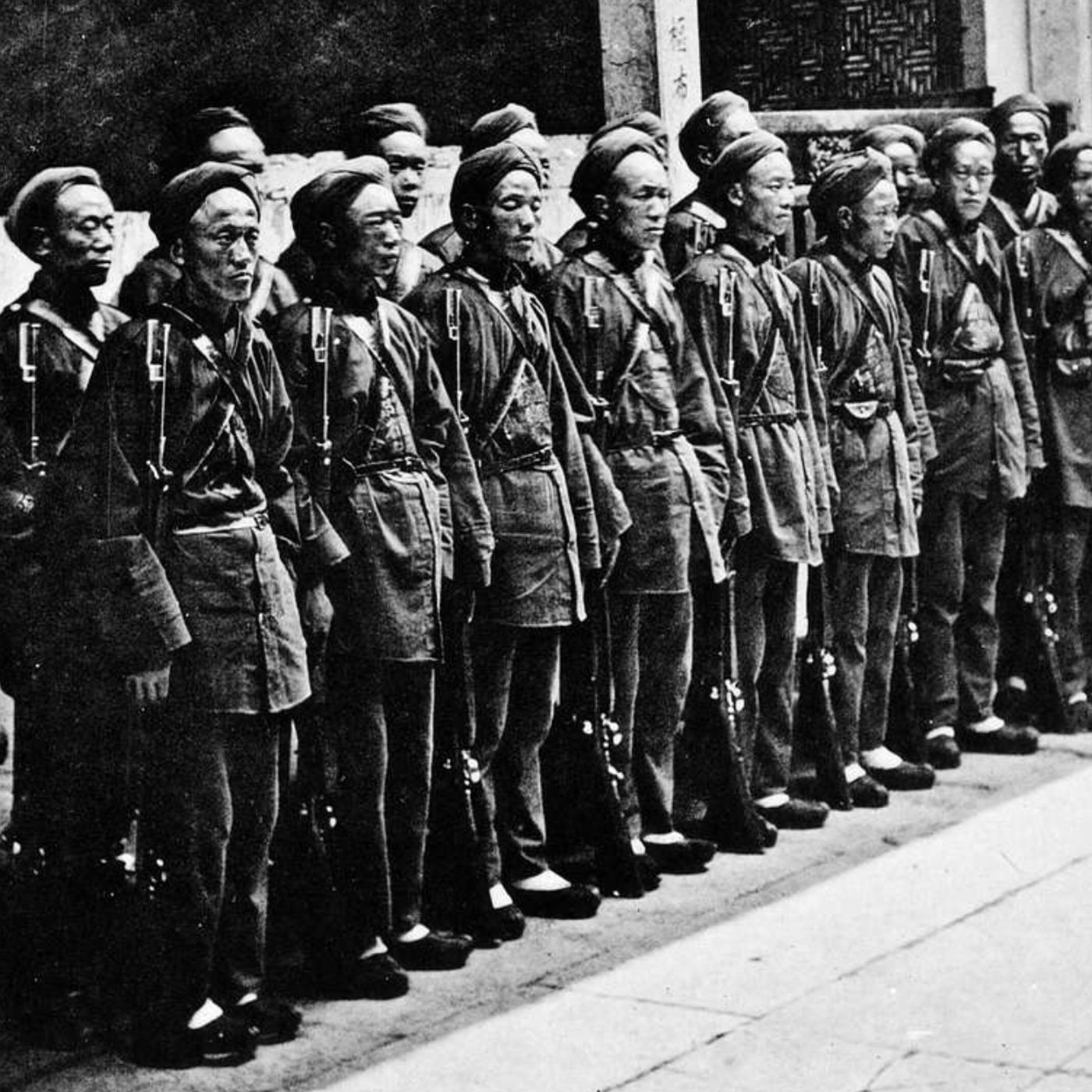
1875 CHINA Nvidia Scandal Reveals Chinese Espionage — Part One David Shedd discusses the resignation of Nvidia CEO Jensen Huang after revelations of an extramarital affair with Alice Wang, a suspected agent linked to China’s Ministry of State Security. Shedd describes how Wang exploited commercial networks to divert more than seven billion dollars in forbidden GPUs into China. (1)
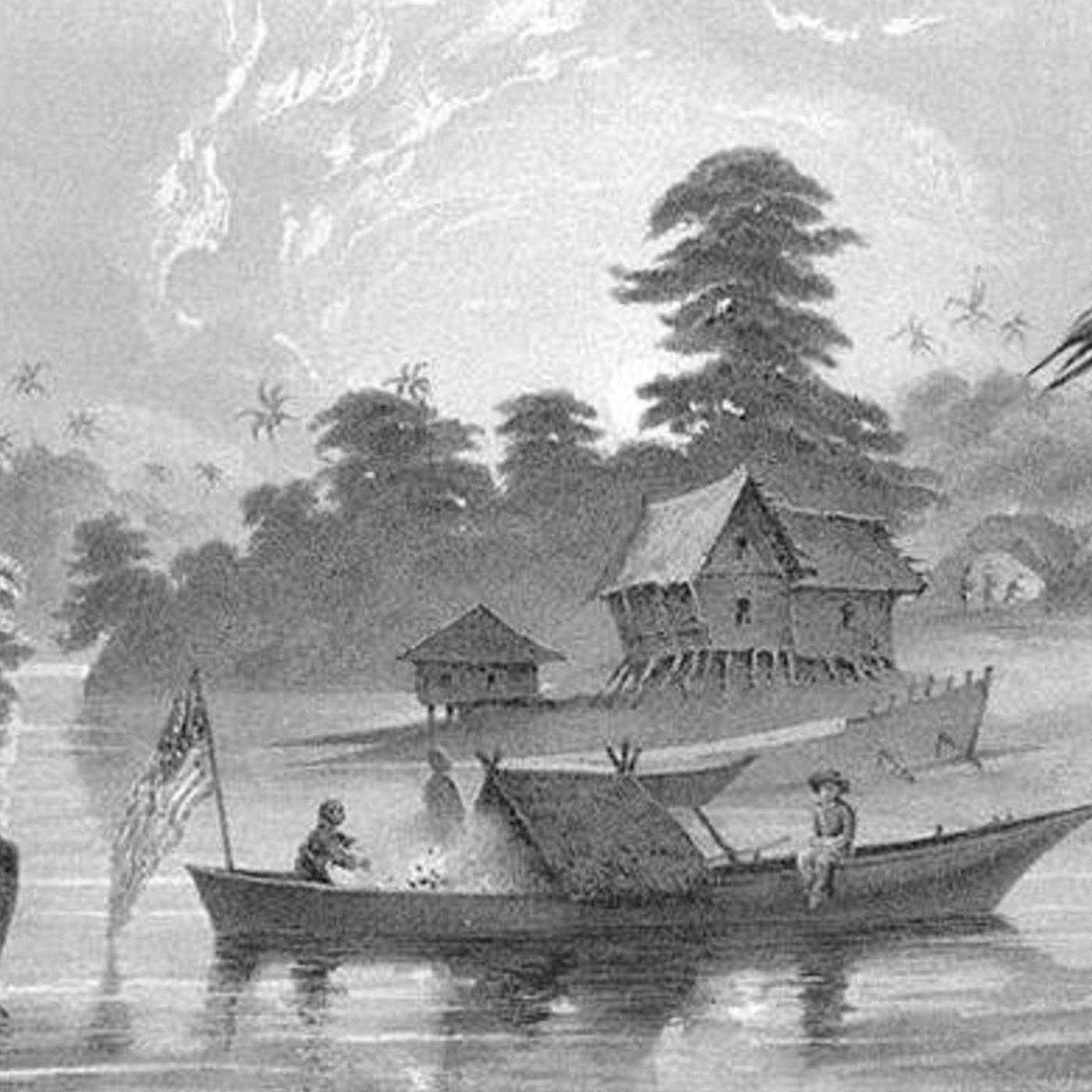
1856 SINGAPORE STREAMING MAKING JOHN BATCHELOR SHOW 11-12-26 WITH JIM MCTAGUE The sources discuss the unfolding corporate and political scandal surrounding Nvidia and its CEO Jensen Wang, following revelations of illicit chip-smuggling to China and personal misconduct. Market analysts analyze how these damaging disclosures, combined with potential White House conflicts of interest and congressional investigations led by figures like Elizabeth Warren, have triggered massive stock volatility driven by high-frequency trading machines. Furthermore, commentators compare the crisis to historical corporate collapses, questioning whether US governmentintervention or a complete overhaul of Nvidia's lightweight board and leadership is imminent. Ultimately, the discussion highlights the fragility of monopolistic tech giants and warns investors to treat the current market chaos like a Las Vegas casino rather than a traditional buying opportunity.
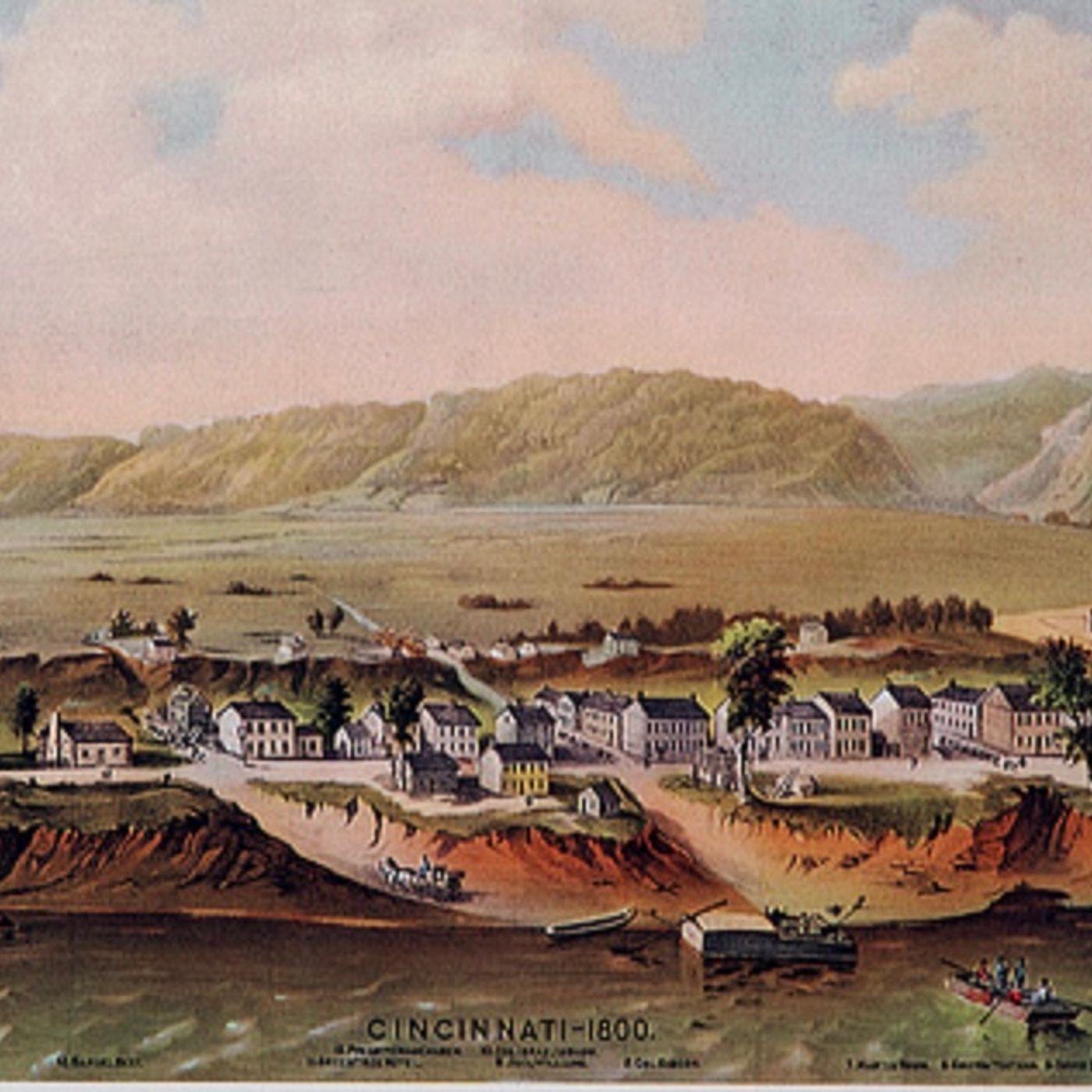
1899 CINCINNATTI POPULATION 750 CONTENTS JOHN BATCHELOR SHOW 11-11-26 Nuclear Deterrence Prevents Global Conflicts — Part One Peter Huessy reflects on Armistice Day, warning that while past arms control treaties reduced nuclear arsenals, neglecting strategic deterrence threatens global security. Maintaining strong nuclear deterrence, he argues, remains vital to preventing escalating conventional conflicts across Europe, the Middle East, and Asia. (1) Strategic Balance Shapes Allied Security — Part Two Peter Huessy discusses how key Asian and European allies are weighing nuclear options as Russia and China expand unconstrained arsenals. He stresses that conventional forces alone cannot replace nuclear deterrence, making modernized strategic capabilities essential to deterring aggressive adversaries. (2) American Military Ethos Faces Challenges — Part One Colonel Jeff McCausland examines the distinctive American warrior ethos, rooted in citizen-soldier values and compassion alongside let
1922 Semiconductor Espionage Drives Security Concerns — Part Two Steve Yates and Gordon Chang address the US-China artificial intelligence rivalry following an espionage scandal involving Nvidia leadership and Chinese intelligence. They discuss microchip export controls and anticipate legislative action from the incoming Congress. (16)
1793 Diplomatic Summits Face Economic Realities — Part One Steve Yates and Gordon Chang discuss the upcoming APEC summit and expected interactions between Donald Trumpand Xi Jinping. They analyze trade negotiations, China’s reluctance regarding trilateral nuclear talks, and domestic economic vulnerabilities hidden behind Beijing’s impressive technological facade. (15)
1922 TAIWANN Chinese Military Drills Pressure Taiwan Rick Fisher and Gordon Chang discuss China’s area-denial exercises surrounding Taiwan. They evaluate PLA joint force command integration, Taiwan’s defense budget challenges, and how Beijing uses military intimidation to influence upcoming Taiwanese local elections. (14)
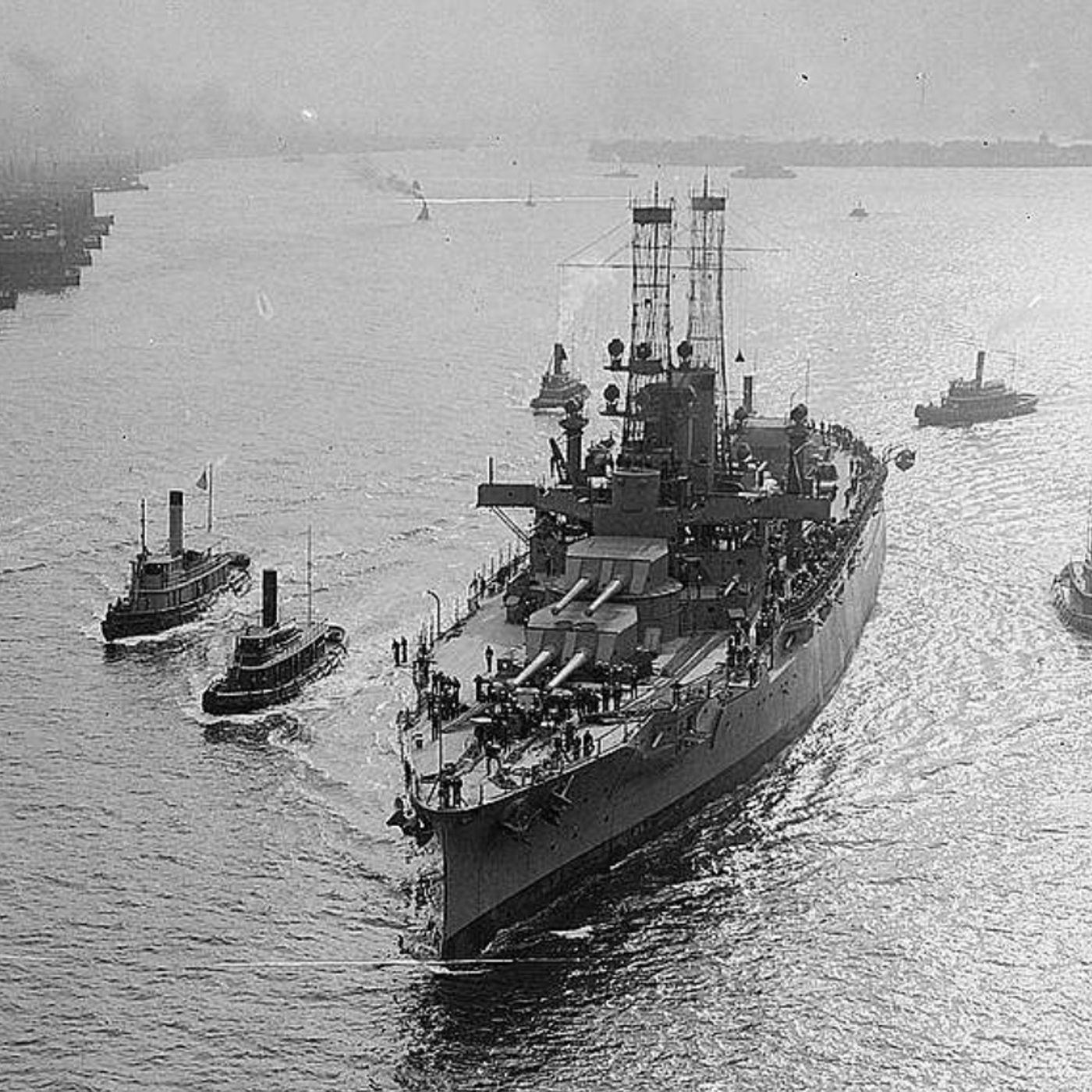
1912 USS WYOMING Naval Modernization Enhances Prompt Strikes Rebecca Grant and Gordon Chang analyze the US Navy’s new hypersonic weapon facility designed to equip Zumwalt-class destroyers and Virginia-class submarines. This high-end capability aims to hold Chinese targets at risk and counter threats across the Pacific. (13)
APRIL 1959 Orbital Technology Drives Exploration Forward — Part Two Bob Zimmerman examines DARPA orbital robotic assembly tests and growing commercial satellite servicing capabilities. He highlights the Rocket Lab-built ESCAPADE Mars mission for NASA and recent findings on repeated supernova-level explosions observed near distant black holes. (12)
1923 Commercial Space Industry Expands Horizons — Part One Bob Zimmerman reviews commercial space developments, detailing SpaceX’s Starship test plans and Blue Origin’s New Glenn progress. He covers new NASA Artemis lunar lander contracts, military launch facilities, and private space initiatives expanding across Europe and Asia. (11)
1920 UKRAINE POSTERS Sanctions Enforcement Faces Statutory Limits Max Meizlish clarifies the legislative constraints governing Russian sanctions, highlighting the REPO Act, CAATSA, and the Graham sanctions bill. He outlines concerns over executive attempts to waive sanctions on Russian slush funds, and expects increased oversight from the incoming Congress. (10)
1905 BAKU Global Energy Markets Face Disruption Michael Bernstam analyzes shifting global oil dynamics, explaining China’s crude stockpiling and discounted Russian oil purchases. He notes that Ukrainian attacks on Russian refineries and export ports have reduced refining capacity, and predicts elevated international energy prices continuing through 2027. (9)
1923 JAPAN Espionage Allegations Threaten Tech Leadership — Part Two Richard Epstein examines allegations surrounding Nvidia CEO Jensen Huang and a targeted Chinese intelligence operation. He discusses potential national security breaches, semiconductor export restrictions, corporate governance pressures, and the likelihood of congressional investigations into microchip technology safeguards. (8)
1922 SC0TUS Pentagon Impeachment Battle Debates Legality — Part One Richard Epstein analyzes the failed House attempt to impeach Defense Secretary Pete Hegseth. He evaluates military policy changes, critiques strike operations against Caribbean speedboats, and explains why using impeachment to resolve complex foreign policy disputes sets a dangerous political precedent. (7)
1913 DAYTON FLOOD Severe Weather Besets Australian Region Jeremy Zakis discusses Australia’s Remembrance Day before describing extreme weather across Queensland and Victoria. Powerful supercell storms, hail, damaging heatwaves, and sudden bushfires highlight volatile conditions linked to emerging Pacific El Niño climate patterns. (6)V
1927 ENDURANCE Economic Pressures Impact Global Markets Simon Constable reports on British Remembrance Day traditions and European weather shifts. He details fluctuating commodity markets, highlighting high European electricity and diesel costs alongside falling grain prices, while noting widespread public support for certain prominent UK political figures. (5)
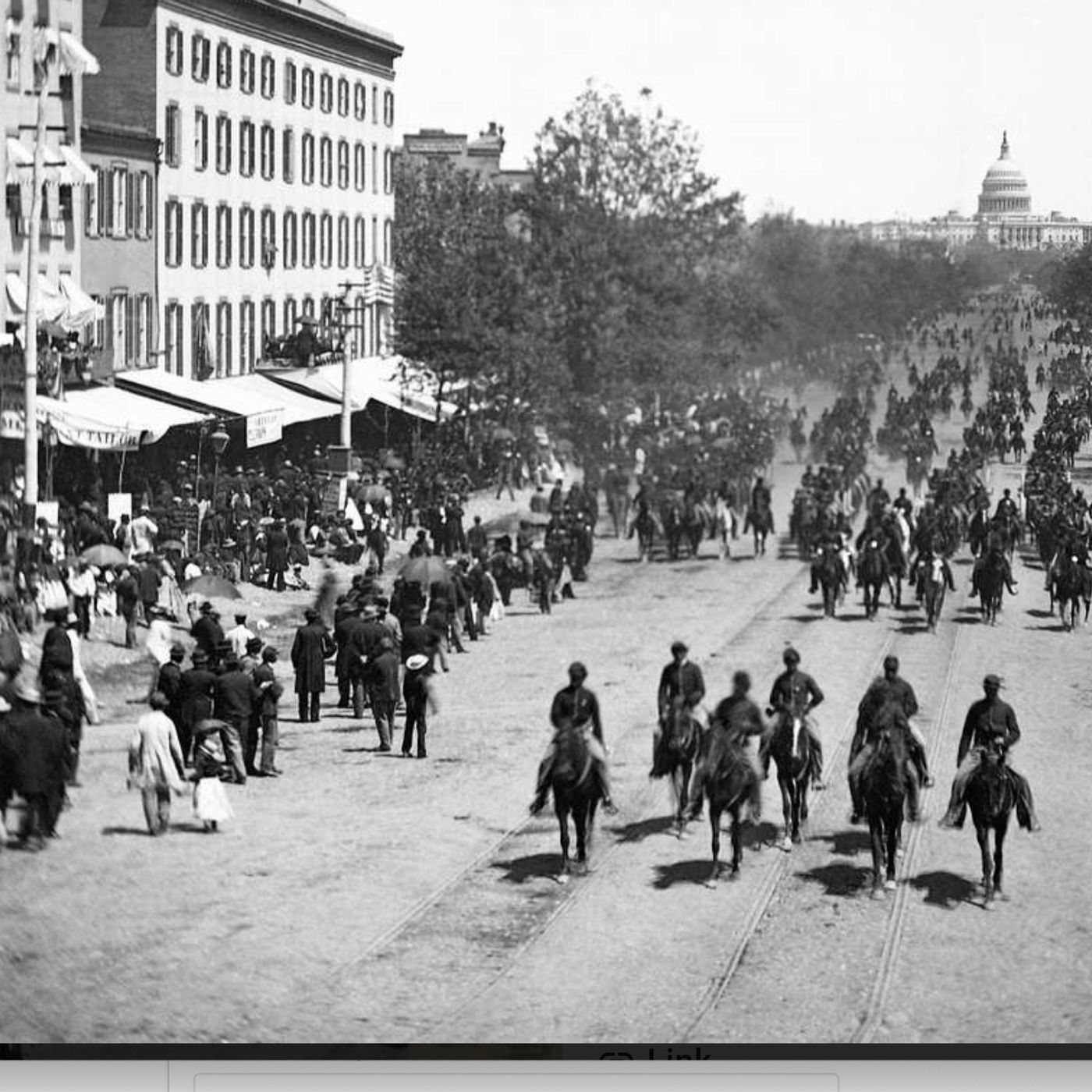
1865 PENNSYLVANIA AVENURE ARMY OF THE REPUBLIC Global Conflicts Escalate Amid Instability — Part Two Colonel Jeff McCausland reviews escalating global battlefronts, highlighting Russian attacks on Ukrainian civilians, the confrontation with Iran, and ongoing instability in Lebanon and Gaza. He warns that Russian hybrid attacks and strategic chaos pose severe risks to national security and international stability. (4)
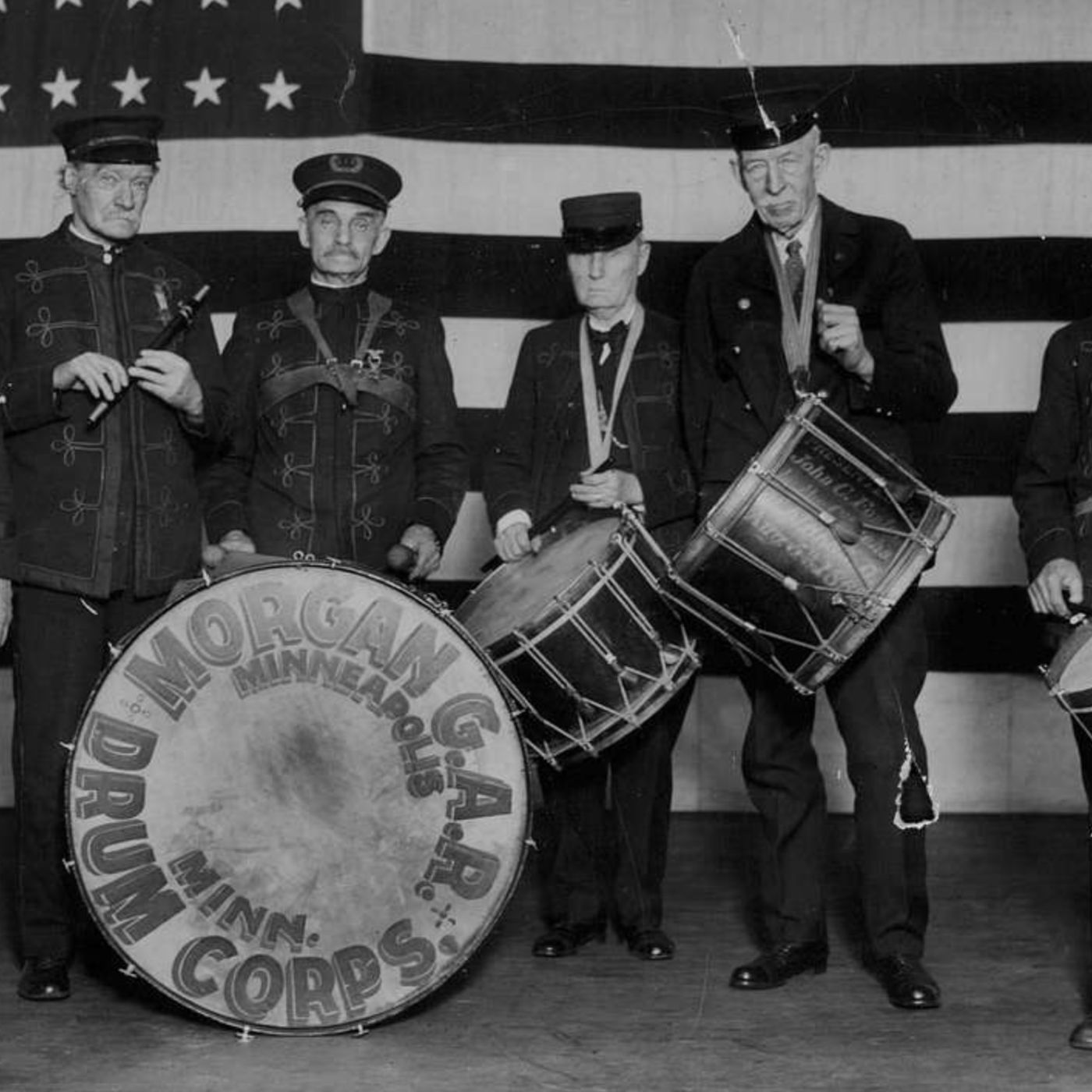
1920 GRAND ARMY OF THE REPUBLIC American Military Ethos Faces Challenges — Part One Colonel Jeff McCausland examines the distinctive American warrior ethos, rooted in citizen-soldier values and compassion alongside lethality. He criticizes Secretary Pete Hegseth’s controversial rhetoric and policy shifts, arguing they undermine military inclusivity, professionalism, and long-term strategic readiness. (3)
1923 Strategic Balance Shapes Allied Security — Part Two Peter Huessy discusses how key Asian and European allies are weighing nuclear options as Russia and China expand unconstrained arsenals. He stresses that conventional forces alone cannot replace nuclear deterrence, making modernized strategic capabilities essential to deterring aggressive adversaries. (2)
1925 Nuclear Deterrence Prevents Global Conflicts — Part One Peter Huessy reflects on Armistice Day, warning that while past arms control treaties reduced nuclear arsenals, neglecting strategic deterrence threatens global security. Maintaining strong nuclear deterrence, he argues, remains vital to preventing escalating conventional conflicts across Europe, the Middle East, and Asia. (1)
1968-26 STREAMING-MAKING OF THE JOHN BATCHELOR SHOW11-11 Geopolitical tensions and national security concerns dominate the discussions among the sources, focusing heavily on U.S. naval advancements, Chinese military provocations, and a sweeping political and corporate scandal involving illicit semiconductor exports. The sources highlight the U.S. Navy's expansion of hypersonic missile capabilities for Zumwalt-class destroyers and Virginia-class submarines alongside preparations at a new Yorktown facility to counter strategic threats. Simultaneously, experts examine China's aggressive military drills near Taiwan and evaluate the People's Liberation Army Navy's growing global reach and joint operational limitations. Furthermore, discussions center on a major espionage controversy involving undisclosed chip diversions to Beijing and the complicity of corporate and government officials, which threatens to spark intense congressional investigations and future trade restrictions. Finally, th
1959 PART 2 Data Centers and Tech Espionage Jim McTague and Thaddeus McCotter discuss political opposition to data center construction in Lancaster Countydespite substantial economic benefits and local job growth. They also examine national security concerns surrounding alleged Chinese espionage targeting Nvidia’s advanced semiconductors and the urgent need for firmer private corporate security measures. (8)
PART 1 Data Centers and Tech Espionage Jim McTague and Thaddeus McCotter discuss political opposition to data center construction in Lancaster Countydespite substantial economic benefits and local job growth. They also examine national security concerns surrounding alleged Chinese espionage targeting Nvidia’s advanced semiconductors and the urgent need for firmer private corporate security measures. (8)
1914 DETROIT PART 2 Midterm Results and Electoral Shifts Thaddeus McCotter analyzes the midterm results as a severe repudiation of President Trump’s administration, emphasizing Democratic Senate flips and Michigan’s massive blue wave. He attributes Republican losses to poor messaging on affordability, a splintered voter base, and public backlash against heavy-handed ICE immigration enforcement tactics. (7)