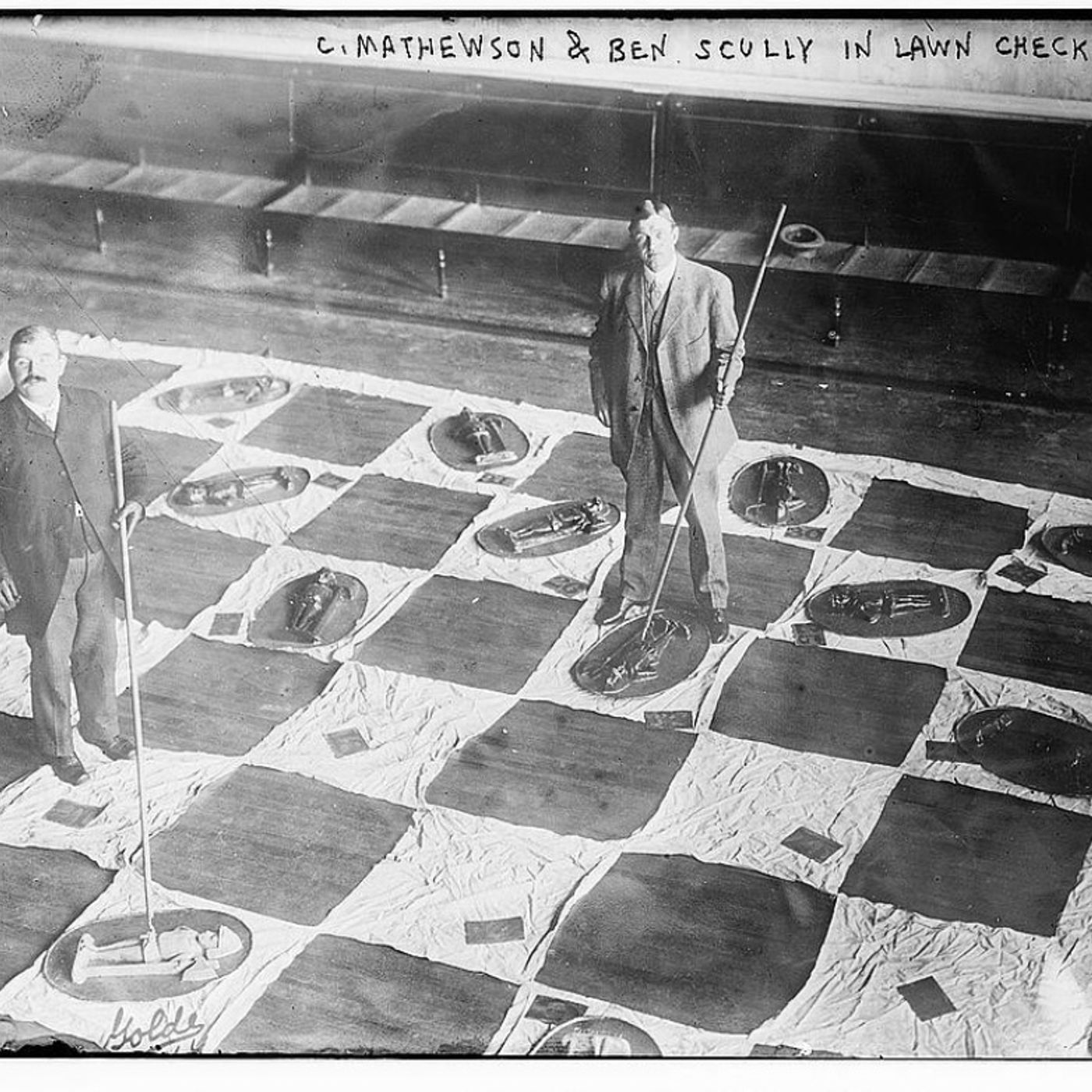
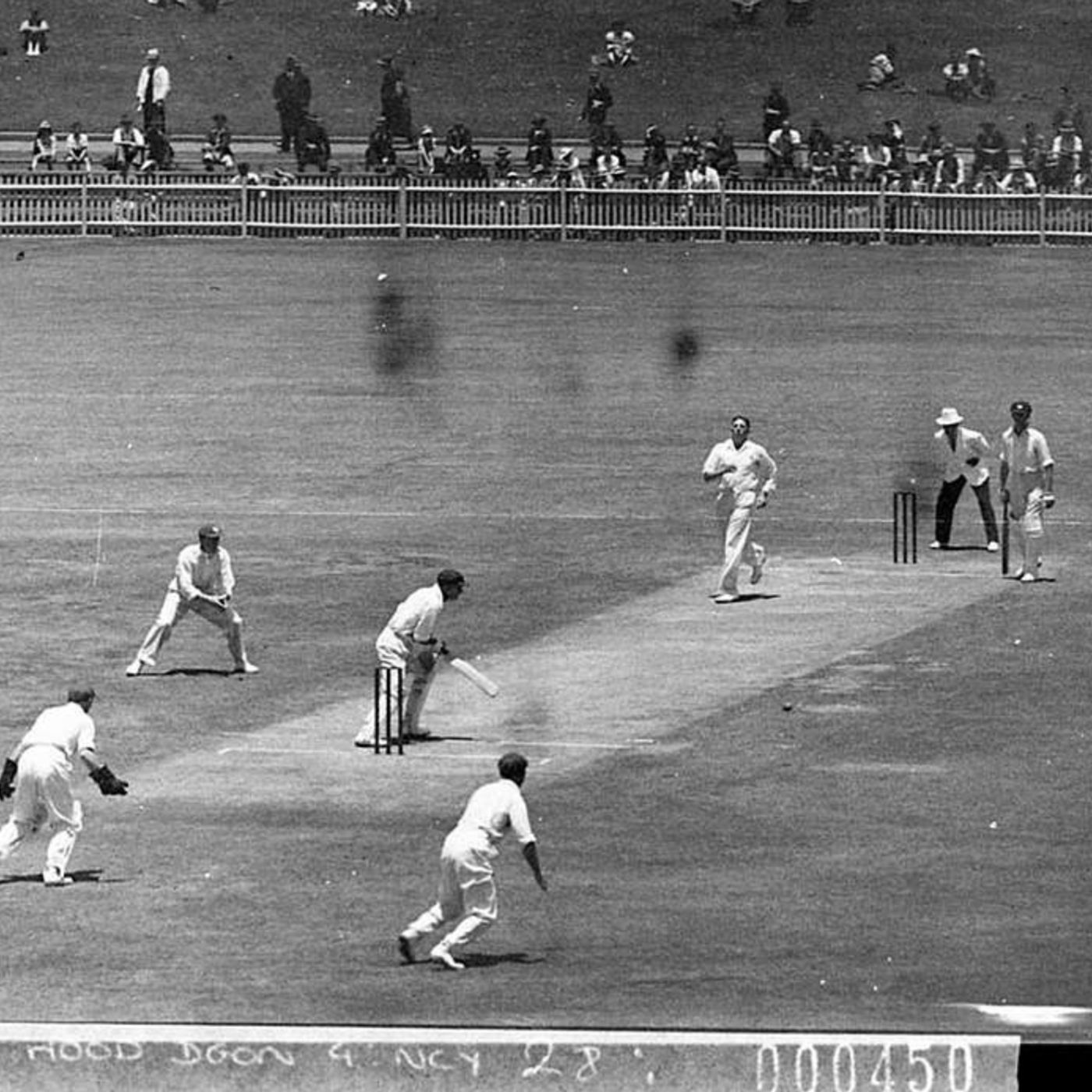
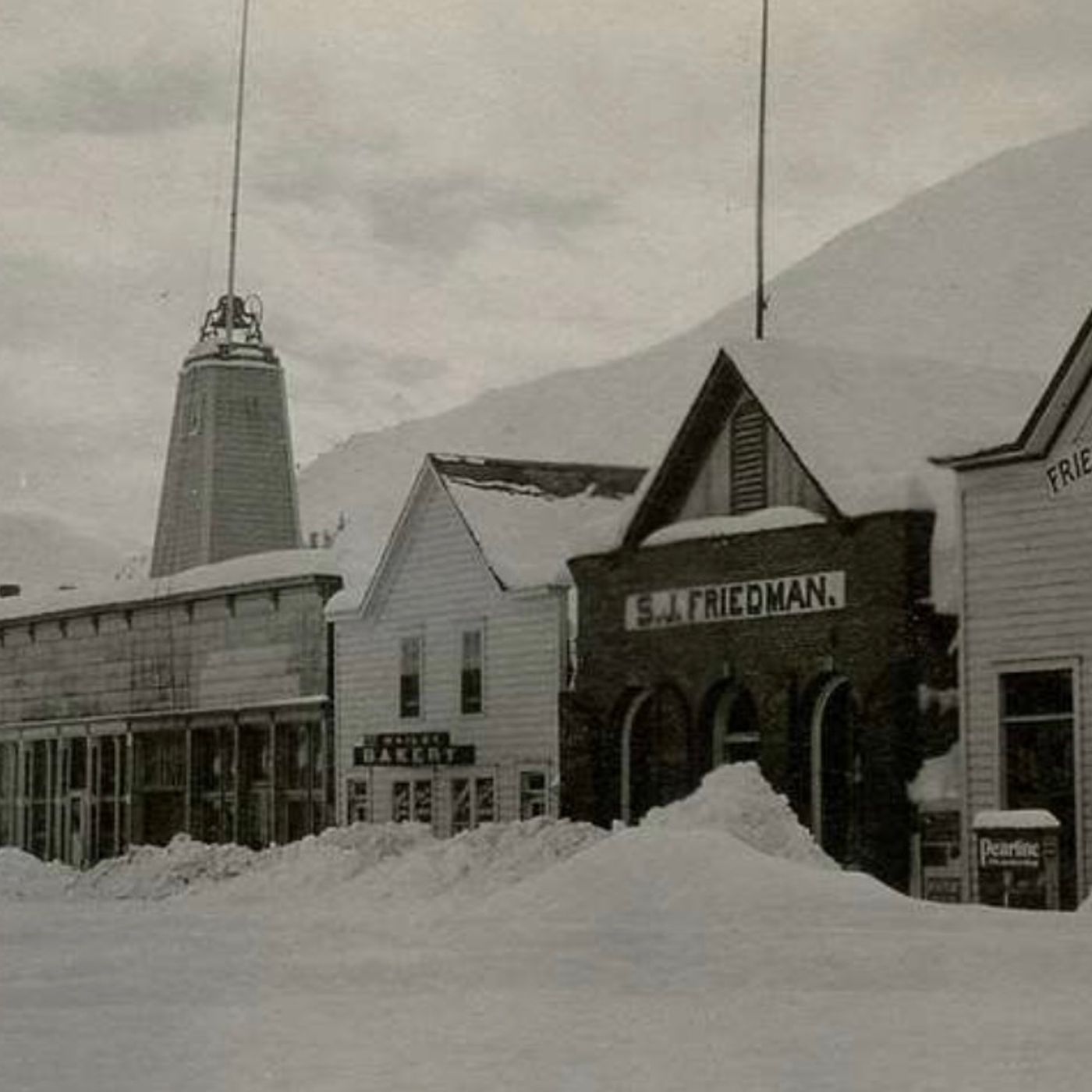
1890 MARQUETTE MICHIGAN PART 1 Midterm Results and Electoral Shifts Thaddeus McCotter analyzes the midterm results as a severe repudiation of President Trump’s administration, emphasizing Democratic Senate flips and Michigan’s massive blue wave. He attributes Republican losses to poor messaging on affordability, a splintered voter base, and public backlash against heavy-handed ICE immigration enforcement tactics. (7)
PSRT 2 Culture Wars and Political Campaigns Joseph Sternberg reflects on cultural issues in the midterms, noting that ballot initiatives on transgender sports participation succeeded even where Democrats won office. He observes that democratic resolution naturally de-escalates social controversies. Sternberg also analyzes Elon Musk’s campaign spending failures, demonstrating the limits of financial influence in elections. (6)
PART 1 Culture Wars and Political Campaigns Joseph Sternberg reflects on cultural issues in the midterms, noting that ballot initiatives on transgender sports participation succeeded even where Democrats won office. He observes that democratic resolution naturally de-escalates social controversies. Sternberg also analyzes Elon Musk’s campaign spending failures, demonstrating the limits of financial influence in elections. (6)
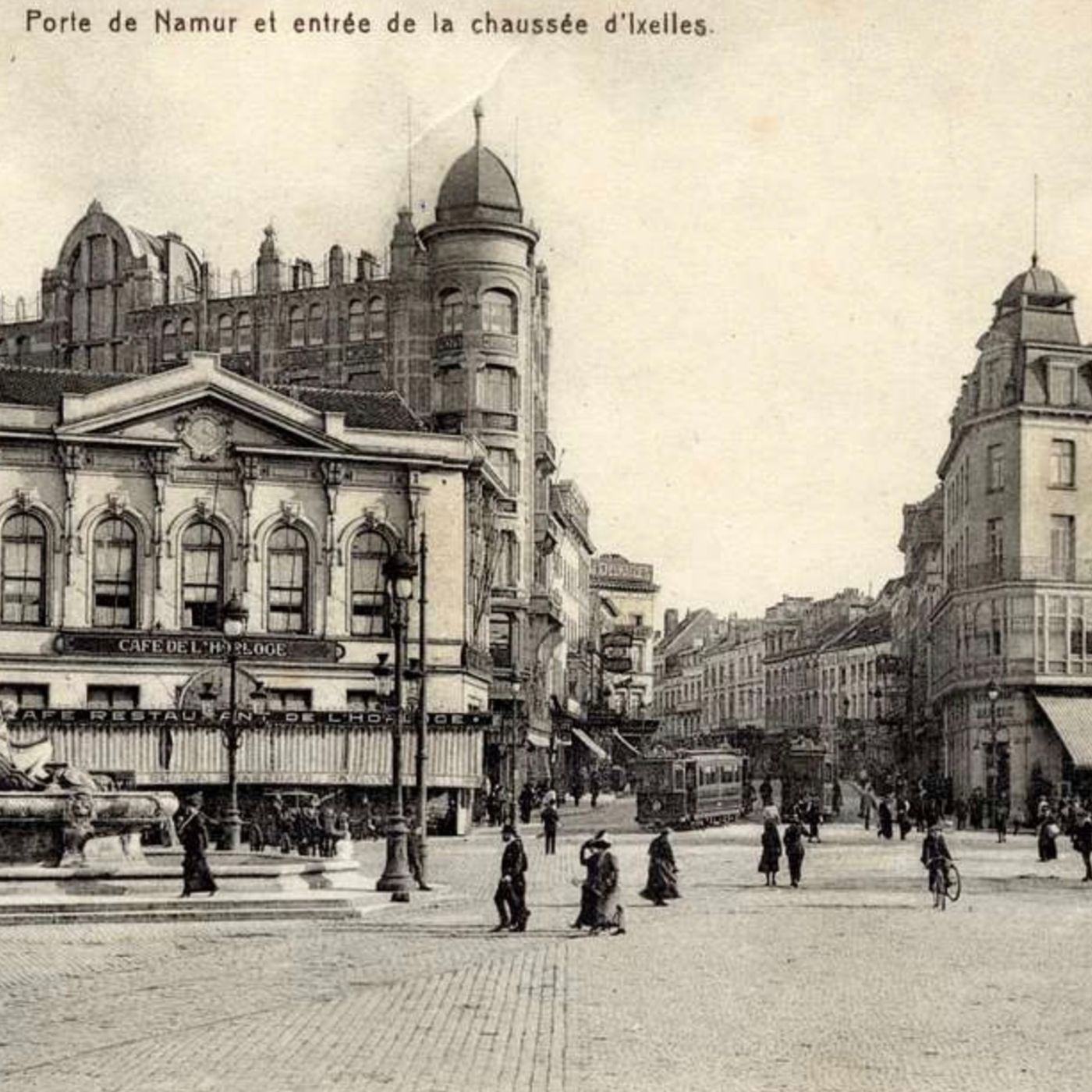
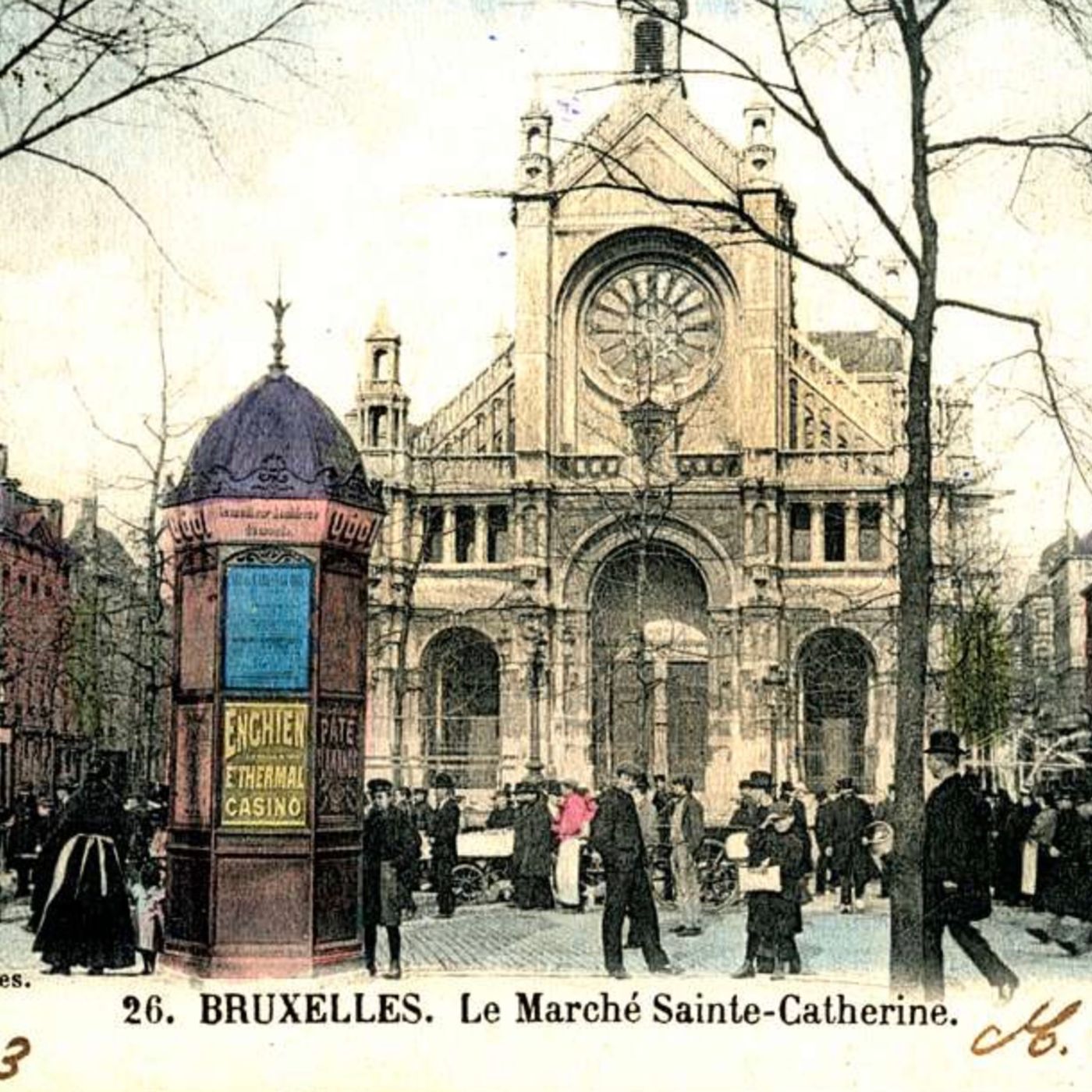
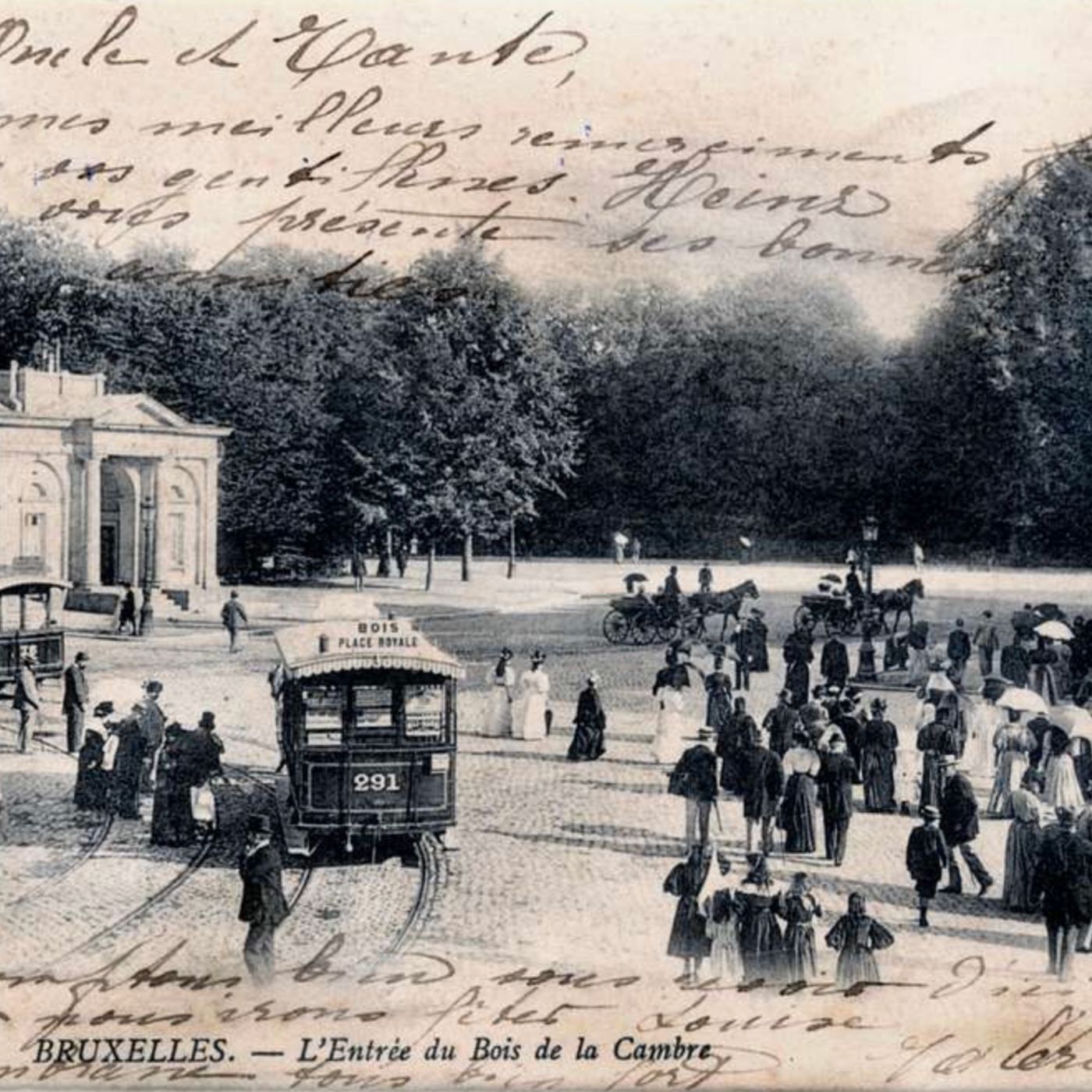
1900 BRUSSELS PART 2 Global Stability and Economic Realities Gregory Copley interprets the US midterms as part of a global protest trend against incumbent governments. He examines broad economic fragility, currency inflation, and geopolitical shifts affecting Ukraine and Iran. Copley also details internal political purges and severe economic instability within China, impacting key international commodity markets. (5)
PART 1 Global Stability and Economic Realities Gregory Copley interprets the US midterms as part of a global protest trend against incumbent governments. He examines broad economic fragility, currency inflation, and geopolitical shifts affecting Ukraine and Iran. Copley also details internal political purges and severe economic instability within China, impacting key international commodity markets. (5)
1903 PERSIA PART 2 Iranian Regime Leadership and Survival Behnam Ben Taleblu analyzes the Iranian regime’s perception of the US midterms as a political victory. He outlines internal power dynamics in Tehran, highlighting the ascendance of military elites from the IRGC over the clerics. Ben Taleblu argues that effective US policy requires decimating the regime’s intermediate structures and instilling real fear. (4)
1609 PERSIA PART 1 Iranian Regime Leadership and Survival Behnam Ben Taleblu analyzes the Iranian regime’s perception of the US midterms as a political victory. He outlines internal power dynamics in Tehran, highlighting the ascendance of military elites from the IRGC over the clerics. Ben Taleblu argues that effective US policy requires decimating the regime’s intermediate structures and instilling real fear. (4)
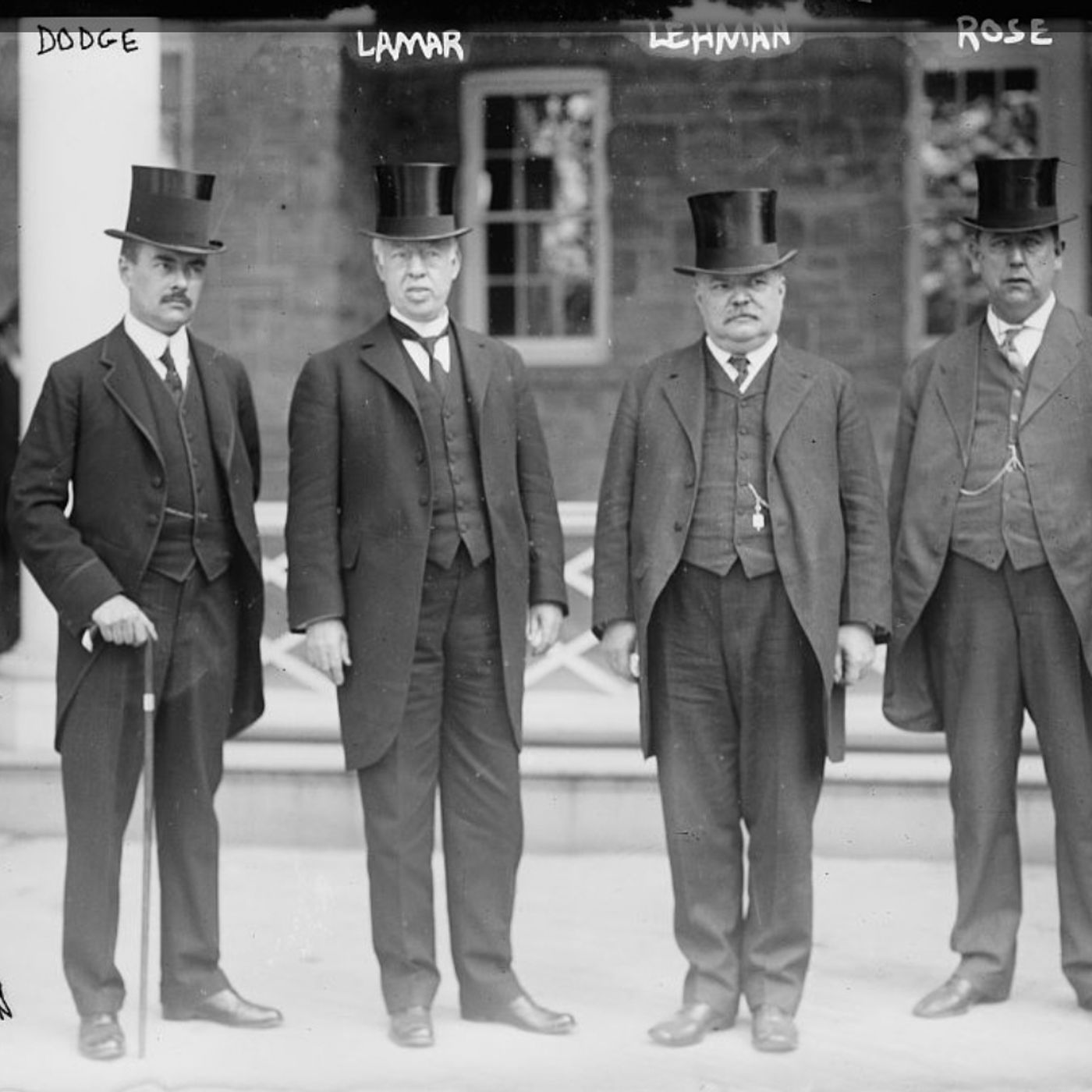
1914 US PEACE CONFERRENCE AT NIAGARA PART 2 Foreign Policy Strategy and Diplomacy Mary Kissel evaluates post-midterm American foreign policy, emphasizing executive branch continuity despite major congressional shifts. She addresses European energy vulnerability, defense reliance on the United States, and Russian covert influence efforts. She also reflects on the diplomatic impropriety of high-profile political endorsements in foreign European elections. (3)
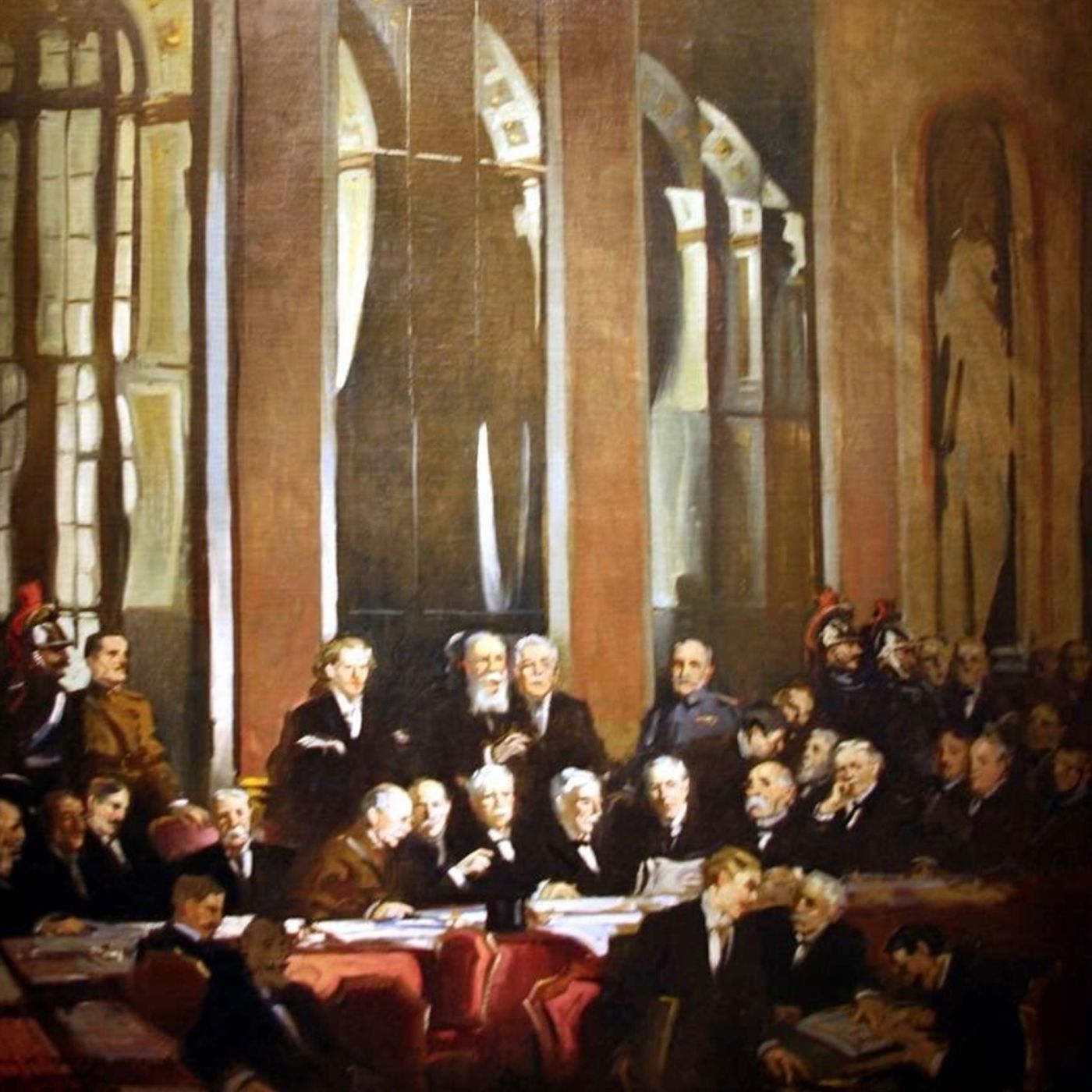
1919 VERSAILLES PART 1 Foreign Policy Strategy and Diplomacy Mary Kissel evaluates post-midterm American foreign policy, emphasizing executive branch continuity despite major congressional shifts. She addresses European energy vulnerability, defense reliance on the United States, and Russian covert influence efforts. She also reflects on the diplomatic impropriety of high-profile political endorsements in foreign European elections. (3)
European Geopolitics and Transatlantic Relations Judy Dempsey and Thaddeus McCotter assess European reactions to the American midterm elections and the G7summit discussions. They analyze Middle Eastern realignments, ongoing European disunity over Ukraine diplomacy, heavy dependence on American security, and the domestic challenges facing European governments from rising populist parties. (2)
1909 BRUSSELS European Geopolitics and Transatlantic Relations Judy Dempsey and Thaddeus McCotter assess European reactions to the American midterm elections and the G7summit discussions. They analyze Middle Eastern realignments, ongoing European disunity over Ukraine diplomacy, heavy dependence on American security, and the domestic challenges facing European governments from rising populist parties. (2)
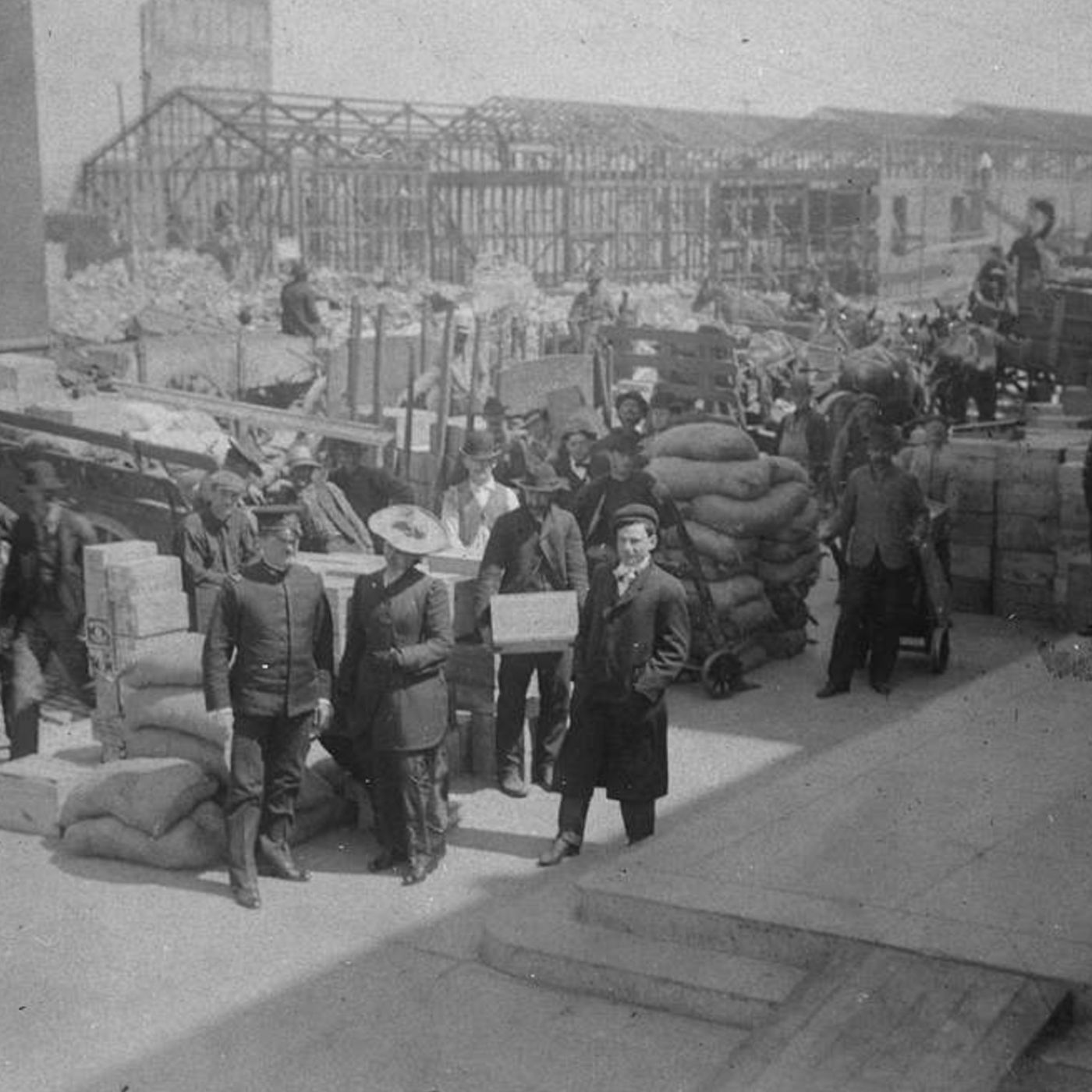
1906 EARTHQUAKE AND FIRE SAN FRANCISCO PART 2 Analyzing Economic Growth and Politics Liz Peek discusses strong American economic growth, highlighting rising GDP figures and robust consumer spending despite public gloom. She criticizes ham-fisted tariffs and the economic drag of the Iran war. She also examines the political rise of Democratic Socialists of America candidates in major urban elections such as Los Angeles. (1)V
ALASKA PART 1 Analyzing Economic Growth and Politics Liz Peek discusses strong American economic growth, highlighting rising GDP figures and robust consumer spending despite public gloom. She criticizes ham-fisted tariffs and the economic drag of the Iran war. She also examines the political rise of Democratic Socialists of America candidates in major urban elections such as Los Angeles. (1)
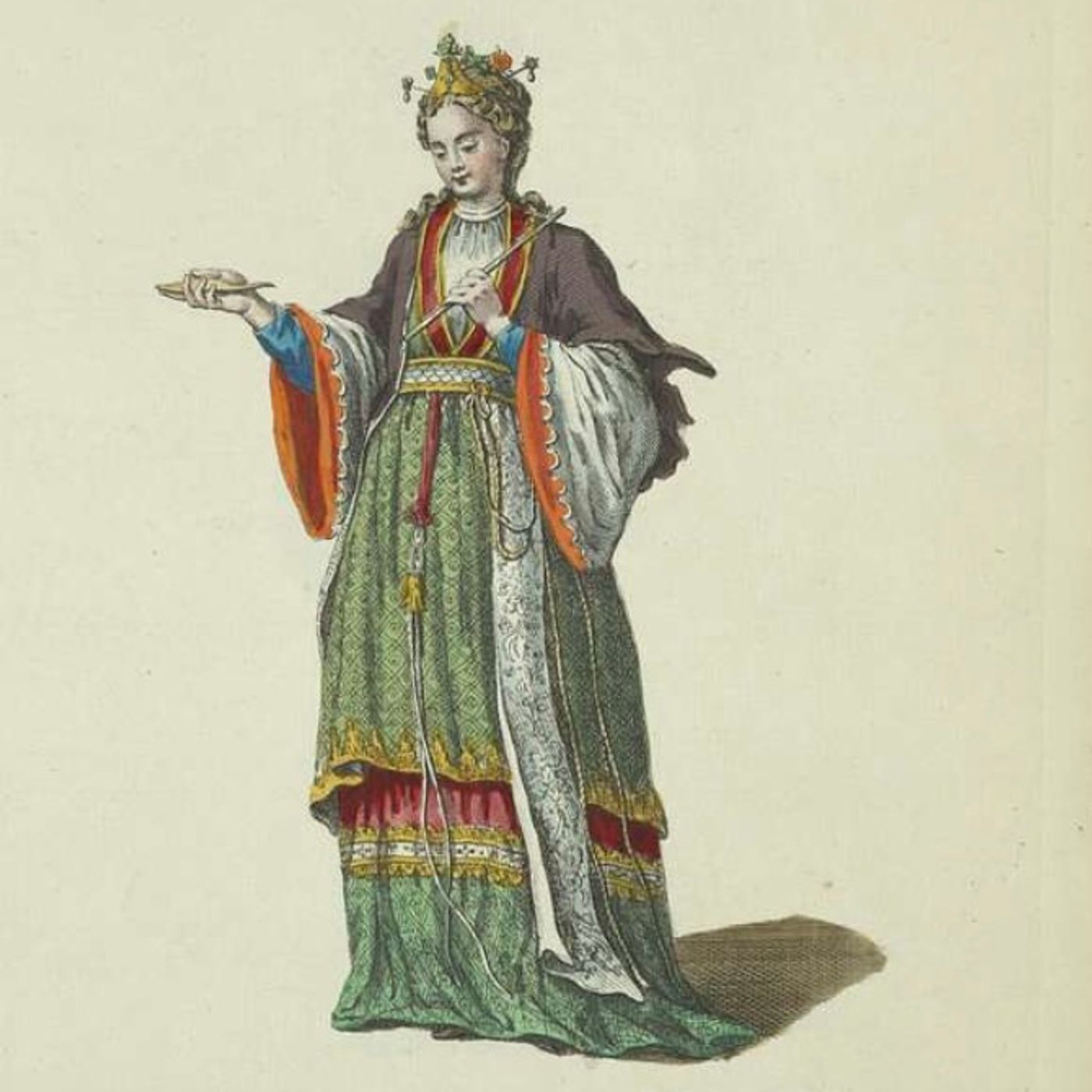
1700 CHINA LADY MATA HARI WITH CHINESE CHARACTERISTICS Midterms Data Centers Chinese EspionageJohn Batchelor and Thaddeus McCotter analyze the midterm election blue wave, citing voter dissatisfaction with national administration policies and affordability. Jim McTague then examines local political opposition to artificial intelligence data centers and Chinese espionage concerns surrounding Nvidia technology leadership. Next Step: Would you like to explore a detailed timeline of how AI data center policy and national security investigations developed across these discussions?
1914 NIAGARA PEACE CONFERENCE CONTENTS OF THE JOHN BATCHELOR SHOW 11-9-2026 -11-9 Israeli Coalition Building and Conflict Malcolm Hoenlein, with Thaddeus McCotter, details General Gadi Eisenkot receiving the mandate to form Israel's next coalition government. The discussion highlights concerns over future American military aid adjustments, Iran's covert global arms smuggling networks, and severe Houthi strikes targeting Saudi Aramco infrastructure. (1) Chinese Espionage Threatens Nvidia Leadership Scott Harold discusses Chinese espionage targeting Nvidia CEO Jensen Huang. He explores the national security risks, intelligence operations, and potential technological compromises involved, and how Beijing pursues advanced American technology while facing scrutiny over export control violations and global supply chain vulnerabilities. (2) United States China Trade Friction Alan Tonelson, with Gordon Chang, analyzes firm US warnings to China over unfulfilled rare earth commitments under the
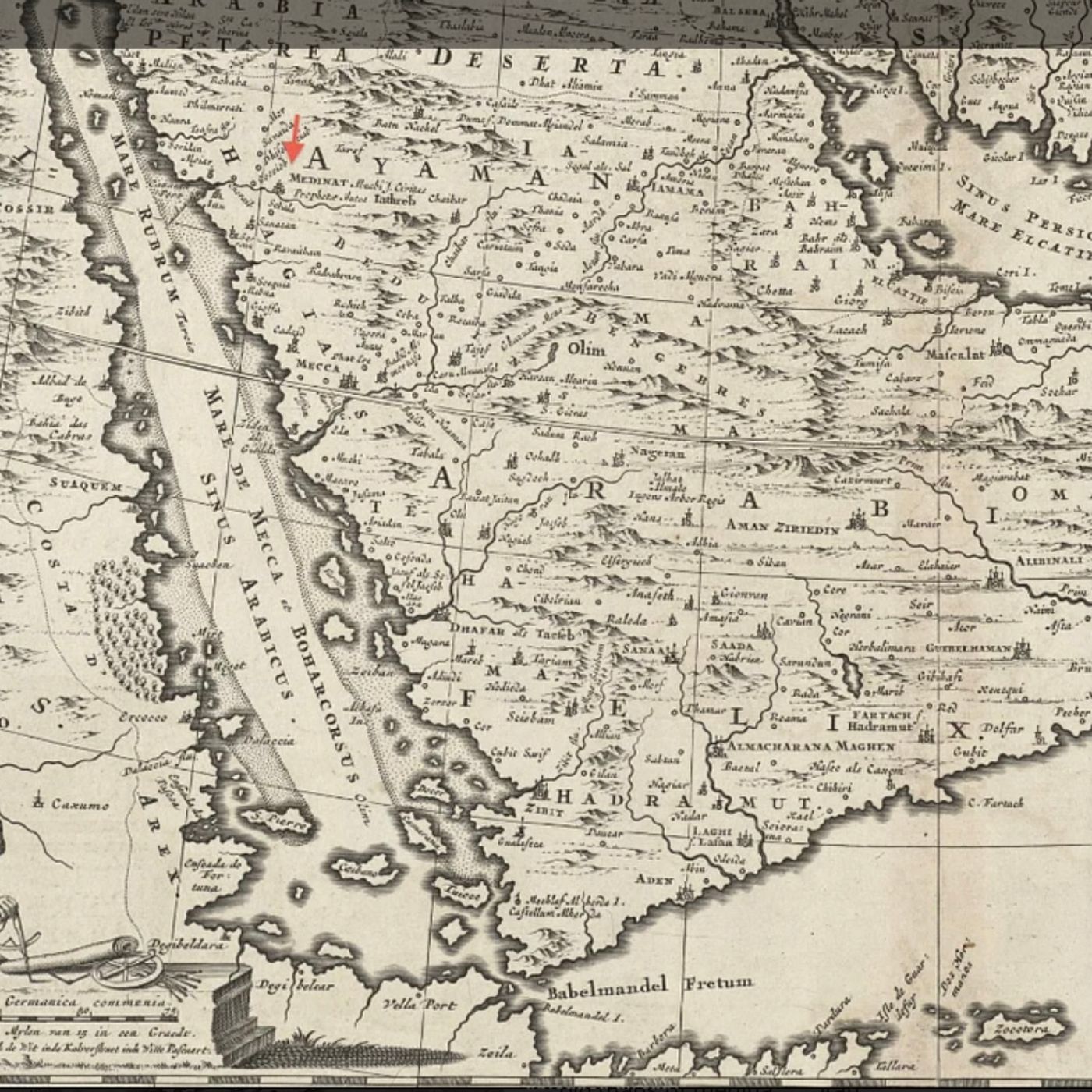
SYRIA 1900 Syrian Military Deployment Saudi Security Ahmad Sharawi analyzes conflicting reports regarding Syrian military deployments to Saudi Arabia and Yemen amid the escalating Houthi conflict. He evaluates the regional Mecca Pact deterrence agreement, Saudi financial backing for Syria, and the tactical limits of Syrian troops facing specialized adversaries. (12)
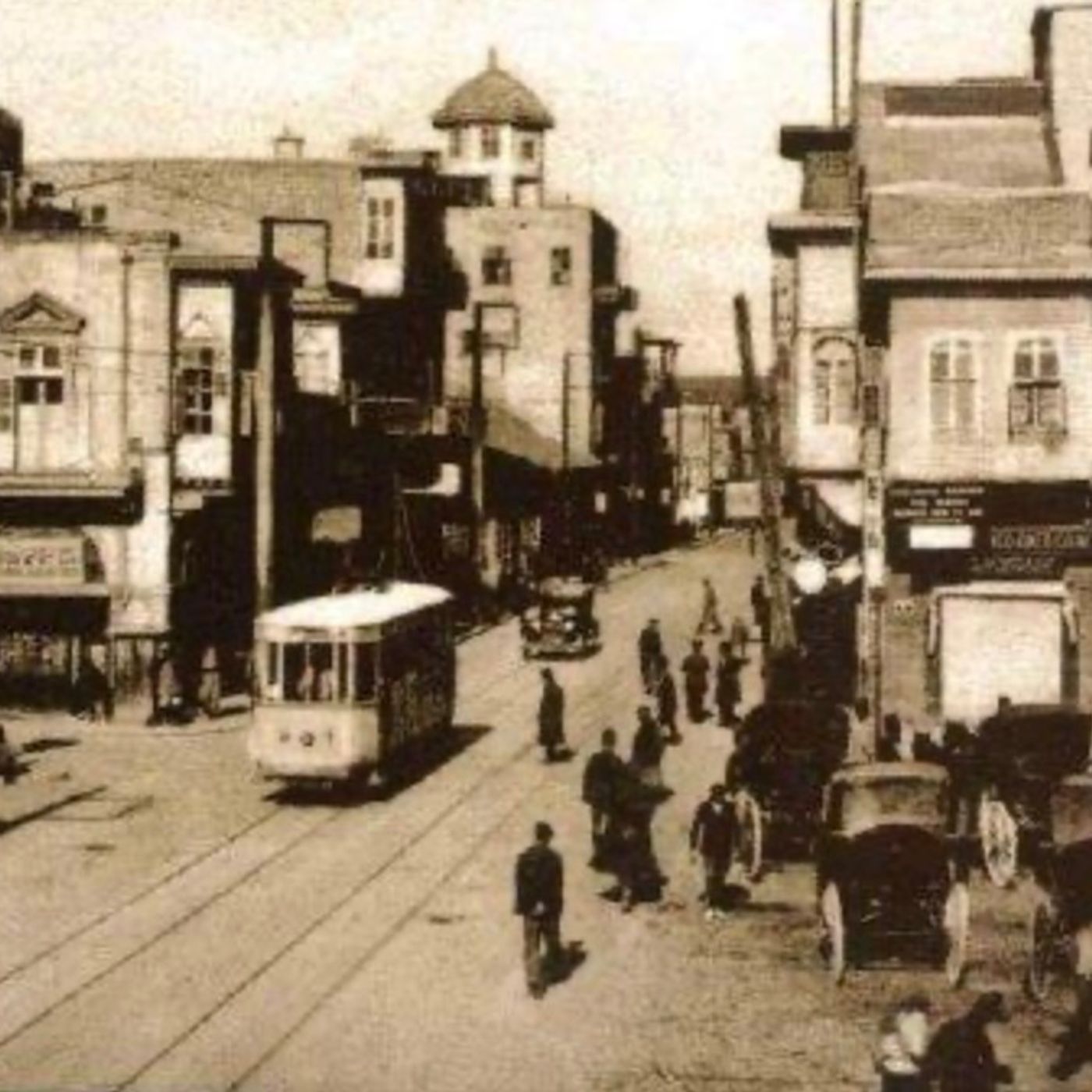
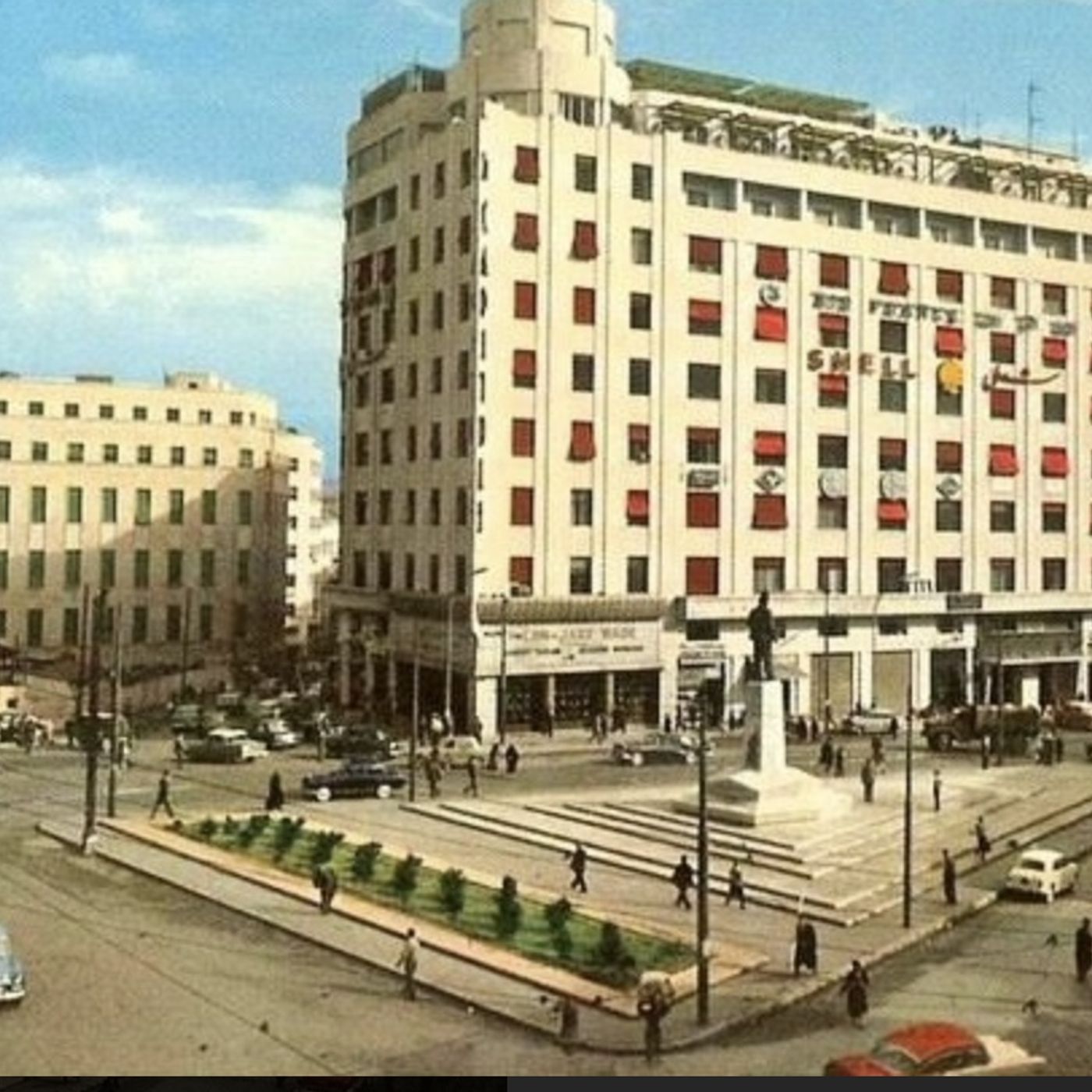
1960 BEIRUT Lebanese Diplomacy and Security Challenges David Daoud, with Bill Roggio, analyzes the sudden expulsion of Lebanon’s consul general in Detroit over statements praising the 1983 Marine barracks bombing. The discussion also evaluates illegal explosives seizures, pilot-zone verified disarmament frameworks, and persistent enforcement gaps within the Lebanese Army. (11)
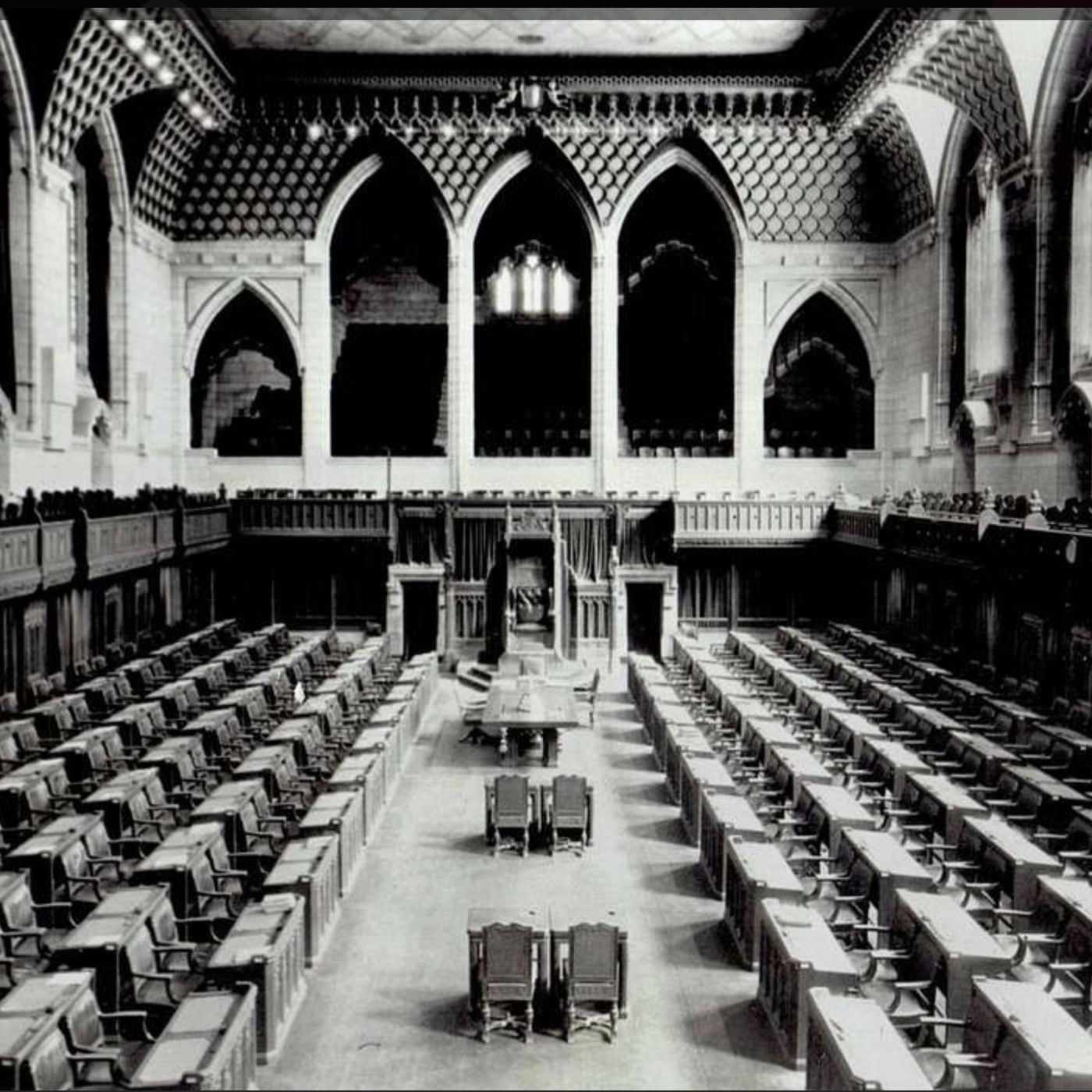
1932 OTTAWA COMMONS Bilateral Relations After Midterm Elections Conrad Black assesses Canadian perspectives following the US midterm elections, noting relief over shifting congressional influence in the border states. He addresses trade friction caused by tariff policies, joint Arctic defense cooperation, and positive prospects for normalized bilateral trade negotiations. (10)
1918 European Security Negotiations in Focus John Hardie and Bill Roggio detail upcoming trilateral talks in Abu Dhabi on postwar European security arrangements and formal security guarantees for Ukraine. The conversation addresses persistent Russian efforts to extract major NATOconcessions, sidelined European negotiators, and ongoing Russian strikes on infrastructure. (9)
1767 ARABIA Houthi Attacks Threaten Saudi Stability Edmund Fitton-Brown and Bill Roggio analyze escalating Houthi strikes against critical Saudi Arabian infrastructure, including the iconic Aramco tower. The dialogue details threatened investor confidence, battlefield advances near Taiz, coordinated Iranian regional strategy, and serious risks to Vision 2030. (8)
1895 VENEZUELA Venezuelan Governance and Regional Instability Alejandro Peña Esclusa discusses Venezuelan public impatience for national elections following Maduro’s capture, noting overwhelming voter support for María Corina Machado. He highlights severe ongoing electrical grid failures, transitional security challenges, and the political persecution in Brazil surrounding Flávio Bolsonaro. (7)
1690 Persian Gulf Conflict Regional Impact Janatyn Sayeh, with Bill Roggio, examines targeted American strikes on Qeshm Island in the strategic Strait of Hormuz aimed at containing the escalating regional conflict. The discussion details Iranian economic pressures, regenerating domestic civic movements, the regime’s reaction to the US midterms, and the impact of urban targeting. (6)
1850-1900 Israeli Coalition Negotiation Process Analysis Samuel Ben-Ur, with Bill Roggio and Edmund Fitton-Brown, explains President Herzog granting Gadi Eisenkot four weeks to assemble a viable Israeli coalition. The analysis assesses potential outside Arab party support in the Knesset, Likud’s prospects, consensus on the systemic Iranian threat, and ongoing military readiness. (5)
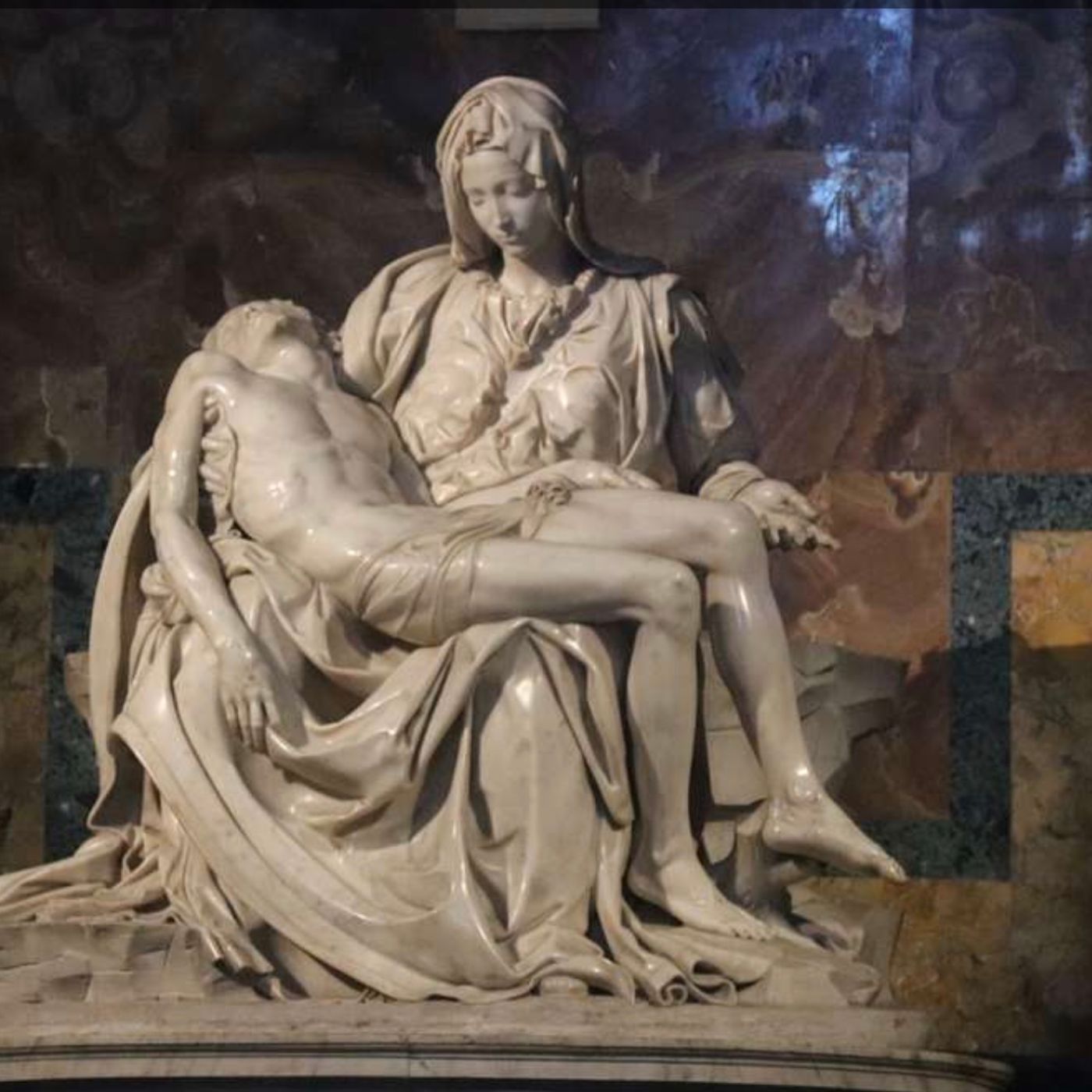
MICHAELANGELO VATICAN CITY Papal Critique and Political Fallout Bill Roggio and Edmund Fitton-Brown examine Pope Leo XIV’s public criticism of the Iran war and its political fallout for President Trump. The conversation analyzes the geopolitical implications, Vice President JD Vance’s political positioning, and substantial Republican midterm losses tied to inflation. (4)