1906 United States China Trade Friction Alan Tonelson, with Gordon Chang, analyzes firm US warnings to China over unfulfilled rare earth commitments under the Busan agreement. The discussion explores alternative strategic mineral supplies, simplified military procurement, trade truce extensions, and strict Defense Department restrictions on Chinese defense materials. (3)
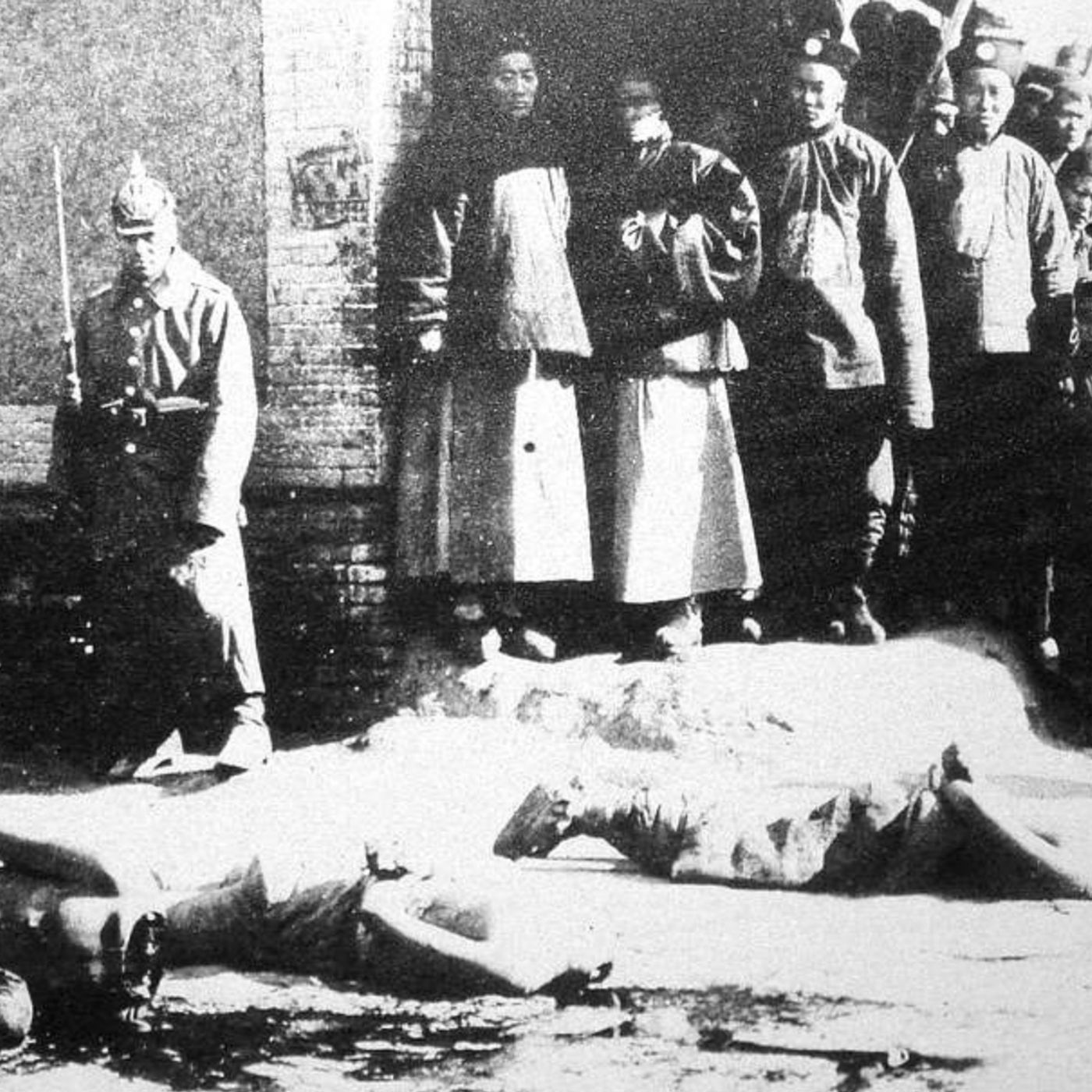
1900 EXECUTED BOXERS Chinese Espionage Threatens Nvidia Leadership Scott Harold discusses Chinese espionage targeting Nvidia CEO Jensen Huang. He explores the national security risks, intelligence operations, and potential technological compromises involved, and how Beijing pursues advanced American technology while facing scrutiny over export control violations and global supply chain vulnerabilities. (2)
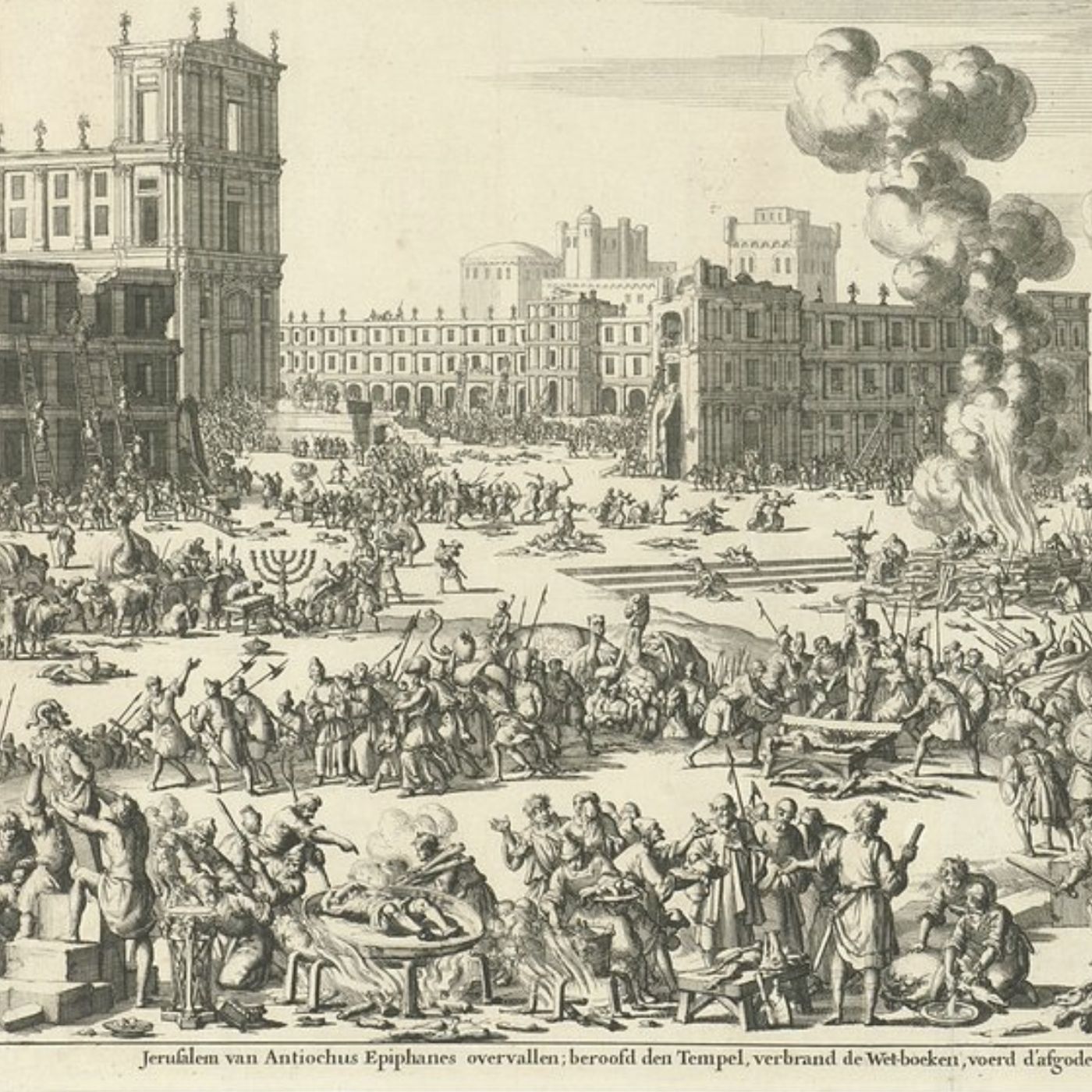
1696 JERUSALEM Israeli Coalition Building and Conflict Malcolm Hoenlein, with Thaddeus McCotter, details General Gadi Eisenkot receiving the mandate to form Israel’s next coalition government. The discussion highlights concerns over future American military aid adjustments, Iran’s covert global arms smuggling networks, and severe Houthi strikes targeting Saudi Aramco infrastructure. (1)
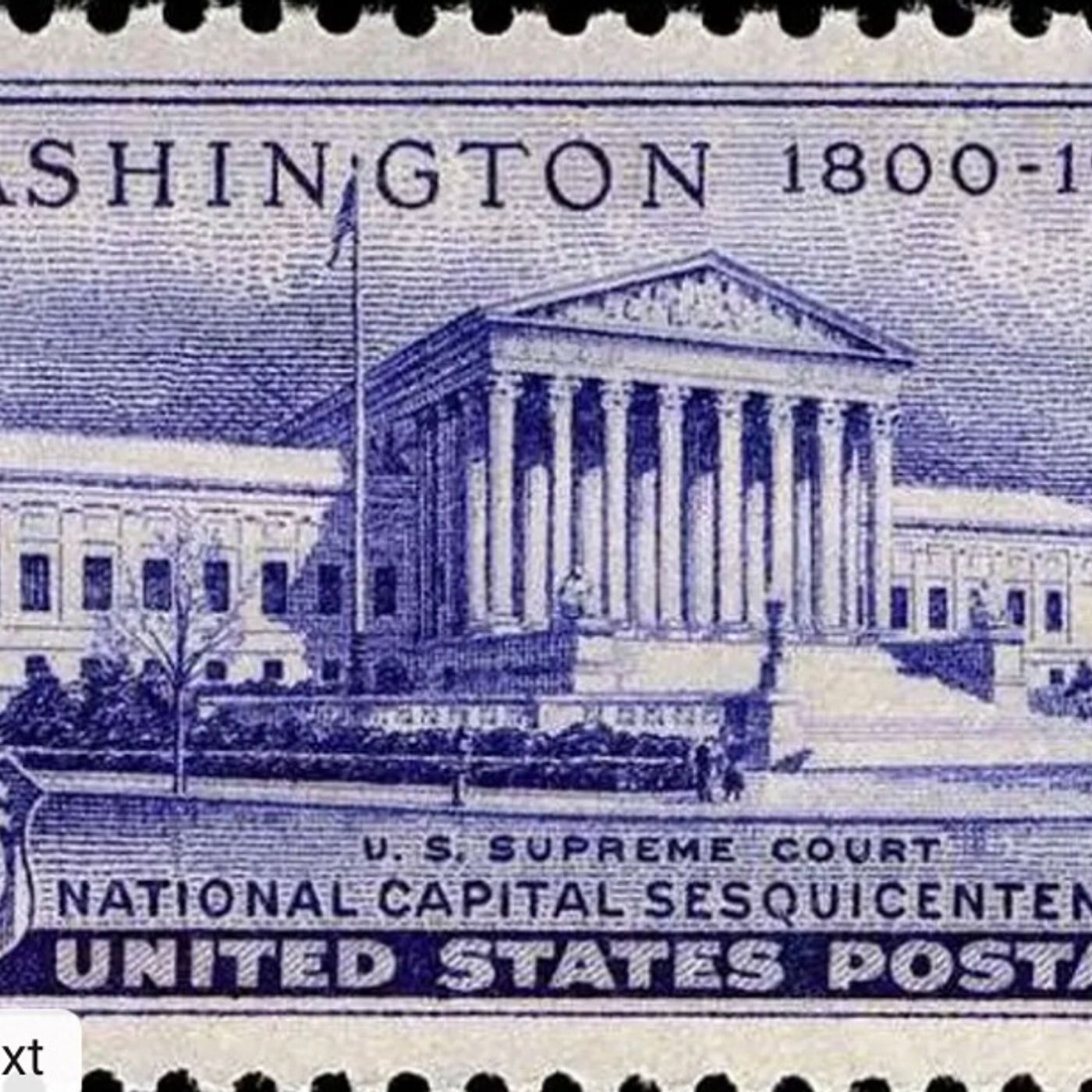
1940 SCOTUS Global political analysis and historical parallels dominate the discussions as experts evaluate mounting tensions between modern Western leaders and the Roman Catholic Church, drawing comparisons to medieval disputes over authority. Analysts also examine the aftermath of recent elections in the United States and Israel, highlighting how public dissatisfaction with ongoing military conflicts and inflation has significantly altered the political landscape. Meanwhile, military strategies concerning Iran and Middle Eastern proxy groups remain precarious, as leaders navigate a complex web of international diplomacy, domestic dissent, and unresolved security threats.
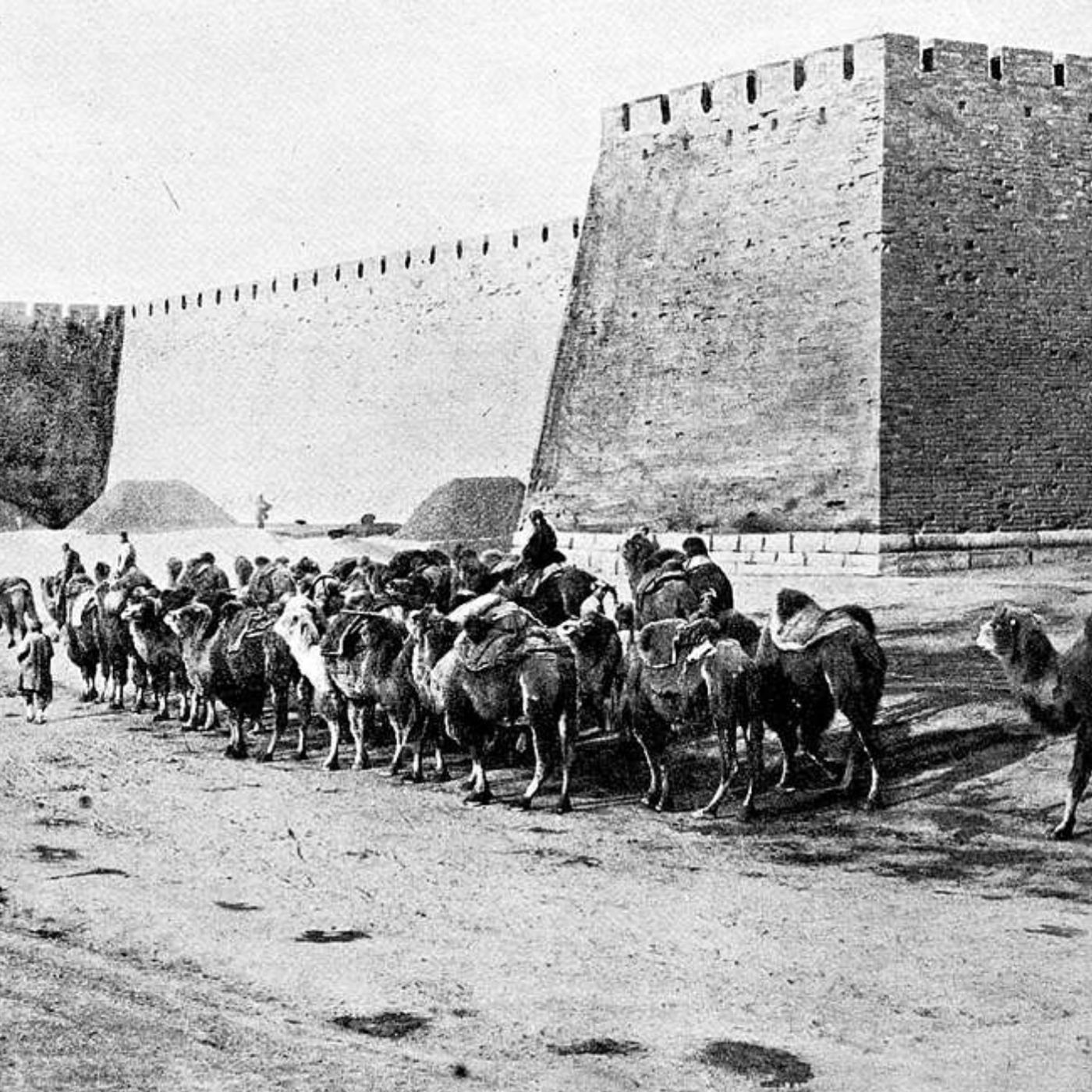
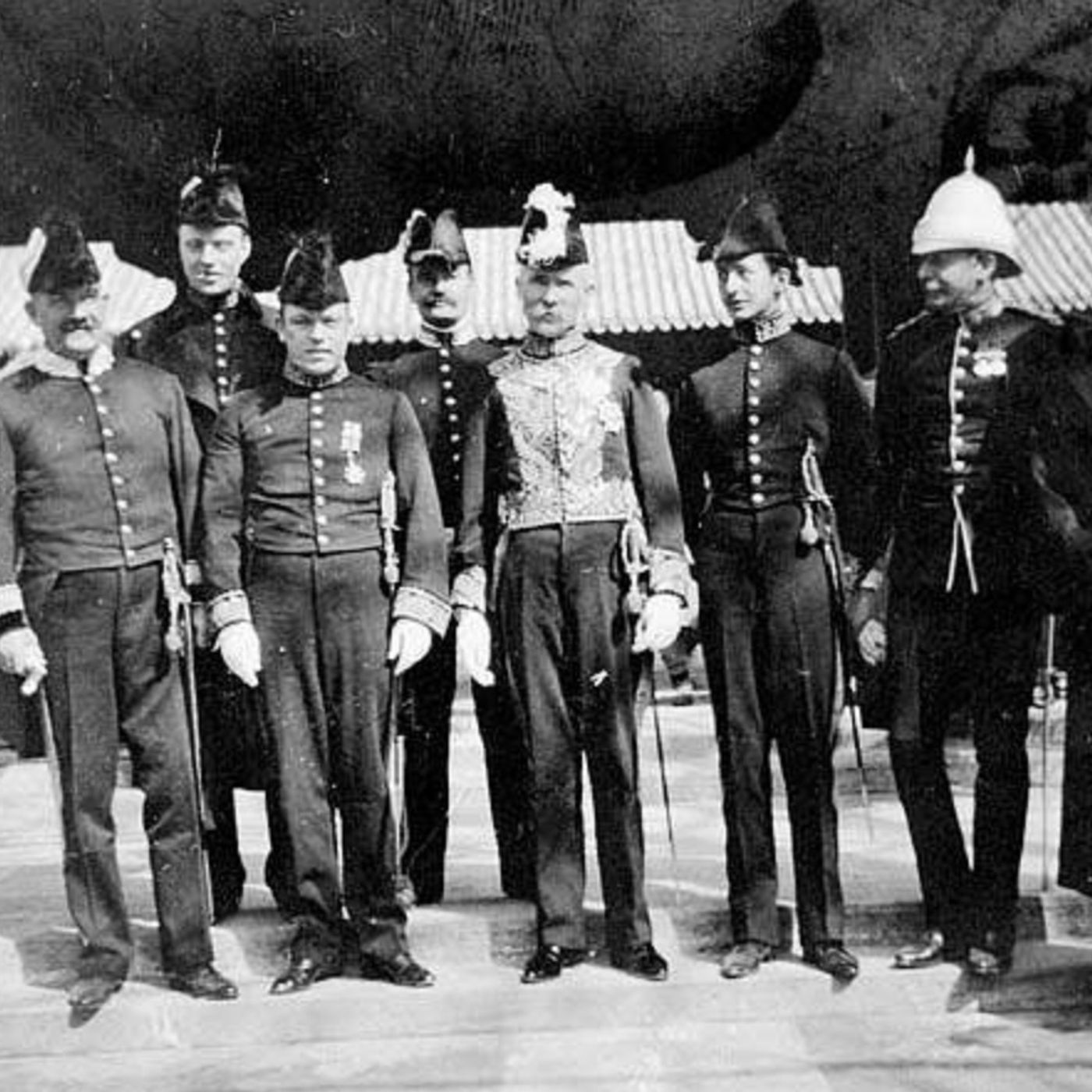
1909 FORBIDDEN CITY Espionage Scandals and Institutional Rot Comparing the Cambridge Five Soviet spy ring with espionage allegations involving Nvidia’s corporate leadership, Gaius and Germanicus note the difficulty of proving intelligence breaches. They conclude that elite secrecy and institutional rot reflect Montesquieu’s warnings. (3)
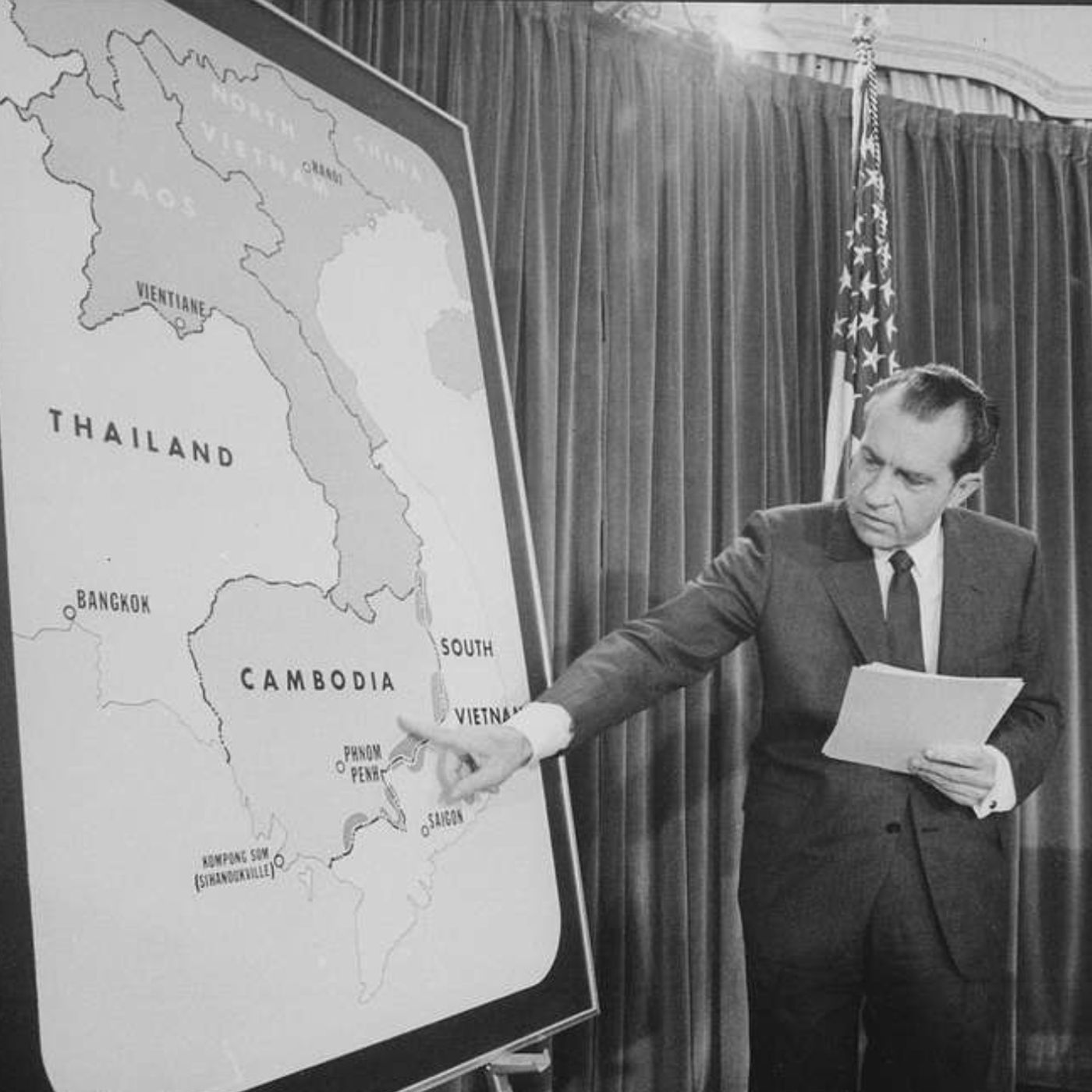
1960 INVASION OF CAMBODIA Imperial Parallels and Executive Instability Gaius and Germanicus compare modern executive turmoil to Emperor Nero’s downfall and Richard Nixon’s Watergate crisis. They analyze potential presidential removal, cabinet maneuvering, and foreign policy distractions with Iran amid rising public distrust. (2)
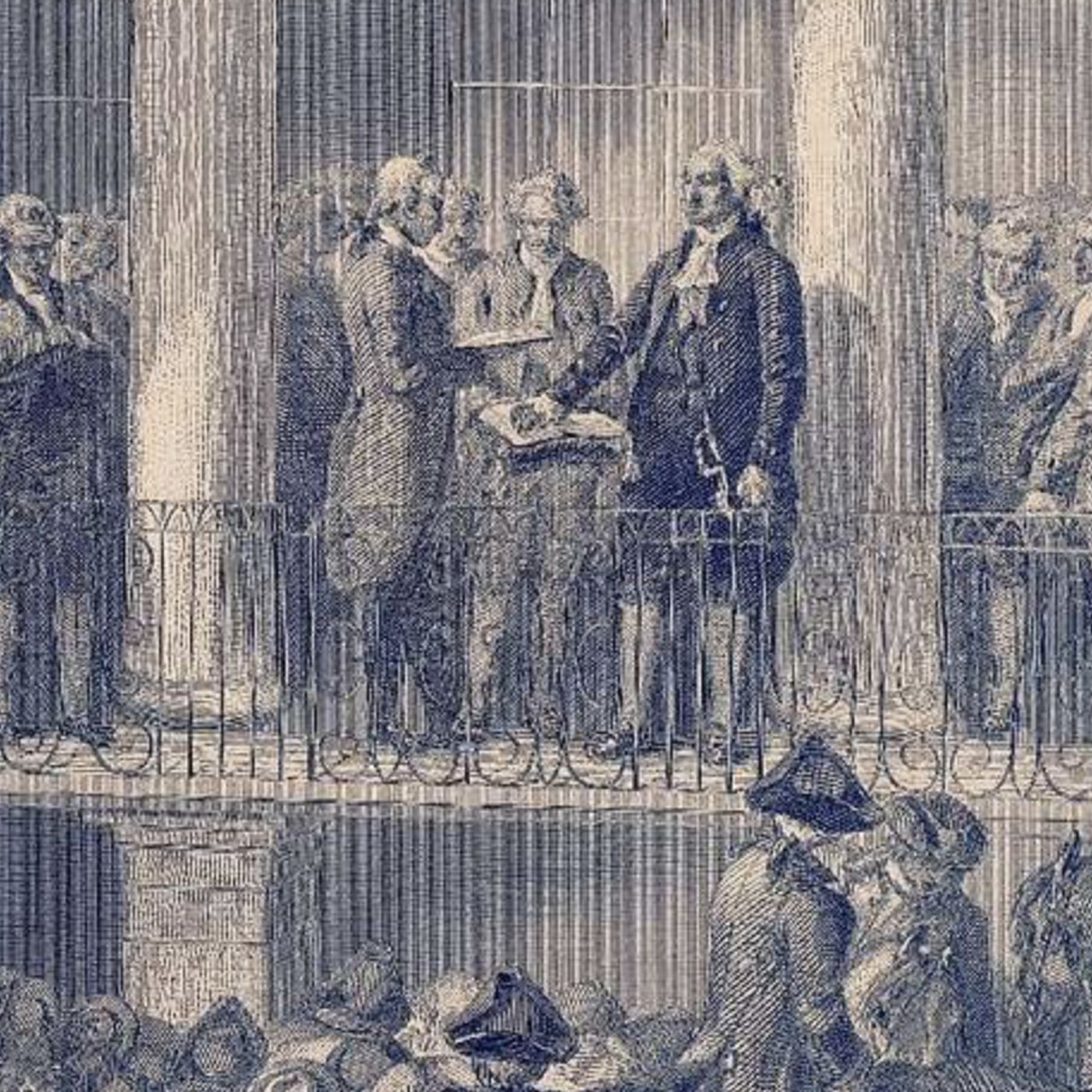
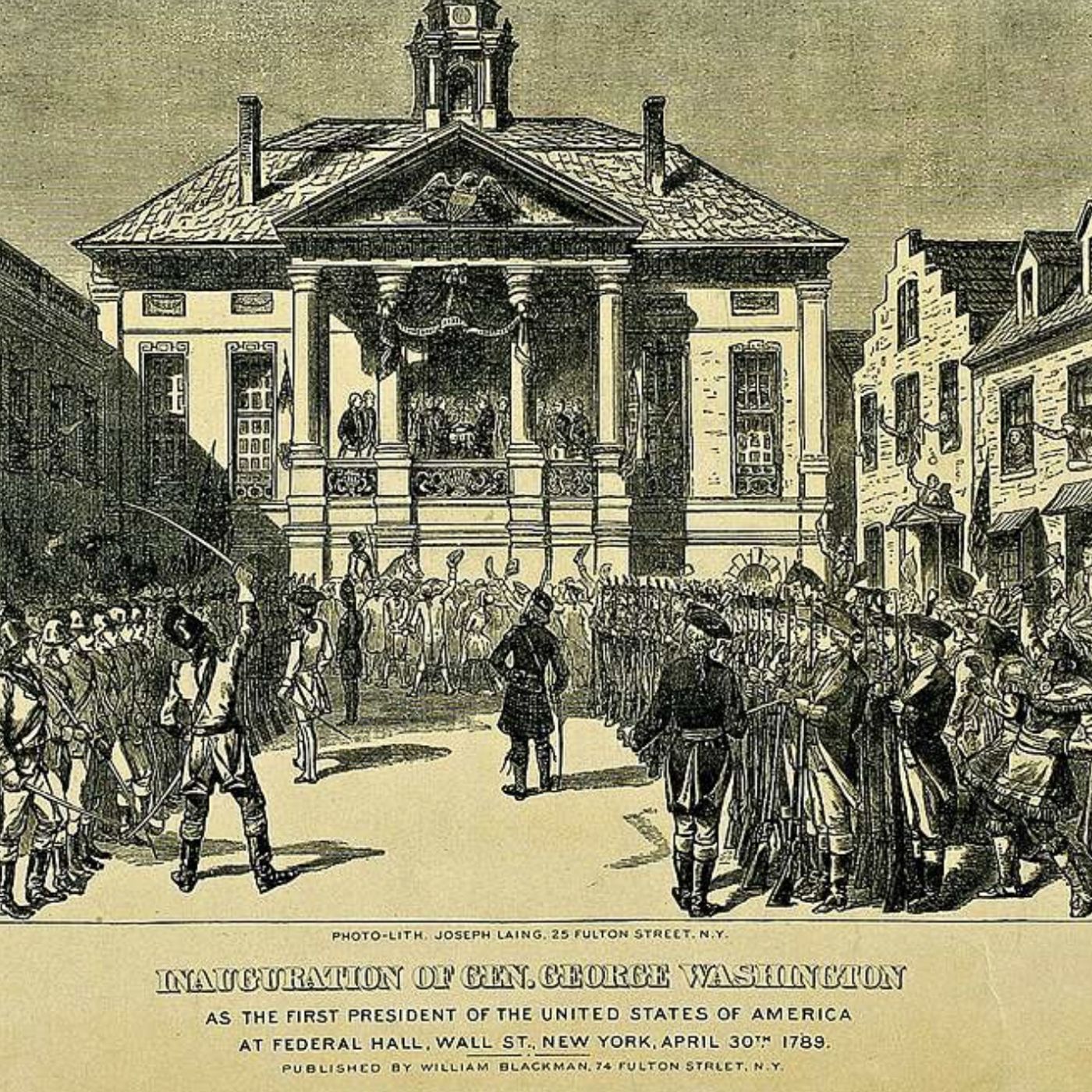
1789 NEW YORK INAUGURATION Londinium Chronicles: Debating the American Republic From Londinium in 92 AD, Gaius (John Batchelor) and Germanicus (Michael Vlahos) view the events of our time through Roman eyes.Enlightenment Thought and American Decay Gaius and Germanicus examine the 18th-century thinkers Montesquieu, Hume, and Madison on republican corruption. Germanicus argues that identity politics and elite self-enrichment are fracturing national unity into warring communities. (1)
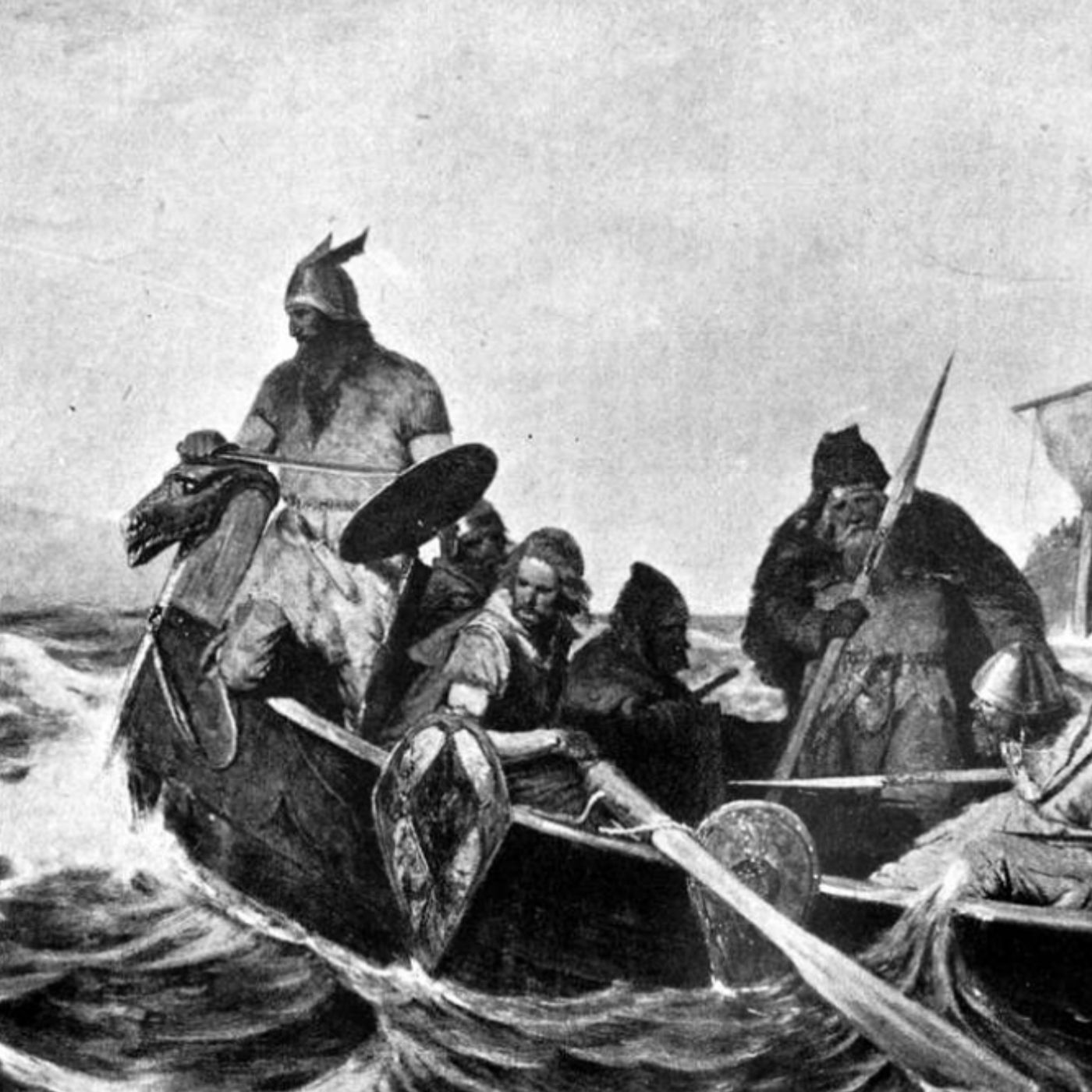
Norse Voyages Across the Atlantic Ocean Martin Whittock, author of American Vikings: How the Norse Sailed into the Lands and Imaginations of America, discusses Scandinavian expansion driven by population growth, disrupted Islamic silver trade, and the pursuit of wealth. He traces westward movement to Iceland, Greenland, and North America. Archaeological findings at L’Anse aux Meadows confirm a Norse presence in Newfoundland, while Whittock evaluates saga accounts, Vinland exploration, and modern cultural misuses. (3)R
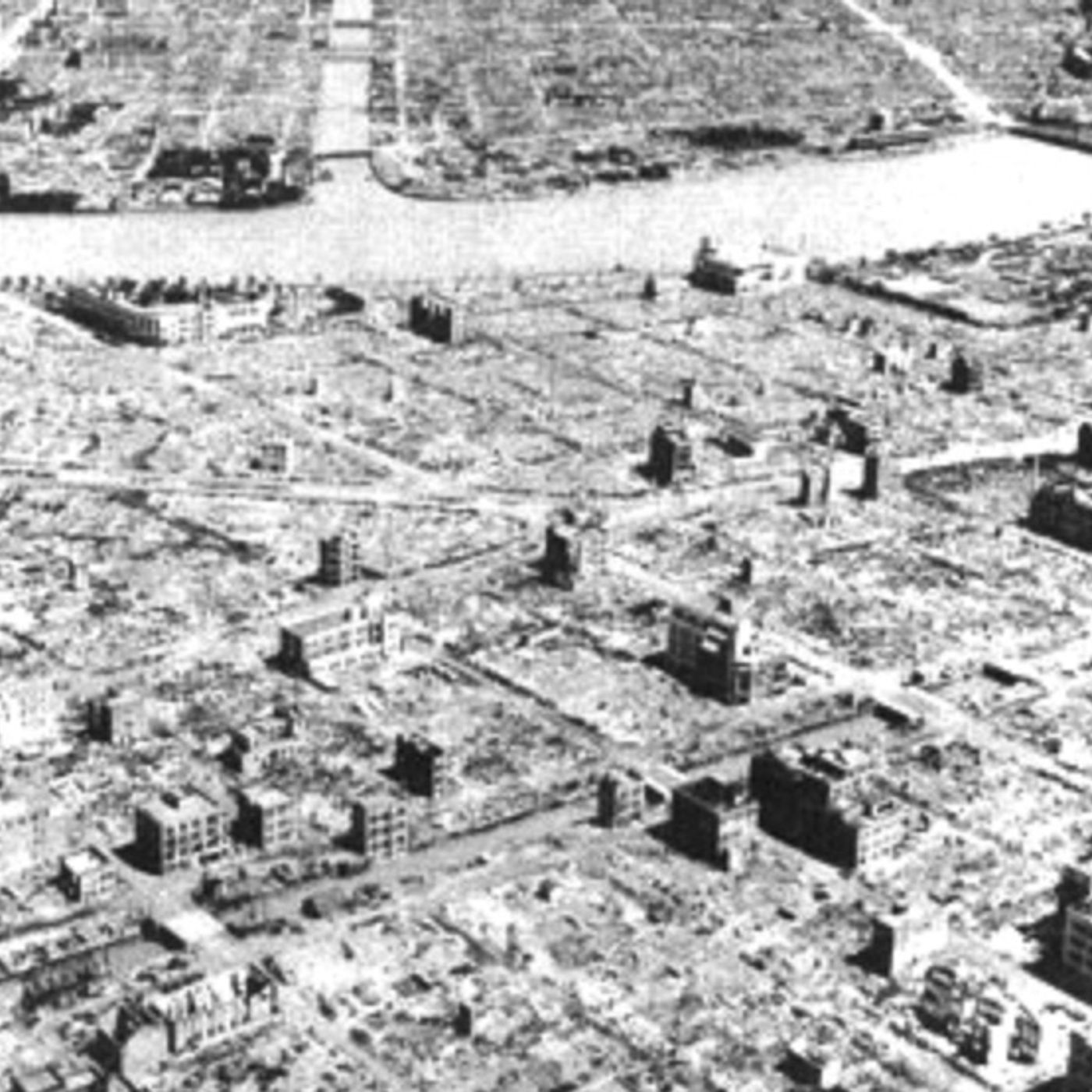
1945 TOKYO Final Atomic Strikes Force Japanese Surrender — Part Two Evan Thomas, author of Road to Surrender: Three Men and the Countdown to the End of World War II, details the tense final weeks surrounding the atomic bombings of Hiroshima and Nagasaki. President Truman, Secretary Stimson, and Allied leaders wrestled with Soviet entry into the war and postwar diplomacy shaped at Potsdam. In Tokyo, Emperor Hirohito intervened against fanatical military coup plotters to broadcast Japan’s surrender. (2)
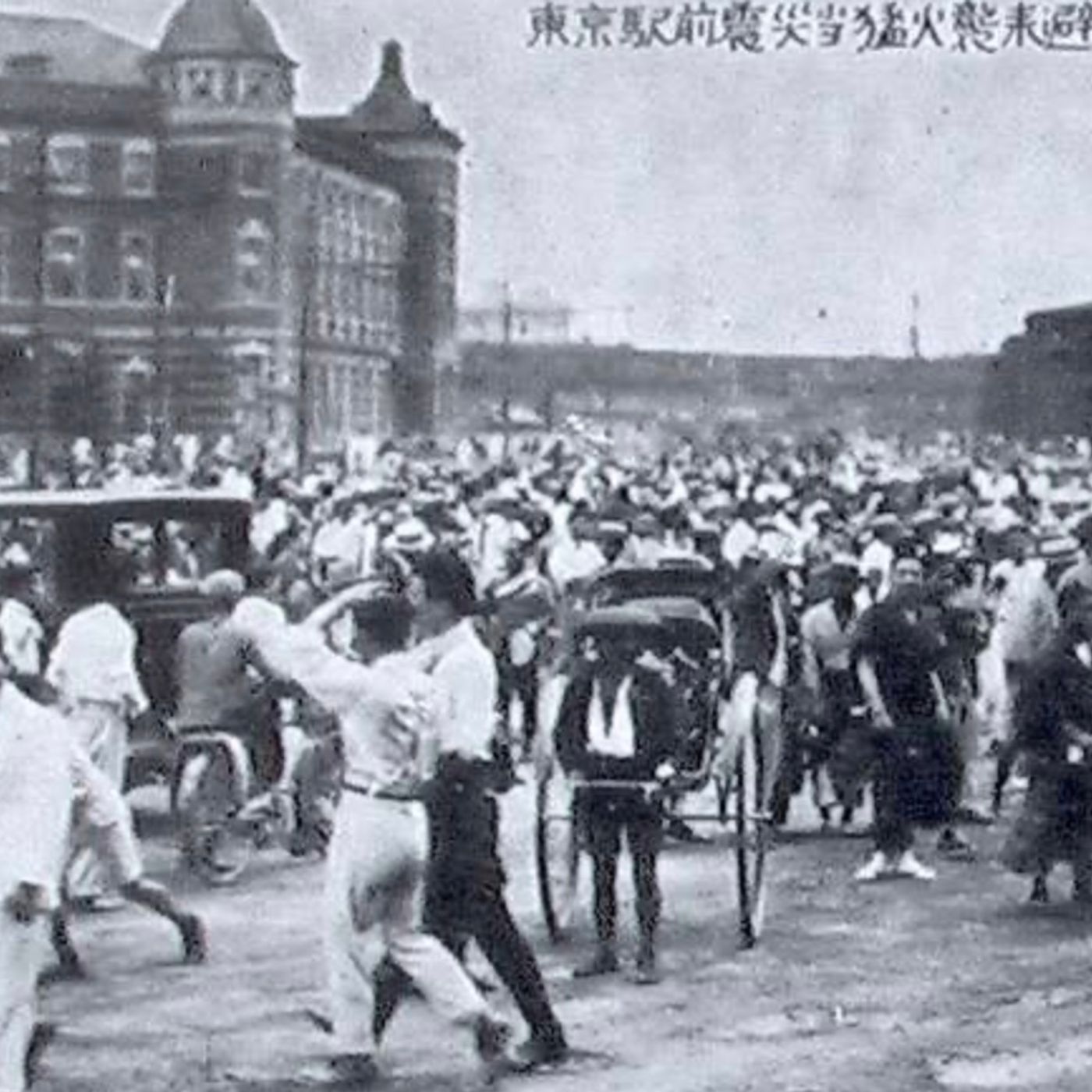
1923 TOKYO Atomic Decisions Shape End of War — Part One Evan Thomas, author of Road to Surrender: Three Men and the Countdown to the End of World War II, discusses American wartime decision-makers such as Secretary of War Henry Stimson. Facing Japan’s ongoing refusal to surrender, officials debated target selection, ethical qualms over firebombing, and nuclear weapon deployment, while Foreign Minister Shigenori Togo navigated deadly military pressures within Japan’s government. (1)
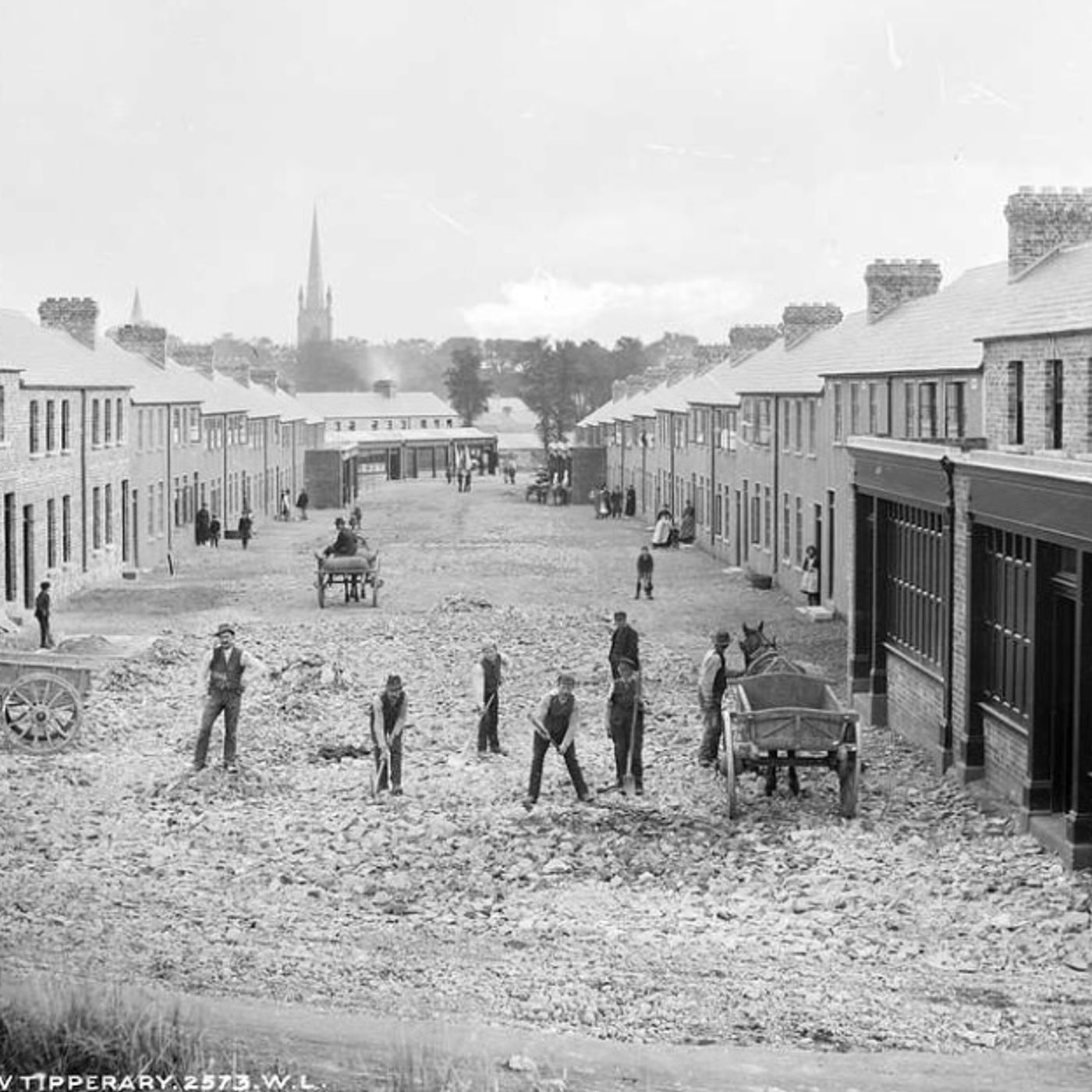
1889 COUNTY TIPPERARY Irish Immigrants Excel Across Civil War — Part Two Tyler Anbinder, author of Plentiful Country: The Great Potato Famine and the Making of Irish New York, traces Irish-American contributions during the Civil War, including the Fighting 69th Regiment’s battlefield heroism. He details how former famine refugees moved westward to build productive farms, establish enclaves in Minnesota, pursue enterprises in California, launch iconic businesses, and rise in political and economic life. (6)
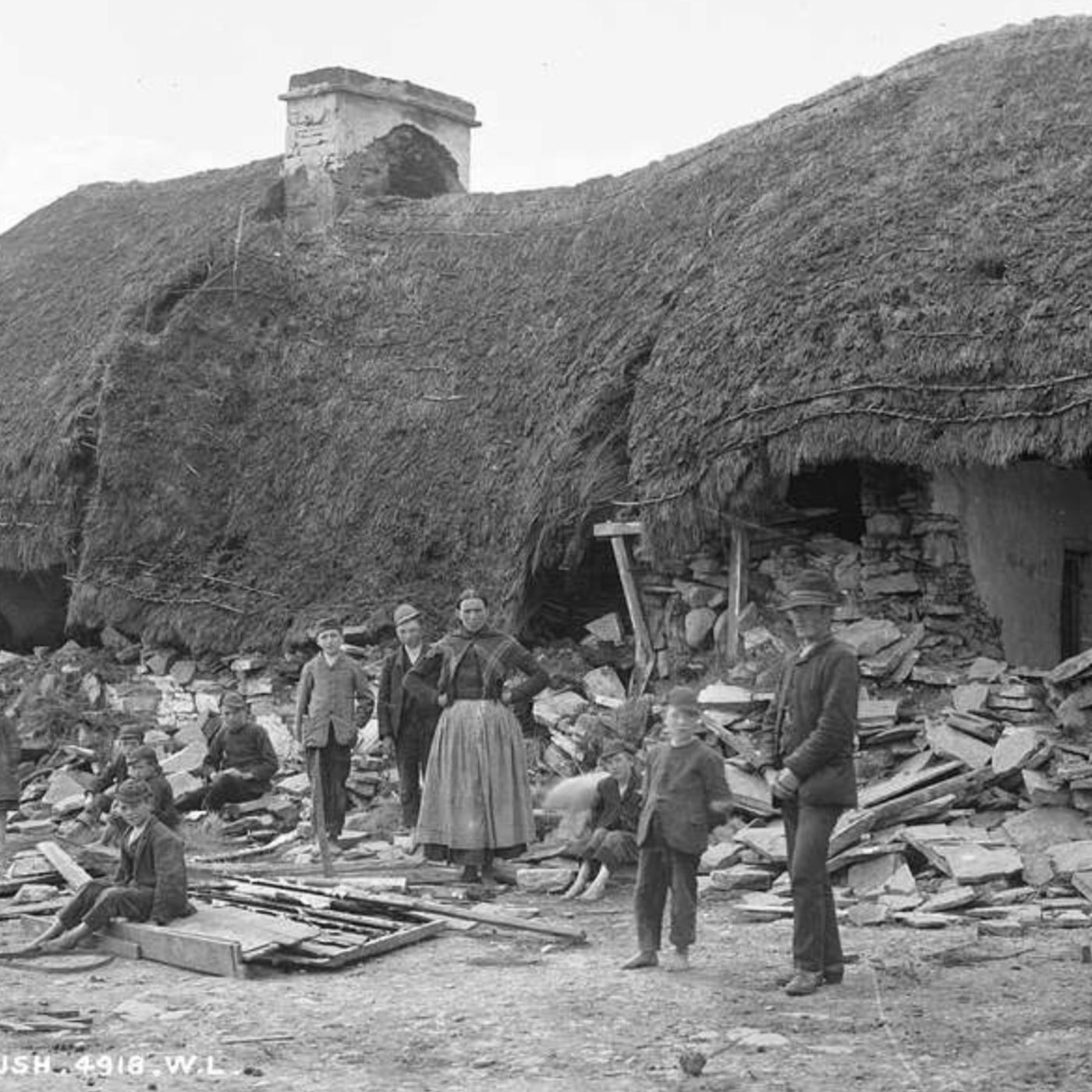
1900 IRELAND Famine Irish Migration Transforms New York — Part One Tyler Anbinder, author of Plentiful Country: The Great Potato Famine and the Making of Irish New York, examines Irish refugees escaping the catastrophic potato crop failures of mid-nineteenth-century Ireland. Relying on newly analyzed records from Manhattan’s Emigrant Savings Bank, Anbinder highlights early tenement struggles in Five Points, backbreaking construction labor, and the rapid upward mobility these determined immigrants achieved. (5)
1636 NEW AMSTERDAM Bloodless Capitulation Shapes Modern New York — Part Two Russell Shorto, author of Taking Manhattan: The Extraordinary Events That Created New York and Shaped America, details the bloodless transition of New Amsterdam into New York through articles of transfer negotiated between Richard Nicolls and Peter Stuyvesant. The discussion tracks colonial boundary disputes, the Anglo-Dutch wars, and the ultimate irony of the 1688 Glorious Revolution carrying Dutch financial systems into England. (4)
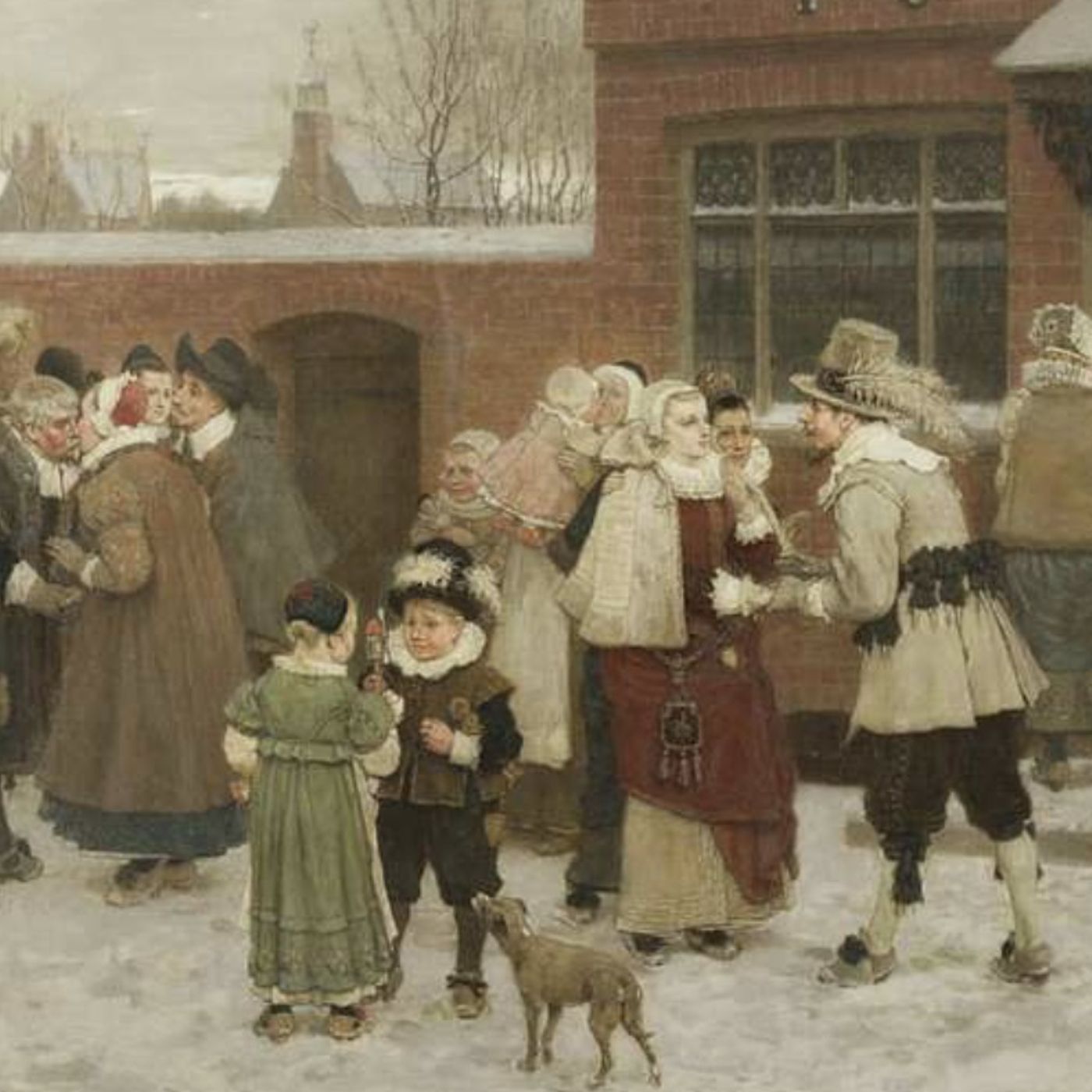
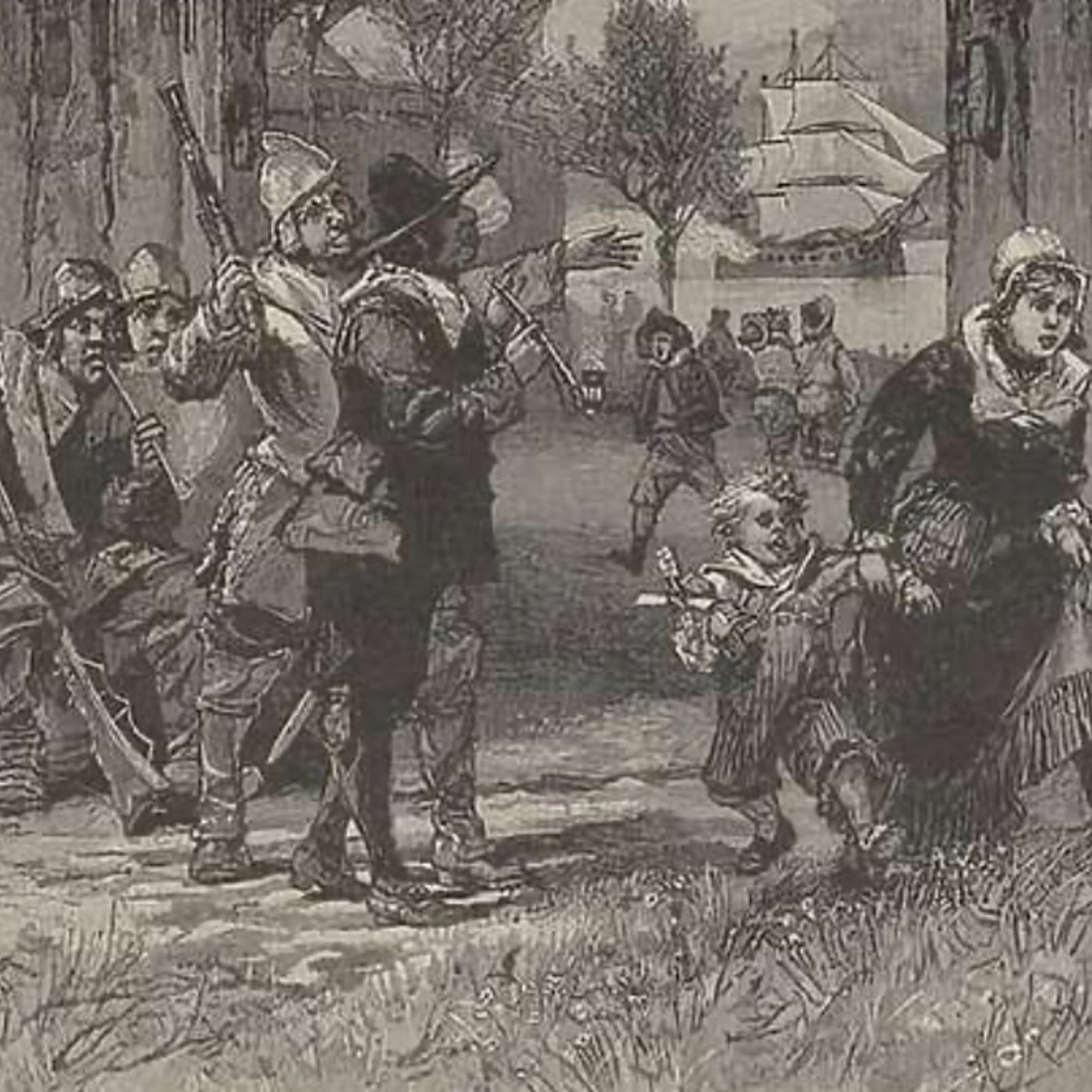
NEW AMSTERDAM English Expeditions Challenge Dutch New Amsterdam — Part One Russell Shorto, author of Taking Manhattan: The Extraordinary Events That Created New York and Shaped America, explores how Colonel Richard Nicolls led a powerful English fleet to seize Dutch New Netherland in 1664. Shorto re-examines Director-General Peter Stuyvesant’s governance, the colony’s multi-ethnic trade culture, early free African landholders like Dorothe Angola, and the nuanced realities behind Dutch land transactions with local Native Americans. (3)
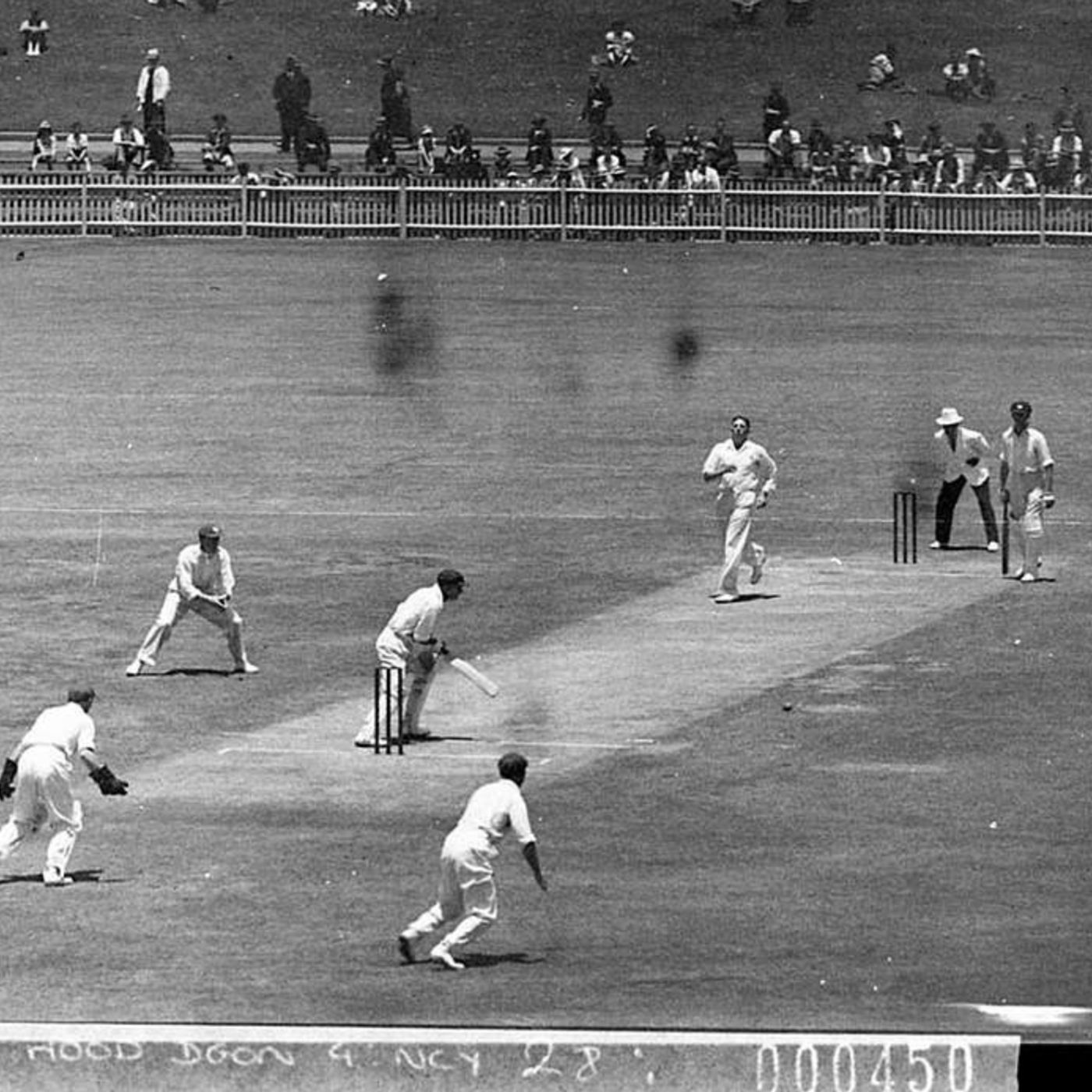
1937 Deceptive Cheating Methods Exposed in Cricket John Batchelor and Jeremy Zakis analyze athletic dishonesty in cricket, detailing a scandal in which a player used subtle finger clicks to mimic bat contact, deceiving umpires into calling batters out. They also examine ball tampering, match-fixing tactics, and how modern broadcasting technology inevitably exposes hidden misconduct. (3)
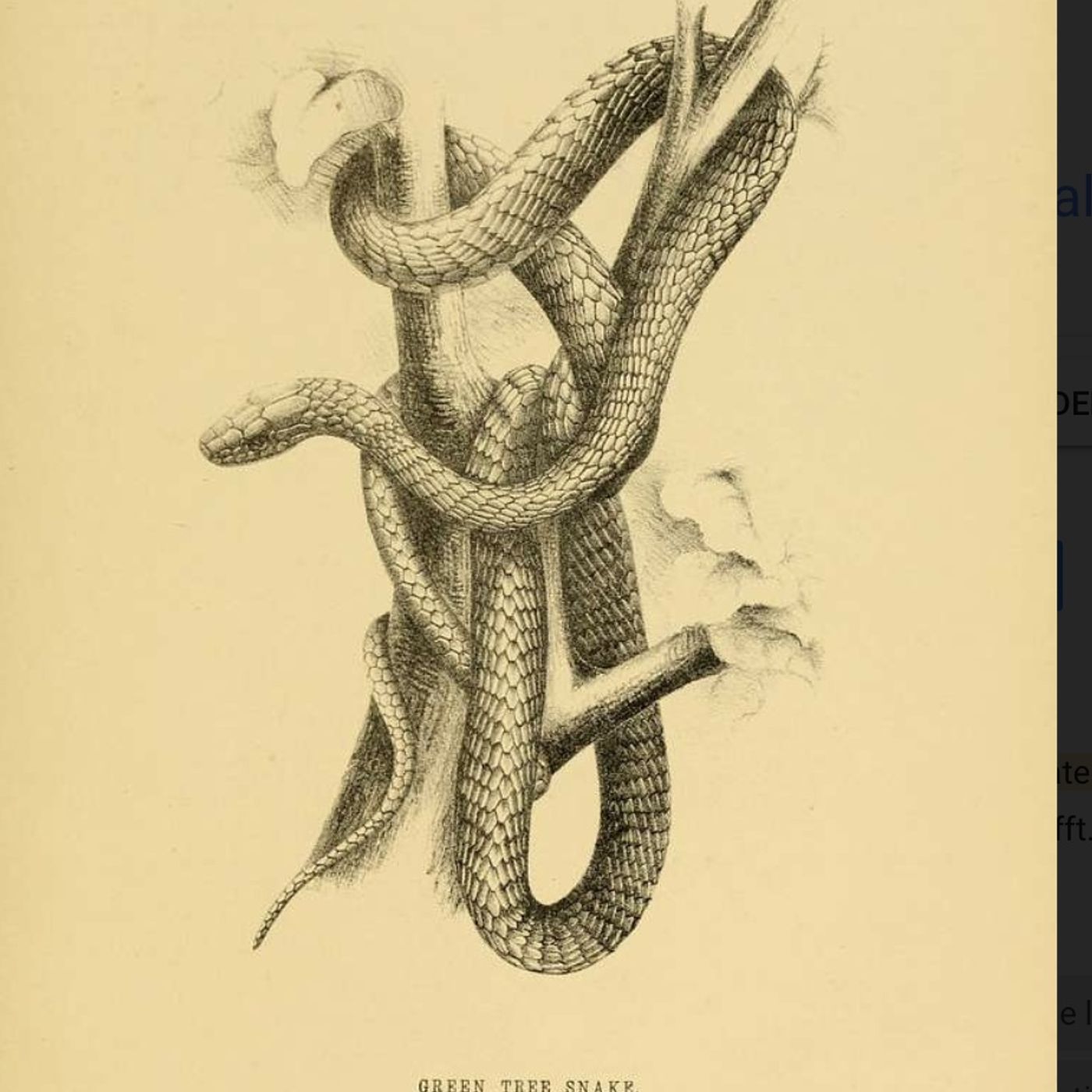
Venomous Snake Booms Threaten Australian Pets John Batchelor and Jeremy Zakis highlight pet risks during an unprecedented boom in venomous eastern brown snakes following erratic spring weather. Authorities advise clearing dark mulch, tall grass, and lavender bushes where sluggish reptiles hide. The conversation also notes local cockatoo behavior, friendly magpie encounters, and airport lounge safety. (3)
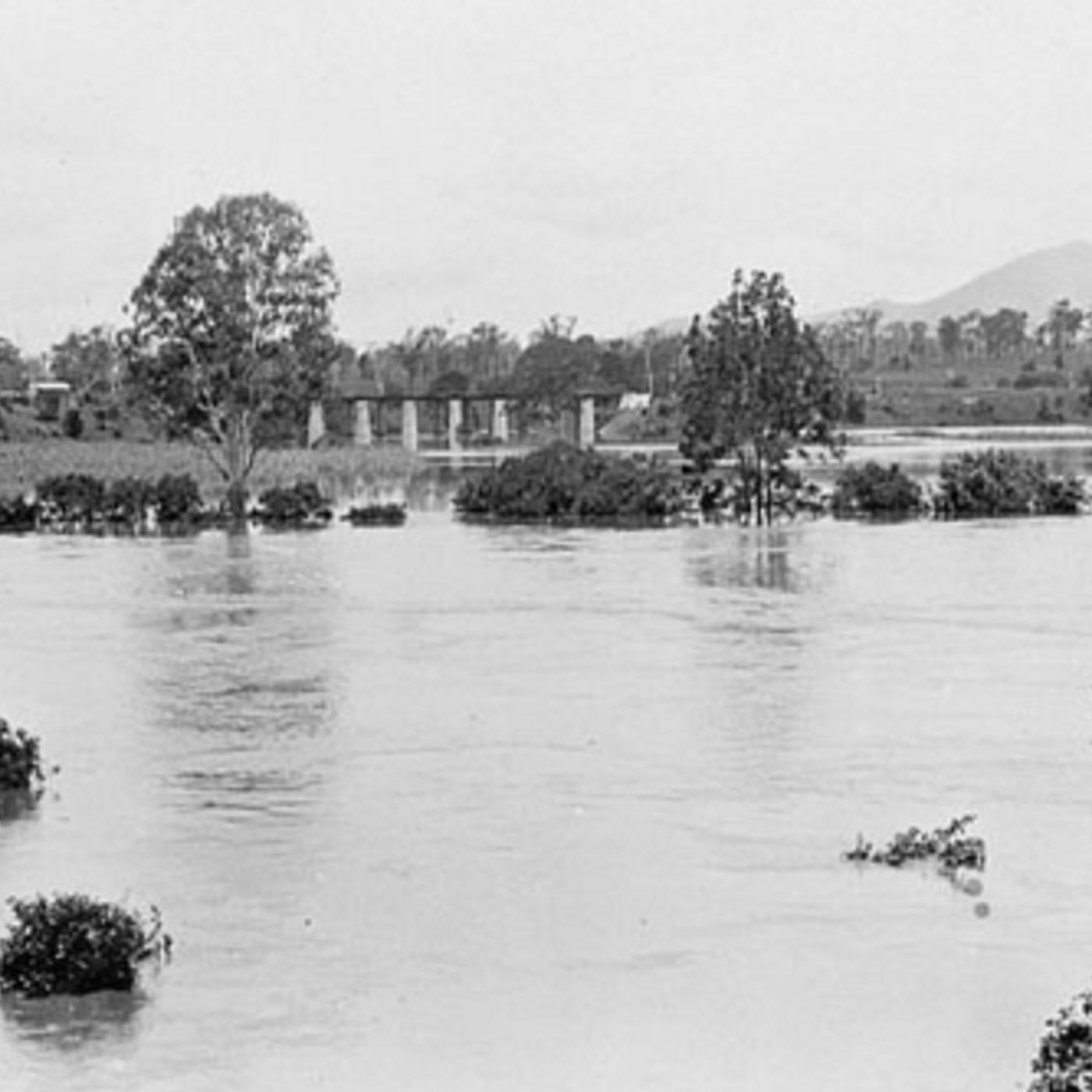
1927 QUEENSLAND El Niño Triggers Unpredictable Australian Weather John Batchelor and Jeremy Zakis discuss Australia’s chaotic springtime weather, driven by intensifying El Niñopatterns. Antarctic cold blasts bring freezing temperatures, severe winds, and mountain snow to New South Wales. Simultaneously, heatwaves scorch the western deserts while Queensland endures severe supercells, damaging hail, and infrastructure-overwhelming floods. ()1
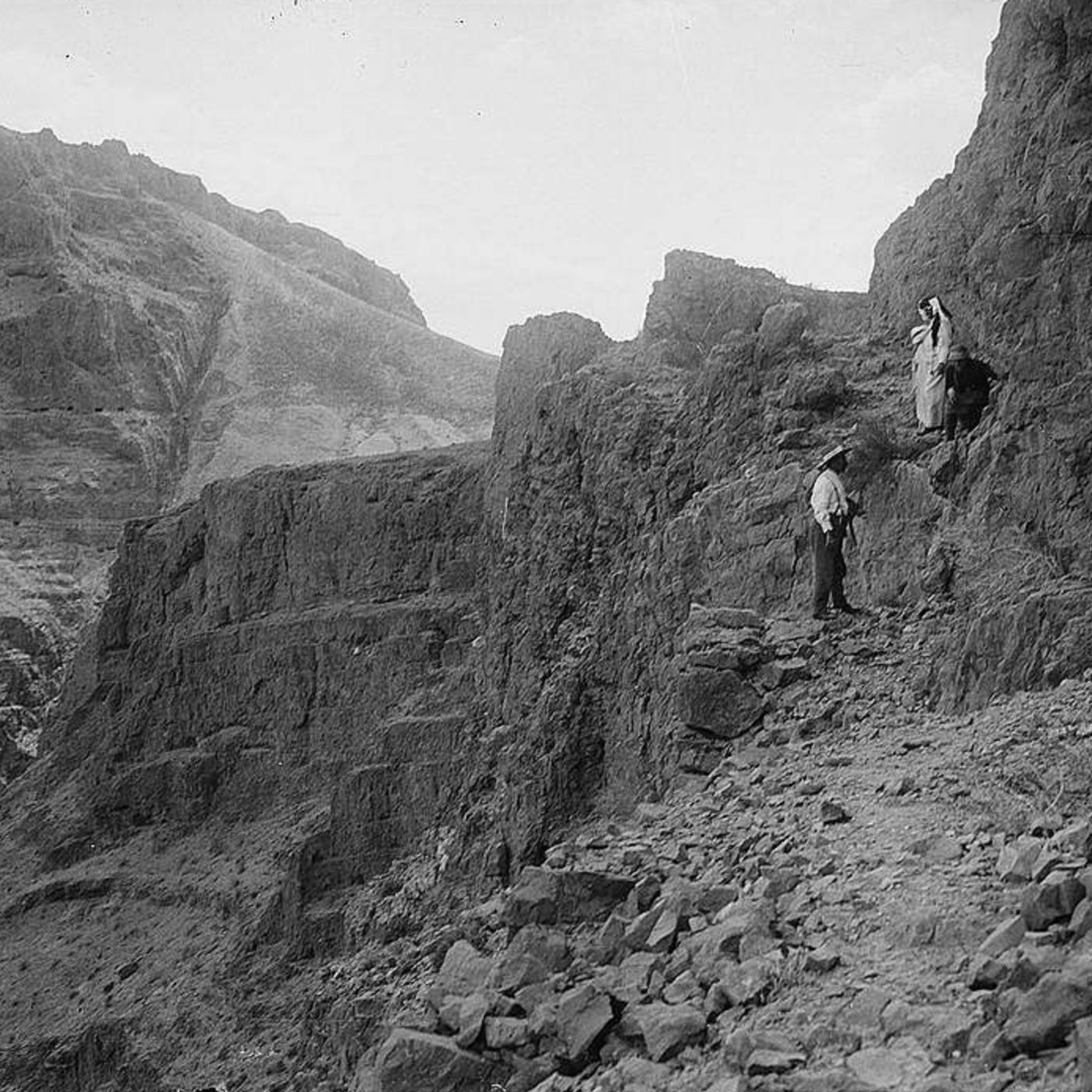
1920 MASADA Decade of Israeli Security and Politics Peter Berkowitz, author of Explaining Israel: The Jewish State, the Middle East, and America, analyzes Israeli policy, national security, and domestic political shifts from 2014 through 2024. He evaluates Israel’s defense response following the October 7 attacks, the strategic significance of the Abraham Accords, controversial judicial reforms, Supreme Court activism, and key arguments countering modern anti-Semitism and anti-Israel protests. (4)
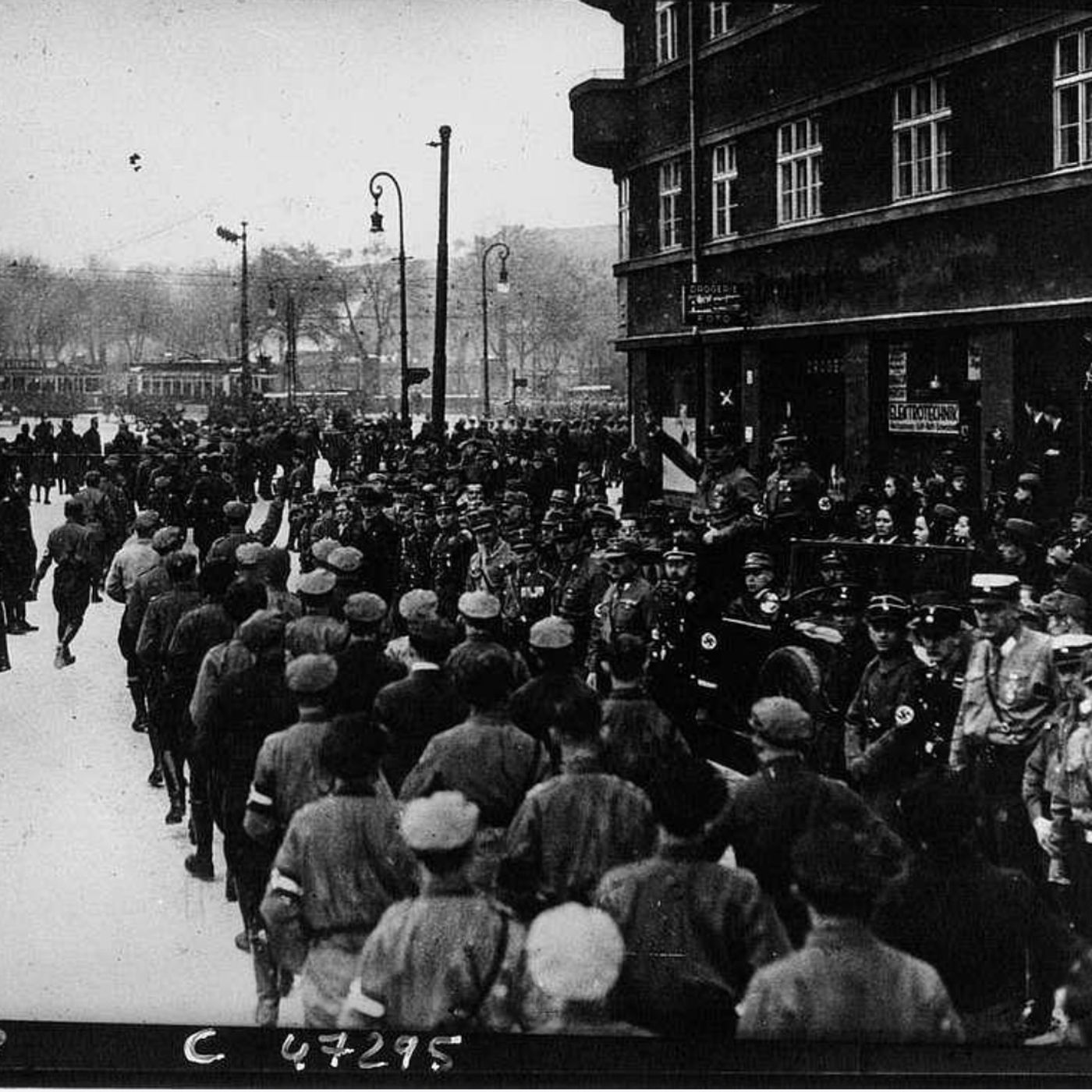
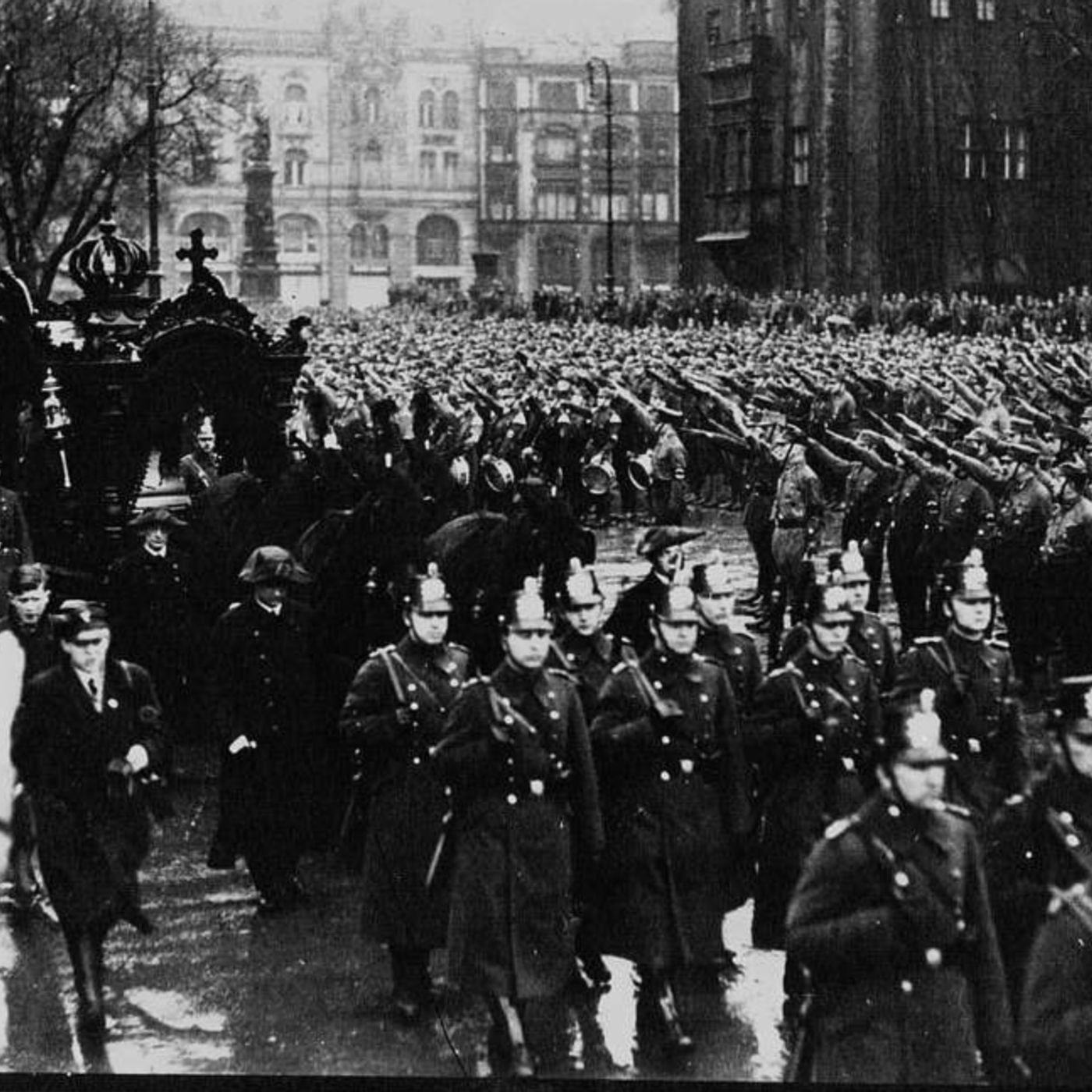
Backroom Deals Secure Authoritarian Power Seizure — Part Two Timothy Ryback, author of Takeover: Hitler’s Final Rise to Power, reveals the backroom intrigues of January 1933, as Franz von Papen and Alfred Hugenberg negotiated a coalition with Hitler. Despite Nazi Party debt and factional rifts with Gregor Strasser, President Hindenburg reluctantly appointed Hitler chancellor on January 30, marking the tragic collapse of the Weimar Republic. (6)
BERLIN Political Manipulation Undermines Fragile Weimar Democracy — Part One Timothy Ryback, author of Takeover: Hitler’s Final Rise to Power, traces the political maneuvering of late 1932, detailing Hindenburg’s initial refusal to grant Adolf Hitler the chancellorship. Ryback explains how Nazi delegates intentionally paralyzed the Reichstag, Hitler’s innovative airplane campaign across Germany, and the severe electoral setback in November 1932 that temporarily weakened the party’s momentum. (5)
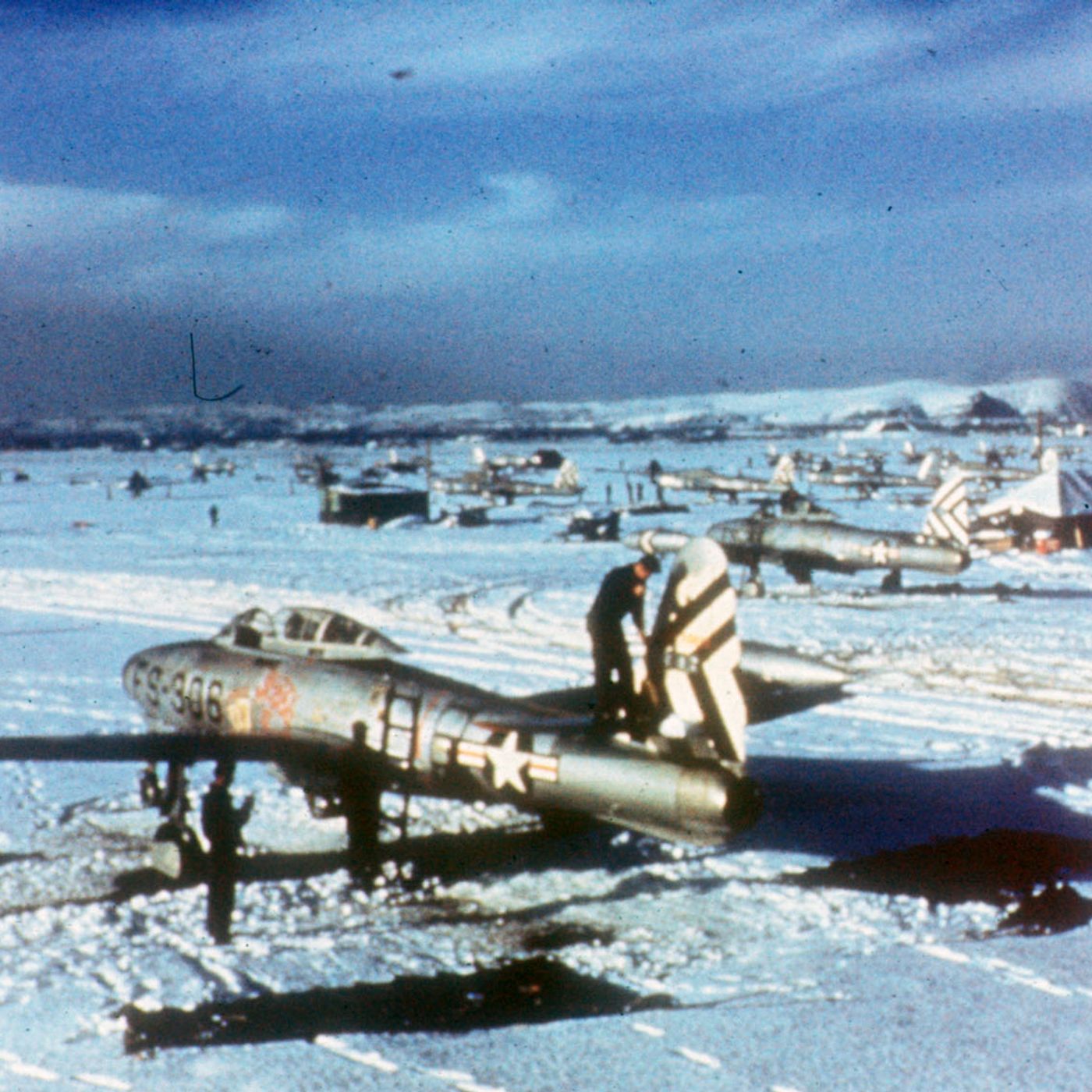
1952 KOREA ndustrial Mobilization and Modern Technological Innovation — Part Two Arthur Herman, author of Founders’ Fire: From 1776 to Right Now, explores modern innovation, comparing wartime industrial mobilization under William Knudsen with Woodrow Wilson’s restrictive state controls. He highlights Martin Luther King Jr.’s moral refounding of American equality, Vannevar Bush’s federal science policy fostering Silicon Valley, and Elon Musk’s aerospace vision driving progress through SpaceX’s Mars exploration plans. (2)
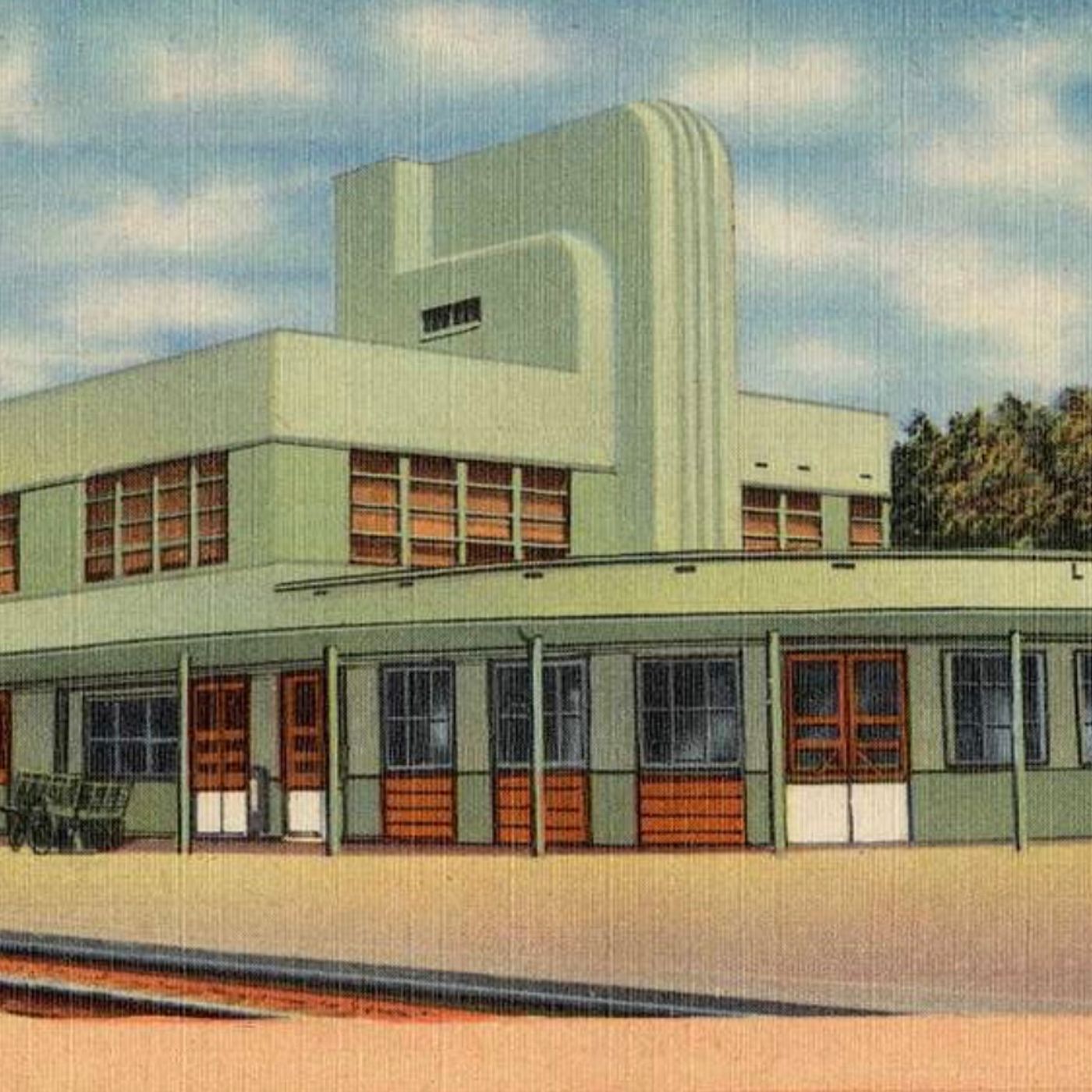
1945 UNION PACIFIC merica’s Entrepreneurial Visionaries Reshaping Historical Progress — Part One Arthur Herman, author of Founders’ Fire: From 1776 to Right Now, discusses how iconic American figures, including Thomas Edison, Henry Ford, John D. Rockefeller, George Washington, and Abraham Lincoln, drove national transformation through vision, courage, and risk-taking. He emphasizes the Patent Act’s role in protecting intellectual property, enabling pioneers to build strong economic foundations from 1776 forward. (1)
1789 INAUGURATION Revolutionary Struggles Forge Popular Sovereign Republic — Part Two Edward J. Larson, author of Declaring Independence: Why 1776 Matters, examines Thomas Jefferson’s drafting of the Declaration of Independence, Thomas Paine’s inspiring pamphlets, and Abigail Adams’s early advocacy for women’s rights. He chronicles Washington’s bold winter surprise attacks at Trenton and Princeton, critical victories that validated popular sovereignty for the new American republic. (4)
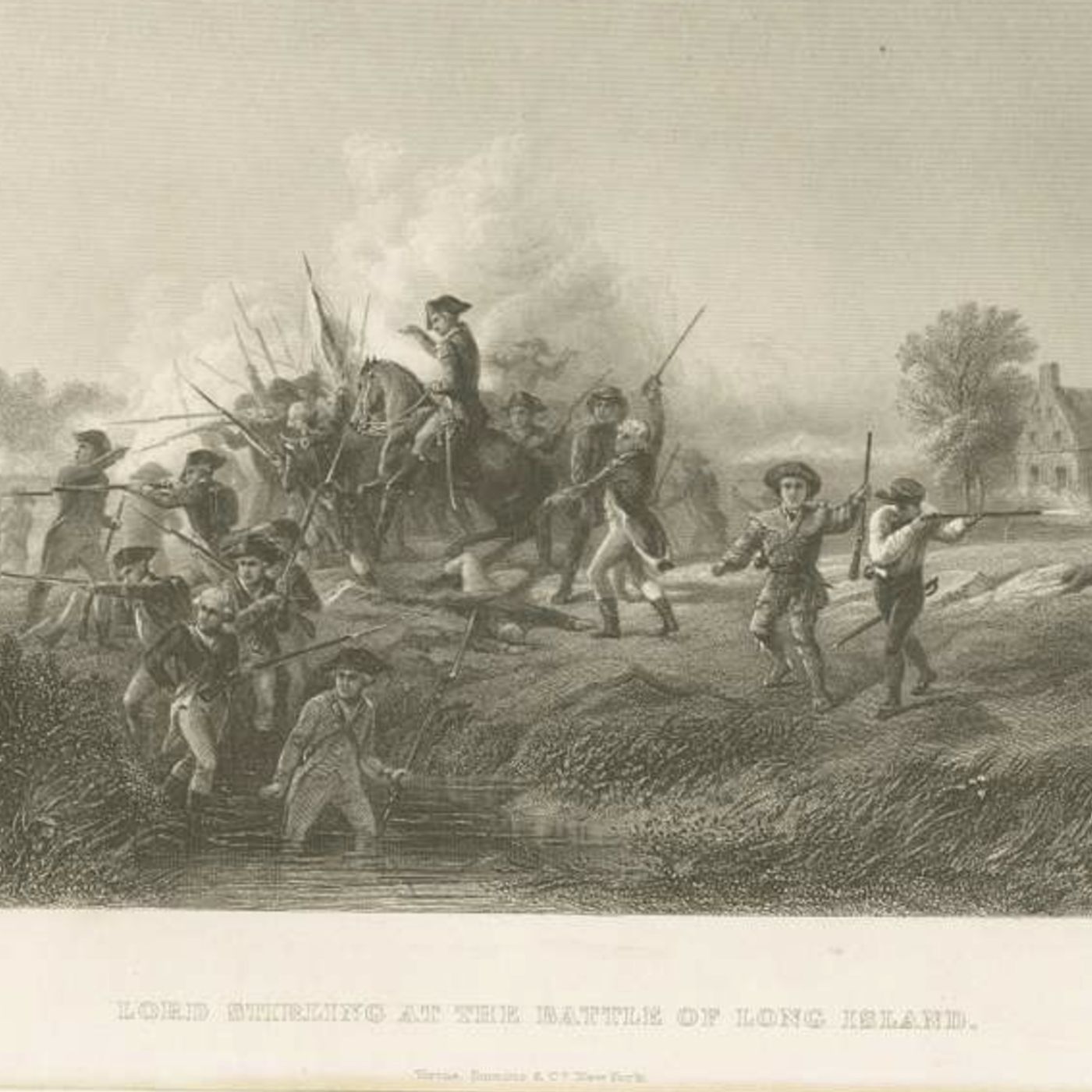
1776 BATTLE OF LONG ISLAND Colonial Resistance Escalates into Revolutionary Determination — Part One Edward J. Larson, author of Declaring Independence: Why 1776 Matters, details the pivotal events of 1776, from the British naval bombardment of Norfolk, Virginia, to Henry Knox’s heroic haul of heavy artillery from Fort Ticonderogato Dorchester Heights. These dramatic confrontations forced Britain’s evacuation of Boston and decisively fueled independence sentiment across the thirteen colonies. (3)