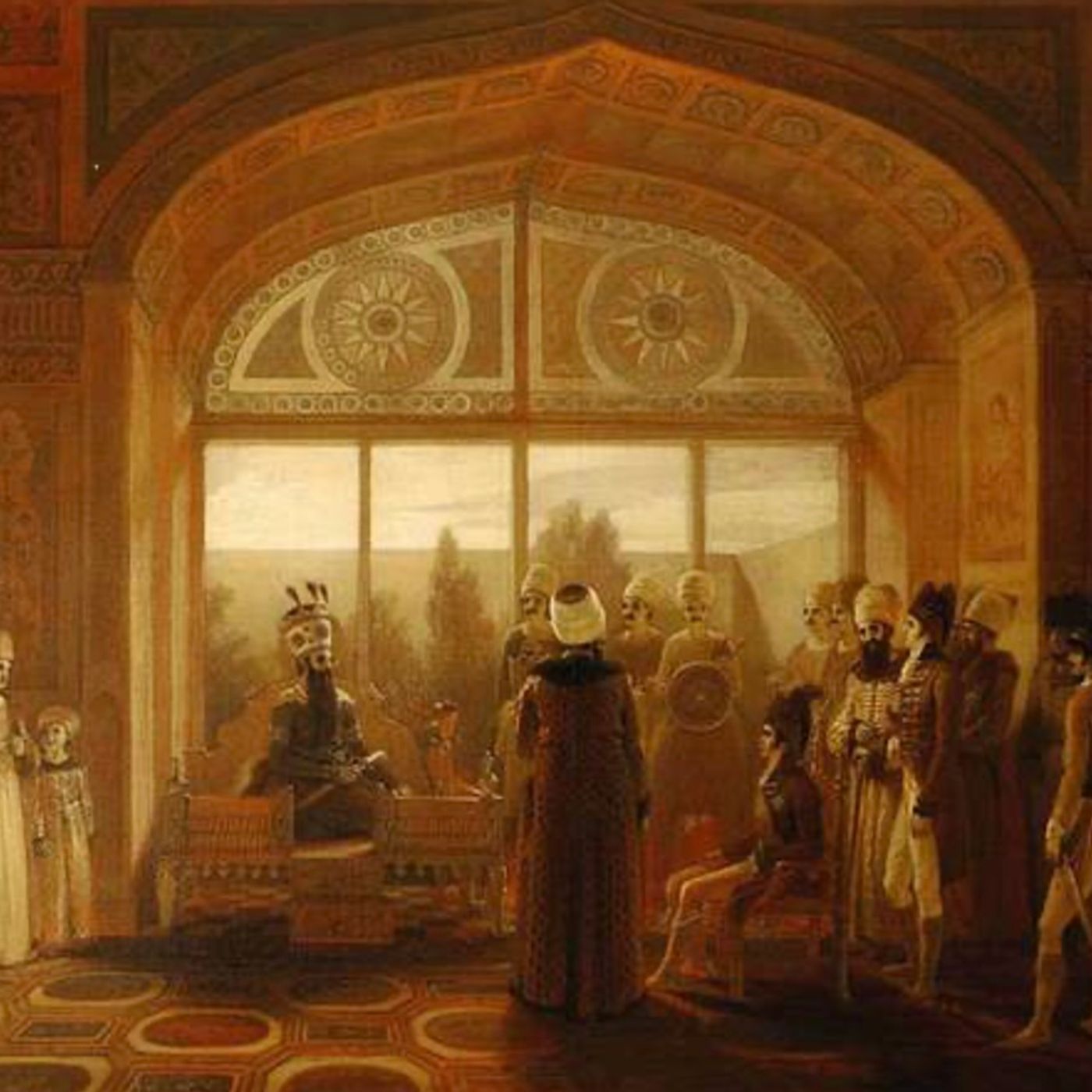
1814 RHINELAND European Commodity Prices and Economics Simon Constable analyzes changing weather, agricultural updates, and volatile commodity market trends from the south of France. He reviews elevated crude oil and energy prices and metal price movements. Constable criticizes the UK government’s tax-and-spend budget, arguing that bank taxes hurt economic growth and domestic consumer prosperity. (7)
Addressing Systemic Chinese Security Threats Piero Tozzi discusses systemic competition with China, highlighting critical issues facing the incoming Congressregarding artificial intelligence, data centers, and Taiwan. He advises against unilateral AI restrictions that could disadvantage America. Tozzi stresses supporting Taiwan’s democratic representation and resisting Chinese pressure across international diplomatic and economic forums. (6)
1846 Navigating US China Strategic Relations Steve Yates evaluates potential trilateral talks involving the United States, Russia, and China surrounding upcoming international summits. He warns that China will resist meaningful strategic arms control agreements while seeking concessions regarding Taiwan. Yates emphasizes that the new Congress requires thorough education on countering growing Chinese national security threats. (5)
1895 TAIWAN Rebuilding American Global Naval Power James Fanell highlights the expanding Chinese naval presence, noting that China has built the world’s largest navy and dominates the First Island Chain. He details China’s rapid construction of advanced amphibious assault ships designed for potential Taiwan operations. Fanell urges bipartisan congressional support to rebuild and modernize American naval forces immediately. (4)
1945 LOS ALAMOS Debating the Nuclear Abolition AgendZ Peter Huessy discusses how nuclear weapons abolitionists threaten global security by undermining extended nuclear deterrence. He notes that adversaries like Russia and China refuse to disarm and are instead developing low-yield tactical nuclear weapons. Undermining deterrence, he argues, increases the likelihood of both conventional conflict and nuclear proliferation. (3)Z
1930 Extreme Weather Impact Across Australia Jeremy Zakis reports on severe El Niño weather patterns impacting the Australian continent this spring. Western Australia’s Pilbara region faces extreme heat reaching 113 degrees Fahrenheit during a severe flash drought. Meanwhile, the eastern coast experiences damaging supercell storms with destructive winds, torrential rainfall, and dangerous hail. (2)
1920 PETERSBURG Analyzing Russian Fuel and Energy Michael Bernstam explains that Russian diesel tankers failed to deliver fuel to the United States because buyers avoided sanctions liability. Gas transit to Europe through Ukraine remains physically impossible following the destruction of the Sudzha metering station. He suggests waiving the Jones Act to reduce domestic fuel prices. (1)
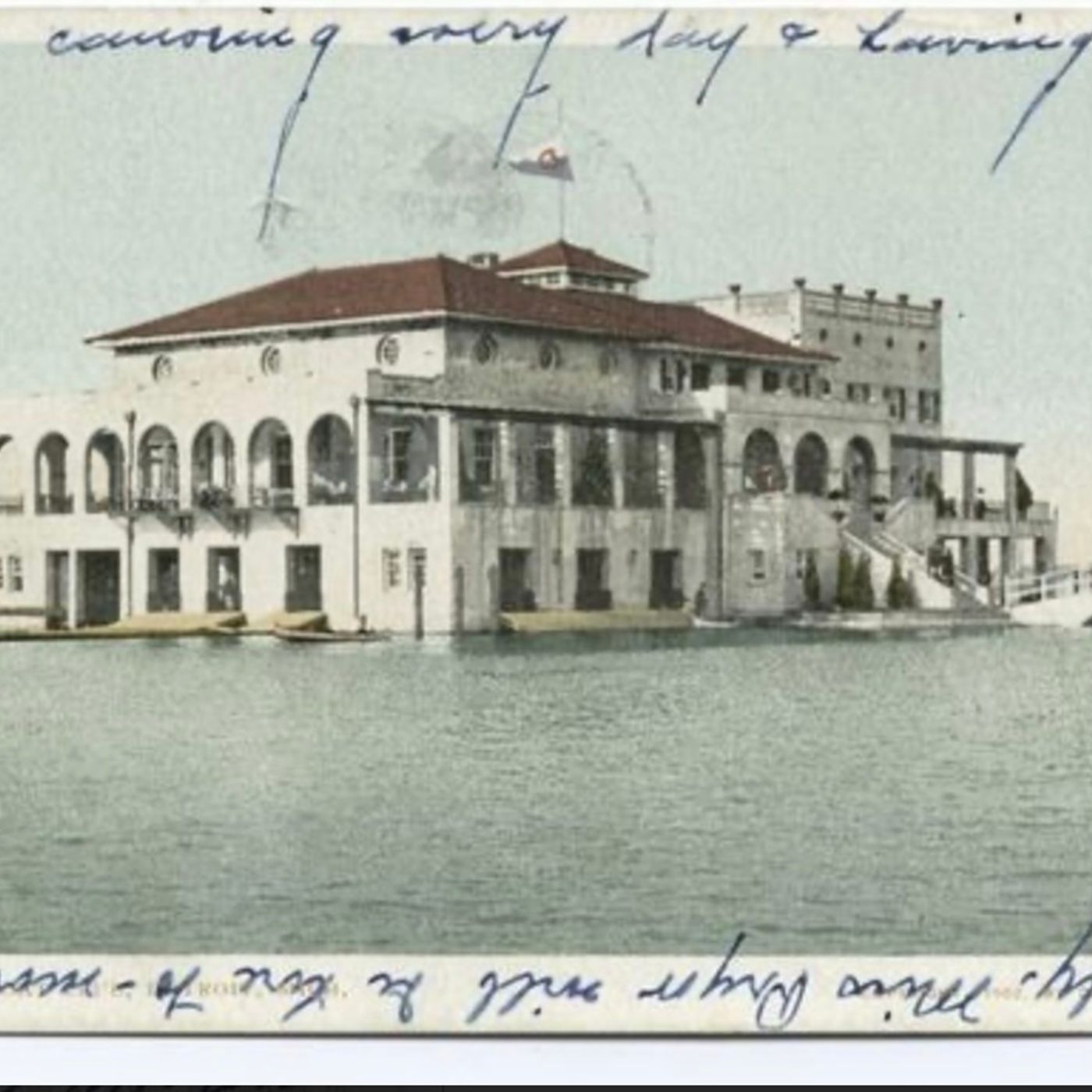
1910 DETROIT BOAT CLUB TREAMING THE MAKING OF THE JBS WITH MCCOTTER AND MCTAGUE This live election-day broadcast features host John Batchelor with guests Thaddeus McCotter and Jim McTague, analyzing national voting trends and specific contests like Michigan's open Senate race. The conversation highlights how the widespread adoption of early voting and mail-in ballots has transformed single-day voting into a prolonged election season, which critics argue diminishes civic duty and extends negative campaigning. The participants examine growing polarization within the major parties, noting how ideological extremes are sidelining moderates and fueling intense partisan rhetoric. The dialogue also explores top voter concerns, including the cost of living, gasoline prices, economic anxieties surrounding artificial intelligence, and questions of election integrity.Run unnumbered as an overview blurb.
1696 WILLIAM PENN MARRIES HANNAH CALDWELL Reviewing Midterm Voting Voter Priorities Jim McTague and Thaddeus McCotter discuss high midterm voter turnout driven primarily by cost-of-living concerns and high gasoline prices. They highlight growing public anxiety over artificial intelligence job displacement. They also affirm trust in the integrity of the election process while noting widespread skepticism toward ongoing foreign military action. (7)
1890 LAKE ORION Understanding Political Rifts Michigan Elections Thaddeus McCotter analyzes the Michigan Senate race turmoil after Democratic Representative Haley Stevensendorsed Republican candidate Mike Rogers over nominee Dr. Abdul El-Sayed. He describes this high-profile endorsement as clear evidence of deep internal party rifts, and concludes that pocketbook issues ultimately outweigh foreign policy debates among voters. (6)
1935 Analyzing Global Instability Regional Conflicts Gregory Copley discusses NATO red lines in the Black Sea alongside the ongoing strategic military stalemate with Iran. He examines widespread global social unrest resulting from declining trust in government institutions and shifting demographic trends. Lastly, he addresses King Charles III’s Commonwealth diplomatic visit and his handling of the historical slavery debate. (5)
1945 BERLIN Examining European Security Regional Tensions Judy Dempsey evaluates European strategic options regarding Russian aggression, sharply criticizing economic appeasement proposals. She details Russian military escalation in the Black Sea alongside ongoing hybrid strikes against European infrastructure. Finally, she notes deep political divisions within Germany and rising energy prices ahead of the winter season.
1931 Assessing Artificial Intelligence Semiconductor Supply Joseph Sternberg examines Anthropic’s impending initial public offering, emphasizing the global artificial intelligence economy’s structural reliance on Taiwanese semiconductor manufacturing. He argues this dependence fundamentally alters deterrence against potential Chinese military aggression. Meanwhile, persistent cost-of-living concerns continue to drive American voter sentiment in the midterms. (3)
1842 MASADA Navigating Middle Eastern Conflict Escalation Jonathan Schanzer analyzes President Donald Trump’s announcement to phase out military financial assistance to Israel by 2026. He outlines escalating regional tensions with Iran, noting significant Chinese and Russian military and intelligence support. He also highlights rapid Houthi advances in Yemen threatening Saudi Arabia, alongside dangerous border instability in Jordan. (2))
1907 Evaluating Economic Performance and Inflation Liz Peek highlights that the United States economy remains strong overall, with low unemployment and robust growth. However, widespread voter frustration stems from elevated energy costs driven by the ongoing Iranian conflict and from severe housing unaffordability. She also vigorously defends artificial intelligence expansion against burdensome regulation. (1)
1800 YEMEN STREAMING THE MAKING OF THE JOHN BATCHELOR SHOW 11-2-26 This John Batchelor Show broadcast features geopolitical experts analyzing the volatile and complex political landscape of the Middle East. Bill Roggio and Edmund Fitton-Brown of the Foundation for Defense of Democracies evaluate the unyielding Iranian diplomatic stance, the effectiveness of Western naval blockades, and the broader proxy conflicts involving global powers like Russia and China. Samuel Ben-Or joins the conversation to dissect the inconclusive outcome of the recent Israeli elections, detailing the precarious political maneuvering required to form a new government amid ongoing military hostilities. The commentators further debate Western military strategies, the limits of modern rules of engagement, and the impending threat of renewed US-led attacks against Iran following the American midterm elections.
1954 Lunar Competition Space Race Rick Fisher and Gordon Chang analyze China’s goal of landing astronauts on the moon before 2030 using the Long March 10 booster. Fisher explains Beijing’s strategy of deploying lightweight landers and rovers to rapidly establish a strategic presence, in contrast with America’s reliance on heavier, more complex lunar landing systems. (11)
1959 China Forced Organ Harvesting Jan Jekielek and Gordon Chang discuss China’s state-sanctioned forced organ harvesting industry, detailed in Jekielek’s Killed to Order. They examine the Chinese Communist Party’s elite longevity program and the systemic targeting of Falun Gong practitioners. Jekielek also reviews pending US congressional legislation aimed at sanctioning perpetrators. (10)
1932 Syrian Governance Regional Dynamics Ahmad Sharawi and Bill Roggio explore Syrian leader Ahmed al-Sharaa’s evolving role from jihadist to statesman. Sharawi outlines US-backed diplomatic efforts connecting Syria, Iraq, and Turkey for regional energy investment. However, ongoing border tensions with Jordan and continued skepticism from Israel highlight lingering security challenges in southern Syria. (9)
NOV, Patriot Missile Maintenance Facility John Hardie and Bill Roggio review the Pentagon’s selection of Poland to host Europe’s first PAC-3 Patriot missile maintenance facility. The center aims to reduce repair timelines for European defenses. Hardie notes Ukraine’s severe shortage of Patriot interceptors needed to counter Russian ballistic attacks against critical infrastructure. (8)
1939 Houthi Attacks Threaten Saudi Edmund Fitton-Brown and Bill Roggio evaluate Houthi drone strikes targeting Saudi Arabia’s Dammam airport, which threaten civilian aviation and Crown Prince Mohammed bin Salman’s Vision 2030 economic strategy. They detail Houthi military advances toward Aden and discuss complex regional dynamics involving the United Arab Emirates, Russia, and China. (7)
1857 Hezbollah Explosives Smuggling Controversy David Daoud, with Bill Roggio, examines the interception of a Hezbollah explosives shipment by Lebanese security forces near the Syrian border. Despite Hezbollah’s demands for the return of the munitions, Lebanese authorities initiated legal proceedings against the suspects. Daoud questions whether Lebanese courts will impose meaningful penalties or merely nominal fines. (6)
1810 PERSIA Iraqi Militia Political Integration Bridget Toomey, with Bill Roggio, discusses Iraq’s efforts to disarm Iran-backed militias by offering political positions to key leaders. She highlights concerns regarding the appointment of Asa’ib Ahl al-Haq figure Laith al-Khazali despite his history of anti-US attacks. Skepticism remains high about whether militias will actually surrender heavy weaponry and Iranian-supplied drones. (5)
Ź891 NAZARETH Post-Election Israeli Strategy Samuel Ben-Or, with Bill Roggio and Edmund Fitton-Brown, analyzes Israel’s election aftermath, in which Benjamin Netanyahu’s coalition fell short of a majority. Opposition leader General Gadi Eisenkot could potentially form a minority government with external Arab party backing. Regardless of who leads, Israel remains committed to ongoing military campaigns against Iran, Hezbollah, and Hamas. (4)