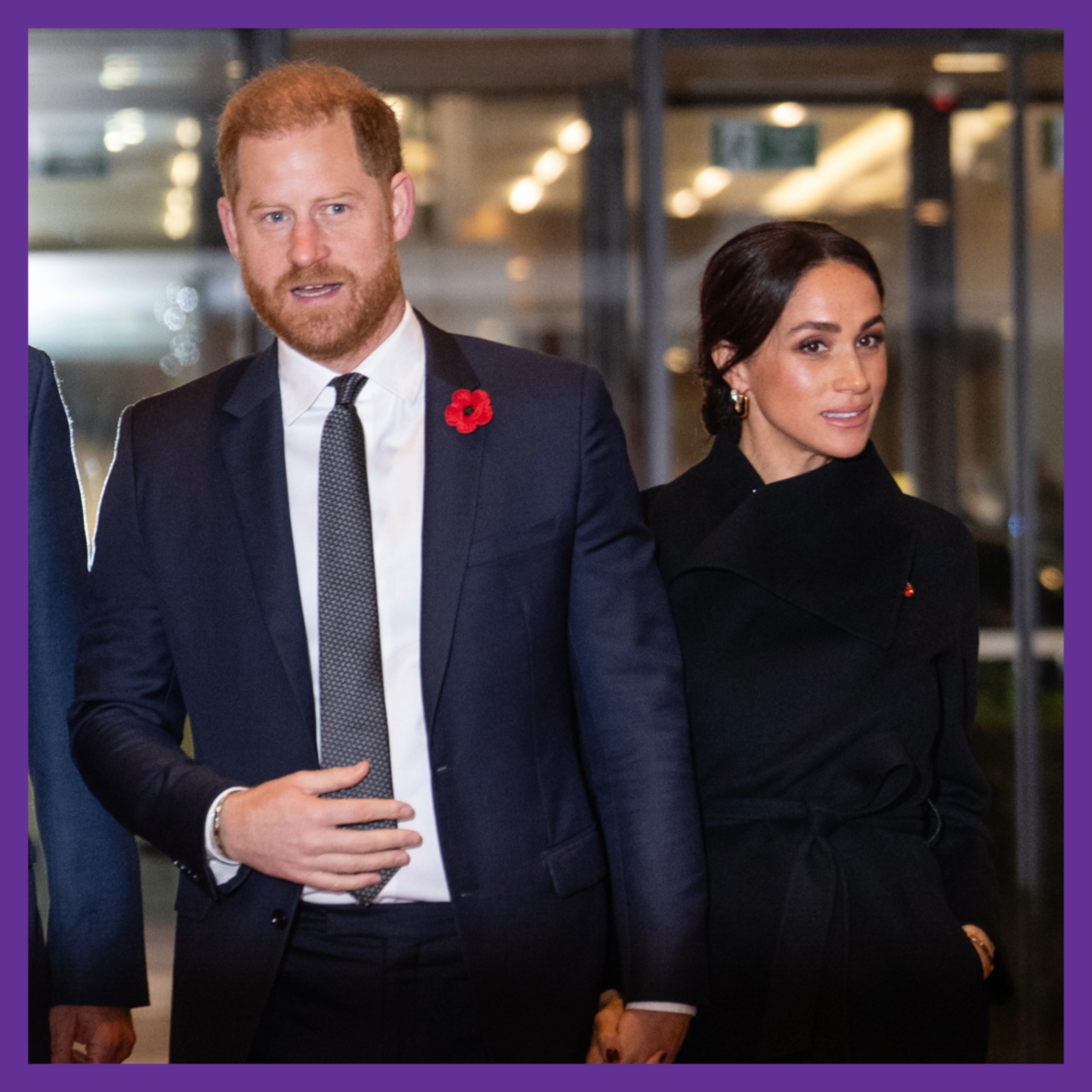
Meghan accompanied Prince Harry to Brussels to campaign on online child safety, days after her father, Thomas Markle, was arrested and charged in the United States with possessing child sexual abuse material. The couple had planned to speak together, but Meghan withdrew from the joint address; a source saying she was not “emotionally strong enough” to speak publicly. But behind that appearance is a story stretching back years. Meghan reportedly wants to help the FBI, while questions remain about allegations passed to the Metropolitan Police in 2019. What was she told would happen – and how far do those reported police assurances explain her decision not to speak out? Drawing on their original reporting, Roya Nikkhah and Kate Mansey take listeners inside the couple’s response, explain Meghan’s mother's assistance to investigators, and examine the Met’s handling of the earlier allegations. They also ask how the palace is responding to the ongoing scandal. Thomas Markle denies wrongdoing.
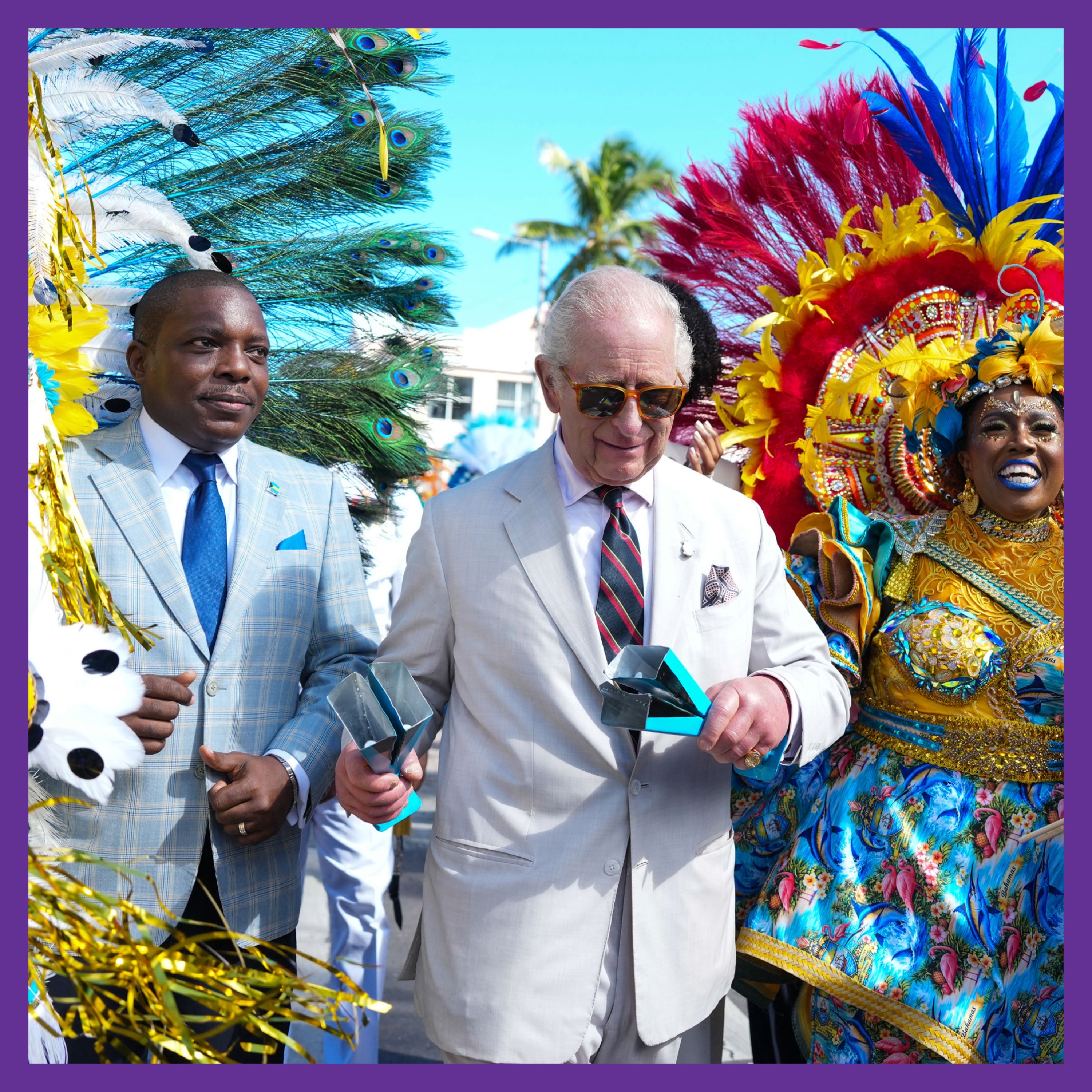
King Charles’s Caribbean tour has reached its most politically sensitive moment, as Commonwealth leaders gather in Antigua and Barbuda amid growing calls for Britain to apologise for its historic role in slavery. The British government is now open to discussing a state apology, while continuing to rule out financial reparations. But Charles cannot simply decide to say sorry. He must navigate competing expectations while acting on government advice. So what does the changing political position mean for his speech – and can royal diplomacy help move the conversation forward? Reporting from the Caribbean, Roya Nikkhah and Kate Mansey take listeners inside the tour, from the Junkanoo parade in Nassau to the King’s visit to a site in Georgetown where enslaved people were executed. They examine how the shifting political debate has complicated the palace’s carefully planned diplomacy, what Charles can realistically achieve as Head of the Commonwealth, and whether expressions of sorrow are st