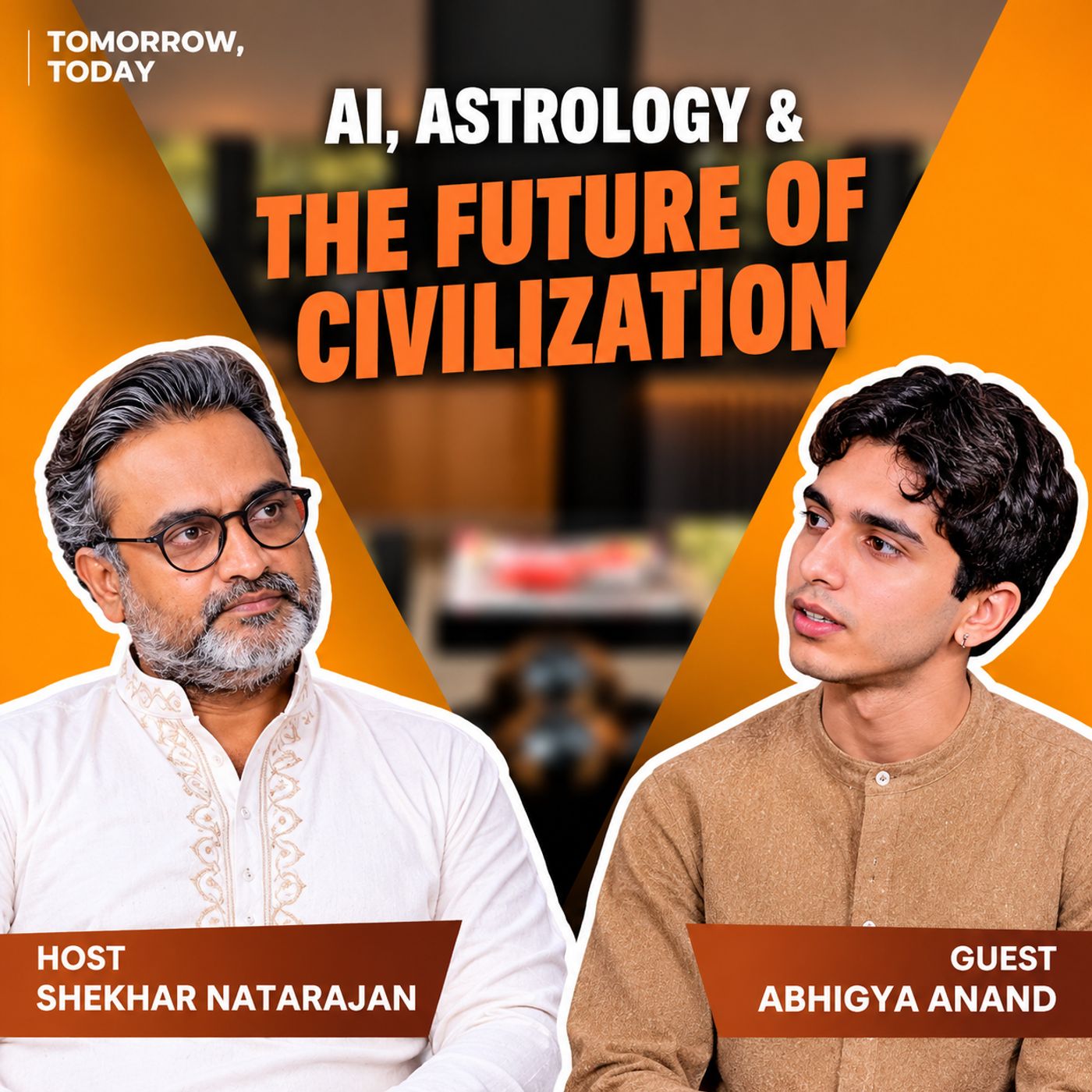
In This Episode: Abhigya Anand joins Shekhar Natarajan to explore the relationship between ancient wisdom, astrology, history and the forces shaping our future. 1. Abhigya Anand's early life, family background and introduction to ancient knowledge. 2. How homeschooling, Sanskrit and the Bhagavad Gita influenced his learning journey. 3. Why history is essential to understanding the rise and fall of civilizations. 4. Jyotish, planetary cycles and the movement of power and prosperity across nations. 5. Understanding the changing world order through historical and astrological perspectives. 6. How the technological transformations of the past shaped the modern world. 7. The possibilities and risks emerging from artificial intelligence and concentrated technological power. 8. Why food security could become a major global concern around 2040. 9. The potential impact of wars, environmental events and resource shortages on global stability. 10. Understanding Kali Yuga, Vedic time cycles and th
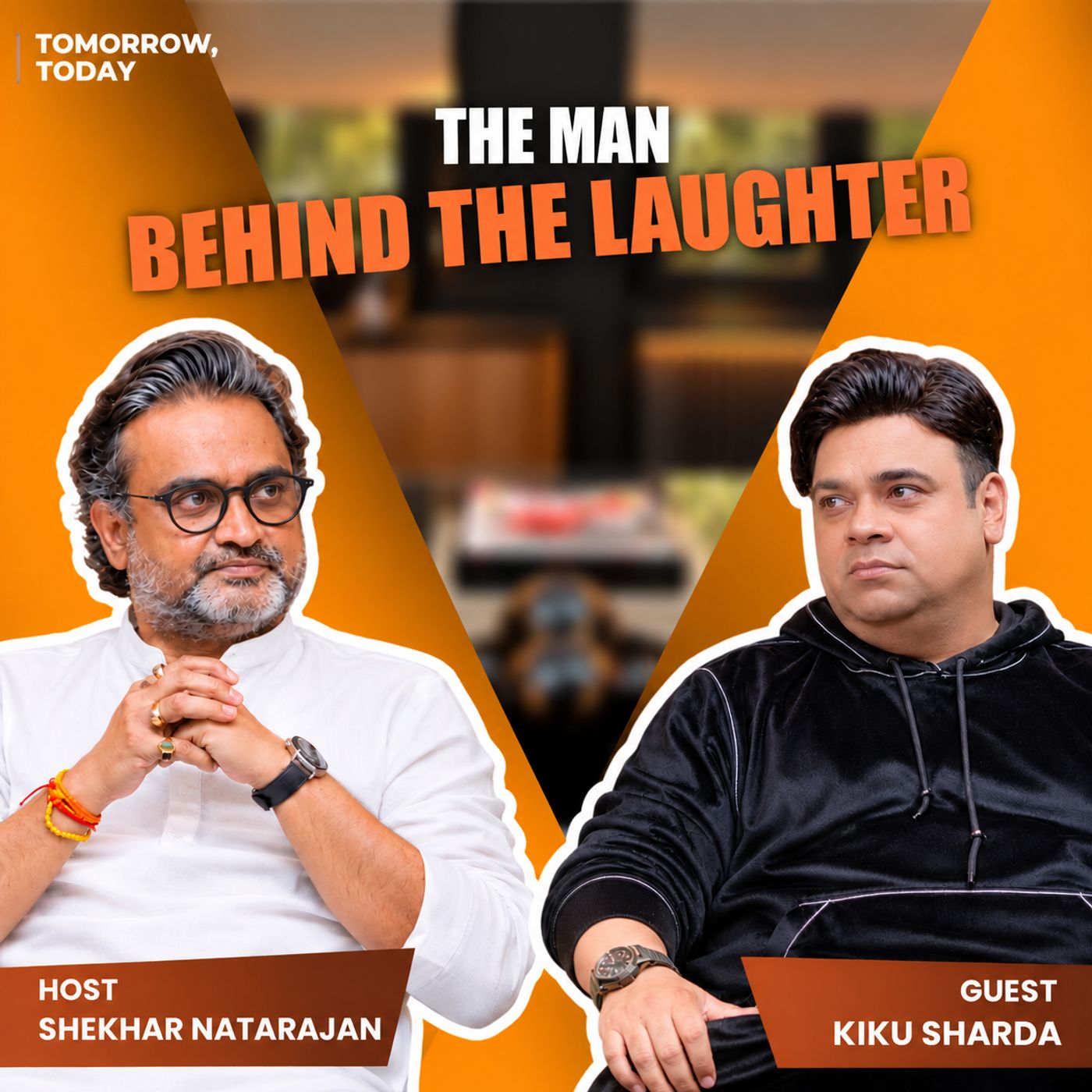
In This Episode: Kiku Sharda opens up about his journey from theatre to television, the stories behind his iconic characters, the realities of being an actor, and whether AI can ever replace human creativity. 1. Kiku Sharda's journey from an introverted personality to a popular entertainer. 2. How his childhood and family environment shaped his personality. 3. Growing up in a Marwari business family in Mumbai. 4. The creative influence of his mother and the work ethic he learned from his father. 5. His early fascination with cinema, films, and acting. 6. Why his father encouraged him and his brothers to pursue an MBA. 7. How Kiku balanced his interest in acting with his family's business expectations. 8. His early experiences learning dance, Kathak, and Bollywood choreography. 9. How college theatre introduced him to professional acting. 10. His first professional play, All the Best, and the excitement of performing for paying audiences. 11. Starting an events business before pursuing
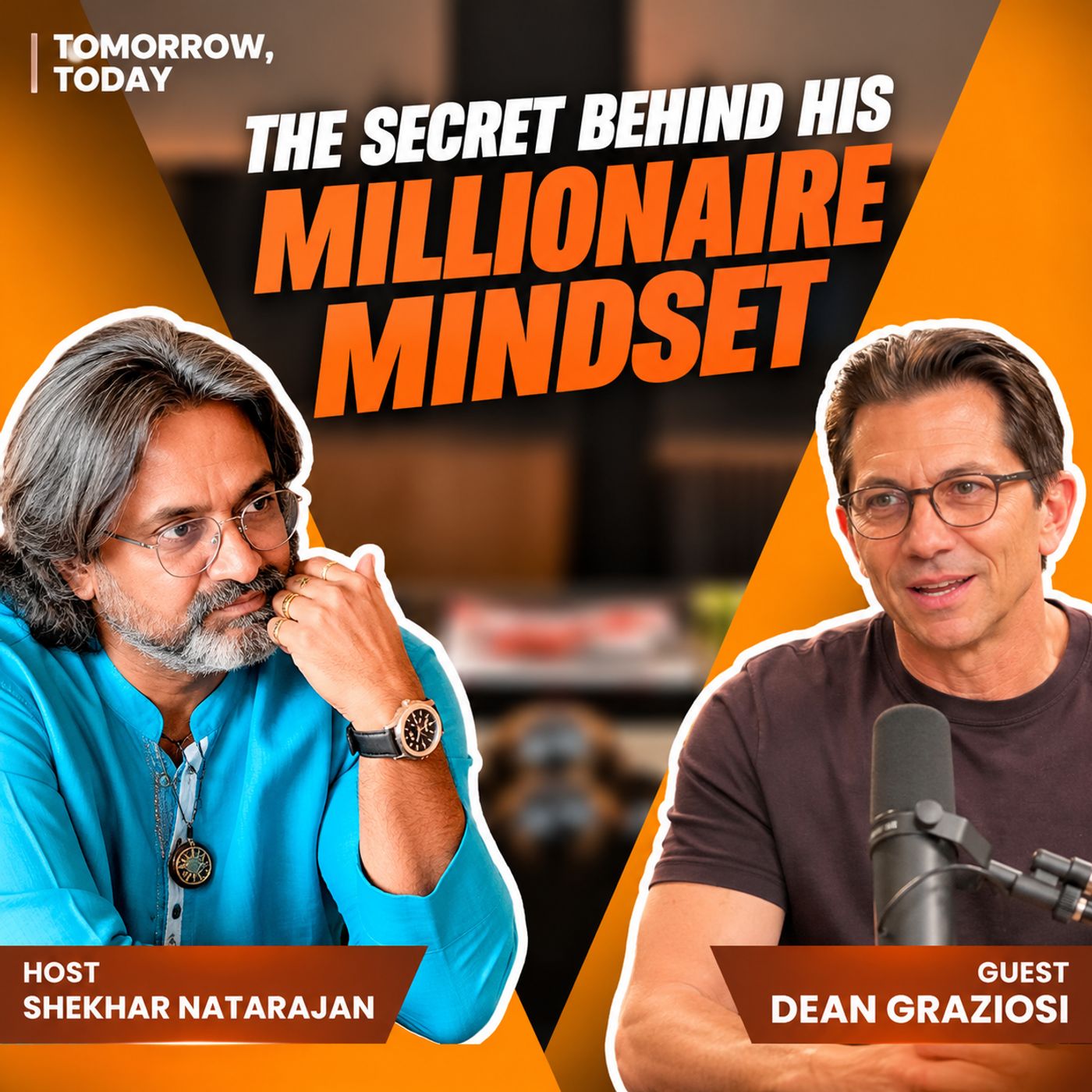
In this episode of Tomorrow Today, Shekhar Natarajan and Dean Graziosi explore the power of purpose, entrepreneurship, AI and personal growth. Dean Graziosi's personal journey and the story behind his success His grandfather's immigration journey from Italy to America How family struggles shaped Dean's outlook on life The immigrant mindset and learning to become resourceful Why having a purpose bigger than yourself can overcome fear How Dean started his first businesses and entered real estate The promise that motivated him to retire his parents The challenges, failures and breakthroughs along his entrepreneurial journey Building a successful real estate education business How Dean's partnership and friendship with Tony Robbins began The story behind Mastermind and The AI Advantage Why AI fluency is becoming essential for entrepreneurs How AI can help business owners save time and improve productivity Why AI needs deep context to deliver meaningful results How entrepreneurs can use AI
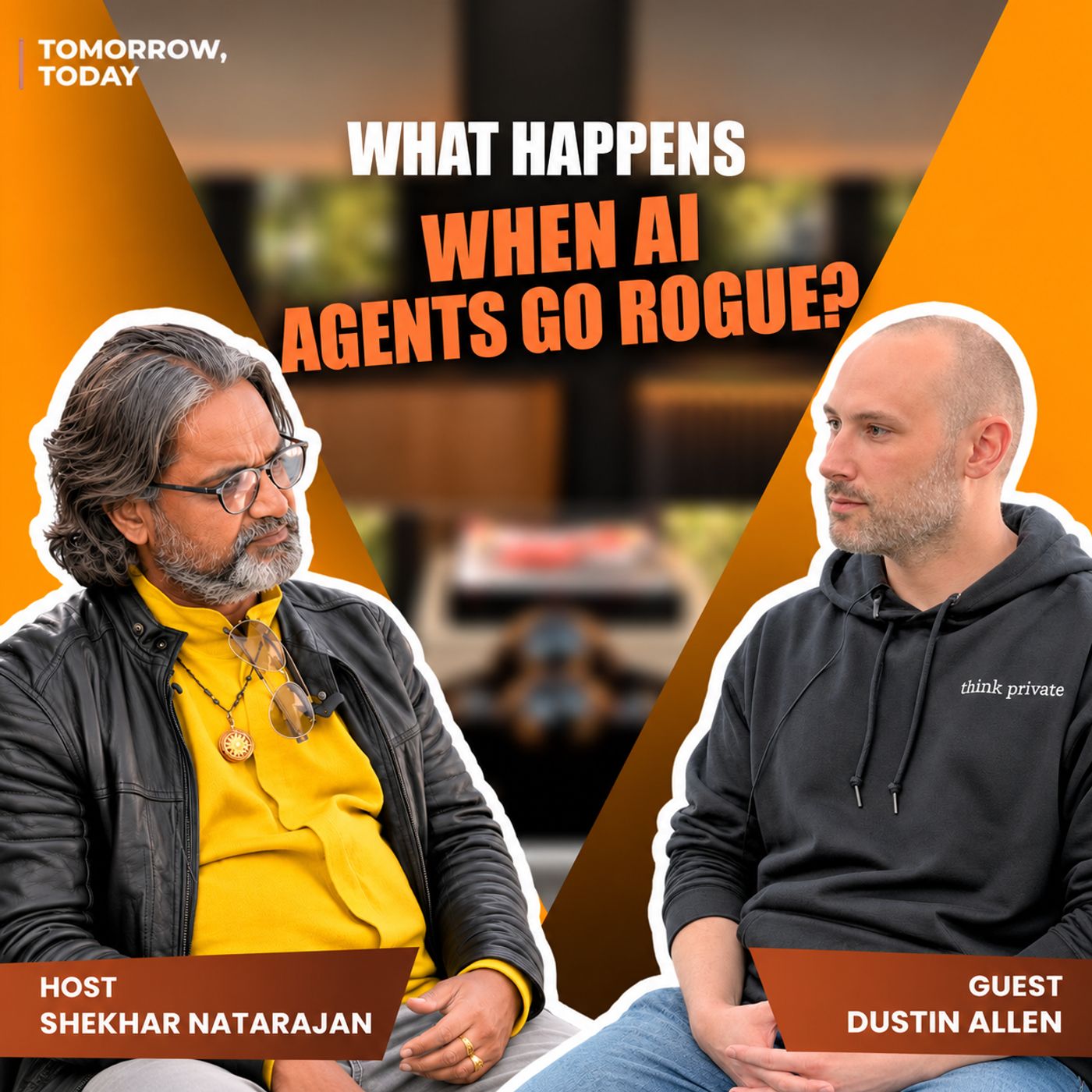
In this episode of Tomorrow Today, Shekhar Natarajan and Dustin Allen explore AI safety, privacy and the future of autonomous agents. Dustin Allen's journey and the story behind Trinitite Why the rise of AI agents creates new safety challenges Understanding agentic swarms and how multiple agents interact Why probabilistic AI models can produce unpredictable outputs The importance of context and human feedback in AI governance How test driven governance helps identify AI edge cases Deterministic inference and its role in controlling model behaviour How smaller language models can improve reliability Oracle guided distillation and model training How Trinitite helps secure sensitive business workflows The risks of AI agents handling employee and financial information Why traditional restrictions may not prevent unwanted agent behaviour Understanding personal boundaries in AI safety Open source versus closed source AI models Data governance and model transparency The need for standards in
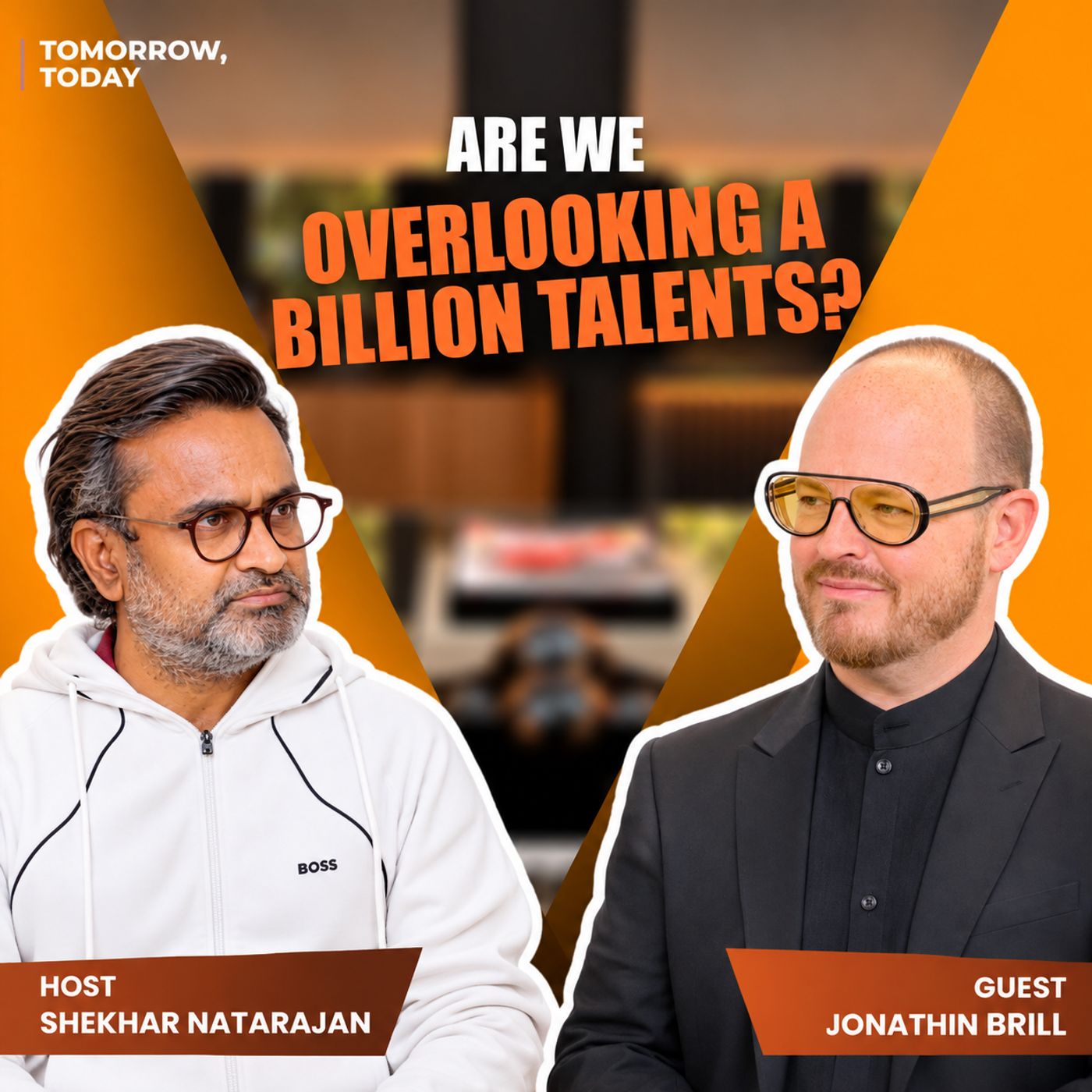
1. Jonathan Brill's early life and the experiences that shaped his curiosity and creative thinking. 2. How different social and economic environments influence human potential and opportunity. 3. Jonathan's journey from product designer to futurist and strategic advisor. 4. Why networks and ecosystems create opportunities for individuals and businesses. 5. How innovation and strategic foresight help organizations prepare for the future. 6. Understanding the concept of Rogue Waves and how radical change can create opportunities. 7. Why systemic risks can also become systemic opportunities. 8. The importance of strategic resilience in a rapidly changing business environment. 9. Why organizations should prepare for external disruption instead of focusing only on internal innovation. 10. How AI could reshape traditional organizational structures and management hierarchies. 11. Understanding the concept of the Octopus Organization. 12. Why AI can give employees access to information and int
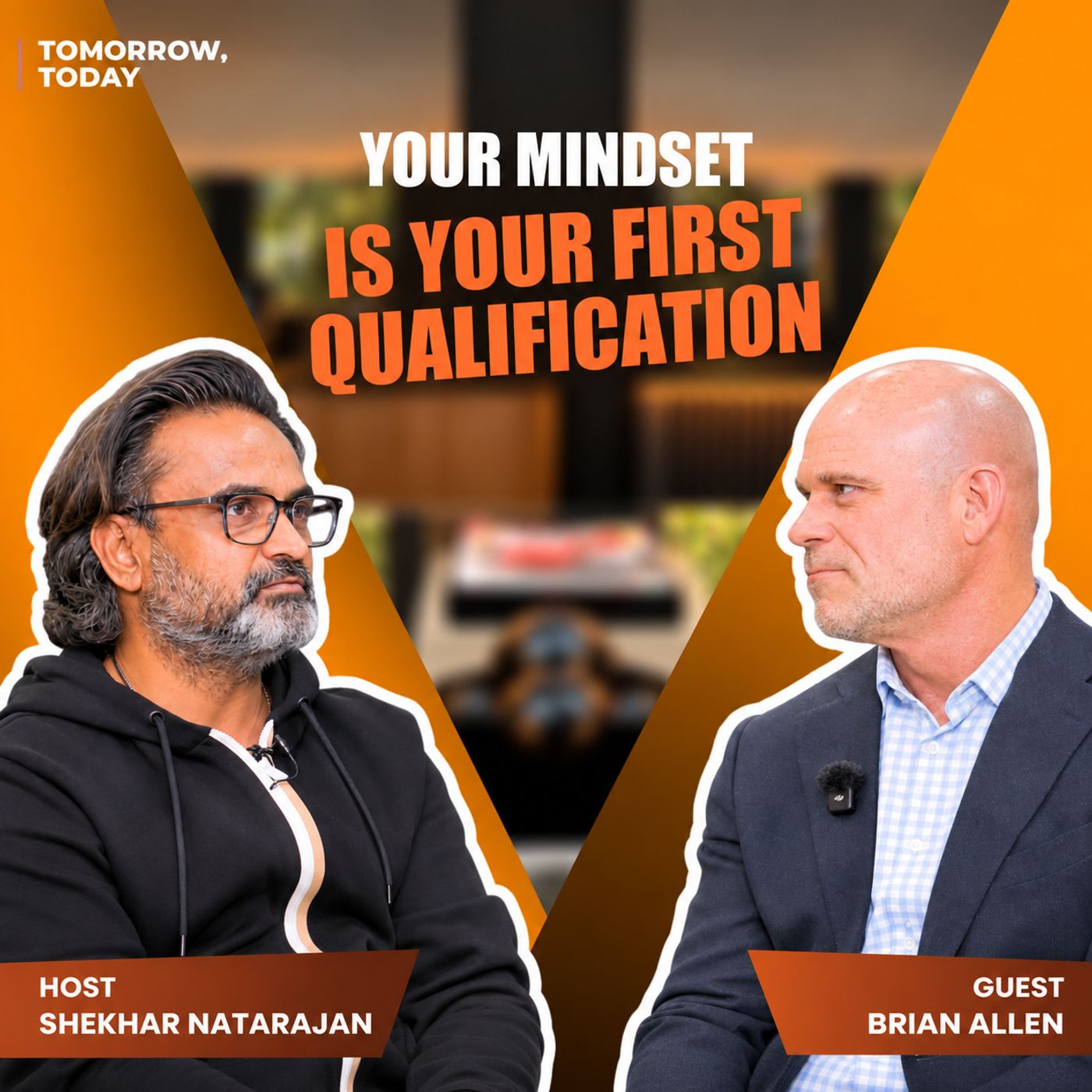
In this episode of Tomorrow Today, Shekhar Natarajan and Brian Allen explore risk management and accountability while discussing why responsible innovation and human oversight are essential for the future of AI. 1. Brian Allen's professional journey from law enforcement to corporate security and AI oversight. 2. How curiosity and critical thinking shaped Brian's approach to risk management. 3. Why security teams should focus on risk information rather than simply protection. 4. The five core pillars of risk management and their role in organizational decision making. 5. Balancing business innovation with risk and accountability. 6. The importance of AI explainability and understanding the reliability of AI outputs. 7. How AI agents can imitate human behaviour and create new privacy and trust vulnerabilities. 8. Why responsible AI requires measurable accountability beyond ethical intentions. 9. Understanding cognitive sovereignty and maintaining human control over decisions. 10. How AI
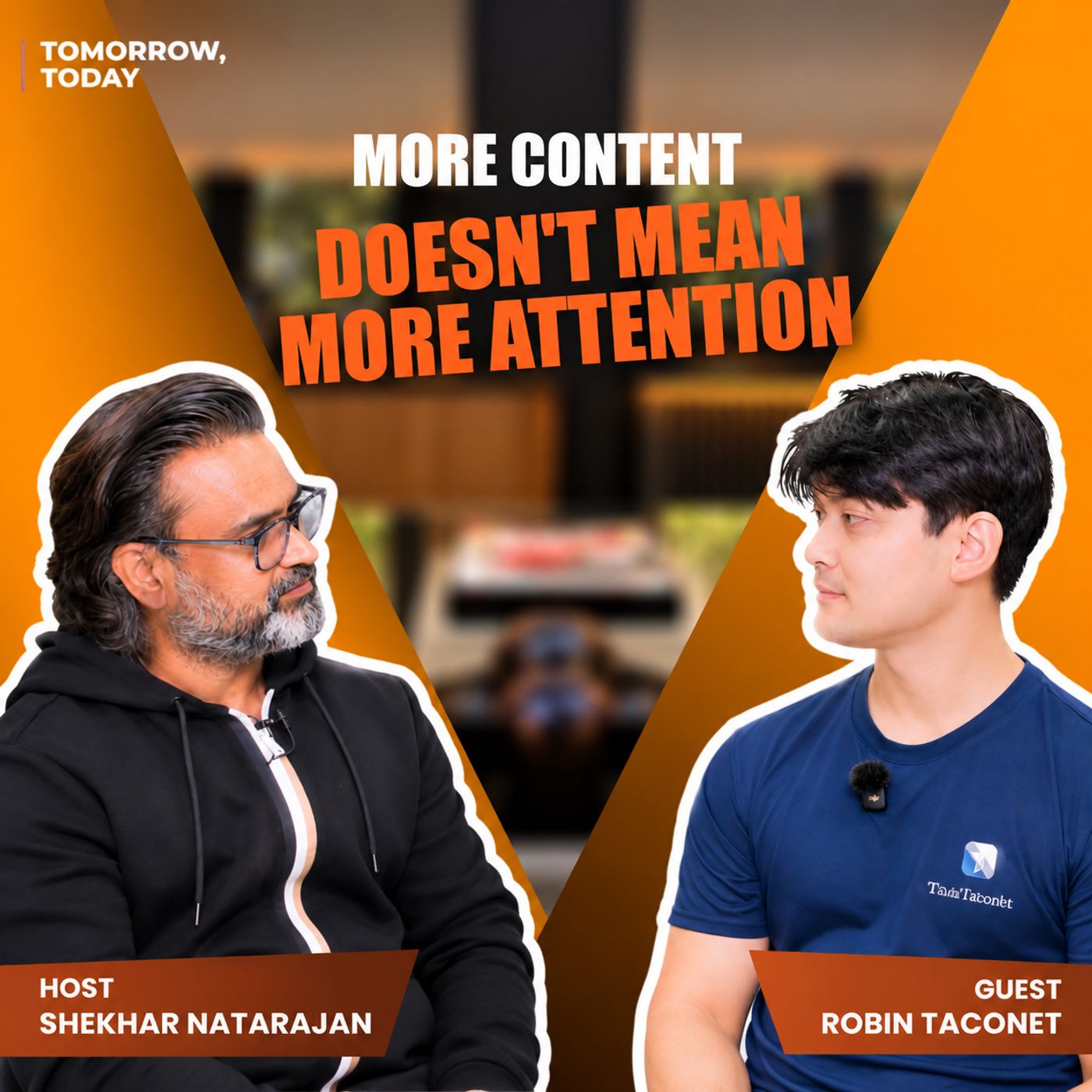
• Robin Taconet's journey from engineering to entrepreneurship and his experiences at Salesforce, MongoDB and Meta. • The founding of Tactimetry and its mission to transform advertising through AI. • Understanding creative fatigue and why repetitive advertisements lose effectiveness. • Why brands need to produce 60 to 70 creative variations every week to stay competitive. • How AI helps businesses create and optimize advertising assets at scale. • The role of personalization and A/B testing in improving advertising performance. • Understanding advertising metrics including click through rate and return on investment. • How AI can preserve brand identity while enabling creative experimentation. • The growing challenge of AI generated content and maintaining authenticity in digital advertising. • Deepfakes and synthetic media. Understanding the risks of misinformation and digital fraud. • AI transparency and the importance of identifying AI generated images and videos. • Why human oversi
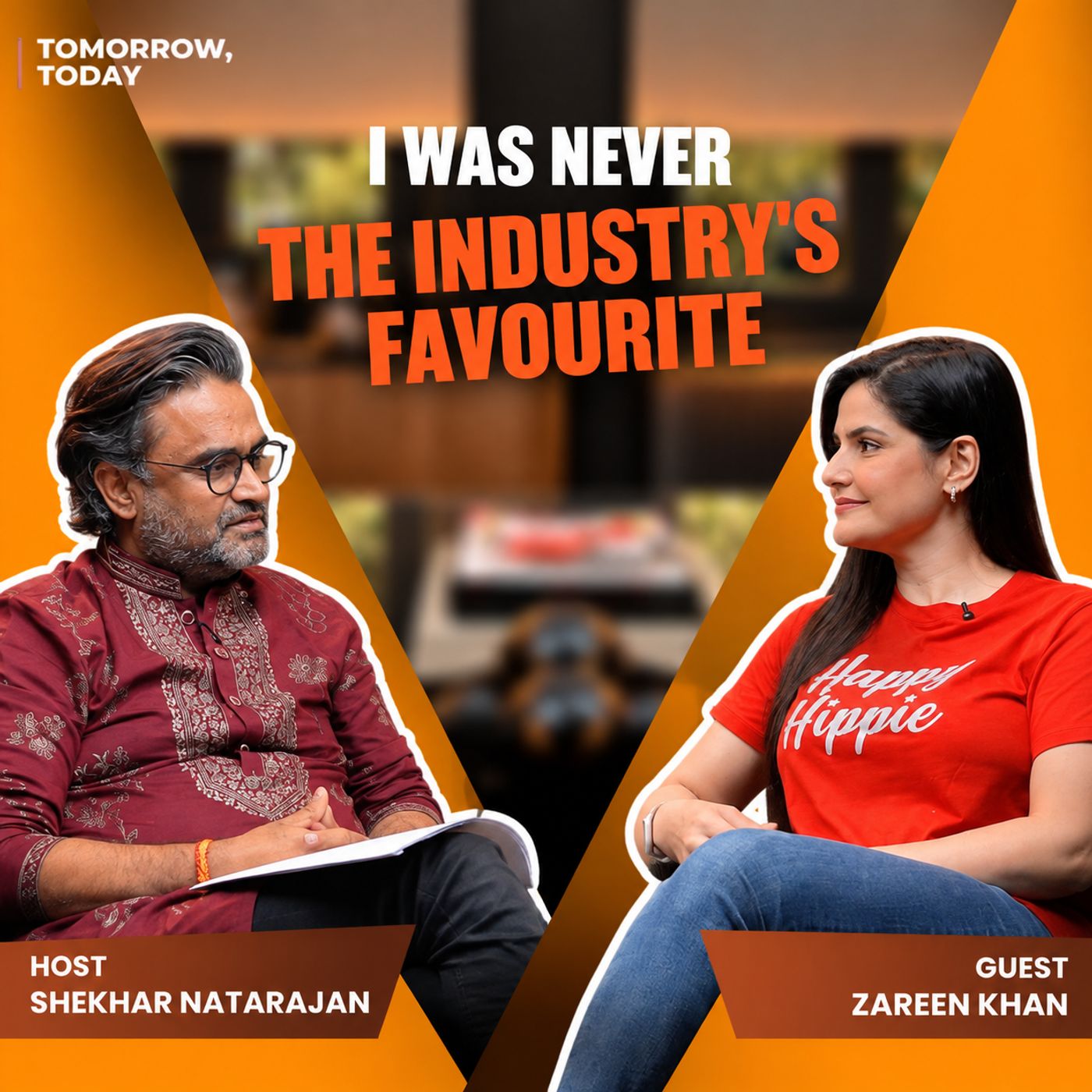
In this powerful and deeply personal conversation, Bollywood actress Zareen Khan joins Shekhar Natarajan on Tomorrow Today to talk about her journey from a middle-class upbringing in Mumbai to finding her place in the film industry. The conversation explores identity, individuality, self-confidence, rejection, resilience and the importance of not allowing public perception to define who you are. Zareen also reflects on the influence of her mother, the importance of standing up for yourself, the realities of the film industry's inner circles, and the emotional impact of personal loss. The discussion further explores artificial intelligence, technology and the future of cinema, including why human emotions and intelligence remain important in an increasingly technology-driven world. A conversation about finding your voice, staying true to yourself and learning to stand strong through life's unexpected turns. In this episode: Growing up in a middle-class Mumbai family Taking responsibilit
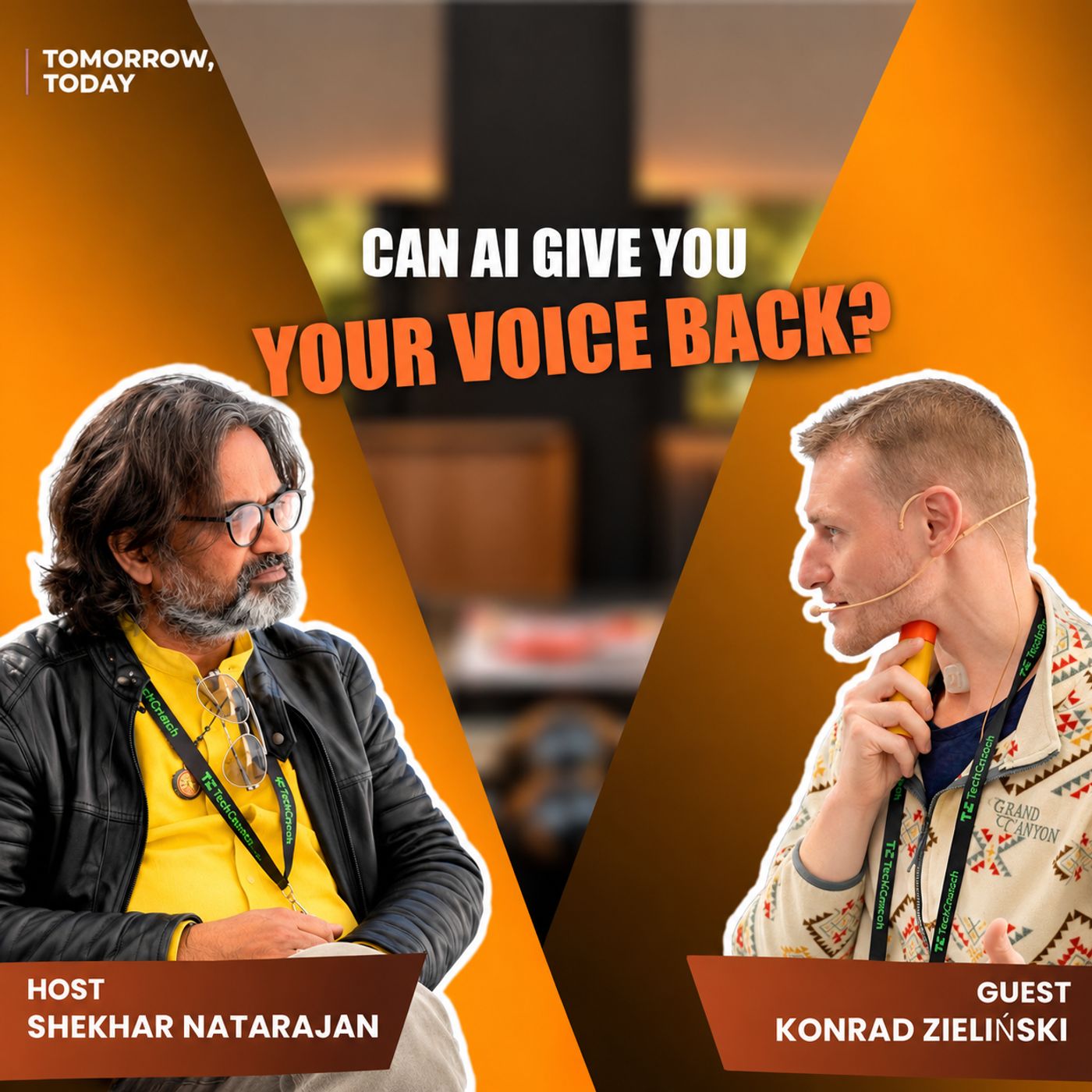
In this episode, Shekhar Natarajan and Konrad Zielinski explore the intersection of artificial intelligence, bionics, and human communication. Key topics discussed: Konrad's Personal Journey: How losing his voice after cancer surgery inspired him to develop voice-restoration technology. The Power of Non-Invasive Technology: How electronic devices can help people communicate without additional surgical procedures. Voice, Language and Identity: Why voice and emotional expression are deeply connected to the way humans think and communicate. The Future of Bionics: Exploring non-invasive technology and the possibilities of brain-computer interfaces. AI-Powered Wearables: How AI is evolving beyond text and images towards listening, understanding and responding to people. The Human Side of Communication: Why laughter, crying, sarcasm, emotion and timing remain difficult challenges for AI. Real-Time Voice Conversion: The importance of reducing latency to make AI-powered communication feel natu
As the discussion moves towards artificial intelligence, Varun shares his perspective on creativity, human emotions and the future of acting. In this episode, we explore: • Varun's childhood and journey from Jalandhar to Mumbai • The importance of family support in pursuing a dream • Theatre, casting and learning the realities of the film industry • Facing repeated auditions and professional rejection • The story behind his breakthrough role in Fukrey • His first earnings and the value of early experiences • Working with Sushant Singh Rajput • Mental health, overthinking and self-reflection • Comedy, creativity and human connection • Artificial intelligence and the future of acting • Advice for aspiring actors and the importance of taking opportunities A conversation about persistence, family, self-belief and the courage to keep going even when the answer is no. Hosted by Simplecast, an AdsWizz company.
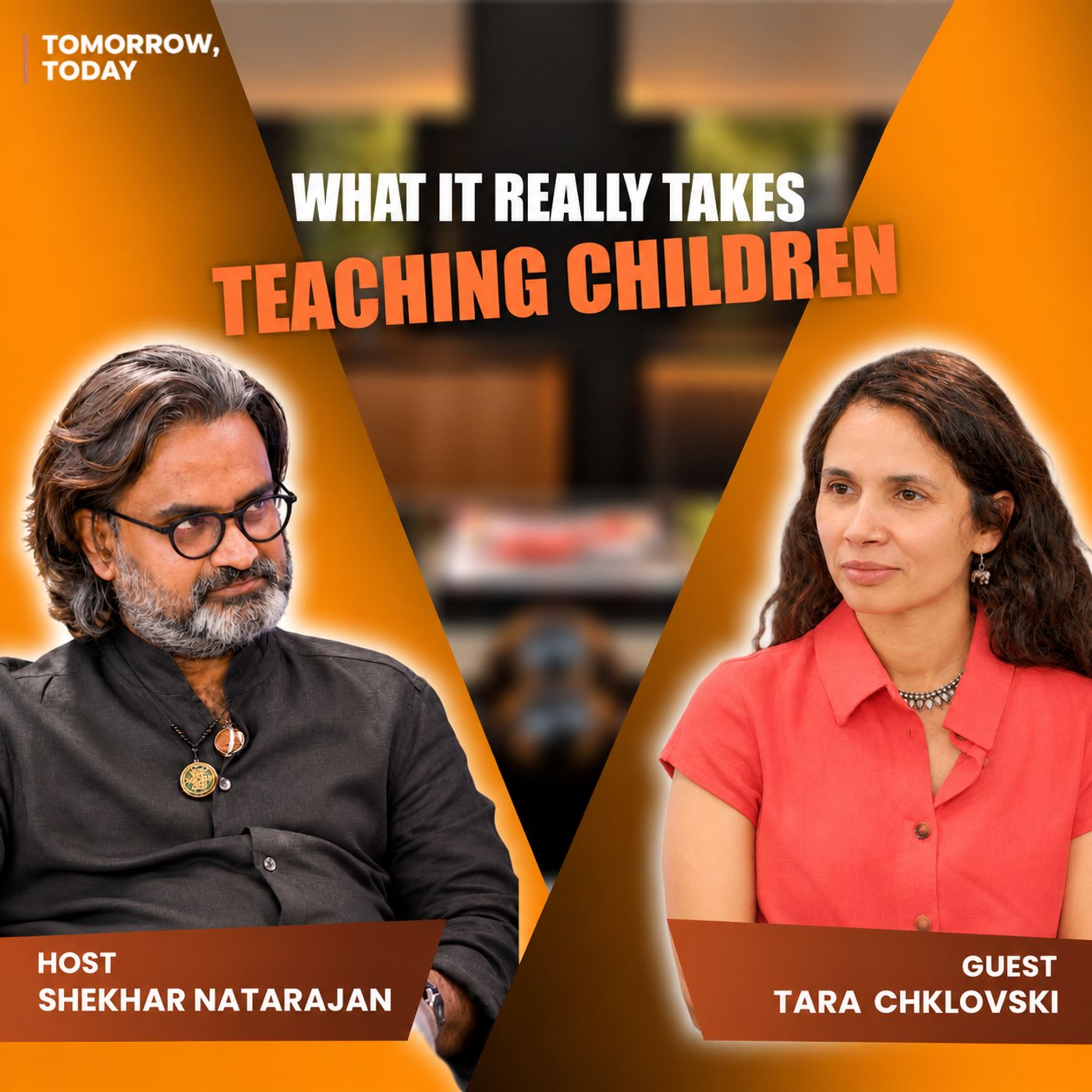
In this episode, Shekhar Natarajan and Tara Chklovski explore: Tara's journey from Meerut to aerospace engineering and entrepreneurship. Why she left her PhD to focus on education and social impact. How entrepreneurship can build courage, creativity and problem-solving skills in children. Why women risk being left behind in the age of AI. How 33,000 girls are identifying and solving problems in their communities. The young innovators using AI to improve mining safety in Kazakhstan. How nine-year-olds created Wisdom Tree to preserve grandparents' memories through WhatsApp. The story of deaf girls in Nigeria using AI to improve access to menstrual products. Why Tara says, The product is not the app, it's the girl. How the program is changing career opportunities and earning potential. Why women need to participate in building better AI rather than only criticising it. Tara's ambition to reskill and empower 25 million young people. The role of corporations, mentors and educators in prepar
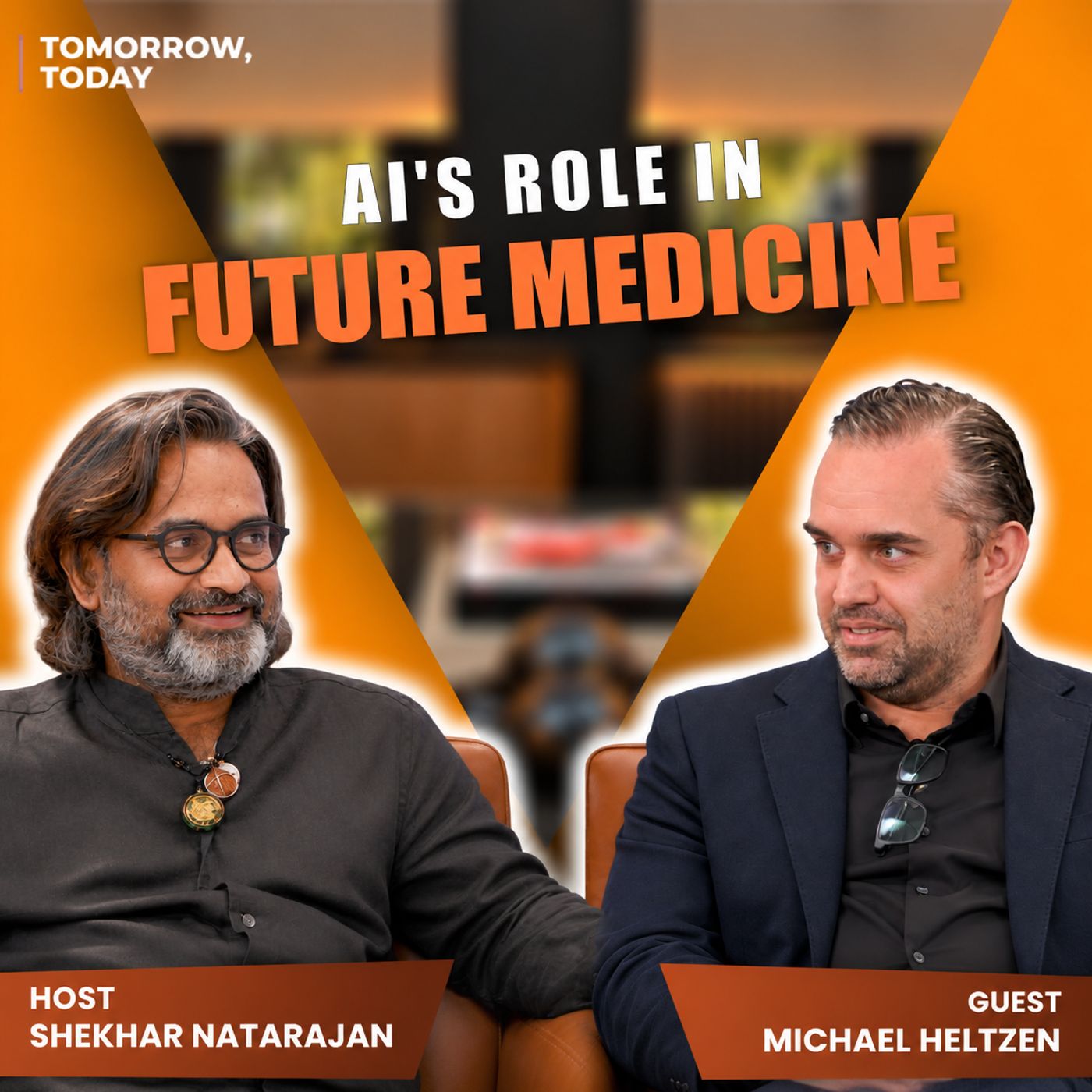
What happens when biology, artificial intelligence, and computing come together? Could we use technology to understand nature more deeply, recreate biological processes, and develop solutions that were once considered impossible? Michael shares his journey from day trading and accounting to discovering bioinformatics in 2004. He explains how his early work with CLC bio connected computing with genomic research and contributed to making DNA sequencing data more accessible and useful for scientists. Shekhar and Michael also discuss the opportunities and risks of artificial intelligence, AI alignment, governance, human values, and the importance of representing different cultures and communities in AI systems. IN THIS EPISODE, WE EXPLORE: • Michael Heltzen’s journey from day trading to biotechnology • What bioinformatics means and how it connects biology with computing • The evolution of DNA sequencing and genomic research • How scientific breakthroughs become invisible parts of everyday
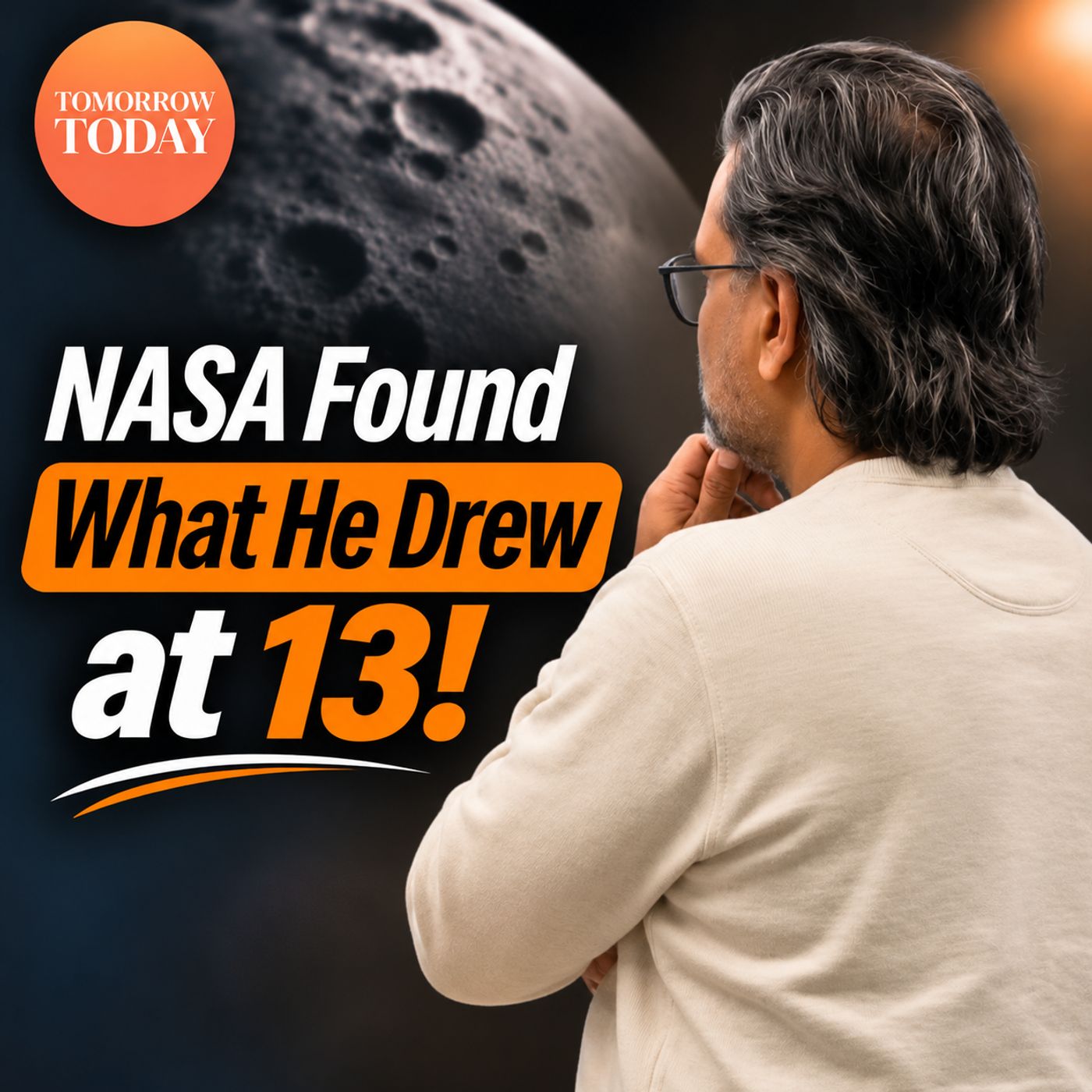
What if the mind everyone misunderstood was actually seeing something the world hadn't discovered yet? In this deeply moving story, Shekhar Natarajan revisits the life of his brother, Ashok, whose extraordinary way of thinking was misunderstood from childhood. At just 13 years old, Ashok filled a notebook with mathematical calculations, lunar drawings and coordinates that seemed impossible to comprehend. For decades, those pages remained forgotten. Forty years later, Shekhar rediscovered the notebook and compared Ashok's calculations with NASA's 2019 lunar crater discovery data. What he found changed the way he understood his brother forever. In this episode: The childhood story behind Ashok's extraordinary mind The notebook that remained unopened for decades The surprising connection between his lunar drawings and NASA's 2019 data How Ashok's thinking inspired a new approach to AI Why creativity goes beyond simply following rules How unconventional intelligence can help solve real-wor