An all-dancing, piano-playing, martini-drinking superstar? Just the guest we need for our biggest dinner party yet! Dish Live returns to the Royal Opera House with special guest Bill Bailey, and we couldn’t be happier. Recorded in front of over 2,200 Dish fans, Nick and Angela bring you some of the highlights from the night, from a dancer’s warm-up that very nearly brought proceedings to a premature halt, to a welcome appearance from a friend of the show, complete with beatboxing and a little Tequila Rose. The show starts with a vodka martini (https://www.waitrose.com/ecom/recipe/vodka-martini), served just how Bill likes it: with orange bitters, an orange twist and a dash of yuzu. Angela then serves Beijing guotie (https://www.waitrose.com/ecom/recipe/ken-hom-s-beijing-guotie), a recipe by chef Ken Hom, alongside chicken yakitori mini skewers (https://www.waitrose.com/ecom/recipe/chicken-yakitori-mini-skewers) and Julie Lin’s (https://www.instagram.com/julielincooks?vrfl=ZDNlZDc0MzIxN
After first seeing an earlier iteration of the show in London, Mickey-Jo headed to the Daryl Roth Theatre in New York to see Todrick Hall's MIDNIGHT. The new Off-Broadway musical, written, directed and choreographed by Todrick, has been generating conversation offstage due to its slavery-era narrative. Mickey-Jo is sharing some thoughts on the show itself, its material and performances as well as its wider context. check out Mickey-Jo's brand new substack newsletter: www.mickeyjotheatre.substack.com 00:00 | introduction 02:37 | synopsis / controvery 11:11 | the big plot twist 20:26 | material / performances 31:33 | creative choices / conclusion About Mickey-Jo: Instagram/TikTok/X: @MickeyJoTheatre Hosted on Acast.
"...I decided to use it..." CLANCYPASTA PRESENTS ► "The Best Joke I Ever Wrote" written by OrdinaryStatic, narrated by ClancyPasta Here are ways to support the podcast if you wish ~ PATREON ► https://patreon.com/clancypasta MERCH ► http://teespring.com/stores/clancypastastore SPOTIFY ► https://open.spotify.com/show/51DHHPsFnEvDAGfRiZPMF7 ANCHOR.FM ► https://anchor.fm/clancypasta X ► http://x.com/clancypasta INSTA ► https://instagram.com/clancypasta MUSIC #Creepypasta #scarystories #horrorstories
We live in a world designed to give us ever greater control. We can optimise our routines, monitor our bodies and manage almost every detail of our surroundings. But our pursuit of certainty may also be making us less able to face the parts of life we cannot predict. Are we becoming addicted to control? Why can uncertainty leave us feeling anxious, lonely or ashamed? And could surrender be a source of freedom rather than a sign of defeat? In this episode, Dr Güneş Taylor speaks with Stanford psychiatrist and addiction-medicine specialist Dr Anna Lembke about her new book, Radical Surrender: Letting Go in a World Addicted to Control. Drawing on neuroscience, clinical experience and her own encounter with loss, Lembke explains why accepting the limits of our control might help us find greater meaning and connection. Together, they explore what surrender means in a secular age and whether opening ourselves to uncertainty can change how we live. Dr Anna Lembke is a professor of psychiatry
Jason Leigh Winter has spent much of his career being the person who saves the show. With an extraordinary CV spanning Kinky Boots, Cats, Moulin Rouge and Hercules, Jason has worked as a swing, understudy and dance captain across some of the biggest productions in theatre. But few people have stories quite like his. In this episode, Jason takes us through some truly unbelievable moments from his career. From being called back to London mid-rehearsal to cover a norovirus-stricken cast which left him playing almost everyone, to forgetting a line live on stage, and having to improvise as a cat. But Jason's experiences have given him plenty to say about the realities of being a swing. He opens up about the exhaustion of juggling multiple tracks, the financial inequalities facing understudies, and the frustration of being pigeonholed into a career where the people most capable of saving a show can struggle to get the opportunity to lead one. He explains why he believes experienced performer
Corporate Tax Proposals Contradict Airline Strategy Michael Toth critiques United Airlines CEO Scott Kirby for advocating a national wealth tax while gearing United’s business model toward affluent travelers. Highlighting population and capital flight from high-tax states to low-tax jurisdictions like Texas, Toth argues that wealth confiscation harms economic mobility, philanthropy, and broad-based private sector growth. (16)
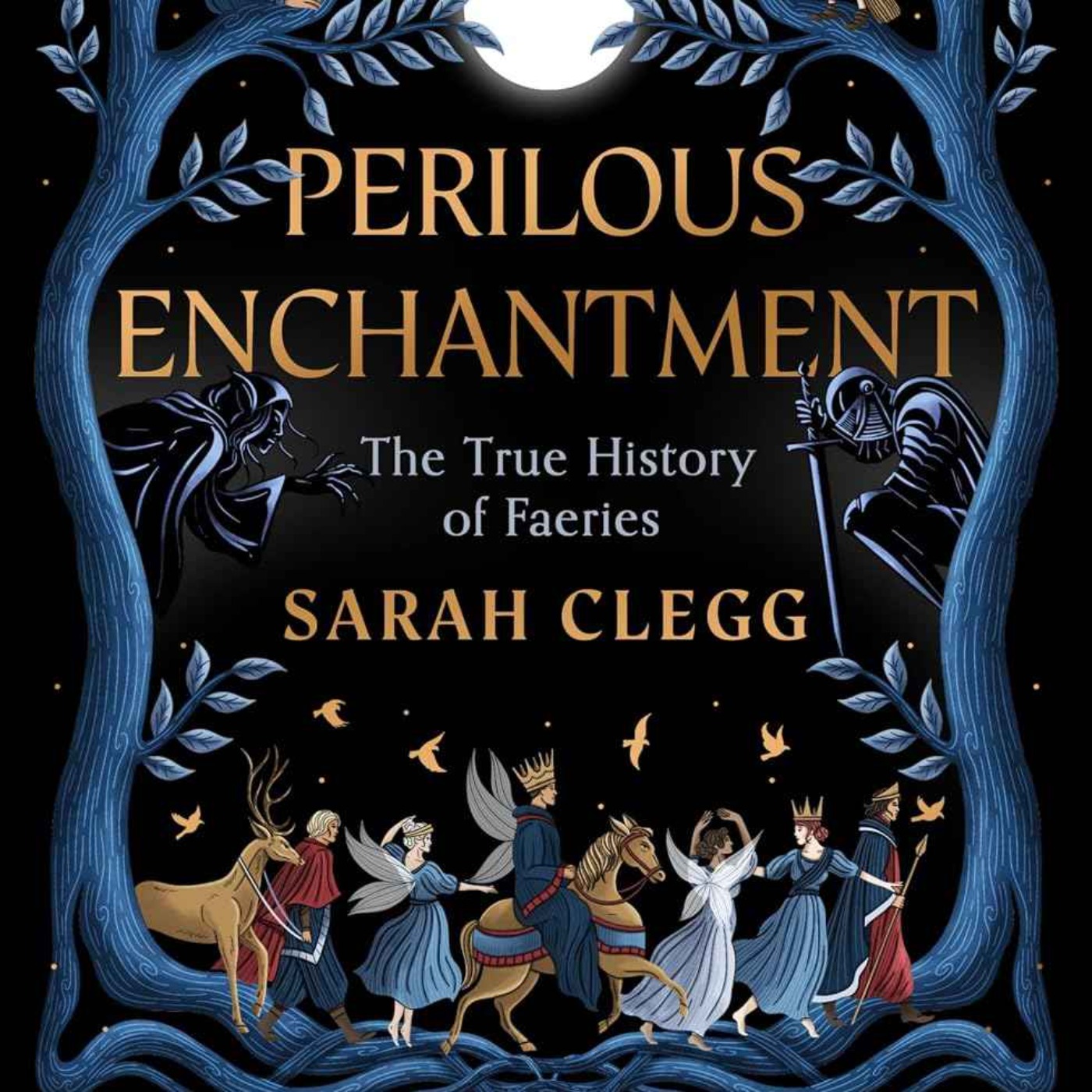
Forget the glitter, wings and magic wands – fairies were once far darker, more dangerous and considerably more seductive creatures. In this episode of Book Club, Sam Leith is joined by historian and author Sarah Clegg to discuss her new book, Perilous Enchantment: The True History of Fairies. From baby-snatching demons and Shakespeare’s sprites to Tinker Bell and the modern romantasy boom, Sarah traces how our understanding of fairies has evolved over the centuries. How did these powerful, often terrifying beings become the innocent creatures of children’s stories? And why are they now enjoying a distinctly sexier revival in popular fiction? Produced by Abigail Brierley. Contact us: [email protected] Hosted on Acast.
"The Metropolitan Touch" is a short story by English writer P. G. The story was published in The Strand Magazine (https://en.wikipedia.org/wiki/The_Strand_Magazine) in London in September 1922, and then in Cosmopolitan (https://en.wikipedia.org/wiki/Cosmopolitan_(magazine)) in New York that same month. The story was also included in the 1923 collection The Inimitable Jeeves (https://en.wikipedia.org/wiki/The_Inimitable_Jeeves).[1] (https://en.wikipedia.org/wiki/The_Metropolitan_Touch) In the story, Bingo Little (https://en.wikipedia.org/wiki/Bingo_Little) tries to impress his latest love interest, Mary Burgess, by producing a series of performances at a school Christmas show.
In this week’s episode, Louis speaks to producer, director, writer and all-around funny guy Judd Apatow. The pair discuss how Judd made Steve Carell into a leading man, how his films attack the Manosphere and why comedy movies are a dying breed. Warnings: Strong language and adult themes. Links/Attachments: Film: The 40-Year-Old Virgin (2005) Film: Anchorman: The Legend of Ron Burgundy (2004) https://www.youtube.com/watch?v=JSkcCIeSTAU (I love lamp) Film: Superbad (2007) Film: Knocked Up (2007) TV Show: Freaks and Geeks (1999-2000) Film: Forgetting Sarah Marshall (2008) Film: Old School (2003) Film: Elf (2003) TV Show: The Larry Sanders Show (1992-1998) TV Show: The Ben Stiller Show (1992-1995) TV Show: NewsRadio (1995-1999) TV Show: Everybody Loves Raymond (1996-2005) Film: The Zen Diaries of Garry Shandling (2018) TV Show: Saturday Night Live (1975-present) TV Show: The Roast of Kevin Hart (2026) TV Show: Undeclared (2001-2002) TV Show: South Park (1997-present) TV Show: Girls (2012-
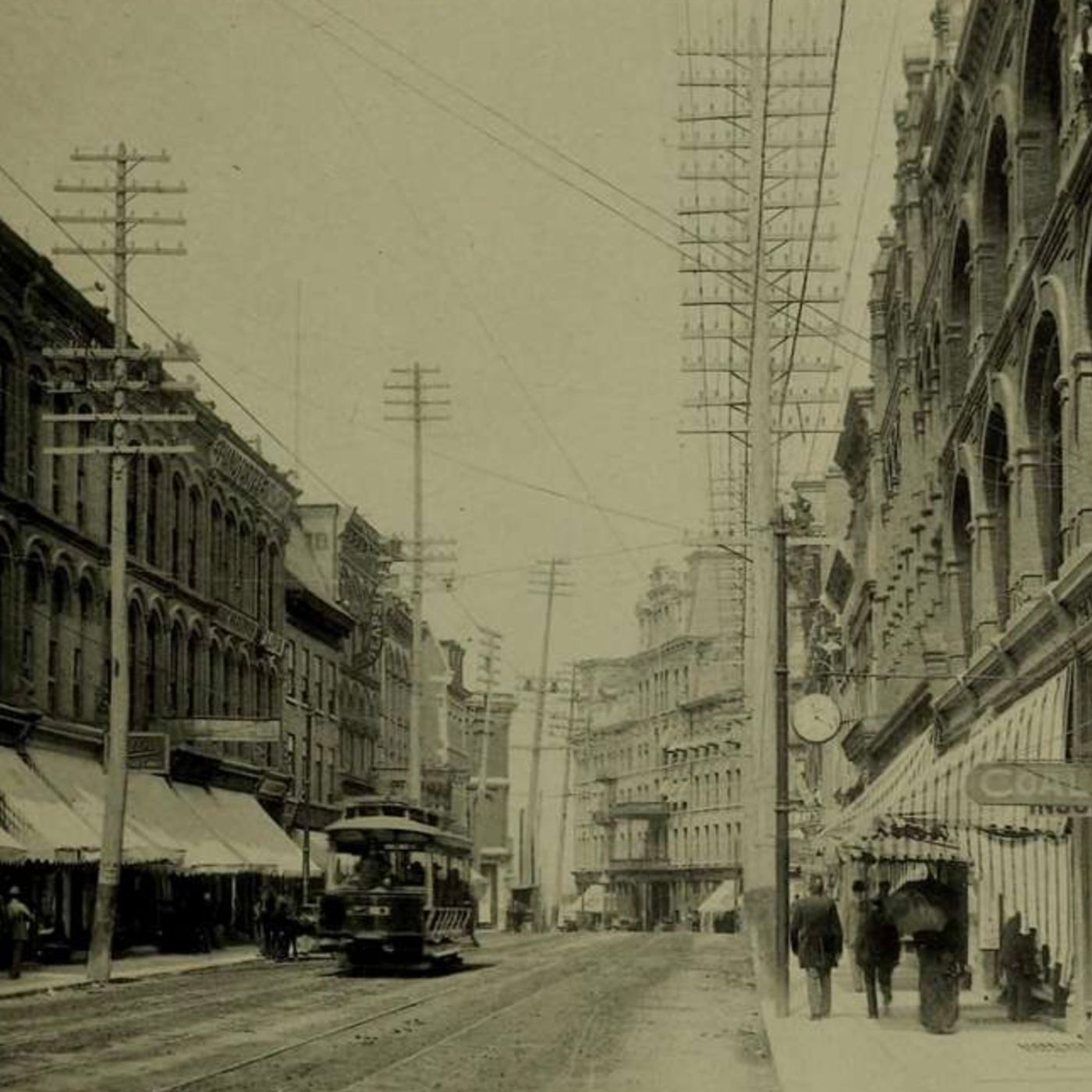
1900 OTTAWA Biographer Analyzes Legacies of Global Leaders Conrad Black evaluates the political legacies of Donald Trump, Benjamin Netanyahu, and Mark Carney. Trump, he argues, broke woke cultural orthodoxy while stimulating growth through border control and energy deregulation, and Netanyahu decisively defended Israeli security against existential threats, while Carney faces the challenge of reducing Canada’s reliance on the public sector for prosperity. (15)
2020 PUNTLAND Transnational Extremism Complicates Horn Foreign Operations — Part Two Caleb Weiss and Bill Roggio describe al-Shabaab as a potent transnational al-Qaeda affiliate seeking regional expansion and strikes on Western targets. Political infighting in Mogadishu and foreign interventions, including Turkish drone strikes against local political factions, complicate international counterterrorism strategy and deepen instability across the Horn of Africa. (14)
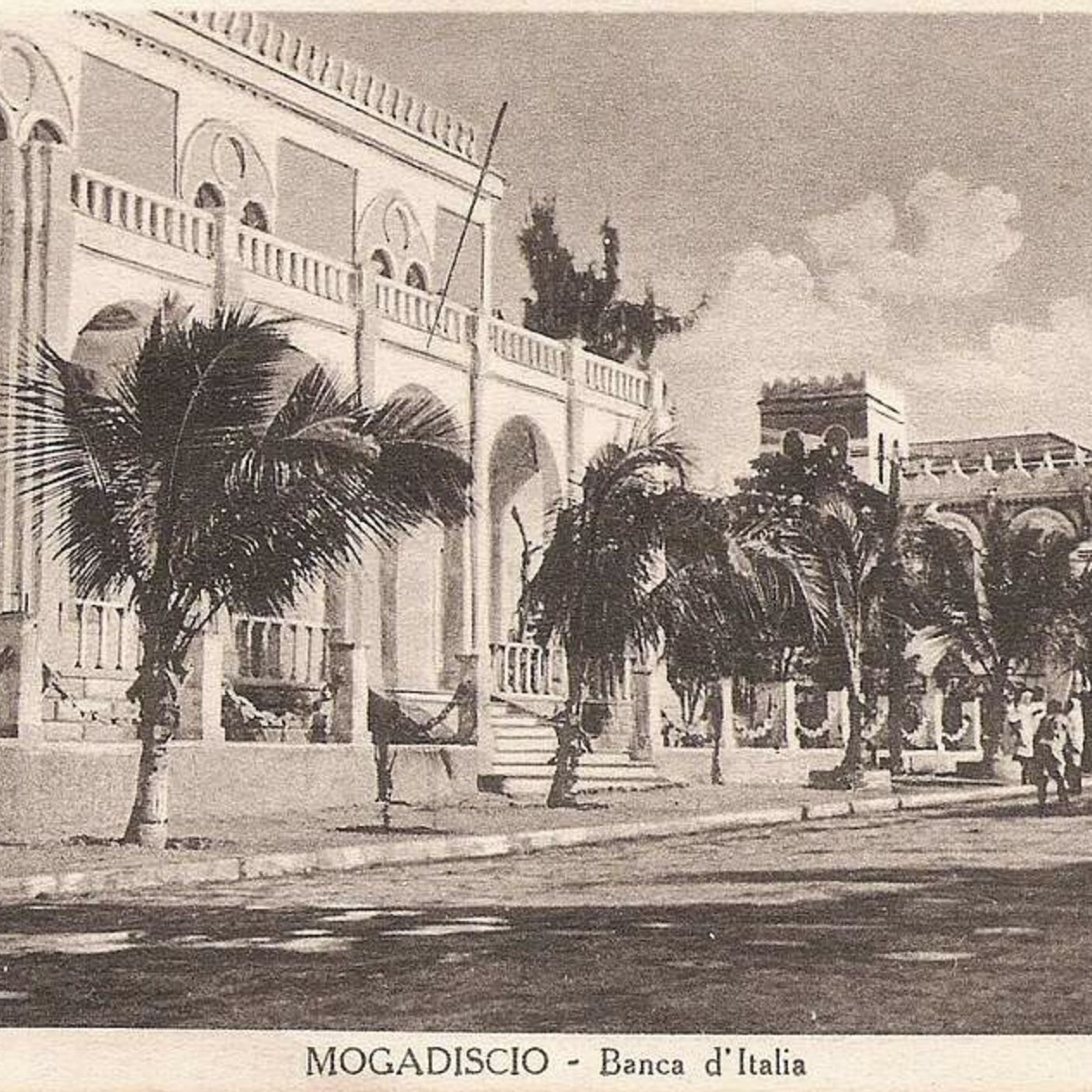
1950 BANK OF ITALY MOGADISHU, SOMALIA Ugandan Withdrawal Threatens Somali Security Stability — Part One Caleb Weiss and Bill Roggio discuss a major al-Shabaab attack that killed hundreds of troops in Lower Shabelle, underscoring security vulnerabilities in East Africa. Uganda’s announced withdrawal of peacekeepers after two decades leaves critical gaps around Mogadishu, while US forces maintain counterterrorism operations and Somali forces attempt to backfill positions. (13)
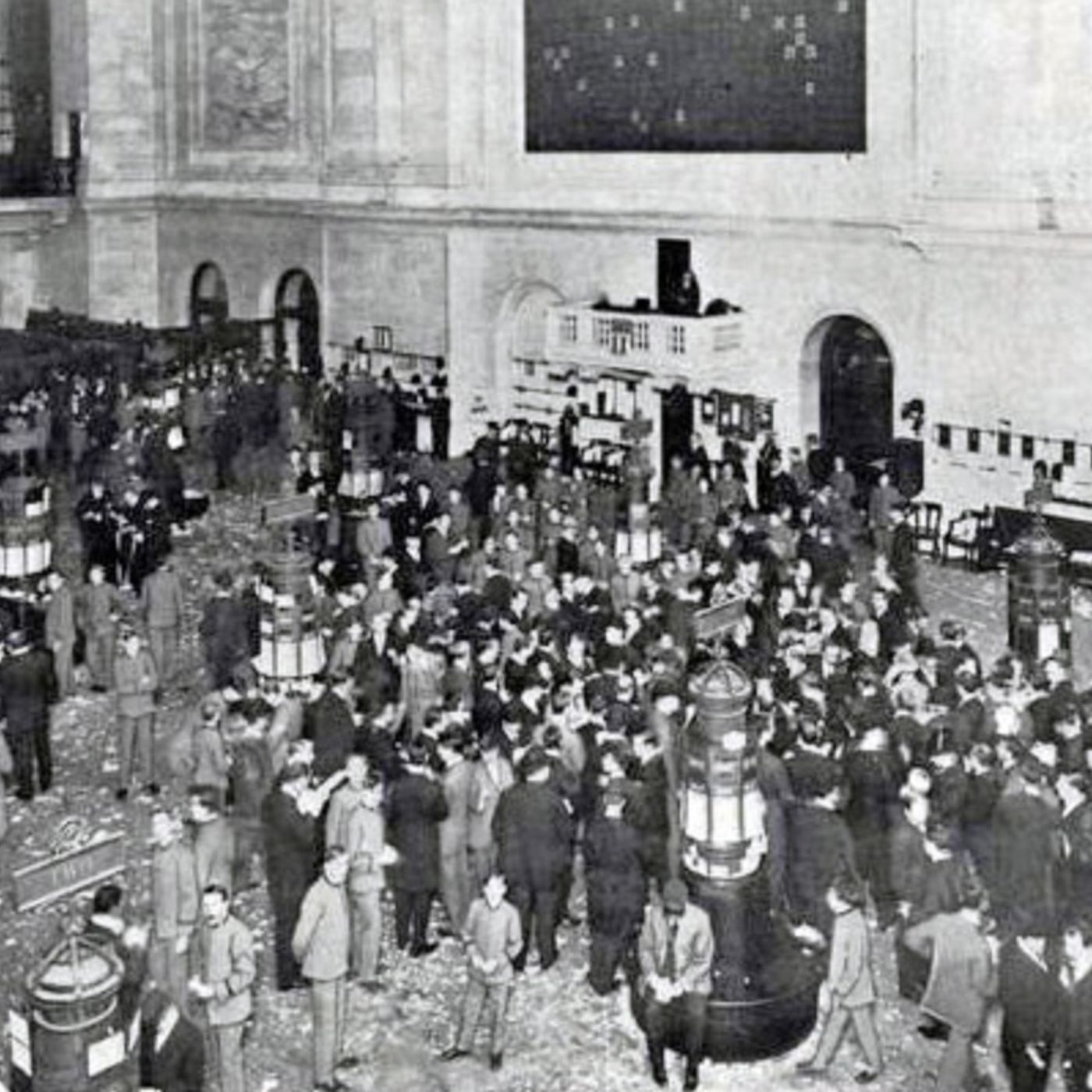
1908 NYSE Governance Vulnerabilities Expose Technology Security Risks — Part Two Joseph Sternberg argues that the controversy surrounding Nvidia’s executive leadership exposes significant governance deficits and foreign intelligence risks in high-tech sectors. As data center operations navigate export controls, inadequate board oversight and missing succession planning create structural risks, and regulatory policy must balance corporate governance standards with national security. (12)
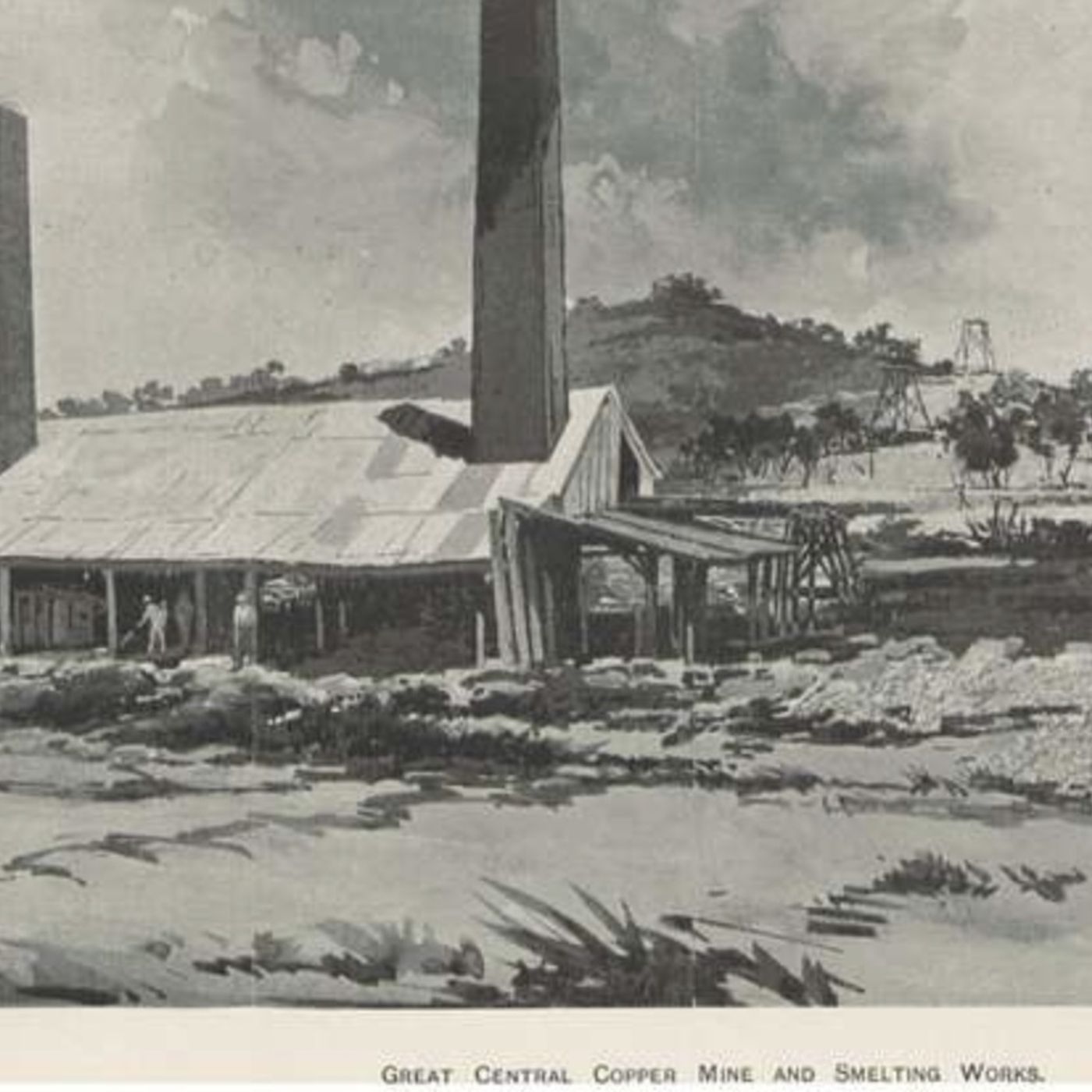
1899 COPPER MINING Voters Reject California Wealth Tax Proposal — Part One Joseph Sternberg explains how California voters defeated a proposed 5 percent wealth tax on billionaires, recognizing that capital mobility and departing taxpayers threaten broader state revenues. Taxing asset inflation faces strong public resistance and economic flaws, and with conventional capital tax hikes risking productivity losses, lawmakers face narrowing options, including spending cuts. (11)
1945 OKLAHOMA CITY Nuclear Powers Face Complex Global Summit — Part Two Mary Kissel assesses the upcoming summit of the leaders of the United States, Russia, and China, highlighting growing nuclear proliferation concerns and shifting power balances. While arms control transparency remains vital, adversaries use such meetings for propaganda and strategic advantage, and addressing regional proxy conflicts requires clear public communication and cohesive national strategy. (10)
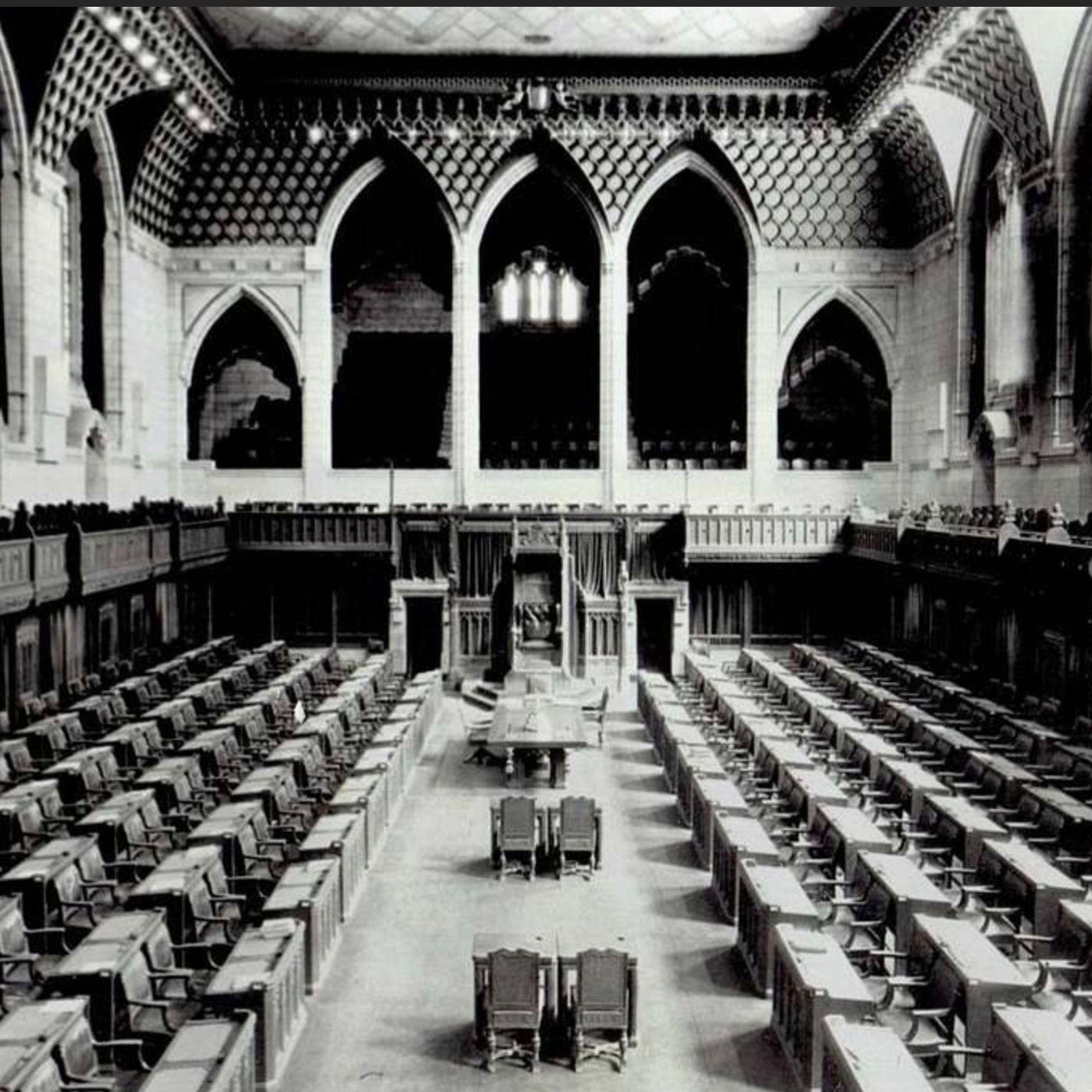
1932 COMMONS OTTAWA Personal Envoys Reshape Modern American Diplomacy — Part One Mary Kissel examines presidential reliance on personal emissaries rather than career Foreign Service officers, reflecting a preference for business-style negotiation. While non-traditional approaches produced breakthroughs like the Abraham Accords, she argues that effective foreign policy requires institutional coordination, and that inexperienced envoys struggle against entrenched adversaries like Russia over Ukraine. (9)
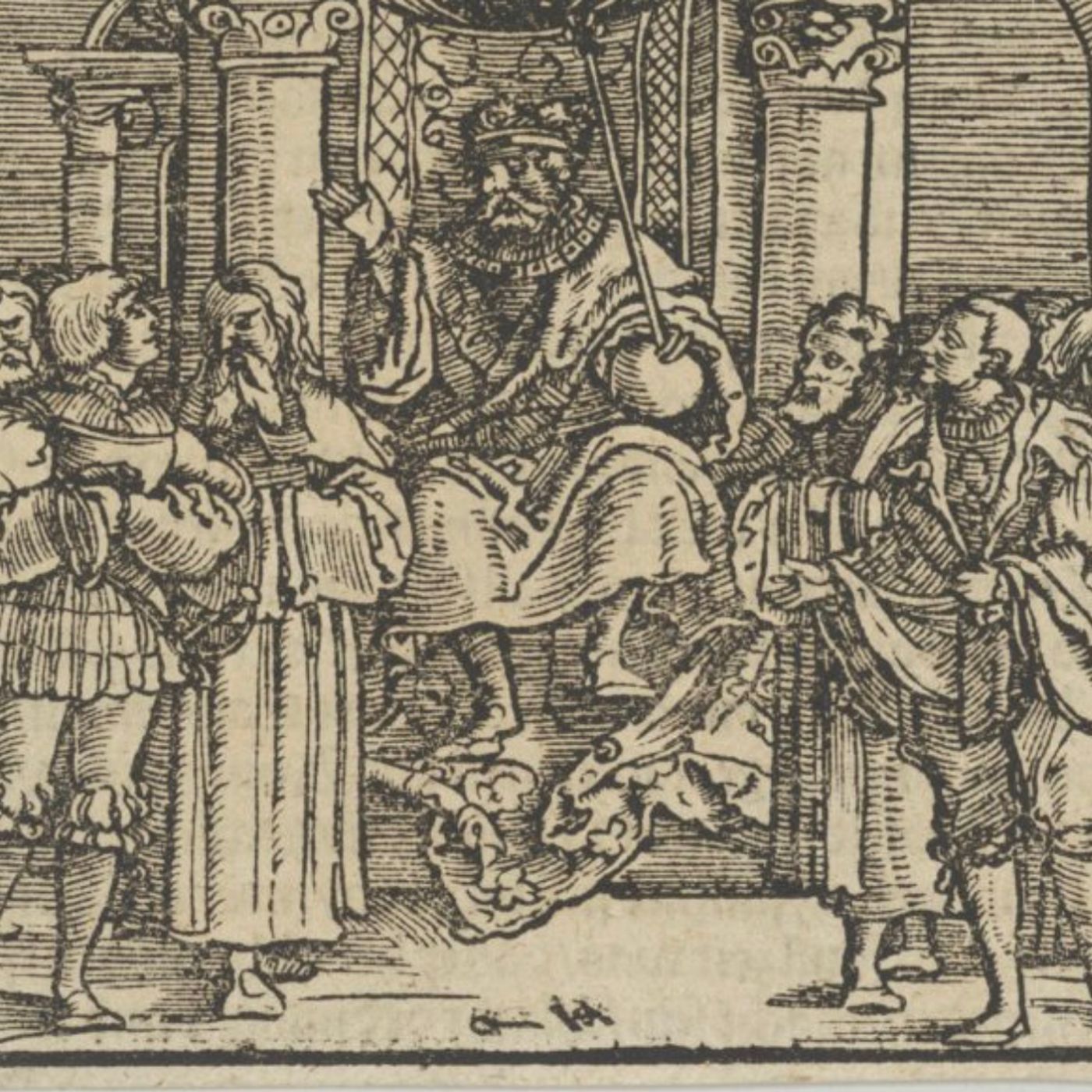
ARCHIDAMAS KING OF SPARTA - THUCYDIDES King Charles Emphasizes Faith and Unity — Part Four Gregory Copley describes how King Charles III emphasizes Christian values, compassion, and religious inclusion to foster cohesion across a diverse Britain and the Commonwealth. Navigating societal shifts and challenges to the monarchy, his reign seeks to bridge cultural divisions while preparing Prince William for a modernizing constitutional role. (8)
1932 Nonkinetic Strategies Redefine Modern Global Conflict — Part Three Gregory Copley argues that the traditional rules-based international order is giving way to decentralized state self-interest and balance-of-power dynamics. Modern conflict increasingly relies on non-kinetic strategies, including economic pressure, cyber operations, and psychological tactics, as nations navigate fluid alliances and global institutions struggle to maintain stability. (7)
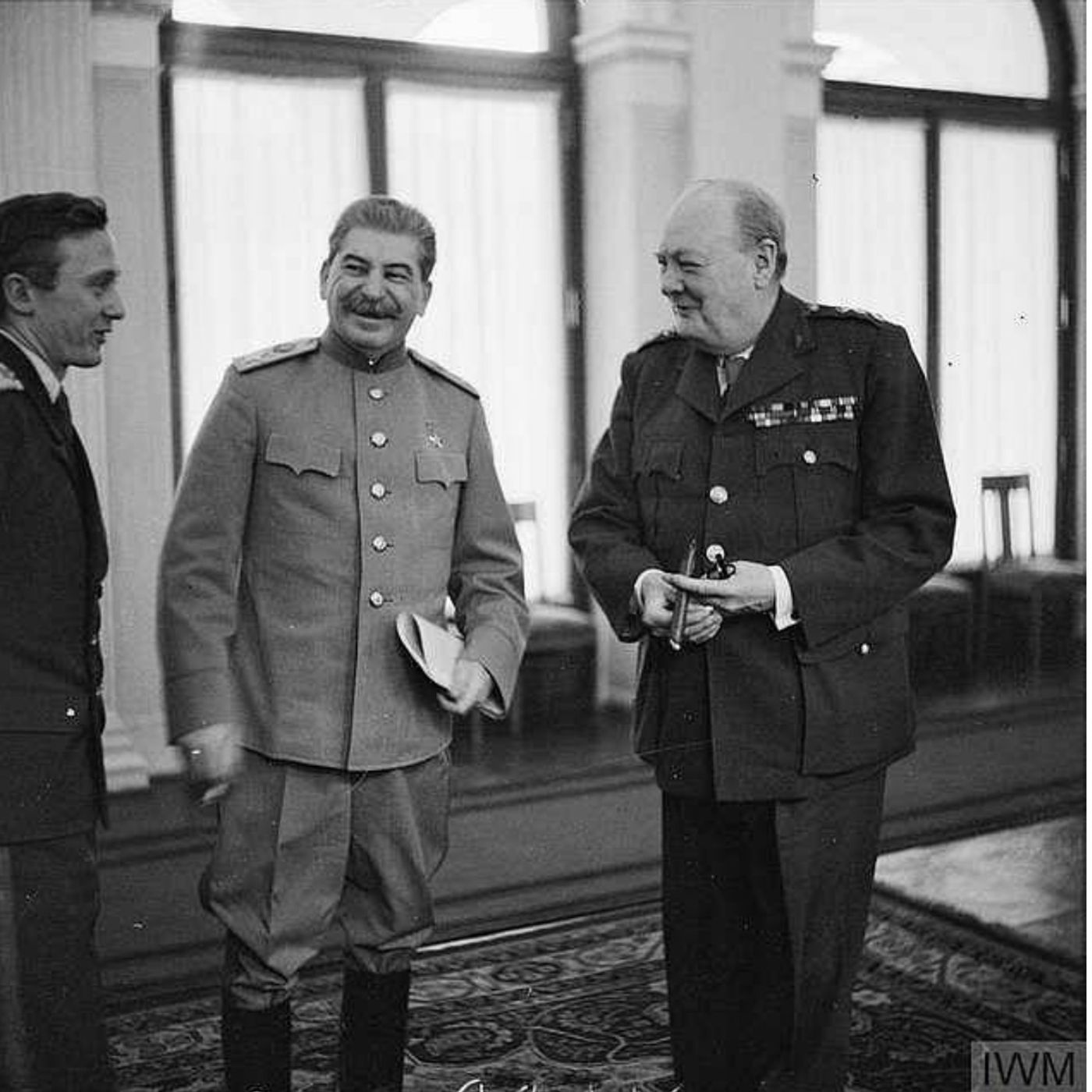
1945 STALIN AND CHURCHILL Gregory Copley contrasts the coming summit in Shenzhen of American, Russian, and Chinese leaders with historic wartime alliances. Facing domestic economic fragility, political pressure, and strategic rivalry, the three powers project stability without substantive diplomatic consensus, revealing transactional relations rather than a unified global vision. (6)
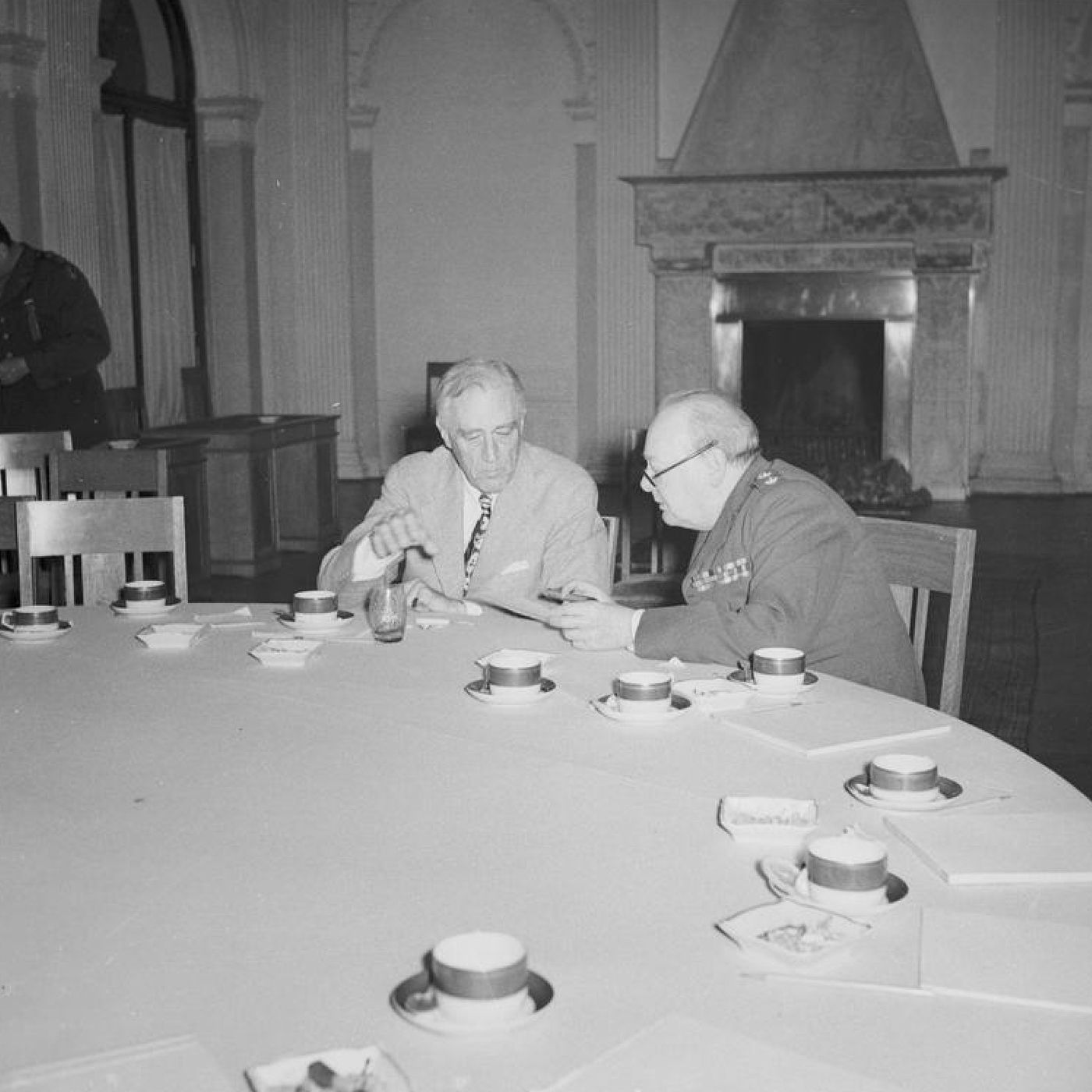
1945 YALTA FDR AND CHURCHILL Historical Yalta Conference Shaped Postwar Order — Part One Gregory Copley revisits the 1945 Yalta Conference, where Franklin Roosevelt, Winston Churchill, and Joseph Stalindetermined the postwar global structure. Amid shifting ambitions and mutual distrust, the Western leaders conceded Eastern Europe and Poland to Soviet influence, establishing divisions across Europe that lasted long after World War II. (5)
1969 APOLLO 10 Lunar Competition Advances Commercial Moon Missions — Part Two Doug Messier describes accelerating lunar exploration amid growing competition between NASA and China’s space program. Military agencies are exploring lunar orbiters for surveillance and communication, while commercial ventures like Japan’s ispace advance lander designs under NASA’s CLPS program. Despite mixed robotic mission outcomes, long-term Artemis ambitions focus on building infrastructure. (4)
19531 Vulcan Rocket Failure Highlights Engine Challenges — Part One Doug Messier explains that United Launch Alliance’s Vulcan Centaur failed to place Amazon Leo satellites into orbit because of first-stage BE-4 engine underperformance. Built by Blue Origin, the BE-4 faces scrutiny after past valve issues and test-stand explosions, and the setback threatens upcoming lunar landing schedules. (3)
Welcome to the grand finale of Eating History’s sandwich season! This week, Stephen and Adrienne zoom out to track a fascinating two-way culinary exchange. Discover how immigrant entrepreneurs introduced vibrant global sandwiches like bánh mì and falafel to the American lunch rush, while American fast-food titans exported burgers and subs around the globe, reinventing them to fit local tastes along the way. In this episode, we explore: The Bánh Mì Boom: How French colonial baguettes met Vietnamese herbs and pickled vegetables, and how the Le family turned a borrowed San Jose catering truck into the Lee's Sandwiches empire. Late-Night Falafel: The 1971 Greenwich Village opening of Mamoun's Falafel, its role in bringing Middle Eastern street food to the masses, and Stephen's fond memories of its New Haven outpost. Tokyo in 39 Hours: How flamboyant entrepreneur Den Fujita rehearsed a restaurant build like a Broadway stage crew to open Japan's first McDonald's in Tokyo's fashionable Ginza
1901=3 BWAUMONT TEXAS Liz Peek reports that global oil markets are stabilizing as Middle East export volumes rise despite ongoing maritime friction and transit security challenges. Falling crude and gasoline prices are easing consumer pressure and shifting Federal Reserve interest rate expectations, while strong labor conditions and steady wage growth support an optimistic holiday spending outlook. (2)