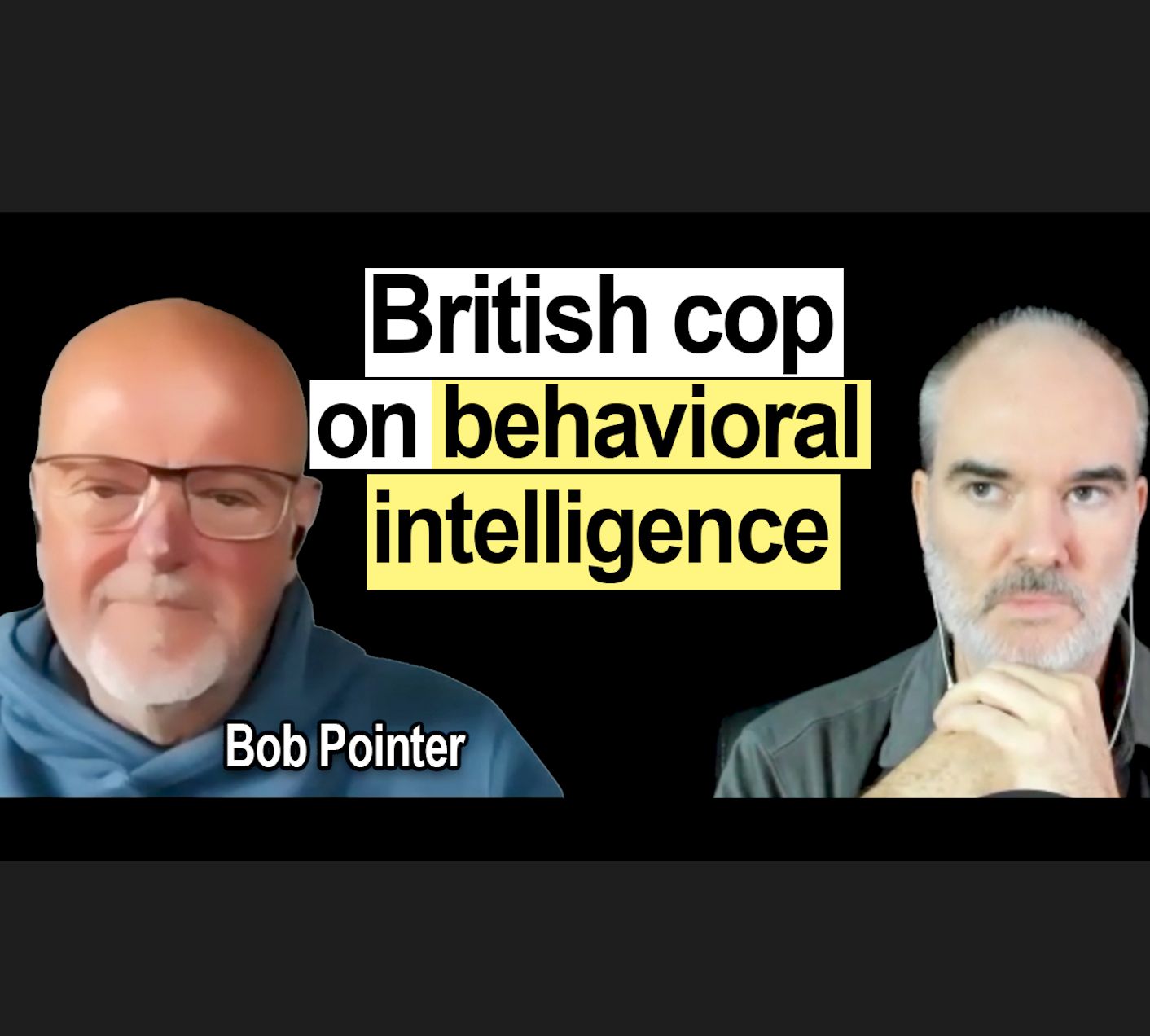
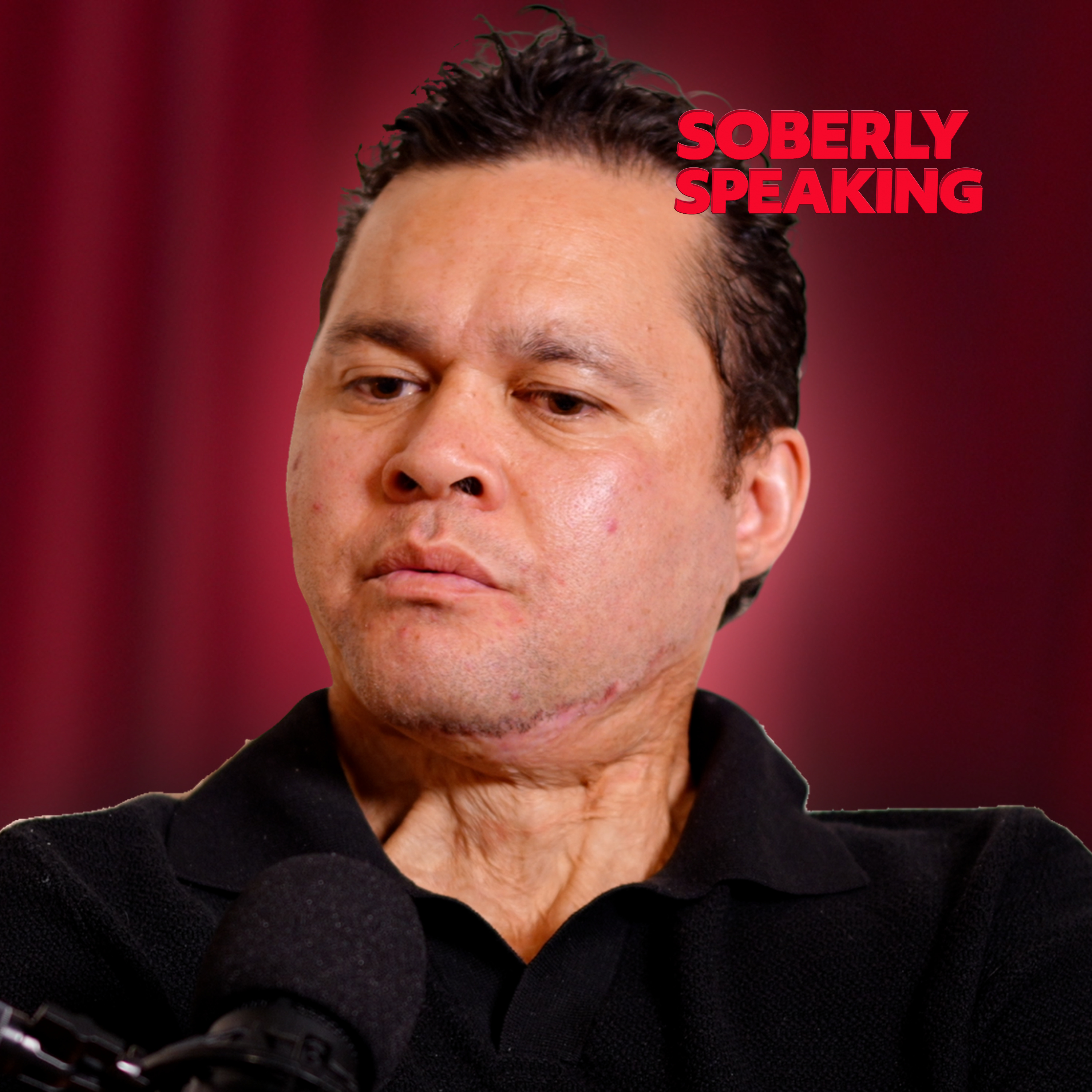
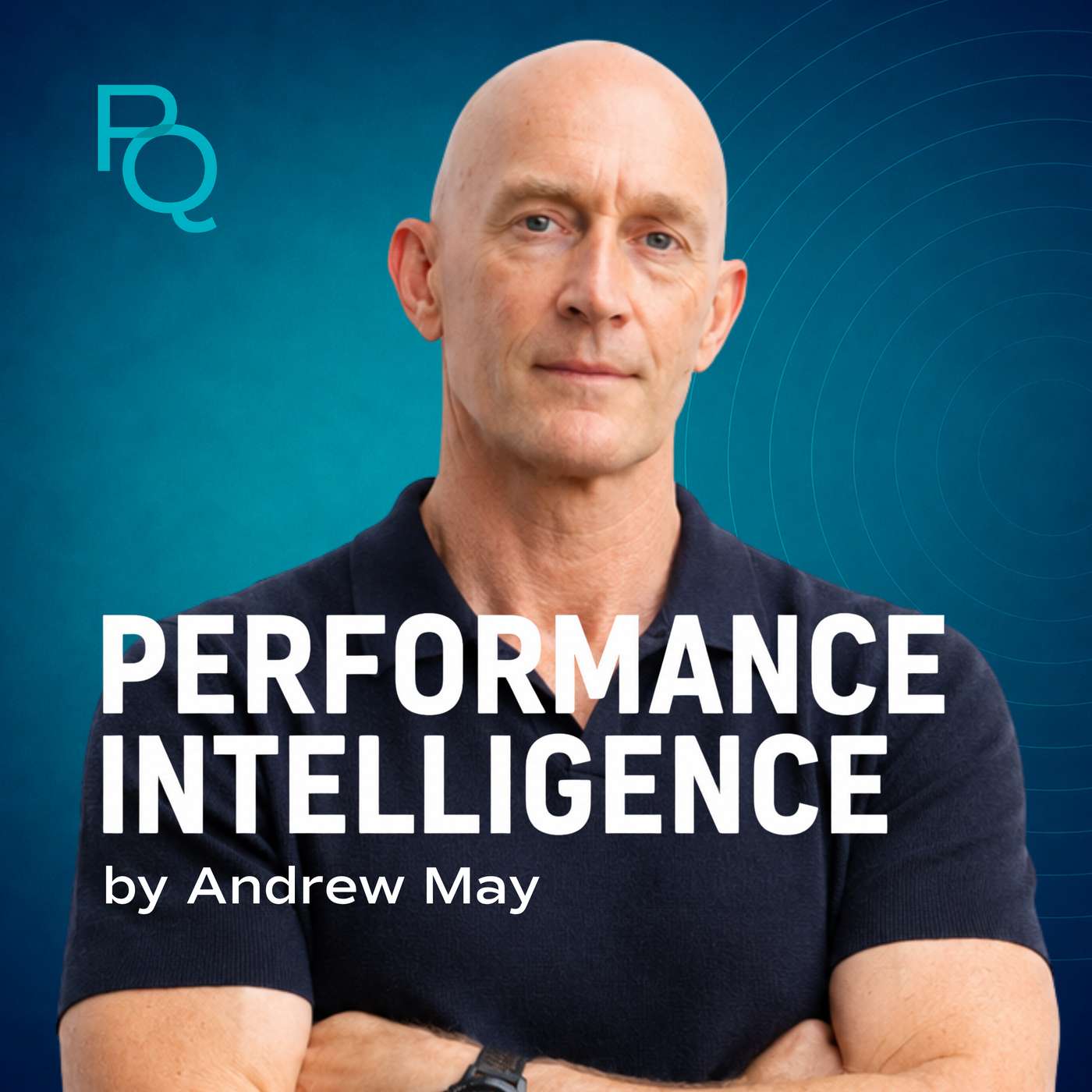
What can an experienced police detective tell us about spotting lies, reading behavior, and getting people to open up? I talk with Bob Pointer, founder of the Behavioural Intelligence Academy (www.bi-ac.com). Bob is a former British police detective who has worked on fraud, counter-terrorism, and police corruption investigations. Bob shares stories from his career, including how British police used to learn interrogation techniques from TV shows, and how he was fooled by a fraud suspect. We discuss how police interviewing techniques have evolved, why even experienced investigators can struggle to spot deception, and we examine popular celebrity body-language "experts" who overstate their abilities. We also examine how police use behavioral observations to identify potential threats in public places, why personality tests can be misleading, and how investigators can build productive relationships with people they don't necessarily like or trust. Throughout the talk, we explore the impor
Before a trip to Washington, she left herself a note in all caps: 'Do not, under any circumstances, forget your crown.' She was a lawyer, a pageant queen, and a TV correspondent, someone who seemed to have every part of life handled. But behind the courtrooms and red carpets, she was fighting a quiet battle almost no one knew about. Then one unanswered phone call changed everything for the person who loved her most. What her mother did next turned heartbreak into something meant to reach far beyond one family. This is a Rollercoaster Story from The Rollercoaster Podcast with Tyler Hall: a short, narrated, true story of loss, survival, and what comes after. For full-length conversations, listen to The Rollercoaster Podcast, new episodes every Tuesday. If you're struggling, you're not alone. Call or text 988 (US) or visit stayhere.live. If this episode meant something to you, please leave a review on Apple Podcasts or Spotify. It helps someone feel less alone.
It is amazing what we get used to in life. Sometimes, the things we once found unacceptable gradually become part of our everyday existence. We get used to being unhappy, tolerating disrespect, living with unnecessary stress, accepting poor behaviour and convincing ourselves that this is simply how life is supposed to be. The problem is that human beings are incredibly adaptable. We can become comfortable in environments, relationships and circumstances that are doing us absolutely no good. We adjust our expectations, lower our standards and slowly lose sight of what a healthy, fulfilling life should actually look like. This is particularly important when it comes to our relationships, mental health, personal standards and the way we treat ourselves. We can become so accustomed to operating under pressure, putting everyone else first and ignoring our own needs that we no longer recognise how much we are carrying. The same applies to our thinking and behaviour. If we repeatedly accept e
Andrew Logan’s son Johannes was a great kid. A high achiever, a rugby league player, a loyal mate, and a young man with his whole life in front of him. In 2025, at just 19, Johannes died by suicide. In this episode, Andrew opens up about the son he lost, the last time he saw him, and the one question he wishes he had asked: “Are things so bad you’ve thought about suicide?” We talk about the weight of expectation on high-performing kids, the risk factors he didn’t know to look for, the pride, shame and fear that stop men from speaking up, and the guilt and grief that never fully leave. Andrew also shares how he’s turning his pain into purpose through Say Hey I’m Not Okay, giving boys and young men a simple tool that’s just four words long, and helping parents recognise the signs before it’s too late. This is a raw, honest and deeply human conversation about love, loss, grief and the conversations that can save a life.If you’re a parent, a mate, or someone who’s struggling right now, thi
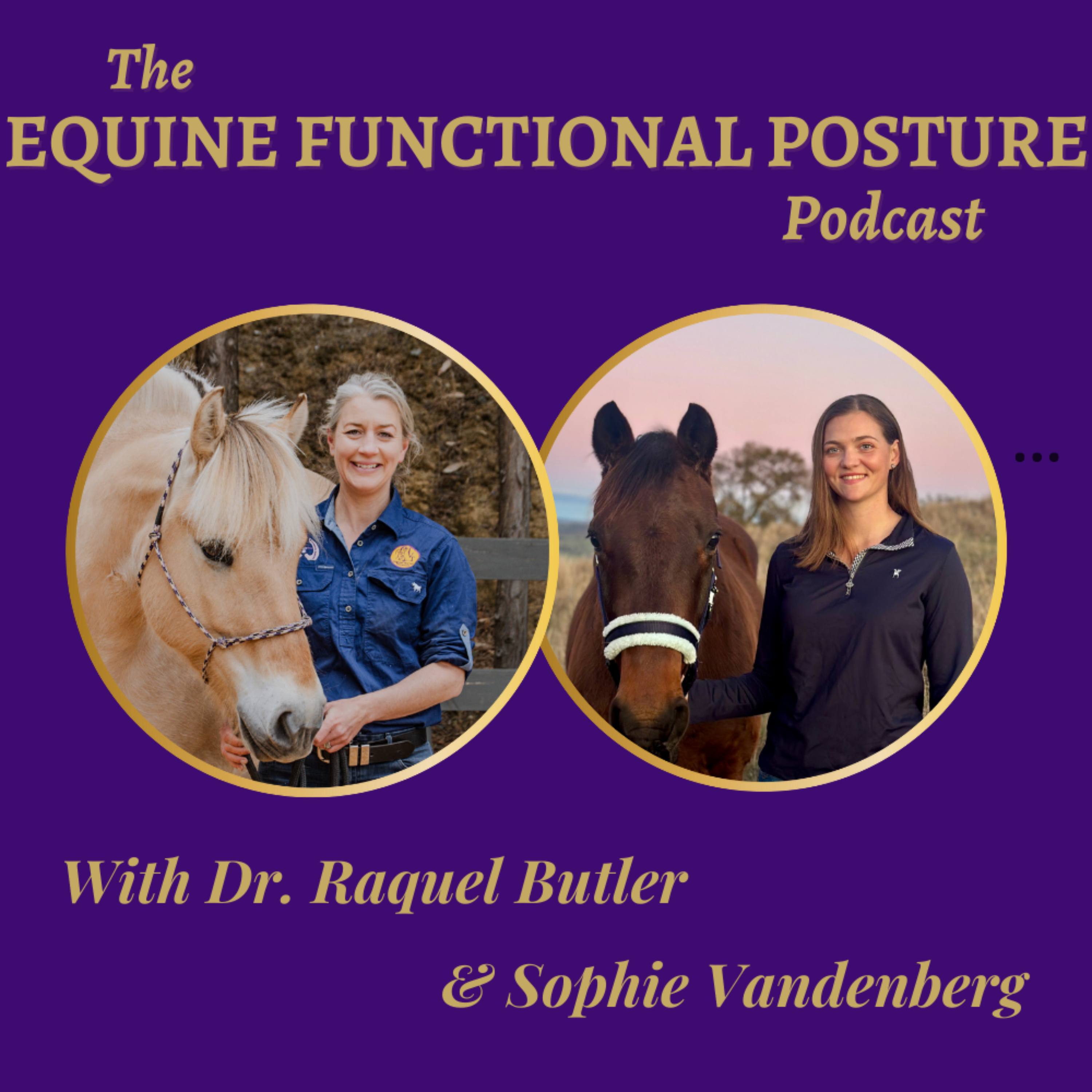
Dr Sabine Ware from Equine HSD (Health, Spine and Dentistry) in Seymour, Victoria, joins us to discuss equine rehabilitation, pain management and the importance of looking at the whole horse rather than treating individual injuries in isolation. Sabine shares her journey into equine rehabilitation and how her approach has developed through years of clinical experience, further study and working with horses with complex physical challenges. In this episode, we discuss: How shockwave therapy, laser, acupuncture and water treadmills can support rehabilitation and pain management. Why the stage of healing, pain levels and individual circumstances influence treatment choices. The relationship between posture, hoof balance, movement patterns and recurring injuries. Why rehabilitation isn't always a 12-week program, but often an ongoing part of managing a horse throughout its life. How riding, training and owner involvement can influence long-term rehabilitation outcomes. The importance of de
Dr. Jami Dulaney grew up in Morgantown, WV where she went to medical school. Her internal medicine residency and cardiology fellowship was at the University of Pittsburgh, Pennsylvania. Dr. Dulaney became a cardiologist and physician because of her strong family history for diabetes and heart disease. 3 years back at West Virginia University as Assistant Professor of medicine, she then went into private practice in Florida 1998 and has been in Florida since. In 2015, Dr. Dulaney changed her private cardiology practice to a wellness practice to use diet and movement to reverse lifestyle diseases. The nutrition education was low fat high carb plant based with less than 15% fat. Dr. Dulaney has been an endurance athlete sine 1999 when she ran her first marathon. Since then, she has completed over 50 marathons, 6 full Ironmans and now run ultra running events. She has completed multiple 50k, 50 miles events and 2 100mile races. The most recent 100 mile race was this August in Wisconsin-the
*Spotify Ad Information: Following disturbance from "mid content" and "post content" adverts, I have now changed the settings so you will only be served ads PRE content. Apologies if there are now more of these - but you are able to skip through and be assured that there are no ads during or after the episode. Tonight’s Sleep Hypnosis focuses on Seasonal Blues and Seasonal Affective Disorder (SAD), helping you find comfort, warmth and a more positive outlook during the darker months of the year. Through deep relaxation, soothing imagery and gentle positive affirmations, this session is designed to support your emotional wellbeing, ease the impact of seasonal changes and help you rediscover everyday moments of happiness. Reconnect with your own sense of inner light as you drift into a peaceful and restorative night’s sleep. Hypnotherapy is an incredible tool that enables us to speak to the subconscious part of the mind – the part that is in control of our emotions and habits, therefore
Everyone is already mentally checking out, putting on their holiday hat and telling themselves they’ll start fresh in January. But what if you stopped waiting for the perfect time and started making moves now? There are still almost two months left in 2026, and so much opportunity to grow, build better habits and become the person you want to be heading into 2027. In this episode, we're chatting about the difference between resting and giving up, why your future self is built by the choices you make today and how to make the final weeks of the year actually count. Because you don't need a new year to create a new version of yourself. 2026 Notion template Raw Reality https://rawreality.com.au/ **https://rawreality.com.au/products/life-upgrade-system-notion-template** Between Us Connection Cards https://rawreality.com.au/products/between-us-cards?utm_source=copyToPasteBoard&utm_medium=product-links&utm_content=web Find us below: @ttorisstory https://www.instagram.com/ttorisstory/ @fitwit
This podcast talks about These Are The Absolute First Signs You Have Won Against the Narcissist. For phone coaching go to https://askyaz.wixsite.com/thegameexposed. Read my books free with amazon kindle free trial: “Regain Your Power” on Amazon tinyurl.com/regainyourpowerRead “He’s Not Into You-He’s Wasting Your Time” tinyurl.com/signs707. Business or advertising inquiries & one to one coaching Email: [email protected] Follow: YouTube: https://YouTube.com/thegameexposedpodcast TikTok: TikTok.com/@thegameexposed IG: instagram.com/thegameexp123 FB: Facebook.com/thegameexp123. Shop Merch: https://tinyurl.com/Thegameexposedmerch
You're waiting to feel motivated. To wake up ready, fired up and excited to train and eat well. And you keep waiting… and waiting. In this episode, I share why motivation usually shows up after you take action, how I handle the days I don't feel like it (which is a lot of them), and how to build systems that keep you going regardless. Why motivation is a terrible thing to build your plan around The truth about how often I feel motivated (spoiler: not often) Why action comes first and motivation follows The simple systems that take the decision out of it A 10-minute rule for the days you really can't be bothered Walk away with a plan that works on your flat days, your tired days, and your "I can't be bothered" days. Love this episode? Share it on your intagram story and tag me @sami_livestrong Want to connect? Follow me on Instagram: Ready to start living a Stronger Life — inside and out? Apply for my online coaching program here: bit.ly/ApplywithSami (https://forms.gle/hERt3Hy6cwb8FcFb
Clinical psychologist (and friend of the show) Dr Andrea Wallace, joins Penny and Angie to talk about mental compulsions. Mental compulsions are tricky because they are often hard to notice- for people around the OCD sufferer and sometimes even for the sufferer themselves. To be able to tackle mental compulsions, we first have to be aware of them, and once we are, we can use ERP to stop the loop. Dr Wallace talks us through: what mental compulsions can look like The difference between obsession's and compulsions Doing ERP for mental and physical compulsions with an attitude of surrender Why ERP (when done properly) should feel like a relief, not just like you’re stuck in anxious hell The different layers of mental rumination The importance of practising ERP How exhausting mental compulsions can be Links: A chat with our psychologist: mythbusting. Part one (https://podcasts.apple.com/au/podcast/its-not-what-you-think/id1820351498?i=1000717085749) (A previous episode where Dr Wallace exp
On this week’s episode of Selfdom, I sit down with Alexis Fernandez. If I could have one person in my mind at all times, it would be Alexis. Alexis and her podcast Do you Fucking Mind have helped me through break ups, have given guidance when I’ve felt lost with purpose and have also given me many laughs on my morning walks. Alexis is a huge inspiration to me with her self development books and journals. She is someone who shares uplifting and impactful content and I am beyond excited to chat to her today. Connect with us: Follow Selfdom on Instagram https://www.instagram.com/selfdom__ (https://www.instagram.com/selfdom__/) Follow Dom Elissa on Instagram https://www.instagram.com/dominiquelissa (https://www.instagram.com/dominiquelissa/) Follow Follow Alexis: https://www.instagram.com/alexisfernandezpreiksa/?hl=en Gratitude journals + more: https://selfdom.au (https://selfdom.au/) For partnership inquiries: [email protected] Produced by Talkback Media: [email protected]
Ever put money into savings on payday just to transfer it back by Thursday? A listener with a well-paying job and a home deposit goal asks how to break the cycle, and we chat about where her money actually goes, what she’s willing to cut back on, and how to build a budget she can stick to. No financial advice here, just your big sis talking money habits!! Hosted on Acast.
⚠️ CONTENT WARNING: VIEWER DISCRETION IS ADVISED. This podcast discusses the eating disorder anorexia and may contain words and images that could be upsetting to some viewers and listeners, particularly those affected by eating disorders or body image issues. What happens when the pursuit of perfection becomes a battle for survival? In this deeply moving episode of the Carnivore Evolution Podcast, Mark Ennis and Victoria Olson welcome Jordan Caldwell, a young man from Northern Ireland who shares his extraordinary journey through anorexia, years of hospitalisation, devastating physical consequences, and his ongoing path toward recovery. Diagnosed with anorexia at just 12 years old, Jordan experienced years of hospital admissions, severe restriction, and an increasingly difficult relationship with food. Behind his eating disorder lay a complex history of competitive sport, perfectionism, bereavement, trauma, and the relentless pursuit of being the best. Jordan, now 30, opens up about how
In this conversation, Stephen Thomas discusses the misconceptions surrounding food addiction, emphasizing that the real issue lies with sugar and refined carbohydrates rather than food itself. He argues that eliminating sugar can help stabilize blood glucose levels and reduce cravings, leading to better health outcomes. Takeaways Food addiction is a myth Sugar is the real culprit Chapters 00:00 Debunking Food Addiction Myths 09:13 Understanding Sugar's Role in Cravings
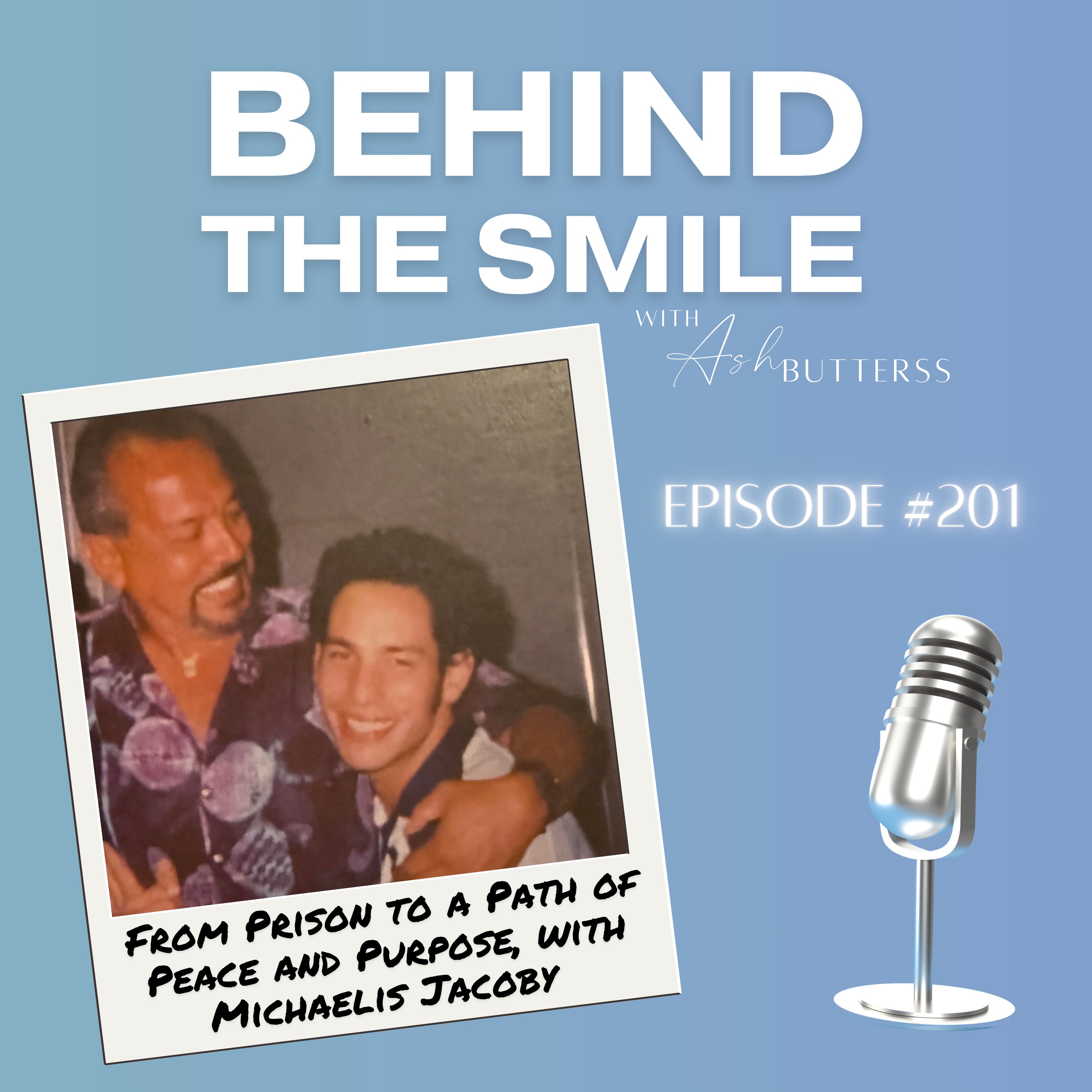
My guest this week is Michaelis Jacoby, an author, international DJ, music producer, spiritual teacher and addiction recovery professional. After facing 25 years to life in prison, Michaelis began questioning his relationship with drugs and alcohol, and has spent nearly three decades in recovery helping others find their way through. In this conversation, Michaelis and Ash talk about growing up painfully sensitive, the family pain behind the masks he wore, and the years of jail, delusion and chaos that came before sobriety. He explains why he believes alcoholism and addiction come down to an abnormal reaction to the substance, and why everything else is simply being human. He also shares why nine years of working the steps didn’t change him, what finally did, and how fear, humility and service became the path to a peace that no longer depends on what is happening around him. This conversation is a reminder that you do not have to wait for the world to change to find peace. It starts wi
A new Air Force Special Warfare class started — and Peaches came in pissed off. According to the information he was hearing, roughly 80 candidates failed their initial IFT, with the 500-meter swim knocking out a significant number before training had even really started. Trent and Peaches try to understand how candidates who spent months recruiting, developing, training, going through Basic Military Training, and preparing specifically for Special Warfare could arrive unable — or possibly unwilling — to pass the first physical test. The guys also talk about something candidates rarely consider: these opportunities are finite. New recruits occupy ship dates that someone else could have taken, while cross-trainees and prior-service applicants compete for an even smaller number of retraining slots. Trent gives new recruits more grace, but the conversation gets much harsher when it comes to active-duty or prior-service members who fight through the retraining process, take one of those lim
Who is Usman Khawaja outside of cricket? With a Paul Kelly song written about him and 88 Test cricket matches under his belt, Usman Khawaja is an Australian icon. But he hasn’t always felt like he belonged. To join our journaling club, with 10,500 + others, subscribe to my imperfect email - https://www.theimperfects.com.au/sign-up-to-our-newsletter/ Joining Hugh, Josh and Ryan, Usman goes back to the beginning: what it was like growing up as a Pakistani kid in Australia, how he navigated his Islamic faith whilst also wanting to be a ‘normal’ teenager, and when he learnt the importance of showing up as his authentic self. Uzzie is so much more than just a great cricket player (but his pull shot IS pretty special if you ask Hugh), and his journey with gratitude, mindfulness and patience to find his purpose is something we are all in awe of. content warning: this episode discusses suicide. please take care when listening. Chapters 00:00:00 – [TRAILER] 00:01:25 – Ryan’s Classic Catch 00:06
Text me what you thought of the show (https://www.buzzsprout.com/1959372/fan_mail/new) Can a simple two-minute breathing exercise help you manage stress during a demanding shift? For nurses, police officers, paramedics, emergency dispatchers and other shift workers, workplace stress can build quickly. When you're constantly responding to other people's needs, finding time to settle between demanding tasks isn't always easy. In this episode of A Healthy Shift, I draw on my 40 years of policing experience and my training as a breathwork facilitator to explore how slow, comfortable breathing may help shift workers manage stressful moments. We'll look at what happens in the body during stress, why breathing can influence aspects of our physiological state, and how small moments of recovery may fit into a busy working day. I'll also introduce my simple 2 In / 3 Out breathing technique, which involves a gentle two-second inhale followed by a comfortable three-second exhale. It's a practical
Troy Hall (https://www.instagram.com/theconductornz/) has lived through experiences most people could never imagine. Growing up desperate for his father's love, witnessing domestic violence and becoming involved in gangs, Troy found himself looking up to people who were caught up in a lifestyle that would eventually become his own. As he got older, meth became a significant part of his life. In fact, Troy describes it as the one thing that made him truly love himself. But perhaps the most extraordinary part of Troy's story is what happened next. He was electrocuted twice. The first incident stopped his heart. The second brought him back to life. He recalls lying in hospital, where the smell of his burning skin was so strong it could be detected from different wards throughout the hospital. In this episode, Troy reflects on childhood trauma, the search for acceptance, gang involvement, addiction and two near-death experiences that changed the course of his life. Follow Troy Hall on Inst
You’ve given the same pitch fifty times. Josh Piterman has played the Phantom more than four hundred. In this Bite Size from episode #156, the West End performer shares the pre-show ritual that keeps him present when the work becomes repetitive. It involves a mirror, a handful of post-it notes and a small act of chance that decides his focus for the night. It sounds too simple to work. It’s why audience number four hundred gets the same performance as audience number one. Steal it for the meeting you could run in your sleep. Listen to Josh'spodcast here:https://shows.acast.com/behind-the-mask (https://shows.acast.com/behind-the-mask) You can find Josh at his website:https://www.joshpiterman.com.au/ (https://www.joshpiterman.com.au/) Or at his Instagram:https://www.instagram.com/joshpiterman/?hl=en (https://www.instagram.com/joshpiterman/?hl=en) High performance is not about pushing harder. Get in touch through:
The Tower of London is a castle established in the 11th century, shortly after the Norman conquest of England. Over the centuries, it served as a royal residence, a fortress, a prison, a place to keep the Crown Jewels, and even a menagerie. Today, it is a World Heritage Site and one of the most visited attractions in the UK. In this episode, we begin with the history of medieval London and the Norman kings, followed by the Tower's role in English politics and the conflicts of the Middle Ages. We then explore the Crown Jewels, the attempt to steal them, and the Royal Mint. We'll also learn about the Tower's prisoners, including the disappearance of the Princes in the Tower, the animals that once lived there, and traditions that continue today, such as the ravens and the Ceremony of the Keys. Join me for a journey through almost 1,000 years of English history. TIMESTAMPS: 00:00 Welcome and Introduction 04:01 The Tower of London and Medieval London 12:21 William the Conqueror and the Whit
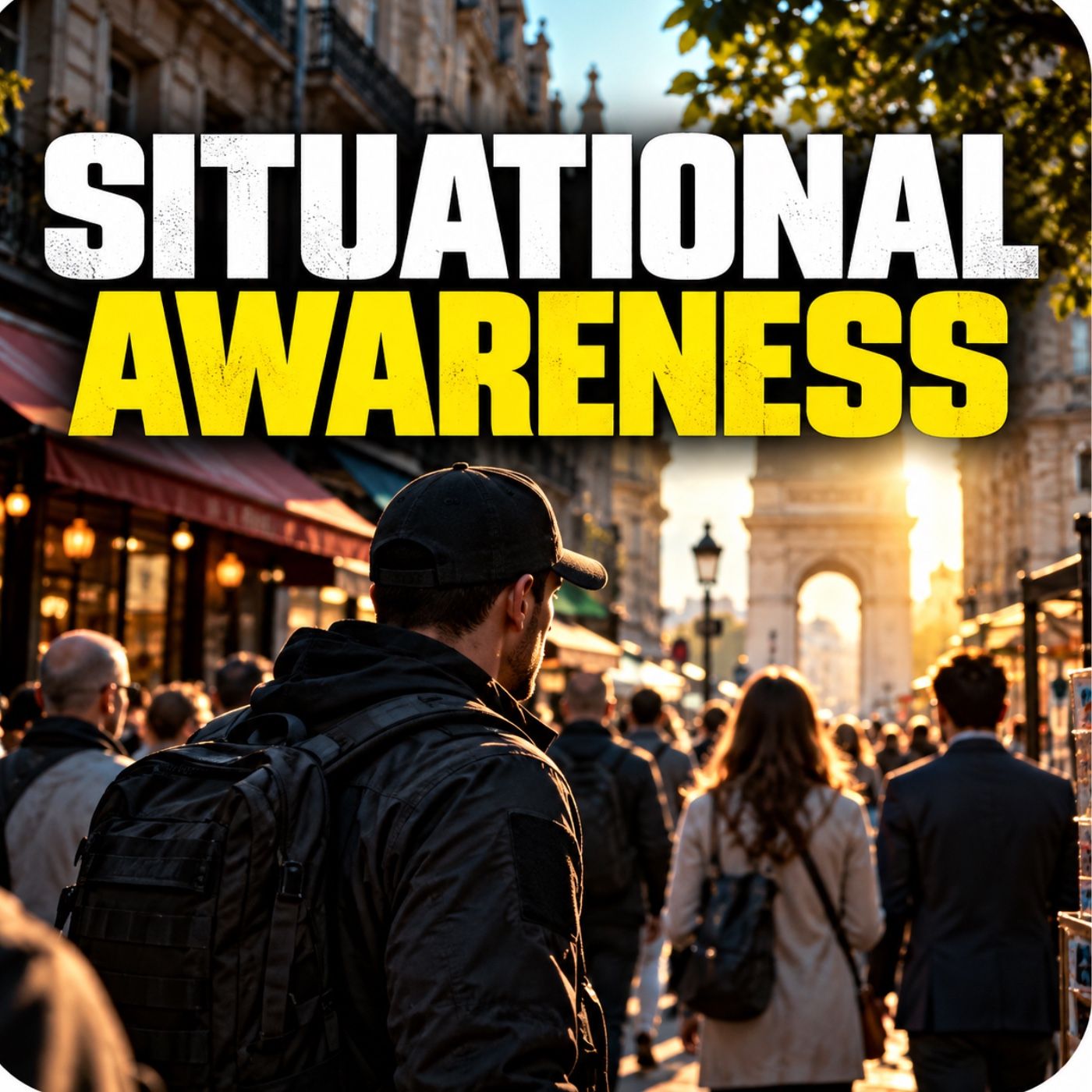
A stranger repeatedly appears near residential windows. Someone notices unfamiliar footprints, disturbed gates, or a person watching the same house on multiple evenings. When does suspicious behavior warrant greater concern? This episode explores surveillance indicators, repeated boundary violations, home security, and the importance of documenting and reporting suspicious activity without unnecessarily confronting a potential offender.
Have you ever felt resentful of your partner, then realised the person you were really annoyed at was you? In this episode, I’m joined by Alison from Our Neurodiverse Family to unpack my recent conversation with shadow work coach Cinda. We talk honestly about relationships, resentment, falling for someone’s potential, and why it can be so hard to know what you need, let alone ask for it. Alison opens with a quote from Elizabeth Gilbert that changes what a soulmate means. It’s not a perfect fit. It’s a mirror that shows you everything that’s holding you back. From there, we get into what happens when you outgrow the role you’ve always played in a relationship, whether real change is possible in a long-term partnership or whether it takes starting again, and how many of us end up as the roadie, not the rock star. We also talk about: Why falling for someone’s potential is so risky, and how to see the person in front of you as they really are How resentment in a relationship can point to w