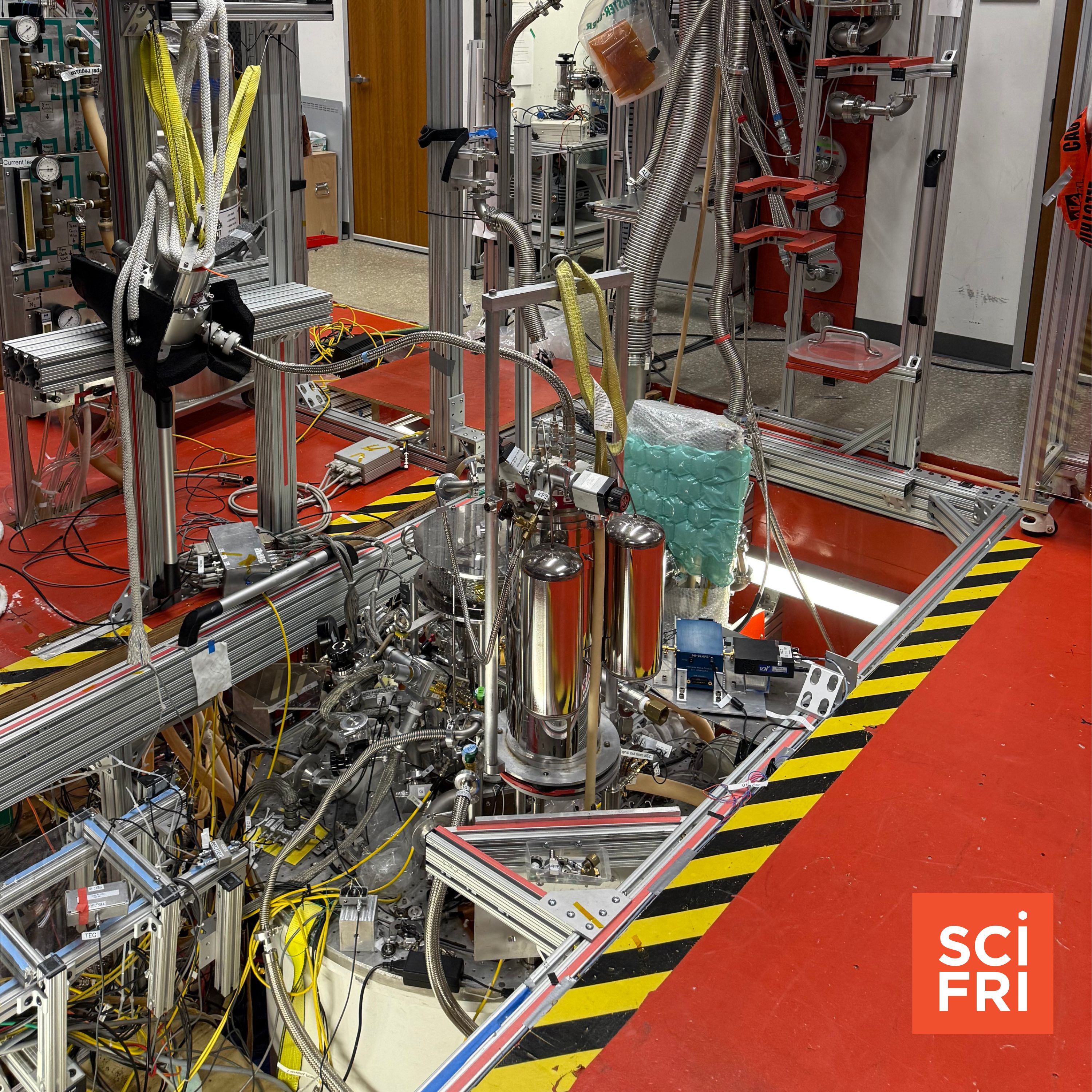
Almost all matter particles have corresponding particles of antimatter: Protons have antiprotons, neutrons have antineutrons, and so on. When matter and antimatter bump into each other they destroy each other and release energy. With carefully manipulated magnetic fields, however, it’s possible to trap particles of antimatter and prevent them from touching regular matter, allowing researchers to study them. A group of antimatter experts recently (https://www.sciencefriday.com/segments/what-a-trapped-antimatter-particle-could-tell-us-about-reality/) reported that they had trapped and held a positron (https://journals.aps.org/prl/abstract/10.1103/gbkc-6nlj) (an antielectron) in a vacuum at ultra-cold temperatures for months, creating what they called “a one-positron quantum cyclotron.” That advance allowed them to study the positron’s quantum properties. They hope to learn whether the positron is indeed an exact opposite of an electron, or if there are tiny physical differences between t
View full lesson: http://ed.ted.com/lessons/why-extremophiles-bode-well-for-life-beyond-earth-louisa-preston Uploaded 07-10-13 Life on Earth requires three things: liquid water, a source of energy within a habitable range from the sun and organic carbon-based material. But life is surprisingly resilient, and organisms called extremophiles can be found in hostile living conditions (think extreme temperatures and little access to oxygen). Louisa Preston argues why extremophiles give astrobiologists hope for life in the universe. Lesson by Louisa Preston, animation by Emanuel Friberg.
Hakeem says there was more than one big bang. There were ten. Our host answers the biggest questions about his latest book, Why Do We Exist? Like, how the idea of ‘now’ depends on your relative motion or that there might be a time before time. Reality keeps unravelling as he explains that at a certain distance space recedes even faster than light. To top it off, the conversation enters the Realm of Imagination, and joins Hakeem in his optimistic view of human space travel, world peace, and even the apocalypse. Learn more about NOVA (https://www.pbs.org/wgbh/nova/) and subscribe to our YouTube (https://www.youtube.com/channel/UCjHz5SVHeMT0AViCYZvsGDA) channel. Guest Bio: Hakeem Oluseyi is host of Particles of Thought, an astrophysicist, author, STEM educator, multi-patented inventor, science journalist, TV personality, science communicator, and inspirational speaker. His research is based on “hacking stars” to understand our universe better and develop innovative new technologies. Oluse
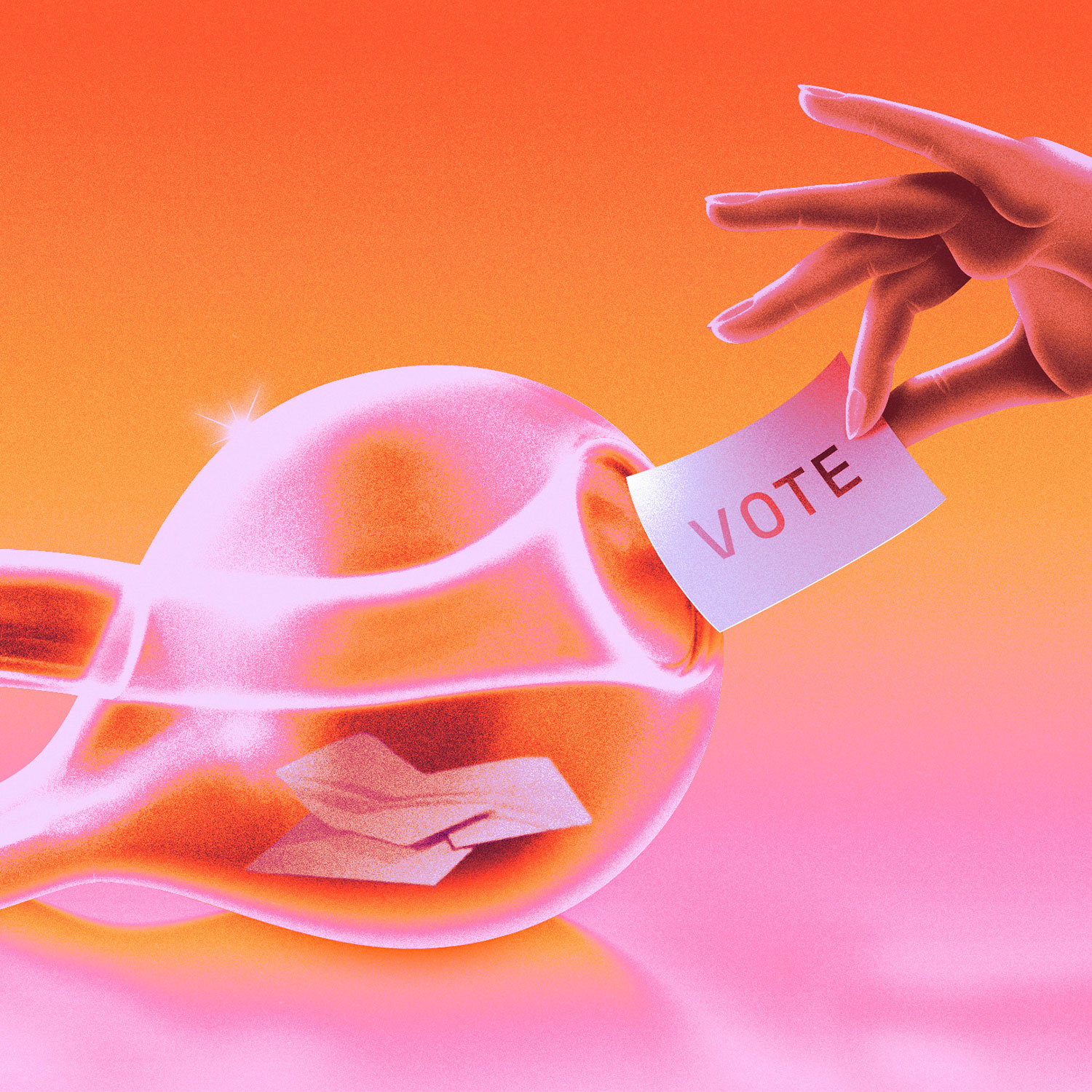
The French mathematician Nicolas de Condorcet was a passionate believer in democracy, but he also discovered a frustrating paradox within it: A majority can sometimes vote itself into a logical loop. Mathematicians have now found that this “logical loop” maps onto a strange topological shape: the Klein bottle, a surface with no distinct inside or outside. On this episode of The Quanta Podcast, host Samir Patel speaks with writer Alex Stone about this new connection between this centuries-old voting paradox and the Klein bottle — and how it illustrates just how difficult it is to translate a group of individual preferences into a single choice. This topic was covered in a recent story (https://www.quantamagazine.org/how-voting-is-like-a-klein-bottle-20261026/) for Quanta Magazine.
What if the limitations we face are actually the key to unlocking our creativity? This week, Willow sits down with visionary fashion designer Gabriela Hearst, founder of her eponymous label and former creative director of Chloé, to explore the surprising power of constraints and the beauty of being uncomfortable. From her upbringing on a remote ranch in Uruguay to her pioneering approach to sustainable luxury, Gabriela shares how nature has shaped her philosophy of creativity and intentional living. They discuss why our obsession with convenience may be holding us back, how discomfort can inspire transformation, and why the solutions we need may already be within reach. For more about Gabriela Hearst: https://gabrielahearst.com/ Hosted by Simplecast, an AdsWizz company. See pcm.adswizz.com (https://pcm.adswizz.com/) for information about our collection and use of personal data for advertising.
Hakeem says there was more than one big bang. There were ten. Our host answers the biggest questions about his latest book, Why Do We Exist? Like, how the idea of ‘now’ depends on your relative motion or that there might be a time before time. Reality keeps unravelling as he explains that at a certain distance space recedes even faster than light. To top it off, the conversation enters the Realm of Imagination, and joins Hakeem in his optimistic view of human space travel, world peace, and even the apocalypse. Learn more about NOVA (https://www.pbs.org/wgbh/nova/) and subscribe to our YouTube (https://www.youtube.com/channel/UCjHz5SVHeMT0AViCYZvsGDA) channel. Guest Bio: Hakeem Oluseyi is host of Particles of Thought, an astrophysicist, author, STEM educator, multi-patented inventor, science journalist, TV personality, science communicator, and inspirational speaker. His research is based on “hacking stars” to understand our universe better and develop innovative new technologies. Oluse
Like it or not, porn exists. In this episode of Crash Course Sex Ed, we unpack the pros and cons of pornography, its long and storied history, and how to engage with it critically and safely. Our friends at asapSCIENCE just published a great video about the effects of porn on your brain- check it out here: https://www.youtube.com/watch?v=Urgf5zoJNzU Introduction: Porn Is Everywhere 00:00 What Is Porn? 0:28 The History of Porn 1:46 Benefits of Porn 2:57 Downsides of Porn 3:33 Porn Research 5:48 Sexual Literacy 6:49 Review & Credits 8:47 Sources: For more information on the topics in this episode, check out this resource from our partners at the Kinsey Institute (https://kinseyinstitute.org/): https://drive.google.com/drive/folders/1mSu0MerCwVUmNpya61JVIE4Wdsdkrgbk Read more about these topics here: Planned Parenthood - https://www.plannedparenthood.org/learn/teens/sex/porn *** Support us for $5/month on Patreon to keep Crash Course free for everyone forever! https://www.patreon.com/cras
If you could do only three things for your health, what should they be? Andrew Huberman’s answer is surprisingly straightforward: get bright light shortly after waking, resistance train, and make the sleep you can get as high-quality as possible. Andrew joins a16z Partner Daisy Wolf to walk through the protocols he actually follows, from exercise and nutrition to meditation, supplements, and locking his social media phone in a box. He also explains why optimizing every health protocol can be counterproductive if it gets in the way of the rest of your life. And for founders, Andrew makes a different case: identify the hours when your brain does its best work and protect them. They discuss cognitive performance, meditation, sustainable workloads, and emerging neurotechnology that could help us control transitions between sleep, focus, and recovery. Resources: Huberman Lab :https://www.hubermanlab.com/ Follow Andrew Huberman: https://www.youtube.com/@hubermanlab Follow Daisy Wolf: https:/
What are UFOs? What are the chances that aliens have visited the Earth? Why should we bother talking about it? I discuss these questions and more in today's Ask a Spaceman! All episodes: http://www.AskASpaceman.com (http://www.askaspaceman.com/) Watch on YouTube: http://www.youtube.com/PaulMSutter Read a book: https://www.pmsutter.com/books Keep those questions about space, science, astronomy, astrophysics, physics, and cosmology coming to #AskASpaceman for COMPLETE KNOWLEDGE OF TIME AND SPACE! Big thanks to my top Patreon supporters this month: Justin G, Chris L, Alberto M, Corey D, Michael P, Naila, Sam R, Joshua, Scott M, Rob H, Scott M, Louis M, John W, Alexis, Gilbert M, Rob W, Jessica M, Jules R, Jim L, David S, Scott R, Heather, Mike S, Pete H, Steve S, Lisa R, Kevin B, Aileen G, Michael J, Phillip L, Steven B, Mark R, Alan B, Craig B, Richard K, Joe R, David P, Justin, Tracy F, Thomas K, James C, Syamkumar M, Mark D, Bruce A, Tim Z, Linda C, The Tired Jedi, Bob C, Stephen A, Ja
Hank fills us in on the endocrine system - the system of glands that produce and secrete different types of hormones directly into the bloodstream to regulate the body's growth, metabolism, and sexual development & function. References: Table of Contents 1) Signalling Systems 2:07:0 2) Pituitary 3:19:1 3) Hypothalamus 4:17:1 4) Thyroid 4:52:1 5) Adrenal 5:38:1 6) Pancreas 6:51:1 7) Biolography 8:49:2 Crash Course is on Patreon! Want to find Crash Course elsewhere on the internet? Facebook - http://www.facebook.com/YouTubeCrashCourse Twitter - http://www.twitter.com/TheCrashCourse Instagram - https://www.instagram.com/thecrashcourse/ CC Kids: http://www.youtube.com/crashcoursekids
What do we mean when we say that Native Americans have a strong connection to the land? In this episode of Crash Course Native American History, we’ll explore how Native peoples’ long, deep history on their homelands informs their culture, languages, and identity to this day. Introduction: Deep Connections 00:00 Native Views of Land 0:39 Land-based Traditions 2:15 Land & Language 3:10 The Native-Land Relationship 4:53 Settler Colonialism 7:09 Land Reclamation 8:14 Review & Credits 9:32 Sources: Want to know more about how this series was made? Learn more here: https://docs.google.com/document/d/17yp3u28s40TdjyrJniIf4U9YA8wPtvQ1g1B-HSHQ2Q4/edit?tab=t.0#heading=h.6vtzps565m2 (https://docs.google.com/document/d/17yp3u28s40TdjyrJniIf4U9YA8wPtvQ1g1B-HSHQ2Q4/edit?tab=t.0) *** Support us for $5/month on Patreon to keep Crash Course free for everyone forever! https://www.patreon.com/crashcourse Or support us directly: https://complexly.com/support Join our Crash Course email list to get the la
In which John Green teaches you about capitalism and socialism in a way that is sure to please commenters from both sides of the debate. Learn how capitalism arose from the industrial revolution, and then gave rise to socialism. Learn about how we got from the British East India Company to iPhones and consumer culture in just a couple of hundred years. Stops along the way include the rise of industrial capitalism, mass production, disgruntled workers, Karl Marx, and the Socialist Beard. The socialist reactions to the ills of capitalism are covered as well, and John discusses some of the ideas of Karl Marx, and how they've been implemented or ignored in various socialist states. Plus, there are robots! Chapters: Introduction: Capitalism 00:00 What is Industrial Capitalism? 0:59 How did Industrial Capitalism begin? 3:04 Capitalism Increased Productivity 4:51 Capitalism as a Cultural System 5:41 Criticisms of Capitalism 7:12 Socialism 7:59 An Open Letter to Karl Marx's Beard 9:12 Karl Mar
Sleep better with Pillow: https://pillow.app/bettersleep Experience gentle rainfall and soothing ambient sounds that create the perfect peaceful atmosphere for sleep, meditation, and deep relaxation. Let the calming nature audio help you unwind, focus, and drift into tranquil rest. This episode includes AI-generated content.
View full lesson: http://ed.ted.com/lessons/the-science-of-stage-fright-and-how-to-overcome-it-mikael-cho Uploaded 08-10-13 Heart racing, palms sweating, labored breathing? No, you're not having a heart attack -- it's stage fright! If speaking in public makes you feel like you're fighting for your life, you're not alone. But the better you understand your body's reaction, the more likely you are to overcome it. Mikael Cho advises how to trick your brain and steal the show. Lesson by Mikael Cho, animation by KAWPA Studioworks.
Women with endometriosis often spend years searching for answers. On average, it can take around a decade to get a diagnosis. So could a new generation of tests, which are far less invasive than what's available today, help cut that wait from years to days? Inside Health is looking at what those tests involve and how well they might work in the real world. We'll also hear from one couple about their difficult journey to starting a family - and explore why many queer couples still face huge hurdles when trying to access fertility treatment here in the UK. And as the clocks go back, Laura looks at why a change of just one hour can result in 'social jet lag' or 'first class sleep'. Why are the first few days the hardest - and what we can do to make 'falling back' into autumn and 'springing forward' in March easier on our bodies? Presenter: Laura Foster Producer: Gerry Holt Editor: Ilan Goodman Production coordinator: Stu Laws Sound engineer: Sue Maillot The show was made by the BBC’s Audi
Why and how do we orgasm? In this episode of Crash Course Sex Ed, we’ll break down “the Big O”—its physical aspects, gendered expectations, and misconceptions. Plus, a fun cameo from a penis-camera. Introduction: The Big O 00:00 Orgasms & Erogenous Zones 0:46 Masters & Johnson 2:55 The Dual Control Model 4:20 The Orgasm Gap 5:46 Review & Credits 8:05 Sources: For more information on the topics in this episode, check out this resource from our partners at the Kinsey Institute (https://kinseyinstitute.org/): https://drive.google.com/drive/folders/1mSu0MerCwVUmNpya61JVIE4Wdsdkrgbk Read more about these topics here: Planned Parenthood - https://www.plannedparenthood.org/learn/sex-pleasure-and-sexual-dysfunction/sex-and-pleasure Cleveland Clinic - https://my.clevelandclinic.org/health/articles/9119-sexual-response-cycle *** Support us for $5/month on Patreon to keep Crash Course free for everyone forever! https://www.patreon.com/crashcourse Or support us directly: https://complexly.com/supp
At the end of the Civil War, the United States was still a very divided place. 700,000 people had died in a bitter fight over slavery. Reconstruction was the political process meant to bring the country back together. It was also the mechanism by which the country would extend the rights of citizenship to Black Americans, particularly those who had been recently emancipated. Today we'll learn about the Reconstruction amendments, the Freedman's Bureau, and the election of 1876, among other things. Clint's book, How the Word is Passed is available now! https://bookshop.org/a/3859/9780316492935 Watch our videos and review your learning with the Crash Course App! Download here for Apple Devices: https://apple.co/3d4eyZo Download here for Android Devices: https://bit.ly/2SrDulJ Sources W.E.B. Du Bois, Black Reconstruction in America, 1860-1880 , 3rd. ed.. New York: The Free Press, 1992. Eric Foner, Reconstruction: America’s Unfinished Revolution, 1863- 1877. New York: HarperCollins, 2002. H
Hank tells us about the team of deadly ninja assassins that is tasked with protecting our bodies from all the bad guys that want to kill us - also known as our immune system. Table of Contents 1) Innate Immune System 1:45 a) Mucous Membranes 2:54 b) Inflammatory Response 3:44 c) Leukocytes 4:45 2) Open Letter 6:33 a) Natural Killer Cells 6:56 b) Dendritic Cells 7:57 3) Acquired Immune System 8:36 a) Antibodies 9:08 b) Lymphocytes 9:48 c) Cell-Mediated Response 10:17 d) Humoral Response 13:00 References Campbell Biology, 9th ed. This video uses the following sounds from Freesound.org: "Pigs-01.flac" by Erdie "straw slurp.wav" by dparke4 "Disgusting Slop.wav" by Ighuaran "Sonar Ping.wav" by digifishmusic "Swishes.wav" by Pogotron "swing.mp3" by morgantj Crash Course is on Patreon! Want to find Crash Course elsewhere on the internet? Facebook - http://www.facebook.com/YouTubeCrashCourse Twitter - http://www.twitter.com/TheCrashCourse Instagram - https://www.instagram.com/thecrashcourse/ C
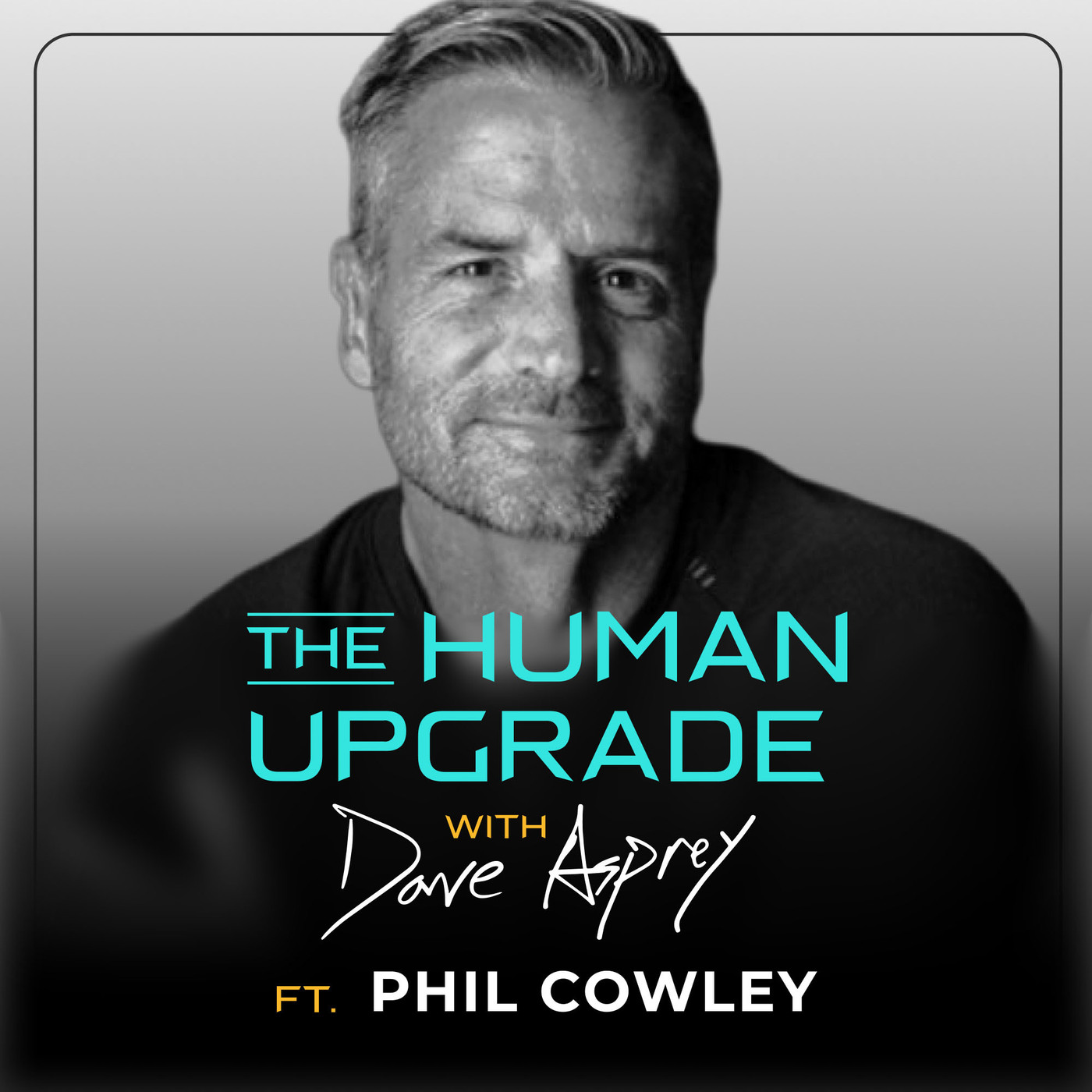
Triquetra Discount: Use code Dave20 at Triquetrahealth.com/dave (https://triquetrahealth.com/pages/dave) Multivitamin Mistakes, MTHFR Genetics, B Vitamins, Creatine & Prescription Drug Risks Host Dave Asprey sits down with Phil Cowley, a pharmacist, founder of Cache Valley Pharmacy, and creator of Phil's My Pharmacist, to explore multivitamins, prescription medications, supplement effectiveness, MTHFR genetics, methylated B vitamins, creatine, and the hidden problems within modern healthcare. After opening his pharmacy in Logan, Utah, in 2001, Phil spent two decades serving patients and dispensing millions of prescriptions. By 2021, declining insurance reimbursements threatened his business despite increasing prescription volume. He turned to social media to share practical, affordable health advice, eventually building an audience of more than six million followers. Now, he explains what his experience behind the pharmacy counter taught him about medication side effects, nutritional d
Finding the wreck of the Titanic would be a career-defining achievement for most people. For oceanographer Robert Ballard, it's just one chapter in a life packed full of extraordinary marine exploration. Bob located the world-famous shipwreck in 1985, but even before that, he’d helped prove the existence of hydrothermal vents: underwater formations surrounded by ecosystems flourishing in the ocean’s depths - without sunlight; a discoveyr that revolutionised our understanding of where and how life can flourish... Over a career spanning six decades, Bob has pioneered revolutionary technologies, discovered some of history's most famous shipwrecks and inspired new generations of explorers. What's more, as he tells Professor Jim Al-Khalili, he's still exploring mysteries of the deep today... Presented by Jim Al-Khalili Produced by Lucy Taylor A BBC Studios production
Just like everyone, all Native Americans are unique. But what do they have in common? In this episode of Crash Course Native American History, we’ll explore similarities in Native worldviews, from harvest traditions to humor. Introduction: Native Toys 00:00 Native Humor 1:05 Representing Native Humor 3:52 Reciprocity 5:37 Generosity 8:49 Review & Credits 10:06 Sources: Want to know more about how this series was made? Learn more here: https://docs.google.com/document/d/17yp3u28s40TdjyrJniIf4U9YA8wPtvQ1g1B-HSHQ2Q4/edit?tab=t.0#heading=h.6vtzps565m2 (https://docs.google.com/document/d/17yp3u28s40TdjyrJniIf4U9YA8wPtvQ1g1B-HSHQ2Q4/edit?tab=t.0) *** Support us for $5/month on Patreon to keep Crash Course free for everyone forever! https://www.patreon.com/crashcourse Or support us directly: https://complexly.com/support Join our Crash Course email list to get the latest news and highlights: https://mailchi.mp/crashcourse/email Get our special Crash Course Educators newsletter: http://eepurl.
In which John Green wraps up revolutions month with what is arguably the most revolutionary of modern revolutions, the Industrial Revolution. While very few leaders were beheaded in the course of this one, it changed the lives of more people more dramatically than any of the political revolutions we've discussed. So, why did the Industrial Revolution happen around 1750 in the United Kingdom? Coal. Easily accessible coal, it turns out. All this, plus you'll finally learn the difference between James Watt and Thomas Newcomen, and will never again be caught telling people that your blender has a 900 Newcomen motor. Chapters: Introduction: The Industrial Revolution 00:00 What Was the Industrial Revolution? 1:48 Innovations in the British Textile Industry 2:38 Why did the Industrial Revolution start in Europe? 4:08 An Open Letter to the Steam Engine 4:57 What was going on in China during the Industrial Revolution? 5:35 European Advantages: High Wages and Low Fuel Costs 7:03 What was going o
Pancreatic cancer has notoriously been hard to detect and treat. Changes in the KRAS gene cause cells to make a protein that make pancreatic cancer grow. And that protein has been notoriously difficult to target. But now, a promising new class of drugs is boldly going where no drug has gone before. In this episode, Dr. Kaylee Byers sits down with medical oncologist Dr. Brandon Huffman to unpack the science behind this breakthrough medication. And, we also meet pancreatic cancer patient and advocate, Stephanie Ramsey, who shares how genetics shaped her own cancer journey, and what these latest advances could mean for the people who need them most. From a once “undruggable” disease finally meeting its match, to questions around accessibility, Kaylee explores what this development could mean for the future of pancreatic cancer care. - Highlights 01:52- Why Is Pancreatic Cancer So Hard to Treat? 06:40- How Genetic Testing Changed Stephanie’s Cancer Journey 22:25- A Breakthrough Drug. But W
Quantum mechanics may impose a fundamental speed limit on how quickly matter reaches thermal equilibrium. Discover the Planckian limit, the role of temperature and fundamental constants, and why this quantum speed limit could offer important insights into the future of quantum computing and advanced technologies. What determines how fast the physical world can change? This episode includes AI-generated content.