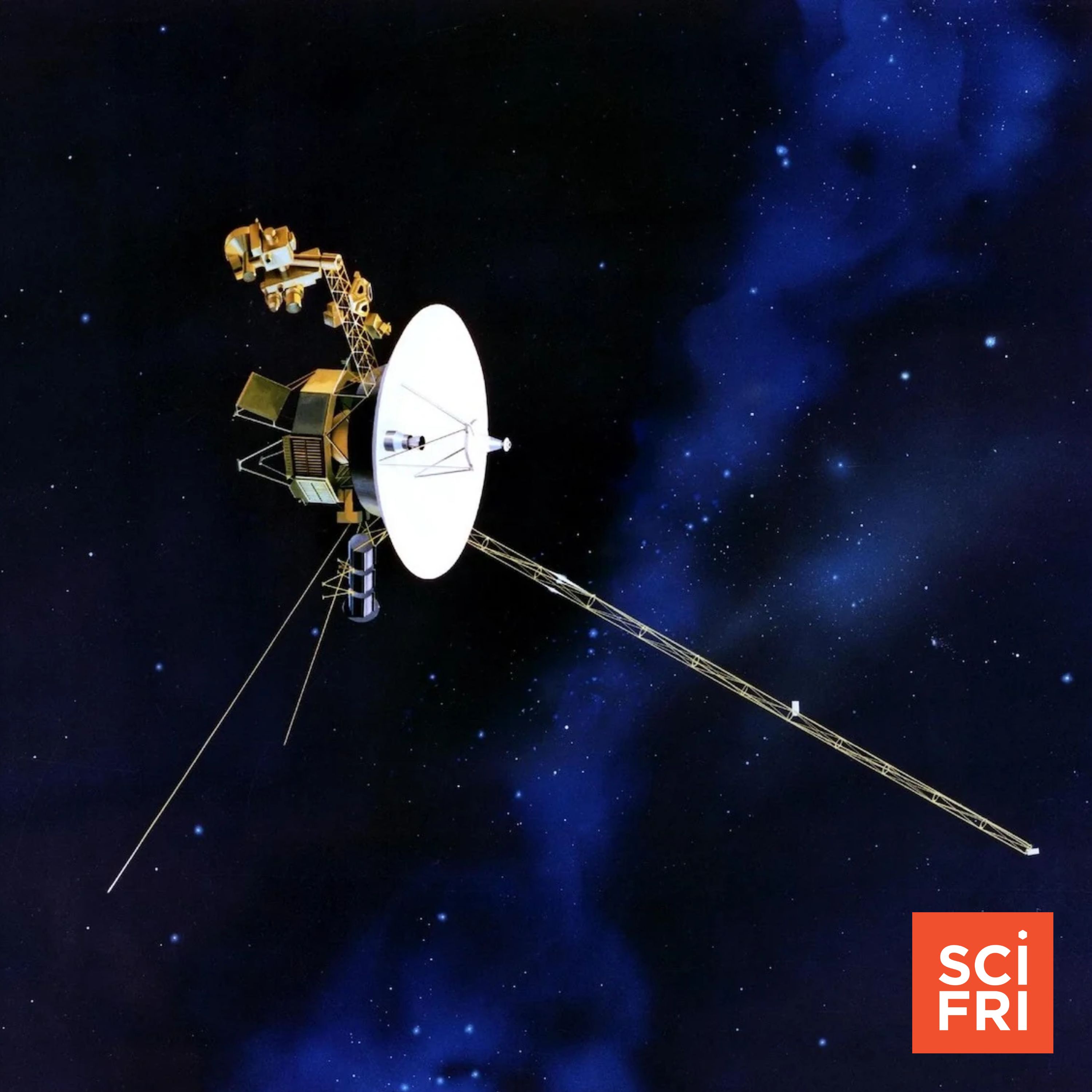
On November 18, the Voyager 1 spacecraft reached a cosmic milestone (https://www.sciencefriday.com/segments/voyager-1-is-a-full-light-day-away/), passing one light-day in distance from Earth, over 16 billion miles. That means that any transmission to or from Voyager takes a full 24 hours to arrive. NASA’s Jennifer Rocca joins Ira Flatow to mark the achievement, and look back on the legacy of the nearly 50-year flight of Voyager 1. Then, in an archival interview (https://www.sciencefriday.com/segments/are-we-there-yet-voyager-1-finally-answers-yes/) from 2013, Ira talks about the mission with the late Ed Stone, who managed the Voyager project for 50 years. Guest: Jennifer Rocca is NASA JPL deputy division manager for astrophysics flight projects. Transcripts for each episode are available within 1-3 days at sciencefriday.com (https://www.sciencefriday.com/segments/voyager-1-is-a-full-light-day-away/). Got a science question that’s keeping you up at night? Call us: 877-472-4374 Hosted by
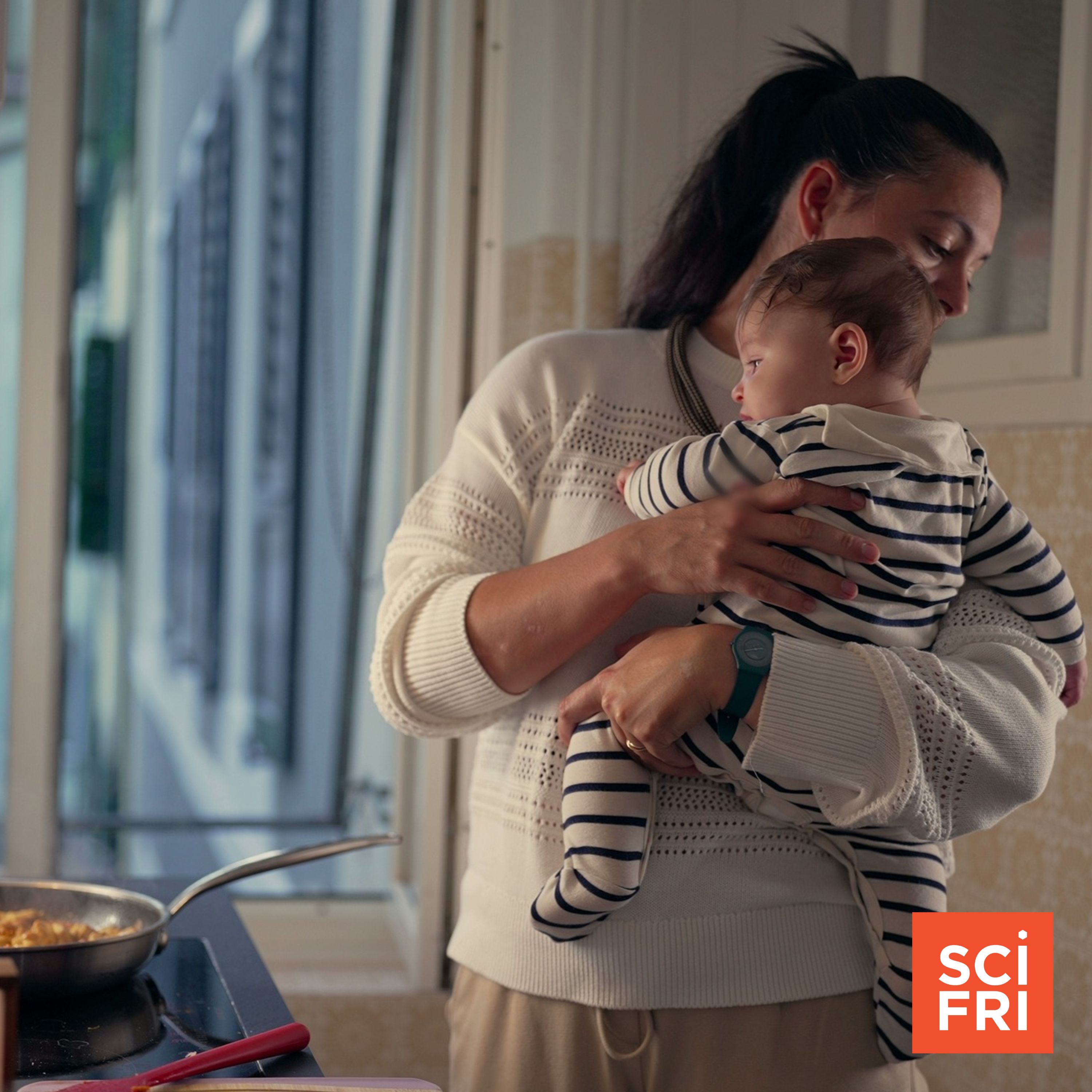
The term “mommy brain” has been popularized to describe a range of changes people experience (https://www.sciencefriday.com/segments/neuroscience-behind-mommy-brain/) during pregnancy and postpartum. They can include forgetfulness and brain fog, or larger personality changes, like a sudden fear of heights or increased paranoia. But how much of this can be tied to changes in the brain? And what happens to the brains of parents who haven’t given birth themselves? Neuroscientist Susana Carmona studies brain changes in pregnancy and parenthood. She joins Flora to talk about what she’s learned, and her new book, “A Mother’s Brain.” (https://bookshop.org/a/18570/9780262054782) Read an excerpt from “A Mother's Brain: The New Science of the Neuro-Maternal Revolution” (https://www.sciencefriday.com/articles/a-mothers-brain-book-excerpt/) Guest: Dr. Susana Carmona is a neuroscientist and author of “A Mother’s Brain: The New Science of the Neuro-Maternal Revolution.” She’s based in Madrid, Spain.
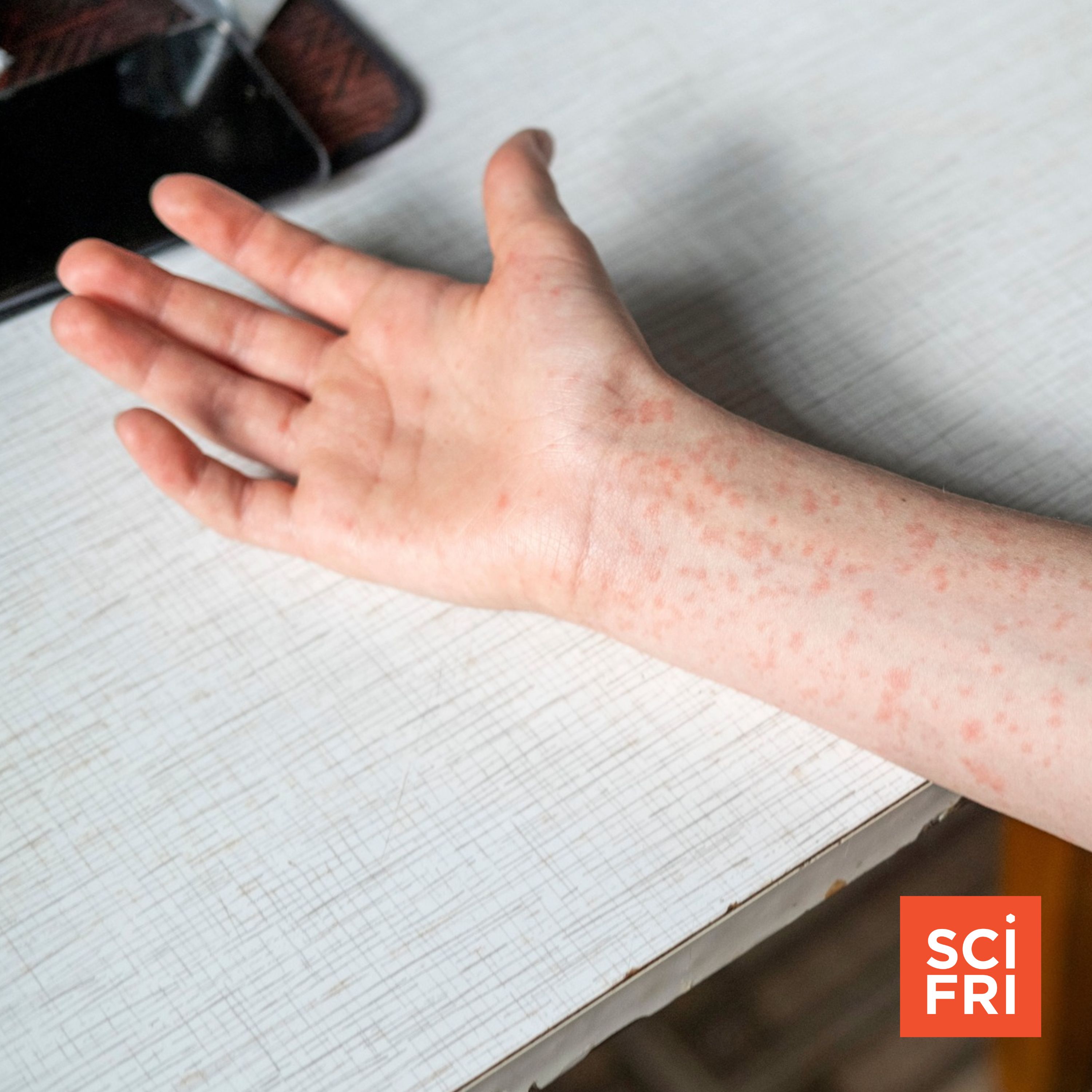
There have been over 5,400 measles cases in the U.S. this year. And on November 17, the Pan American Health Organization declared that the United States has lost its measles elimination status (https://www.sciencefriday.com/articles/us-loses-measles-elimination-status-vaccine-misinformation/). For the first time in 26 years, the virus is endemic. Flora talks with public health reporter Amy Maxmen about what this means going forward. Then, we get into a lesser known effect of the disease. After measles vaccines were introduced in the 1960s, scientists noticed that other childhood infection rates dropped too. In the past few years, infectious disease researchers have figured out (https://www.sciencefriday.com/segments/measles-endemic-in-united-states/) what was going on. The measles virus can wipe out your immune memory—an effect called immune amnesia. The vaccine may not just protect against measles, but also from your immune system losing its ability to remember other viruses. Flora ta
We finally did it. For years, our listeners have been asking to hear the podcast without the ads, and to get even more episodes. We heard you, and we’re excited to announce the launch of Science Friday SuperFans, our new membership program. (https://sciencefriday.supercast.com/) The daily podcast won’t change. But if you become a SuperFan, you can access all our episodes without the ads, and get bonus episodes, including first listens, extended interviews, and behind-the-scenes stories. And you can unlock other benefits, like AMAs, merch discounts, and virtual events. But membership is about more than the perks. Your support helps us bring you science reporting you won’t find anywhere else. Plus, you get the warm, fuzzy feeling of helping a show that needs you. Become a SuperFan today. (https://sciencefriday.supercast.com/) Got a science question that’s keeping you up at night? Call us: 877-472-4374 Hosted by Simplecast, an AdsWizz company.
Multiple sclerosis is a degenerative autoimmune disorder that can cause weakness, fatigue, and other symptoms. And experts say that nearly 1 in 5 people diagnosed with MS (https://www.cedars-sinai.org/stories-and-insights/healthy-living/getting-ms-diagnosis-right) are actually misdiagnosed. This hit the news recently when actor Christina Applegate found out she had been misdiagnosed (https://www.sciencefriday.com/segments/ms-misdiagnosis/) with MS after living with that diagnosis for five years. So we asked our listeners if they had a story like that, and Koda from Cincinnati called in. She joins Flora to share her experience getting undiagnosed with MS. Then, MS researcher Maria Houtchens weighs in on Koda’s story, and the challenges neurologists face when diagnosing this disease. Guest: Dr. Maria Houtchens is an associate professor of neurology at Harvard Medical School. Transcripts for each episode are available within 1-3 days at sciencefriday.com (https://www.sciencefriday.com/seg
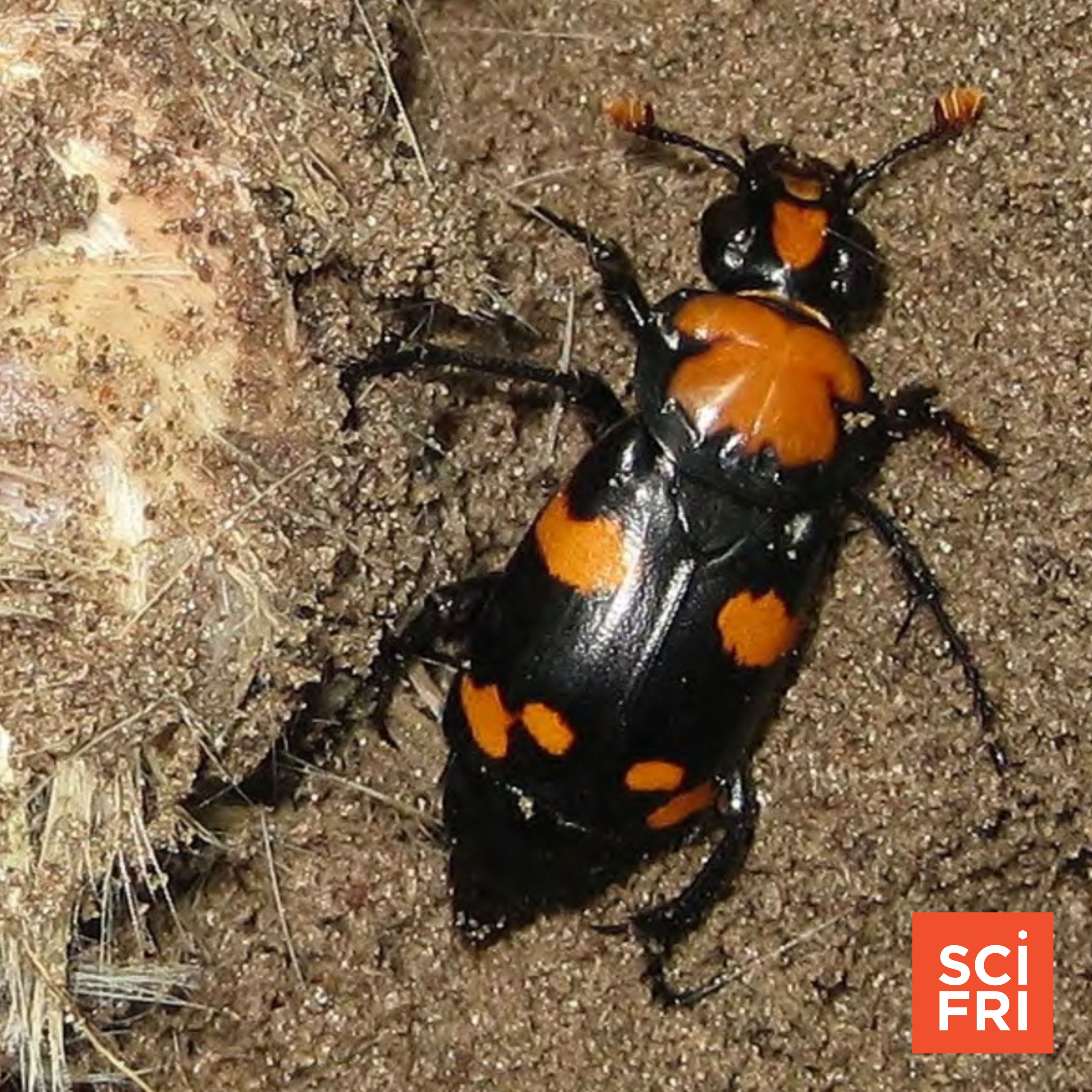
The American burying beetle is 2 inches long, has bright black-and-orange coloration, and provides an important ecological service: recycling carrion. The beetle finds dead bodies of small animals, buries them, mates on them, and then uses their remains to feed and shelter its larvae. It’s listed as threatened in the U.S., and is found only in a few places around the country. East of the Mississippi, one of the main populations is on Block Island, off the coast of Rhode Island. Researchers are working to reintroduce the beetle (https://www.sciencefriday.com/segments/american-burying-beetle-recovery/) to Nantucket, but it’s been a long and challenging process. Flora sits down with Hannah Petrarca, one of the researchers involved in the conservation effort to breed and release beetles into the wild. They chat about why this species is so special, and what its conservation prospects look like. Guest: Hannah Petrarca is a conservation specialist at the Roger Williams Park Zoo in Providence
Ever think about all the plants that touch your world every day? From the cotton sheets on your bed and coffee beans in your cup, to the paper on your desk and the flower on the windowsill? Not to mention all the plants that produce the oxygen we breathe. Even though we encounter plants everywhere (https://www.sciencefriday.com/segments/plants-in-daily-life/), there’s still a lot to learn. Dr. Lúcia Lohmann, head of the Missouri Botanical Garden, joined Host Ira Flatow on stage at a live event in St. Louis to speak about our daily connections to the plants that make up our world. She’s part of a global effort to preserve the world’s plant species, discover and identify new ones, and explore their properties. Guest: Dr. Lúcia Lohmann is president and director of the Missouri Botanical Garden, and the George Engelmann Professor of Botany at Washington University in St. Louis. Transcripts for each episode are available within 1-3 days at sciencefriday.com (https://www.sciencefriday.com/se
Early in President Trump’s second term, thousands of federal scientists were laid off, USAID was shuttered, and billions of dollars worth of grants were frozen or terminated. Then, later, Congress decided to fund science and health agencies similarly to previous years. So where do things stand now (https://www.sciencefriday.com/segments/federal-science-funding-update/)? Flora chats with Sudip Parikh, head of the American Association for the Advancement of Science, about the state of science funding and whether the midterm election results will affect anything. Guest: Dr. Sudip Parikh is the CEO of the American Association for the Advancement of Science. Transcripts for each episode are available within 1-3 days at sciencefriday.com (https://www.sciencefriday.com/segments/federal-science-funding-update/). Got a science question that’s keeping you up at night? Call us: 877-472-4374 Hosted by Simplecast, an AdsWizz company.
Last year, Harvard professor Pardis Sabeti and her colleague Christian Happi (https://www.sciencefriday.com/segments/sentinel-disease-surveillance-congo-ebola-outbreak/) won a $100 million grant to develop their pathogen surveillance system called Sentinel (https://www.sentinelpandemicprevention.org/). Sabeti joins Host Flora Lichtman to talk about the ongoing Ebola virus outbreak, and how their approach, which includes rapid genome sequencing (https://www.sciencefriday.com/segments/rapid-genome-sequencing-help-stop-outbreaks/), may help epidemiologists figure out how the virus spreads. Guest: Dr. Pardis Sabeti is a computational geneticist and professor at Harvard University. She is also a core institute member of the Broad Institute of MIT. Transcripts for each episode are available within 1-3 days at sciencefriday.com (https://www.sciencefriday.com/segments/rapid-genome-sequencing-help-stop-outbreaks/). Got a science question that’s keeping you up at night? Call us: 877-472-4374 Hos
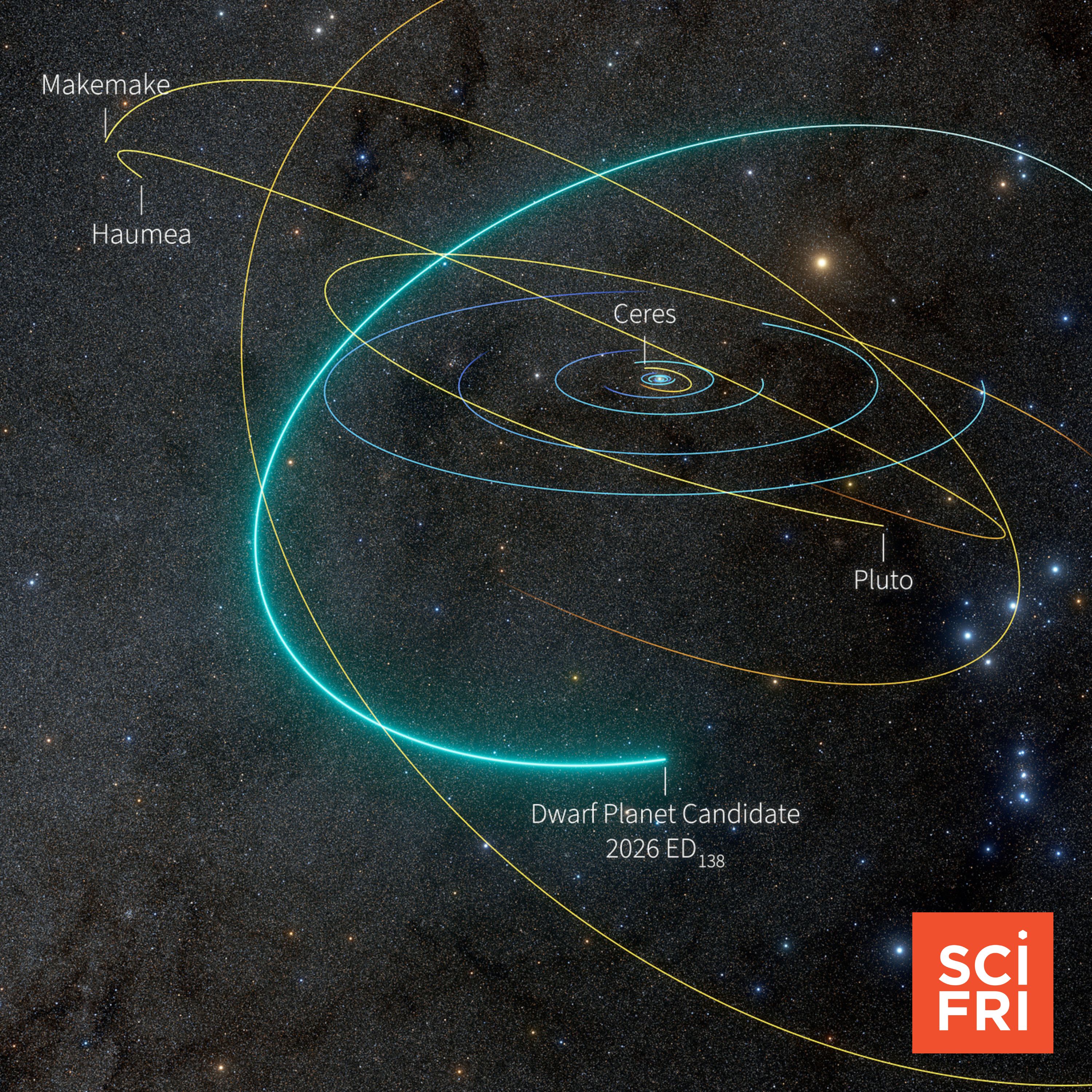
Move over Pluto, a new dwarf planet just dropped. Scientists announced that they’ve likely discovered a tiny new planet (https://rubinobservatory.org/news/rubin-first-dwarf-planet-candidate) beyond Neptune, in the far-out ring of icy and rocky bits called the Kuiper Belt. The possible dwarf planet (https://www.sciencefriday.com/segments/new-dwarf-planet-needs-a-name/) was spotted by the Vera C. Rubin Observatory. Flora talks with Matthew Holman, the astrophysicist who made the discovery. One more thing: The new dwarf planet is currently called 2026 ED138. We think the name needs a little work. What would you call it? Give us a ring at 877-472-4374. Guest: Dr. Matthew Holman is a senior astrophysicist at the Center for Astrophysics | Harvard & Smithsonian. Transcripts for each episode are available within 1-3 days at sciencefriday.com (https://www.sciencefriday.com/segments/new-dwarf-planet-needs-a-name/). Got a science question that’s keeping you up at night? Call us: 877-472-4374 Host
Math is the talk of the town in a way that it hasn't been before, thanks to recent developments in AI (https://www.sciencefriday.com/segments/terence-tao-ai-math-solutions/). And some mathematicians, like Steven Strogatz (https://www.sciencefriday.com/segments/big-math-shines-a-light-on-the-hidden-math-that-runs-our-world/), are using this moment as a reminder of the invisible ways that math is embedded in our daily lives. That’s the focus of his new book, “Big Math: The Hidden Codes That Run Our World.” (https://bookshop.org/a/18570/9780316581585) He wrote it with mathematician Alex Townsend. Read an excerpt from “Big Math.” (https://www.sciencefriday.com/articles/big-math-book-excerpt/) Guest: Dr. Steven Strogatz is a professor of mathematics at Cornell University. Transcripts for each episode are available within 1-3 days at sciencefriday.com (https://www.sciencefriday.com/segments/big-math-shines-a-light-on-the-hidden-math-that-runs-our-world/). Got a science question that’s keepin
Many of us have gotten sucked into the tiny dramas unfolding in our backyards, or on the bird feeder or the fire escape. But not everyone can turn those observations into a best-selling book. Author Margaret Renkl joins Host Flora Lichtman to talk about the SciFri Book Club pick for November and December, “The Comfort of Crows: A Backyard Year.” (https://bookshop.org/a/18570/9781954118461) In it, she tells the stories of her own yard over the course of a year to help her make sense of the changes in our world and in her own life. Read an excerpt from “The Comfort of Crows.” (https://www.sciencefriday.com/articles/comfort-of-crows-book-excerpt/) Learn more (https://www.sciencefriday.com/scifri-book-club/) about the SciFri Book Club. Guest: Margaret Renkl is a writer and author of the book “Comfort of Crows: A Backyard Year.” Transcripts for each episode are available within 1-3 days at sciencefriday.com (https://www.sciencefriday.com/segments/scifri-book-club-reads-the-comfort-of-crows-
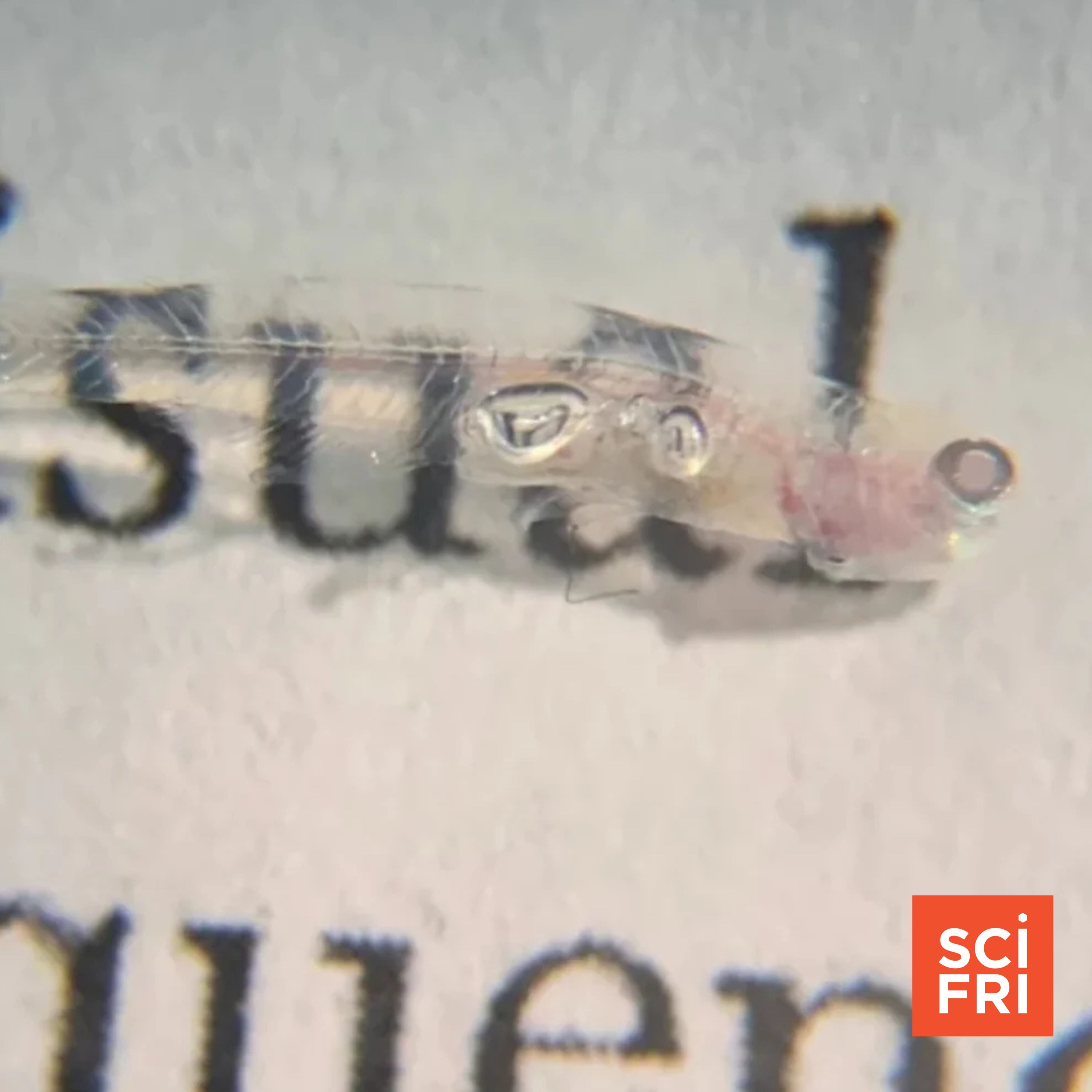
Move over, Drosophila. Step aside, C. elegans. Scientists are working to establish a new model organism. It’s a tiny species of glassfish (https://www.sciencefriday.com/segments/meet-the-tiny-see-through-fish/) called Danionella cerebrum, and its claim to fame is that it's almost completely transparent and can regrow parts of its body, including its brain. Scientists studying the nervous system, regeneration, and more are increasingly interested in this species. So what can we learn from this fish? And can it teach us anything about our own brains? Flora dives into this with biologists Deniz Atabay and Alejandro Sánchez Alvarado. Guests: Dr. Kutay Deniz Atabay is a postdoc at MIT’s Whitehead Institute for Biomedical Research in Cambridge, Massachusetts. He studies neurodevelopment and regeneration. Dr. Alejandro Sánchez Alvarado is the president and chief scientific officer of the Stowers Institute for Medical Research in Kansas City. Transcripts for each episode are available within 1
It’s impossible to ignore the latest nutrition trend: protein-maxxing. Stroll through the grocery store and you’ll find protein chips, protein-packed ice cream, and even sparkling protein water. Not to mention the FDA’s new upturned food pyramid, which puts steak and a roast chicken at the top. Where did this protein craze come from, and how much protein do we actually need (https://www.sciencefriday.com/segments/obsessed-with-protein/)? And what about protein-maxxing’s less popular cousin, fiber-maxxing? Flora talks through the history and the science of protein and fiber with food historian Hannah Cutting-Jones and nutrition researcher Christopher Gardner. Guests: Dr. Hannah Cutting-Jones is a food historian and assistant professor at the University of Oregon. Dr. Christopher Gardner is a nutrition researcher, a professor at Stanford Medicine’s Prevention Research Center, and the author of “Food Sense: What to Eat and Why.” Transcripts for each episode are available within 1-3 days a
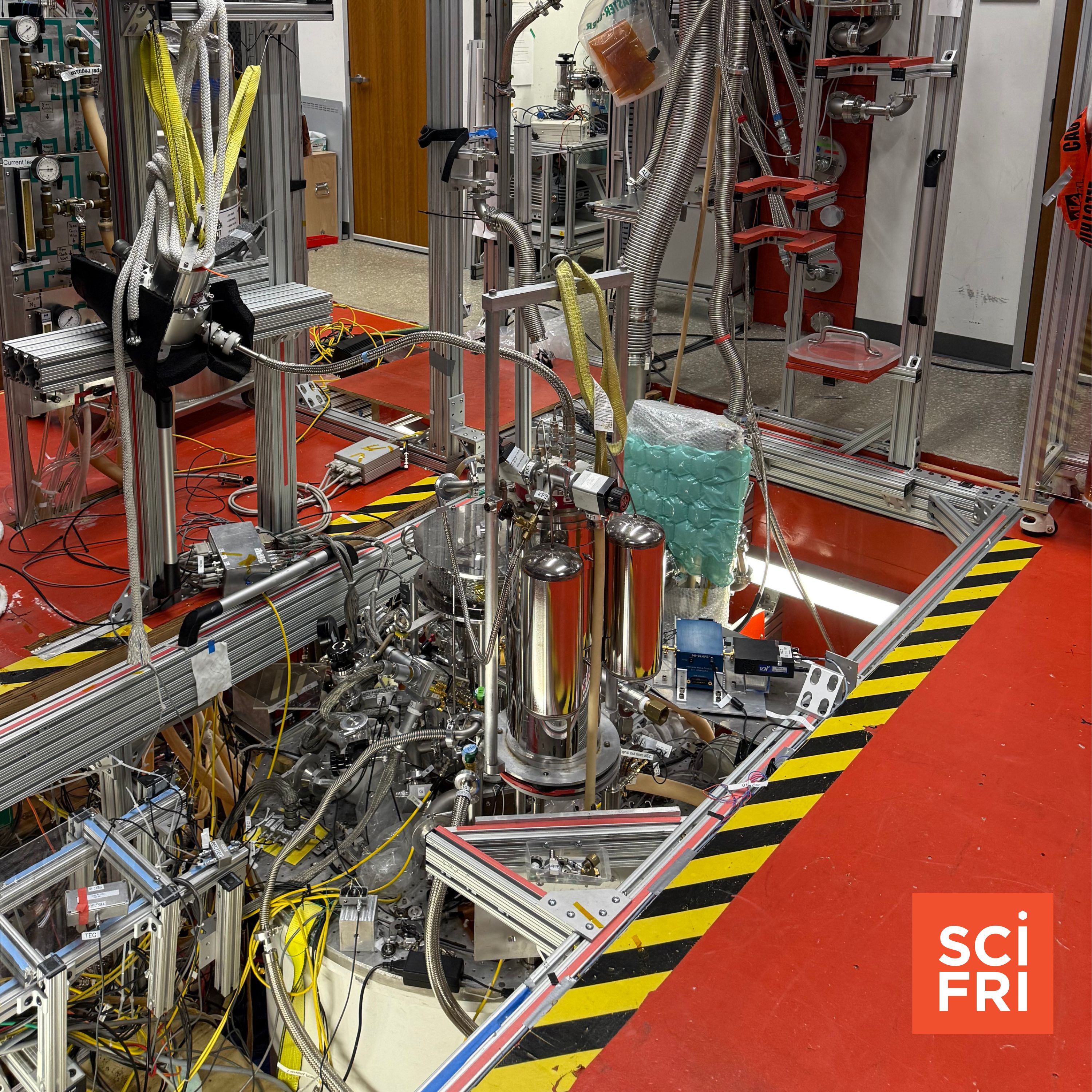
Almost all matter particles have corresponding particles of antimatter: Protons have antiprotons, neutrons have antineutrons, and so on. When matter and antimatter bump into each other they destroy each other and release energy. With carefully manipulated magnetic fields, however, it’s possible to trap particles of antimatter and prevent them from touching regular matter, allowing researchers to study them. A group of antimatter experts recently (https://www.sciencefriday.com/segments/what-a-trapped-antimatter-particle-could-tell-us-about-reality/) reported that they had trapped and held a positron (https://journals.aps.org/prl/abstract/10.1103/gbkc-6nlj) (an antielectron) in a vacuum at ultra-cold temperatures for months, creating what they called “a one-positron quantum cyclotron.” That advance allowed them to study the positron’s quantum properties. They hope to learn whether the positron is indeed an exact opposite of an electron, or if there are tiny physical differences between t