Why is the misdiagnosis rate for multiple sclerosis so high?
19 min
Listen through the publisher, then discuss the episode here or arrange an in-person Roundtable. Your city determines where to meet.
Roundtables are designed for groups of four, with a shared subject and room for everyone to speak. Come for discussion, with no dating expectation.
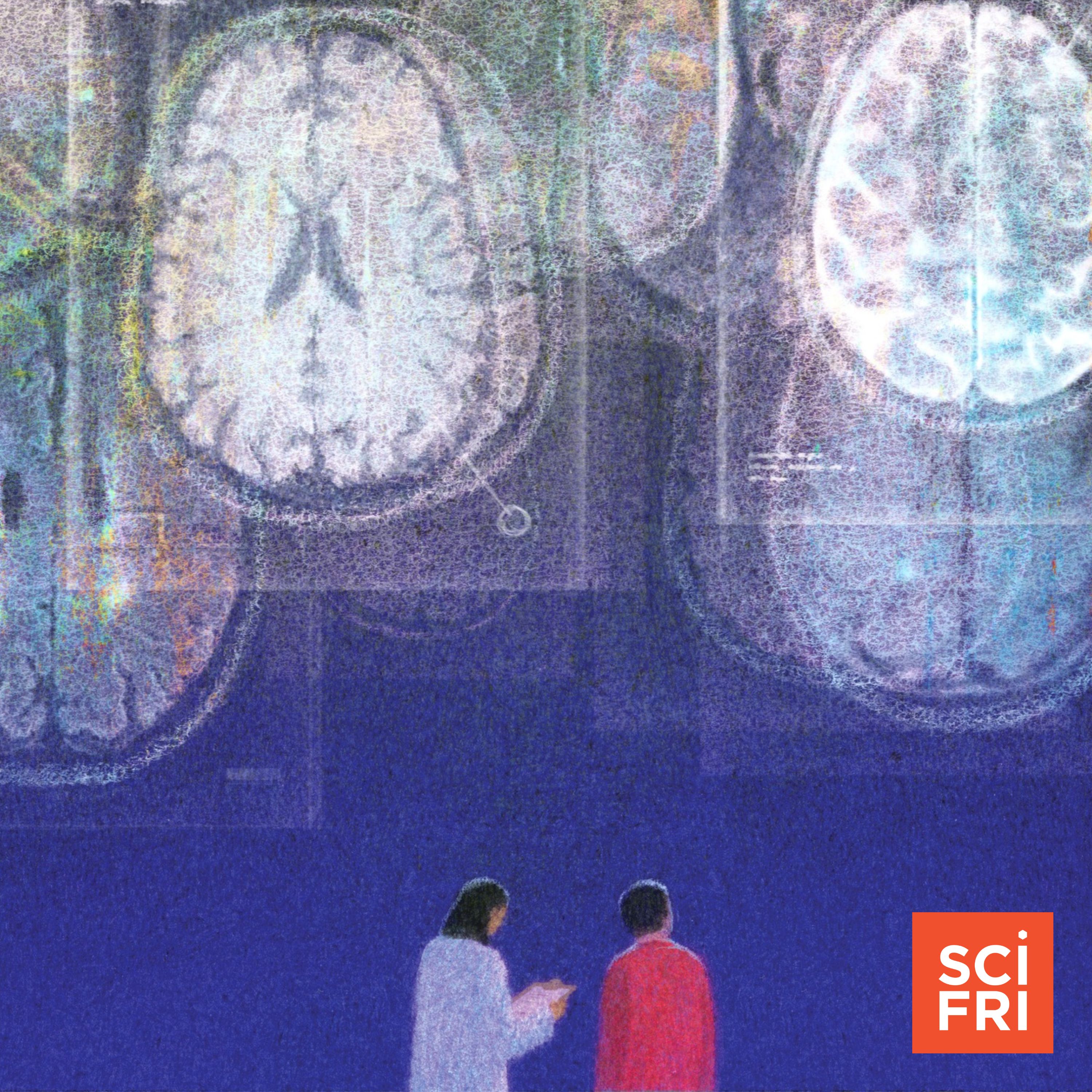
Multiple sclerosis is a degenerative autoimmune disorder that can cause weakness, fatigue, and other symptoms. And experts say that nearly 1 in 5 people diagnosed with MS (https://www.cedars-sinai.org/stories-and-insights/healthy-living/getting-ms-diagnosis-right) are actually misdiagnosed. This hit the news recently when actor Christina Applegate found out she had been misdiagnosed (https://www.sciencefriday.com/segments/ms-misdiagnosis/) with MS after living with that diagnosis for five years. So we asked our listeners if they had a story like that, and Koda from Cincinnati called in. She joins Flora to share her experience getting undiagnosed with MS. Then, MS researcher Maria Houtchens weighs in on Koda’s story, and the challenges neurologists face when diagnosing this disease. Guest: Dr. Maria Houtchens is an associate professor of neurology at Harvard Medical School. Transcripts for each episode are available within 1-3 days at sciencefriday.com (https://www.sciencefriday.com/segments/ms-misdiagnosis/). Illustration by Dadu Shin for Science Friday. Got a science question that’s keeping you up at night? Call us: 877-472-4374 Hosted by Simplecast, an AdsWizz company.
Episode information is provided by the publisher. Listening takes place on the publisher’s service.
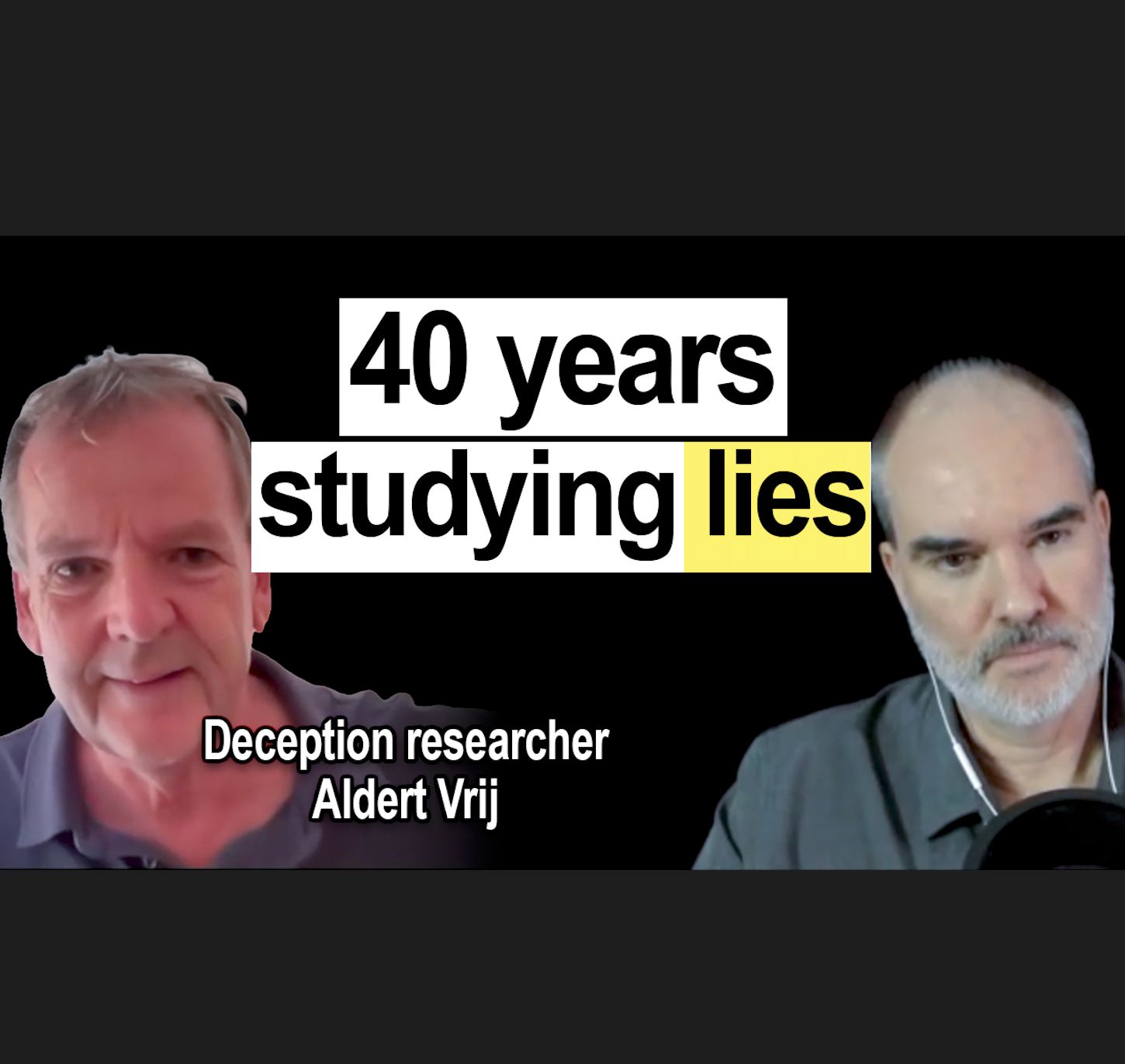
What actually works when it comes to detecting lies, and why are so many popular ideas about reading people and nonverbal behavior at odds with the scientific research? I talk with Aldert Vrij, one of the world's leading deception-detection researchers, who has spent almost four decades studying these topics. We discuss why what people say is far more revealing than their body language; why the perceived “sexiness” of reading nonverbal behavior has contributed to widespread myths and misconceptions; whether vocal behaviors like pitch, volume, and hesitation contain meaningful clues; and whether there's value in analyzing minor word choices and turns of phrase, as is done in so-called “statement analysis.” We discuss Paul Ekman's legacy as a source of faulty ideas about deception, micro-expression-based deception detection training, and the strategies that popular “body language experts” use to appear scientifically credible while simultaneously promoting ideas that conflict with the sc
I Ate 1000 Sardines in a Month, Video: https://youtu.be/_Th54GWd8WY How Sardines Supercharged my Metabolism, Letter: https://staycuriousmetabolism.substack.com/p/the-weird-anti-insulin-hormone-that?r=40ekz2 Omega-6/3 Ratio Can Be Misleading, Letter: https://staycuriousmetabolism.substack.com/p/how-we-got-omega-fat-wrong-this-will?r=40ekz2 Best Omega-3 for the Brain, Letter: https://staycuriousmetabolism.substack.com/p/why-omega-3-supplements-dont-work?r=40ekz2 If you want to get your Omega-3 via Omega Quant, click on this link: https://omegaquant.com/ref/864 Fatty Acid Research Institute: https://www.faresinst.org (https://www.faresinst.org/) Description: In this conversation, I sit down with Professor William Harris, one of the world’s leading experts on omega-3 and omega-6 fatty acids, to cut through confusion around fish oil, seed oils, cardiovascular health, and brain health. We break down what omega-3 and omega-6 fats actually are, why their chemistry matters, and how they’re conv
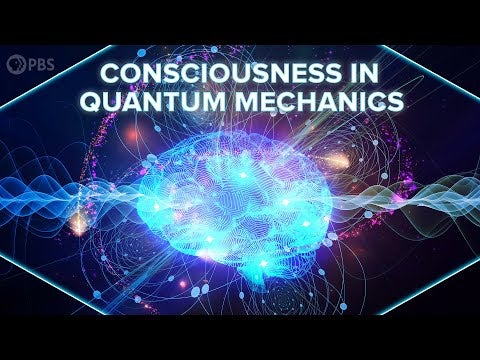
PBS Member Stations rely on viewers like you. To support your local station, go to: http://to.pbs.org/DonateSPACE ↓ More info below ↓ Uploaded 18-02-20 Sign Up on Patreon to get access to the Space Time Discord! Check out the Space Time Merch Store It’s not surprising that the profound weirdness of the quantum world has inspired some outlandish explanations - nor that these have strayed into the realm of what we might call mysticism. One particularly pervasive notion is the idea that consciousness can directly influence quantum systems - and so influence reality. Today we’re going to see where this idea comes from, and whether quantum theory really supports it. Hosted by Matt O'Dowd Written by Matt O'Dowd Graphics by Leonardo Scholzer and Adriano Leal Post Production: Yago Ballarini, Max Willians, Pedro Osinski Directed by: Eric Brown and Andrew Kornhaber Executive Producers: Eric Brown and Andrew Kornhaber End Credits Music by J.R.S. Schattenberg: https://www.youtube.com/channel/UCRl6
THE SEARCH FOR THE ULTIMATE RED LIGHT THERAPY IS OVER! After decades of exploring wellness technologies, Michael Jaco sits down with Rob Rene, founder of Exodus Strong, to explore the Red Light+ Total Body Reset system, the science behind red and near-infrared light, and why this technology has become such an important part of their wellness conversation. Rob's remarkable personal journey—including surviving five near-death experiences—inspired his mission to develop practical wellness tools that people can incorporate into their everyday lives. Discover the full-body Red Light+ Mat, designed for convenient 20-minute sessions, and the portable Red Light+ Wand, created for targeted use on areas such as the knees, shoulders, hands, and lower back. Michael and Rob discuss the technology, personal experiences, and how red light therapy may support a daily wellness routine. BLACK FRIDAY–CYBER MONDAY LISTENER EXCLUSIVE! This is your opportunity to explore Exodus Strong's special holiday offe
This new tech is changing how movies get made. So @mkbhd and I tested it out... Watch MKBHD's video: https://youtu.be/RM7SobH8ZO0 I’ve been obsessed with sci-fi movies since I was a kid. I love being transported to another world. But lately, I’ve been wondering: How do those worlds look so… REAL? The tech behind movies has exploded in complexity and realism, changing how stories come to life on screen. Luckily, at the same time, those tools are becoming more and more available to more people telling stories. It’s not just blockbusters like Avatar 2 or Avengers or Dune. It’s also smaller budget films like Everything Everywhere All at Once or even… YouTube creators? In this video, Marques Brownlee and I test out 3 movie-making tools that are changing how movies, shows, and maybe even YouTube videos (??) get made. We’re at ZeroSpace Studios in New York to show you how each of these crazy technologies work - and how you might be able to use them. Along the way, we hit big questions like: W
Sometimes all you need to identify a bird is a single feather. Because collecting bird feathers is prohibited in the U.S. to protect birds from poachers, start by taking a photo with a common object for scale. Then you can use online resources like the iNaturalist app or Featherbase website to help you solve the mystery. Keep your prime suspect in mind when you’re back where you found the feather and you might get to see the bird itself — feathers and all. More info and transcript at BirdNote.org (https://www.birdnote.org/podcasts/birdnote-daily/what-if-you-only-have-feather). Want more BirdNote? BirdNote is a nonprofit. Hosted by Simplecast, an AdsWizz company.
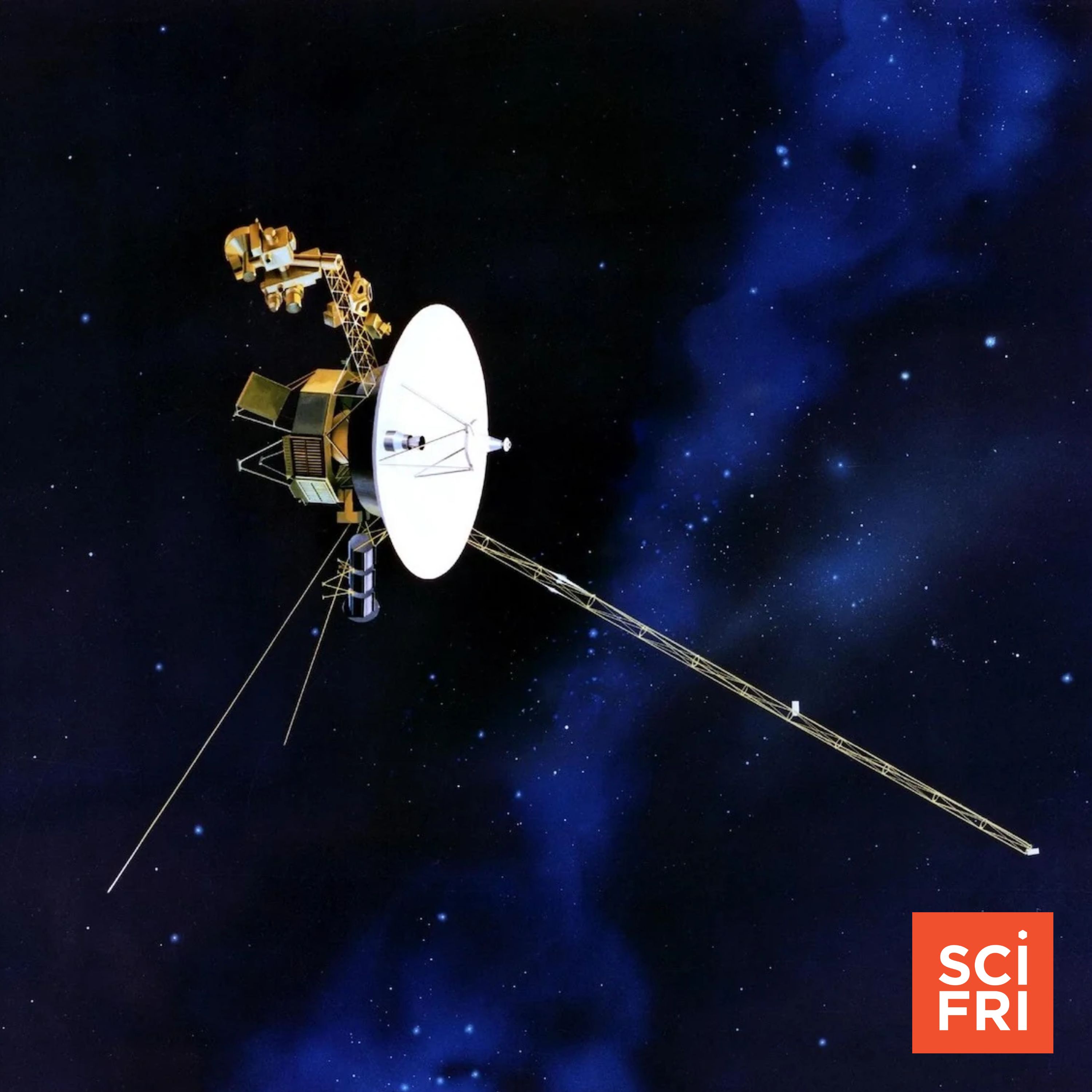
On November 18, the Voyager 1 spacecraft reached a cosmic milestone (https://www.sciencefriday.com/segments/voyager-1-is-a-full-light-day-away/), passing one light-day in distance from Earth, over 16 billion miles. That means that any transmission to or from Voyager takes a full 24 hours to arrive. NASA’s Jennifer Rocca joins Ira Flatow to mark the achievement, and look back on the legacy of the nearly 50-year flight of Voyager 1. Then, in an archival interview (https://www.sciencefriday.com/segments/are-we-there-yet-voyager-1-finally-answers-yes/) from 2013, Ira talks about the mission with the late Ed Stone, who managed the Voyager project for 50 years. Guest: Jennifer Rocca is NASA JPL deputy division manager for astrophysics flight projects. Transcripts for each episode are available within 1-3 days at sciencefriday.com (https://www.sciencefriday.com/segments/voyager-1-is-a-full-light-day-away/). Got a science question that’s keeping you up at night? Call us: 877-472-4374 Hosted by
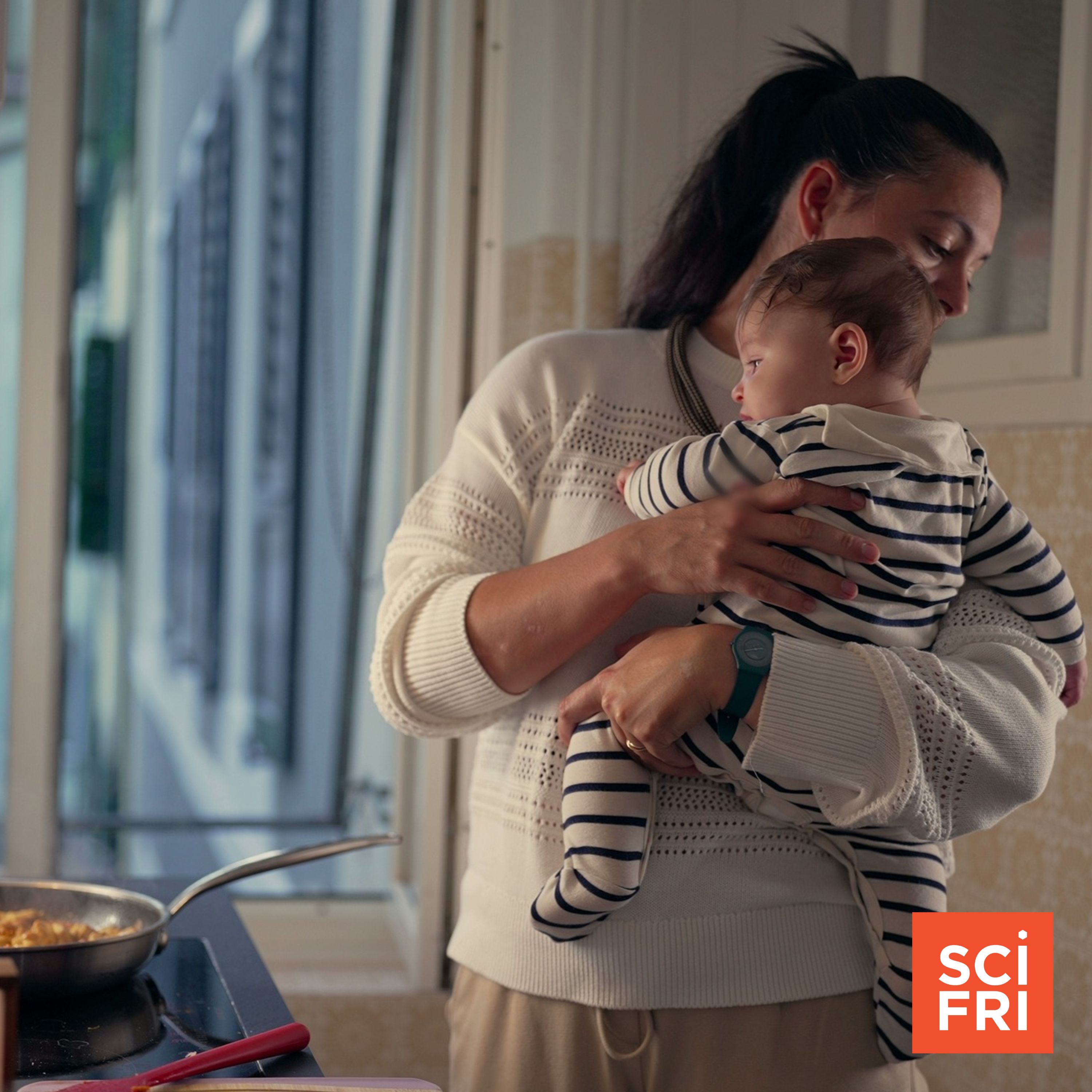
The term “mommy brain” has been popularized to describe a range of changes people experience (https://www.sciencefriday.com/segments/neuroscience-behind-mommy-brain/) during pregnancy and postpartum. They can include forgetfulness and brain fog, or larger personality changes, like a sudden fear of heights or increased paranoia. But how much of this can be tied to changes in the brain? And what happens to the brains of parents who haven’t given birth themselves? Neuroscientist Susana Carmona studies brain changes in pregnancy and parenthood. She joins Flora to talk about what she’s learned, and her new book, “A Mother’s Brain.” (https://bookshop.org/a/18570/9780262054782) Read an excerpt from “A Mother's Brain: The New Science of the Neuro-Maternal Revolution” (https://www.sciencefriday.com/articles/a-mothers-brain-book-excerpt/) Guest: Dr. Susana Carmona is a neuroscientist and author of “A Mother’s Brain: The New Science of the Neuro-Maternal Revolution.” She’s based in Madrid, Spain.
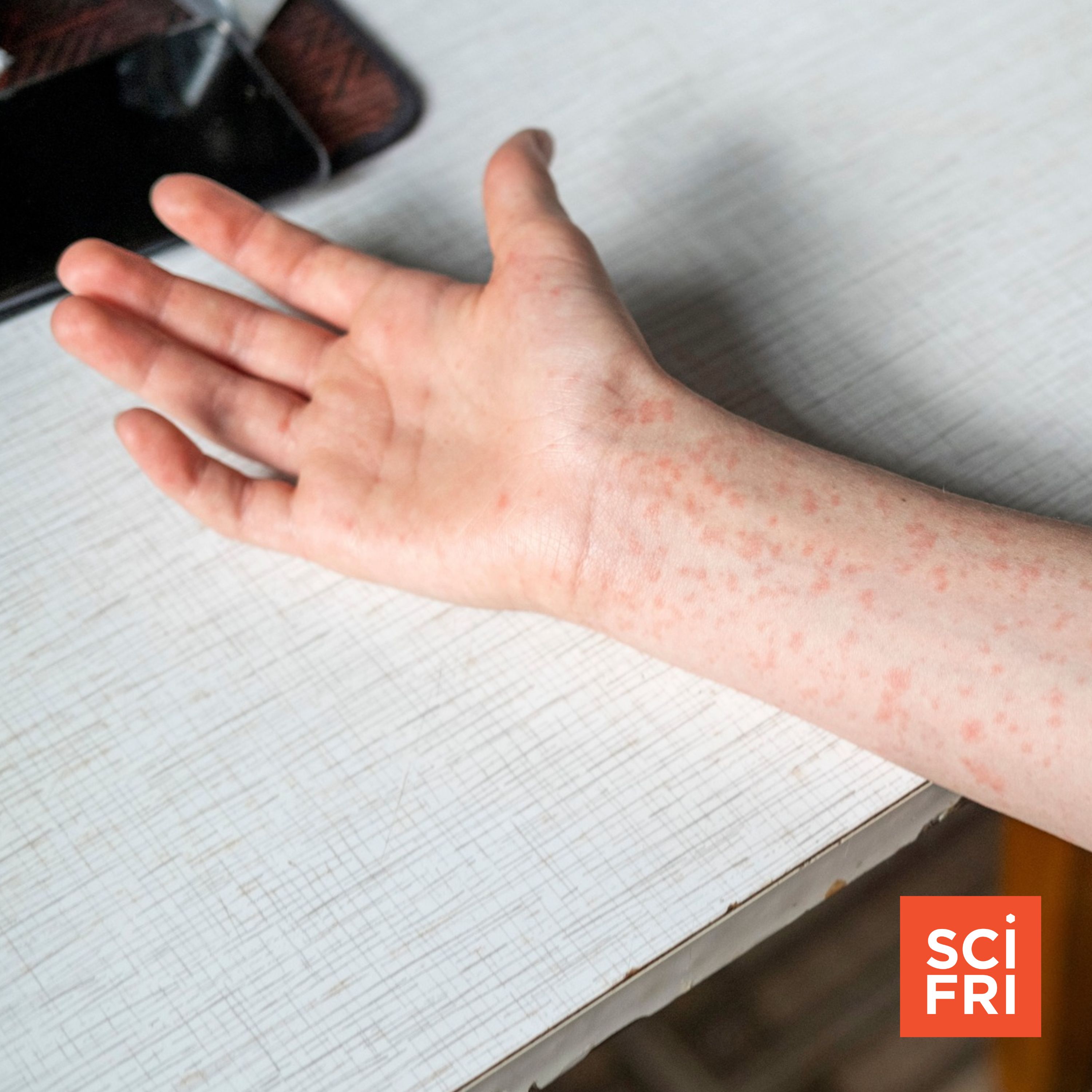
There have been over 5,400 measles cases in the U.S. this year. And on November 17, the Pan American Health Organization declared that the United States has lost its measles elimination status (https://www.sciencefriday.com/articles/us-loses-measles-elimination-status-vaccine-misinformation/). For the first time in 26 years, the virus is endemic. Flora talks with public health reporter Amy Maxmen about what this means going forward. Then, we get into a lesser known effect of the disease. After measles vaccines were introduced in the 1960s, scientists noticed that other childhood infection rates dropped too. In the past few years, infectious disease researchers have figured out (https://www.sciencefriday.com/segments/measles-endemic-in-united-states/) what was going on. The measles virus can wipe out your immune memory—an effect called immune amnesia. The vaccine may not just protect against measles, but also from your immune system losing its ability to remember other viruses. Flora ta
Expanding universities should help pay for the pressures they create on surrounding neighborhoods.
Share your view, then see how readers voted. No sign-in required. This poll is shared across stories.
Do you agree or disagree?
Common Quandary
A Common Quandary to discuss
Another conversation to explore, separate from this news story.
Your ex's streaming password still works. When does borrowing become stealing?
Months after a friendly breakup, your television remains logged into your ex's streaming account. They have never mentioned it, the service allows several screens, and your viewing does not increase their monthly bill.
Can silence count as permission when asking might end the benefit?