Listen through the publisher, then discuss the episode here or arrange an in-person Roundtable. Your city determines where to meet.
Roundtables are designed for groups of four, with a shared subject and room for everyone to speak. Come for discussion, with no dating expectation.
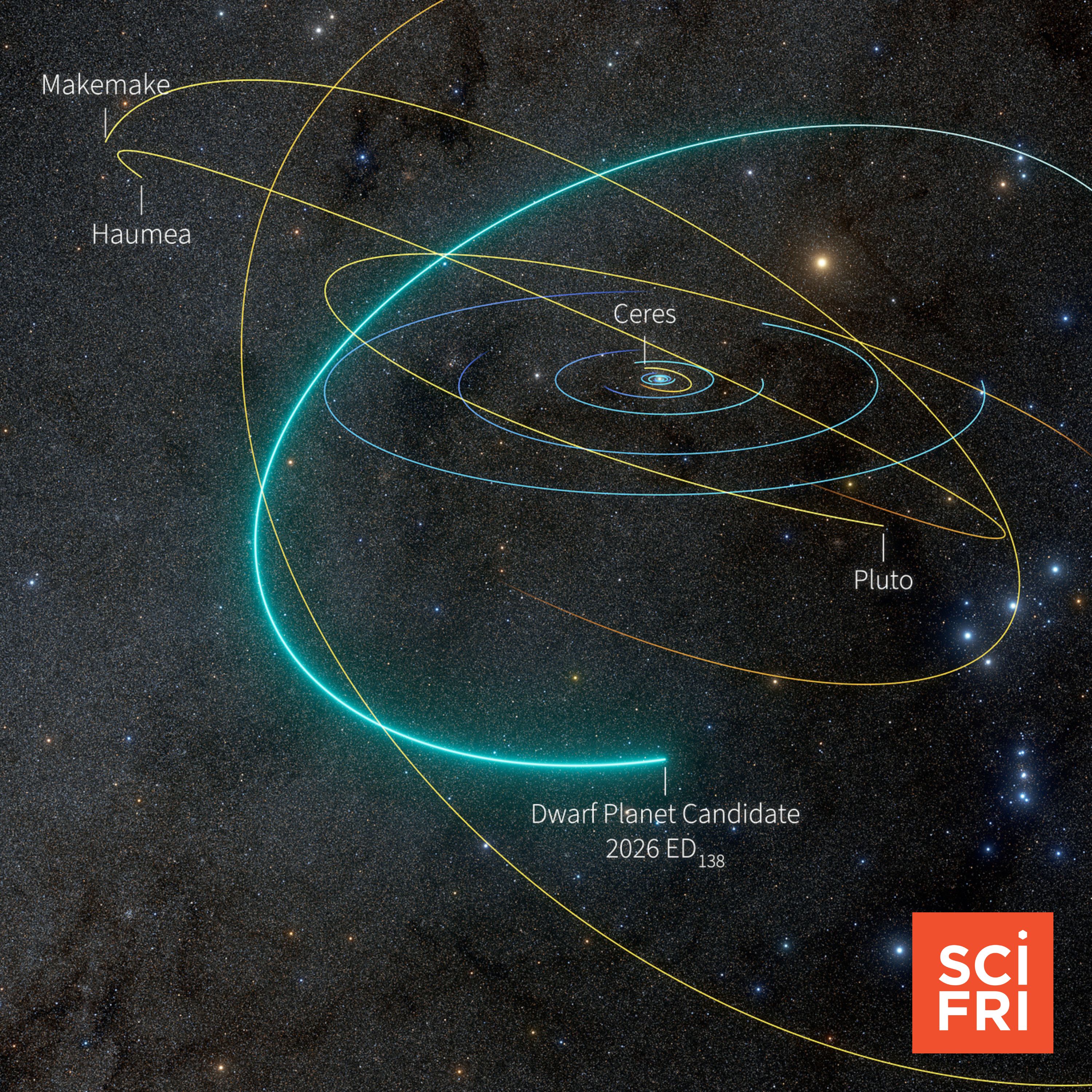
Move over Pluto, a new dwarf planet just dropped. Scientists announced that they’ve likely discovered a tiny new planet (https://rubinobservatory.org/news/rubin-first-dwarf-planet-candidate) beyond Neptune, in the far-out ring of icy and rocky bits called the Kuiper Belt. The possible dwarf planet (https://www.sciencefriday.com/segments/new-dwarf-planet-needs-a-name/) was spotted by the Vera C. Rubin Observatory. Flora talks with Matthew Holman, the astrophysicist who made the discovery. One more thing: The new dwarf planet is currently called 2026 ED138. We think the name needs a little work. What would you call it? Give us a ring at 877-472-4374. Guest: Dr. Matthew Holman is a senior astrophysicist at the Center for Astrophysics | Harvard & Smithsonian. Transcripts for each episode are available within 1-3 days at sciencefriday.com (https://www.sciencefriday.com/segments/new-dwarf-planet-needs-a-name/). Got a science question that’s keeping you up at night? Call us: 877-472-4374 Hosted by Simplecast, an AdsWizz company.
Episode information is provided by the publisher. Listening takes place on the publisher’s service.
In this calm and sleepy facts episode, we journey far beyond our own solar system to explore the thousands of worlds orbiting distant stars, places we have only recently learned to find and are only just beginning to understand. We start with the basics of what an exoplanet is and how astronomers detect them, from the gentle dimming of a star as a planet passes in front of it to the tiny gravitational wobble a hidden world imprints on its sun. We visit the extraordinary harvest of the Kepler space telescope, which revealed that planets are not rare exceptions but the rule, scattered across nearly every star in the Milky Way. Along the way we encounter strange and extreme worlds, gas giants so close to their stars that they complete an orbit in mere days, tidally locked planets with one face locked in permanent daylight and the other in endless night, and rogue planets drifting alone through interstellar space with no star to call home. We explore the habitable zone, the narrow region a
PBS Member Stations rely on viewers like you. To support your local station, go to: http://to.pbs.org/DonateSPACE ↓ More info below ↓ Uploaded 15-07-19 Check out the new Space Time Merch Store! Support Space Time on Patreon When we finally have a quantum internet you’ll be able to simultaneously like and dislike this video. But we don’t. So I hope you like it. The world is widely regarded as being well and truly into the digital age, also called the information age. No longer are economies and industries solely characterised by the physical goods they produce, and in fact some of the largest companies in the world produce no physical goods at all: digital information is a commodity in its own right. As discussed in a previous episode, this worldwide digital economy is fundamentally reliant on certain cryptographic processes. Currently these processes work in the realm of classical cryptography, but one day soon this may not be enough and so quantum cryptographic methods and algorithms
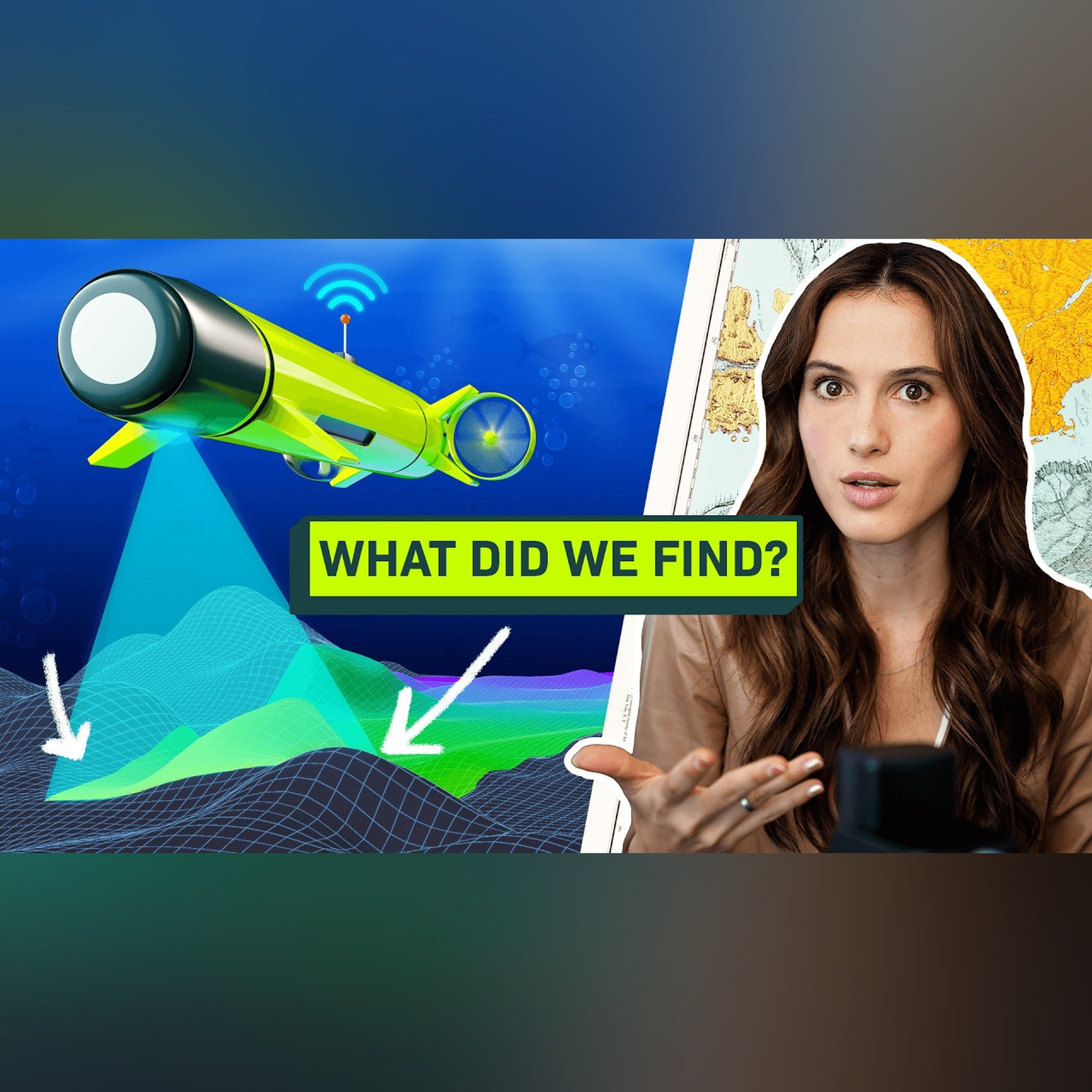
Why deep sea maps are SO BAD (and how to fix it)... Our maps of the ocean are surprisingly bad! On Google Maps it looks like we know so much… but we know less about the ocean floor than we do the surface of Mars. And that’s a big problem, because we are using the ocean all the time: We’re laying internet cables across it, we fight wars in it, we search it during a crisis - like the imploded OceanGate Titan submersible or the missing Malaysia Airlines Flight 370. 71% of the surface of the Earth is water! And yet we have a surprisingly limited view of what’s below it. But that’s also understandable. Because cartographically speaking, water sucks. For Mars or Earth’s surface, we can take pictures. But light doesn’t get to the ocean floor, so we need other ways to see it. The good news is, we’re developing that tech right now, and an international group called Seabed 2030 is working to piece together a better map. There is a terrifying, incredible, alien world on our own planet, and we’re
Investigate the theories surrounding cosmic dust bunnies and discover how the tiny particles could hold the key to the formation of life on Earth. Uploaded 05-09-19 -- Consider the spot where you’re sitting. Travel backwards in time and it might’ve been submerged at the bottom of a shallow sea, buried under miles of rock or floating through a molten landscape. But go back about 4.6 billion years, and you’d be in the middle of an enormous cloud of dust and gas orbiting a newborn star. What exactly is this cosmic dust? Lorin Matthews investigates. Lesson by Lorin Swint Matthews, directed by Frederic Siegel (Team Tumult). Sign up for our newsletter: http://bit.ly/TEDEdNewsletter Support us on Patreon: http://bit.ly/TEDEdPatreon Find us on Twitter: http://bit.ly/TEDEdTwitter Peep us on Instagram: http://bit.ly/TEDEdInstagram View full lesson: https://ed.ted.com/lessons/the-dust-bunnies-that-built-our-planet-lorin-swint-matthews Thank you so much to our patrons for your support! Without you
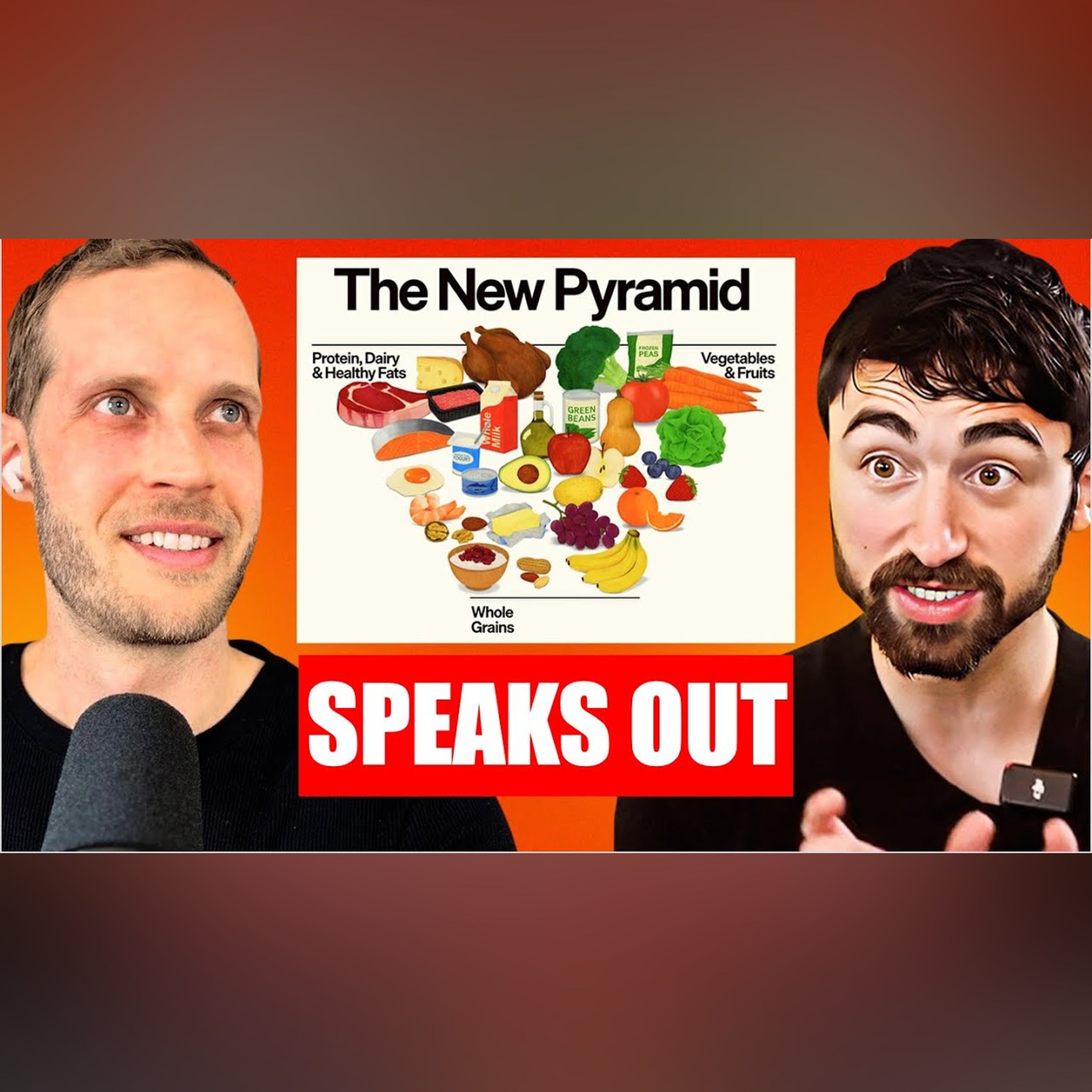
For a written digest on the guidelines, see the StayCurious Metabolism Letter: https://staycuriousmetabolism.substack.com/p/the-new-dietary-guidelines-actually?r=40ekz2 The 2025–2030 Dietary Guidelines are being marketed as a major reset with a simple message: put “real food” back at the center of the American diet. And in a lot of ways, they do represent progress. But when you actually read what’s written, some of the most important details raise real questions. For example, the document still states that saturated fat should not exceed 10% of total daily calories. To separate signal from spin, I’m joined by Dr. Ty Beal PhD, who worked on the evidence review side of the Guidelines process, to explain what the scientific background documents actually say, what happens after scientists submit reviews, and why the final public-facing document can end up with compromises, inconsistencies, or imprecise terminology. If you want a clear, good-faith breakdown—what’s genuinely better, what sti
When he was ten years old, a boy made an unusual new friend. She was about his age, had a name, a personality, and stories about her family. For nearly a year, she would appear at his house to play, and during a particularly difficult time in his childhood, she seemed determined to protect him. But there was something different about this little girl. Nobody else appeared to see her, and there were strange limitations on where she could go. Eventually, she told him she had to leave, but promised she would always try to look out for him. As he grew older, he began questioning whether she'd ever existed outside his imagination. Then, more than a decade later, something extraordinary happened that made him reconsider everything he thought he knew about his childhood friend. Could a friendship continue beyond death? And if spirits really exist, do they remain forever the age they were when they died? #RealGhostStoriesOnline #TrueGhostStories #GhostlyFriend #ChildhoodGhosts #ImaginaryFriend
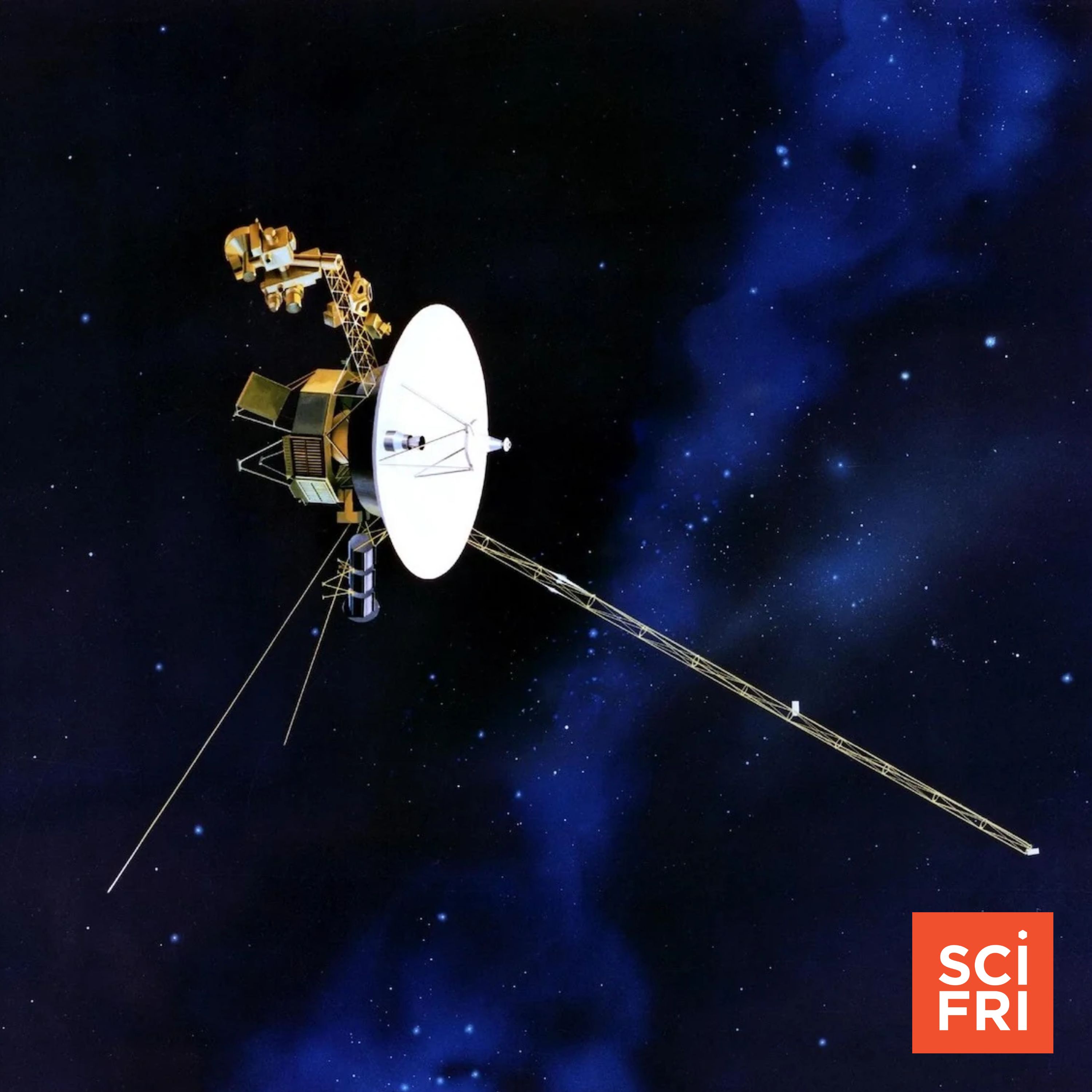
On November 18, the Voyager 1 spacecraft reached a cosmic milestone (https://www.sciencefriday.com/segments/voyager-1-is-a-full-light-day-away/), passing one light-day in distance from Earth, over 16 billion miles. That means that any transmission to or from Voyager takes a full 24 hours to arrive. NASA’s Jennifer Rocca joins Ira Flatow to mark the achievement, and look back on the legacy of the nearly 50-year flight of Voyager 1. Then, in an archival interview (https://www.sciencefriday.com/segments/are-we-there-yet-voyager-1-finally-answers-yes/) from 2013, Ira talks about the mission with the late Ed Stone, who managed the Voyager project for 50 years. Guest: Jennifer Rocca is NASA JPL deputy division manager for astrophysics flight projects. Transcripts for each episode are available within 1-3 days at sciencefriday.com (https://www.sciencefriday.com/segments/voyager-1-is-a-full-light-day-away/). Got a science question that’s keeping you up at night? Call us: 877-472-4374 Hosted by
The term “mommy brain” has been popularized to describe a range of changes people experience (https://www.sciencefriday.com/segments/neuroscience-behind-mommy-brain/) during pregnancy and postpartum. They can include forgetfulness and brain fog, or larger personality changes, like a sudden fear of heights or increased paranoia. But how much of this can be tied to changes in the brain? And what happens to the brains of parents who haven’t given birth themselves? Neuroscientist Susana Carmona studies brain changes in pregnancy and parenthood. She joins Flora to talk about what she’s learned, and her new book, “A Mother’s Brain.” (https://bookshop.org/a/18570/9780262054782) Read an excerpt from “A Mother's Brain: The New Science of the Neuro-Maternal Revolution” (https://www.sciencefriday.com/articles/a-mothers-brain-book-excerpt/) Guest: Dr. Susana Carmona is a neuroscientist and author of “A Mother’s Brain: The New Science of the Neuro-Maternal Revolution.” She’s based in Madrid, Spain.
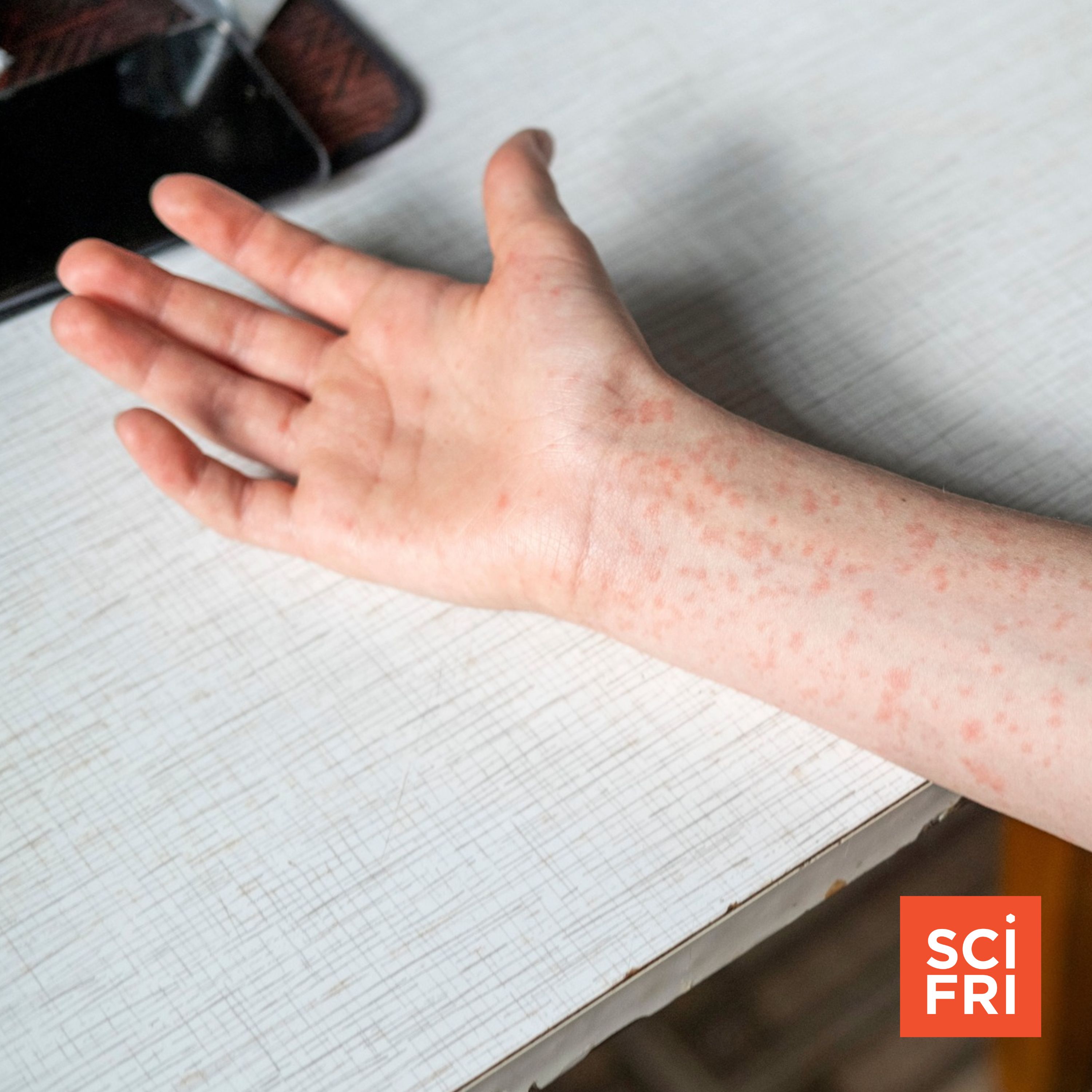
There have been over 5,400 measles cases in the U.S. this year. And on November 17, the Pan American Health Organization declared that the United States has lost its measles elimination status (https://www.sciencefriday.com/articles/us-loses-measles-elimination-status-vaccine-misinformation/). For the first time in 26 years, the virus is endemic. Flora talks with public health reporter Amy Maxmen about what this means going forward. Then, we get into a lesser known effect of the disease. After measles vaccines were introduced in the 1960s, scientists noticed that other childhood infection rates dropped too. In the past few years, infectious disease researchers have figured out (https://www.sciencefriday.com/segments/measles-endemic-in-united-states/) what was going on. The measles virus can wipe out your immune memory—an effect called immune amnesia. The vaccine may not just protect against measles, but also from your immune system losing its ability to remember other viruses. Flora ta
Customers should receive clear explanations when a company cannot provide its promised service.
Share your view, then see how readers voted. No sign-in required. This poll is shared across stories.
Do you agree or disagree?
Common Quandary
A Common Quandary to discuss
Another conversation to explore, separate from this news story.
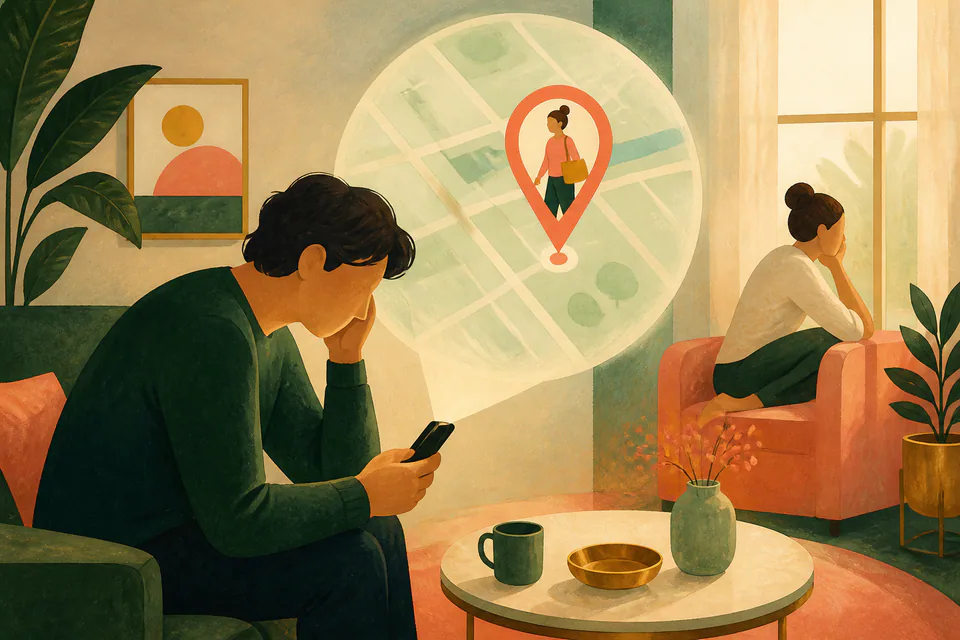
Your partner checks your location whenever you reply slowly. Is that caring or creepy?
A couple shares live phone locations for convenience and safety. One partner begins checking the map whenever a message goes unanswered, even though they have never agreed on when checking is appropriate.
Does granting access also grant permission to monitor?