English-language podcasts

Science Friday

How many plants touch your life every day?
19 min

Listen through the publisher, then discuss the episode here or arrange an in-person Roundtable. Your city determines where to meet.

Roundtables are designed for groups of four, with a shared subject and room for everyone to speak. Come for discussion, with no dating expectation.

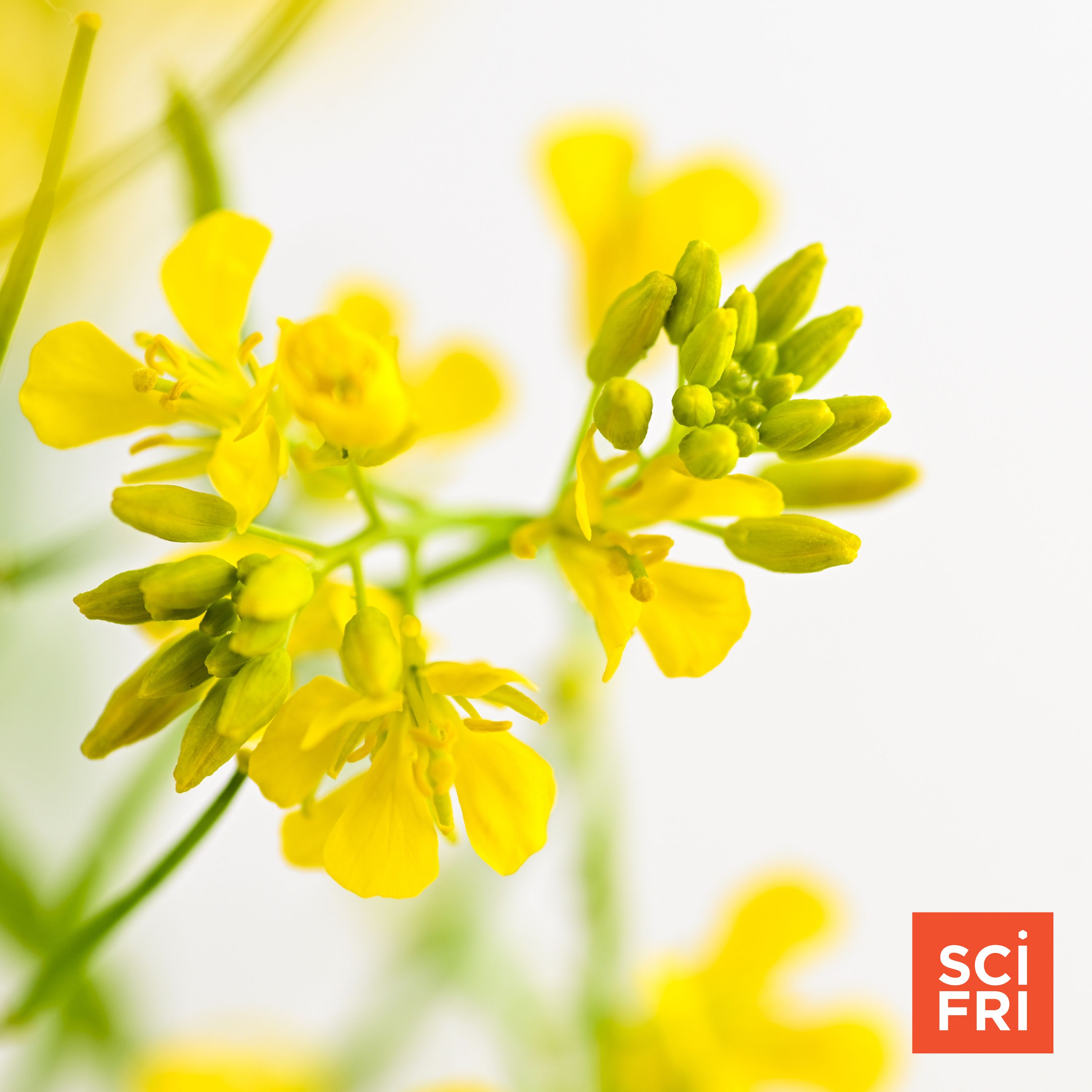
Ever think about all the plants that touch your world every day? From the cotton sheets on your bed and coffee beans in your cup, to the paper on your desk and the flower on the windowsill? Not to mention all the plants that produce the oxygen we breathe. Even though we encounter plants everywhere (https://www.sciencefriday.com/segments/plants-in-daily-life/), there’s still a lot to learn. Dr. Lúcia Lohmann, head of the Missouri Botanical Garden, joined Host Ira Flatow on stage at a live event in St. Louis to speak about our daily connections to the plants that make up our world. She’s part of a global effort to preserve the world’s plant species, discover and identify new ones, and explore their properties. Guest: Dr. Lúcia Lohmann is president and director of the Missouri Botanical Garden, and the George Engelmann Professor of Botany at Washington University in St. Louis. Transcripts for each episode are available within 1-3 days at sciencefriday.com (https://www.sciencefriday.com/segments/plants-in-daily-life/). Got a science question that’s keeping you up at night? Call us: 877-472-4374 Hosted by Simplecast, an AdsWizz company.

Episode information is provided by the publisher. Listening takes place on the publisher’s service.

Listen at the source ↗

Featured places to meet in Palo Alto, CA

Explore these places and arrange a conversation through ThinkMatch.

City guide for Palo Alto, CA

More from Science Friday

Science Friday

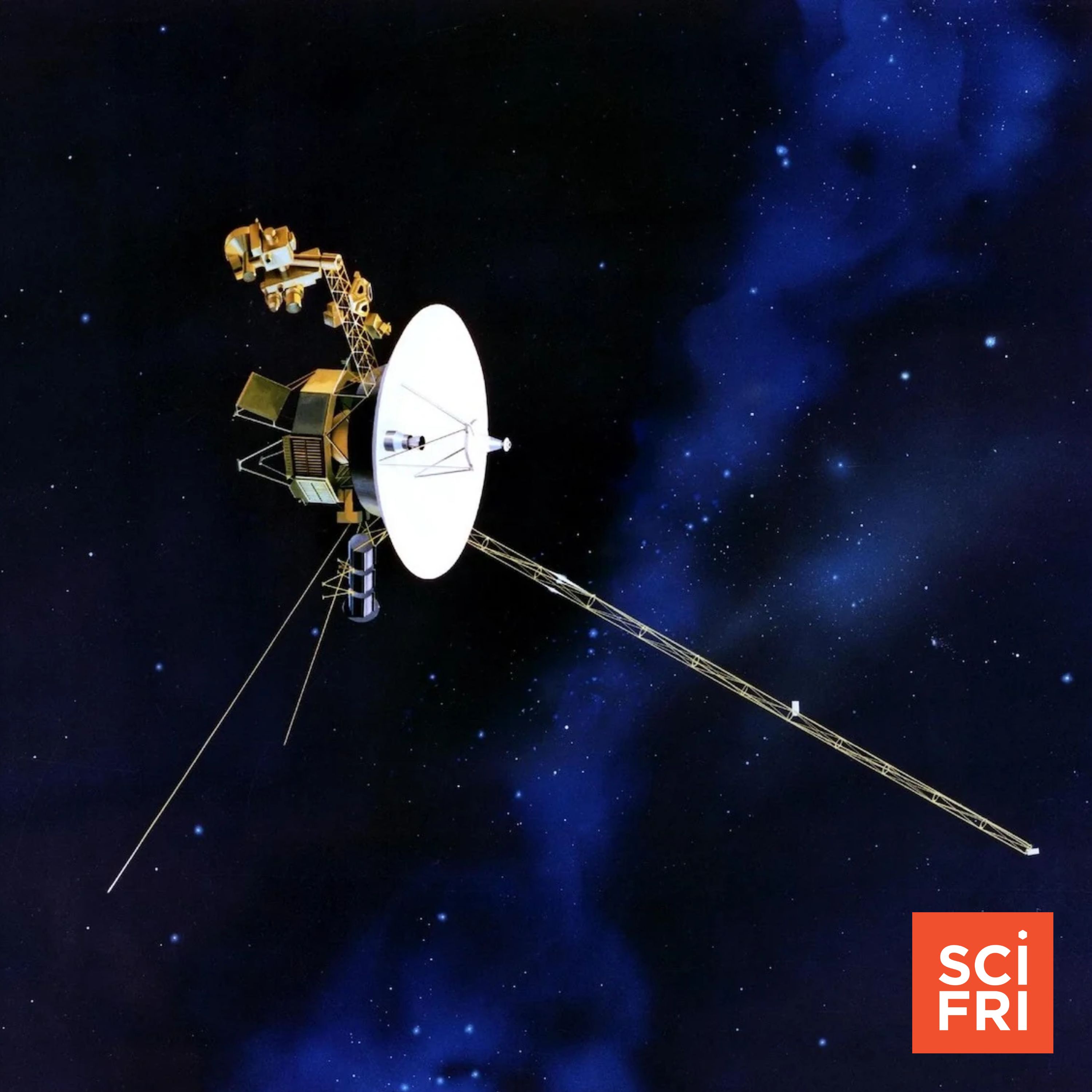
Voyager 1 is a full light-day away, and still going

14 min

On November 18, the Voyager 1 spacecraft reached a cosmic milestone (https://www.sciencefriday.com/segments/voyager-1-is-a-full-light-day-away/), passing one light-day in distance from Earth, over 16 billion miles. That means that any transmission to or from Voyager takes a full 24 hours to arrive. NASA’s Jennifer Rocca joins Ira Flatow to mark the achievement, and look back on the legacy of the nearly 50-year flight of Voyager 1. Then, in an archival interview (https://www.sciencefriday.com/segments/are-we-there-yet-voyager-1-finally-answers-yes/) from 2013, Ira talks about the mission with the late Ed Stone, who managed the Voyager project for 50 years. Guest: Jennifer Rocca is NASA JPL deputy division manager for astrophysics flight projects. Transcripts for each episode are available within 1-3 days at sciencefriday.com (https://www.sciencefriday.com/segments/voyager-1-is-a-full-light-day-away/). Got a science question that’s keeping you up at night? Call us: 877-472-4374 Hosted by

Discuss this episode

Science Friday

The neuroscience behind ‘mommy brain’

20 min

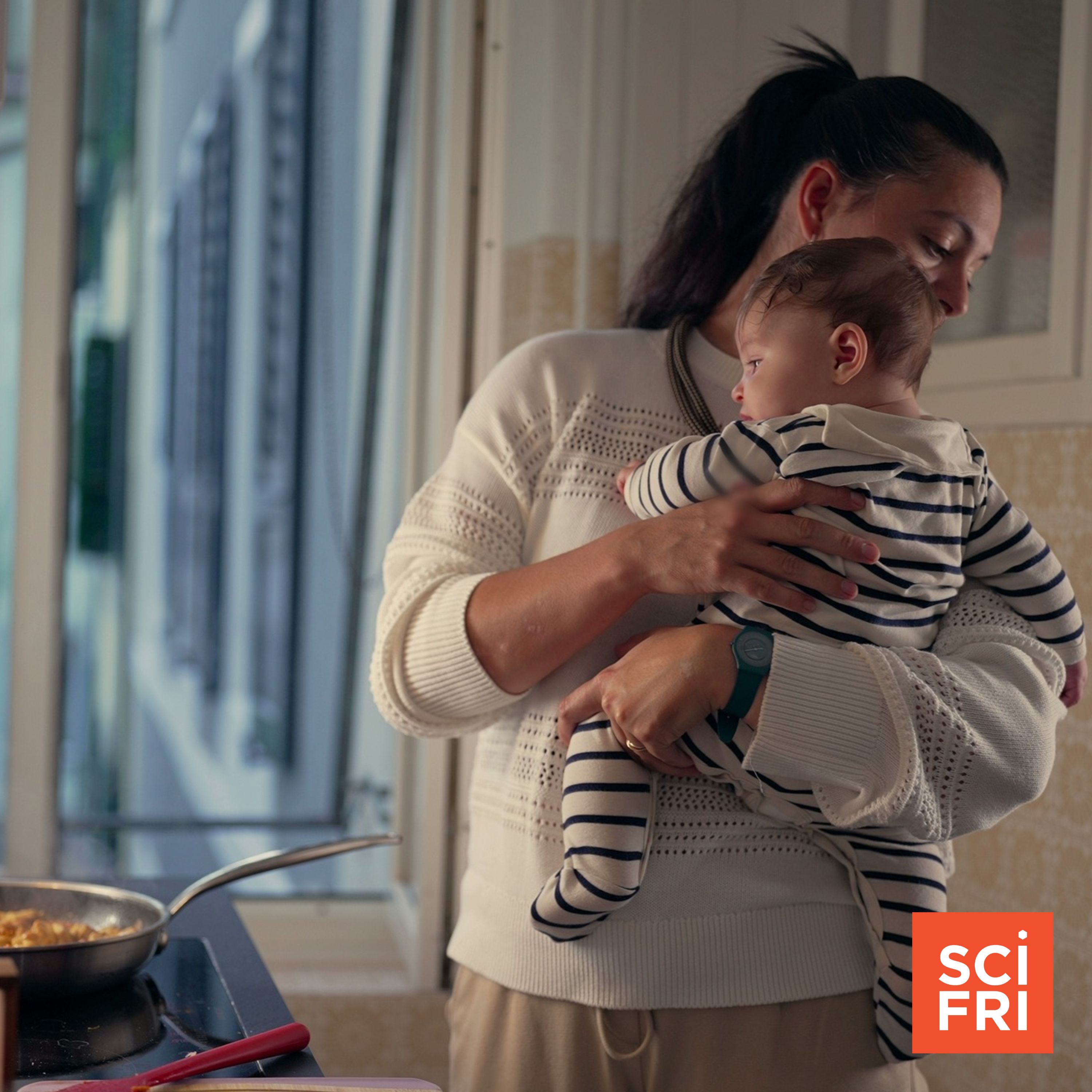
The term “mommy brain” has been popularized to describe a range of changes people experience (https://www.sciencefriday.com/segments/neuroscience-behind-mommy-brain/) during pregnancy and postpartum. They can include forgetfulness and brain fog, or larger personality changes, like a sudden fear of heights or increased paranoia. But how much of this can be tied to changes in the brain? And what happens to the brains of parents who haven’t given birth themselves? Neuroscientist Susana Carmona studies brain changes in pregnancy and parenthood. She joins Flora to talk about what she’s learned, and her new book, “A Mother’s Brain.” (https://bookshop.org/a/18570/9780262054782) Read an excerpt from “A Mother's Brain: The New Science of the Neuro-Maternal Revolution” (https://www.sciencefriday.com/articles/a-mothers-brain-book-excerpt/) Guest: Dr. Susana Carmona is a neuroscientist and author of “A Mother’s Brain: The New Science of the Neuro-Maternal Revolution.” She’s based in Madrid, Spain.

Discuss this episode

Science Friday

Measles is now endemic in the US. Here’s how it erases immunity

19 min

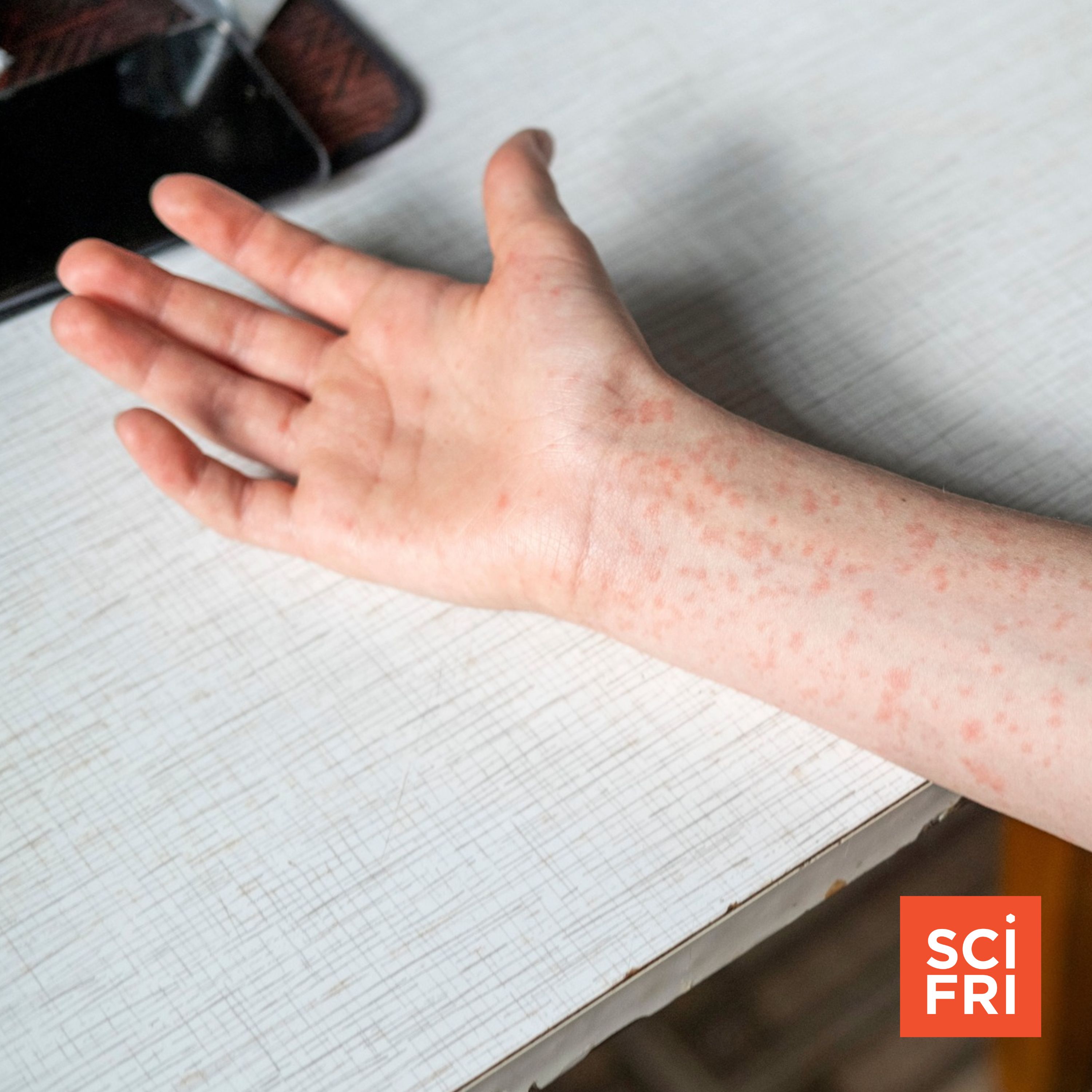
There have been over 5,400 measles cases in the U.S. this year. And on November 17, the Pan American Health Organization declared that the United States has lost its measles elimination status (https://www.sciencefriday.com/articles/us-loses-measles-elimination-status-vaccine-misinformation/). For the first time in 26 years, the virus is endemic. Flora talks with public health reporter Amy Maxmen about what this means going forward. Then, we get into a lesser known effect of the disease. After measles vaccines were introduced in the 1960s, scientists noticed that other childhood infection rates dropped too. In the past few years, infectious disease researchers have figured out (https://www.sciencefriday.com/segments/measles-endemic-in-united-states/) what was going on. The measles virus can wipe out your immune memory—an effect called immune amnesia. The vaccine may not just protect against measles, but also from your immune system losing its ability to remember other viruses. Flora ta

Discuss this episode

Community Poll

Independent oversight bodies need real investigatory powers, not only advisory roles.

Share your view, then see how readers voted. No sign-in required. This poll is shared across stories.

Do you agree or disagree?

Choose one answer

Common Quandary

A Common Quandary to discuss

Another conversation to explore, separate from this news story.

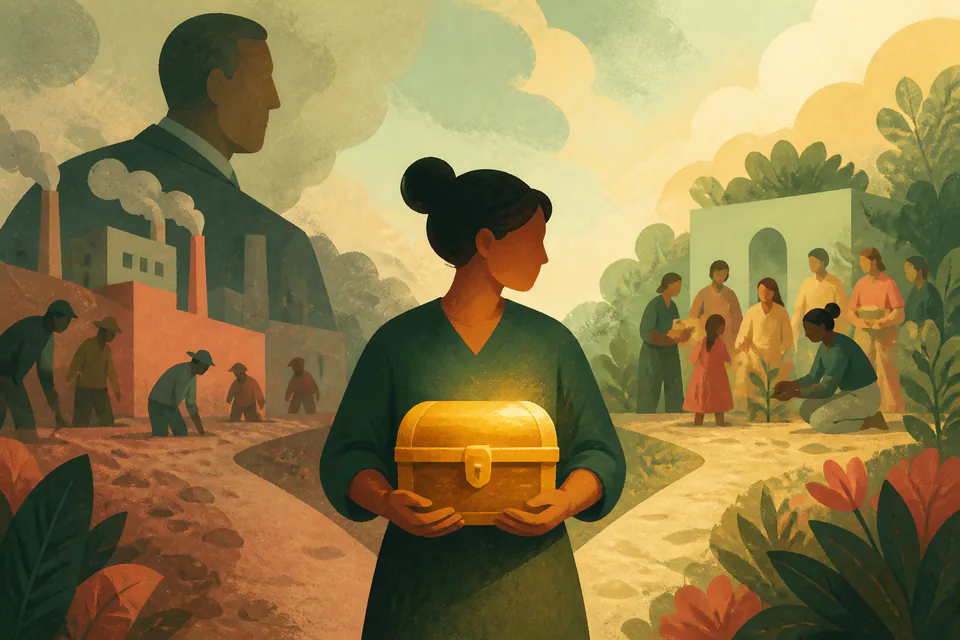
You inherit a fortune made in ways you despise. Can you keep it?

You inherit a substantial sum from a relative who accumulated it through practices you consider exploitative. Keeping it would improve your family's security; donating it could support people harmed by similar practices.

Can ownership be morally clean when its history is not?

Explore this quandary