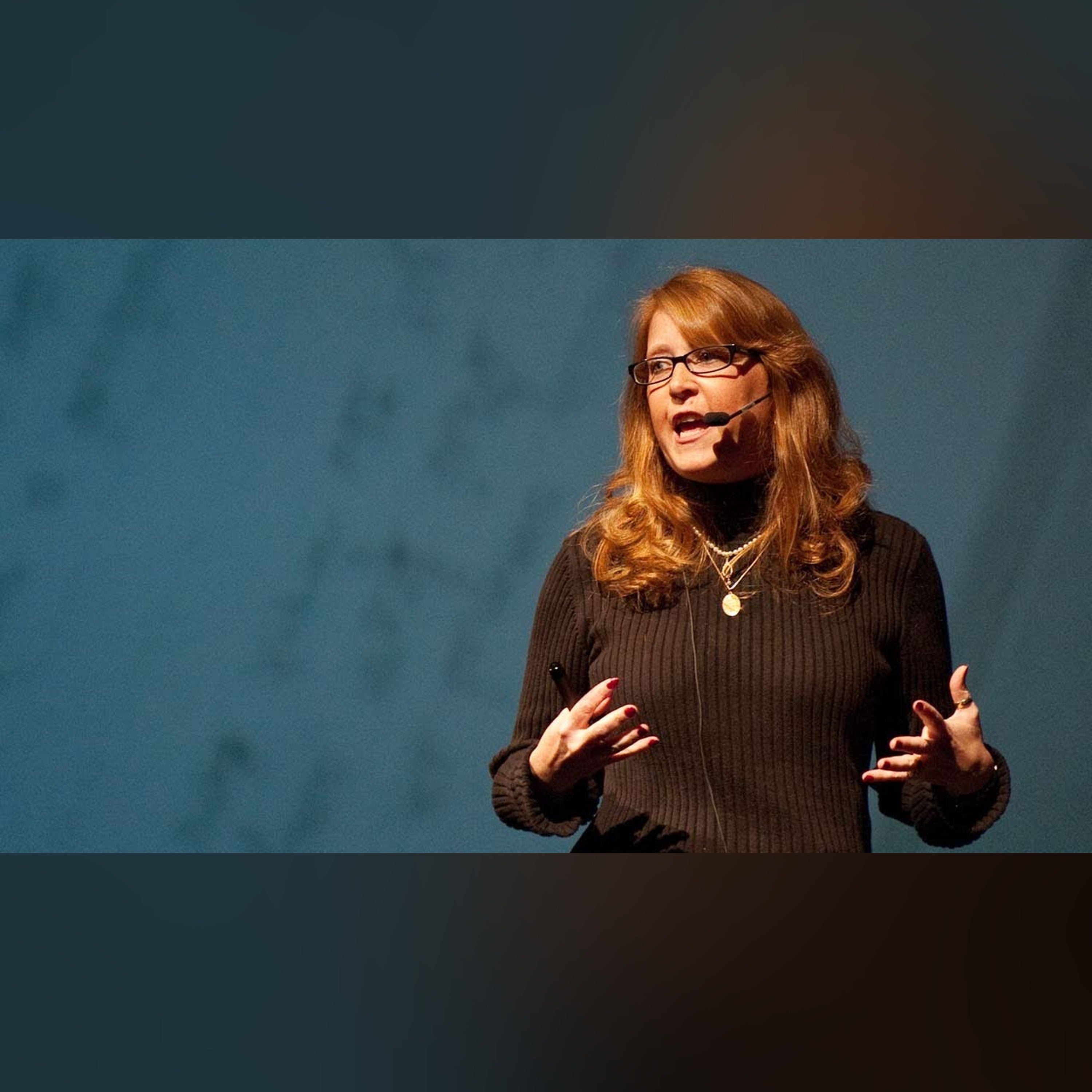
In her talk, Ali Carr-Chellman pinpoints three reasons boys are tuning out of school in droves, and lays out her bold plan to re-engage them: bringing their culture into the classroom, with new rules that let boys be boys, and video games that teach as well as entertain. (Filmed at TEDxPSU.) Uploaded 15-08-13 Talk by Ali Carr-Chellman.
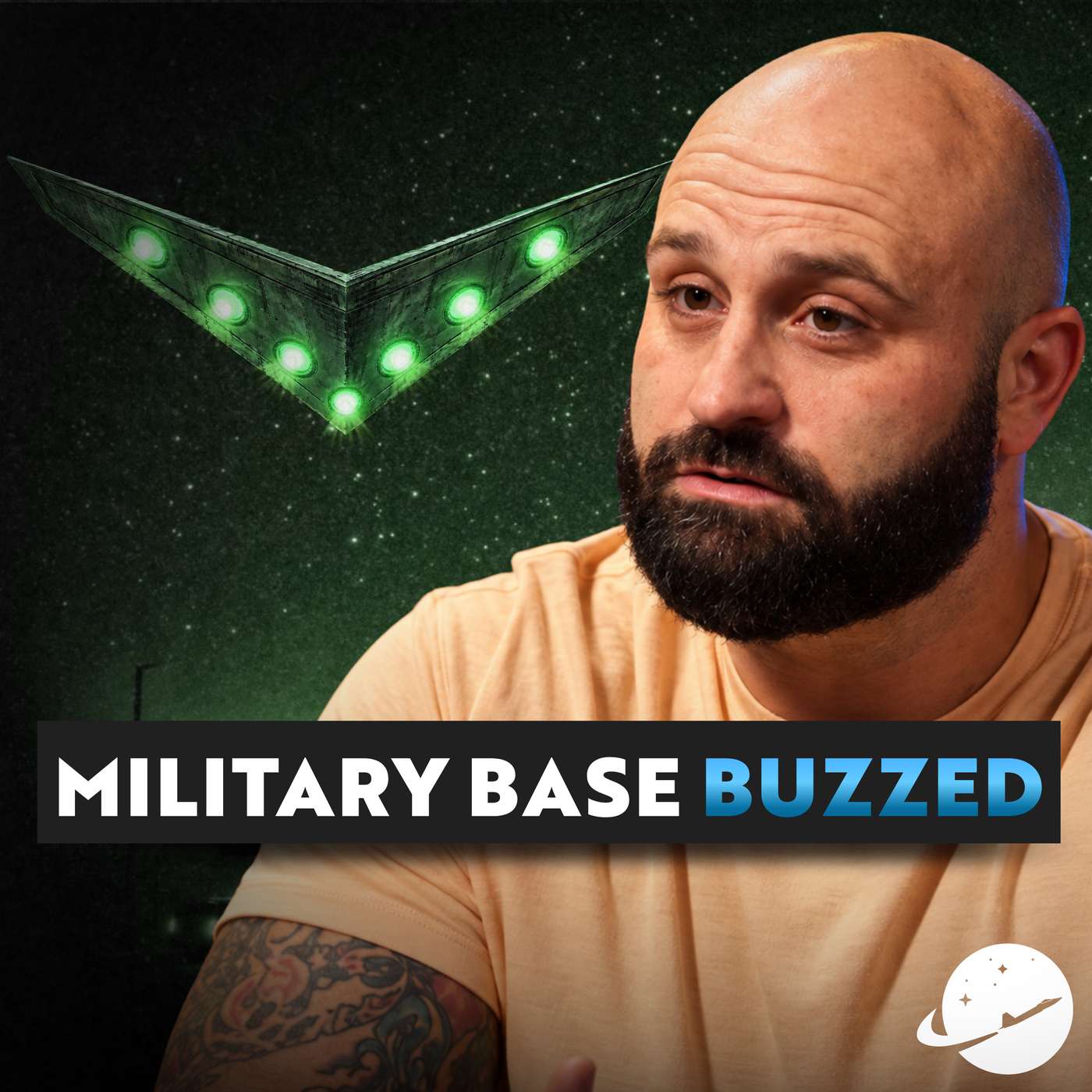
Through night-vision goggles, Logan Labby says he saw a large, silent V-shaped object over Schriever Air Force Base. When he lowered the goggles, he could no longer see it. In spring 2008, Logan was serving in Air Force Security Forces near Colorado Springs. He recalls that two fellow airmen also viewed the object through the goggles, yet none of them reported it that night. He says they feared what reporting a UFO might mean for their security clearances. Logan joins me to describe the sighting, explain why he stayed silent, and discuss what eventually led him to come forward to Americans for Safe Aerospace and speak with the FBI. He does not claim to know what the object was. Looking back, he considers the decision not to report it a security failure. His account raises a practical question: what would help service members report unusual observations without fearing for their careers? To report a sighting or learn about ASA’s work, visit SafeAerospace.org (https://safeaerospace.org/)
What does it mean to look inside the very fabric of the universe? This week on Inside Science, Tom Whipple enters the zeptoverse with particle physicist Harry Cliff, exploring a world a billion trillionth of a metre across, where scientists hope to find answers to some of the biggest mysteries in physics. And in our new weekly series, we explore the changing relationship between artificial intelligence and the things we hold dear. This week, Stuart Manley, the co-owner of Barter Books in Alnwick describes why his bookshop has been receiving some rather unusual orders. Plus, Penny Sarchet from the New Scientist joins us with the latest science news. BBC Inside Science is produced in partnership with The Open University. Presenter: Tom Whipple Producers: Harrison Lewis, Katie Tomsett, Tabitha Taylor Buck Editor: Martin Smith Production Co-ordinators: Jana Bennett-Holesworth and Owain Llion
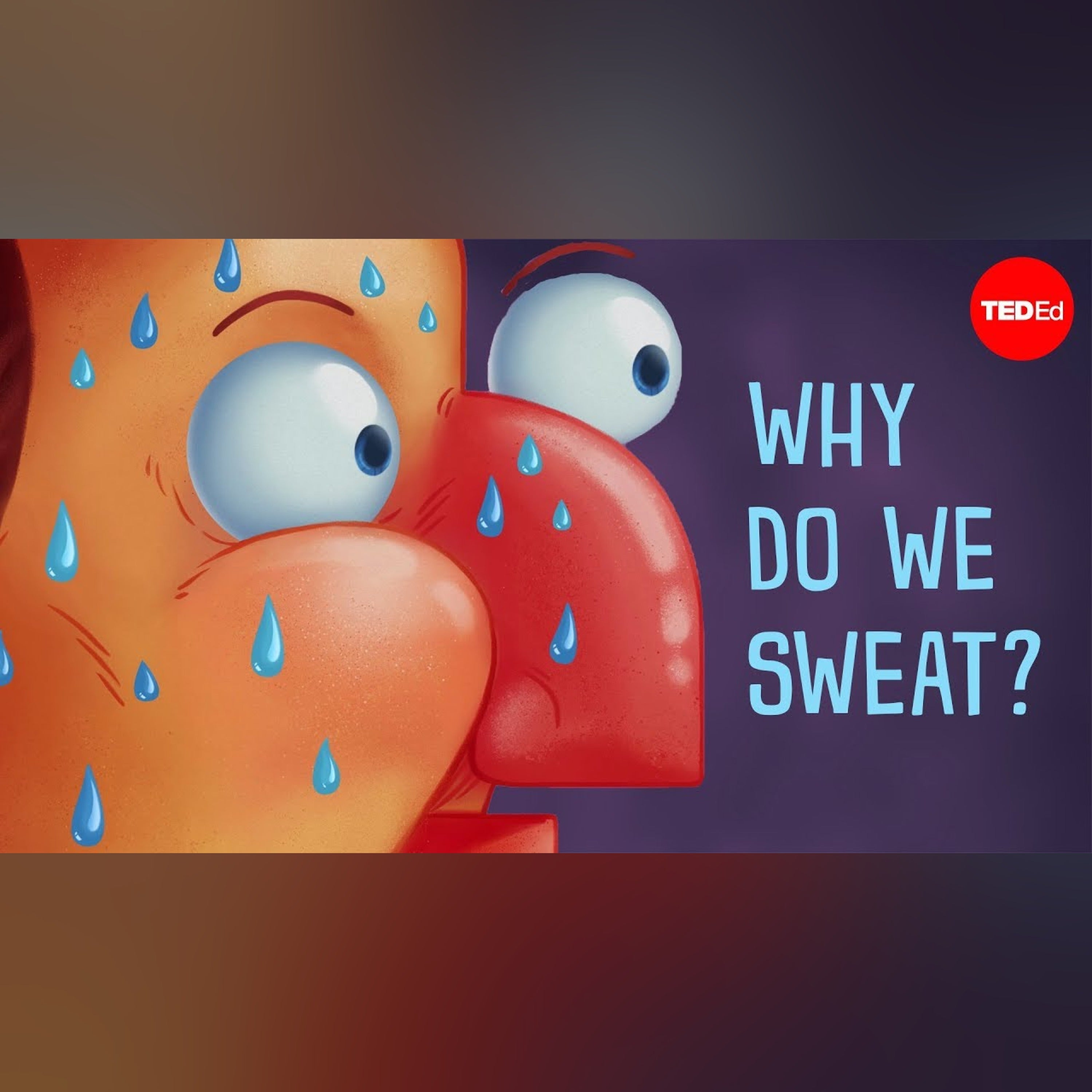
Uploaded 15-05-18 View full lesson: https://ed.ted.com/lessons/why-do-we-sweat-john-murnan There are a number of scenarios that can make us sweat–including exercise, eating spicy foods, and nervousness. But how does this substance suddenly materialize, and what exactly is its purpose? John Murnan explores the science behind sweat. Lesson by John Murnan, directed by Dogzilla Studio. Thank you so much to our patrons for your support! Without you this video would not be possible. Exal Enrique Cisneros Tuch, Ana Maria, Vignan Velivela, Ibel Wong, Ahmad Hyari, A Hundred Years, eden sher, Travis Wehrman, Minh Tran, Louisa Lee, Kiara Taylor, Hoang Viet, Nathan A. Wright, Jast3r, Аркадий Скайуокер, Milad Mostafavi, Rob Johnson, Ashley Maldonado, Clarence E. Harper Jr., Bojana Golubovic, Mihail Radu Pantilimon, Benedict Chuah, Karthik Cherala, haventfiguredout, Violeta Cervantes, Elaine Fitzpatrick, Lyn-z Schulte, cnorahs, Henrique 'Sorín' Cassús, Tim Robinson, Kiarash Asar, Jun Cai, Paul Schne
Infectious disease has affected the human species for as long as we’ve existed, but in that time we’ve come a long way in understanding what they are and how they spread. In this episode of Crash Course Outbreak Science, we’ll introduce some of the core concepts that will help us throughout this series as we discover the effects of infectious disease, from the microscopic, to the societal level. Thanks for watching this episode of Crash Course Outbreak Science, which was produced by Complexly in partnership with Operation Outbreak and the Sabeti Lab at the Broad Institute of MIT and Harvard—with generous support from the Gordon and Betty Moore Foundation. If you want to help keep Crash Course free for everyone, forever, you can join our community on Patreon. Sources: https://www.ncbi.nlm.nih.gov/books/NBK27114/#:~:text=Pathogenic%20organisms%20are%20of%20five,as%20shown%20schematically%20in%20Fig. (https://www.ncbi.nlm.nih.gov/books/NBK27114/) *** Watch our videos and review your learn
If you were given a chemical and told to identify it, how would you go about doing that? You could look at different factors like color, boiling point, melting point, or smell, but the answer still might not be clear. Thankfully, today we have a more precise, higher-tech way of identifying chemicals called Nuclear Magnetic Resonance, or NMR. In this episode of Crash Course Organic Chemistry, we’ll look at how NMR allows us to visualize a molecule as a spectrum, and what the peaks on the spectrum tell us about the structure of the molecule. Episode Sources: Mahdi, J. G. (2010). Medicinal potential of willow: A chemical perspective of aspirin discovery. Journal of Saudi Chemical Society, 14(3), 317-322. Dempsey, D.A., Klessig, D.F. How does the multifaceted plant hormone salicylic acid combat disease in plants and are similar mechanisms utilized in humans?. BMC Biol 15, 23 (2017). https://doi.org/10.1186/s12915-017-0364-8 Still, W. C., Kahn, M., & Mitra, A. (1978). Rapid chromatographic
What does it mean for a river to be a person? An ancestor, even? In this episode of Crash Course Religions, we’ll learn how Indigenous religious traditions’ emphasis on place, kinship, and diverse spirits challenge the dominant assumptions of the Western worldview. Introduction: The Whanganui River 00:00 Indigenous Religion? 00:55 Indigenous Beliefs 03:27 Kinship 05:18 The Importance of Place 06:24 Law & Resistance 07:27 Review & Credits 10:37 *** Support us for $5/month on Patreon to keep Crash Course free for everyone forever! https://www.patreon.com/crashcourse Or support us directly: https://complexly.com/support Join our Crash Course email list to get the latest news and highlights: https://mailchi.mp/crashcourse/email Get our special Crash Course Educators newsletter: http://eepurl.com/iBgMhY Thanks to the following patrons for their generous monthly contributions that help keep Crash Course free for everyone forever: Reed Spilmann, Brandon Thomas, Emily Beazley, Forrest Langseth
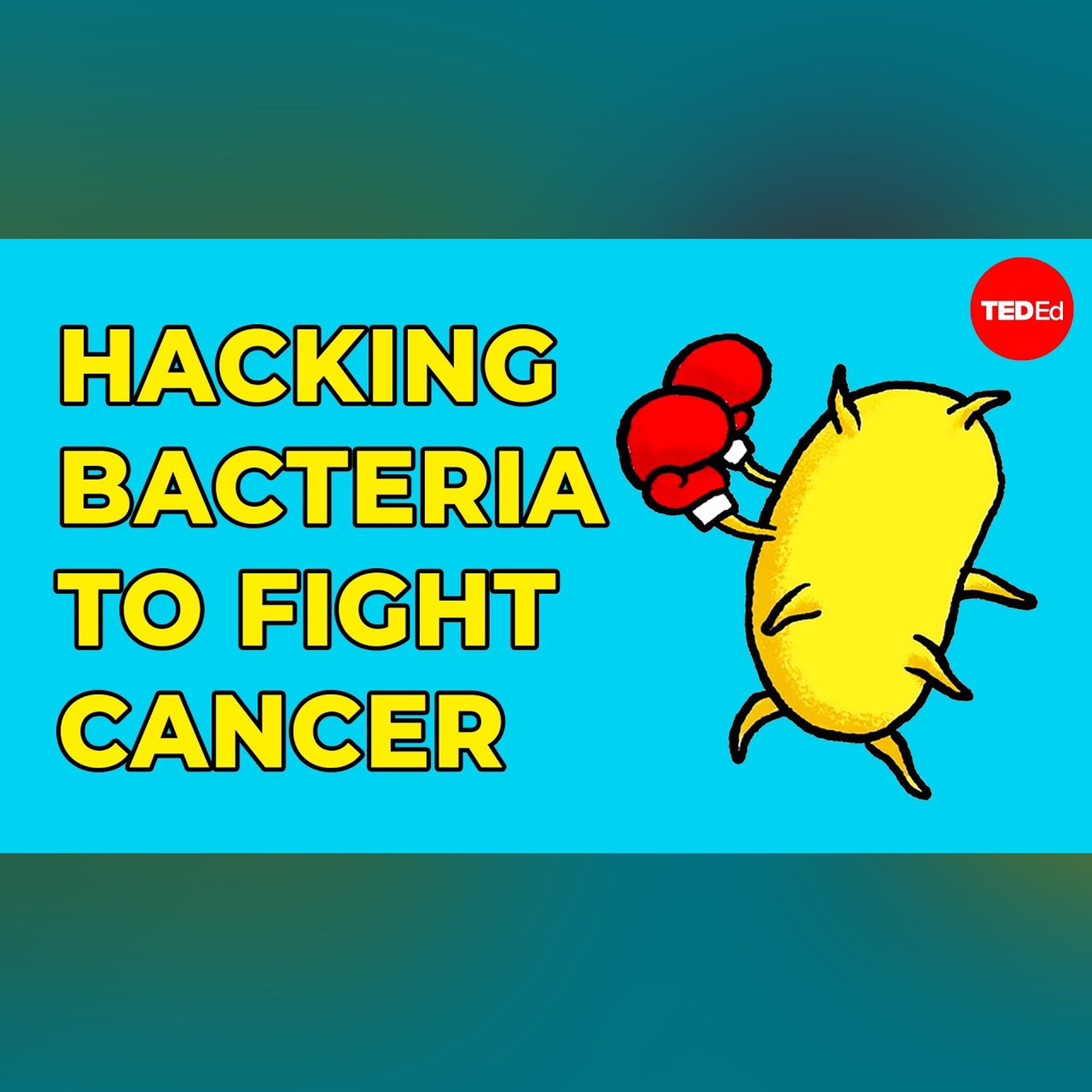
Explore how synthetic biologists are programming bacteria to fight cancer by manipulating their DNA. Uploaded 10-12-19 -- In 1884, an unlucky patient who had a rapidly growing cancer in his neck came down with an unrelated bacterial skin infection. As he recovered from the infection, the cancer surprisingly began to recede. The infection had stimulated the patient’s immune system. Today, synthetic biologists program bacteria to safely deliver drugs directly to tumors. How is this possible? Tal Danino investigates. Lesson by Tal Danino, directed by Chris Bishop. Animator's website: https://www.chrisbishopartist.com (https://www.chrisbishopartist.com/) Sign up for our newsletter: http://bit.ly/TEDEdNewsletter Support us on Patreon: http://bit.ly/TEDEdPatreon Find us on Twitter: http://bit.ly/TEDEdTwitter Peep us on Instagram: http://bit.ly/TEDEdInstagram View full lesson: https://ed.ted.com/lessons/hacking-bacteria-to-fight-cancer-tal-danino Thank you so much to our patrons for your supp
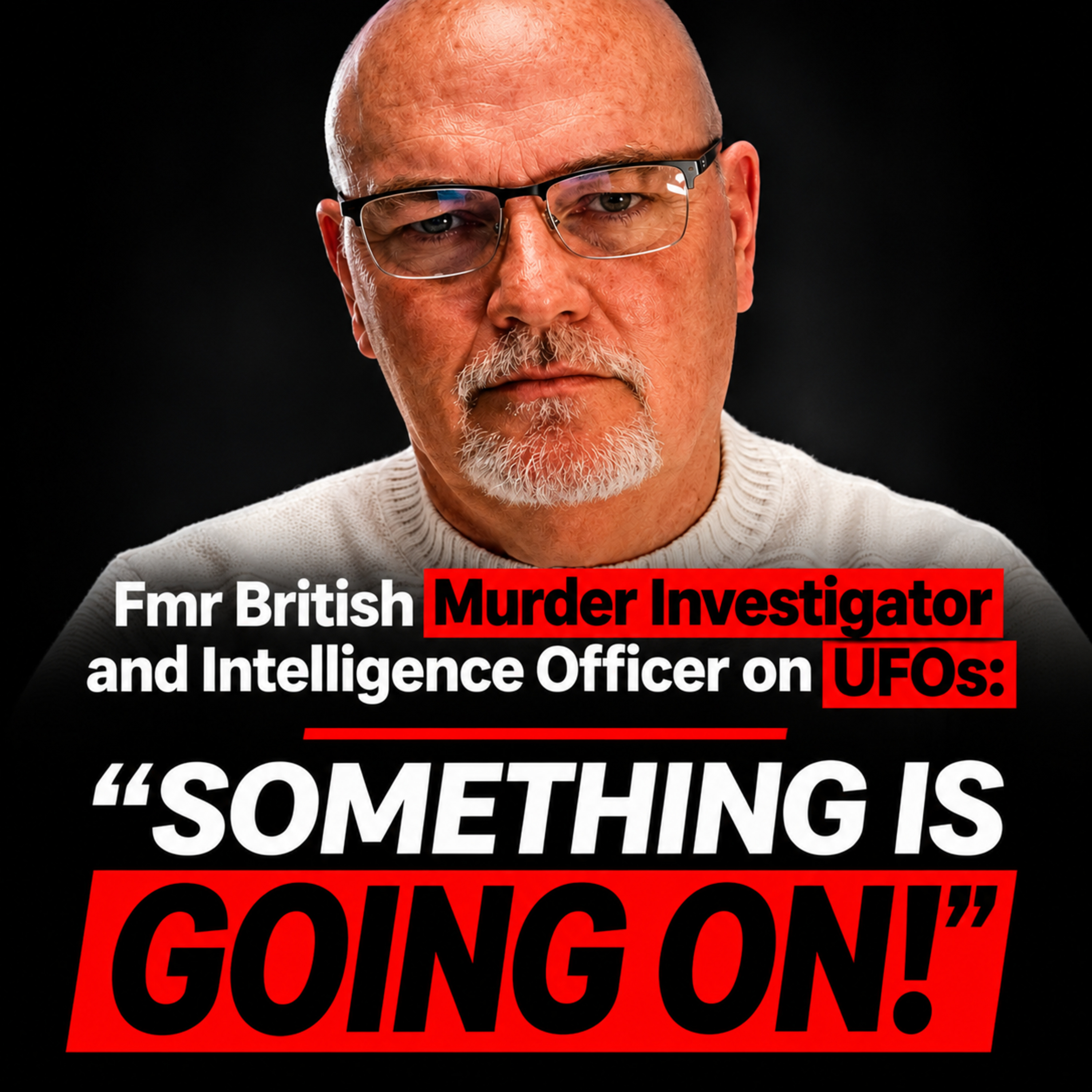
UAP Files Podcast S4|42 Check out OpenVeils: http://openveils.com/UAPfiles What happens when a highly experienced British murder detective turns his investigative skills towards one of the most mysterious incidents in recent British military history? In this episode of the UAP Files Podcast, I'm joined by Mike Morgan, a former British murder investigator, senior investigating officer and intelligence officer with around 30 years of experience investigating some of the most serious and complex criminal cases. Mike has turned his attention to the extraordinary events of November 2024, when unidentified objects were reported operating over several US-operated military installations in the UK, including RAF Lakenheath. Rather than relying on speculation, Mike has applied the same investigative discipline he developed throughout his policing career, using extensive Freedom of Information Act (FOIA) requests, official correspondence and careful examination of the available evidence to scruti
Episode 409 COP31 is about to take place against the backdrop of a year of accelerating climate disasters, plus a record breaking October and confirmation that we’ve exceeded the Paris climate agreement. This year's UN climate meeting isn’t planned to be a big one, but will be essential in ironing out a lot of the unresolved agreements made at last year’s meeting in Brazil. But as people continue to question the value of the COP process, can these summits move the needle or do they need major reform? To discuss what we can expect and whether COP is still effective, Rowan Hooper is joined by environment reporter Madeleine Cuff and Mark Maslin, professor of Earth System Science at University College London. To read more about these stories, visit https://www.newscientist.com (https://www.newscientist.com/)/ Image Credits: COP 30: hlcchampions, CC BY 4.0, via Wikimedia Commons COP 21: Guilhem Vellut from Paris, France, CC BY 2.0, via Wikimedia Commons
In which John Green teaches you about the roots of the American Revolution. The Revolution did not start on July 4, 1776. The Revolutionary War didn't start on July 4 either. (as you remember, I'm sure, the Revolution and the Revolutionary War are not the same thing) The shooting started on April 19, 1775, at Lexington and/or Concord, MA. Or the shooting started with the Boston Massacre on March 5, 1770. At least we can pin down the Declaration of Independence to July 4, 1776. Except that most of the signers didn't sign until August 2. The point is that the beginning of the Revolution is very complex and hard to pin down. John will lead you through the bramble of taxes, royal decrees, acts of parliament, colonial responses, and various congresses. We'll start with the end of the Seven Years' War, and the bill that the British ran up fighting the war. This led to taxes on colonial trade, which led to colonists demanding representation, which led to revolution. It all seems very complica
Now that we've talked about your blood vessels, we're going to zoom in a little closer and talk about your blood itself. We'll start by outlining the basic components of blood -- including erythrocytes, leukocytes, platelets, and plasma -- as well as the basic process of hemostasis that stops bleeding, and how antigens are responsible for the blood type that you have. By the end of this episode, you should be totally prepared for your next blood drive. Pssst... we made flashcards to help you review the content in this episode! Find them on the free Crash Course App! Download it here for Apple Devices: https://apple.co/3d4eyZo Download it here for Android Devices: https://bit.ly/2SrDulJ Chapters: Introduction: Let's Talk Blood 00:00 How Blood Donation Works 2:00 Blood Components: Erythrocytes, Leukocytes, Platelets, and Plasma 3:00 Plasma - Electrolytes 3:38 Plasma Proteins 4:03 Hemostasis: How Bleeding Works 4:30 Antigens & Blood Types 6:21 Review 9:05 Credits 9:32 *** Crash Course is
What does it mean to be Jewish? Is it being part of a religion, a people, a culture, a nation? All of the above? In this episode of Crash Course Religions, we’ll uncover how Jewish identity has been shaped by centuries of debate and deliberation. Introduction: Shabbat Toothbrushes 00:00 The Many Versions of Judaism 01:01 The Written Torah 03:49 Zionism 05:51 The Oral Torah & the Talmud 07:00 Branches of Judaism 09:46 Review & Credits 12:08 *** Support us for $5/month on Patreon to keep Crash Course free for everyone forever! https://www.patreon.com/crashcourse Or support us directly: https://complexly.com/support Join our Crash Course email list to get the latest news and highlights: https://mailchi.mp/crashcourse/email Get our special Crash Course Educators newsletter: http://eepurl.com/iBgMhY Thanks to the following patrons for their generous monthly contributions that help keep Crash Course free for everyone forever: Reed Spilmann, Brandon Thomas, Emily Beazley, Forrest Langseth, Ri
In the first of three consecutive walks in Northern Ireland, Clare explores a stretch of the Columban Way in County Down, from Newcastle to Dundrum. Leading the way are Brigid Watson, Deborah Girvan and Charlie Reid, who are all members of the Friends of Columbanus Bangor. This group has helped develop the Northern Irish stretch of this extraordinary European Camino which starts in County Carlow and ends in Bobbio in northern Italy. Otherwise known as the Via Columbani, this route celebrates the life of the Irish Saint Columbanus. He was a 6th-century monk and pilgrim who left Ireland with 12 companions, spreading and reforming Christianity across the continent of Europe. Brigid, who changed tack in later life to set up her own tour-guide business Sustainable Journeys Ireland, also shares stories of the stranding of the SS Great Britain in Dundrum Bay in 1846; and of Sir Hans Sloane, born in County Down in 1660, whose collections formed the basis of the British Museum. They met outside
View full lesson: http://ed.ted.com/lessons/mining-literature-for-deeper-meanings-amy-e-harter Writing a great English paper can be tough because literature doesn't always reveal its deeper meanings immediately. You might not know Mr. Darcy's true feelings for Elizabeth Bennett in Jane Austen's "Pride and Prejudice" or grasp the complex moral universe of Toni Morrison's "Beloved" at first reading. Amy E. Harter offers a few tips on how to read and write more critically and thoughtfully. Lesson by Amy E. Harter, animation by The Leading Sheep Studios.
Hank gives us a tour of the most important table ever, including the life story of the obsessive man who championed it, Dmitri Mendeleev. The periodic table of elements is a concise, information-dense catalog of all of the different sorts of atoms in the universe, and it has a wealth of information to tell us if we can learn to read it. Watch this video in Spanish on our Crash Course en Español channel! https://youtu.be/AmOl0v_3jsc Pssst... we made flashcards to help you review the content in this episode! Find them on the free Crash Course App! Download it here for Apple Devices: https://apple.co/3d4eyZo Download it here for Android Devices: https://bit.ly/2SrDulJ Table of Contents Dmitri Mendeleev - 0:45 Mendeleev's Organization of the Periodic Table - 2:31 Relationships in the Periodic Table - 5:03 Why Mendeleev Stood Out from his Colleagues - 7:09 How the Periodic Table Could be Improved - 8:28 More info about the cylindrical periodic table of elements: http://www.av8n.com/physics/
Thank you to The Great Courses Plus for supporting PBS. For more information and a trial, go to http://ow.ly/zREQ30rDCDz. Picture an “animal” in your mind right now. What does it look like? A dog? A lion? Maybe a sloth, pangolin, naked mole-rat, or even just a human? There’s a good chance that you imagined a mammal, which is understandable since we are mammals after all, but there is so much more animal life out there! Today, we’re going to try to figure out what that “average” animal would really look like - its size, what it eats, how many legs it has, if it even has a head, if it flies or walks or swims, you get the idea. And what we’ll find might just surprise you, or maybe not, they’re pretty common after all! But what we’ll also discover along the way is that what we think of as average is based on what we KNOW and there is so much animal life still to be identified. So maybe if you’re watching this in five years after you’ve identified a ton of new nematode species our answer wi
Welcome to Crash Course Political Theory! Over the next 13 episodes, Ellie Anderson will introduce you to the perspectives of political thinkers past and present, and explore how political theories apply to the most burning questions of our time. We’ll compare arguments, trace the origins of contemporary theories, and develop the skills to discuss, disagree, and decide what we want society to be. Sources: https://docs.google.com/document/d/1u5zJCbVA0xCurLbQwWzcxXEdlqXAPpAyYVS1quwKIis/edit?usp=sharing *** Support us for $5/month on Patreon to keep Crash Course free for everyone forever! https://www.patreon.com/crashcourse Or support us directly: https://complexly.com/support Join our Crash Course email list to get the latest news and highlights: https://mailchi.mp/crashcourse/email Get our special Crash Course Educators newsletter: http://eepurl.com/iBgMhY Thanks to the following patrons for their generous monthly contributions that help keep Crash Course free for everyone forever: Reed
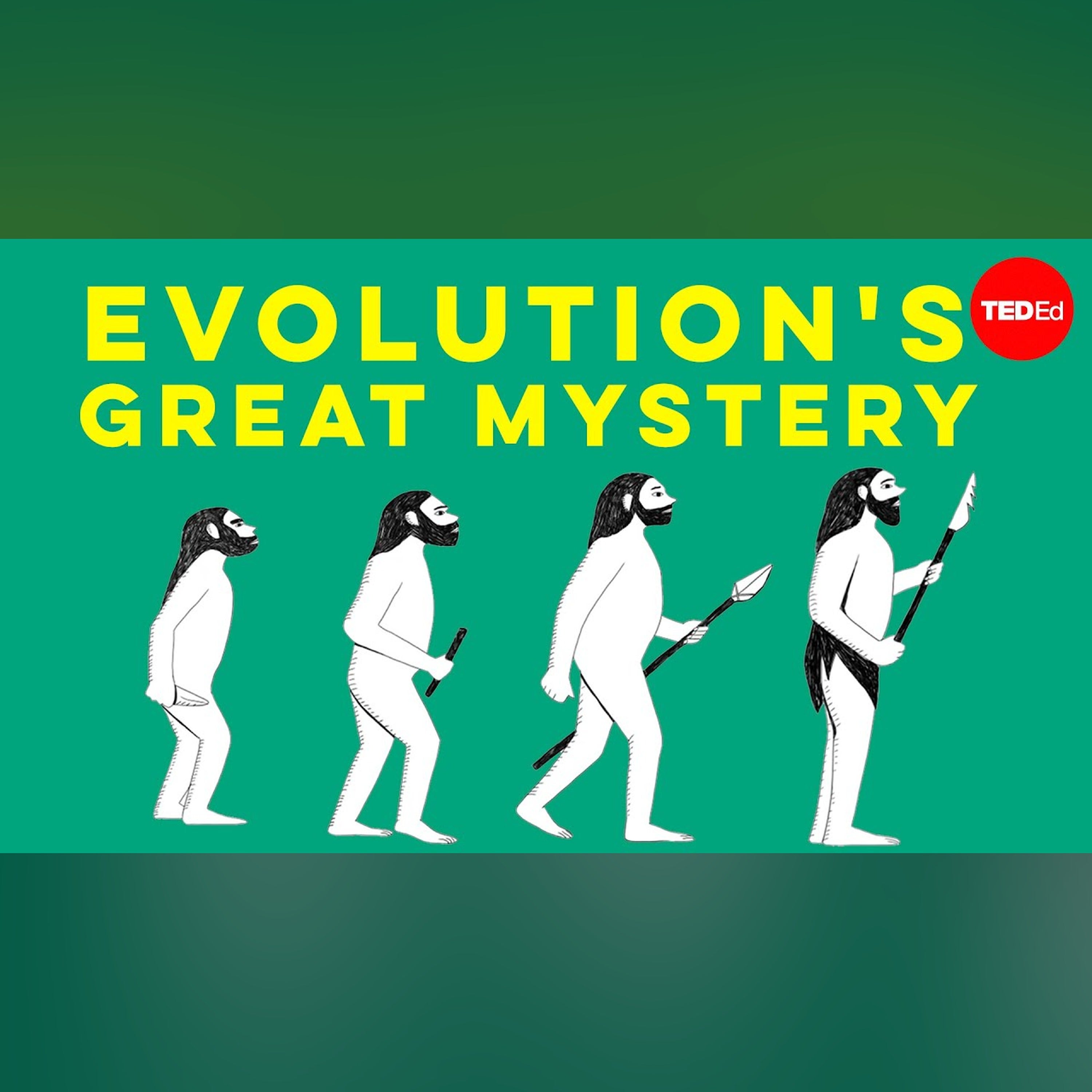
Learn how to identify, develop, and share your best ideas with TED Masterclass: http://bit.ly/tedmasterclass Uploaded 24-08-20 -- What we call language is something more specific than communication. Language is about sharing what’s in our minds: stories, opinions, questions, the past or future, imagined times or places, ideas. It is fundamentally open-ended, and can be used to say an unlimited number of things. So what does language mean for humanity, and how did we come to have it? Michael Corballis investigates. Lesson by Michael Corballis, directed by Biljana Labovic. Sign up for our newsletter: http://bit.ly/TEDEdNewsletter Support us on Patreon: http://bit.ly/TEDEdPatreon Find us on Twitter: http://bit.ly/TEDEdTwitter Peep us on Instagram: http://bit.ly/TEDEdInstagram View full lesson: https://ed.ted.com/lessons/evolution-s-great-mystery-language-michael-corballis Thank you so much to our patrons for your support! Without you this video would not be possible! Scott Gass, Ruth Fang
Have you heard about retatrutide? It's the weight loss drug everybody is talking about. People are buying it online as a research chemical, and patients ask me if I'm prescribing it (I'm not). A study in the New England Journal of Medicine shared insights into the drug, which is currently not FDA-approved. At the highest dose, people lost an average of 25% of their body weight over 80 weeks, compared with about 4% body weight for those on placebo. The area I care about most—muscle—doesn’t get much attention. In this episode, I go through the TRIUMPH-1 results, how retatrutide compares with semaglutide and tirzepatide, and what protein and resistance training do for muscle during weight loss. Find Dr. Gabrielle Lyon at: - Instagram: https://www.instagram.com/drgabriellelyon/ - TikTok: https://www.tiktok.com/@drgabriellelyon - Facebook: https://facebook.com/doctorgabriellelyon - YouTube: https://youtube.com/@DrGabrielleLyon - X (Twitter): https://x.com/drgabriellelyon - Join my weekly ne
Could pirates hijack a generation ship? We explore how colony ships might be tracked, infiltrated, seized, defended, or stolen outright. And why the most valuable spacecraft in history could become the ultimate target. Unsealed: https://nebula.tv/mustard/unsealed?ref=isaacarthur SFIA Merchandise: https://isaac-arthur-shop.fourthwall.com/ ️ Support us on Patreon: https://www.patreon.com/IsaacArthur Reddit Community: https://www.reddit.com/r/IsaacArthur/ Follow on Twitter / X: https://twitter.com/Isaac_A_Arthur SFIA Discord Server: https://discord.gg/53GAShE Credits: Stealing the Ark: Could Pirates Hijack a Colony Ship? Written, Produced & Narrated by: Isaac Arthur Graphics from: Fishy Tree Music by Epidemic Sound: http://nebula.tv/epidemic and Chris Zabriskie Select imagery/video supplied by Getty Images
You may know that cows produce methane, which is a big concern when it comes to global heating, but did you know that organic chemistry provides a potential solution to this problem? Feeding cows small amounts of red seaweed can greatly reduce methane emissions, in part due to organic chemicals called enols! In this episode of Crash Course Organic Chemistry, we’ll learn all about enols and enolates, their reactivity, and reactions we can do with them including halogenation and alkylation. Episode Sources: Cortney, C.H. and Krishnan, V.V., 2020. Keto–Enol Tautomerization of Acetylacetone in Mixed Solvents by NMR Spectroscopy. A Physical Chemistry Experiment on the Application of the Onsager-Kirkwood Model for Solvation Thermodynamics. Journal of Chemical Education, 97(3), pp.825-830. Machado, L., Magnusson, M., Paul, N.A., de Nys, R. and Tomkins, N., 2014. Effects of marine and freshwater macroalgae on in vitro total gas and methane production. PLoS One, 9(1), p.e85289. Machado, L., Mag
Today, FINALLY, Craig is going to talk about Free Speech! Now, free speech is so important because it not only allows you to critique the government, but it also protects you from the government. But it's essential to remember that not ALL speech is protected equally under the First Amendment, and just because you have a right to free speech doesn't mean your employer, for instance, can't fire you for something you say (unless your work for the government and then things get a bit more complicated). So we'll take a look at a couple significant Supreme Court cases that have gotten us to our current definition of free speech, and we'll also discuss some of the more controversial aspects of free speech - like hate speech. Produced in collaboration with PBS Digital Studios: http://youtube.com/pbsdigitalstudios Support is provided by Voqal: http://www.voqal.org (http://www.voqal.org/) All attributed images are licensed under Creative Commons by Attribution 2.0 Want to find Crash Course else
Brian's latest book on Amazon: https://www.amazon.com/Uniting-States-American-Revolutionary-Democracy/dp/006349003X/ _______________________________________ To order Suicidal Empathy: https://lnk.to/SuicidalEmpathy _______________________________________ If you appreciate my work and would like to support it: _______________________________________ This clip was posted on November 5, 2026 on my YouTube channel as THE SAAD TRUTH_2116: https://youtu.be/-8BhmiJkWuo _______________________________________ I count on my fans to support my efforts. You can donate via Patreon, PayPal, and/or SubscribeStar. _______________________________________ Dr. In addition to his scientific work, Dr. _______________________________________