Quarrying literature for deeper meanings - Amy E. Harter
6 min
Listen through the publisher, then discuss the episode here or arrange an in-person Roundtable. Your city determines where to meet.
Roundtables are designed for groups of four, with a shared subject and room for everyone to speak. Come for discussion, with no dating expectation.
View full lesson: http://ed.ted.com/lessons/mining-literature-for-deeper-meanings-amy-e-harter Writing a great English paper can be tough because literature doesn't always reveal its deeper meanings immediately. You might not know Mr. Darcy's true feelings for Elizabeth Bennett in Jane Austen's "Pride and Prejudice" or grasp the complex moral universe of Toni Morrison's "Beloved" at first reading. Amy E. Harter offers a few tips on how to read and write more critically and thoughtfully. Lesson by Amy E. Harter, animation by The Leading Sheep Studios.
Episode information is provided by the publisher. Listening takes place on the publisher’s service.
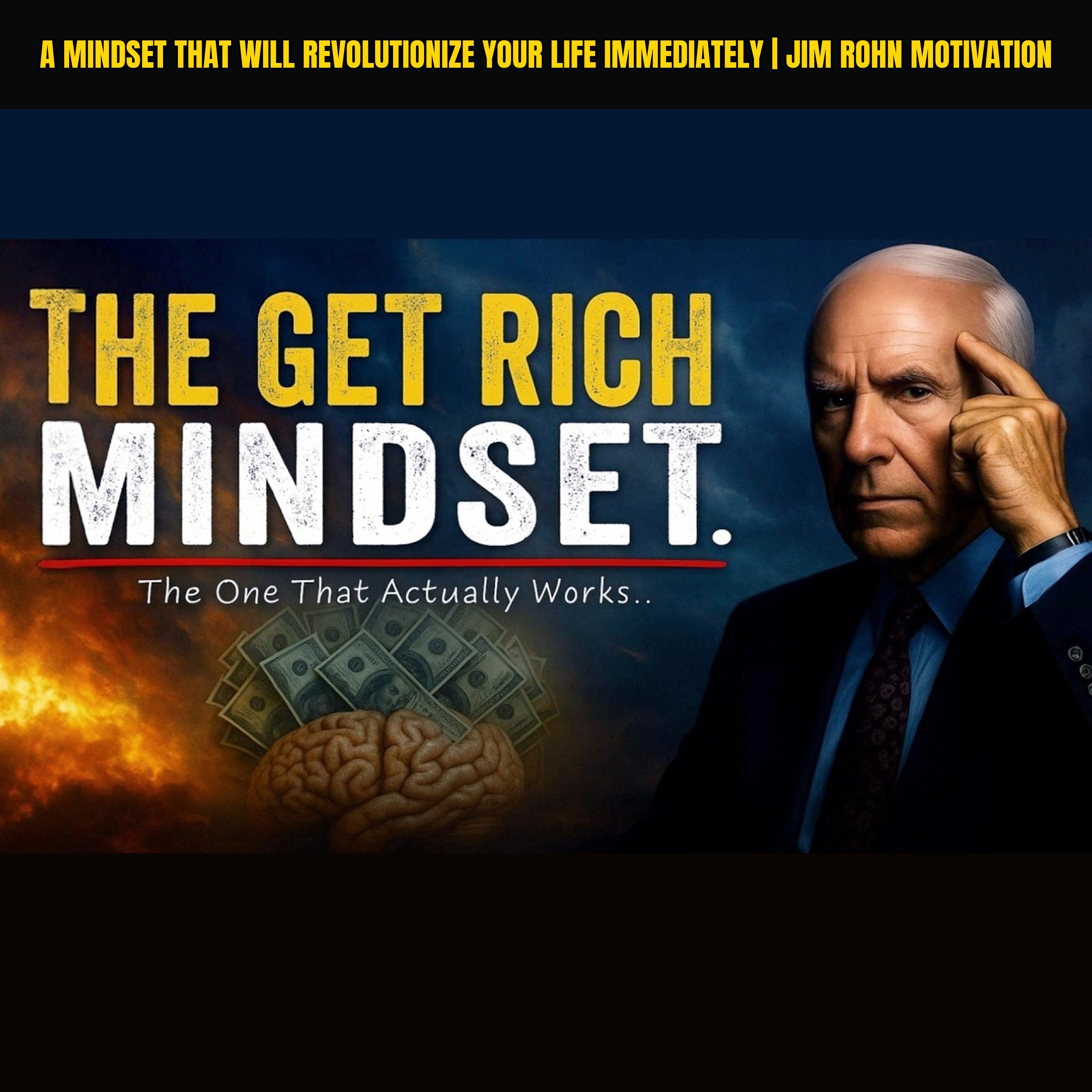
#JimRohnMotivation #JimRohn #JimRohnSpeech In this Jim Rohn Motivation video, uncover the transformative power of radical ownership—the mindset that ignites lasting personal change. When you stop blaming and start owning every outcome, you activate a level of clarity, resilience, and execution that reshapes your entire life. Key Topics From This Motivational Video: The mindset shift from blame to radical responsibility Why ownership—not talent—is the true key to success How identity drives consistency and long-term results The role of environment in supporting personal growth Rewriting your internal dialogue to match your purpose This Jim Rohn motivational video dives into the life-changing principle of ownership—embracing every decision, outcome, and habit as your own. From building self-discipline and upgrading your identity to transforming your environment and mastering your mindset, this video is a guide for anyone ready to stop settling and start leading their life with purpose an
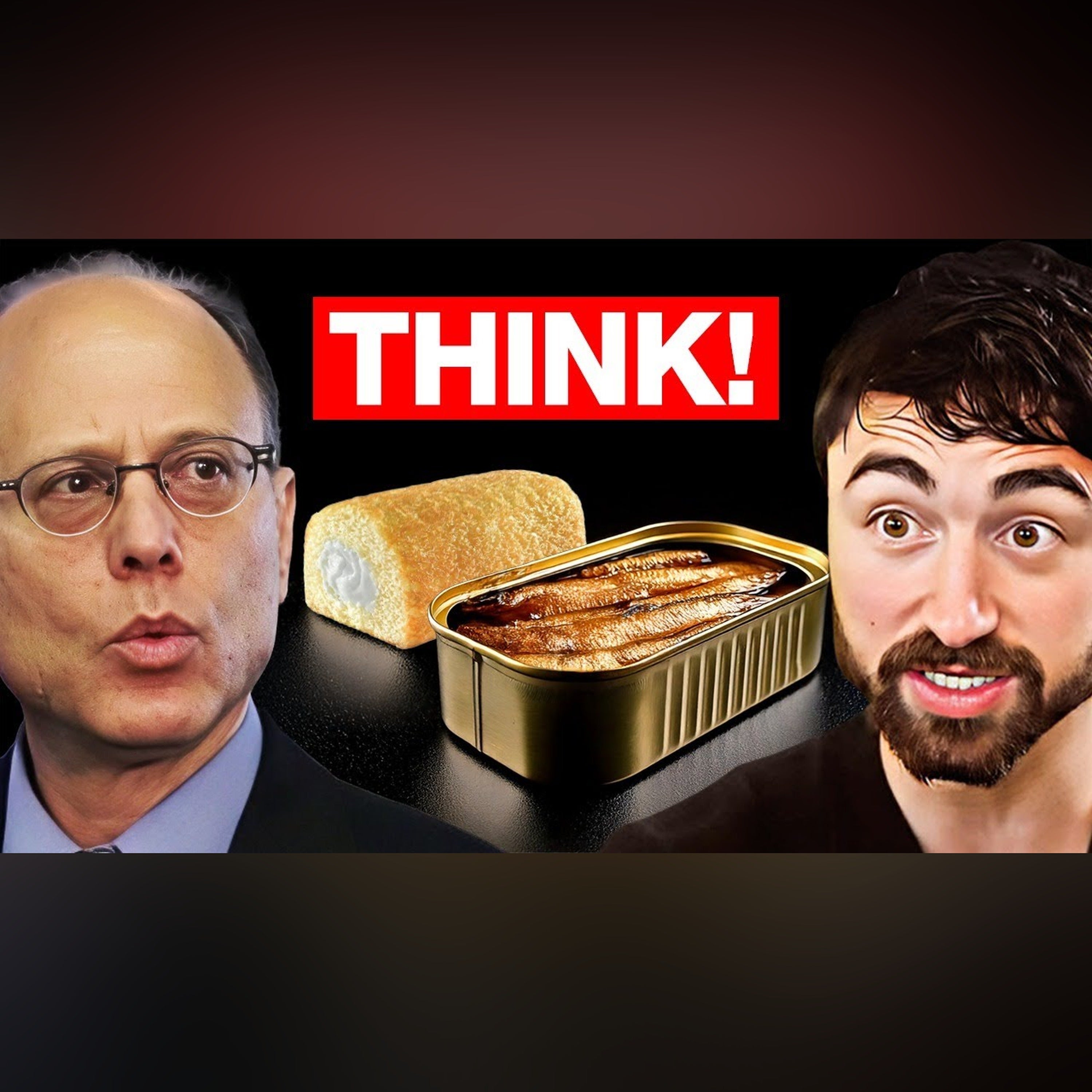
Today’s guest is David Ludwig, MD, PhD, an endocrinologist, pediatrician, and international thought leader in obesity medicine and metabolic health. He’s also a treasured mentor of mine from my time at Harvard Medical School. In this episode, we discuss his new paper in the New England Journal of Medicine on ultra-processed foods and why “simple” is the enemy of metabolic health. We explore the science of nutrition, weight loss, and food quality, challenging conventional wisdom about diet and metabolism. If you’re courageous enough to listen all the way through, this conversation will expand your perspective, change the way you think about food, and inspire a healthier relationship with eating. New England Journal of Medicine Article: https://www.nejm.org/doi/full/10.1056/NEJMp2508694 David Ludwig MD PhD’s Medium Blog (No Paywall): https://davidludwigmd.medium.com/ultra-processed-food-retold-by-hc-andersen-7a3d2ae60f39 Chapters 0:00 – Meet Harvard Endocrinologist David Ludwig MD PhD 1:
Get the 200+ Page Optimal Living Daily Workbook (PDF) - Free. Want to turn today's episode into an actionable plan? Episode 4234: In two short essays, Cylon George explains why we so often act against our own values: powerful unmet needs, not bad character, are usually what drive us. He then offers encouragement for anyone starting over after a setback, reminding listeners that beginning again never means starting from scratch and that treating yourself with kindness is part of the work of personal development. Read along with the original article(s) here: https://www.spirituallivingforbusypeople.com/why-you-do-what-you-do and https://www.spirituallivingforbusypeople.com/on-beginning-again Quotes to ponder: "We don't stray from our values because we're bad people." "To begin to understand why we do what we do, we must become intimately familiar with our needs." "It's hard work to begin again, and you don't need to be hard on yourself." We spend so much of our lives caught up in our tho
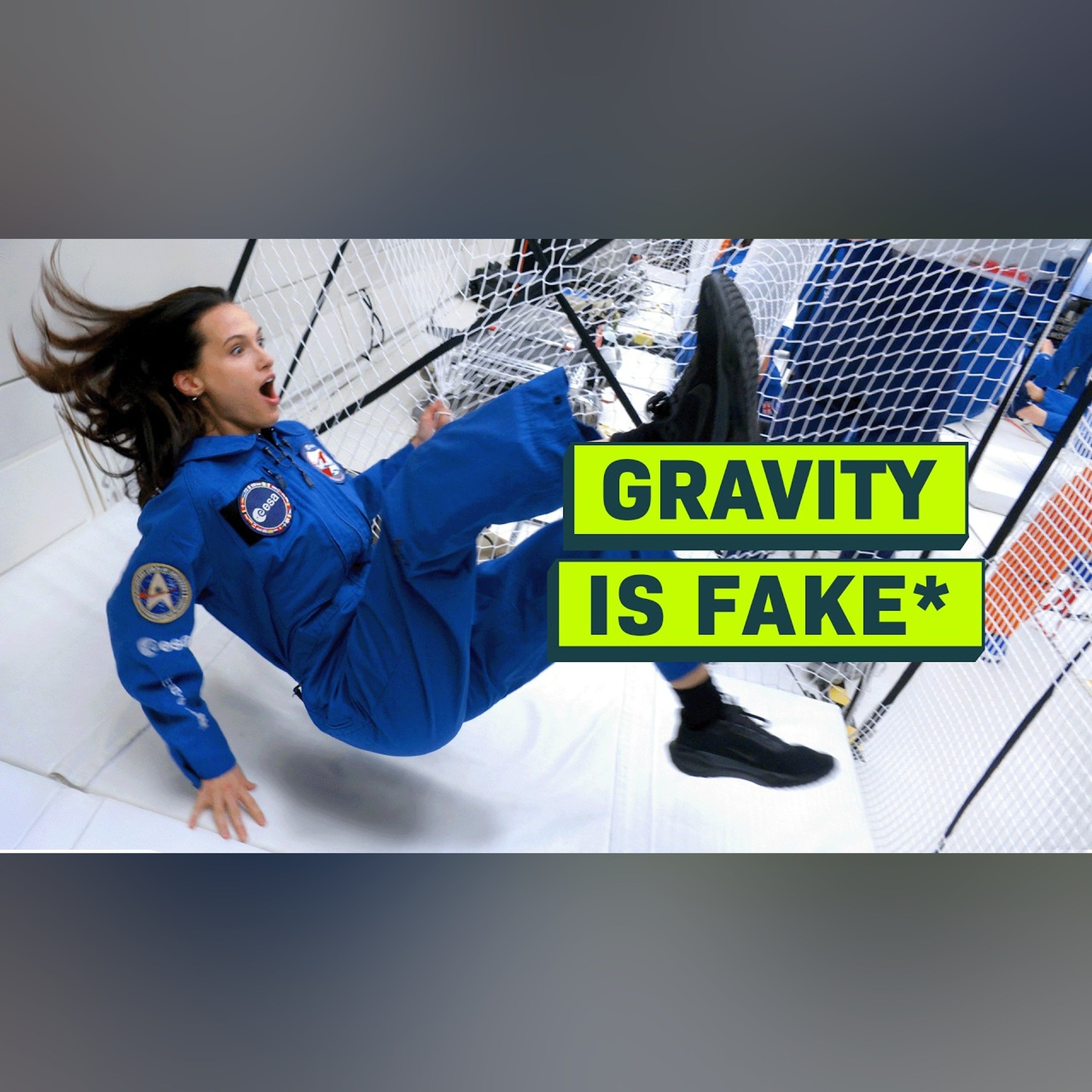
There’s a big problem with gravity… Build and learn with KiwiCo! Gravity is a lie. I went into zero gravity to explain why… But it won't be easy because gravity is actually one of the most controversial subjects in all of physics. This is not some philosophical debate. A huge amount of the tech you use every day depends on our current (limited) understanding of gravity. If we can understand gravity a little bit better, we can build more things that are huge if true! So in this video, I joined the European Space Agency on a real zero gravity flight and interviewed theoretical physicists to understand: What really IS gravity? And what are the real life sci-fi ways we might use it in the future? Chapters: 0:00 The big problem with gravity 0:58 What is a zero gravity flight? 1:40 What is gravity? 2:49 What’s Einstein’s equivalence principle? 3:40 What does zero gravity feel like? 5:52 Why is falling the same as floating? 6:58 How did gravity disappear? 9:28 Why is gravity not a force? 11:3
Improve your English conversation skills by learning how to describe your ideal weekend getaway and travel packing essentials. Join Sarah and Mike for a slow, easy English podcast where we discuss the logistics of planning trips. In this episode, we follow a conversation about going to the market and preparing for a journey. By listening to our natural dialogue, you will practice English vocabulary related to travel planning and managing a budget for your next vacation. This episode is perfect for B1 English learners who want to improve their fluency while mastering common phrases used when discussing trip details. We focus on clear, steady pacing to help you practice English listening and gain a better grasp of natural phrasing for your own adventures. Keep practising by telling us in the comments where you would go for a weekend getaway and what you always pack.
Dr. Al Grauer hosts. Dr. Albert D. Grauer ( @Nmcanopus (https://twitter.com/Nmcanopus) ) is an observational asteroid hunting astronomer. Dr. Grauer retired from the University of Arkansas at Little Rock in 2006. travelersinthenight.org (http://travelersinthenight.org/) From June & July, 2026. Today's 2 topics: - My Catalina Sky Survey teammate Josh Hogan has discovered a 2 football field diameter asteroid that was placed on NASA's Sentry list because it has a tiny minuscule but non-zero chance of impacting our home planet. With this motivation my team the Catalina Sky Survey, the Pan STARRS group in Hawaii, the ATLAS group with telescopes Hawaii, Chile, and South Africa , the Vera C. Rubin telescope in Chile, will be soon joined NASA's NEO Surveyor and groups world wide in a planet wide defense network. - The visually stunning Lunar Crater Pierazzo, named for the late Planetary Scientist Elizabeth "Betty" Pierazzo was observed by the Artemis II Crew as they passed over the Moon's far
View full lesson: http://ed.ted.com/lessons/surviving-a-nuclear-attack-irwin-redlener The face of nuclear terror has changed since the Cold War, but disaster-medicine expert Irwin Redlener reminds us the threat is still real. He looks at some of history's farcical countermeasures and offers practical advice on how to survive an attack. Talk by Irwin Redlener.
Explore what makes polio so dangerous, what is causing the 21st century resurgence of cases, and how we can eradicate the disease. -- In 1952, polio was everywhere: killing or paralyzing roughly half a million people annually. Yet just 10 years later, paralytic polio cases in the US dropped by 96% and we were on track to get rid of polio for good. But in recent years, the virus started striking back. So, what’s behind these recent spikes? Explore the dangers of poliovirus and the possibility of eradicating this deadly disease. Directed by Anton Bogaty. This video made possible in collaboration with Gates Ventures Learn more about how TED-Ed partnerships work: https://bit.ly/TEDEdPartner A special thanks to Ananda Bandyopadhyay, Amber Zeddies, and Kathleen O'Reilly who provided information and insights for the development of this video. Support Our Non-Profit Mission ---------------------------------------------- Support us on Patreon: http://bit.ly/TEDEdPatreon Check out our merch: htt
Todd Humphreys forecasts the near-future of geolocation when millimeter-accurate GPS "dots" will enable you to find pin-point locations, index-search your physical possessions ... or to track people without their knowledge. And the response to the sinister side of this technology may have unintended consequences of its own. (Filmed at TEDxAustin.) Uploaded 26-06-13 Talk by Todd Humphreys.
Equipment rules should preserve fair competition even when they limit innovation.
Share your view, then see how readers voted. No sign-in required. This poll is shared across stories.
Do you agree or disagree?
Common Quandary
A Common Quandary to discuss
Another conversation to explore, separate from this news story.
You lecture everyone about climate change—then get invited on a dream flight. Do you go?
A close friend living overseas invites you to an important celebration. Flying is affordable but carbon-intensive. Your individual decision will not determine whether the flight operates, yet it conflicts with commitments you publicly encourage others to make.
When is a small personal contribution to a large harm morally significant?