In which we see outtakes from the last third of the Crash Course World History series. Crash Course is on Patreon! Want to find Crash Course elsewhere on the internet? Facebook - http://www.facebook.com/YouTubeCrashCourse Twitter - http://www.twitter.com/TheCrashCourse Instagram - https://www.instagram.com/thecrashcourse/ CC Kids: http://www.youtube.com/crashcoursekids
Why do we sometimes find it easier to love our dogs than the people in our lives? And what can our canine companions teach us about overcoming loneliness, building trust, and creating meaningful relationships? In this fascinating episode of Destiny, host Cliff Dunning welcomes psychologist and author Dr. Chris Blazina to explore his groundbreaking book, Good Dogs and Difficult People. Drawing upon psychology, attachment theory, scientific research, and his own personal experiences, Dr. Blazina examines humanity's fundamental need for emotional connection and why so many people struggle to establish and maintain healthy relationships. For more than 20,000 years, humans and dogs have shared an extraordinary evolutionary journey. Today, as loneliness, social isolation, and emotional disconnection become increasingly common, millions of people are turning to their dogs for companionship, unconditional affection, and a sense of belonging. But is there something deeper happening in the human
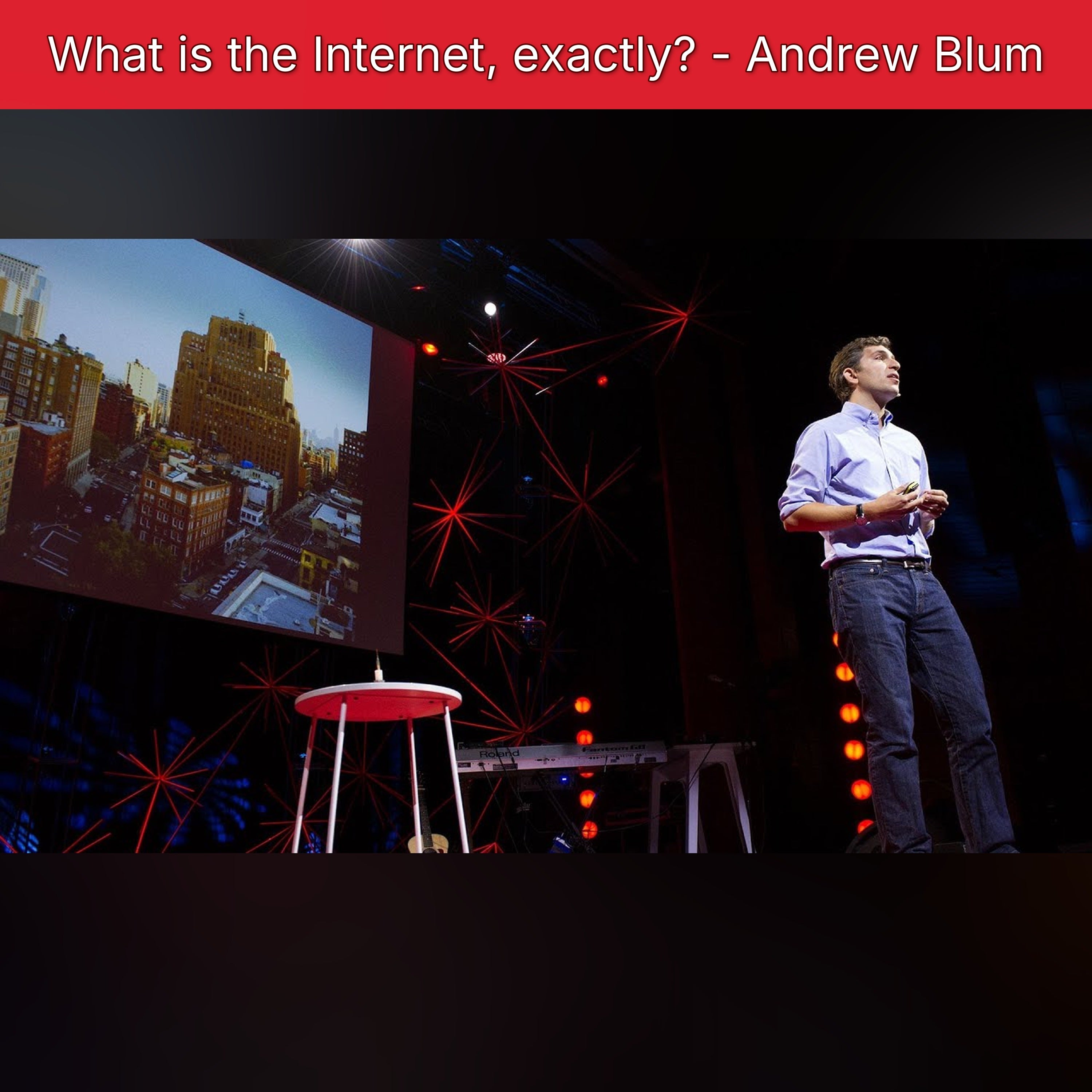
When a squirrel chewed through a cable and knocked him offline, journalist Andrew Blum started wondering what the Internet was really made of. So he set out to go see it -- the underwater cables, secret switches and other physical bits that make up the net. Talk by Andrew Blum.
In which John Green returns to William Shakespeare's Romeo and Juliet to explore the themes of true love, lust, and whether Romeo and Juliet were truly, deeply in love, or they were just a pair of impetuous teens. How exactly did Romeo manage to go from pining for Rosaline to marrying Juliet in 36 hours? Maybe they were impetuous teens who were ALSO deeply in love. John looks into how the structure and conventions of society in medieval Verona led to the star-crossed lovers' downfall. Along the way, you'll learn about courtly love, medieval responsibility to church, family, and society, Chipotle burritos as a metaphor for true love, and even learn about literary sex. We may even tie in trapeze artists and Queen's Bohemian Rhapsody. You'll have to watch to find out. Consider supporting local bookstores by purchasing your books through our Bookshop affiliate link https://bookshop.org/shop/complexly or at your local bookseller. Crash Course is on Patreon! Want to find Crash Course elsewhe
Organic chemistry is a great workout for your brain, and to keep its energy up, your brain needs glucose. To maintain blood glucose levels, our bodies go through a process called gluconeogenesis, which involves the important type of organic reaction we’re getting into today: aldol reactions! In this episode of Crash Course Organic Chemistry, we’ll learn what an aldol is, as well as how aldol reactions work and what they do. Plus we’ll learn about a similar reaction, Claisen condensation. Episode Sources: Claisen, L., 1887. Ueber die einführung von säureradicalen in ketone. Berichte der deutschen chemischen Gesellschaft, 20(1), pp.655-657. Series Penicillin References: Nicolaou, K. C., & Sorensen, E. J. (1996). Classics in total synthesis: targets, strategies, methods. John Wiley & Sons. Sheehan, J. C. (1982). The enchanted ring: the untold story of penicillin. Primary literature for Sheehan’s penicillin synthesis: Sheehan, J.C. & Izzo, P.T. J. Am. Chem. Soc. 1948, 70, 1985; Sheehan, J.
In this episode of Lung Cancer Considered, Drs. Jacob Sands, Ferdinandos Skoulidis, and Jarushka Naidoo discuss key research highlights from ESMO 2026, including results from the DeLLphi-305 trial evaluating tarlatamab in extensive-stage small cell lung cancer and the KRAScendo-1 trial investigating divarasib in KRAS G12C-mutated NSCLC. The discussion also explores emerging immunotherapy strategies, including findings from the MOIO and OptiTROP-Lung06 studies, advances in predicting immune-related toxicities, and the potential implications of these developments for clinical practice. Jaruska Naidoo, MD Professor of Medical Oncology Royal College of Surgeons Consultant, Medical Oncologist at Beaumont Hospital X: @DrJNaidoo Instagram: jarushkanaidoo LinkedIn: https://www.linkedin.com/in/jarushka-naidoo-127a3b97/ Jacob Sands, MD Assistant Professor of Medicine, Harvard Medical School Associate Chief, Lowe Center for Thoracic Oncology Dana-Farber Cancer Institute X: @sands_jacob Instagram:
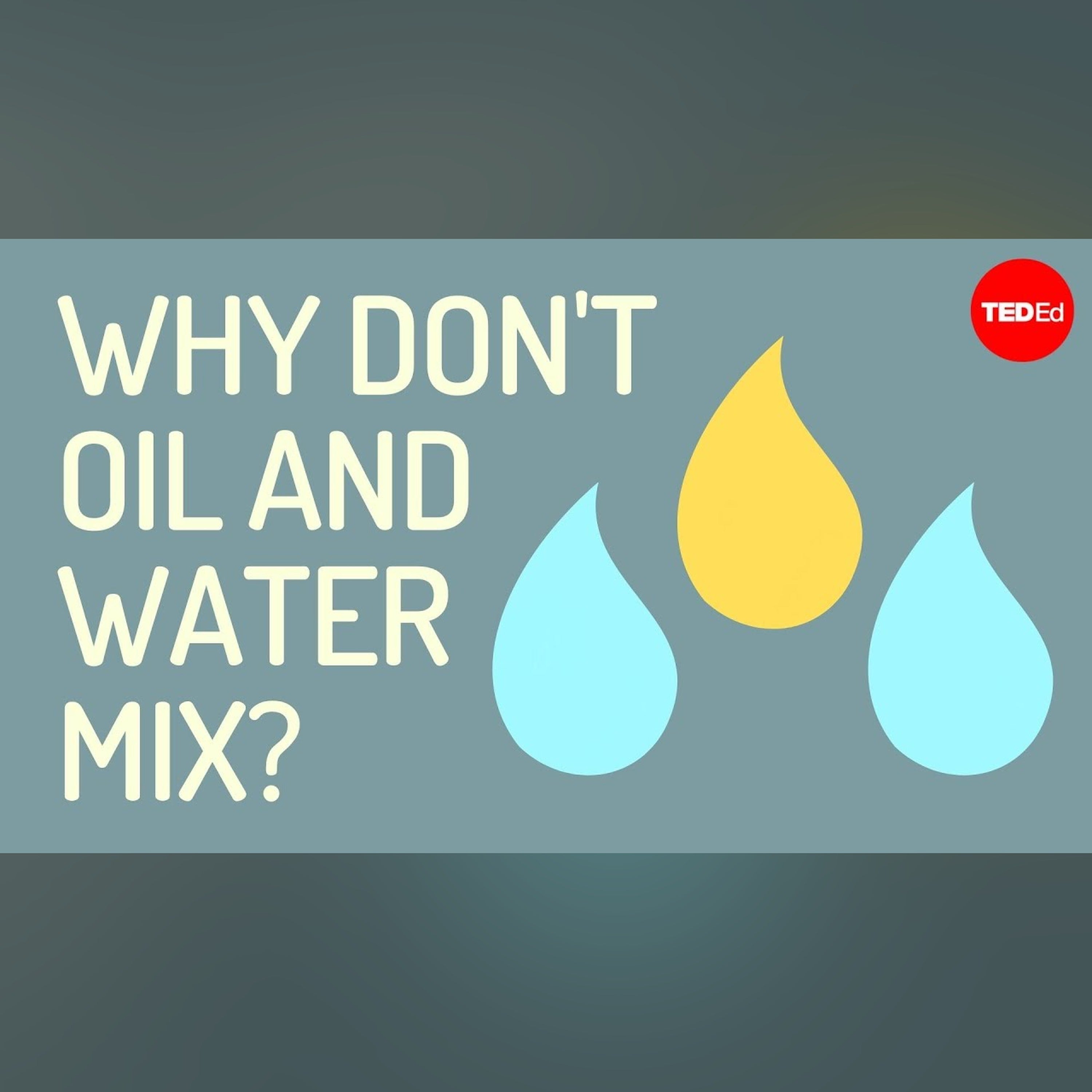
View full lesson: http://ed.ted.com/lessons/why-don-t-oil-and-water-mix-john-pollard Uploaded 10-10-13 Salt dissolves in water; oil does not. But why? You can think of that glass of water as a big, bumpin' dance party where the water molecules are always switching dance partners -- and they'd much rather dance with a salt ion. John Pollard explains how two chemistry principles, energetics and entropy, rule the dance floor. Lesson by John Pollard, animation by Andrew Foerster.
Sleep changed for me during perimenopause. I used to fall asleep the minute my head hit the pillow. Then I started struggling to fall asleep and waking up in the middle of the night, even when I was exhausted. If you're experiencing this after 40, I want to share what helped me. In this solo episode of Live Like a Girl, I'm walking you through five steps to create a nighttime routine that supports better sleep. We're talking about estrogen, cortisol, blood sugar, and why your evening habits matter more than you might realize. I'll show you how I think about evening lighting, dinner, magnesium-rich foods, caffeine, scrolling, and calming your nervous system before bed. At the end, I'll give you three simple things to try tonight and a two-week plan to help you see what works for your body. IN THIS EPISODE Why women start waking up at 2 or 3 a.m. during perimenopause and menopause The connection between estrogen, cortisol, insulin, and sleep How to set up the three hours before bedtime F
Everybody dies—and then what? In this episode of Crash Crash Religions, we’ll explore how religions around the world have formed answers to a question nobody knows the answer to. We’ll also discover how concepts of Heaven and Hell have changed over time. Introduction: Welcome to Hell 00:00 Imagining the Afterlife 1:12 Early Jewish Beliefs 2:38 The Evolution of Hell 6:14 The Evolution of Heaven 8:46 Review & Credits 11:08 *** Support us for $5/month on Patreon to keep Crash Course free for everyone forever! https://www.patreon.com/crashcourse Or support us directly: https://complexly.com/support Join our Crash Course email list to get the latest news and highlights: https://mailchi.mp/crashcourse/email Get our special Crash Course Educators newsletter: http://eepurl.com/iBgMhY Thanks to the following patrons for their generous monthly contributions that help keep Crash Course free for everyone forever: Shruti S, Quinn Harden, Ryan Lueckenotte, Spilmann Reed, Brandon Thomas, Emily Beazle
Hank introduces us to biogeochemical cycles by describing his two favorites: carbon and water. The hydrologic cycle describes how water moves on, above, and below the surface of the Earth, driven by energy supplied by the sun and wind. The carbon cycle does the same... for carbon! Table of Contents 1) Hydrologic Cycle - 1:15 A) Clouds - 2:13 B) Runoff - 3:06 C) Oceans - 3:41 D) Evapotranspiration - 4:25 2) Carbon Cycle - 5:12 A) Plants - 5:48 B) Fossil Fuels - 6:40 C) Oceans - 7:12 D) Global Warming - 7:35 References Crash Course is on Patreon! Want to find Crash Course elsewhere on the internet? Facebook - http://www.facebook.com/YouTubeCrashCourse Twitter - http://www.twitter.com/TheCrashCourse Instagram - https://www.instagram.com/thecrashcourse/ CC Kids: http://www.youtube.com/crashcoursekids
In all of space, nothing is more mind-meltingly strange than a black hole. These cosmic monsters are places where space becomes time, time becomes space, and the fundamental laws of physics simply cease to exist. But what if the event horizon isn't the final boundary?Way past the point of no return, deep inside spinning Kerr black holes, lies a theoretical boundary even stranger than the first: the Cauchy Horizon. Beyond this threshold, spacetime breaks down entirely, cause and effect collapse, and physics yields to pure, unpredictable madness.From the lethal trap of spaghettification to time-looping curves and infinite mass inflation, discover what happens when you attempt the ultimate one-way trip into the abyss....▀▀▀▀▀▀ ▀▀▀▀▀▀ The Astrum book is still available in the US!
Featuring Dr. Paul "Paulie" Gavoni and Matt Cicoria What happens when staying home from school becomes more reinforcing than attending? And how can educators, behavior analysts, and school leaders help students return without inadvertently making the problem worse? In this special episode of the Behavioral Observations Podcast, I'm sharing a conversation I recently had with my good friend and colleague, Dr. Paul "Paulie" Gavoni, on his podcast, The Heart & Science of Leadership (https://thoughtsrantsofabehaviorscientist.buzzsprout.com/). We tackled a topic that's increasingly challenging schools across the country: chronic absenteeism and school refusal. While attendance problems are often discussed in terms of percentages, policies, and accountability, those numbers don't necessarily tell us why an individual student isn't coming to school. From a behavior-analytic perspective, we need to understand the conditions influencing attendance—and how our responses might be helping or inadve
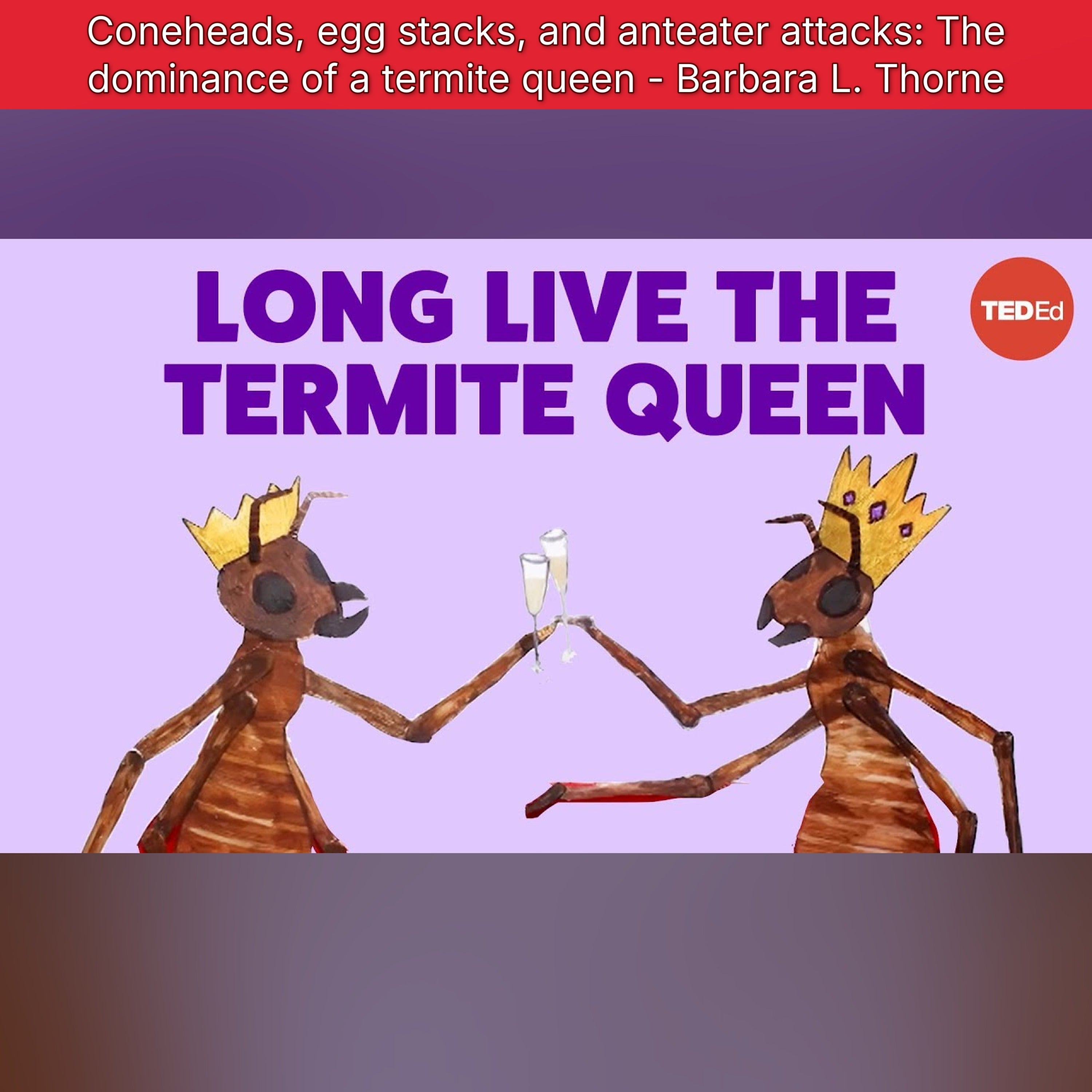
Take a look inside the conehead termite colony as a queen begins her reign as one of the longest living insects in the animal kingdom. -- A single determined termite braves countless threats to participate in the only flight of her lifetime. She evades the onslaught of predators as she lands, flips off her wings, secretes pheromones, and attracts a mate. But she's not alone. Unlike most termite species, conehead termite colonies can have multiple queens and kings. Barbara L. Thorne details the reign and duties of termite royalty. Lesson by Barbara L. Thorne, directed by Thomas Johnson Volda. Support Our Non-Profit Mission ---------------------------------------------- Support us on Patreon: http://bit.ly/TEDEdPatreon Check out our merch: http://bit.ly/TEDEDShop ---------------------------------------------- Connect With Us ---------------------------------------------- Sign up for our newsletter: http://bit.ly/TEDEdNewsletter Find us on Twitter: http://bit.ly/TEDEdTwitter Peep us on In
(Conversation recorded on September 24th, 2026) One in five mammal species on Earth is a bat, yet they remain some of the most overlooked and misunderstood creatures in conservation. Bats pollinate crops, control pests, and spread seeds over large areas. But as climate change pushes temperatures and rainfall to new extremes, many forests are increasingly at risk of catching fire, threatening both the wildlife and communities that depend on them. What happens when the land-management knowledge communities have relied on for generations no longer matches reality, and how can species like bats become the catalysts to realign them? In this episode, Nate is joined by Nigerian bat biologist Iroro Tanshi to explore how the rediscovery of a bat species unseen in Nigeria for 45 years – and a wildfire that destroyed half its habitat just days later – launched a community-led fire prevention program. Iroro explains how listening to farmers, who no longer knew when it was safe to burn their fields
The Healthspan Advantage: Muscle, Metabolism & Mind in Modern Plant-Based Living Julieanna Risse, MS, RD, CPT, explores how modern plant-based living can support healthspan through muscle, metabolism, and mind. Learn how smart nutrition, strength, movement, and lifestyle habits can help preserve vitality, independence, and long-term wellness. #Healthspan #PlantBased #Metabolism
Deutenomics: A Revolution Unfolding in Biology and Medicine Stephanie Seneff, Ph.D., introduces Deutenomics and its emerging role in biology and medicine. Learn how deuterium, cellular energy, metabolism, and environmental influences may reshape our understanding of health, disease, and the body’s ability to function optimally. #Deutenomics #CellularHealth #Metabolism
What do we owe other people? Are we just as obligated to help someone on the other side of the world as someone who lives across the street? In this episode of Crash Course Political Theory, we’ll explore the pros and cons of going global versus keeping it local in today’s world of politics. Crash Course Political Theory #9 Introduction: Sweden & Immigration 00:00 The Global & The Local 1:05 The History of Cosmopolitanism 2:27 Challenges of Global Coalitions 5:42 Globalization 7:56 Cosmopolitanism Today 9:42 Review & Credits 12:09 Sources: https://docs.google.com/document/d/1u5zJCbVA0xCurLbQwWzcxXEdlqXAPpAyYVS1quwKIis/edit?usp=sharing *** Support us for $5/month on Patreon to keep Crash Course free for everyone forever! https://www.patreon.com/crashcourse Or support us directly: https://complexly.com/support Join our Crash Course email list to get the latest news and highlights: https://mailchi.mp/crashcourse/email Get our special Crash Course Educators newsletter: http://eepurl.com/iB
View full lesson: http://ed.ted.com/lessons/plato-s-allegory-of-the-cave-alex-gendler Uploaded 17-03-15 Twenty four hundred years ago, Plato, one of history’s most famous thinkers, said life is like being chained up in a cave forced to watch shadows flitting across a stone wall. Beyond sounding quite morbid, what exactly did he mean? Alex Gendler unravels Plato's Allegory of the Cave, found in Book VII of "The Republic." Lesson by Alex Gendler, animation by Stretch Films, Inc.
SPOILER ALERT: This video assumes you've read the book. In which John Green continues to explore F. Scott Fitzgerald's novel, The Great Gatsby. In this installment, John looks into the titular Gatsby's purported Greatness. Gatsby's single-minded pursuit of Daisy, his checkered past, and his checkered present all play a role in determining whether he was, in fact, great. Here's a hint: you don't have to be good to be great. It turns out greatness doesn't have much to do with whether you're a good person. Along the way, John explores the relentless forward march of time, the use of poetic language, and the ironic titling of novels. Consider supporting local bookstores by purchasing your books through our Bookshop affiliate link https://bookshop.org/shop/complexly or at your local bookseller. Crash Course is on Patreon! Want to find Crash Course elsewhere on the internet? Facebook - http://www.facebook.com/YouTubeCrashCourse Twitter - http://www.twitter.com/TheCrashCourse Instagram - http
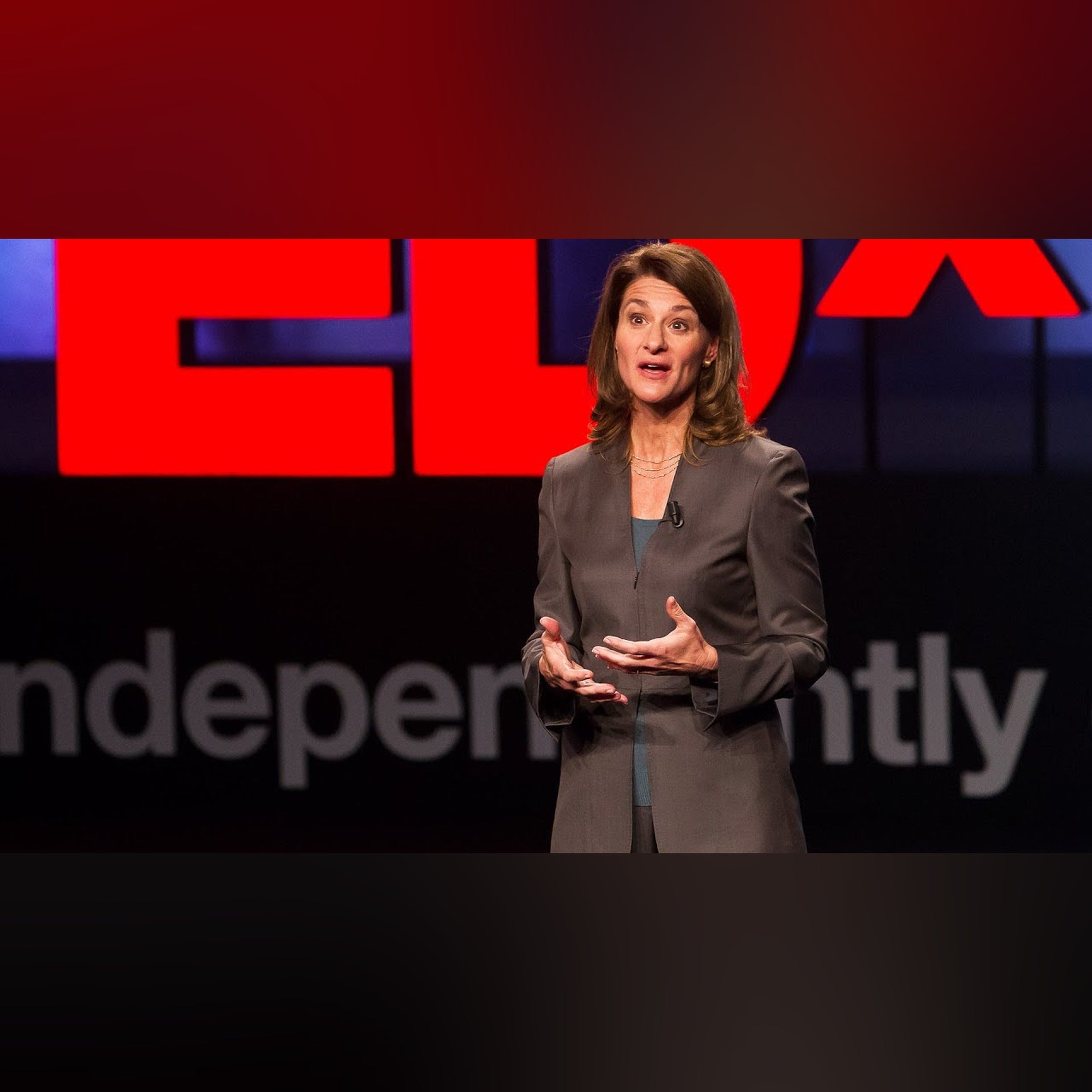
In her talk, Melinda Gates makes a provocative case for nonprofits taking a cue from corporations such as Coca-Cola, whose plugged-in, global network of marketers and distributors ensures that every remote village wants -- and can get -- a Coke. Why shouldn't this work for condoms, sanitation, vaccinations too? (Filmed at TEDxChange.) Uploaded 15-08-13 Talk by Melinda French Gates.
After challenging the entity believed to be tormenting an eleven-year-old boy, Arne Johnson reportedly begins experiencing frightening changes of his own. There are unexplained blackouts, strange behavior, and encounters with the same terrifying figure. Ed and Lorraine Warren become so concerned that they warn local police something terrible may happen. Then, on February 16, 1981, a confrontation at a Connecticut boarding kennel leaves a man dead. Johnson is accused of stabbing Alan Bono, someone he knew and considered a friend. But Johnson claims he cannot remember what happened. Was this a violent confrontation fueled by alcohol, jealousy, and anger? Or had something followed Johnson from the earlier alleged possession, leaving him unable to control his actions? As investigators build their case, Johnson's attorney prepares an extraordinary defense—one that could challenge the very boundaries between criminal responsibility and the supernatural. #TheDevilMadeMeDoIt #RealGhostStoriesO
This is a Grave Talks CLASSIC EPISODE! PART TWO For Christina Westervelt, the paranormal was never something distant or abstract—it was part of family life. Growing up with a father who loved ghost stories and paranormal exploration, curiosity came naturally. What began as lighthearted outings and shared fascination slowly evolved into something deeper as Christina got older. As she moved from casual interest into serious paranormal investigation, Christina found herself chasing the same questions many investigators face: who is still here, why they remain, and what connects the living to the dead. Along the way, the experiences became more complex—and the answers less clear. In this episode of The Grave Talks, Christina shares her journey from childhood curiosity to a lifelong pursuit of the unexplained, and how following the paranormal path ultimately left her with more questions than certainty. #TheGraveTalks #ParanormalPodcast #GhostStories #ParanormalInvestigation #LifeAfterDeath
Paul Hill and Dr. Jenifer "Dr. Dust" Millard host. Damien Phillips, John Wildridge and Dustin Ruoff produce. This month there is news of a zombie star racing through stellar evolution, a Phoenix planet rising from the ashes of stellar death, and danger to the UKs power infrastructure from space. Bumper skyguide for November and the usual witterings of Dr. Jeni and Paul. Every bit helps! Thank you! ------------------------------------ Thank you! (Haven't donated? It's not too late! Just click (http://cosmoquest.org/Donate)!) ------------------------------------
Three terrifying tales tonight featuring a fire lookout who meets a horrible demise, a cyclist vs a devil dog, and a very hungry river witch. Listen to Unexplained Encounters on your Favorite Podcast App! https://pod.link/1152248491 Or listen to more of my narrations on Tales from the Break Room https://pod.link/1621075170