Listen through the publisher, then discuss the episode here or arrange an in-person Roundtable. Your city determines where to meet.
Roundtables are designed for groups of four, with a shared subject and room for everyone to speak. Come for discussion, with no dating expectation.
From Melbourne to Munich, Lombardy to Wuhan and all the way back again: this episode is about what happened when we faced those first coronavirus cases. Where things went well, where they didn’t — and whether there’s anything we could have done to stop it.Guests:Rhonda StuartHead of infection prevention at Monash HealthMerle BöhmerInfectious disease epidemiologist at the Bavarian Health and Food Safety AuthorityRaina MacIntyreProfessor of Biosecurity at the Kirby Institute, University of New South WalesFabrizio CarinciBiostatistician at the University of BolognaCarl ZimmerScience journalist and columnist for The New York TimesHost:Olivia WillisProducers:Cheyne Anderson, James BullenExecutive Producer:Joel WernerSound Design:Tim Jenkins
Episode information is provided by the publisher. Listening takes place on the publisher’s service.
A kiss can be wonderful. It can create an instant connection, spark romance, or make you feel closer to someone. But a kiss can also have the opposite effect — and sometimes ruin everything. So what makes kissing so powerful, and why can one kiss make such a difference? There's some fascinating science behind it. https://www.scientificamerican.com/article/why-we-kiss/ We spend an enormous amount of time worrying about what's going to change. What's next? What's coming? How do we prepare? But what if we're paying attention to the wrong things? Some of the most important forces shaping our lives never change, and understanding them may be far more valuable than trying to predict the future — something humans are notoriously bad at. Morgan Housel, partner at The Collaborative Fund and author of Same as Ever: A Guide to What Never Changes (https://amzn.to/3SwWn6u) (https://amzn.to/3SwWn6u)), joins me to explain why the things that stay the same may be the most important things to understan
If you enjoyed this video and want access to all the references, deeper nuance, and additional context behind everything we discussed, consider joining StayCurious Metabolism, an overall top best-selling science newsletter: https://staycuriousmetabolism.com (https://staycuriousmetabolism.com/) The companion article for this video is here: https://staycuriousmetabolism.substack.com/p/the-heart-supplements-i-recommend?r=40ekz2 Find out why Stay Curious Metabolism became one of the fastest-growing science publications on Substack and reached the top two globally in just one year. Referenced Videos Heart Rate Variability: https://youtu.be/bdxYexIpYjo Berberine: https://youtu.be/KMVsg9EnbcE Vitamin C: https://youtu.be/0p0cld4RmDo Chapters 0:00 – 2,000 Hours of Heart Health in 20 Minutes 1:50 – Our Mystery Box of Heart Health Tools 2:15 – The Scoop, Nattokinase 5:12 – The Ice Pack, TUDCA 9:24 – The Charger, Heart Rate Variability 13:24 – The Straw, Berberine 16:00 – The Ducted Tape, Vitamin
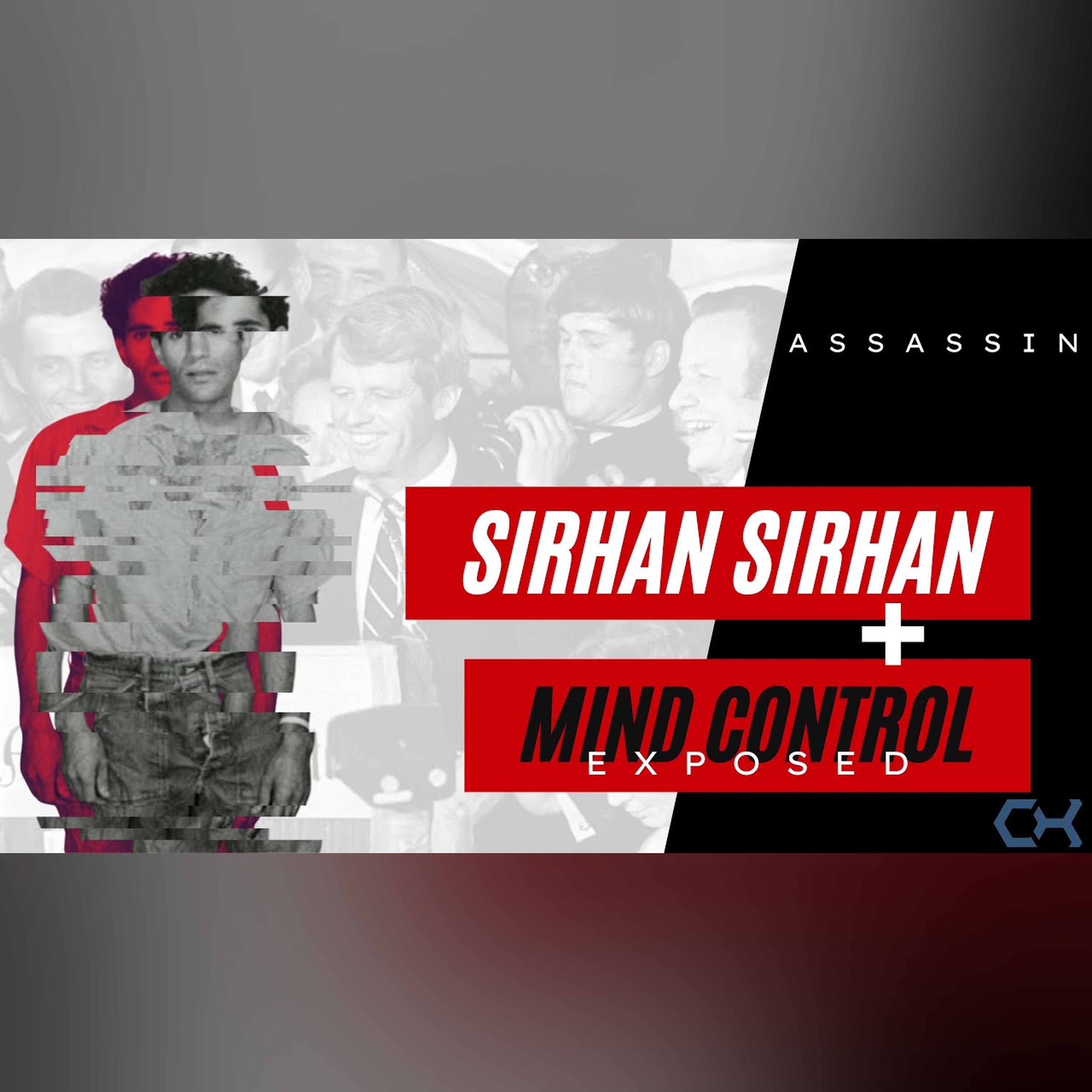
Join NCI University today to master human behavior and influence: Uploaded 05-11-21 This is a dive to discover the possibilities, not the case itself. Sirhan Sirhan, in full Sirhan Bishara Sirhan, (born March 19, 1944, Jerusalem), Palestinian-born Jordanian citizen who was convicted (1969) of fatally shooting U.S. Sen. Robert F. Kennedy on June 5, 1968. He received the death penalty, but the sentence was later commuted to life. Sirhan, a Christian Palestinian, was born in Jerusalem. In 1948 Jordan took control of East Jerusalem and what is now the West Bank, and the following year it granted citizenship to people living in those areas. It is believed that this is how Sirhan became a Jordanian citizen. In the 1950s, he and his family moved to the United States and eventually settled in Pasadena, California. There he attended Pasadena City College and later held odd jobs, notably working at a horse stable and later at a health food store. During this time, Sirhan became vocal in his oppo
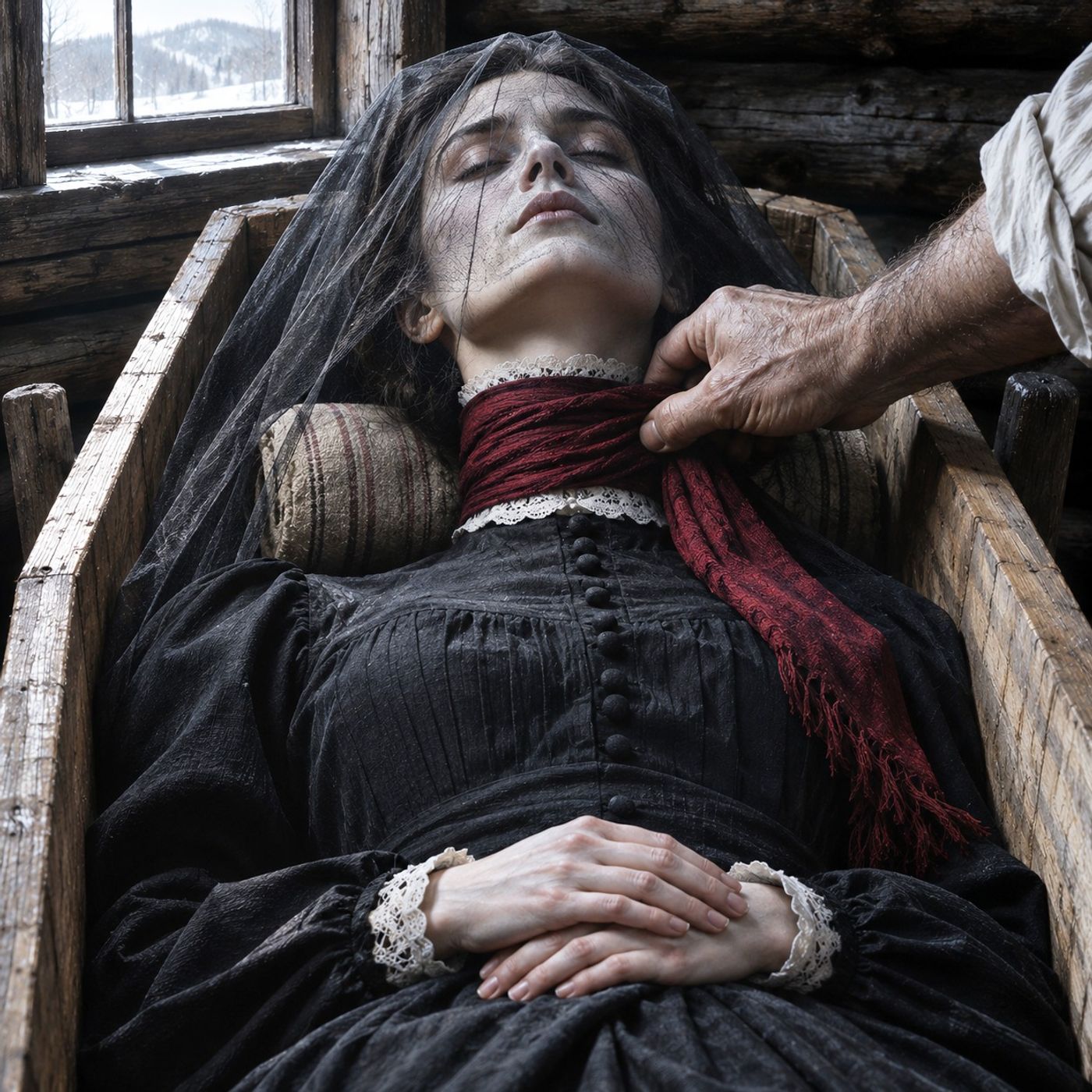
In January 1897, blacksmith Edward Shue washed and dressed his bride of three months for burial before the coroner ever reached their log house in Greenbrier County, West Virginia, and at her funeral he kept fussing with her head and neck, propping it on a pillow and wrapping a scarf around her high collar. Her mother, Mary Jane Heaster, had never liked him, and for weeks afterward she prayed every evening for her daughter to come back and tell her what had really happened. FEATURED STORIES IN THIS EPISODE: This Weird Darkness episode runs from the Greenbrier Ghost, the 1897 West Virginia murder victim whose mother said she came back to name her killer, to a bottomless pit in Washington, a wave of Mothman sightings over Chicago, and a London tomb rumored to be a time machine. Elva Heaster was dead – but that didn’t stop her ghost from solving the murder. *** In Stephen King’s “Pet Semetery”, beloved family pets could come back from the dead. *** In Washington there is a hole that some
Today, Mel is doing something she's never done before on The Mel Robbins Podcast. She's bringing members of her team into the studio for live coaching with world-renowned communications expert Vinh Giang. Vinh is known for teaching millions of people online how to stop sounding insecure, speak more clearly, and get people to listen when you talk. And when you hear him coaching today, it will be like he’s coaching you. One person freezes when they're put on the spot. Another can't stop interrupting people. Someone else has great ideas but stays quiet because they're afraid of being judged. Does any of that sound familiar? And Vinh isn't just giving advice. He's coaching real people through practical exercises, right there in the studio, so you can hear the difference and start making those same changes in your own life. As Mel says, put yourself in their shoes. As Vinh works with each person, you'll recognize things you struggle with, too. You'll learn: -What to do when your mind goes b
Today, I’m honored to connect with Dr. Troy Badger. He is a board-certified cardiologist and interventionalist and the founder of Cardiostrong, a concierge preventive cardiology clinic in Provo, Utah, focused on reducing cardiovascular risk, optimizing metabolic health, and improving strength and cardiorespiratory fitness for executives and athletes. In today’s conversation, we discuss Dr. Badger’s gender- and age-specific approach to heart health, including treatment differences for men and women, and diagnoses such as INOCA, SCAD, vasospastic disease, and Takotsubo. We examine emotions and their influence on heart health, coronary ischemia and cardiomyopathies, labs and diagnostics, how Dr. Badger assesses risk in his patients, and the differences between a CAC and a CCTA. Dr. Badger also shares the labs he finds essential for all patients and discusses the role of VO2 Max, cardiovascular training, and lifestyle—specifically nutrition, the use of GLP-1 drugs, and a multidisciplinary
Three transplant patients die within a week of each other and alarm bells start ringing.Guests:Fiona PepperActor, playing the part of Rae MoranDr Mike CattonDeputy Director, Doherty Institute for Infection and ImmunityDr Dominique MartinAssociate Professor in Bioethics, Deakin UniversityHost:Olivia WillisProducers:James Bullen, Cheyne AndersonExecutive Producer:Joel WernerSound Design:Tim Jenkins
A junior doctor uncovers a mystery that rewrites the story of a famous epidemic — and we learn the troubling origins of 'patient zero' as a concept.Guests: Dr John GerrardDirector of Infectious Diseases and Immunology, Gold Coast University Hospital Professor Sharon LewinDirector, Peter Doherty Institute for Infection and Immunity Phil CarswellFounding president, Victorian AIDS Council Bill BowtellAdjunct professor, University of New South Wales Host:Olivia WillisProducers:Cheyne Anderson, James BullenExecutive Producer:Joel WernerSound Design:Tim Jenkins
Disease is spreading in the wake of a natural disaster on the Caribbean nation of Haiti — and everyone thinks they know where it's coming from. Spoiler: they don't. Guests: Jonathan M. KatzFreelance journalist and author, The Big Truck That Went By Dr Louise IversExecutive Director, Massachusetts General Hospital Center for Global Health; Associate Professor of Global Health and Social Medicine, Harvard Medical School Nelson Junior CeranorHost:Olivia WillisProducers:James Bullen, Cheyne AndersonExecutive Producer:Joel WernerSound Design:Tim Jenkins
Public institutions should accommodate religious practices when doing so does not unfairly burden others.
Share your view, then see how readers voted. No sign-in required. This poll is shared across stories.
Do you agree or disagree?
Common Quandary
A Common Quandary to discuss
Another conversation to explore, separate from this news story.
You scratched a borrowed heirloom and repaired it perfectly. Do you confess?
You borrow a family heirloom for an event and accidentally leave a small scratch. A careful repair makes it almost invisible, and its owner happily accepts it back without noticing anything.
What is confession for when the harm has already been repaired?