#204: On the Edge of the Kingdom: Jews of Metz, Alsace & Lorraine
59 min
Listen through the publisher, then discuss the episode here or arrange an in-person Roundtable. Your city determines where to meet.
Roundtables are designed for groups of four, with a shared subject and room for everyone to speak. Come for discussion, with no dating expectation.
WIN A FREE TRIP FOR 2 WITH HISTORY FOR THE CURIOUS! Donate $100 (£75) or more this week to enter our raffle. The winner gets two free places on a History for the Curious European tour of their choice in the next 12 months (exc. flights). Link into our WhatsApp group: https://chat.whatsapp.com/DY9iLSyR8rI12AVxXi2bs7?s=cl&p=i&mlu=4&ilr=4&iam=2 (https://chat.whatsapp.com/DY9iLSyR8rI12AVxXi2bs7?iam=2&ilr=4&mlu=4&p=i&s=cl) Charles VI expelled the Jews of France in 1394. Yet somehow Jews still lived in north-eastern France. Royal authorities clashed with the local parliament and guilds, who in turn imposed curfews, special taxes and ghettos. Yet in the face of these challenges, the Ashkenazi communities maintained strong internal autonomy, rabbinic scholarship and a nuanced Yiddish. Jews became indispensable yet widely resented—and endured a crisis in 1669 as well as the counterfeit conspiracy of 1778. By the eve of the French Revolution in 1789, 40,000 Jews lived in France. The vast majority were concentrated in Alsace, Lorraine, and around Metz, where the Enlightenment debate over civil rights and emancipation gained momentum. This set the stage for the collapse of the Old Regime and a radically different lifestyle for the Jews. Timestamps: 00:00 Fundraiser Announcement and Opening 04:58 Introduction: Jewish Life in Metz, Alsace, and Lorraine 05:36 Jewish Settlement Despite the 1394 Expulsion 09:55 Economic Hardship and Restrictions on Jewish Life 13:10 Life Inside the Jewish Quarter of Metz 18:43 Jewish Self-Governance and Religious Freedom 21:58 Metz as a Center of Torah Scholarship 24:00 Yiddish, Traditions, and Everyday Jewish Life 32:05 The Blood Libel Against Raphael Lévy (1669) 36:18 The Aftermath: Royal Intervention and Financial Burdens 41:59 Jewish Loyalty to the French Monarchy 46:20 Jewish Moneylenders and the Rural Economy 50:05 The Counterfeit Receipt Scandal of the 1770s 51:05 François-Joseph-Antoine Hell and Anti-Jewish Agitation 52:53 Anti-Jewish Riots and the Fight for Justice 55:19 Metz on the Eve of the French Revolution 55:55 The Enlightenment and the Movement for Jewish Emancipation
Episode information is provided by the publisher. Listening takes place on the publisher’s service.
Thanksgiving is often presented as a simple story of Pilgrims and Native people sharing a meal. But what gets left out—and who benefits from that version? Lakota Chicano journalist Simon Moya-Smith and Ojibwe educator Julie Francella discuss how we should to challenge the familiar holiday narrative and share the histories, traditions, and lived experiences it obscures. They discuss the Wampanoag people’s diplomacy and the realities surrounding the 1621 gathering, the origins of the National Day of Mourning, and how Manifest Destiny helped turn a complicated history into a comforting national myth. Julie describes Indigenous gratitude as an everyday practice rooted in reciprocity with the land, water, animals, and community. Simon speaks about resilience, cultural survival, stereotypes, and why Indigenous nations should never be treated as a monolith. The conversation also explores what it means to gather with family while acknowledging painful history, why Indigenous communities contin
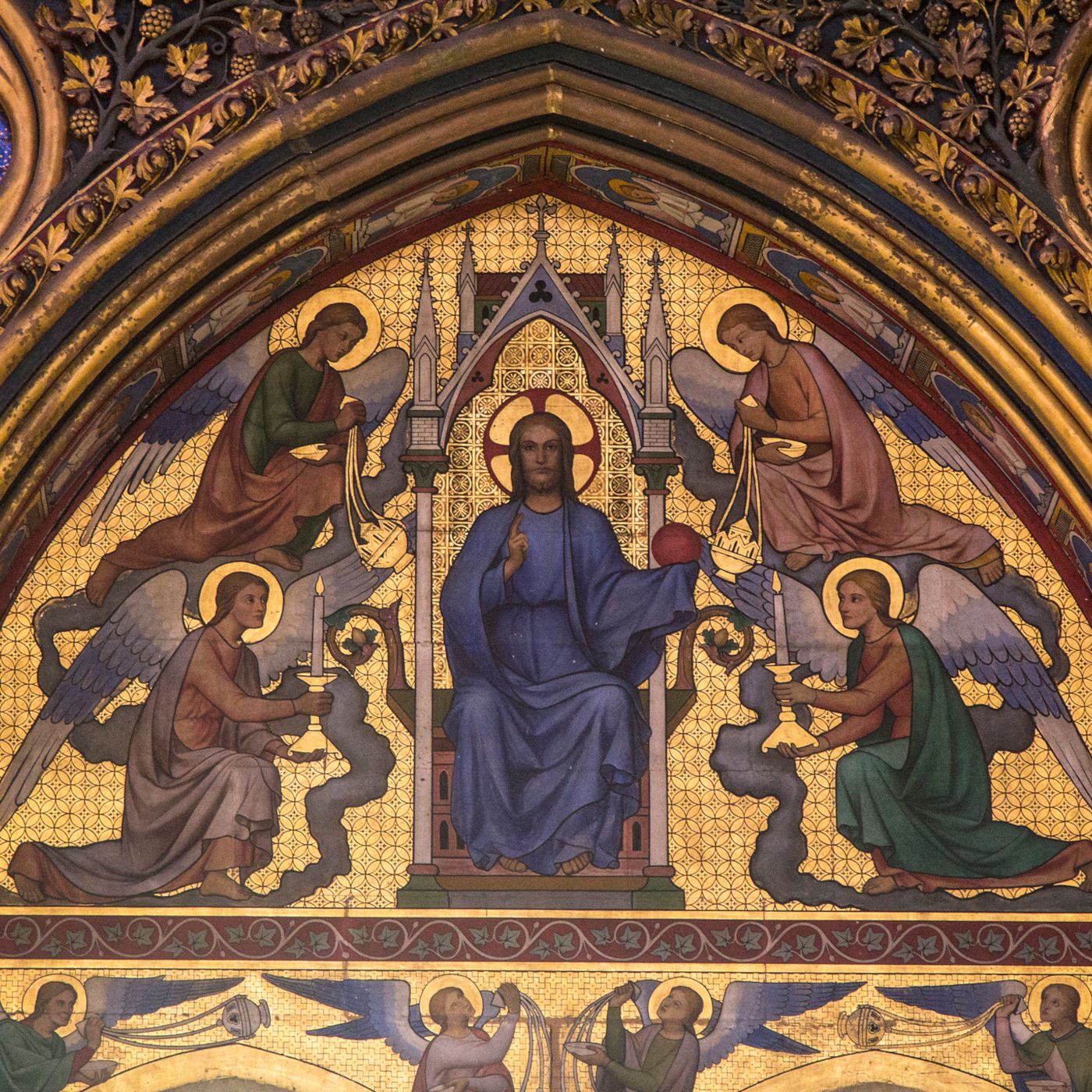
Read Online (https://catholic-daily-reflections.com/2026/11/26/the-nearness-of-gods-kingdom/) The Nearness of God’s Kingdom Jesus told his disciples a parable. “Consider the fig tree and all the other trees. When their buds burst open, you see for yourselves and know that summer is now near; in the same way, when you see these things happening, know that the Kingdom of God is near.” Luke 21:29–31 As Jesus draws His final discourse to a close in Luke’s Gospel, He offers a parable that speaks to both the simplicity of daily life and the profundity of eternal realities. For the people listening to the sermon, it was a familiar image: a fig tree, its buds beginning to open, signaling that summer was near. This parable paints a picture of discernment through quiet attentiveness to the signs of life and change, and how God intervenes. Jesus invites us to read the “seasons” of salvation history both universally and in our own lives, just as we read the natural signs of the world around us. Ju
Thursday 26 November 2026 Today is Thursday the 26th of November, the feast of Saint John Berchmans SJ, in the 34th week of Ordinary Time. At every moment of the day and night, remember that you can come to the Lord. He is always there for you, whatever happens. Allow Him to carry you and be patient with you. Become still, open and receptive, and listen to His Word. The community of Taizé sing Wait for the Lord. ‘Wait for the Lord, his day is near. Wait for the Lord, be strong, take heart.’ Today’s reading is from the Gospel of Luke. Luke 21:20-28 ‘When you see Jerusalem surrounded by armies, then know that its desolation has come near. Then those in Judea must flee to the mountains, and those inside the city must leave it, and those out in the country must not enter it; for these are days of vengeance, as a fulfilment of all that is written. Woe to those who are pregnant and to those who are nursing infants in those days! For there will be great distress on the earth and wrath against
In July 2026, a wild raccoon named Jimothy became an overnight internet sensation after Ballard resident Kiana Hall filmed him wandering through Seattle. Immediately recognizable for his compact frame and very little visible neck, Jimothy likely has short spine syndrome, a rare congenital condition in which the vertebrae are compressed or fused together. His distinctive silhouette and resilience sparked a citywide celebration known as Jimothy Summer, complete with an official Seattle proclamation from Councilmember Alexis Mercedes Rinck, neighborhood art contests, a classic 8-bit video game, and a mural by artist Andrew Miller outside the Ballard Clay Studio. His fame also inspired major community generosity after artist Ryan Henry Ward sold a painting of Jimothy for over $6,500, prompting matching donations from local businesses and corporations that helped raise more than a quarter of a million dollars for the Ballard Food Bank. Beyond Seattle, the viral raccoon drew playful shoutout
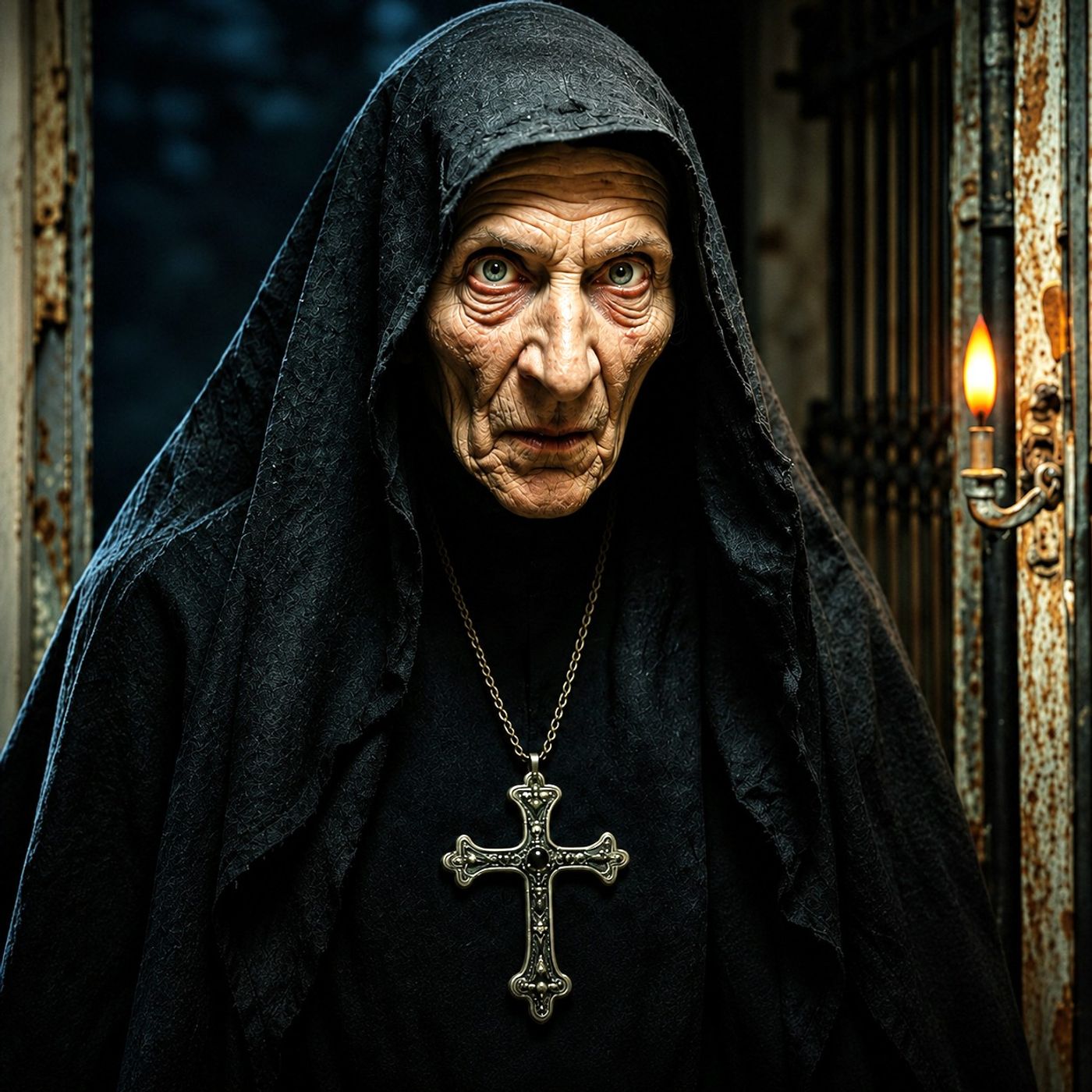
Between 1939 and 1950, a Greek monastery that promised free tuberculosis treatment and spiritual salvation became a house of horrors where Abbess Mariam Soulakiotis—dubbed "Mother Rasputin"—systematically tortured and murdered wealthy converts who had surrendered their fortunes to join her religious sect. READ or DOWNLOAD the full transcript of this episode: https://weirddarkness.tiny.us/2p8fbktr FEATURED STORIES IN THIS EPISODE: On a dark October night in 1989, the crew of the USS Memphis watched in horror as a colossal boomerang-shaped craft emerged from a blood-red sky, circled their nuclear submarine with impossible precision, then vanished at incomprehensible speed—triggering a military cover-up that scattered the crew and erased all official records of the encounter. *** When exhausted British soldiers retreating from the Battle of Mons in 1914 reported seeing towering angels holding back the German army, it sparked a century-long mystery that blurs the line between divine interv
An end of year hypnosis session for reflecting on the last twelve months and setting intentions for the next twelve, built around the idea that you cannot pour from an empty cup. In this session: The cup metaphor: keeping your own emotional resources full so you can be generous with others Choosing who you are generous with, so your kindness is not taken for granted Keeping strong boundaries so that you are not taken advantage of Asking what would make the next twelve months feel deeply worth living Turning what comes up into promises that you make to yourself FREE STUFF AND DISCOUNTS: Limited places: https://courses.adamcox.co.uk/sessions (US: https://courses.adamcox.co.uk/sessions-usd) Get $25 to Spend at The Hypnotist Store Find the Hypnosis Session You Need No more scrolling through hundreds of podcast episodes. What's Your Hypnotic Type? About 4 minutes. Take the test (https://adamcox.co.uk/suitability-test/) Work With Adam Directly Trusted by CEOs, celebrities, and royalty worldw
This final episode of the Rome series traces the dramatic passage from Renaissance promise to persecution and Ghetto life. Jewish life experienced a period of relative protection as popes rebuilt the city and focussed on art. But this fragile security collapsed in the sack of Rome in 1527, when imperial troops devastated the city and its Jewish community. At its heart is Rav Ovadiah Sforno: physician, dayan, philosopher and commentator, whose years in Rome included teaching the Christian Hebraist Johannes Reuchlin. The episode also explores his defence of Torah and the discovery of his teachings through a student's manuscript. His recently published Final Will, witnessed by a baker, knight, church deacon & builder, adds a personal glimpse of his property, business interests and charity. Sforno's anguish over exile and his warnings against communal division lead into the darker Rome that followed: the burning of the Talmud in 1553 and the establishment of the ghetto in 1555. The episode
Correcting clear officiating errors is worth some interruption to a game's flow.
Share your view, then see how readers voted. No sign-in required. This poll is shared across stories.
Do you agree or disagree?
Common Quandary
A Common Quandary to discuss
Another conversation to explore, separate from this news story.
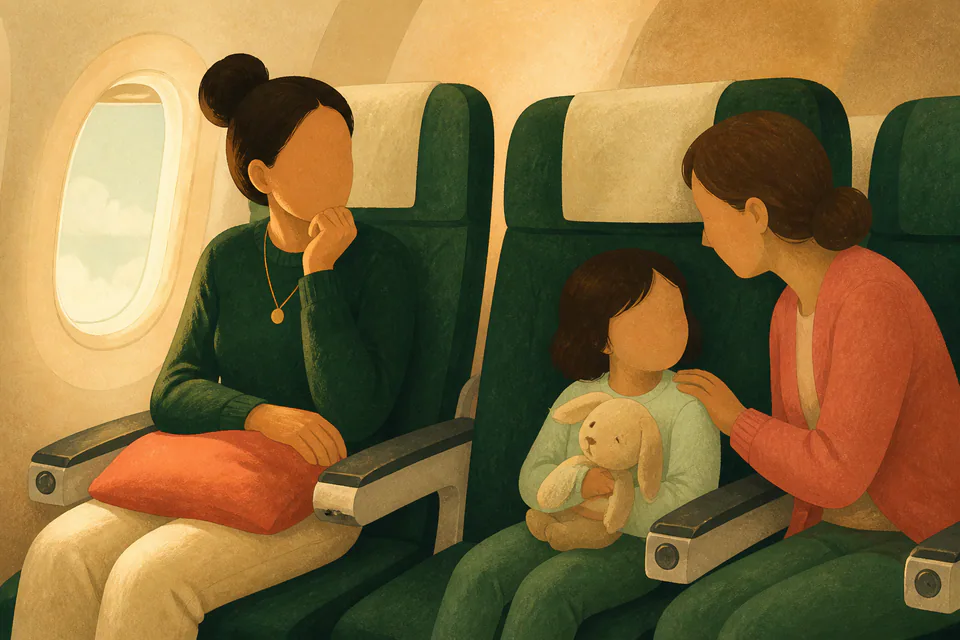
You paid extra for the aisle seat. Must you trade with a parent?
You reserved and paid extra for an aisle seat on a long flight. A parent asks you to trade for a middle seat so they can sit beside their young child after the airline separated them.
When does another person's predicament become your responsibility?