English-language podcasts

Fun Facts Daily

Fun Facts About Jimothy
15 min

Listen through the publisher, then discuss the episode here or arrange an in-person Roundtable. Your city determines where to meet.

Roundtables are designed for groups of four, with a shared subject and room for everyone to speak. Come for discussion, with no dating expectation.

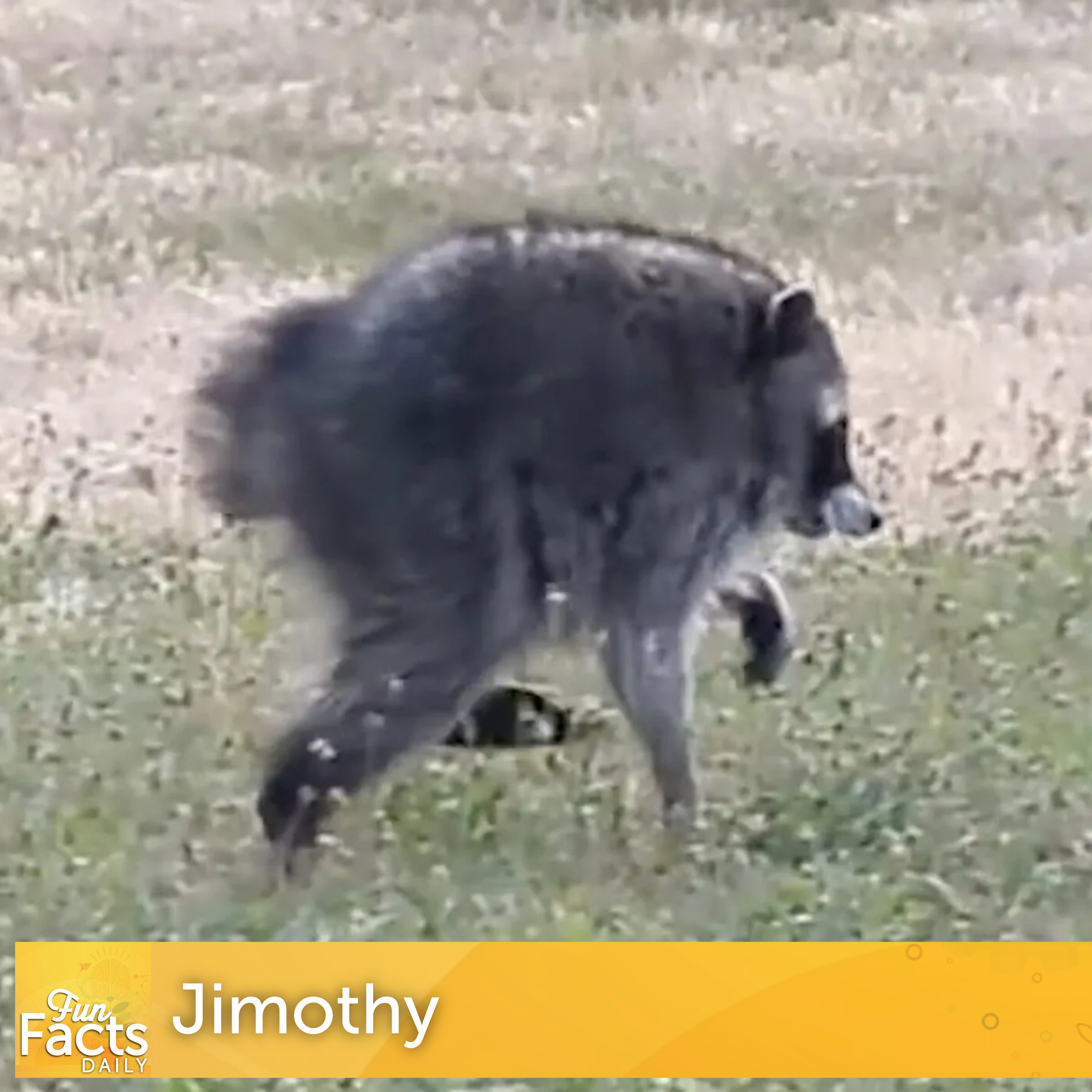
In July 2026, a wild raccoon named Jimothy became an overnight internet sensation after Ballard resident Kiana Hall filmed him wandering through Seattle. Immediately recognizable for his compact frame and very little visible neck, Jimothy likely has short spine syndrome, a rare congenital condition in which the vertebrae are compressed or fused together. His distinctive silhouette and resilience sparked a citywide celebration known as Jimothy Summer, complete with an official Seattle proclamation from Councilmember Alexis Mercedes Rinck, neighborhood art contests, a classic 8-bit video game, and a mural by artist Andrew Miller outside the Ballard Clay Studio. His fame also inspired major community generosity after artist Ryan Henry Ward sold a painting of Jimothy for over $6,500, prompting matching donations from local businesses and corporations that helped raise more than a quarter of a million dollars for the Ballard Food Bank. Beyond Seattle, the viral raccoon drew playful shoutouts from the University of Washington, Google, which added an animated raccoon that runs across the screen when people search for Jimothy, and NASA Earth, which shared an astronaut photograph of Seattle taken from the Space Station. Jimothy's story also shows why urban raccoons are such successful synanthropes, wild animals that thrive close to humans without ever being domesticated. Equipped with nimble five-toed front paws and a neuron-dense cerebral cortex, raccoons rank among the sharpest problem solvers in the animal kingdom. In a classic 1907 study, psychologist H.B. Davis demonstrated that raccoons could unlock complex puzzle boxes in fewer than ten tries and still remember how to open them more than a year later. Even their famous habit of dunking food in water, which inspired the scientific name Procyon lotor, is widely misunderstood. Rather than washing away dirt, raccoons use this behavior, known as dousing, to soften the outer skin on their sensitive paw pads and heighten their sense of touch so they can check a snack's texture and edibility. While viral wildlife sightings are fun to follow, experts advise admiring urban raccoons from a respectful distance, never feeding or petting them, securing trash cans with locking lids, and bringing pet food indoors before dusk so people and wildlife can safely share the same neighborhoods. Want to learn about other amazing animals? Check out my Spotify playlist, Fun Facts About Animals (https://open.spotify.com/playlist/2AhRsVhVq517sgLOgNf9hO?si=tB8NBhSmTM6vbz05upRxTA) Want to learn more? Fun Facts Daily is an Airwave Media Podcast.

Episode information is provided by the publisher. Listening takes place on the publisher’s service.

Listen at the source ↗

Featured places to meet in Palo Alto, CA

Explore these places and arrange a conversation through ThinkMatch.

City guide for Palo Alto, CA

More from Fun Facts Daily

Fun Facts Daily

Fun Facts to Share at the Thanksgiving Table

18 min

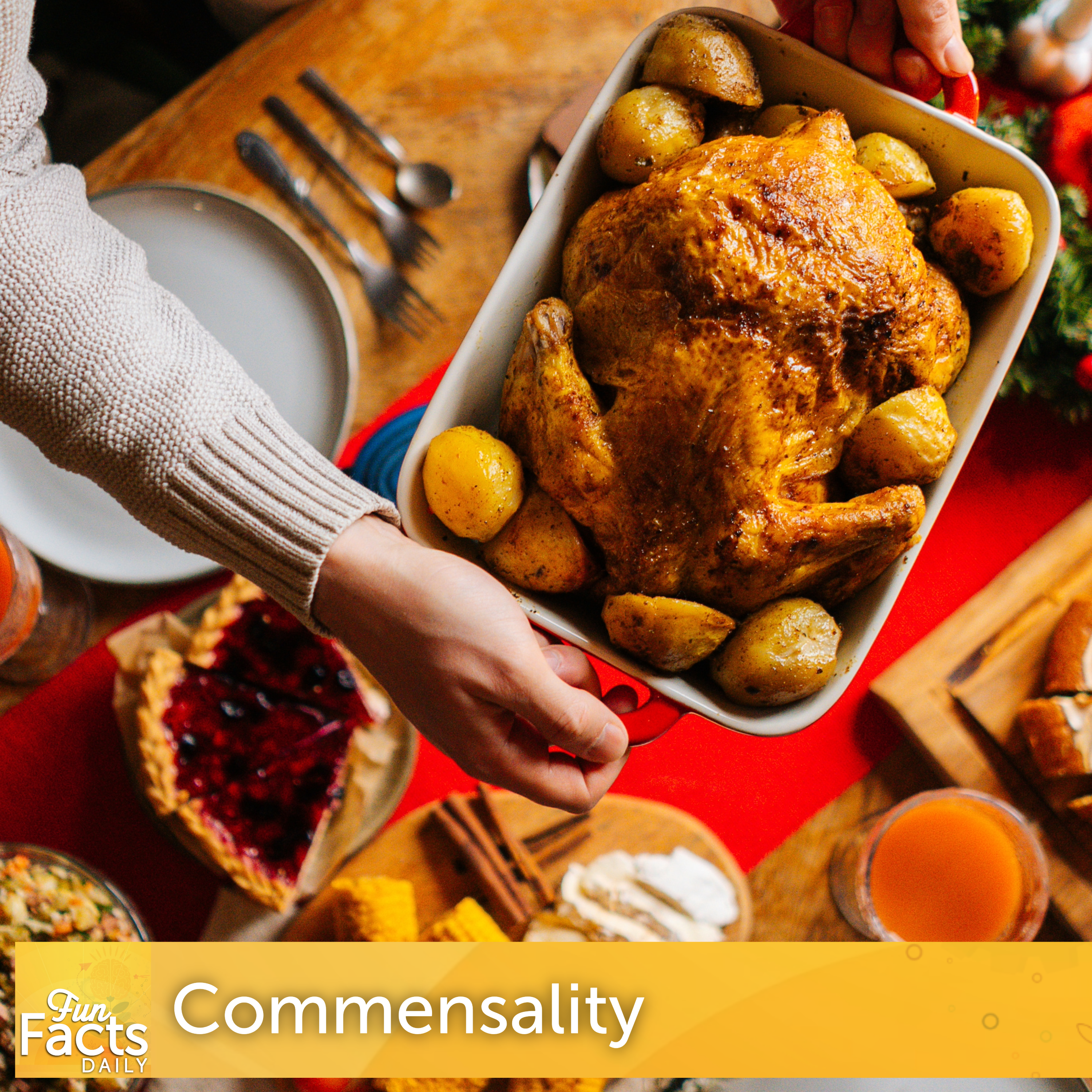
Sharing a meal at the same table, a practice known as commensality, helps families and communities build trust and connect across generations. While many people believe the 1621 harvest feast shared by the Pilgrims and the Wampanoag people started an unbroken annual tradition, American Thanksgiving history actually followed a much more uneven path. Indigenous peoples held seasonal harvest and gratitude ceremonies for generations before 1621, and the Plymouth meal was largely forgotten for about 200 years. George Washington issued the first national Thanksgiving proclamation for Thursday, November 26, 1789, and magazine editor Sarah Josepha Hale later persuaded Abraham Lincoln to set a regular November date in 1863. The holiday did not become federal law until 1941, after public confusion over a date change. When gathering for a holiday dinner, Harvard research shows that asking open-ended follow-up questions makes conversations more engaging and boosts likability. Keeping a few neutral

Discuss this episode

Fun Facts Daily

Fun Facts About Stuffing

15 min

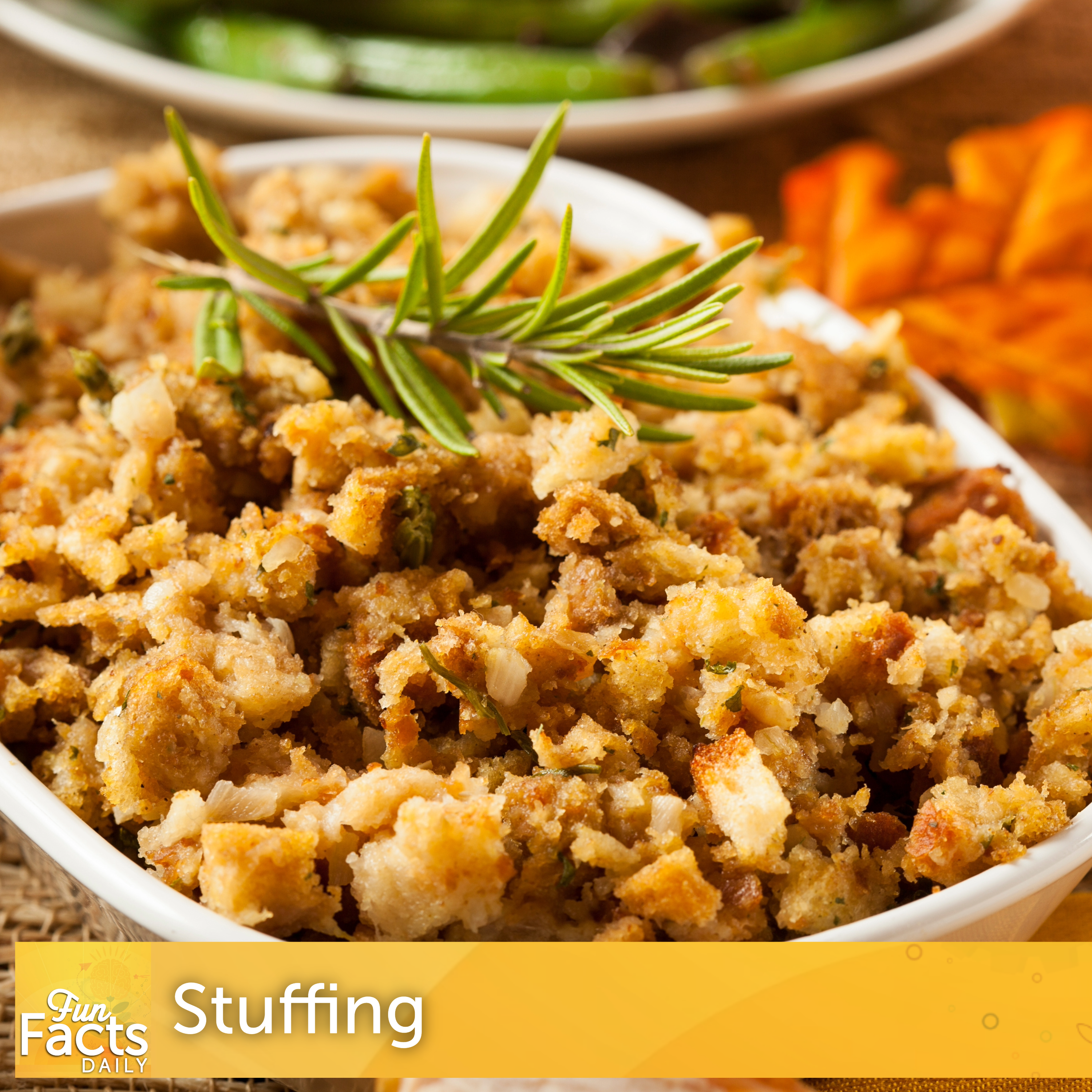
Whether you call it stuffing or dressing, this favorite holiday side dish has a surprisingly rich history. In the 1880s, Victorian etiquette guides encouraged Americans to use the word dressing because stuffing sounded too impolite for the dinner table. Today, the USDA officially defines stuffing as cooked inside the bird and dressing as baked in a separate pan. Even so, most cooks stick to their regional habits, with people in the South preferring dressing and folks in the Northeast and Midwest choosing stuffing. The culinary tradition even gave us the word farce, which comes from the Latin verb farcire, meaning to stuff or cram. Long before Thanksgiving turkeys took center stage, the oldest surviving Roman cookbook, De Re Coquinaria, included recipes for stuffed chicken, pig, and even edible dormice served as a status symbol at wealthy banquets. Centuries later, in 1807, a French food writer took the idea to the extreme by publishing a recipe that packed 17 different birds inside one

Discuss this episode

Fun Facts Daily

Fun Facts About the Wampanoag People

15 min

The Wampanoag, whose name means "People of the First Light," have lived in southeastern Massachusetts, Cape Cod, Martha's Vineyard, Nantucket, and eastern Rhode Island for more than 12,000 years. Historically, Wampanoag communities were led by councils and consensus-based leaders called sachems, including female leaders known as sunksquas. In 1621, the Wampanoag leader Ousamequin, often called by his title Massasoit, meaning Great Sachem, built a strategic alliance with Plymouth colonists, and around 90 Wampanoag men joined 53 surviving Mayflower settlers for the three-day harvest feast later known as the First Thanksgiving. Skilled builders and stewards of the land, Wampanoag families adapted to the New England seasons by building dome-shaped cedar homes called wetus, hollowing out dugout canoes called mishoons with controlled fire, and harvesting wild cranberries paired with maple. Wampanoag history also includes a remarkable story of language survival and revival. In 1663, a printin

Discuss this episode

Community Poll

Independent oversight bodies need real investigatory powers, not only advisory roles.

Share your view, then see how readers voted. No sign-in required. This poll is shared across stories.

Do you agree or disagree?

Choose one answer

Common Quandary

A Common Quandary to discuss

Another conversation to explore, separate from this news story.

One friend is rich, one is broke, and everyone ordered differently. How do you split dinner?

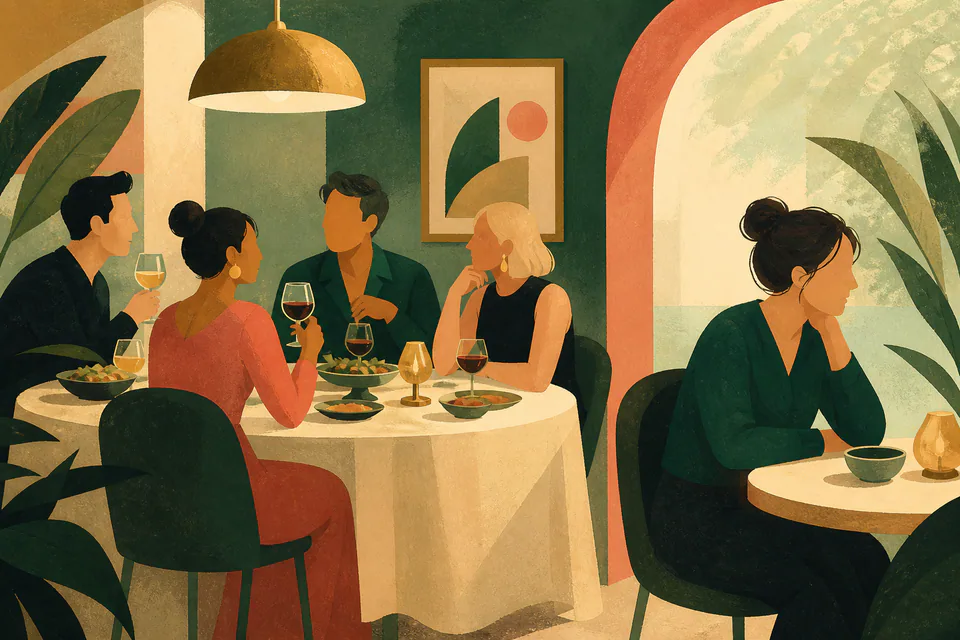
A group of longtime friends traditionally divides restaurant bills equally. Their incomes have grown increasingly unequal, and one friend now declines gatherings because even their share is difficult to afford while others order without thinking about price.

When should friendship adjust for differences in wealth?

Explore this quandary